ARTICLE · 1029969
教学研究:AI赋能高中阅读教学
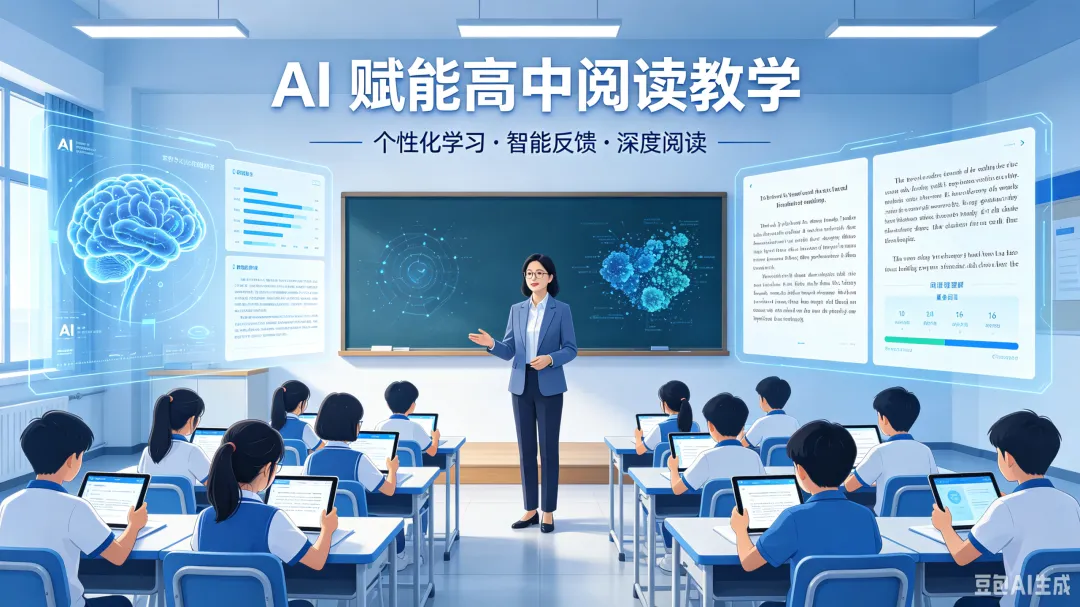
摘要:传统高中阅读教学存在资源单一、分层不足、评价固化、思维培养薄弱等诸多痛点,难以适配新课标下学生核心素养培育的需求。人工智能技术的深度渗透,为高中阅读教学改革提供了全新路径。本文结合高中语文、英语阅读教学实际,从课前预习、课堂教学、课后巩固、教学评价四个维度,探究AI技术的应用价值与实践路径,分析当前教学应用中的现存问题,并提出优化策略,旨在构建智能化、个性化、高效化的阅读教学新模式,助力提升学生阅读能力与综合素养。
Abstract: Traditional senior high school reading teaching faces many pain points such as single teaching resources, insufficient hierarchical teaching, solidified evaluation methods and weak thinking training, which cannot meet the requirements of cultivating students' core literacy under the new curriculum standards. The in-depth penetration of artificial intelligence technology provides a new path for the reform of senior high school reading teaching. Combined with the actual situation of Chinese and English reading teaching in senior high schools, this paper explores the application value and practical paths of AI technology from four dimensions: pre-class preview, in-class teaching, after-class consolidation and teaching evaluation, analyzes the existing problems in current teaching application, and puts forward optimization strategies, aiming to build a new intelligent, personalized and efficient reading teaching model and help improve students' reading ability and comprehensive literacy.
阅读教学是高中基础教育的核心环节,是培养学生语言感知、逻辑思维、审美鉴赏与文化传承能力的关键载体。在新课标背景下,高中阅读教学不再局限于文本解读与知识点背诵,更强调学生自主阅读能力、深度思考能力和跨文化素养的培育。但长期以来,传统阅读教学模式存在明显短板:教师统一化教学难以兼顾学生个体差异,阅读资源局限于教材读本,教学反馈滞后片面,评价方式侧重结果忽视过程,导致学生阅读兴趣不足、浅层阅读普遍、素养提升缓慢,教学提质增效陷入瓶颈。
Reading teaching is the core link of senior high school basic education and a key carrier to cultivate students' abilities of language perception, logical thinking, aesthetic appreciation and cultural inheritance. Under the background of the new curriculum standard, senior high school reading teaching is no longer limited to text interpretation and knowledge memorization, but focuses more on the cultivation of students' independent reading ability, in-depth thinking ability and cross-cultural literacy. However, for a long time, the traditional reading teaching model has obvious shortcomings: unified teaching by teachers is difficult to take into account individual differences of students, reading resources are limited to textbooks, teaching feedback is lagging and one-sided, and the evaluation method focuses on results rather than processes, resulting in students' insufficient reading interest, prevalent shallow reading, slow literacy improvement, and a bottleneck in teaching quality improvement.
人工智能凭借大数据分析、自然语言处理、智能适配推送等核心技术,精准破解传统阅读教学的痛点,实现教学全流程的智能化升级,构建“以生为本”的个性化教学体系。在课前预习阶段,AI教学平台可依托学生历史学情数据,精准研判不同学生的阅读基础、薄弱题型和知识短板,打破统一预习任务的局限。针对基础薄弱学生,AI可推送词汇梳理、文本背景解析、长难句拆解等基础性资源;针对能力较强的学生,推送深度思辨问题、拓展性文本素材和主题探究任务,实现分层精准预习,让课堂教学更具针对性。
With core technologies such as big data analysis, natural language processing and intelligent adaptive push, artificial intelligence accurately solves the pain points of traditional reading teaching, realizes the intelligent upgrading of the whole teaching process, and builds a student-centered personalized teaching system. In the pre-class preview stage, relying on students' historical learning data, the AI teaching platform can accurately judge students' reading foundation, weak question types and knowledge shortcomings of different students, breaking the limitation of unified preview tasks. For students with weak foundation, AI pushes basic resources such as vocabulary sorting, text background analysis and difficult sentence decomposition; for students with strong abilities, it pushes in-depth speculative questions, expanded text materials and thematic inquiry tasks to realize hierarchical and accurate preview and make classroom teaching more targeted.
课堂教学环节中,AI技术有效丰富教学形式、激活课堂氛围,助力深度阅读教学落地。一方面,AI可快速解读文本核心主旨、篇章结构、重难点知识,辅助教师精简备课流程,节省备课时间,让教师将更多精力投入到课堂互动和思维引导中。另一方面,通过智能投屏、实时互动、在线答题等功能,教师可实时捕捉学生课堂学习数据,快速掌握学生对文本理解、知识点掌握的实时情况,及时调整教学节奏和教学内容。同时,AI可结合阅读文本生成情景素材、双语解读、拓展案例,打破教材局限,拓宽学生阅读视野,引导学生从浅层文本认读走向深度逻辑分析和审美探究。
In the classroom teaching link, AI technology effectively enriches teaching forms, activates classroom atmosphere, and helps implement in-depth reading teaching. On the one hand, AI can quickly interpret the core theme, text structure and key and difficult knowledge of texts, assist teachers in streamlining lesson preparation processes, save lesson preparation time, and enable teachers to devote more energy to classroom interaction and thinking guidance. On the other hand, through intelligent screen projection, real-time interaction, online answering and other functions, teachers can capture students' classroom learning data in real time, quickly grasp students' real-time understanding of texts and knowledge points, and adjust teaching rhythm and content in a timely manner. At the same time, AI can generate situational materials, bilingual interpretations and expanded cases combined with reading texts, break the limitations of textbooks, broaden students' reading horizons, and guide students from shallow text recognition to in-depth logical analysis and aesthetic exploration.
课后巩固与教学评价是AI赋能阅读教学的核心优势板块。传统课后训练存在刷题同质化、反馈不及时、错题复盘低效等问题,而AI可根据学生课堂表现和预习情况,智能生成个性化课后阅读任务,精准补齐学生能力短板。在评价层面,AI彻底打破“唯分数论”的单一评价模式,通过全程记录学生阅读时长、文本解读质量、答题思路、思辨表现等过程性数据,构建过程性与结果性相结合的多元化评价体系。同时,AI可自动生成学情分析报告,清晰呈现学生阅读能力的优势与不足,为教师优化教学、学生针对性提升提供数据支撑。
After-class consolidation and teaching evaluation are the core advantageous sections of AI-empowered reading teaching. Traditional after-class training has problems such as homogeneous question brushing, untimely feedback and inefficient error review. AI can intelligently generate personalized after-class reading tasks according to students' classroom performance and preview situation to accurately make up for students' ability shortcomings. At the evaluation level, AI completely breaks the single score-only evaluation model, and builds a diversified evaluation system combining process and result by recording whole-process data such as students' reading duration, text interpretation quality, answering ideas and speculative performance. Meanwhile, AI can automatically generate learning situation analysis reports, clearly showing the advantages and disadvantages of students' reading abilities, providing data support for teachers to optimize teaching and students to improve targetedly.
当前AI赋能高中阅读教学的实践中,仍存在部分亟待解决的问题。部分教师智能化教学理念滞后,过度依赖AI工具或不会合理运用智能资源,导致技术与教学脱节;部分AI资源同质化、适配性不足,难以贴合高中阅读教学重难点和学生认知规律;同时,智能化教学弱化了师生情感互动和思维碰撞,不利于学生人文素养的培育。
At present, there are still some urgent problems to be solved in the practice of AI-empowered senior high school reading teaching. Some teachers have lagging intelligent teaching concepts, over-rely on AI tools or fail to rationally use intelligent resources, resulting in disconnection between technology and teaching; some AI resources are homogeneous and poorly adapted, difficult to fit the key and difficult points of senior high school reading teaching and students' cognitive rules; at the same time, intelligent teaching weakens teacher-student emotional interaction and thinking collision, which is not conducive to the cultivation of students' humanistic literacy.
为优化AI赋能阅读教学的实践效果,学校和教师需构建“技术为辅、育人为主”的教学理念。教师应主动提升智能化教学能力,精准把控AI工具的应用场景,将AI的数据分析、资源推送优势与传统课堂的情感互动、思维引导优势相结合;平台需优化资源库建设,贴合高中课标要求,打造分层化、主题化、精品化的阅读资源;同时,坚守阅读教学的人文本质,以AI助力效率提升,以师生互动培育核心素养,实现技术赋能与人文育人的有机融合。
To optimize the practical effect of AI-empowered reading teaching, schools and teachers should build a teaching concept of technology as auxiliary and education as the core. Teachers should take the initiative to improve intelligent teaching ability, accurately grasp the application scenarios of AI tools, and combine the advantages of AI in data analysis and resource push with the advantages of traditional classrooms in emotional interaction and thinking guidance; platforms need to optimize the construction of resource libraries, comply with the requirements of senior high school curriculum standards, and build hierarchical, thematic and high-quality reading resources; at the same time, adhere to the humanistic essence of reading teaching, use AI to improve teaching efficiency, and cultivate core literacy through teacher-student interaction, so as to realize the organic integration of technological empowerment and humanistic education.
综上所述,AI技术为高中阅读教学改革注入了全新活力,有效破解了传统教学的诸多难题,推动阅读教学从“统一灌输”向“个性化培育”转型。在教学实践中,唯有合理运用AI技术,扬长避短、融合创新,才能充分发挥智能技术的育人价值,切实提升高中阅读教学质量,助力学生阅读素养与综合能力的全面发展。
In conclusion, AI technology has injected new vitality into the reform of senior high school reading teaching, effectively solved many problems of traditional teaching, and promoted the transformation of reading teaching from unified indoctrination to personalized cultivation. In teaching practice, only by rationally applying AI technology, fostering strengths and circumventing weaknesses, and integrating innovation, can we give full play to the educational value of intelligent technology, effectively improve the quality of senior high school reading teaching, and help the all-round development of students' reading literacy and comprehensive abilities.