ARTICLE · 1411598
【重温老课本】第2期:How Marx Learned Foreign Languages(80年代高中英语第一册第1课)附音频
阅读本文前,请您先点击上面的蓝色字体“跟我学英语”,再点击“关注订阅”,这样您就可以继续免费收到文章了;每天都有分享。完全是免费订阅,请放心关注。

亲爱的老同学好!
今天咱们【重温老课本】第二期,直接从初中升到高中。
先做个测试:下面这行字,你是不是又自动在心里默读了?
Karl Marx was born in Germany, and German was his native language...
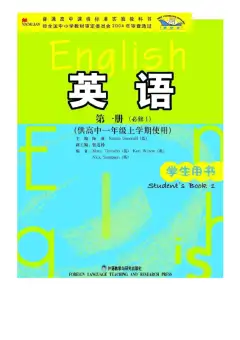
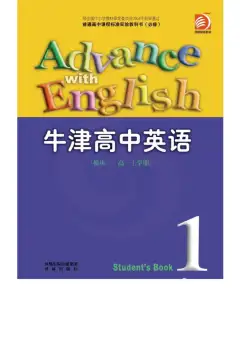
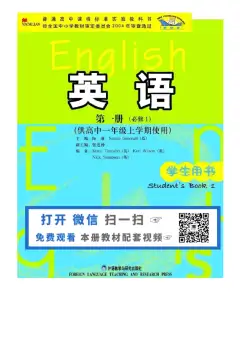
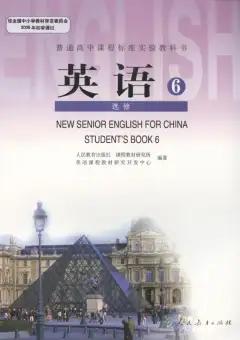
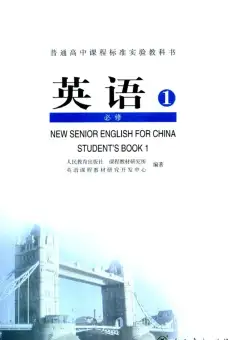
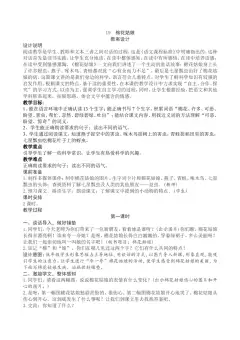
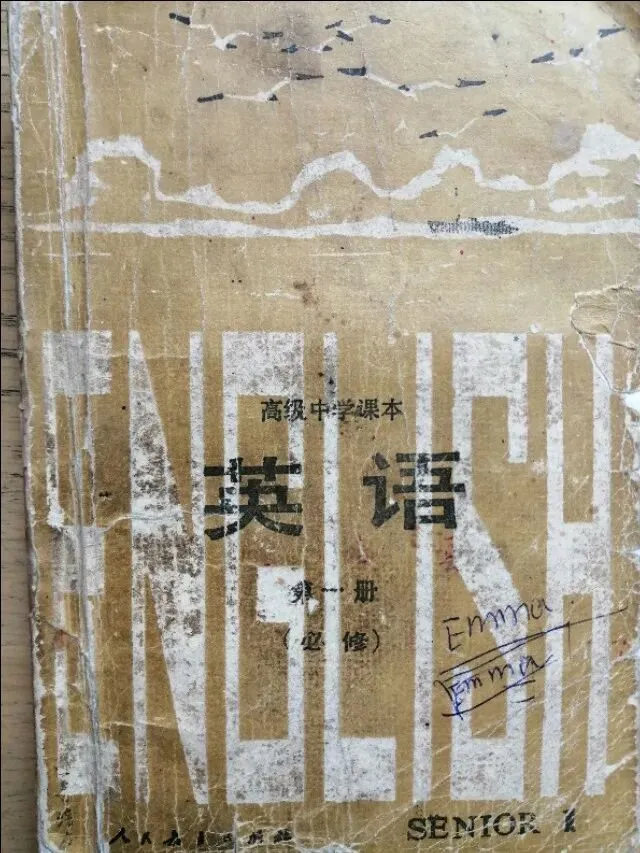
没错,这是80年代《高级中学课本·英语》第一册第1课的课文《How Marx Learned Foreign Languages》(马克思怎样学习外语)。高一开学第一课,全国的高一新生翻开课本,第一篇就是它。
当年为了背这篇课文,你在早自习上摇头晃脑了多少遍?"马克思五十多岁还学俄语"这个故事,又激励了多少人咬牙学英语?
从这篇开始,咱们的栏目节奏调整为:初中、高中交替更新。这期咱们就把这篇"高中第一篇"掰开揉碎——一句英文、一句中文,把被动语态、结果状语从句这些硬骨头都啃明白,最后再来个小测验。
本期课文:《How Marx Learned Foreign Languages》(80年代高中英语第一册·第1课)
一、课文原文(英文在前,可直接跟读)
Lesson 1 How Marx Learned Foreign Languages
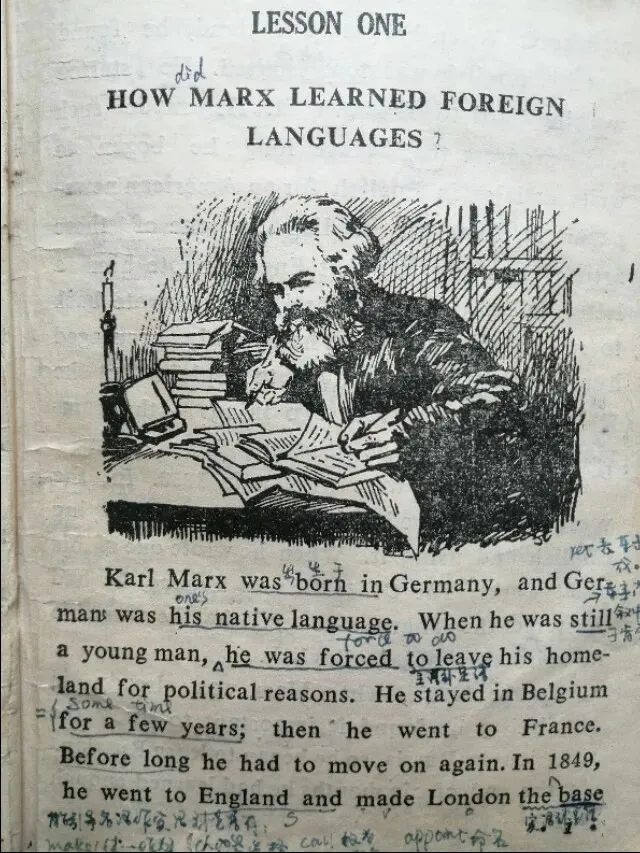
Karl Marx was born in Germany, and German was his native language. When he was still a young man, he was forced to leave his homeland for political reasons. He stayed in Belgium for a few years; then he went to France. Before long he had to move on again. In 1849, he went to England and made London the base for his revolutionary work.
Marx had learned some French and English at school. When he got to England, he found that his English was too limited. He started working hard to improve it. He made such rapid progress that before long he began to write articles in English for an American newspaper. In fact, his English in one of these articles was so good that Engels wrote him a letter and praised him for it. Marx wrote back to say that Engels' praise had greatly encouraged him. However, he went on to explain that he was not too sure about two things -- the grammar and some of the idioms.
These letters were written in 1853. In the years that followed, Marx kept on studying English and using it. When he wrote one of his great works, The Civil War in France, he had mastered the language so well that he was able to write the book in English.
In the 1870s, when Marx was already in his fifties, he found it important to study the situation in Russia, so he began to learn Russian. At the end of six months he had learned enough to read articles and reports in Russian.
In one of his books, Marx gave some advice on how to learn a foreign language. He said when people are learning a foreign language, they should not translate everything into their own language. If they do this, it shows they have not mastered it. When they use the foreign language, they should try to forget all about their own. If they cannot do this, they have not really learned the spirit of the foreign language and cannot use it freely.
二、英汉对照(逐句对译)
1. Karl Marx was born in Germany, and German was his native language.卡尔·马克思出生在德国,德语是他的母语。
2. When he was still a young man, he was forced to leave his homeland for political reasons.他还年轻的时候,由于政治原因被迫离开了祖国。
3. He stayed in Belgium for a few years; then he went to France.他在比利时住了几年,然后去了法国。
4. Before long he had to move on again.不久,他又不得不继续迁移。
5. In 1849, he went to England and made London the base for his revolutionary work.1849年,他去了英国,并把伦敦作为他革命工作的基地。
6. Marx had learned some French and English at school.马克思在学校学过一些法语和英语。
7. When he got to England, he found that his English was too limited.到英国后,他发现自己的英语太有限了。
8. He started working hard to improve it.他开始努力学习,来提高英语水平。
9. He made such rapid progress that before long he began to write articles in English for an American newspaper.他进步非常快,不久就开始用英语为一家美国报纸写文章。
10. In fact, his English in one of these articles was so good that Engels wrote him a letter and praised him for it.事实上,其中一篇文章里的英语写得非常好,恩格斯为此给他写信表扬了他。
11. Marx wrote back to say that Engels' praise had greatly encouraged him.马克思回信说,恩格斯的赞扬极大地鼓舞了他。
12. However, he went on to explain that he was not too sure about two things -- the grammar and some of the idioms.然而,他接着解释说,他对两件事还不太有把握——语法和一些习语。
13. These letters were written in 1853. 这些信写于1853年。
14. In the years that followed, Marx kept on studying English and using it.在随后的几年里,马克思坚持学习和使用英语。
15. When he wrote one of his great works, The Civil War in France, he had mastered the language so well that he was able to write the book in English.当他写《法兰西内战》这部伟大著作的时候,他已经把英语掌握得很好,能够用英语写这本书了。
16. In the 1870s, when Marx was already in his fifties, he found it important to study the situation in Russia, so he began to learn Russian.19世纪70年代,马克思已经五十多岁了,他觉得研究俄国的形势很重要,于是开始学习俄语。
17. At the end of six months he had learned enough to read articles and reports in Russian.六个月后,他学到的俄语就足以阅读俄语文章和报告了。
18. In one of his books, Marx gave some advice on how to learn a foreign language.马克思在他的一本书里,对如何学习外语提出了一些建议。
19. He said when people are learning a foreign language, they should not translate everything into their own language.他说,人们学习外语的时候,不应该把一切都翻译成自己的母语。
20. If they do this, it shows they have not mastered it.如果他们这样做,就说明他们还没有掌握这门语言。
21. When they use the foreign language, they should try to forget all about their own.当他们使用外语的时候,应该尽量完全忘掉自己的母语。
22. If they cannot do this, they have not really learned the spirit of the foreign language and cannot use it freely.如果他们做不到这一点,就说明他们还没有真正学到外语的精髓,也不能自由地运用它。
三、逐句句型分析
1. Karl Marx was born in Germany, and German was his native language.本课第一处被动语态:was born(出生)是固定表达,born 是 bear 的过去分词,表示"被生下来"。and 连接两个并列分句,后一分句是"主语+系动词+表语"结构,German(德语)作主语。
2. When he was still a young man, he was forced to leave his homeland for political reasons.When 引导时间状语从句;be forced to do sth(被迫做某事)是被动语态,主动式是 force sb to do sth(强迫某人做某事);for political reasons(由于政治原因),for 表原因。
3. He stayed in Belgium for a few years; then he went to France.分号连接两个并列分句。stay+地点+for+时间段,表示"在某地待了多久";then(然后)作副词表时间承接。
4. Before long he had to move on again.before long(不久以后)是固定短语,重点区分:long before 是"很久以前",顺序不同意思完全不同;have to(不得不)强调客观所迫;move on(继续前进、继续迁移),on 是副词,表"继续"。
5. In 1849, he went to England and made London the base for his revolutionary work.本课最重点句型之一:make+宾语+名词(作宾补)="使……成为……"。London the base 是复合宾语,the base 作 London 的宾语补足语。这类句型还有 call/name/choose 等。
6. Marx had learned some French and English at school. 过去完成时 had learned,表示"在过去的某个时间点之前已经学会",为后文他到英国后的表现作铺垫;at school(在学校)是固定短语。
7. When he got to England, he found that his English was too limited.When 引导时间状语从句;get to(到达),比 arrive at 更口语化;found that... 是宾语从句;too 是副词"太……",修饰形容词 limited(有限的)。
8. He started working hard to improve it.start doing sth(开始做某事),也可说 start to do sth;work hard(用功),hard 是副词,注意不是 hardly(几乎不);to improve it 是不定式作目的状语。
9. He made such rapid progress that before long he began to write articles in English for an American newspaper.such+形容词+名词+that 引导结果状语从句(如此……以至于……);make progress(取得进步),progress 是不可数名词,前面加 such 而不是 so;write articles in English(用英语写文章),in+语言表示"用某种语言"。
10. In fact, his English in one of these articles was so good that Engels wrote him a letter and praised him for it.so+形容词+that 结果状语从句,与上一句的 such...that 对比记忆:such 后接名词,so 后接形容词或副词;write sb a letter(给某人写信);praise sb for sth(因……表扬某人)。
11. Marx wrote back to say that Engels' praise had greatly encouraged him.write back(回信);to say that... 是不定式表目的,后接宾语从句;had encouraged 是过去完成时,表示"在马克思回信之前已经发生";Engels' 是名词所有格,以 s 结尾的名词只加撇号。
12. However, he went on to explain that he was not too sure about two things -- the grammar and some of the idioms.go on to do sth(接着去做另一件事),对比 go on doing sth(继续做同一件事);be sure about(对……有把握);破折号后的内容是同位语,具体说明 two things 指的是哪两件事。
13. These letters were written in 1853.被动语态(一般过去时)were written,主动语态为 Marx wrote these letters in 1853. 被动句把"信"放在主语位置,强调对象。
14. In the years that followed, Marx kept on studying English and using it.that followed 是定语从句,修饰 the years(随后的那些年);keep on doing sth(坚持做某事),on 起强调"持续"的作用。
15. When he wrote one of his great works, The Civil War in France, he had mastered the language so well that he was able to write the book in English.本课最难句之一:had mastered 是过去完成时,表示"在他写《法兰西内战》之前就已经掌握";so well that 引导结果状语从句;be able to do(能够做);The Civil War in France 作 one of his great works 的同位语,说明是哪部著作。
16. In the 1870s, when Marx was already in his fifties, he found it important to study the situation in Russia, so he began to learn Russian. in the 1870s(19世纪70年代);in one's fifties(在某人五十多岁时),注意用复数;find it+形容词+to do(发现做某事是……的),it 是形式宾语,真正的宾语是后面的不定式,这是高考高频句型;so 表结果。
17. At the end of six months he had learned enough to read articles and reports in Russian.at the end of(在……结束时),对比 in the end(最后、终于);had learned 过去完成时;enough to do(足以做某事);in Russian(用俄语)。
18. In one of his books, Marx gave some advice on how to learn a foreign language.give advice on...(就……提出建议),advice 是不可数名词,没有复数、不加 s;how to learn 是"疑问词+不定式"结构,作 on 的宾语。
19. He said when people are learning a foreign language, they should not translate everything into their own language.said 后接宾语从句(省略了 that),从句里又套了一个 when 时间状语从句;translate...into...(把……翻译成……);should not(不应该)表建议,语气委婉。
20. If they do this, it shows they have not mastered it.If 引导条件状语从句(如果……);shows 后接宾语从句;have not mastered 是现在完成时,表示"到现在还没有掌握"。
21. When they use the foreign language, they should try to forget all about their own.When 时间状语从句;try to do sth(努力去做某事);forget all about(把……完全忘掉)。
22. If they cannot do this, they have not really learned the spirit of the foreign language and cannot use it freely. If 条件状语从句;the spirit of the foreign language(外语的精髓);and 连接两个并列谓语 have not learned 与 cannot use;freely(自由地)是副词,修饰 use。
四、重点单词与短语(本课必背)
native language 母语(native 本国的;本土的)
be born 出生(born 是 bear 的过去分词,be born in + 地点)
homeland n. 祖国(home + land 合成词)
be forced to do sth 被迫做某事(force sb to do sth 的被动式)
for political reasons 由于政治原因(for 表原因)
before long 不久以后(对比:long before 很久以前)
move on 继续前进;继续迁移(on 表"继续")
revolutionary adj. 革命的(名词 revolution 革命 + -ary)
make + 宾语 + 宾补 使……成为……(本课 make London the base 使伦敦成为基地)
limited adj. 有限的(动词 limit 限制 + -ed)
improve vt. 提高;改进(improve English 提高英语水平)
make rapid progress 取得快速进步(progress 是不可数名词)
such...that / so...that 如此……以至于……(such 后接名词,so 后接形容词/副词)
in English 用英语(in + 语言:用某种语言)
write sb a letter 给某人写信(= write a letter to sb)
praise sb for sth 因某事表扬某人(praise 表扬;称赞)
encourage vt. 鼓励(encourage sb 鼓励某人)
idiom n. 习语;惯用语
keep on doing sth 坚持做某事(keep doing 也表继续做)
master vt. 掌握;精通(master the language 掌握这门语言)
be able to do sth 能够做某事(= can,但 can 没有将来时和完成时)
in one's fifties 在某人五十多岁时(in the 1870s 19世纪70年代)
find it + 形容词 + to do 发现做某事是……的(it 是形式宾语)
at the end of 在……结束时(对比:in the end 最后)
give advice on 就……提出建议(advice 不可数名词,无复数)
translate...into... 把……翻译成……(translate English into Chinese 把英语译成中文)
the spirit of ……的精髓;……的精神实质
五、课后小测验(考考自己)
第1题(选择题):He made ___ rapid progress ___ he began to write articles in English.( )
A. such; that B. so; that C. too; to
答案:A。such 后接名词(rapid progress),that 引导结果状语从句,构成 such...that(如此……以至于)。
第2题(句型转换):Marx wrote these letters in 1853.(改为被动语态)
答案:These letters were written in 1853.
第3题(翻译):"马克思被迫离开祖国"用英语怎么说?
答案:Marx was forced to leave his homeland.
第4题(改错):In one of his books, Marx gave some advices on how to learn a foreign language.(找出并改正错误)
答案:advices 应改为 advice。advice(建议)是不可数名词,没有复数形式。
第5题(翻译):"他五十多岁时开始学习俄语"用英语怎么说?
答案:He began to learn Russian when he was already in his fifties.
第6题(辨析):___ the war, he joined the army.( )
A. Before long B. Long before
答案:B。long before the war 表示"早在战争之前",before long 是"不久以后",含义相反,注意区分。
写在最后
好了,这篇"高中第一课"就重温到这儿。
先说说马克思那句流传最广的话——"A foreign language is a weapon in the struggle of life."(外语是人生斗争中的武器)。这篇课文当年被放在高中第一册第一课,大概就是想告诉每个高一新生:外语,是你手里的一件武器。
课文里马克思学外语的方法,放到今天依然管用:别老想着把什么都翻译成母语,试着用外语去思考。这个建议,比现在很多"速成秘籍"都实在。
最后想问问大家:你当年背的第一篇高中英语课文是哪篇?背《马克思》这篇时,有没有被"五十多岁还在学俄语"震撼到?家里还留着这本《高级中学课本·英语》吗?欢迎在评论区聊聊,咱们下期初中篇再见!