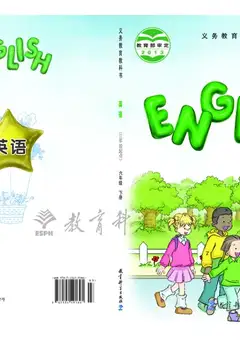
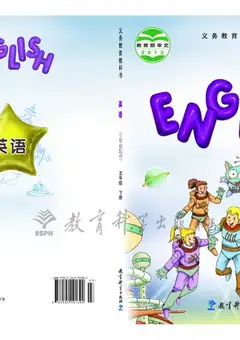
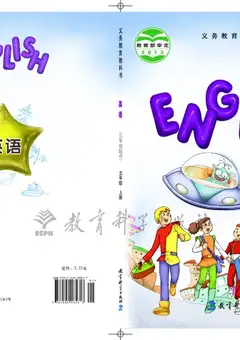
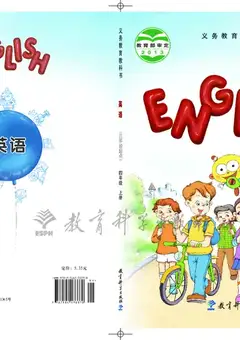
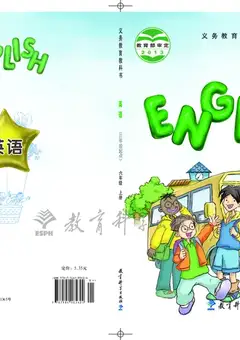
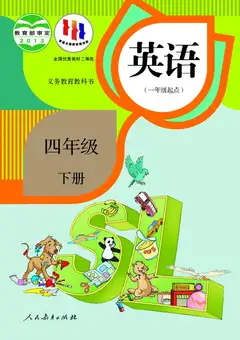
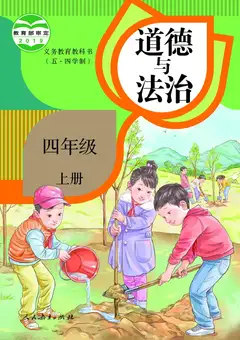
义 务 教 育 教 科 书
四年级
下册
大同出版传媒有限公司
义 务 教 育 教 科 书
人民教育出版社 课程教材研究所 编著
·北 京·
大同出版传媒有限公司
四年级
下册
义务教育教科书 英语 四年级 下册
人民教育出版社 课程教材研究所 编著
出版发行
(北京市海淀区中关村南大街17 号院1 号楼 邮编:100081)
大同出版传媒有限公司
(深圳市前海深港合作区前海卓越中心1 号楼1001-1012 邮编:518101)
网 址 http://www.pep.com.cn http://grandunity.com.cn
发 行 大同出版传媒有限公司
经 销 全国新华书店
印 刷 四川新华印刷有限责任公司
版 次 2025 年12 月第1 版
印 次 2025 年12 月第1 次印刷
开 本 787 毫米×1092 毫米 1/16
印 张 6
字 数 120 千字
书 号 ISBN 978-7-5233-0036-7
定 价 5.70 元
价格依据文件号:川发改价格〔2024〕229 号
版权所有·未经许可不得采用任何方式擅自复制或使用本产品任何部分·违者必究
如发现内容质量问题,敬请反馈至电子邮箱:primary_english@126.com
如发现印、装质量问题,影响阅读,请与大同出版传媒有限公司联系。电话:0755-61119888-8332
主 编:张晓红
执行主编:吴 庄
分册主编:董立鹏
编写人员(以姓氏笔画为序):
刘丽华 李 俏 周 辉
贾陆依 曾 荣
责任编辑:鲁锡华 刘苏瑶 杜 瑾
责任设计:李 彪
亲爱的同学:
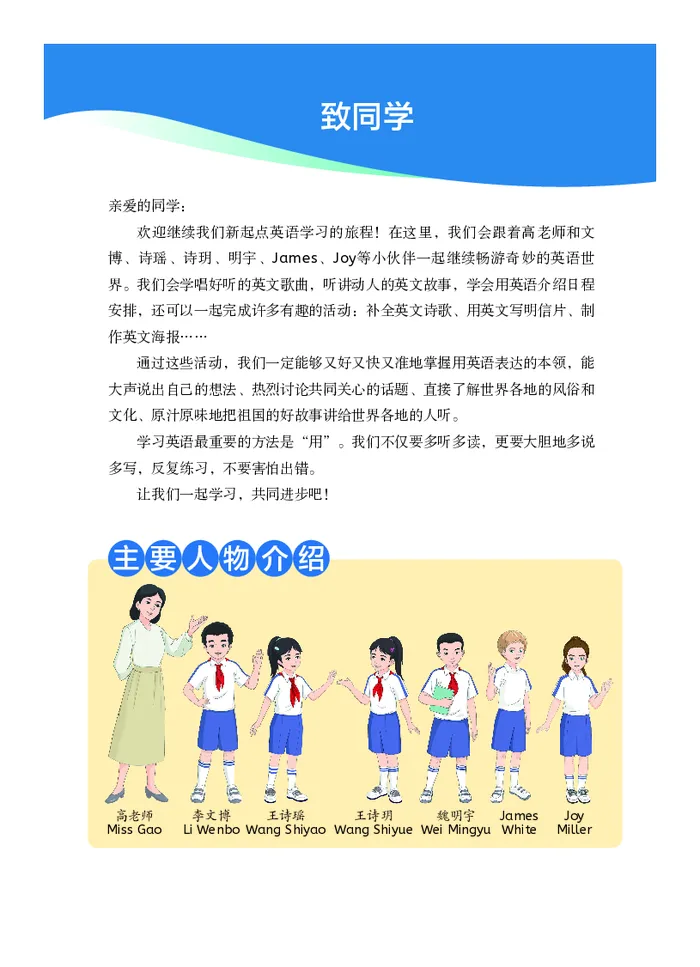
欢迎继续我们新起点英语学习的旅程!在这里,我们会跟着高老师和文
博、诗瑶、诗玥、明宇、James、Joy等小伙伴一起继续畅游奇妙的英语世
界。我们会学唱好听的英文歌曲,听讲动人的英文故事,学会用英语介绍日程
安排,还可以一起完成许多有趣的活动:补全英文诗歌、用英文写明信片、制
作英文海报……
通过这些活动,我们一定能够又好又快又准地掌握用英语表达的本领,能
大声说出自己的想法、热烈讨论共同关心的话题、直接了解世界各地的风俗和
文化、原汁原味地把祖国的好故事讲给世界各地的人听。
学习英语最重要的方法是“用”。我们不仅要多听多读,更要大胆地多说
多写,反复练习,不要害怕出错。
让我们一起学习,共同进步吧!
王诗瑶
Wang Shiyao
王诗玥
Wang Shiyue
高老师
Miss Gao
李文博
Li Wenbo
魏明宇
Wei Mingyu
主要人物介绍
致同学
Joy
Miller
James
White
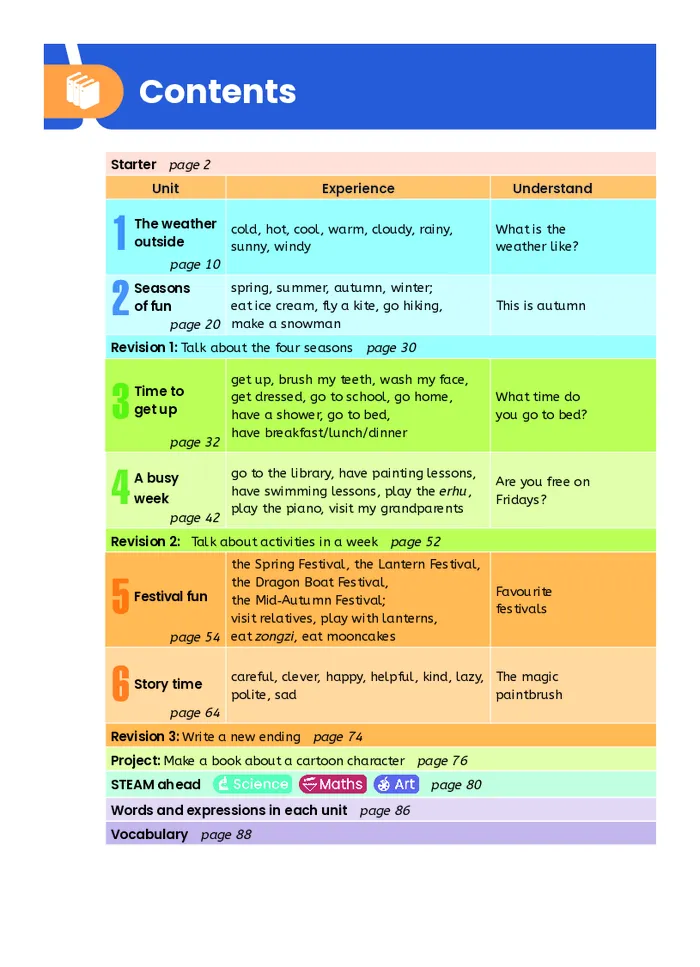
Starter page 2
Unit
Experience
The weather
outside
page 10
cold, hot, cool, warm, cloudy, rainy,
sunny, windy
What is the
weather like?
Seasons
of fun
page 20
spring, summer, autumn, winter;
eat ice cream, fly a kite, go hiking,
make a snowman
This is autumn
Revision 1: Talk about the four seasons page 30
Time to
get up
page 32
get up, brush my teeth, wash my face,
get dressed, go to school, go home,
have a shower, go to bed,
have breakfast/lunch/dinner
What time do
you go to bed?
A busy
week
page 42
go to the library, have painting lessons,
have swimming lessons, play the erhu,
play the piano, visit my grandparents
Are you free on
Fridays?
Revision 2: Talk about activities in a week page 52
Festival fun
page 54
the Spring Festival, the Lantern Festival,
the Dragon Boat Festival,
the Mid-Autumn Festival;
visit relatives, play with lanterns,
eat zongzi, eat mooncakes
Favourite
festivals
Story time
page 64
careful, clever, happy, helpful, kind, lazy,
polite, sad
The magic
paintbrush
Revision 3: Write a new ending page 74
Project: Make a book about a cartoon character page 76
STEAM ahead
page 80
Words and expressions in each unit page 86
Vocabulary page 88
Understand
1
2
3
4
5
6
Contents
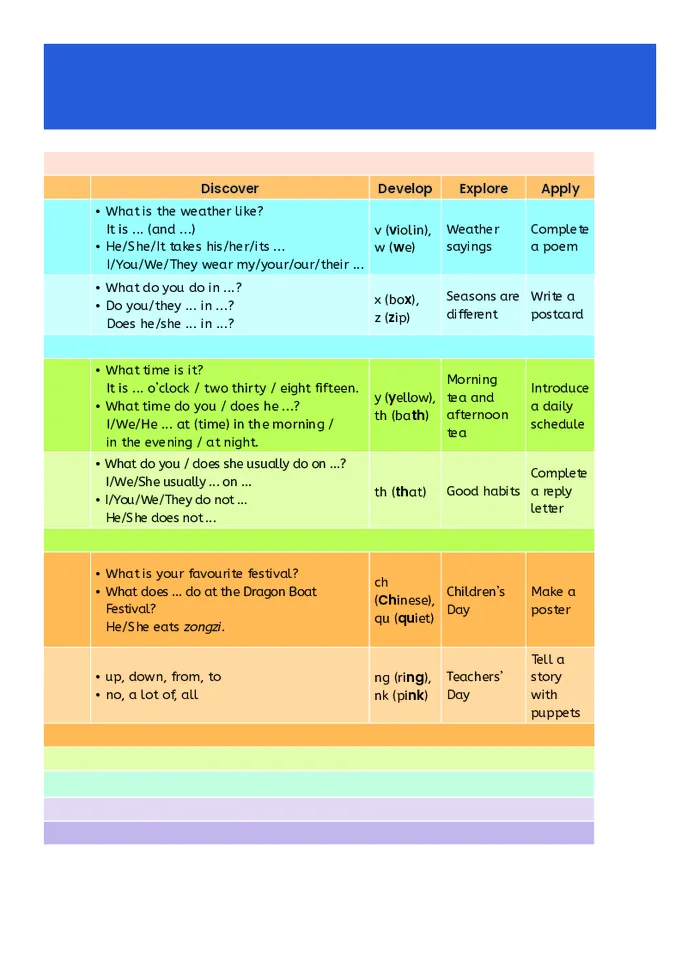
Discover
Develop
Explore
Apply
• �What is the weather like?
It is ...… (and ...…)
• �He/She/It takes his/her/its ...
�I/You/We/They wear my/your/our/their ...
v (violin),
w (we)
Weather
sayings
Complete
a poem
• What do you do in ...?
• �Do you/they ... in ...?
Does he/she ... in ...?
x (box),
z (zip)
Seasons are
different
Write a
postcard
• What time is it?
�It is …... o’clock / two thirty / eight fifteen.
• �What time do you / does he …。...?
�I/We/He ...… at (time) in the morning /
in the evening / at night.
y (yellow),
th (bath)
Morning
tea and
afternoon
tea
Introduce
a daily
schedule
• �What do you / does she usually do on ...…?
I/We/She usually ...… on ...…
• �I/You/We/They do not ...
He/She does not ...
th (that)
Good habits
Complete
a reply
letter
• What is your favourite festival?
• �What does ...… do at the Dragon Boat
Festival?
He/She eats zongzi.
ch
(Chinese),
qu (quiet)
Children’s
Day
Make a
poster
• up, down, from, to
• no, a lot of, all
ng (ring),
nk (pink)
Teachers’
Day
Tell a
story
with
puppets
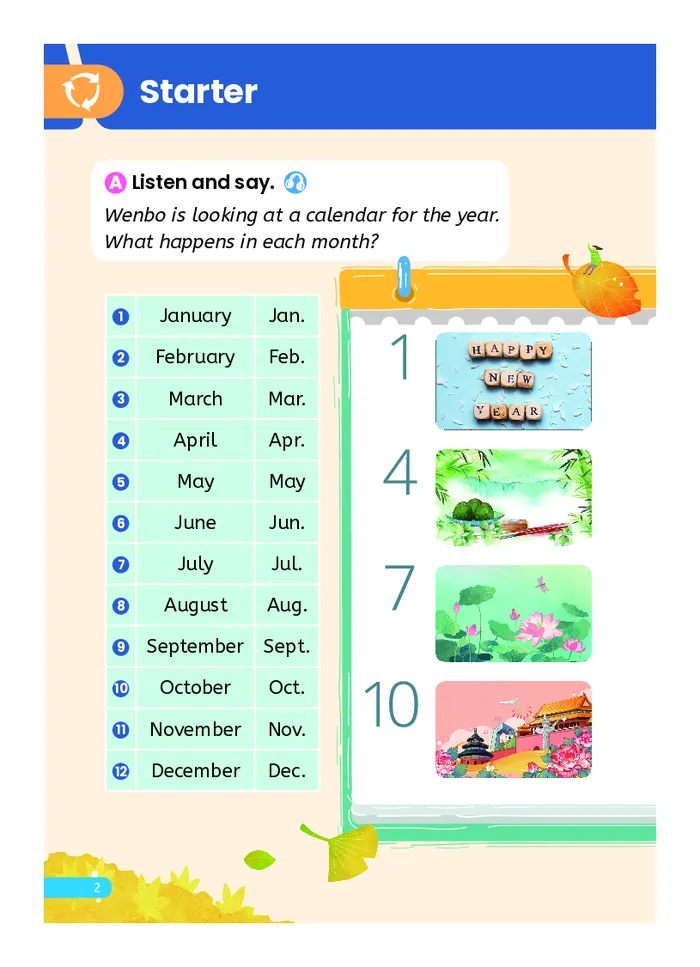
Starter
Listen and say.
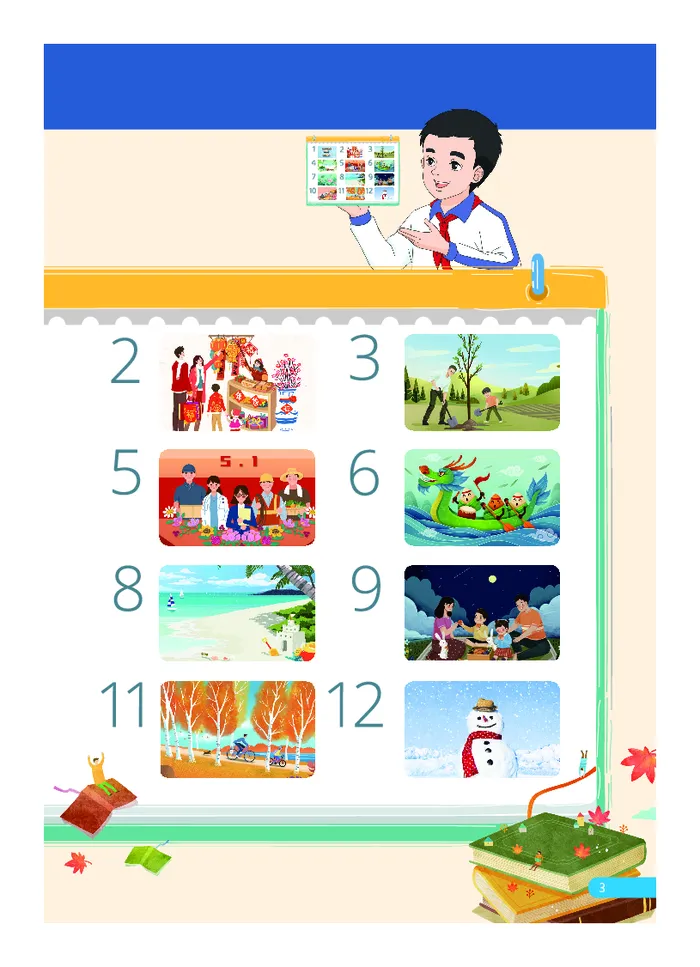
Wenbo is looking at a calendar for the year.
What happens in each month?
1
January
Jan.
2
February
Feb.
3
March
Mar.
4
April
Apr.
5
May
May
6
June
Jun.
7
July
Jul.
8
August
Aug.
9
September
Sept.
10
October
Oct.
11
November
Nov.
12
December
Dec.
2
3
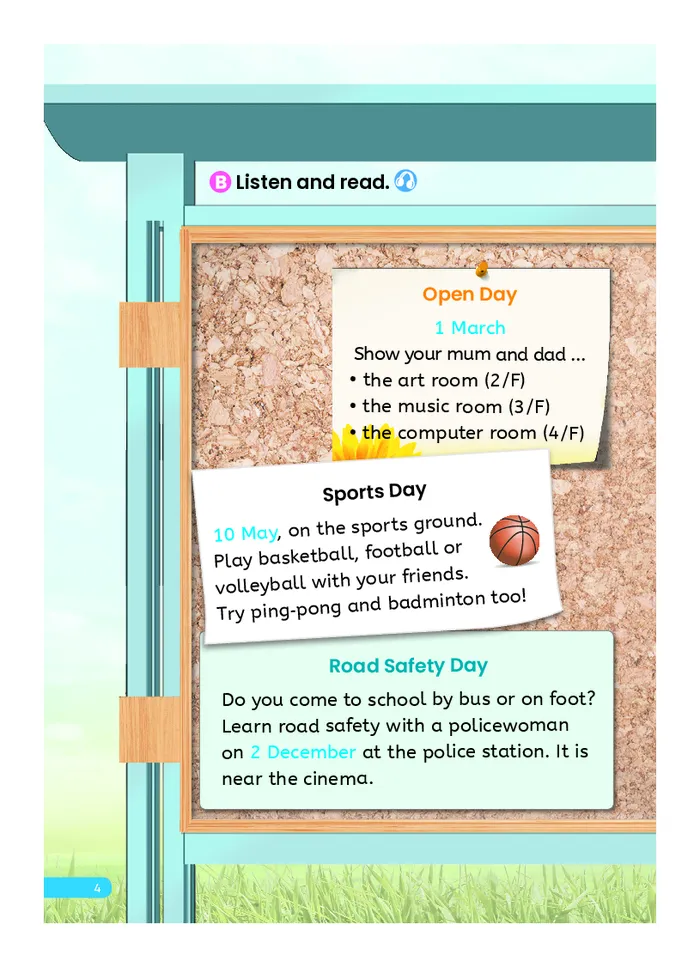
Open Day
1 March
Show your mum and dad ...
• the art room (2/F)
• the music room (3/F)
• the computer room (4/F)
Listen and read.
Road Safety Day
Do you come to school by bus or on foot?
Learn road safety with a policewoman
on 2 December at the police station. It is
near the cinema.
Sports Day
10 May, on the sports ground.
Play basketball, football or
volleyball with your friends.
Try ping-pong and badminton too!
4
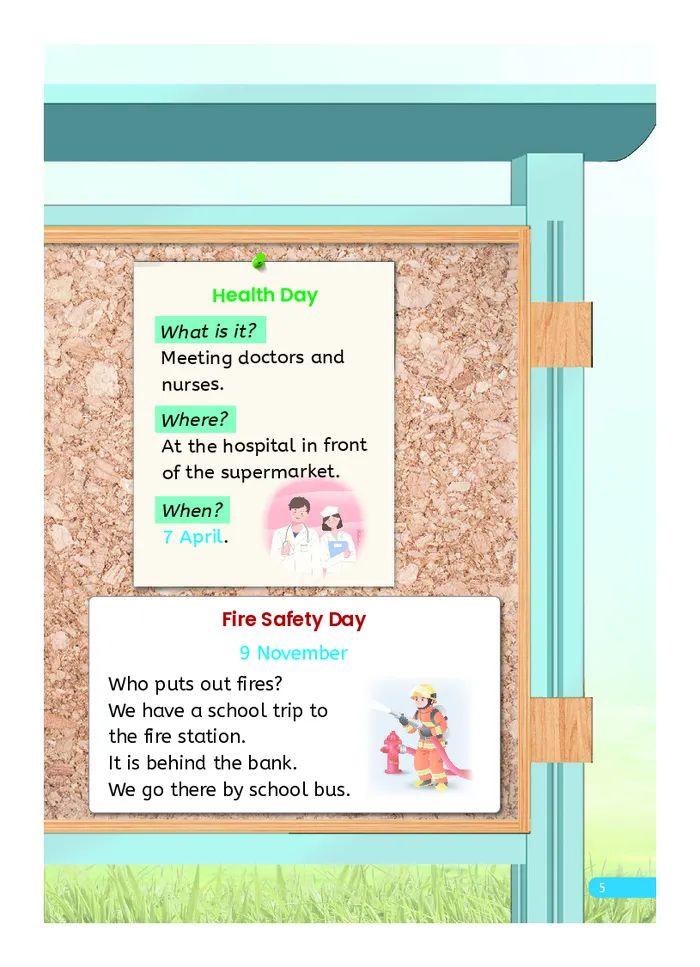
Who puts out fires?
We have a school trip to
the fire station.
It is behind the bank.
We go there by school bus.
Fire Safety Day
9 November
5
Health Day
What is it?
Meeting doctors and
nurses.
Where?
At the hospital in front
of the supermarket.
When?
7 April.
Play a game.
START
What floor is the
music room on?
What is on the
second floor?
When can
you meet a
fireman?
1
4
2
3
When is Open
Day?
Play in pairs. Open one student’s book to pages 4—5.
2
1
3
4
5
6
Get a number. Move .
Answer the questions.
2
1
3
4
5
6
You need:
6
FINISH
Where is the
fire station?
How do you
go to the fire
station?
Who can you
meet in April?
What can you
do in May?
When is School
Sports Day?
Where is the
hospital?
Where can you go
in December?
What is near the
police station?
5
6
8
10
11
12
9
7
7
Excuse me, is there
a supermarket here?
I am sorry. There are not
any supermarkets here.
Excuse me, is there
a toy shop here?
You are welcome.
Thank you.
Look and role-play.
2
1
Yes. It is on the
second floor.
8
Hello! What can I do for you?
Hello! I would like to buy a storybook for my
sister. Could you give me some advice, please?
OK. See you
tomorrow.
You are welcome.
Hello, Green Restaurant.
How can I help you?
I would like to book a table
for two for tomorrow.
Seven p.m.,
please.
No problem. What
time would you like?
4
3
Thank you
so much!
9
Unit 1 The weather outside
What is the weather like?
It is sunny.
Experience
Listen and talk.
Miss Gao takes the children
to the weather centre.
What do they learn about?
10
In this unit, I will
• �talk about the weather.
• �ask and say what the weather is like.
• �say words with the “v” and “w” sounds.
Listen and say.
cold
cloudy
cool
sunny
rainy
warm
hot
windy
5
6
7
8
Check the weather in the morning and
wear the right clothes for the day.
2
11
1
3
4
Understand
What is the weather like?
2
1
Shiyao: �What do you wear on rainy days?
Wenbo: �I wear my raincoat. What about you?
Shiyao: �I wear my rain boots. I take my
umbrella too.
Shiyao: What is the weather like?
Wenbo: It is rainy.
Look, listen and read.
12
3
Mingyu: Oh, it is cool and windy!
James: What do you do on windy days?
Mingyu: I go to the park to fly a kite.
James: What do you wear?
Mingyu: �I wear warm clothes like my coat and
sweater. Do you like windy days?
James: �No. I like sunny days. I wear my sunglasses.
They are cool!
13
Read and match.
Read and circle.
1 Shiyao takes her umbrella on days.
A cloudy
B rainy
C sunny
D windy
2 Mingyu on windy days.
A flies a kite
B goes to the bookshop
C reads books
D stays at home
1
a
2
b
3
c
4
d
What do the children wear?
14
Discover
Listen and role-play.
I wear my raincoat.
We take our umbrellas.
Match, write and say.
1 They wear their caps .
2 I wear
.
3 He
.
4 She
.
5 We
.
Please help!
3
4
5
1
2
What is the weather like?
It is cool and rainy.
15
Look and talk.
What is the weather like?
It is sunny.
I wear my sunglasses.
What do you wear?
1
3
5
2
4
0 ℃
25 ℃
17℃
35 ℃
6
17 ℃
16
Develop
Explore
Weather sayings
Listen and say.
1 There is a vase with no water by the window.
2 Vivian drives a van in very wet weather.
Listen and say.
Read and say.
“It is raining cats and dogs.” means there is heavy rain.
Do you know any Chinese sayings about the weather?
It is raining
cats and dogs.
What is the
weather like?
Sorry, Wenbo, I cannot come to your
house. The weather is too bad.
v
violin
w
we
van
water
vase
wet
17
A B
C
A B
C
A B
C
What is the weather
like in Picture 3A?
Apply
Complete a poem
Look, circle and write.
Which picture does Wenbo like best? Circle in Part A.
His 1 look nice and the weather is 2 .
Look and talk.
Listen and circle.
1
2
3
It is cold. They
wear their coats.
18
Write and read aloud.
It is cold in , day and night.
A is just 1 .
In and , it is often 2 ,
So take your . Do not forget!
In and , it is hot and sunny.
Wear , but do not look 3 .
Tick (
).
Self-assessment
I can say words with the “v” and “w”
sounds.
I can ask and say what the weather is like.
I can talk about the weather.
right
wet
funny
19
Unit 2 Seasons of fun
What do you do in autumn?
Experience
Listen and talk.
Look at Shiyao’s pictures. What does her family do
in different seasons?
20
I go hiking
in autumn.
In this unit, I will
• �talk about the four seasons.
• �say what I do in each season.
• �say words with the “x” and “z” sounds.
Try different activities in different
seasons.
Listen and say.
autumn
winter
4
3
spring
summer
2
1
go hiking
make a
snowman
8
7
eat ice cream
fly a kite
6
5
21
Understand
This is autumn
Contents
Chapter
Topic
Page
1
Playtime in spring
4
2
Summer fun
10
3
This is autumn
16
4
Do you swim in winter?
22
Shiyue: Look at the rain.
Joy: What can we do?
Shiyao: �We can read. Let’s
read this book
about the seasons.
Look, listen and read.
22
16
17
Joy: � �What do you do in
autumn, Shiyao?
Shiyao: I go to the park.
Joy: � �How about spring?
Do you go to the
park in spring?
Shiyao: Yes, I do.
Shiyue: � �Look! It is sunny now!
3 This is autumn
It is cool and windy
in autumn. It is dry
too. Some people
go hiking in autumn.
The weather is nice
for hiking. The green
leaves on some trees
become red or yellow.
23
Read the conversation on page 23.
Look for the word about the weather.
Read and circle.
1 What does “This is autumn” NOT talk about?
A B C D
2 What is the weather like at the end of the conversation?
A B C D
Think and say.
What is your favourite season? Why do you like it?
Tell your partner.
Read and write.
1 Which season is Chapter 1 of the book about?
2 What do some people do in autumn?
24
Discover
Listen, look and role-play.
Think and say.
What do you do in
different seasons?
1 winter
2 summer
What do you
do in winter?
3 autumn
I make a snowman
in winter.
4 spring
25
Listen, look and role-play.
What do Moli, Yuntao and Mingyu do in different
seasons? What don’t they do?
No, they do not.
Yes, he does.
Mingyu
Moli
Yuntao
Yuntao
Does Yuntao swim in
the sea in summer?
Do Moli and
Yuntao wear
their sunglasses
in winter?
Moli
Yuntao
26
1
2
3
4
Develop
Listen and say.
1 Mr Fox is fixing the box.
2 Six zebras are walking in the zoo.
Listen and say.
Listen, write and say.
China is in the north of the world. Australia is in the
south. Their seasons are different. When it is summer
in the north, it is winter in the south. People do
different activities at the same time of year.
It is winter. We
play in the snow.
August in China
August in Australia
x
box
z
zip
It is summer. We
go to the beach.
fo_
si_
_ero
_oo
Explore
Seasons are different
27
Listen and write.
Dear Joy,
How is school?
I am in Harbin. It is 1
here. It is 2 and
3 . I wear my coat
all the time, but I like the
snow!
Love,
Aunt May
Joy Miller
8/F, Best Garden
112 Tree Street
Happy Town
Apply
Write a postcard
Front
Back
28
Tick (
).
Self-assessment
I can talk about the four seasons.
I can say what I do in each season.
I can say words with the “x” and “z” sounds.
Write a postcard to Aunt May.
Where do you want
to go on holiday?
What is the weather like
in this season?
In which season do
you want to go there?
What do you
want to wear?
Dear Aunt May,
Harbin sounds nice. I like
snow too! I am having a
great holiday in . It is
here. It is .
I wear .
See you soon!
Love,
Joy
Think and talk.
You are Joy. You are on holiday. In pairs, talk about
the following questions.
29
Revision 1 �Talk about the
four seasons
Look and write.
There are four seasons in my hometown.
It is warm in spring. I 1 .
It is hot and sunny in summer. I 2 .
It is 3 in autumn. I have a picnic.
It is 4 .
I 5 .
FOUR SEASONS
Get ready!
30
Show and talk.
Think and draw.
It is ...… in …...
I …...
What is the weather
like in… ...?
What do you do
in… 。spring/summer/
autumn/winter?
Work in groups of four.
Go!
Get set!
31
What time is it?, Mum?
It is seven twenty.
Unit 3 Time to get up
32
Experience
Listen and talk.
What do Wenbo and his family do every day?
33
In this unit, I will
• �talk about daily activities.
• tell the time.
• �say what time people do things.
• �say words with the “y” and “th” sounds.
Listen and say.
get up
wash my face
go to school
have a shower
have
breakfast/
lunch/
dinner
brush my teeth
get dressed
go home
go to bed
4
8
3
7
9
2
6
1
5
33
Early to bed and early to rise makes
a person healthy and wise.
Wenbo: What time is it?
Yuntao: It is two ten.
Wenbo: �Quick! We have
an English class
at two fifteen.
2
1
Look, listen and read.
Wenbo: Good morning!
Shiyao: How are you,
Kexu?
Kexu: I am sleepy.
Wenbo: �What time do
you go to bed?
Kexu: �I go to bed at
nine forty-five.
Shiyao: That is too late.
Understand
What time do you go to bed?
2:15 p.m. English
3 p.m. Break
3:10 p.m. 这P。E
34
Is the English class in the
morning or in the afternoon?
3
Shiyao: Your mum is here.
Wenbo: �Yes. My dad cannot come. He goes to
work at the hospital in the evening.
Shiyao: Oh, does he sleep at the hospital?
Wenbo: �No, he does not sleep at night. He works.
After work, he goes home and sleeps.
Shiyao: What time does he go home?
Wenbo: �He goes home at seven o’clock in the
morning.
Shiyao: I get up at that time.
35
Name
Time
Things to do
Shiyao
7 a.m.
1
Wenbo’s dad
2
3
go home
4
9:45 p.m.
5
6
Read and circle.
1 Why is Kexu sleepy?
A He gets up late.
B He goes home late.
C He goes to bed late.
D He goes to school late.
2 What does Wenbo’s dad do?
A He is a doctor.
B He is a driver.
C He is a policeman.
D He is a teacher.
Read and draw.
What time does the English class start?
Draw it on the clock.
How do you say “7 a.m.”? Look for this time in the story.
Read and write.
36
Listen, look and role-play.
Draw and chant.
What time is it? What time is it?
3 It is . Time to go home.
What time is it? What time is it?
4 It is . Time to go to bed.
What time is it?
What time is it?
What time is it?
It is three o’clock.
It is two thirty.
It is eight fifteen.
Good night!
What time is it? What time is it?
2 It is . Time to have lunch.
What time is it? What time is it?
1 It is . Time to go to school.
Discover
We can say “two thirty” or “half past two”.
37
Listen and role-play.
Talk and write.
Think and talk.
What time do
you go to bed?
I go to bed at nine
forty-five at night.
What time does your
father come home?
What time does ... get up?
He/She gets up
at seven thirty
in the morning.
Timetable of
7:30 a.m.
What time do you get up?
I get up at seven thirty
in the morning.
6
1
2
3
4
5
He comes home at seven
o’clock in the morning.
38
English afternoon tea
Listen and say.
1 Young Yolanda plays with a yellow yo-yo.
2 Thanks for coming to my thirteenth birthday party.
Listen and say.
Listen, write and say.
our
es
ear
mou
bir day
anks
y
yellow
th
bath
Explore
Morning tea and afternoon tea
Develop
People in the UK like to have afternoon
tea. They have it between three o’clock
and four o’clock. They eat sandwiches
and cakes.
People in Guangdong province like
to have morning tea. They have it
between seven o’clock and eleven
o’clock. They eat dim sum.
Cantonese morning tea
39
Talk and draw.
Listen, write and circle.
Uncle Wang’s day
Time
Things to do
1 ______
get up
2 ______
have breakfast (milk and bread)
6:25
3 brush teeth / get dressed
4 ______
have lunch
3:15
5 close the shop / go home
6 ______
have dinner
7 ______
have a shower
8 ______
go to bed
a.m.
p.m.
He gets up at
five thirty.
What time does
Uncle Wang get up?
Apply
Introduce a daily schedule
40
Timetable of
Tick (
).
Self-assessment
I can say words with the “y” and “th”
sounds.
I can talk about daily activities.
I can say what time people do things.
I can tell the time.
What time do you get up?
I get up at seven o’clock
in the morning.
Think and talk.
Talk about your daily schedule.
41
What do you usually
do on Saturdays?
Experience
Listen and talk.
What activities do you do every week?
Monday
Mon.
Tuesday
Tue.
Wednesday
Wed.
Thursday
Thur.
Friday
Fri.
Saturday
Sat.
Sunday
Sun.
I usually visit my
grandparents on
Saturdays.
Unit 4 A busy week
42
Listen and say.
43
go to the
library
have painting
lessons
play the erhu
have swimming
lessons
visit my
grandparents
play the piano
2
5
3
6
1
4
In this unit, I will
• �talk about after-school activities.
• �ask and say what someone usually does
on different days.
• �say words with the “th” sound.
Time is money. Keep a timetable and
plan your time well.
Fri.
Look, listen and read.
Understand
A热re you free on Fridays?
44
20 March
Dear Shiyao,
How are you?
I am coming to China next month. I want to
meet you and my other friends. Are you free
on Friday, 15 April? Please let me know.
See you soon!
Yours,
Amber
Closing
Greeting
Opening
End of body
Wed.
Wed. + Thur.
Shiyao: �Here is a letter from Amber in Canada.
She wants to meet us on Friday, 15 April.
Jielin: �I miss Amber, but I am not free on Fridays
after school.
Junpeng: What do you do after school?
Jielin: I play the piano every Friday.
Hongliang: �How about the other days that week?
�I cannot meet you on Wednesdays.
I have swimming lessons.
Junpeng: �I do not have swimming lessons, but I play
badminton on Wednesdays and Thursdays.
Hongliang: I am free on Mondays and Tuesdays.
Junpeng: Me too!
Jielin: Me too!
Shiyao: �Great! Let me check with Huimin and then
write back to Amber.
45
Does Jielin want
to see Amber?
Think, write and role-play.
Read, match and write.
Who
What
When
1 Hongliang
d _____
2 Junpeng
e _____
3 Jielin
f _____
a
b
c
Shiyao: �Hi, Huimin. Amber is coming from ①1 _____.
She wants to meet us on Friday, 15 April,
or a day in that week. But most of us are
only free on ②2 ______ and ③3 ______. How
about you?
Huimin: �I am free on 4 ______ and 5 _______ too.
I usually have painting lessons on Saturdays
and visit my grandparents on Sundays.
Shiyao: �Then we can meet on 6 _______ or
⑦7 ______.
46
Listen and role-play.
Match and talk.
What do you usually
do on Saturdays?
We usually play football
on Saturdays.
What does Lele usually
do on Saturdays?
She usually plays the
piano on Saturdays.
What does
Shuanglei usually
do on Tuesdays?
He usually
plays the piano
on Tuesdays.
Tuesday
Thursday
Sunday
1 Shuanglei
2 You
3 James
Discover
47
Listen and say.
Look and say.
I do not have singing
lessons on Sundays.
Shiyao does not play
football on Sundays.
Shuanglei and Xiaoning have
swimming lessons on Saturdays.
Huimin does not have swimming
lessons on Saturdays.
Who
Activities on Sundays
Shuanglei
Xiaoning
Huimin
Name
Activities on Saturdays
48
Listen and say.
Read and say.
Listen and say.
My father wears a leather jacket on Father’s Day.
The early bird gets the worm. Lu Xun, a famous Chinese
writer, wrote the word “zao” (early) on his desk when he
was a boy. He usually went to school
early to study.
What habits do you have?
What time do you usually get up
on Saturdays and Sundays?
th
that
father
other
than
there
they
Explore
Good habits
Develop
49
Read and write.
Read pages 44—45 and complete the notes.
� Tips
Greeting
Dear ...,
Hi ..., …
Opening
How are you?
How is your ...…?
End of the body
See you soon.
Please write soon.
Closing
Best wishes,
Yours,
When
Who
What
Wednesday
Hongliang
have swimming lessons
Junpeng
Saturday
Huimin
Complete the letter.
Write the letter with the notes in Part A. Use the tips
to help you.
Apply
Complete a reply letter
What does Huimin usually do on Saturdays
and Sundays? Read Part C on page 46.
50
30 March
Thank you for your letter. It is great that
you are visiting China soon.
We are not free on 15 April after school.
We can meet at on
or . Which day
would you like? Shall we go to
Sunshine Restaurant?
Shiyao
Greeting
Closing
Add days of the week.
Ask about the
meeting date,
time and place.
Write about
children’s
activities
after school.
Tick (
).
Self-assessment
I can ask and say what someone usually
does on different days.
I can say words with the “th” sound.
I can talk about after-school activities.
51
Look and talk.
What time or when does Bear Bob do these things?
Bear Bob gets up
at seven o’clock in
the morning.
1 Rabbit Roy goes to bed at at night.
2 Rabbit Roy has a shower at in the afternoon.
3 Rabbit Roy has dinner at in the evening.
4 Rabbit Roy’s dad goes home at in the afternoon.
5 Rabbit Roy’s mum makes lunch at in the morning.
Listen and draw.
Get ready!
Get set!
1
2
Thur.
6
3
Tue.
4
Wed. and Fri.
Revision 2 �Talk about
activities in a week
5
52
Listen, write and role-play.
Bear Bob is talking to Lion Larry. Complete the
conversation and role-play with your partner.
She 8 ⑧____ piano lessons and
9 ⑨____ dinner with her teacher.
What do you usually do on
Saturdays, Lion Larry?
We usually go to a restaurant
and have dinner 6 ⑥____ the
evening.
What about your sister?
I do ①1 ____ visit my grandparents
on Saturdays. I 2 ②_____ them ③
3 _____ Sundays.
I usually visit my
grandparents on Saturdays.
That is nice. My parents make
dinner at home. We do ⑦7 ____
eat out.
What 4 ④____ your family
usually do 5 ⑤____ Saturdays?
Go!
53
Experience
Listen and talk.
Wenbo is watching a festival show. What are the
children doing at the show?
What is your
favourite festival?
The Spring Festival.
Unit 5 Festival fun
54
54
Listen and say.
In this unit, I will
• �talk about Chinese festivals.
• �talk about our favourite festivals with my friends.
• �say what month a festival is in.
• �say words with the “ch” and “qu” sounds.
55
play with lanterns
6
the Lantern Festival
2
eat mooncakes
8
visit relatives
5
the Spring Festival
1
eat zongzi
7
the Dragon Boat
Festival
3
4
the Mid-Autumn
Festival
Celebrate Chinese festivals and keep
traditional culture alive.
55
Look, listen and read.
Understand
Favourite festivals
To
Paul
From
Wenbo
Subject What is your favourite festival?
Send
Hi Paul,
The Dragon Boat Festival is coming. I am very happy.
It is my favourite festival. I eat zongzi and watch dragon
boat races. There is a race on 22 June. Please look at
the poster. Come with us!
Lele’s favourite festival is the Spring Festival. It is in
January or February. We visit our relatives and get red
packets. Lele buys new toys with her money. What is
your favourite festival?
Hoping to hear from you soon.
Yours,
Wenbo
56
How does Wenbo feel about
the Dragon Boat Festival?
� Reading tip
Pictures help us guess the meaning of new
words, e.g. “coupon”.
Dragon Boat Race
Come and join the fun!
22 June
Get a
free zongzi.
Date: Thursday, 22 June
Time: 2—4 p.m.
Place: Pearl River
Gift: One coupon for each child
57
What do you know about the
Dragon Boat Festival?
1 The dragon boat race is on Friday.
2 The race is on the Pearl River.
3 The race starts at 3 p.m.
4 Children can get a zongzi for free.
Read and circle.
1 What is Wenbo going to watch?
Tick (
) or cross (
).
2 What does Lele do at the Spring Festival?
A B C D
A
C
B
D
58
Listen and chant.
Do a survey.
The Spring Festival?
The Lantern Festival?
What is your favourite
festival?
What is your
favourite festival?
The Spring Festival.
the Spring
Festival
the
Mid-Autumn
Festival
the Dragon
Boat Festival
the Lantern
Festival
Our favourite festivals
The Dragon Boat Festival?
The Mid-Autumn Festival?
What is your favourite festival?
Discover
59
Think and say.
What is your best friend’s favourite festival?
When is it? What does he/she do?
Talk and write.
4 Moli
1 Mingyu
2 Jielin
3 James
January/
February
February/
March
May/
June
September/
October
1 �The Lantern Festival is .
Mingyu at the Lantern Festival.
2
3
4
When is the
Lantern Festival?
It is in February
or March.
He plays with
lanterns.
What does Mingyu
do at the Lantern
Festival?
60
Listen and say.
Listen and write.
Listen and say.
On Children’s Day, some children play Chinese chess
quickly and some children sit around them quietly.
Children’s Day is a happy day for children. They may go
on trips to the zoo or the park. They can play games,
try new sports and do art too.
ch
Chinese
qu
quiet
Develop
ildren
ick
icken
estion
een
ack
What do you like to do on
Children’s Day?
In China, Children’s Day is on 1 June. But in some
countries, it is on 20 November. This is World
Children’s Day.
Explore
Children’s Day
61
Listen and number.
1 Aishan
2 Dongfan
3 Lele
Circle and write.
1 What is your favourite festival?
A The Spring Festival.
B The Dragon Boat Festival.
C The Lantern Festival. D The Mid-Autumn Festival.
2 When is this festival?
3 What do you do at this festival?
What is your favourite festival?
Apply
Make a poster
d
c
b
a
62
Dragon Boat Race
Come and join the fun!
22 June
Get a
free zongzi.
Date: Thursday, 22 June
Time: 2—4 p.m.
Place: Pearl River
Gift: One coupon for each child
Think and make.
Think of an event for your
favourite festival and make
a poster.
Show and talk.
• What is the event?
• When is it?
• What time is it?
• Where is it?
• �What happens at the event?
My favourite festival is the Dragon
Boat Festival. My poster is for a
boat race. It is …...
Tick (
).
Self-assessment
I can talk about our favourite festivals
with my friends.
I can say words with the “ch” and “qu”
sounds.
I can say what month a festival is in.
I can talk about Chinese festivals.
63
Unit 6 Story time
Please!
Thank you!
All the people are happy.
Experience
Listen and talk.
Wenbo is listening to his grandpa telling a story in
the park. How would you describe the people there?
64
In this unit, I will
• �use adjectives to describe people.
• use “up”, “down”, “from” and “to”.
• �use “no”, “a lot of” and “all”.
• �say words with the “ng” and “nk” sounds.
65
Listen and say.
careful
kind
happy
polite
lazy
helpful
clever
sad
4
8
3
7
2
6
1
5
Be kind and helpful to others.
Look, listen and read.
Understand
The magic paintbrush
3
2
1
An old man has no food. A boy gives him an egg.
“Thank you, kind boy,” says the old man. “Please
have this paintbrush.”
The boy paints a kite. It becomes real.
The boy paints water, food and clothes for good
people.
66
Wow!
How helpful!
4
5
6
There is a landlord. He is not kind. He takes the
paintbrush, but it does not work.
“Paint gold!” says the landlord. The boy is clever.
He paints a lot of gold in the sea.
“Paint a boat!” says the landlord. The boy paints
wind and rain. The boat goes down.
Now, the boy paints for good people. All the people
are happy.
67
Read and circle.
1 What does the boy NOT paint for good people?
A
B
C
D
2 �The boy paints a lot of things for people.
“How !” they say.
A careful
B helpful
C lazy
D sad
3 The landlord takes the paintbrush. He is not .
A helpful
B clever
C happy
D kind
Read and order.
The boy paints gold and a boat.
The landlord takes the paintbrush.
The boy gives the old man an egg.
The boy gets a paintbrush.
The boat goes down.
1
Read and write.
1 The boy is . He gives the old man an egg.
2 The boy paints a lot of gold in the sea. He is .
3 The boy paints for good people. They are .
68
Listen and say.
Look, read and circle.
In the morning, the boy walks 1 from / to the garden
2 from / to the house. He goes 3 from / to the door.
The boy walks 4 from / to the door 5 from / to the
stairs. He goes 6 up / down the stairs and gets the
ball. He goes 7 up / down the slide and goes out.
The kite goes up. The boat goes
down.
The girl walks from
home to school.
1
2
3
Discover
6
7
5
4
69
all
a lot of
no
Read and write.
Look and read.
3 It is easy to break
one stick, but it is hard
to break
the sticks
together.
4 The ant gets a
food. The grasshopper
is lazy. In winter, the
grasshopper has b
food.
1 The bird is clever. It
puts stones
into the bottle. Then
it can drink the water.
2 The boy says, “Wolf!
Wolf!” But there is
wolf.
The old man
has no food.
The boy paints
a lot of gold.
All the people
are happy.
70
Listen and chant.
Listen and say.
Listen and circle.
One spring morning, I walk along
a river bank and think of things.
A pink bird with strong wings sings.
I sit and drink and hear the song.
What nice things spring mornings bring!
1
3
2
4
ng
ring
nk
pink
Develop
sing
sink
thing
think
Explore
Teachers’ Day
bang
bank
wing
wink
Teachers’ Day in China is on 10 September.
World Teachers’ Day is on 5 October.
On these days, children show special
respect to their teachers.
How do you thank your teachers on
Teachers’ Day?
71
2
3
Listen, think and write.
Apply
Tell a story with puppets
1
The lion is a h . The mouse is b h
.
The fox is a c , but it is not b k .
The dog is a h . The cat and the rabbit
are b l .
72
Tick (
).
Self-assessment
I can say words with the “ng” and “nk”
sounds.
I can use adjectives to describe people.
I can use “up”, “down”, “from” and “to”.
I can use “no”, “a lot of” and “all”.
Think and say.
Show and talk.
Choose one story from Part A. Tell the story in a puppet
show.
What is this? Ah, it is a mouse.
Oh, look. It is a lion. It is sleeping.
The mouse jumps
on the lion’s nose.
A lion is sleeping under
a tree. A mouse comes.
The lion is kind to the mouse.
And the mouse
helps the lion.
The lesson is “be kind and
people are kind to you”.
I think it is “help each other”.
What are the lessons
of the stories?
73
Look and talk.
Look at the pictures. How does the story of “The magic
paintbrush” end?
Look and choose.
Choose a new ending idea or think of your own.
Get ready!
c
b
a
Revision 3 �Write a new
ending
(Draw)
74
Think and write.
The boy paints a boat for the landlord.
The landlord says ...
He feels ...
Share your new ending.
Who are they?
Characters
Lesson at the end
Events
1 What do they do?
2 What do they say?
3 How do they feel?
1 How do they feel?
2 What do they learn?
Go!
Get set!
75
Think and talk.
In groups, make a book about your own cartoon
character. Talk about the character in your group.
Draw, write and talk.
Draw the cartoon character. Write about it. Then talk
about it.
This is .
What is he like?
Jingjing, what
is the cartoon
character’s name?
What does he
look like?
Project �Make a book about
a cartoon character
He has big eyes,… 。...
Fred.
He is kind.
76
Think, draw and write.
What does the cartoon character do every day?
Draw pictures and write. Use the words in the box.
1 �He gets up at eight
o’clock.
2
4
6
5
3
have breakfast/lunch/dinner
wash (his/her) face
have a shower
get up
brush (his/her) teeth
go to bed
77
Think and write.
Write about your cartoon character’s week.
1 He/She usually on .
2
3
4
Look, draw and write.
1 �Look at the pictures of Fred. Write about his favourite
season and festival.
1 �His favourite season
is . He
� .
2 His
is �
.
He �
.
78
Tick (
).
Self-assessment
I can draw and write about the look of a
cartoon character with my group members.
I can draw and write about the cartoon
character’s daily and weekly activities.
I can draw and write about the cartoon
character’s favourite season and festival
and what he/she does.
Draw and make.
Draw a front cover for your book. Make the book.
2 �Draw and write about your cartoon character’s
favourite season and festival.
3 �His/Her favourite
season is �
.
He/She �
.
4 His/Her
�
is �
.
He/She �
.
79
1
Weather science
Read and try.
Learn more about nature. Try these fun tests.
You need:
Put the glasses in
the sun.
a
b
3
Put water in the
glasses.
a
b
1
Test 1
Put the paper
around the glasses.
a
b
2
Which glass is
hotter? Why?
33 ℃
29 ℃
a
b
4
Remember, white
or light colours
make us feel cool
in summer!
STEAM ahead
80
Can you make a rainbow?
What happens?
Light from the sun bends
in the water. This makes
the seven colours of a
rainbow.
Get a glass and a
piece of white paper.
Put water into
the glass.
Place the glass
on the paper.
The rainbow is
on the paper。.
1
2
Go to a room
with a window.
3
4
5
Test 2
81
Read and learn.
My diary
27 July
At school, I have lunch at 12:30. In summer, I can eat
any time. I had lunch in the park today at 12:00.
25 July
It is the summer holidays. I do not go to school for six
weeks. Today, I got up at 8:30. I usually get up at 7:30.
26 July
On school days, I leave home at 8:15.
Classes start at 8:45. In summer, I have
special classes. Today, I had a football
lesson at 9:00.
29 July
I usually watch TV in the evening. I go to
bed at 9:00. In summer, I play outside, but
I still go to bed at 9:00.
28 July
My family has dinner at 6:30. We usually
eat at home. Today, we ate at a restaurant.
2
A British boy’s diary
82
Read and match.
Read and say.
Write and talk.
1 �How are you and David the same? What activities do
you and David both do?
2 Do you have a shower in the morning or in the evening?
3 Do you brush your teeth before or after breakfast?
What activities does David do at the same time on
school days and in summer holidays? What activities
does he do at different times?
1 David usually gets up
a at eight forty-five.
2 David usually leaves home
b at eight fifteen.
3 School classes start
c at half past twelve.
4 David usually has lunch
d at half past seven.
Time
Activity
Write about your day.
83
Make a book.
You need:
Fold three pieces of
white paper in half.
Put the pieces of paper
inside each other.
Make holes and tie the
strings.
Put a cover on the book.
4
3
2
1
3
Make a storybook
84
Think and draw.
Design your pages. Use these ideas to help you. You
can mix and make your own.
Write and draw.
Write a story in your book. Draw the pictures. Think
about these questions.
Show and talk.
Show your book to the class. Tell the story.
This is my book The Helpful Policeman.
One day, a policeman walks in the
park. He sees a boy. The boy is sad …...
• Who is in the story?
• Where does the story happen?
• What happens in the story?
• What is the lesson?
85
Words and expressions in each unit 单元核心词汇表
(注:黑体词为《义务教育英语课程标准(2022 年版)》中的二级词;
加* 黑体词为《义务教育英语课程标准(2022 年版)》中的三级词。)
Starter
January /ˈdʒænjuəri/ 一月
February /ˈfebruəri/ 二月
March /mɑːtʃ/ 三月
April /ˈeɪprəl/ 四月
May /meɪ/ 五月
June /dʒuːn/ 六月
July /dʒuˈlaɪ/ 七月
August /ˈɔːɡəst/ 八月
September /sepˈtembə(r)/ 九月
October /ɒkˈtəʊbə(r)/ 十月
November /nəʊˈvembə(r)/ 十一月
December /dɪˈsembə(r)/ 十二月
When is Open Day?
校园开放日是什么时候?
Unit 1
cold /kəʊld/ 冷的
hot /hɒt/ 热的
cool /kuːl/ 凉爽的;美妙的
warm /wɔːm/ 温暖的
cloudy /ˈklaʊdi/ 多云的
rainy /ˈreɪni/ 阴雨的
sunny /ˈsʌni/ 晴朗的
windy /ˈwɪndi/ 多风的
What is the weather like?
天气怎么样?
It is cool and rainy. 天气凉爽且下雨。
I wear my raincoat. 我穿雨衣。
We take our umbrellas.
我们打雨伞。
Unit 2
spring /sprɪŋ/ 春天;春季
summer /ˈsʌmə(r)/ 夏天;夏季
autumn /ˈɔːtəm/ 秋天;秋季
winter /ˈwɪntə(r)/ 冬天;冬季
eat ice cream 吃冰淇淋
fly a kite 放风筝
go hiking 去徒步旅行
make a snowman 堆雪人
What do you do in winter?
你在冬天做些什么?
I make a snowman in winter.
我在冬天堆雪人。
Do they wear their sunglasses in
winter? 他们在冬天戴太阳镜吗?
Does he/she swim in the sea in
summer? 他/她夏天去海里游泳吗?
Unit 3
get up 起床
brush my teeth 刷牙
wash my face 洗脸
get dressed 穿衣服
go to school 上学
go home 回家
have a shower 洗澡
go to bed 睡觉
86
the Lantern Festival 元宵节
the Dragon Boat Festival 端午节
the Mid-Autumn Festival 中秋节
visit relatives 拜访亲戚
play with lanterns 玩灯笼
eat zongzi 吃粽子
eat mooncakes 吃月饼
What is your favourite festival?
你最喜欢哪个节日?
What does he/she do at the
Lantern Festival? 他/她在元宵节
做什么?
He/She plays with lanterns.
他/她玩灯笼。
Unit 6
careful /ˈkeəfl/ 小心的;仔细的
clever /ˈklevə(r)/ 聪明的
happy /ˈhæpi/ 快乐的;幸福的
helpful /ˈhelpfl/
有帮助的;乐于助人的
kind /kaɪnd/ 友好的
lazy* /ˈleɪzi/ 懒惰的
polite* /pəˈlaɪt/ 有礼貌的
sad /sæd/ 难过的
The kite goes up. 风筝飞起来了。
The boat goes down. 船沉下去了。
The girl walks from home to
school. 女孩从家步行到学校。
The old man has no food.
老人没有饭吃。
The boy paints a lot of gold.
男孩画了很多金子。
All the people are happy.
众人皆大欢喜。
have breakfast/lunch/dinner
吃早餐/午餐/晚餐
What time is it? 现在几点了?
It is three o’clock. 现在是三点。
What time do you go to bed?
你几点睡觉?
I go to bed at nine forty-five at
night. 我晚上9点45分睡觉。
Unit 4
Monday /ˈmʌndeɪ/ 星期一
Tuesday /ˈtjuːzdeɪ/ 星期二
Wednesday /ˈwenzdeɪ/ 星期三
Thursday /ˈθɜːzdeɪ/ 星期四
Friday /ˈfraɪdeɪ/ 星期五
Saturday /ˈsætədeɪ/ 星期六
Sunday /ˈsʌndeɪ/ 星期日
go to the library 去图书馆
have painting lessons 上绘画课
have swimming lessons 上游泳课
play the erhu 拉二胡
play the piano 弹钢琴
visit my grandparents 拜访祖父母
What do you usually do on
Saturdays? 星期六你/你们通常做
什么?
We usually play football on
Saturdays. 我们通常在星期六踢
足球。
He/She usually plays the piano
on Saturdays. 他/她通常在星期六
弹钢琴。
Unit 5
the Spring Festival 春节
87
Vocabulary 词汇表
(注:黑体词为《义务教育英语课程标准(2022 年版)》中的二级词;
加* 黑体词为《义务教育英语课程标准(2022 年版)》中的三级词。)
· A ·
advice* /ədˈvaɪs/ 建议
p. 9
after-school /ˈɑːftə skuːl/
课外的
p. 43
alive* /əˈlaɪv/ 活着;有活力
p. 55
April /ˈeɪprəl/ 四月
p. 2
August /ˈɔːɡəst/ 八月
p. 2
autumn /ˈɔːtəm/ 秋天;秋季 p. 20
· B ·
bang /bæŋ/ 猛敲;碰撞
p. 71
bath* /bɑːθ/ 浴缸;浴盆
p. 39
beach /biːtʃ/ 海滩
p. 27
become* /bɪˈkʌm/
变成;变得
p. 23
bend /bend/ (使)弯曲
p. 81
book /bʊk/ 书;预定;预约
p. 6
bookshop /ˈbʊkʃɒp/ 书店
p. 14
boot /buːt/ 靴子
p. 12
box /bɒks/ 盒子
p. 27
brush* /brʌʃ/ (用刷子)刷
p. 33
brush my teeth 刷牙
p. 33
busy /ˈbɪzi/ 忙碌的
p. 42
· C ·
calendar* /ˈkælɪndə(r)/
日历表
p. 2
Canada* /ˈkænədə/ 加拿大
p. 45
Cantonese /ˌkæntəˈniːz/
广东人的
p. 39
careful /ˈkeəfl/
小心的;仔细的
p. 65
cartoon* /kɑːˈtuːn/
动画片;漫画
p. 76
celebrate* /ˈselɪbreɪt/ 庆祝
p. 55
chapter /ˈtʃæptə(r)/ 章;篇
p. 22
character* /ˈkærəktə(r)/
人物;角色;性格
p. 75
chess* /tʃes/ 国际象棋
p. 61
Children’s Day 儿童节
p. 61
clever /ˈklevə(r)/ 聪明的
p. 65
clock /klɒk/ 时钟;钟
p. 36
cloudy /ˈklaʊdi/ 多云的
p. 11
closing /ˈkləʊzɪŋ/ 结束语
p. 44
coat /kəʊt/ 外套;大衣
p. 13
cold /kəʊld/ 冷的
p. 11
contents /ˈkɒntents/ 目录
p. 22
conversation* /ˌkɒnvəˈseɪʃn/
会话;交谈
p. 24
cool /kuːl/ 凉爽的;美妙的
p. 11
coupon /ˈkuːpɒn/ 优惠券
p. 57
cover* /ˈkʌvə(r)/ 封面
p. 79
· D ·
daily* /ˈdeɪli/ 每日的;日常的 p. 33
date* /deɪt/ 日期
p. 51
dear /dɪə(r)/ 亲爱的
p. 28
88
December /dɪˈsembə(r)/
十二月
p. 2
diary* /ˈdaɪəri/ 日记
p. 82
dim sum /ˌdɪm ˈsʌm/ 点心
p. 39
dinner /ˈdɪnə(r)/ 晚餐
p. 33
dragon* /ˈdræɡən/ 龙
p. 55
dry* /draɪ/ 干燥的
p. 23
· E ·
easy /ˈiːzi/ 容易的
p. 70
eat ice cream 吃冰淇淋
p. 21
eat mooncakes 吃月饼
p. 55
eat zongzi 吃粽子
p. 55
event* /ɪˈvent/ 事件
p. 63
· F ·
famous /ˈfeɪməs/
出名的;著名的
p. 49
February /ˈfebruəri/ 二月
p. 2
festival* /ˈfestɪvl/ 节日
p. 54
fix* /fɪks/ 修理
p. 27
fly a kite 放风筝
p. 13
forget* /fəˈɡet/ 忘记;忽略
p. 19
forty-five /ˌfɔːti ˈfaɪv/ 四十五
p. 34
fox* /fɒks/ 狐狸
p. 27
free /friː/ 空闲的;免费的
p. 44
Friday /ˈfraɪdeɪ/ 星期五
p. 42
from /frɒm/
来自;从……开始
p. 45
· G ·
get dressed 穿衣服
p. 33
get up 起床
p. 32
gift /ɡɪft/ 礼物
p. 57
go hiking 去徒步旅行
p. 21
go home 回家
p. 33
go to bed 睡觉
p. 33
go to school 上学
p. 33
go to the library 去图书馆
p. 43
good night 晚安
p. 37
grasshopper /ˈɡrɑːshɒpə(r)/
蚱蜢;蝗虫
p. 70
greeting /ˈɡriːtɪŋ/ 问候
p. 44
· H ·
habit* /ˈhæbɪt/ 习惯
p. 49
half /hɑːf/ 一半
p. 37
happen* /ˈhæpən/ 发生
p. 2
happy /ˈhæpi/
快乐的;幸福的
p. 28
hard /hɑːd/ 难做的;坚硬的
p. 70
have a shower 洗澡
p. 33
have breakfast/lunch/dinner
吃早餐/午餐/晚餐
p. 33
have painting lessons
上绘画课
p. 43
have swimming lessons
上游泳课
p. 43
health* /helθ/ 健康
p. 5
heavy /ˈhevi/
(数量、程度等)超出一般的 p. 17
helpful /ˈhelpfl/
有帮助的;乐于助人的
p. 65
hike* /haɪk/ 徒步旅行;远足 p. 21
holiday /ˈhɒlədeɪ/ 假日;假期 p. 29
hometown /ˈhəʊmtaʊn/
故乡;家乡
p. 30
hot /hɒt/ 热的
p. 11
89
house /haʊs/ 房子;住宅
p. 17
· I ·
idea /aɪˈdɪə/
构思;想法;主意
p. 74
inside* /ˌɪnˈsaɪd/
在(或向)……内
p. 84
· J ·
jacket* /ˈdʒækɪt/ 夹克衫
p. 49
January /ˈdʒænjuəri/ 一月
p. 2
July /dʒuˈlaɪ/ 七月
p. 2
June /dʒuːn/ 六月
p. 2
just* /dʒʌst/ 恰好;正好
p. 19
· K ·
kind /kaɪnd/ 友好的
p. 65
· L ·
landlord /ˈlændlɔːd/ 地主
p. 67
lantern* /ˈlæntən/ 灯笼
p. 55
late /leɪt/ 迟(的);晚(的) p. 34
lazy* /ˈleɪzi/ 懒惰的
p. 65
leather /ˈleðə(r)/ 皮革
p. 49
leave* /liːv/
离开;剩下;请假
p. 82
lesson /ˈlesn/ 一节课;课程
p. 43
lunch /lʌntʃ/ 午餐
p. 33
· M ·
make a snowman 堆雪人
p. 21
March /mɑːtʃ/ 三月
p. 2
May /meɪ/ 五月
p. 2
miss* /mɪs/ 思念
p. 45
Monday /ˈmʌndeɪ/ 星期一
p. 42
money /ˈmʌni/ 钱;金钱
p. 43
month /mʌnθ/ 月;月份
p. 2
mooncake /ˈmuːnkeɪk/ 月饼
p. 55
mouse (pl. mice) /maʊs/
/mais/ 老鼠
p. 72
· N ·
night /naɪt/ 夜;夜晚
p. 19
north* /nɔːθ/ 北;北方的
p. 27
note* /nəʊt/ 笔记;记录
p. 50
November /nəʊˈvembə(r)/
十一月
p. 2
· O ·
October /ɒkˈtəʊbə(r)/ 十月
p. 2
o’clock /əˈklɒk/
(表示整点)……点钟
p. 35
often /ˈɒfn/ 时常;常常
p. 19
OK /əʊˈkeɪ/ 行;好
p. 9
opening /ˈəʊpənɪŋ/
开始;开端
p. 44
· P ·
packet* /ˈpækɪt/ 小件包裹
p. 56
paintbrush /ˈpeɪntbrʌʃ/
画笔;漆刷
p. 66
past* /pɑːst/
过去;过去的;越过
p. 37
pearl /pɜːl/ 珍珠
p. 57
piano /piˈænəʊ/ 钢琴
p. 43
picnic* /ˈpɪknɪk/ 野餐
p. 30
piece* /piːs/ 块;片;碎片
p. 81
play the erhu 拉二胡
p. 43
90
play the piano 弹钢琴
p. 43
play with lanterns 玩灯笼
p. 55
playtime /ˈpleɪtaɪm/ 娱乐时间 p. 22
polite* /pəˈlaɪt/ 有礼貌的
p. 65
postcard* /ˈpəʊstkɑːd/
明信片
p. 28
· Q ·
quickly /ˈkwɪkli/ 迅速地
p. 61
quietly /ˈkwaɪətli/ 安静地
p. 61
· R ·
rain boots 雨靴
p. 12
rainbow* /ˈreɪnbəʊ/ 彩虹
p. 81
raincoat /ˈreɪnkəʊt/ 雨衣
p. 12
rainy /ˈreɪni/ 阴雨的
p. 11
real* /ˈriːəl/ 真的;真实的
p. 66
red packet 红包
p. 56
relative* /ˈrelətɪv/ 亲戚
p. 55
reply* /rɪˈplaɪ/ 回答;答复
p. 50
ring* /rɪŋ/ 戒指;指环
p. 71
rise* /raɪz/ 起床
p. 33
river /ˈrɪvə(r)/ 河;江
p. 57
· S ·
sad /sæd/ 难过的
p. 65
sandwich* /ˈsænwɪtʃ/ 三明治 p. 39
Saturday /ˈsætədeɪ/ 星期六
p. 42
saying /ˈseɪɪŋ/ 谚语
p. 17
schedule /ˈʃedjuːl/ 日程安排
p. 40
science /ˈsaɪəns/ 科学
p. 80
sea /siː/ 海;海洋
p. 26
season /ˈsiːzn/ 季;季节
p. 20
send* /send/ 发送
p. 56
September /sepˈtembə(r)/
九月
p. 2
sink /sɪŋk/ 下沉;沉没
p. 71
sleepy /ˈsliːpi/
困倦的;瞌睡的
p. 34
slide /slaɪd/ 滑梯
p. 69
snow /snəʊ/ 雪;积雪
p. 27
snowman /ˈsnəʊmæn/ 雪人
p. 21
someone* /ˈsʌmwʌn/ 某人
p. 43
soon* /suːn/ 不久
p. 29
south* /saʊθ/ 南;南方的
p. 27
spring /sprɪŋ/ 春天;春季
p. 21
stair /steə(r)/ 楼梯
p. 69
still* /stɪl/ 仍然;还是
p. 82
storybook /ˈstɔːribʊk/
儿童故事书
p. 9
subject /ˈsʌbdʒɪkt/ 主题
p. 56
summer /ˈsʌmə(r)/
夏天;夏季
p. 21
Sunday /ˈsʌndeɪ/ 星期日
p. 42
sunglasses /ˈsʌnɡlɑːsɪz/
太阳镜
p. 13
sunny /ˈsʌni/ 晴朗的
p. 10
sunshine /ˈsʌnʃaɪn/ 阳光
p. 51
sweater /ˈswetə(r)/ 毛衣
p. 13
· T ·
table /ˈteɪbl/ 桌子
p. 9
Teachers’ Day 教师节
p. 71
test* /test/ 测试;试验
p. 80
the Dragon Boat Festival
端午节
p. 55
the Lantern Festival 元宵节 p. 55
91
the Mid-Autumn Festival
中秋节
p. 55
the Pearl River 珠江
p. 57
the Spring Festival 春节
p. 54
thirteenth /ˌθɜːˈtiːnθ/
第十三(的)
p. 39
thirty /ˈθɜːti/ 三十
p. 37
Thursday /ˈθɜːzdeɪ/ 星期四
p. 42
timetable /ˈtaɪmteɪbl/ 时间表 p. 38
to /tuː/ 向;到
p. 4
tomorrow /təˈmɒrəʊ/
明天;在明天
p. 9
tooth (pl. teeth)* /tuːθ/ /tiːθ/
牙齿
p. 33
town* /taʊn/ 镇
p. 28
trip* /trɪp/ (短途的)旅行
p. 5
Tuesday /ˈtjuːzdeɪ/ 星期二
p. 42
TV (television) /ˌtiː ˈviː/ /ˈtelɪvɪʒn/
电视;电视机
p. 82
· U ·
umbrella /ʌmˈbrelə/ 雨伞
p. 12
usually /ˈjuːʒuəli/ 通常地
p. 42
· V ·
van /væn/ 面包车
p. 17
vase /vɑːz/ 花瓶
p. 17
violin* /ˌvaɪəˈlɪn/ 小提琴
p. 17
visit my grandparents
拜访祖父母
p. 42
visit relatives 拜访亲戚
p. 55
· W ·
warm /wɔːm/ 温暖的;暖和的 p. 11
wash /wɒʃ/ 洗;洗涤
p. 33
wash my face 洗脸
p. 33
weather /ˈweðə(r)/
天气;气象
p. 10
Wednesday /ˈwenzdeɪ/
星期三
p. 42
week /wiːk/ 星期;周
p. 42
went /went/
去;走(go的过去式)
p. 49
wet* /wet/ 湿的;潮湿的
p. 17
wind* /wɪnd/ 风
p. 67
windy /ˈwɪndi/
多风的;风大的
p. 11
wink /wɪŋk/ 眨一只眼
p. 71
winter /ˈwɪntə(r)/ 冬天;冬季 p. 21
wise* /waɪz/
充满智慧的;明智的
p. 33
wolf* /wʊlf/ 狼
p. 70
worm /wɜːm/ 蠕虫
p. 49
· Y ·
young /jʌŋ/
年轻的;未成年的
p. 39
Yours* /jɔːz/ 您的
p. 44
yo-yo /ˈjəʊ jəʊ/
悠悠球;溜溜球
p. 39
· Z ·
zebra /ˈzebrə/ 斑马
p. 27
zip /zɪp/ 拉链
p. 27
92
后 记
本套教科书(三至六年级)由人民教育出版社依据教育部《义务教育英语课程标
准(2022年版)》编写,并与大同出版传媒有限公司合作出版。
本套教科书总结了上一版《义务教育教科书 英语》的编写经验,凝聚了教育专
家、学科专家、教材编写人员、教研人员及一线教师的集体智慧。本套教科书的统稿
人为李俏、魏亚晖,参加本册教科书编辑工作的还有耿洁冰。本套教科书封面设计由
中央美术学院设计团队完成,人民教育出版社设计部制作。本册教科书封面绘制为赵
炯,内文插图绘制为赵炯、沙棠文创,版式设计为莫文卿、友间文化。我们感谢所
有对教科书的编写、审读、试教、出版等提供过帮助与支持的专家、同仁和社会各界
朋友。
本册教科书出版之前,我们通过多种渠道与教科书选用作品的作者进行了联系,
得到了他们的大力支持。对此,我们表示衷心的感谢!
我们真诚地希望广大教师、学生及家长在使用本册教科书过程中提出宝贵的意
见和建议。我们将本着精益求精的态度,集思广益,不断修订,努力使教科书日趋
完善。
联系方式
电 话:0755-61119888转8358, 8354
010-58758866
电子邮箱:primary_english@126.com
人民教育出版社 课程教材研究所
大同出版传媒有限公司
2024年6月
®
定价:5.70 元
价格依据文件号:川发改价格〔2024〕229 号 价格举报电话:12315
国家免费教材
绿色印刷产品
YINGYU
YIWU JIAOYU JIAOKESHU
四年级
下册
义务教育教科书