夜雨聆风
夜雨聆风


This 1-Yuan App HYPNOTIZES Cats, Tops Charts!

Have you ever felt ignored by your own cat? You call its name, offer treats, and are met with nothing but a disinterested tail flick. Now, imagine an app so potent, it can summon your feline overlord with a single tap. For just 1 yuan—the price of a roadside steamed bun—the “Cat Language” app has done exactly that, becoming a viral sensation and a #1 paid app on Apple’s China store.
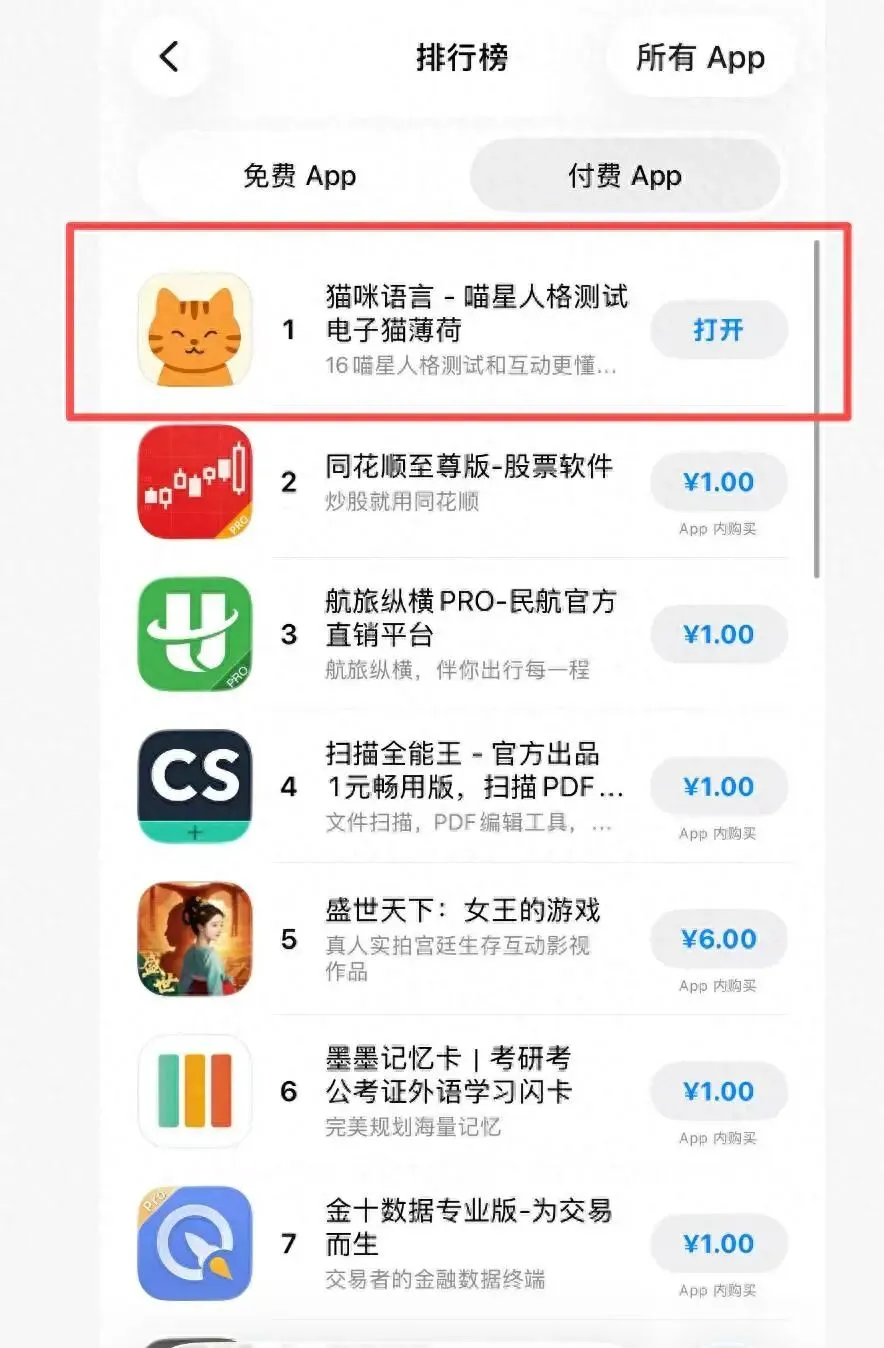
The story begins not in a Silicon Valley-style startup, but as a classic “side-hustle.” Mr. He and his partner, likely fueled by weekend coffee and a personal curiosity about their own pets, coded this digital meow-magnet over two months. Their total budget? A shockingly modest 1,000 RMB. “We just wanted to see if it would work,” He might have thought. Work it did. During its late-January peak, downloads exploded by nearly 1,000 times on a single day. This two-person operation had accidentally struck a nerve in a nation of devoted pet parents, recouping costs and turning a profit almost instantly.
But what’s the secret sauce? It’s not AI translating human speech into meows. Think of it as a frequency remote control for cats. The app plays scientifically-curated sounds—high-pitched chirps of greeting, rumbling purrs of contentment, low growls of warning—that tap directly into feline instincts. The results, as shared by thousands on Chinese social media, border on the magical: cats come running from deep sleep, cock their heads in confusion, or start searching for the invisible companion.
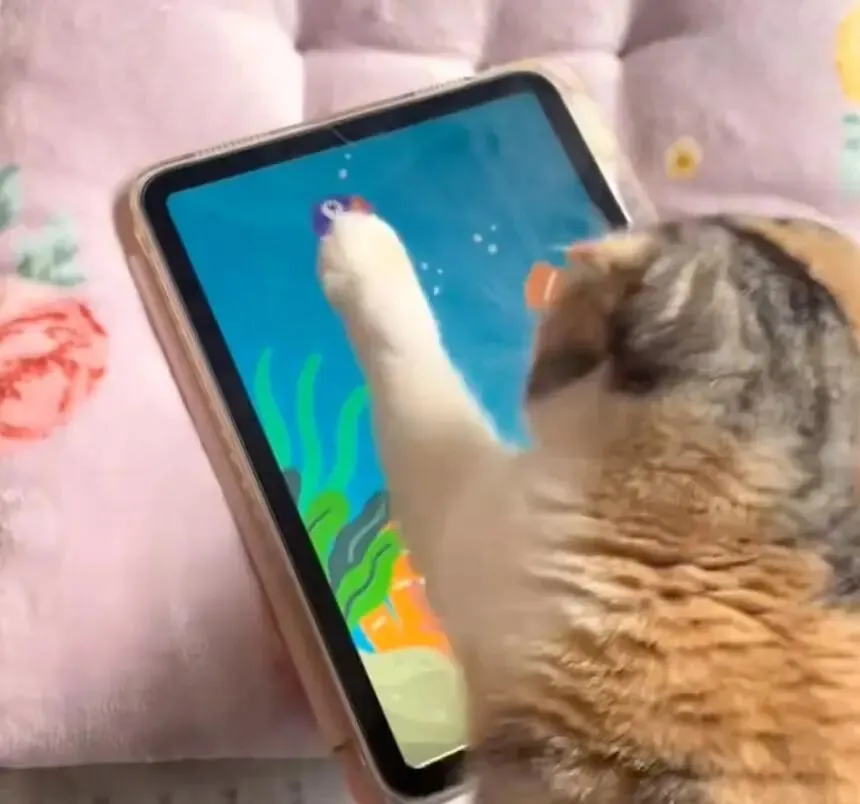
Take Leo, an English teacher from London based in Shanghai. “My British Shorthair, Winston, usually treats me like furniture,” Leo says. “I downloaded this app as a joke. I played the ‘come here’ sound, and I swear he stopped mid-lick, jumped off the windowsill, and trotted right over. My Chinese girlfriend laughed and said even Winston is embracing local technology!”
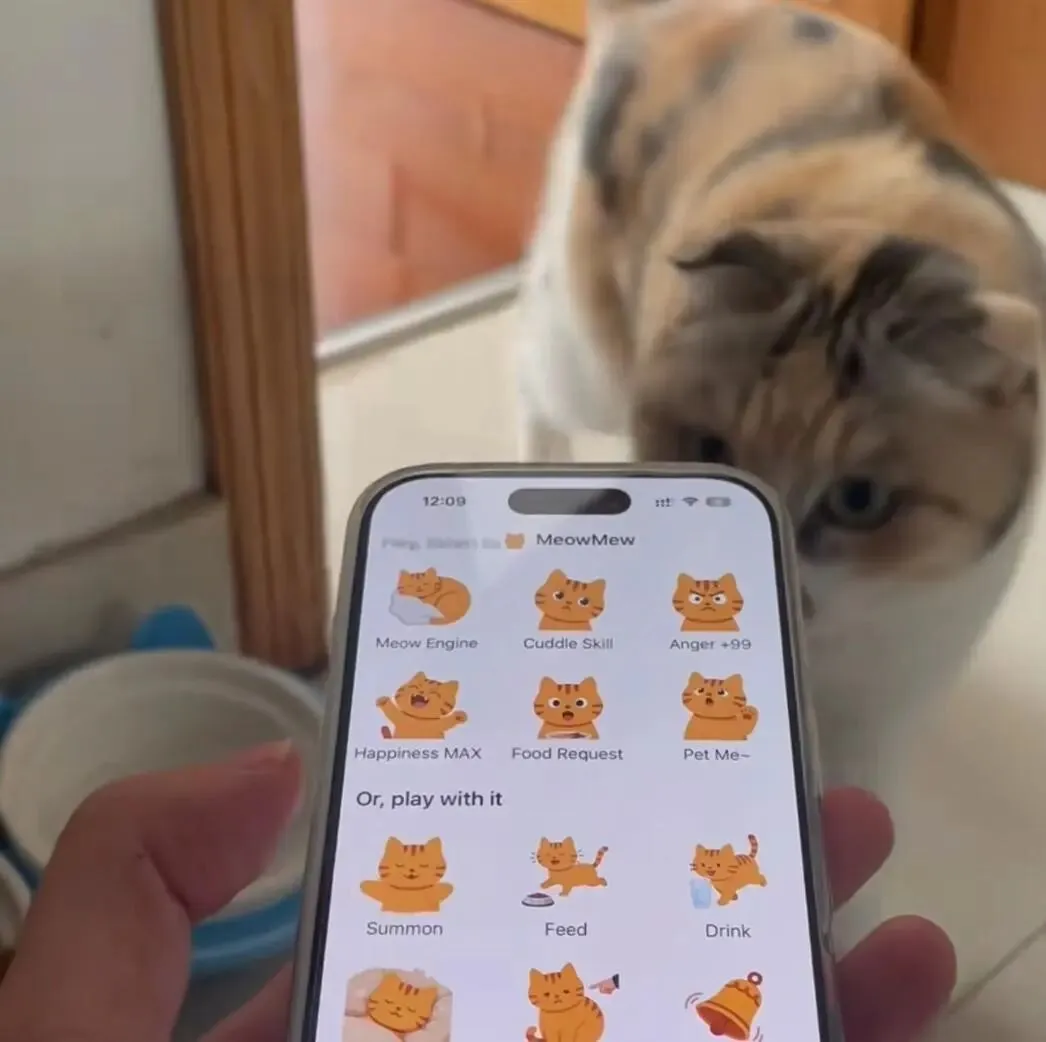
Beyond the soundboard, the app offers mini-games with skittering bugs to bat at and a playful “cat personality quiz”—tapping into the modern pet owner’s desire for deeper bonding. The demand is so fierce that the most common review is a desperate plea: “Release an Android version, please!”
This craze is rooted in a massive cultural shift. China’s pet economy is booming. The latest industry reports show over 72 million pet cats now share apartments across Chinese cities, outnumbering dogs. These aren’t just animals; they are “毛孩子” (furry children), a central part of the family for millions of young, urban professionals. Spending on pets, from gourmet food to smart toys, has created a 300-billion-RMB market. An app offering a novel way to interact for less than the cost of a cat treat was destined to find an audience.
For foreigners living in China, this app is more than a curiosity; it’s a bridge. It’s a conversation starter with local friends (“你的猫也会这样吗?” / “Does your cat do this too?”). It’s a solution to the lonely pet-owner moment when your cat seems indifferent. And it’s a testament to the kind of quirky, hyper-localized innovation that defines China’s digital ecosystem.
The “Cat Language” app is a fairytale for the digital age: minimal investment, maximum payoff, and a reminder that sometimes the most universal language isn’t spoken—it’s meowed. Whether you’re a local or an expat, if you have a cat and a spare yuan, you might just unlock a new level of your pet’s attention. The question is, are you ready to be the one holding the phone your cat finally chooses to acknowledge?