 夜雨聆风
夜雨聆风


《word power made easy》读书笔记session45-46
《Word Power Made Easy》读书笔记session 41
《Word Power Made Easy》读书笔记session 40
《Word Power Made Easy》读书笔记session 39
《Word Power Made Easy》读书笔记session 36
《Word Power Made Easy》读书笔记session 35
《Word Power Made Easy》读书笔记session 34
《Word Power Made Easy》读书笔记session 33
《Word Power Made Easy》读书笔记session 32
《Word Power Made Easy》读书笔记session 31
《Word Power Made Easy》读书笔记some interesting derivations
《Word Power Made Easy》读书笔记- Section 30
《Word Power Made Easy》读书笔记- Section29
《Word Power Made Easy》读书笔记- Section28
《Word Power Made Easy》读书笔记- Section27
《Word Power Made Easy》读书笔记- Section26
《Word Power Made Easy》读书笔记- Section25
《Word Power Made Easy》读书笔记- Section24
《Word Power Made Easy》读书笔记- Section23
《Word Power Made Easy》读书笔记- Section22
《Word Power Made Easy》读书笔记- Section21
《Word Power Made Easy》读书笔记- Section20
《Word Power Made Easy》读书笔记- Section19
《Word Power Made Easy》读书笔记- Section17
《Word Power Made Easy》读书笔记- Section16
《Word Power Made Easy》读书笔记- Section15
《Word Power Made Easy》读书笔记- Section14
《Word Power Made Easy》读书笔记- Section13
《Word Power Made Easy》读书笔记- Section12
《Word Power Made Easy》读书笔记- Section11
《Word Power Made Easy》读书笔记- Section 9,10
《Word Power Made Easy》读书笔记-Section 8
《Word Power Made Easy》读书笔记-Section 7
《Word Power Made Easy》读书笔记第4章-Section 6
《Word Power Made Easy》读书笔记第4章-Section 5
《Word Power Made Easy》读书笔记第4章-Section 5
《Word Power Made Easy》读书笔记第4章-Section 4
《Word Power Made Easy》读书笔记第三章-Section 3
《Word Power Made Easy》读书笔记第三章-Section 2
《Word Power Made Easy》读书笔记第三章-Section 1
《Word Power Made Easy》读书笔记第一章(上)
fawning [ˈfɔːnɪŋ] adj. 奉承的;讨好卖乖的
servilely attentive [ˈsɜːvaɪlli əˈtentɪv] 奴颜婢膝地殷勤 / 卑躬屈膝地伺候
transparently self-ingratiating [trænsˈpærəntli self ɪnˈɡreɪʃieɪtɪŋ] 明目张胆地自我吹捧 / blatantly 拍马屁
nagging [ˈnæɡɪŋ] adj. 唠叨的;挑剔的;(疼痛或问题)挥之不去的
dissatisfied [dɪsˈsætɪsfaɪd] adj. 不满的;不满意的
snobbish [ˈsnɒbɪʃ] adj. 势利的;自命不凡的
haughtily contemptuous [ˈhɔːtɪli kənˈtemptʃuəs] 傲慢轻蔑的 / 趾高气扬且不屑一顾的
arrogant [ˈærəɡənt] adj. 傲慢的;自大的
noisily troublesome 吵闹惹事的 / 喧嚣捣乱的
unmanageable [ʌnˈmænɪdʒəbl] adj. 难以驾驭的;难以控制的;棘手的
habitually short of cash 习惯性缺钱 / 手头总是紧巴巴的
gaunt [ɡɔːnt] adj. (因饥饿或生病)憔悴的;骨瘦如柴的
haggard [ˈhæɡəd] adj. (因精神压力或疲惫)面容枯槁的;形容憔悴的
melancholy [ˈmelənkəli] adj. 忧郁的;悲伤的 n. 忧郁(症)
sorrowful [ˈsɒrəʊfl] adj. 悲伤的;悲痛的
Session 45
基础词汇:
|
|
|
|
|---|---|---|
|
|
|
|
|
|
|
|
|
|
|
|
|
|
|
|
|
|
|
|
|
|
|
|
|
|
|
|
|
|
|
|
|
|
|
|
|
|
|
|
-ous=full of
compliance [kəmˈplaɪəns] n. 服从;遵守;顺从
servility [sɜːˈvɪləti] n. 奴性;卑屈;过分顺从
horsemanship [ˈhɔːrsmənʃɪp] n. 马术;骑术
deathly pallor [ˈdeθli ˈpælə(r)] 死一般的苍白 / 面无人色
Ideas
1.compliance
in a menial, subordinate, or inferior position [ə ˈmiːniəl, səˈbɔːdɪnət, ɔːr ɪnˈfɪriə] 处于卑微、从属或低下的地位
engage in certain fields of endeavor [ɪnˈdevə(r)]从事某些领域的努力 / 投身于特定行业
contrary to their natural temperaments 违背他们的天性 / 与其本性相悖
act excessively courteous [ˈkɜːtiəs] 表现得过分客气 / 过于谦恭
obliging [əˈblaɪdʒɪŋ] adj. 乐于助人的;有求必应的;体贴的
subservient and humble [səbˈsɜːviənt] 卑躬屈膝且谦卑的 / 一味顺从的
follow the lead of … 跟随…的领导 / 效仿…的榜样
bend their own wills 屈从自己的意愿 / 强迫自己顺从
full of following after 充满追随 / 一味跟从(含贬义,指缺乏主见)
obsequious [əbˈsiːkwiəs] adj. 逢迎的;谄媚的;过分殷勤的
Related words:
1.
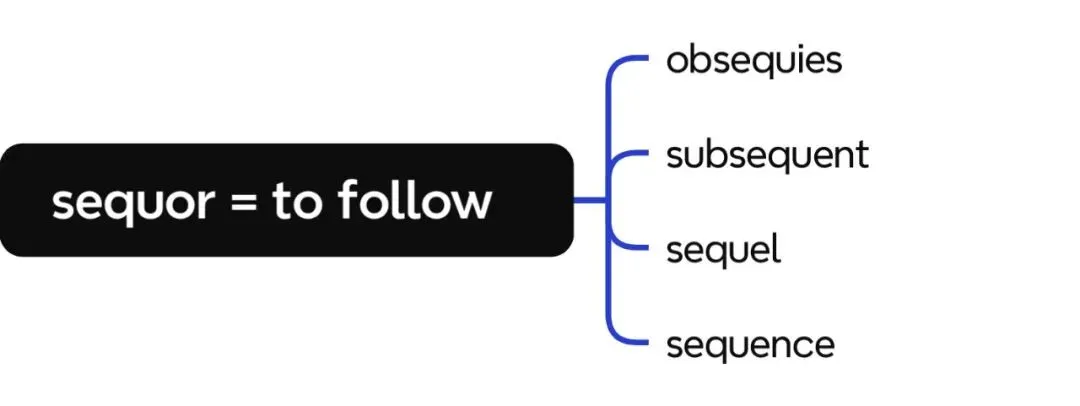
obsequies [ˈɒbsəkwiz] n. 葬礼;丧礼(尤指宗教仪式)
a funeral cortege [kɔːˈteɪʒ] 送葬车队 / 出殡行列
the burial ceremonies 安葬仪式 / 土葬礼
the funeral rites 丧葬习俗 / 葬礼仪式
subsequent [ˈsʌbsɪkwənt] adj. 随后的;后来的;接续的
sequel [ˈsiːkwəl] n. 续集;后果;后续事件
sequence [ˈsiːkwəns] n. 顺序;次序;连续事件
the sequence of events 事件发生的顺序 / 事态的发展过程
leave him breathless 让他喘不过气来 / 令他屏息(形容震惊、激动或体力透支)
2. Complaints
queror = to complain
harping [ˈhɑːpɪŋ] v. 喋喋不休地抱怨(harping on 指对某事反复唠叨)
fretful [ˈfretfl] adj. 烦躁的;焦躁不安的(常指因不适而易怒)
petulant [ˈpetjulənt] adj. 任性的;脾气坏的;爱发小脾气的(尤指因小事不如意)
whining [ˈwaɪnɪŋ] adj. 哀号的;发牢骚的 n. 哀怨声(指声音尖细、令人厌烦的抱怨)
querulous [ˈkwerələs] adj. 爱抱怨的;易怒的;牢骚满腹的(常指声音颤抖、尖厉且充满怨气)
3. snobbery
obnoxious [əbˈnɒkʃəs] adj. 讨厌的;可憎的;令人不快的
in contempt [kənˈtempt] 短语:怀着轻蔑之心 / 蔑视地
disdain [dɪsˈdeɪn] n. 鄙视;蔑视;不屑 v. 鄙弃;不屑做
sneer arrogance at… 对…投以轻蔑傲慢的态度
ordinary mortals 凡夫俗子 / 普通人(常含居高临下的语气)
contemptuous [kənˈtemptʃuəs] adj. 轻蔑的;鄙视的;瞧不起人的
sneering [ˈsnɪərɪŋ] adj. 嘲笑的;讥讽的;轻蔑的
over-bearingly conceited [ˌəʊvə ˈbeərɪŋli kənˈsiːtɪd] 盛气凌人的 / 傲慢自负的
4. noise
strep = to make a noise
unruly [ʌnˈruːli] adj. 不守规矩的;难驾驭的;难控制的
boisterous [ˈbɔɪstərəs] adj. 喧闹的;狂暴的;吵吵嚷嚷的
resistant to authority 抗拒权威 / 不服管教
in a noisy, troublesome manner 以一种吵闹且惹麻烦的方式
obstreperous [əbˈstrepərəs] adj. 喧闹的;吵吵嚷嚷的;(尤指故意)难驾驭的,不服管教的,桀骜不驯的
5. Moneyless
pecus= cattle
stocks of domestic animals [stɒks ɒv dəˈmestɪk ˈænɪmlz] 短语:家畜存栏 / 家养动物种群
indigent [ˈɪndɪdʒənt] adj. 贫困的;贫穷的(正式用语,通常指缺乏生活必需品)
destitute [ˈdestɪtjuːt] adj. 赤贫的;一贫如洗的(程度比 poor 更深,指完全没有资源或生计)
full of a complete lack of money 身无分文 / 极度缺钱(口语化表达)
impecunious [ˌɪmpɪˈkjuːniəs] adj. 没钱的;一文不名的(常指一贯贫穷或手头拮据)
poverty-stricken adj. 极度贫困的;为贫困所困的
(构词联想:poverty [贫困] + stricken [遭受…打击的],字面即“被贫困重创的”)
live in reduced circumstances 生活境况大不如前 / 陷入拮据
(语感提示:相比于直白的“没钱”,这是一种非常地道且带有委婉语(Euphemism)色彩的书面表达,常用来描述曾经宽裕后来落魄的状态)
pecuniary [pɪˈkjuːniəri] adj. 金钱的;钱财上的(正式用语,多用于法律、商业或学术语境)
(词源联想:来自拉丁语pecunia[金钱],记住这个词根,以后遇到 financial 的高级替换词就能秒懂)
a pecuniary consideration 金钱报酬 / 经济补偿 (典型语境:合同或法律文书中指代“钱款方面的对价”,比如 “The job offers nopecuniary consideration, but it’s a great opportunity.”)
pecuniary affairs 财务 / 钱财事务 (同义替换:相当于日常说的 financial affairs 或 money matters,但逼格更高)
1. 穷困等级谱(从轻度拮据到极度赤贫):
-
moneyless / impecunious: 偏口语或诙谐,指“刚好没带钱”或“一贯手头紧”。
-
live in reduced circumstances: 委婉语,指“家道中落,生活水准下降”。
-
indigent / poverty-stricken: 正式或文学用语,指“饱受贫困折磨的”。
-
destitute: 极端用词,指“一贫如洗,连生存必需品都没有的”。
2. “金钱”的正式度进阶:
-
money (普通) → financial (通用书面) → pecuniary (高级正式/法律)
6.horses
in medieval times [ˌmediˈiːvl] 在中世纪时期
attentive to female desires 关注女性的欲望 / 细心体察女性的心愿
self-sacrificing adj. 自我牺牲的;舍己为人的
come in conflict with those of the fair sex (男性利益/观念)与女性群体的(利益/观念)发生冲突
the fair sex (旧称/古语)女性,娘子军,粉黛
注:这是旧式英语中对女性的统称,现代语境下使用可能被视为性别刻板印象或不够政治正确。
have a knightly attitude to women 对女性抱有骑士般的态度
chivalrous [ˈʃɪvəlrəs] adj. (尤指对女性)彬彬有礼的,有骑士风度的;侠义的
cavalcade [ˌkævlˈkeɪd] n. 骑兵队;车队;行列
a procession of persons 游行队伍 / 众人列队行进
cavalier [ˌkævəˈlɪə(r)] n. 骑士;骑兵 adj. 漫不经心的;傲慢的;不在乎的
a mounted soldier 骑兵 / 骑马士兵
haughty [ˈhɔːti] adj. 傲慢的;目中无人的
unmindful of other’s feelings 不顾及他人感受 / 漠视别人的情绪
offhand [ˌɒfˈhænd] adj. & adv. 即兴的;唐突的;不假思索的
in a cavalier manner [ə ˌkævəˈlɪə] 以一种傲慢/漫不经心的态度
take a little too much privilege with him 对他有些过于放肆 / 太过随意地对待他
the cavalier treatment 草率/傲慢的处理方式
feel unimportant and inferior 感到自己无足轻重且低人一等
her cavalier refusal 她那傲慢轻率的拒绝
curt [kɜːt] adj. (言语)简短而失礼的;草率的
这组词非常有意思,它们的词源都指向马(Horse)和骑士(Cavalry),但演变出了完全不同的味道:
-
历史根源:Cavalcade(骑马队伍)和 Mounted soldier(骑兵)是这个词族的“老祖宗”。
-
性格演变:Cavalier 原本指英国内战时期的保皇党骑士(讲究派头),后来演变成形容“像骑士一样高高在上、不把别人放在眼里”的态度。
-
同义替换:当你想说某人 Haughty(傲慢)且 Offhand(随便)时,用 Cavalier 绝对瞬间拉高格调。
-
职场/社交雷区:
-
如果你给了某人 Cavalier treatment(草率对待),对方就会 Feel unimportant(觉得自己不重要)。
-
如果你给出了 Curt response(回复太简短生硬),那就是典型的 Unmindful of other’s feelings(不顾及他人感受)。
cavalry [ˈkævlri] n. 骑兵;装甲兵;骑兵部队; 来自拉丁语 caballus
(马)。词义演变在古代和中世纪,这是战场上的“坦克军团”。到了现代,虽然变成了装甲部队,但名字依然保留着“马”的印记。
Think of brave soldiers riding horses into battle.(想象勇敢的士兵骑马冲锋陷阵。)
chivalry [ˈʃɪvlrɪ] n. 骑士精神;绅士风度;(中世纪的)骑士制度; 同样来自拉丁语 caballus(马),经过古法语进入英语。最初指“骑士的身份或职业”,后来特指骑士阶层必须遵守的道德准则——忠诚、勇敢、扶助弱小、尊重女性。如今多用来形容男生为女生开门、让座等“绅士行为”。
chivalrous [ˈʃɪvəlrəs] adj. 有骑士精神的;彬彬有礼的;体贴的;
Chivalry (名词) + -ous (形容词后缀) = Chivalrous。
Achivalrousman always puts others first.(一个有骑士精神的男人总是先考虑他人。)
chivalrousness [ˈʃɪvəlrəsnəs] n. 骑士风度;绅士品格
His chivalrousness made him instantly popular among his female colleagues.(他的绅士品格让他迅速在女同事中备受欢迎。)
chivalric [ʃɪˈvælrɪk] adj. 骑士的;骑士时代的;有武士风范的;
Chivalry 的形容词形式(以 -ic 结尾,更具古典和文学色彩)。Chivalricromances(骑士传奇/武侠小说)
chivalriccode(骑士戒律)
马术与动物词族(Equestrian Family)
接下来的三个词,都来自拉丁语的另一个词根
equus(马),它们将带我们走进高雅的“马术俱乐部”:
An equestrianstatue(骑马雕像)
an equestrianevent(马术比赛项目)。
equestrienne [ɪˌkwestriˈen] n. 女骑手;女马术师
Equestrian(骑手) + -ienne(表示女性的后缀,类似 comedian 喜剧演员 -> comedienne 女喜剧演员)。专门用来指代那些在马场上英姿飒爽的女性。
equine [ˈekwaɪn] adj. 马的;似马的 n. 马科动物;
这是一个非常“高级”的形容词,常用于生物学、兽医学或文学作品中。
普通说法:a horse’s mouth -> 高级说法:the equine mouth(马嘴)
普通说法:horse-like teeth -> 高级说法:equine-like teeth(马齿)
让我们把这些高大上的词融入到一段跌宕起伏的微型小说中,顺便复习一下前两轮的“贫穷”与“傲慢”:
Once upon a time, apoverty-stricken (极度贫困的) young man lived in reduced circumstances (家境败落). He had no pecuniary (金钱的) support and felt inferior (低人一等).
One day, he saw anequestrian (骑马的) girl being bullied by a cavalier (傲慢的) young lord. The lord was unmindful of other’s feelings (不顾及他人感受) and gave her a curt (简短失礼的) reply.
Driven by a sense ofchivalry (骑士精神), the poor boy stood up to the lord. His bravery and self-sacrificing (自我牺牲的) spirit were so impressive that the girl fell in love with this chivalrous (有骑士风度的) hero.
记忆口诀:
没钱(Pecuniary trouble)别沮丧,
骑兵(Cavalry)骑士(Chivalry)来帮忙。
哪怕是个养马员(Equestrian),
骑士精神(Chivalrous)放光芒
7. no harm done
共享着同一个古老的“基因”——拉丁语词根noc/nox(意为 harm,伤害、毒害)。
noxious [ˈnɒkʃəs] adj. 有毒的;有害的;道德上败坏的
nox(伤害/毒) + -ious(形容词后缀) → 充满毒害的。
这是一个语气极重的贬义词。它不仅指物理上的“释放毒气/剧毒”(如化学武器、污染),还常用来形容“精神上的毒害”(如猥亵的言论、败坏道德的风气)。
The factory was accused of releasingnoxiousfumes into the atmosphere. (这家工厂被指控向大气排放有毒气体。)
He was removed from the classroom after makingnoxiouscomments. (他发表了恶意中伤的言论后被带离了教室。)
innocuous [ɪˈnɒkjuəs] adj. 无害的;无毒的;平淡无奇的
in-(否定前缀,不)+ noc(伤害)+ -uous(形容词后缀) → 不产生伤害的。它的本意是“吃了/碰了完全没毒”(比如某些野生蘑菇),但在日常生活中,它更常用来形容“人畜无害” 或者“平庸乏味”。比如一个看起来毫无威胁的人,或者一个毫无营养的新闻标题。
The snake looks dangerous, but it is actually completely
innocuous. (这条蛇看起来危险,但其实完全无毒。)
He tried to make the meeting less tense by telling a fewinnocuousjokes. (他讲了几个无伤大雅的笑话,试图缓和会议紧张的气氛。)
innocent [ˈɪnəsnt] adj. 无辜的;清白的;天真无邪的
来自拉丁语innocens(not harming,不伤害/无罪)。
虽然它和innocuous同源且都有“无害”的意思,但 innocent的侧重点完全不同。它主要用于法律和道德层面(没有犯下罪行),或者形容孩子般的“纯真、缺心眼”。
The jury found herinnocentof all charges. (陪审团裁定她无罪。)Children have an innocentway of looking at the world. (孩子们看世界的方式是天真的。)
8. alcoholic
with one foot up on the brass rail [wɪð wʌn fʊt ʌp ɒn ðə brɑːs reɪl]
-
字面/历史含义:一只脚踩在黄铜栏杆上。
-
文化溯源:在老式酒吧里,客人们常把脚搭在吧台下方的横杆(foot rail)上休息。Brass rail 在这里象征着“酒馆里的安逸”。
-
深层语感:这个短语生动地刻画了一个人“半醉微醺、放松警惕、甚至开始有些忘乎所以”的状态。他还没完全倒下,但已经进入了一个惬意的醉酒区。
tipple beyond the point of sobriety 喝酒喝过了头,越过了清醒的底线。
Tipple(动词) 指一点点地喝、经常喝;Sobriety (名词) 指清醒、节制。
She rarely drinks heavily, but last night shetippled beyond the point of sobrietyat the wedding party. (她很少酗酒,但昨晚在婚宴上她喝得超出了清醒的界限。)
have an overfondness for drinks 贪杯;太爱喝酒。
Over-(过度)+ fondness(喜爱) → 过度的喜爱。
这是一个非常委婉且带有文学色彩的表达。它没有直接骂人“酒鬼”,而是含蓄地指出某人对酒精有着“超乎寻常的迷恋”。
with a pronounced alcoholic content 酒精度数极高;含有明显的酒精成分。
Pronounced (adj.) 显著的、明显的。
这句话通常不用来形容人,而是用来形容酒本身。比如形容一杯自制的私酿酒或某种药剂:The homemade wine was almost
with a pronounced alcoholic content. (这自酿的葡萄酒几乎含有极高的酒精度。)
bibulous [ˈbɪbjʊləs] adj. 嗜酒的;酒精中毒的;吸水性的
-
这个词源于拉丁语 bibulus,意思是“爱喝水的、吸水的”。古罗马人用这个词形容干渴的海绵,后来在英语中逐渐演变成了“爱喝酒的、酗酒的”。
-
想吐槽别人是个“酒腻子”或“海量”?别再用 alcoholic这么直白的词了,用 bibulous瞬间提升你的词汇格调!
-
He became bibulousafter losing his job, drowning his sorrows in whiskey every night. (失业后他变得嗜酒如命,每晚都用威士忌浇愁。)
可以把这些词串成一个微小说:
Old Tom was a regular at the saloon. Every evening, he would walk in and sit at the bar, with one foot up on the brass rail (一只脚踩着黄铜栏杆). Though the whiskey he drank had a pronounced alcoholic content (极高的酒精度), he never seemed to mind.
People said he had an overfondness for drinks (太贪杯), but Tom just laughed it off. However, as the night wore on, he would inevitably tipple beyond the point of sobriety (喝得烂醉), joining the ranks of the town’s most bibulous (嗜酒如命的) characters.
词根 -bib-(拉丁语 bibere,意为“喝”
imbibe [ɪmˈbaɪb] v. 喝,饮(尤指喝酒);吸收,接受(思想、知识等)
-
词根拆解:im-(进入)+ bibe(喝) → 喝进去。
-
作“喝”讲时,它比 drink更加正式、文学化(常指小口啜饮或喝酒)。但它更绝的用法是比喻义——像海绵吸水一样,把外界的知识、观念、氛围“吸收”进脑子里。
-
They sat in the pub, imbibing copious amounts of ale. (他们坐在酒馆里,喝了大量的麦酒。) -
As a child, he imbibed a deep love for nature from his grandfather. (小时候,他从祖父那里汲取/吸收了对大自然的深厚热爱。)
soak up 吸收,摄取;沉浸在(氛围中)
-
Soak(浸泡)+ Up(向上) → 像干海绵一样吸饱水分。
-
地道搭配:Soak up the sun(晒太阳/吸收阳光),soak upthe atmosphere(感受氛围),soak upknowledge(吸收知识)。它是 imbibe最生动、最口语化的“平替”。
imbibe learning 吸取/吸收学问; 这就是imbibe比喻义的经典组合。Knowledge is like water; you must be willing to imbibe learning. (知识就像水,你必须心甘情愿地去汲取学问。)
imbibe a respect for her parents 心中铭记/汲取了对父母的敬意
文化背景:这里的imbibe强调这种“尊敬”不是表面装出来的,而是像喝下去的水一样,彻底融入了血液和品格里。
bib [bɪb] n. (婴儿吃饭时用的)围嘴,口水兜
-
它和 imbibe是同根兄弟!在17世纪,bib作动词意思是“喝酒”,后来专门名词化,指喝酒/吃饭时系在胸前的“防泼溅布”。
-
Put a bibon the baby before he starts eating porridge. (宝宝吃粥前,给他系上围嘴。)
apron [ˈeɪprən] n. 围裙;(各种机械的)防护罩,裙板
-
它其实是 napron(一块小布)的古英语讹变。最初它和“布”有关,现在主要指做饭或干脏活时穿在身上的围裙。
-
Tie on an apron(系上围裙),roll up one’s sleeves(挽起袖子)——这两个动作通常连在一起,表示“准备大干一场”。
an apronlike napkin 一块像围裙一样的餐巾/布
-
有些餐厅会给幼儿发一种大号三角形餐巾,尖角朝下系在脖子上,胸前那块垂下来的部分就像个迷你围裙,这就是 an apronlike napkin。
dribbling down 顺着……往下滴/流
-
Dribble (动词) 指液体呈细流状滴下;也专指婴儿“流口水”。
-
Imagine a cute baby with milk dribbling downhis chin. (想象一个可爱的小宝宝,牛奶顺着他的下巴往下流。)
我们把这一组词放入一个跨越时空的“成长蒙太奇”中,你会发它们的逻辑无比严密:
Stage 1: Infancy (婴儿期)
A baby is sitting in a high chair. He is happily drinking milk, wearing a cute littlebib (围嘴) around his neck. However, he is drinking too fast, and some milk is dribbling down (顺着流下) his chin onto the apronlike napkin (像围裙的餐巾) tied around him. His mother gently wipes his mouth, thinking he will soon imbibe (吸收/学会) how to drink properly.
Stage 2: Childhood (童年)
As a young student, he sits under a tree, using a sponge tosoak up (吸收) the sunshine while trying to imbibe learning (汲取知识) from his books. His teacher hopes he can imbibe a respect for his parents (铭记对父母的敬意) through these stories.
Stage 3: Adulthood (成年)
Years later, he has become a knowledgeable scholar. When he gives lectures, young people gather around, eager tosoak up (汲取) his wisdom, proving that you are never too old to imbibe (吸收) new ideas.
9. like death itself
figuratively speaking 比喻地说;夸张地说
Figuratively speaking, he exploded with joy when he won the lottery. (夸张点说,他中彩票时高兴得都要“炸”了。)
glowing health n. 短语:容光焕发;极佳的健康状态
After a month of vacation, she returned to work inglowing health. (休假一个月后,她重返工作岗位,容光焕发。
eyes deep-sunk adj. 双眼深陷的= sunken-eyed
deep-sunk(深深陷进去的)
limbs wasted 四肢枯瘦如柴的 / 肌肉萎缩的
Limb(四肢) + Wasted(被耗尽的/干瘪的)。Waste 作动词是“浪费”,这里指因为疾病或长期卧床,肌肉被“消耗殆尽”,只剩下皮包骨头。
cadaverous [kəˈdævərəs] adj. 尸体般的;极其憔悴的;苍白枯槁的
核心词根 Cad = fall(倒下/死亡),同源词有 cadaver(尸体)。-ous 是形容词后缀。
比 thin(瘦)严重一百倍!形容一个人像尸体一样毫无生机、面无血色、骨架突出。
The fever left him looking cadaverous. (高烧过后,他看起来形销骨立,面无血色。)
cadaver [kəˈdævə(r)] n. 尸体(尤指医学解剖用的)
同上,Cad(倒下/死亡)的名词形式。
不要用它指代正常的“逝者”(那是 corpse或 body),cadaver特指医学院里冰冷的“解剖标本”。
decadent [ˈdekədənt] adj. 堕落的;腐朽的;颓废的
-
De-(向下)+ cad(掉落/倒下)+ -ent(形容词后缀) → 向下掉的、坠落的。形容一个人或一个社会放弃了高尚的追求,沉迷于酒、色、享乐等低级趣味中无法自拔。
-
They lead a decadentlife, indulging in fine wines and parties every night. (他们过着骄奢淫逸的生活,每晚沉迷于美酒和派对。)
decadence [ˈdekədəns] n. 堕落;颓废(时期/状态)
in a decadent state 处于颓废/堕落的状态
deteriorating [dɪˈtɪəriəreɪtɪŋ] adj. 恶化的;退步的(现在分词作形容词)源自拉丁语deterior(更糟糕的)。
形容病情、局势、关系、甚至是道路状况“越来越糟”、“不断恶化”。
The patient’s condition is deterioratingrapidly. (病人的情况正在迅速恶化。)
demoralized [dɪˈmɒrəlaɪzd] adj. 士气低落;灰心丧气的;陷入道德混乱的
De-(去掉)+ moral(道德/士气)+ -ized(形容词后缀) → 失去了道德准则或斗志的。
连续不断的失败不仅会让人疲惫,还会摧毁人的信念。这就是 demoralized—— 一蹶不振、万念俱灰。
The team was utterly demoralizedafter losing the championship game. (输掉冠军赛后,全队都灰心丧气了。
一个连贯的故事里,见证一个贵族青年的堕落史:
Once a brilliant athlete, he used to be the picture of glowing health. But after losing his fortune, he fell into a dark spiral.
Within a year, he was unrecognizable: his eyes were deep-sunk, his limbs wasted away, giving him a cadaverous look. Figuratively speaking, he was already a cadaver walking.
He sank into a decadent lifestyle, spending his days in a decadent state of despair. As his health kept deteriorating, his spirit broke completely. The once-proud man was now a broken, demoralized shadow of his former self, a tragic example of urban decadence.
10. pain and misery
melancholy [ˈmelənkəli] n. & adj. 忧郁(的);悲哀(的)
-
来自希腊语 melas(黑)+ khole(胆汁)。古人认为体内“黑胆汁”过多就会得这种病。
-
这是最高级、最文艺的“忧伤”。它不是嚎啕大哭,而是一种淡淡的、诗意的、哲学性的哀愁。梵高画里的蓝色,肖邦夜曲里的音符,都叫 Melancholy。
-
There was a melancholyin his eyes that spoke of lost dreams. (他眼中的那份忧郁,诉说着逝去的梦想。)
dismalness [ˈdɪzməlnəs] n. 凄凉;阴郁;惨淡; 来自古法语 dismal,原指“不吉利的日子”。
-
形容环境或前景毫无希望、死气沉沉。比如一个破产的公司前景,或者一个阴雨连绵的荒凉小镇。
-
The dismalnessof the abandoned house gave me chills. (那栋废弃房子的阴森凄凉让我不寒而栗。)
dreariness [ˈdrɪərinəs] n. 沉闷;枯燥;阴郁
-
核心词根:Drear(阴沉的/可怕的)。
-
强调“无聊+压抑”。比如周一早上不想上班的心情,或者听一场极其枯燥的讲座。
-
He couldn’t stand the drearinessof his 9-to-5 job anymore. (他再也无法忍受那份工作带来的单调沉闷了。)
dolorous [ˈdəʊlərəs] adj. 悲哀的;忧伤的(文学用语)
-
来自拉丁语 dolor(痛苦)。
-
这是一个非常“书卷气”的词。形容那种缓慢、沉重、甚至带有宗教或史诗感的悲伤。比如《哈姆雷特》里的丹麦王子,或者葬礼上缓慢的音乐。
-
She gave him a long, dolorouslook. (她给了他一个长久而哀伤的眼神。)
doleful [ˈdəʊlfəl] adj. 悲伤的;忧郁的;凄惨的
-
Dole(施舍/命运)+ -ful。原指接受救济时的可怜相。
-
比 dolorous稍微接地气一点,常带有一点点“可怜兮兮”或“哭丧着脸”的意味。
-
The dog had a dolefulexpression after being scolded. (那条狗被骂后,露出了一副可怜巴巴的表情。)
dolor [ˈdəʊlə(r)] n. (尤指精神上的)痛苦,忧伤(罕见/文学)
-
这是 dolorous的名词形式。
-
现代英语极少用,但在诗歌或圣经体英文中会出现。
-
He expressed the dolorin his heart through music. (他通过音乐表达了心中的苦痛。)
mourningful [ˈmɔːnɪŋfəl] adj. 哀悼的;悲痛的(非标准词,慎用)
-
这是一个人造词或非常罕见的组合(Mourning + -ful)。在标准英语中,请直接用 Mournful [ˈmɔːnfəl]。
-
A mournfulsilence filled the room. (房间里充满了哀悼的寂静。)
condole [ˌkɒnˈdəʊl] v. 吊唁;慰唁
-
Con-(一起)+ dole(悲伤) → 一起分担悲伤。
-
Condole with someone(向某人吊慰)。
-
We went to condole withthe bereaved family. (我们去向逝者家属吊唁。)
condolence [kənˈdəʊləns] n. 吊唁;慰问
-
这是 condole的名词,也是最常用的词。
-
Please accept my sincere condolences. (请节哀顺变/请接受我诚挚的慰问。)
condolence cards [kənˈdəʊləns kɑːdz] 短语:吊唁卡 / 慰问卡
-
文化常识:在西方,当有人去世,亲友通常会寄送 Condolence cards来表达哀思,而不是发微信红包(笑)。
sustain a loss 遭受损失;痛失亲人
-
在商务英语中,指公司“亏损”;在个人生活中,这是“丧亲”的一种非常委婉且正式的说法。
-
The company sustained a lossof $1 million. (公司亏损了100万美元。)
-
We sustained a great losswith the passing of our founder. (创始人的离世让我们痛失英才。)
把这些词放进一个连贯的故事里,看看它们是如何像齿轮一样咬合的:
The news of the earthquake broughtdismalness(凄凉) to the entire nation.
In the affected areas, people wandered among the ruins withdoleful(凄惨的) expressions.
Even the weather matched the mood; the grey sky added to thedreariness(沉闷) of the scene.
For the families whosustained a loss(遭受丧亲之痛), there was no escaping the dolor(痛苦).
They were plunged into amelancholy(忧郁) that seemed endless.
Friends came tocondole(吊唁) and sent condolence cards(吊唁卡) filled with dolorous(悲伤的) poetry.
Life would go on, but the shadow of that day would remainmourningful(哀悼的) forever.
国际译员施晓菁亲授:3 步跳出中文惯性,彻底和中式英语说再见
别瞎学了!90% 英语学习者栽在 “内耗” 上,这样学才高效
尚雯婕外语学习法:每天2小时,10个月把外语“刻”进本能,方法简单到可怕
年薪200万英语逆袭者秘招:学英语,选对材料比瞎努力重要100倍;分基础整理,小白也能直接抄作业
100天逆袭:一部动画重复 100 遍,他靠 “笨方法” 把英语练成了年薪200万
花最少的钱爆改自己:不用医美、不买奢侈品,一口流利的外语就足够了