ARTICLE · 1089129
Nobody Wants the Office Mooncake. Except the Russians

A tongue-in-cheek question about shipping unwanted holiday pastries to the land of deep-fried Oreos turned into a survey of who on earth actually likes the things.
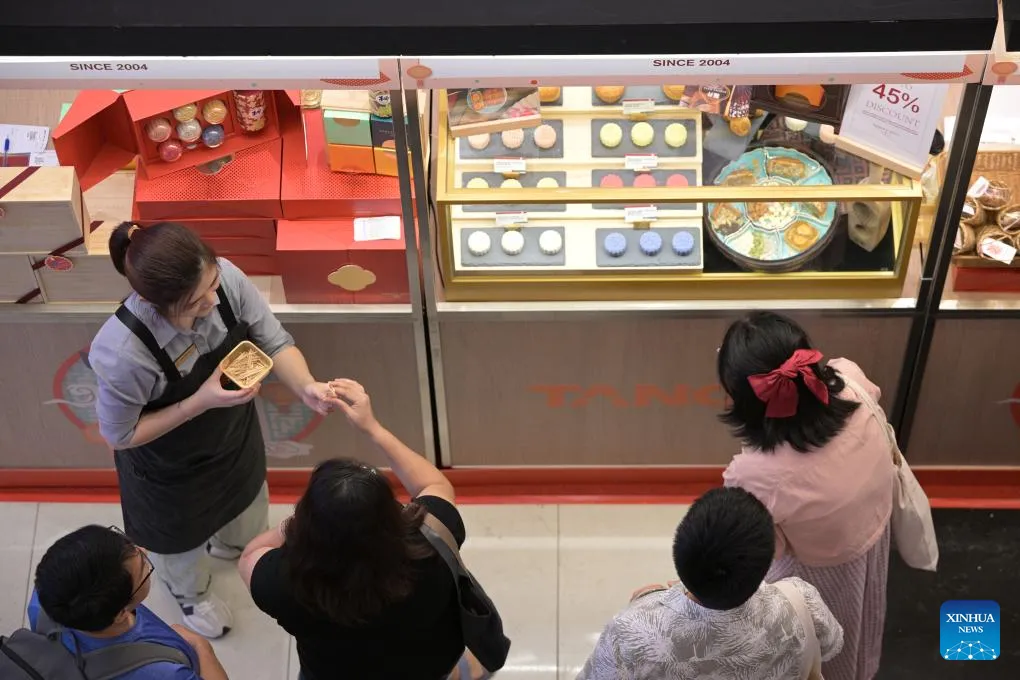
Anyone who has spent a Mid-Autumn Festival in China as a foreigner knows the ritual. The office distributes a box the size of a briefcase, wrapped in gold foil and magnetic clasps. Inside sit four to eight small discs of pastry, each stamped with characters for fortune or harmony, each weighing about as much as a hockey puck and carrying roughly the calories of a Big Mac. Chinese colleagues eat a quarter of one, declare it too heavy, and quietly pass the rest to the nearest expat, who is usually delighted. That transaction is the seed of the question that lit up the Chinese internet this weekend: if foreigners will happily take the mooncakes nobody wants, is there a business here?

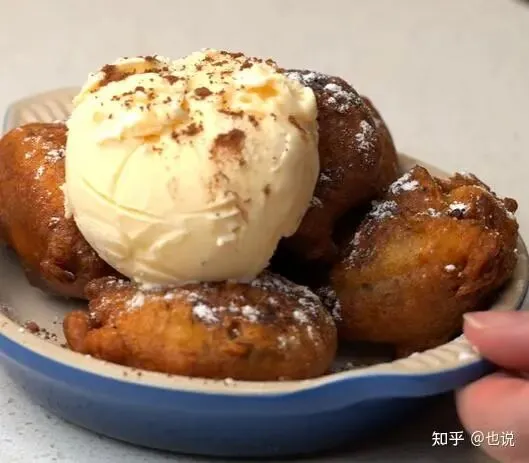
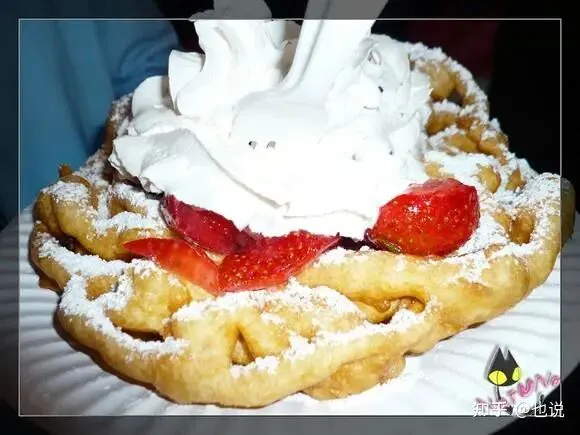
The most liked answer said no, and said it with pictures. Its author walked readers through what he called America's true sugar-oil canon, starting with funnel cake, the Pennsylvania Dutch fairground staple made by squeezing batter into hot oil and burying the result under powdered sugar, whipped cream, syrup and fruit. He moved on to deep-fried Oreos, chocolate cookies dipped in batter and fried, then dusted with sugar and served under melting ice cream, which he described, not unreasonably, as "far more satisfying than a mooncake." Then hash, the breakfast skillet of sausage, bacon and potatoes bound with cheese and topped with cream, and its street-food descendant, the loaded fries: a bed of French fries and cheese puffs, a layer of chili with chunks of meat, a blanket of cheese sauce, eaten with a spoon. Next to that lineup, he concluded, a lotus-seed mooncake is practically a rice cracker.
A second popular reply put it in units. Chinese people measure sugar in grams, the writer said, and Americans measure it in pounds. He offered field observations from years in the United States: neighbours eating Nutella from the jar with a spoon while watching television, ice cream bought in tubs the size of a child's beach pail, Snickers bars that are already reformulated with far less sugar for the Chinese market being eaten in their original form, and dipping sauces engineered to make fruit sweeter. His account drifted, as these things do online, into unkind generalisations about American waistlines, which we will leave there. The point underneath stood: a product that Chinese eaters find cloying can land on an American tongue as bland.
That is not a hypothesis. It has been tested. One contributor pointed out that Chinese producers already export mooncakes to the West and have even developed reduced-sugar versions for the health-conscious foreign shopper, with results he summarised as: the original was not sweet, and the low-sugar version is a crime. He collected reactions from American and British video reviewers who had bought imported mooncakes on a whim. The pattern was consistent. They rhapsodised about the packaging, the individual wrappers, the red-and-gold box, the little bookmark tucked inside that one woman assumed was a prayer card. Then they took a bite of lotus paste and struggled to find words, landing on comparisons like a cookie that had been left in water. One British reviewer paid five euros for a single pastry, bought an eleven-euro lotus-patterned plate to present it on, and reported that she could detect the oil and nothing else. The salted egg yolk in the middle came as a shock to everyone.
"Whether Americans like mooncakes needs further investigation. But Russians and Ukrainians definitely do. Manufacturers might want to look east instead."
The counter-evidence came from Harbin. A commenter with connections to Harbin Institute of Technology, the northeastern engineering university that has long hosted visiting scholars from the former Soviet Union, related what happened one Mid-Autumn Festival when the school handed out its usual mooncakes to Chinese staff. The staff, predictably, found them too oily and too sweet and did not want them. The Russian and Ukrainian professors, seeing the pastries for the first time, were curious, tried them, and were smitten. They ate the ones they were given, went to the supermarket to buy more, mailed boxes home to relatives, and then petitioned the university to include them in the following year's distribution on the grounds that they, too, were members of the faculty. The school agreed. Expats who have grown fond of the mooncake and secretly wondered whether something was wrong with them may take comfort: the Slavic sweet tooth, at least, is on their side.
The most surprising objection was not about sugar at all. A commenter who has lived in Brazil, where dessert habits run close to American ones, said that Brazilians' problem with the Cantonese mooncake was the red bean paste, and specifically that it is made of beans. In Brazil beans are a staple that arrives with rice at lunch every day, so a bean-filled sweet pastry struck them the way a dumpling stuffed with plain rice would strike a Chinese diner. It is a reminder that food crosses borders as a set of categories, not just a set of flavours, and that "dessert" is one of the categories that travels worst.
The question, of course, was never a serious trade proposal. It was a joke about a national ritual that everyone participates in and fewer people enjoy each year, as the boxes grow grander and the pastries stay the same. But the answers sketched a real map of the world's palates: a China that now finds its own festival food too rich, an America for which that same food barely registers, a Russia that would like more, please, and a Brazil that cannot get past the beans. Somewhere in there is a market. It is just not the one the question had in mind.