ARTICLE · 1364407
小学英语复习知识点总汇,超全面!
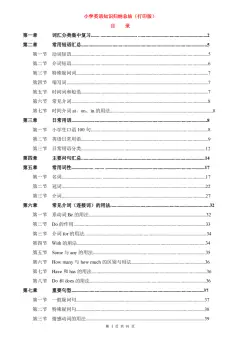
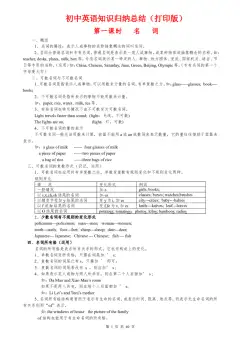
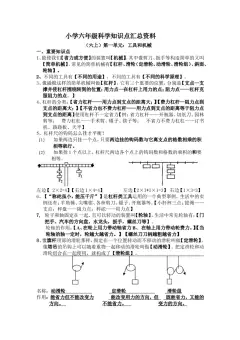
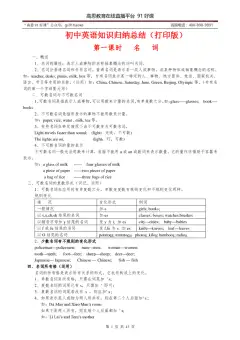
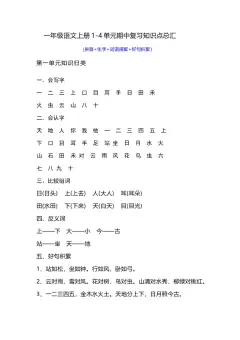
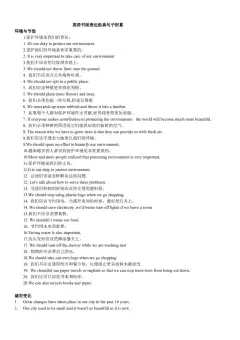
小学英语复习知识点总汇,超全面!1. a, an的选择: 元音字母开头的单词用an,辅音字母开头的单词用a. 2. am , is , are的选择: 单数用is , 复数用are. I 用 am , you 用 are. 3. have , has 的选择: 表示某人有某物.单数用has , 复数用have. I ,you 用 have 4. there is, there are 的选择:表示某地有某物,某人.单数用there is , 复数用there are. 5. some, any 的选择:肯定句用some, 疑问句和否定句用any. 6. 疑问词的选择:what (什么) who (谁) where (哪里) whose (谁的) why(为什么)when(什么时候)which(哪一个)how old (多大) how many (多少)how much(多少钱) 当我们需要对事物作出比较时,需要用到比较级.比较级的句子结构通常是: 什么 + 动词be (am , is , are ) + 形容词比较级 + than(比)+ 什么 ,如: I'm taller and heavier than you. (我比你更高和更重.) An elephant is bigger than a tiger. (一只大象比一只老虎更大.) 形容词的比较级是在形容词的基础上变化而来的,它的变化规则是: ① 一般的直接在词尾加er ,如 tall - taller , strong - stronger , ② 以e结尾的,直接加r ,如 fine – finer , ③ 以辅音字母加y结尾的,先改y为i再加er,如funny - funnier ④ 双写最后的字母再加er,如big – bigger, thin – thinner ,hot – hotter ☆注意☆ 比较的两者应该是互相对应的可比较的东西. 典型错误:My hair is longer than you.(我的头发比你更长.) 比较的两者是我的头发,你(整个人),那么比较的对象就没有可比性. 应该改为:My hair is longer than yours. 或My hair is longer than your hair. 动词的过去式的构成规则有: A,规则动词 ① 一般直接在动词的后面加ed:如 worked , learned , cleaned , visited ② 以e结尾的动词直接加d:如 lived , danced , used ③ 以辅音字母加y结尾的动词要改y为i再加ed(此类动词较少)如 study – studied carry – carried worry – worried (注意play,stay不是辅音字母加y,所以不属于此类) ④ 双写最后一个字母(此类动词较少)如 stopped B,不规则动词(此类词并无规则,须熟记)小学阶段要记住以下动词的原形和过去式:sing – sang , eat – ate , see – saw , have – had , do – did , go - went , take - took , buy - bought , get - got , read - read ,fly - flew , am/is - was , are - were , say - said , leave - left , swim - swam , tell - told , draw - drew , come - came , lose - lost , find - found , drink - drank , hurt - hurt , feel - felt ① 一般的直接在后面加上ing , 如doing , going , working , singing , eating ② 以e 结尾的动词,要先去e再加ing ,如having , writing ③ 双写最后一个字母的(此类动词极少)有:running , swimming , sitting , getting 人称代词分为主格和宾格,主格和宾格区别:主格和宾格汉语意思相同,但位置不同。 Eg:I(主格)"我"-- me (宾格)"我" 主格在陈述句中通常放句首,宾格通常放在动词后或介词后,也就是说宾格,不放在句首。 Eg :I have a new car.( I 主格) Excuse me (me 宾格) I ask him to go (him 宾格) They sit in front of me (me 宾格) 主格(8个):I 我you你 he他 she她 it它 we 我们you 你们they他(她、它)们 宾格(8个):me我 you你 him 他her她 it它 us我们 you你们 them他(她、它)们 1.肯定句:是指用肯定的语气来陈述的句子, 如:I'm a student. She is a doctor. He works in a hospital. There are four fans in our classroom. 2,否定句:含有否定词或表示否定意义词的句子, 如:I'm not a student.He does not (doesn't) work in a hospital. There are not (aren't) four fans in our classroom. ☆注意☆小结: 否定句主要是在肯定句的基础上加上了否定词 "not".有动词be的句子则"not"加在be后面,可缩写成"isn't,aren't",但am not 一般都分开写.没有动词be的句子则要先在主要动词的前面加上一个助动词(do,does,did),然后在它后面加上"not",你也可以把它们缩写在一起如"don't , doesn't , didn't ).这三个助动词要根据人称和时态来选择,其中"does"只用于一般现在时主语是第三人称单数的情况,而"did"只用于一般过去时,不论主语是什么人称和数,都用"did" . 3,一般疑问句:是指询问事实的句子,此类句子必须用"yes",或"no"来回答. 如:Are you a student ?Yes, I am \ No, I'm not.Is she a doctor?Yes, she is. \ No, she isn't.Does he work in a hospital ?\Yes, he does. / No, he doesn't.Did you watch TV yesterday evening?\ Yes, I did. / No, I didn't. ☆注意☆小结: 一般疑问句是在肯定句的基础上, ①把动词be调到首位,其他照写,末尾标点符号变成问号即可. ②没有动词be的句子则要在句首加上一个助动词(do,does,did)再把紧跟在后面的动词变回原形,末尾标点符号变成问号即可. 这三个助动词也要根据人称和时态来选择,其中"does"只用于一般现在时主语是第三人称单数的情况,而"did"只用于一般过去时,不论主语是什么人称和数,都用"did" .一般疑问句有个重要的原则就是问和答要一致,即问句里的第一个单词(助动词)和简略答句里的这个词是一致的. 4,特殊疑问句:以特殊疑问词(what , where , who , which , when , whose , why , how等)开头引导的句子.此类句子应该问什么就答什么,不能用"yes ,no"来回答.如: What is this?Where are you going?Who played football with you yesterday afternoon?When do you usually get up?Why do you like spring best ?How are you? ☆注意☆小结: 其中how又可以和其他一些形容词连用组成特殊疑问词组用来提问,如: how many(多少(数量)), how much(多少(钱)), how tall(多高), how long(多长), how big(多大), how heavy(多重) 例句:How many pencils do you have ?How many girls can you see ? how many 用来提问可数名词的数量,主要有以上三种搭配, How many + 名词复数 + do you have 你有多少…… How many + 名词复数 + can you see 你能看见多少…… How many + 名词复数 + are there… 有多少…… 1、简缩形式的变法:把倒数第二个字母,通常是元音字母变成' 但are除外,are要把a打成' 。Eg:he is=he's they are=they're 2、简缩形式和完全形式的汉语意思相同。 3、把完全形式变成简缩形式时,一定要注意第一个字母的大小变化。Eg:What is =What's 4、记住一个特殊变化;let's =let us 让我们(不要把' 变成i) 5、记住:thisis 没有简缩形式this's(错误) 5.常见的缩略形式: I'm=I am he's=he is she's=she is they're=they are you're=you are there's=there is they're=they are can't=can not don't=do not doesn't=does not isn't=is not aren't=are not let's=let us won't=will not I'll=I will wasn't=was not
点上方↑“中小学学习与阅读”关注更多资讯 !
一、语法易错点
二:形容词比较级
三:动词过去式
四:动词现在分词详解 动词的ing形式的构成规则:
五、小学英语人称代词主格及宾格
六:句型专项归类
七:完全,缩略形式:
声明本公众号尊重原创,素材来源于网络,好的内容值得分享,如有侵权请联系删除!