 夜雨聆风
夜雨聆风对于徐思涵来说,2024年是关键的一年。当时,作为文学专业学生的她,将人工智能所翻译的中国古典文学作品,与自己本科时的翻译进行了比较。
For Xu Sihan, a literature graduate student based in Beijing, a pivotal moment came in 2024 when she compared AI translations of classical Chinese literature with the translations she had done as an undergraduate.
“我已经无法区分真人翻译和人工智能翻译之间的区别了,”徐思涵说道。于是,感到不安的她向教授寻求指导。而那次谈话最终成为了一个转折点,指引她去人工智能行业实习。
"I could no longer tell the difference between human and AI-generated literary translations," Xu said. Unsettled, she turned to her professor for guidance. That conversation ultimately became a turning point, steering her toward internships in the AI industry.
当时,徐思涵问教授人文学科如何适用于人工智能时代,她的教授告诉她,人类的写作根植于难以言说的情感和个人故事,这些内容即便作者无法完全言明,也能引起他人的共鸣。人类表达的独特之处,正是在于写作者的生活经历。
When Xu asked how the humanities could remain relevant in the age of AI, her professor told her that human writing is rooted in unspoken emotions and personal stories — things that resonate with others even when the writer cannot fully explain them. What makes human expression unique is the writer's lived experience.
这番见解让徐思涵更加相信,人文学科和人工智能并非是对立面。在申请实习时,她开始优先考虑与人工智能相关的岗位。2025年,在发送了无数申请之后,她终于收到了一个录取通知,成为了一家大型科技公司的公共关系实习生,参与人工智能相关项目。此后,她进入另一家科技公司的人工智能产品岗位。
That insight strengthened Xu's belief that the humanities and AI need not be at odds. When applying for internships, she began prioritizing AI-related roles. In 2025, after sending out numerous applications and receiving only one offer, she became a public relations intern working on AI-related projects at a major tech company. She has since moved into an AI product role at another tech firm.

随着徐思涵在网上分享她的经历,她开始收到其他文科生同学的信息,想了解如何才能进入与人工智能相关的工作岗位。许多人担心错失机会,会被取代,或者不知道该去应聘哪些岗位。
As Xu shared her journey online, she began receiving messages from other liberal arts students asking how they could move into AI-related work. Many worried about missing out, being replaced, or not knowing which roles to pursue.
这些问题让徐思涵更加具体地思考,文科生在人工智能行业中的定位。她分享了两个可能的方向。
Those questions pushed Xu to think more concretely about where liberal arts students can fit into the AI industry. She pointed to two possible directions.
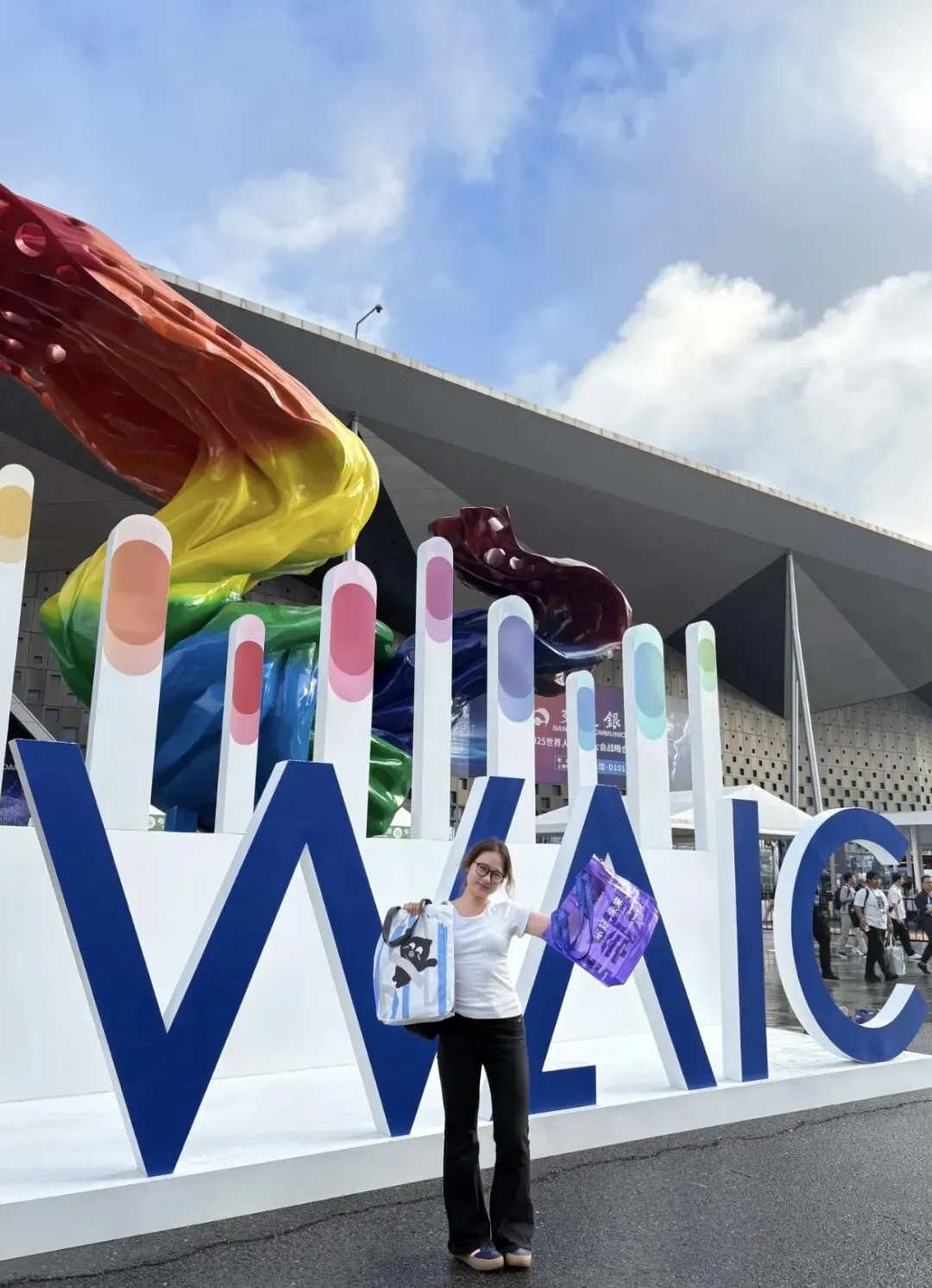
第一个是识别现实世界的需求,并关注实际应用。徐思涵举了一个与从事人力资源工作的朋友交流的例子。
The first is to identify real-world needs and focus on practical applications. Xu gave an example of a conversation with a friend working in human resources.
通过那次交流,她意识到,求职者需要一个能够将他们与合适职位匹配的人工智能体或自动化助手。
Through that discussion, she realized that job seekers needed an AI agent, or automated assistant, capable of matching job seekers with suitable openings.
在徐思涵看来,这个尚未被满足的需求,就是一个产品的机会,而文科生可以通过了解人们的需求,将其转化为实用的应用。
For Xu, that unmet need became a product opportunity — one where liberal arts students can contribute by understanding people's needs and translating them into useful applications.
第二个方向是关注人工智能的人性化和伦理。她认为,一些任务,比如塑造人工智能人格或帮助人工智能在交流的过程中更温暖、更有同理心等,可以直接运用文科生的优势。
The second direction is to focus on the human and ethical sides of AI. Tasks such as shaping AI personas or helping AI communicate more warmly and empathetically, she said, draw directly on the strengths of liberal arts students.
幸运的是,随着越来越多的人进入人工智能领域,学习资源变得越来越丰富。即使是没有计算机科学背景的学生,现在也可以通过在线课程,了解人工智能系统的基本逻辑。
Fortunately, as more people enter the AI field, learning resources have become increasingly abundant. Even students without a computer science background can now begin to understand the basic logic of how AI systems work through online courses.
杜行健研究生阶段学习的是媒体,后来,她被互联网行业的快速增长所吸引,于2020年转向科技行业。通过在该领域的实习岗位,最终她在美团获得了人生的第一份工作,担任数据产品经理。此后,她再次转型,目前正在创建自己的人工智能初创公司。
Du Xingjian, who studied media in graduate school, moved into tech in 2020, drawn by the rapid growth of the internet industry. She began pursuing internships and roles in the field, eventually landing her first job as a data product manager at Chinese services platform Meituan. She has since pivoted again and is now building her own AI startup.
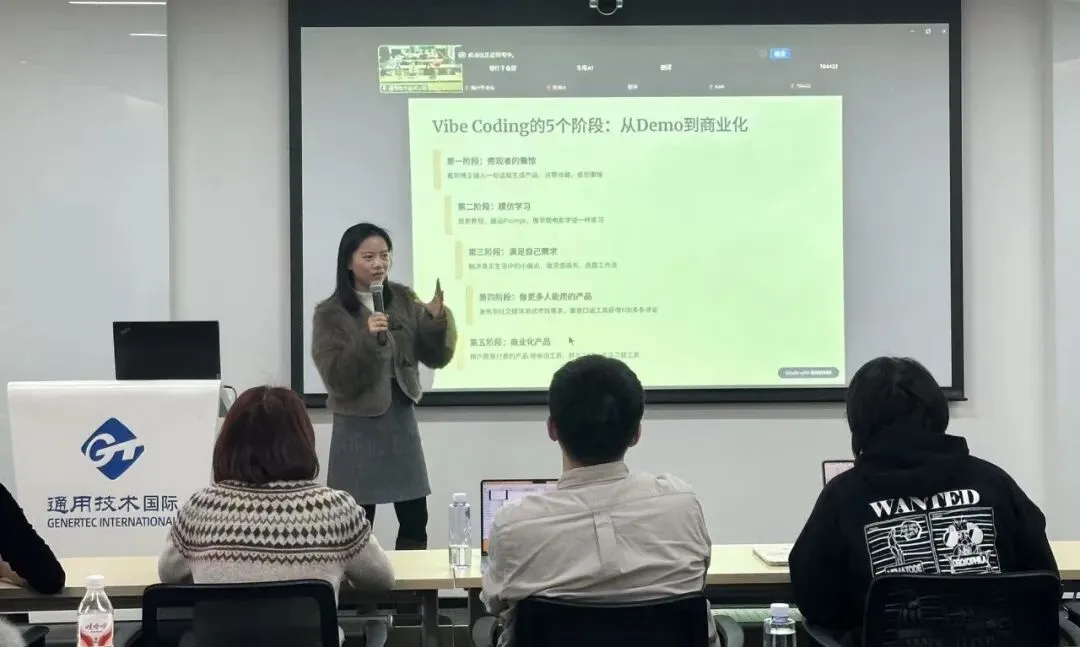
杜行健表示,在ChatGPT风格的生成式人工智能模型兴起之前,科技行业主要由大公司主导,个人和小团队的发挥空间有限。她认为,人工智能为小型组织和个人创业者创造了更多机会。
Before ChatGPT-style generative AI models took off, Du said, the tech industry was largely dominated by major companies, leaving limited room for individuals and small teams. AI, she believes, has created more opportunities for smaller organizations and solo entrepreneurs.
如今,杜行健在社交媒体上分享她在人工智能方面的实战经验。她将自己的方法称为“务实的人工智能”:要使用人工智能解决实际工作中遇到的问题,而非追求华而不实的效果,或将技术视为一种身份象征。
Today, Du shares practical, hands-on experience with AI on social media under the handle "Hahadu". She describes her approach as "pragmatic AI": using AI to solve real workplace problems, rather than chasing flashy effects or treating the technology as a status symbol.
例如,她使用人工智能为电子商务运营创作内容,将直播内容转换为短视频切片,分析产品性能数据等。
For instance, she uses AI to create content for e-commerce operations, repurpose livestreams into short clips and analyze product performance data.
北京市社会科学院副研究员王鹏也观察到人工智能招聘的根本变化。
Wang Peng, an associate research fellow at the Beijing Academy of Social Sciences (BASS), has observed a fundamental change in AI hiring.
“行业正在从纯粹的技术驱动转向应用驱动,”他说。王鹏指出,非技术角色已经从基本的数据标注演变为人工智能产品经理、提示词工程师和领域专家等职位。
"The industry is moving from being purely technology-driven to being application-driven," he said. Non-technical roles, he noted, have evolved from basic data labeling to positions such as AI product managers, prompt engineers, and domain specialists.
进入该行业的门槛也发生了变化——不再仅要求编程能力,还需拥有商业知识并熟练掌握人工智能工具。
The barrier to entry has also changed. It is no longer only about coding ability, but also about business knowledge and proficiency with AI tools.
“这不是一个低门槛的避风港,而是一个真正强调跨学科能力的领域,”王鹏说道。
"It is not an easy fallback option, but a field that emphasizes real cross-disciplinary competence," Wang said.
来源:英文报道来自2026年6月10日China Daily Z Weekly(记者:桂茜 熊昕仪)
编辑:王杏薇
推荐视频