夜雨聆风
夜雨聆风
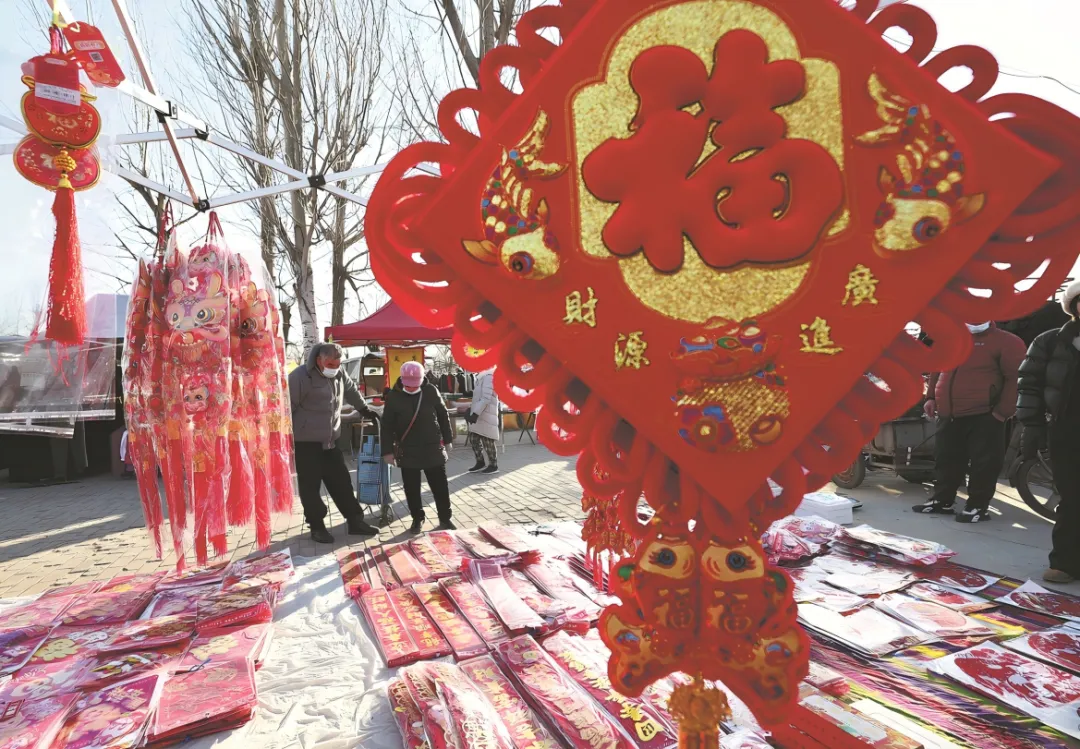
2026年高考英语全国I卷语法填空,选了一篇关于中国传统"大集"(Daji / Big Open-air Fairs)的文章,改编自 China Daily(《中国日报》)2024年2月15日刊发的报道:《Fairs: Affordable products drive popularity 》
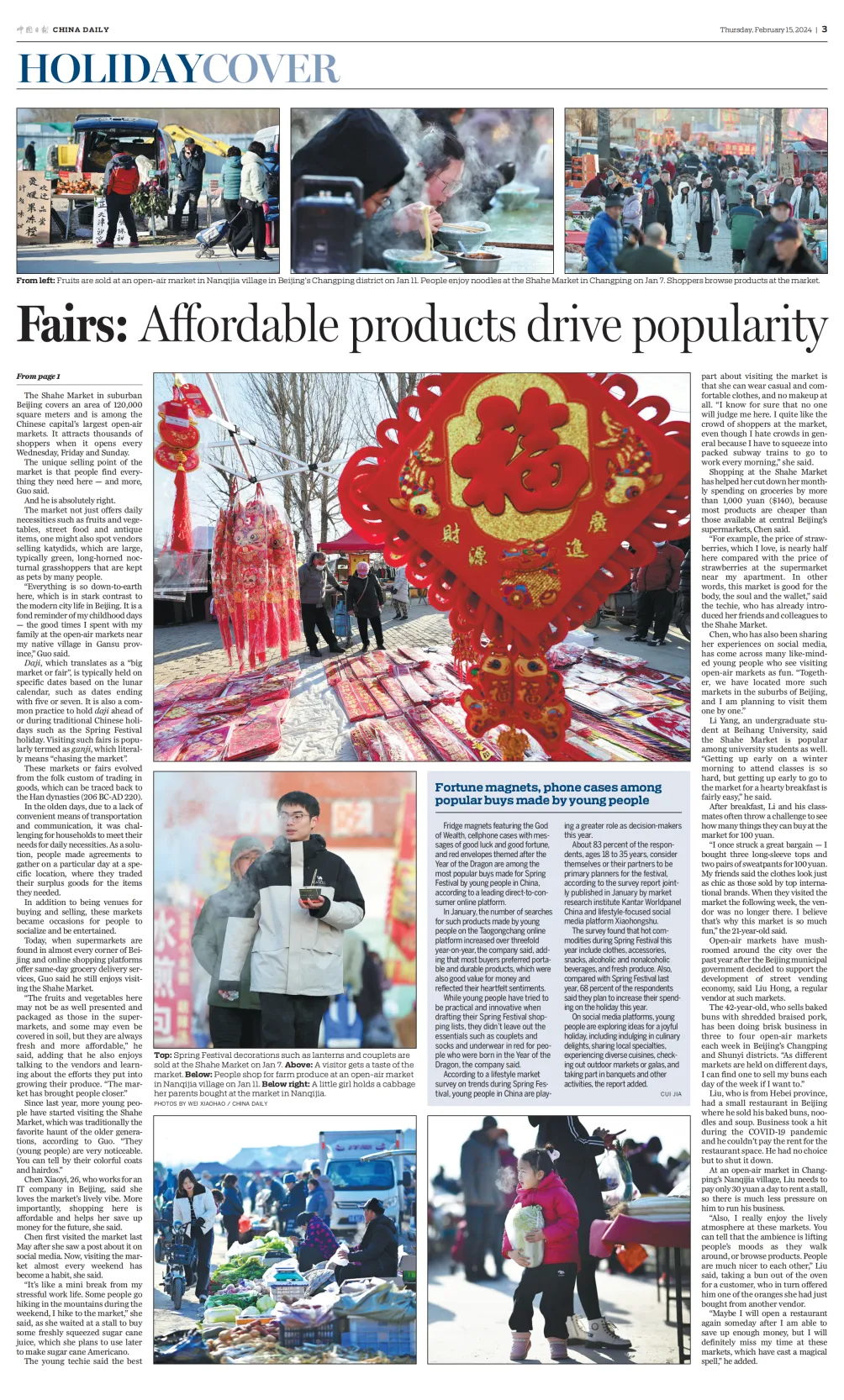
很多考生考完后说:"没想到高考居然考'赶集'。"
但仔细读下来您会发现,这篇文章不只是考语法,更是一扇窗——透过它,我们看到中国千百年来最朴素的市井烟火,也看到新高考"用英语讲好中国故事"的明确信号。
今天,我们就来好好读一读这篇不到200词的短文。


Daji, or big open-air fairs, typically take place on specific dates of the lunar calendar, for example, on dates with five or seven as the last digit. It is also common for them 56.________(hold) during traditional Chinese holidays such as the Spring Festival and the Mid-Autumn Festival, as well as other local festivals. The exact dates and 57.________(frequent) of daji vary from region to region.
Daji originated from the ancient folk custom of trading goods, which dates back to 58.________Han Dynasty. As transportation and communication 59.________(be) underdeveloped at that time, it was very difficult for households to obtain daily 60.________(necessity). As a solution, people gathered at specific locations on set days to trade their surplus(剩余的)items 61.________ what they needed.
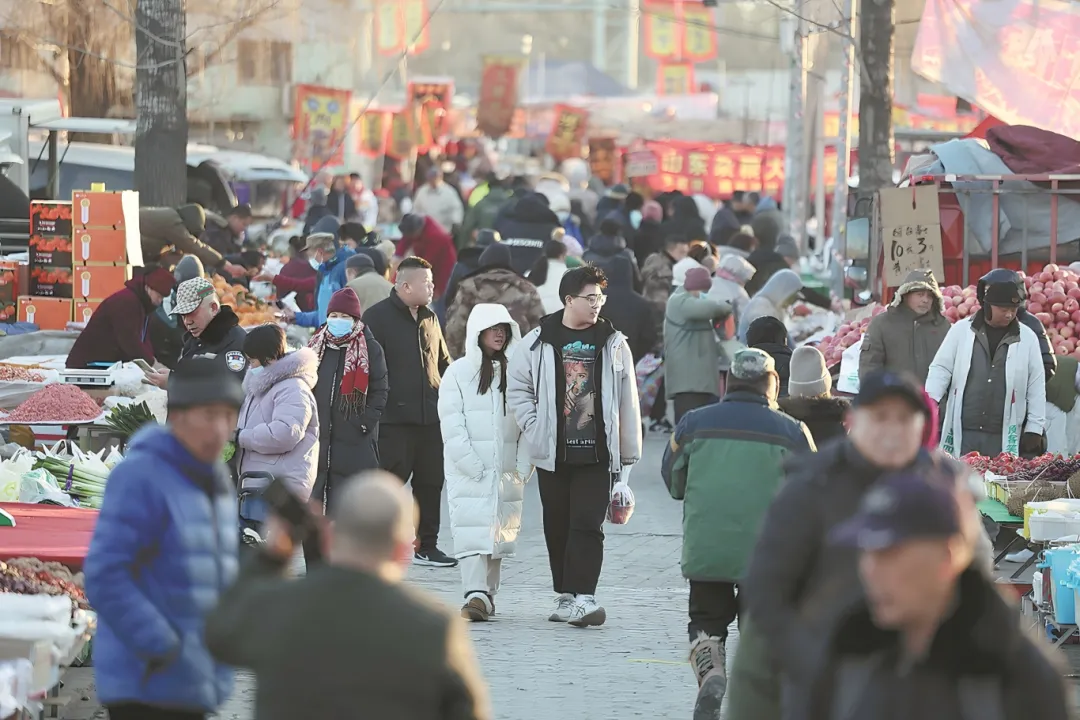
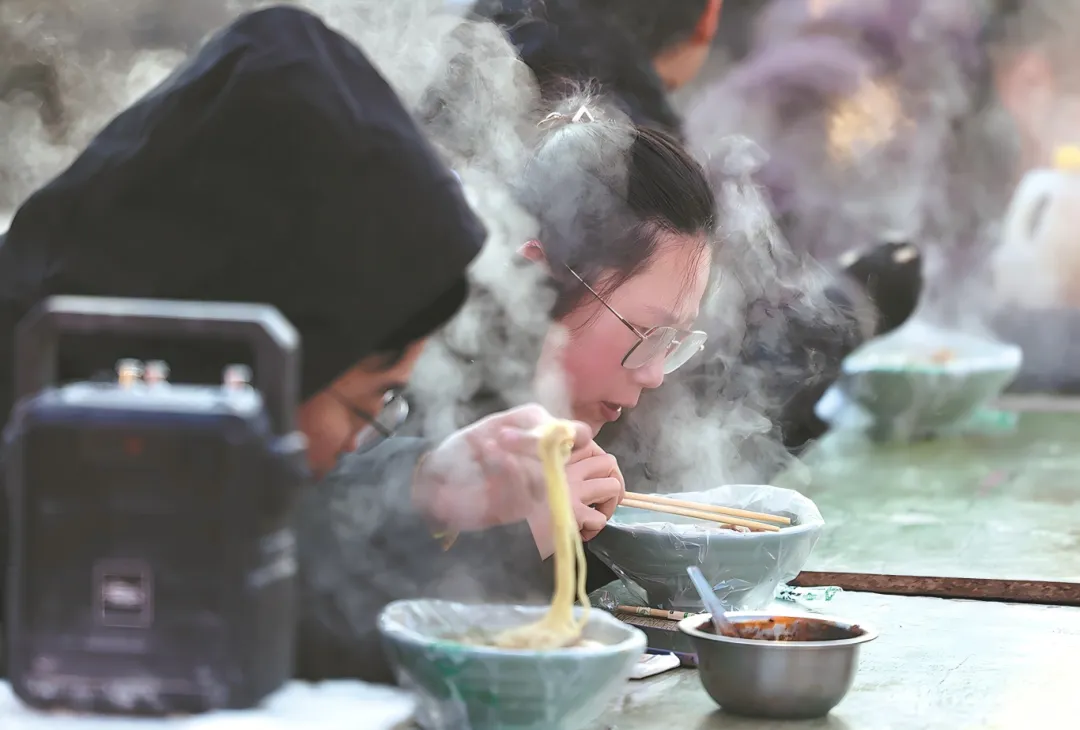
In addition to being venues for buying and selling, daji are occasions for socializing and entertainment. People from near and far crowd into these markets on daji days. 62.________(draw) by the aroma(香味)of street food, they line up in front of stands 63.________ serve steaming dumplings and hot noodle soup. While eating and enjoying street performances, they chat with each other and share stories of their daily lives. Before 64.________(head) home, they fill their shopping bags with fresh fruit and vegetables from local farmers, at prices significantly 65.________(cheap) than those found in supermarkets.
文章赏析——
好在哪?
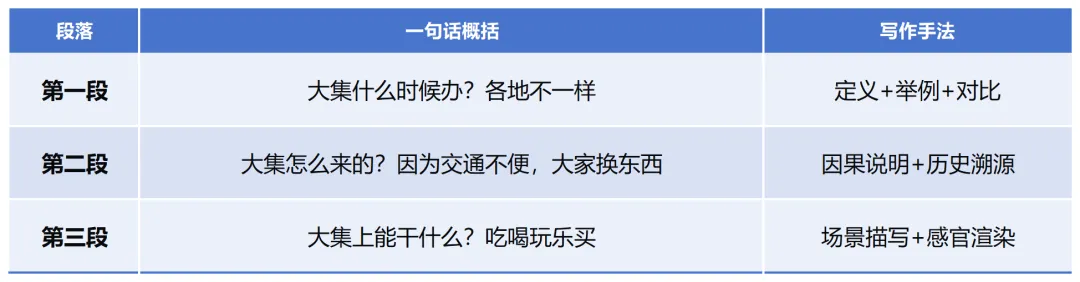

这篇短文的写法非常清晰——定义→原因→现状。这也是报刊新闻、文化类文章最常见的结构。孩子们读任何文章,先理清这个骨架,阅读速度至少提升30%。
✅dates back to the Han Dynasty—— “追溯到汉代”,谈及历史溯源,date back to 是英文里经久不衰的经典句式。
✅trade their surplus items for what they needed—— “用剩余物品换所需之物”,地道搭配。
✅drawn by the aroma of street food—— “被街头美食的香气吸引而来”,画面感极强。
✅at prices significantly cheaper than those in supermarkets—— “价格比超市便宜得多”,生活化比较。

这些表达不是生僻词,而是“活英语”。报刊阅读中,经常出现类似的描述性语言,多积累这些搭配,写作也会自然生动起来。
💡大集的日期与农历挂钩→中国传统历法
💡源于汉代→ 两千年的贸易传统
💡社交、美食、表演→市集不仅是买卖,更是人情往来

高考越来越注重考查“用英语理解中国文化”的能力。平时多读一些介绍中国传统文化、民俗风情的英文报刊文章,既能积累词汇,又能提升文化素养,一举两得。
考点速览——
10个空,10个核心语法点
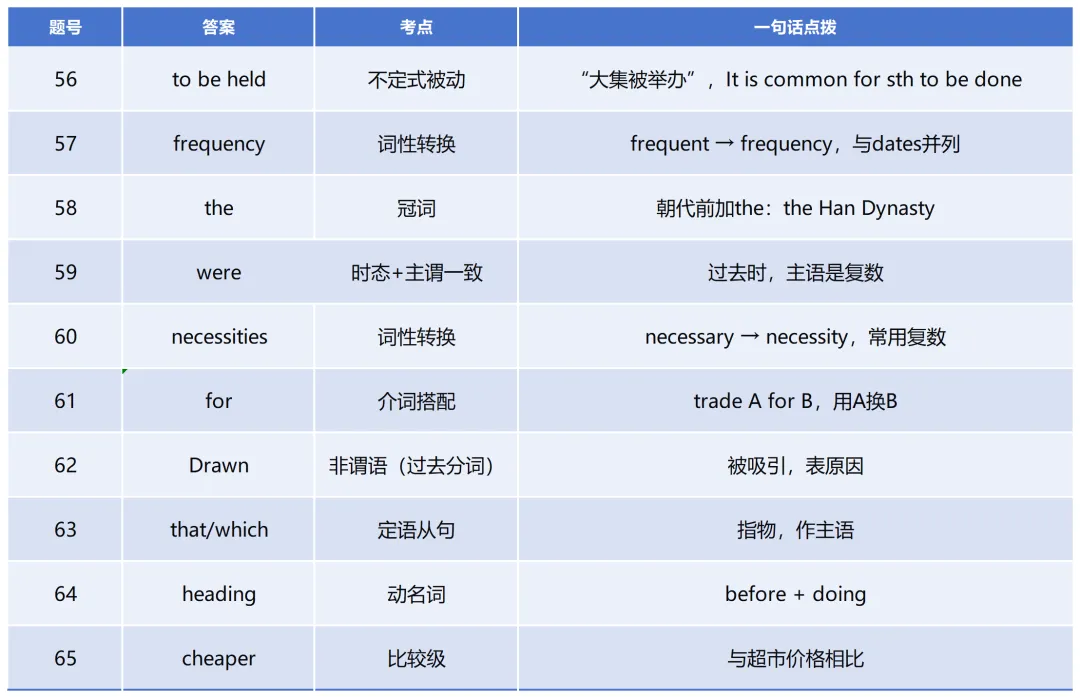

这10个考点几乎覆盖了高中语法填空的全部核心类型。平时在读报刊文章时,可以有意识地让孩子圈出类似的语法现象,比如看到 before leaving就联想到“before + doing”,看到 attracted by就联想到“过去分词作状语”。把语法放到真实的阅读中去理解,比刷一百道语法题更有效。
延伸阅读——
从“大集” 到“报刊阅读”
推荐阅读方向:

春节、中秋、端午、庙会、节气……这些主题在高考中反复出现,报刊中常有相关英文报道。

市集经济、地摊文化、乡村振兴……贴近时代,也是高考热门选材方向。

定义→原因→现状/影响,掌握这个结构,阅读和写作都能事半功倍。

《二十一世纪学生英文报》暑假合刊首次推出“暑期预习”全新模式。通过系统梳理秋季学期各年级教材单元话题,凝练出核心主题方向;再围绕这些主题,结合本报新闻特色与青少年兴趣特点策划相应内容,为中学生量身打造秋季课本预习阅读素材,配合测试题、读报笔记等,提供实用有趣、内容多元的一站式暑期学习助力。


这篇不到200词的语法填空,你看懂了多少?
你觉得高考英语还会考哪些“中国故事”?
欢迎在评论区留言。