ARTICLE · 959990
AI究竟会让游客更扎堆?还是更分散?| The Economist
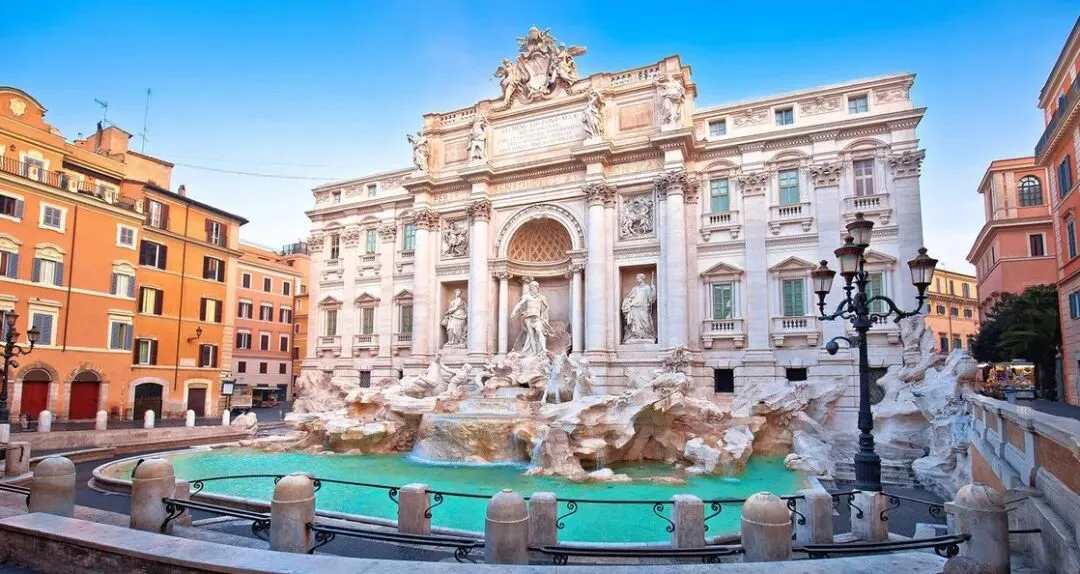
Trevi fountain(特雷维喷泉)
想象一下:你正在罗马游玩,顶着正午时分的烈日,只想赶快找个披萨店大快朵颐。打开手机一看,各种旅游指南、评分平台、TikTok各说各话,反而让人无从选择。也许你现在更愿意问AI,希望它给你一个确切答案。但问题来了:如果当时所有人都用AI来找披萨店,会不会让少数几家披萨店人满为患,队伍一直排到大马路上?
《经济学人》这篇文章讨论的正是这个问题:AI究竟会让旅游更加集中化,还是会带来相反的结果?多数人的直觉或许是前者,但答案可能没有这么简单。
As the midday sun beats down in Rome, tourists realise with relief that it is time for a pizza. But which one? Lonely Planet, the best-selling guidebook series, recommends Antico Forno Roscioli’s “delectable” slices. Tripadvisor’s top pick is Da Cicero, near the Trevi fountain, with more than 2,000 five-star reviews. TikTok-famous spots include Piccolo Buco, identifiable by its long queue of hungry Gen Zs.
beat down (太阳)强烈照射,暴晒 with relief 如释重负地,松了口气 delectable /dɪˈlektəbəl/ 美味的,令人愉快的 fountain /ˈfaʊntn/ 喷泉 review /rɪˈvjuː/ 评论,评价 identifiable /aɪˌdentɪˈfaɪəbəl/ 可识别的,可辨认的
“维多利亚时代,人们可没有AI可问”
接下来我们来看看在没有AI的时代,人们又是如何获取旅行建议的?
维多利亚时代早期
当时的人们更加依赖于旅行社(travel agent)这种“手把手”的安排,比如Thomas Cook等,当然这里面也有着一定的客观因素,主要是为了让他们免于应对欧洲大陆铁路搬运工带来的“可怕”体验。但当时“自由行”的概念也出现了,有很多人不再喜欢跟风式的旅行,因而旅行指南便成了他们获取旅游建议的主要途径,比如Lonely Planet,Routard。
The way travellers have found inspiration and itineraries has evolved over the centuries. Early Victorian travellers were shepherded around foreign lands by travel agents such as Thomas Cook, who offered English tourists protection from the horrors of continental railway porters. Some tourists still prefer to have their hand held. But many go independently. Guides such as France’s Routard direct travellers to the best spots. A mention in the Lonely Planet is still enough to fill a Bangkok hostel or Kathmandu curry house.
itinerary /aɪˈtɪnəreri/ 行程,旅行计划 shepherd /ˈʃepərd/ 带领,引导 railway /ˈreɪl.weɪ/ 铁路,铁道 hostel /ˈhɑː.stəl/ 旅社,客栈
互联网时期的三次变革
互联网先后三次改变了旅行建议的传播方式。
评分平台(review platforms):大众点评式推荐
比如“Tripadvisor”(猫途鹰网),通过大众给各种景点打评分进行排名。这个平台的影响力还是非常巨大的,曾经因为欧盟取消了移动漫游支付而导致在旅途中使用猫途鹰的人数增加,最后直接导致罗马那些高评分的,以旅游为导向的餐厅,收益直接上涨5%。
The internet has changed things, thrice. First, review platforms like Tripadvisor have harnessed the wisdom of crowds to rate everything from Britain’s pubs to Egypt’s pyramids (“too much sand”, complains a one-star review). They hold enormous clout. Dante Donati of Columbia Business School found that, when the European Union abolished mobile roaming charges in 2017, the associated uptick in visitors consulting Tripadvisor on the go resulted in a 5% revenue bump for Rome’s tourist-oriented restaurants, largely benefiting the highest-rated.
thrice /θraɪs/ 三次 harness /ˈhɑːrnɪs/ 利用,驾驭 rate /reɪt/ 评分 clout /klaʊt/ 影响力,权势 abolish /əˈbɑː.lɪʃ/ 废除,废止 roam /roʊm/ 闲逛;;漫游 uptick /ˈʌptɪk/ 小幅上升 on the go 在路上 bump /bʌmp/ 增长,提升 社交媒体( social networks):算法引爆“网红景点”
社交媒体是基于算法推荐的,它可能会偶然“相中”某个景点,然后直接推送给数百万用户,这也导致影响更加混乱,也更难预测。曾经就把奥地利的一个风景如画的湖畔小镇哈尔施塔特(Hallstatt)“挤爆”了。“TravelTok”热潮甚至能让毫无防备的小餐馆前排起数小时长队。
The second digital change to travel advice has come from social networks. Their effects are more chaotic and less predictable, as apps’ algorithms unexpectedly alight on an attraction and blast it into the feeds of millions of users. Photogenic places like Hallstatt, a picture-perfect lakeside town in Austria, have been overrun. “TravelTok” crazes have sent mobs to queue for hours at unsuspecting eateries.
chaotic /keɪˈɑːtɪk/ 混乱的,无序的 alight on /əˈlaɪt/ 突然注意到,偶然选中 blast /blæst/ 广泛传播,轰炸 photogenic /ˌfoʊtoʊˈdʒenɪk/ 上镜的,适合拍照的 overrun /ˌoʊvərˈrʌn/ 挤满,泛滥 craze /kreɪz/ 狂热,风潮 unsuspecting /ˌʌnsəˈspektɪŋ/ 深信不疑的,毫无防备的 eatery /ˈiːtəri/ 小餐馆,饮食店 AI聊天机器人(chatbots):新一代旅行顾问
现在使用AI聊天工具的人越来越多。根据美国咨询公司麦肯锡(McKinsey)的数据显示,美国使用ChatGPT的人数从前年的38%增加到了去年夏天的55%,并且未来大概率还会涨。这也直接导致了旅游指南手册的营业额急剧下滑,和猫途鹰网流量的大幅下降。
Now people are turning to chatbots. Last summer 55% of Americans used an AI app like ChatGPT to plan their holiday, up from 38% the previous year, according to McKinsey, a consultancy. The numbers will probably rise again. Old sources of advice are out. Guidebook sales have fallen sharply over the past two decades. Tripadvisor has blamed ai for stealing its web traffic, which is estimated to have fallen by a fifth in the past year.
consultancy /kənˈsʌltənsi/ 咨询公司 web traffic 流量
“许多人的直觉:AI会让旅游更加集中化”
大语言模型本质上是预测机器,倾向于给出最可能的答案,因此会把用户引向大众化目的地。威斯敏斯特大学的研究发现,ChatGPT“明显偏好知名旅游中心”,推荐的“隐藏瑰宝”竟然包括埃菲尔铁塔和罗马斗兽场。
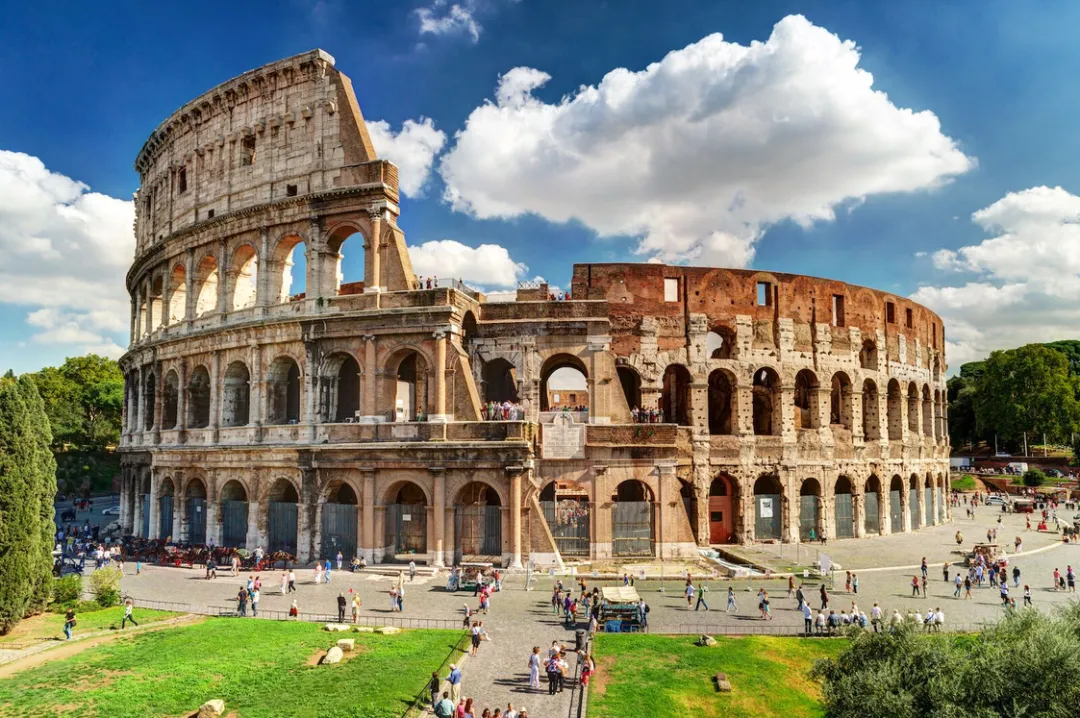
Colosseum(罗马斗兽场)
Many worry that AI could make tourism even more concentrated. The large language models powering chatbots are prediction machines primed to give the most likely answer. Make an open-ended request for travel tips and you will be steered to exactly where everyone else is going. Research by the University of Westminster found that ChatGPT showed “a marked preference for well-established tourist hubs”, recommending such hidden gems as the Eiffel Tower and the Colosseum.
prime /praɪm/ 使准备好,预先指导 steer /stɪr/ 引导,指引 marked /mɑːrkt/ 明显的,显著的 well-established知名的;享誉盛名的 hub /hʌb/ 中心,枢纽 gem /dʒem/ 宝石
莱里达大学的 Daniel Paül i Agustí 对巴塞罗那的研究更具体: 收集了 ChatGPT 的1万条地点推荐,只涉及约215个地点; 而在Instagram 上取样同样数量的旅游照片,则来自约1300个地点(ChatGPT甚至还推荐了38个似乎并不存在的景点)。研究者警告,AI对知名景点的偏爱可能“导致游客过度集中”。
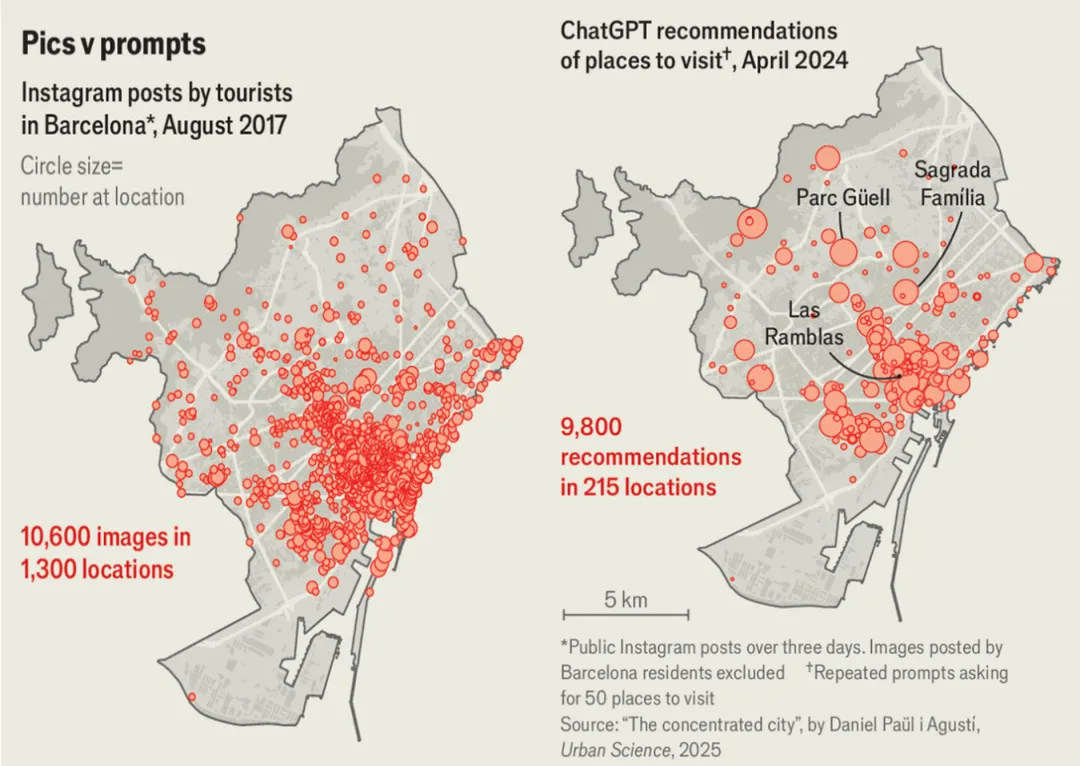
This could narrow travellers’ horizons. Daniel Paül i Agustí of the University of Lleida examined how ChatGPT’s travel advice compared with places they might see on Instagram. He collected 10,000 recommendations of places to visit in Barcelona from ChatGPT. He then harvested a similar number of photos of the city posted by tourists on Instagram, and coded their location. Whereas the Instagram images came from some 1,300 different places, ChatGPT recommended a narrower selection of 215 places, majoring on hotspots like the Sagrada Família. (It also suggested 38 attractions that appeared to be made up.) AI’s focus on the best-known sites could “lead to tourist overcrowding”, Mr Paül i Agustí warned.
recommendations /ˌrek.ə.menˈdeɪ.ʃən/ 推荐,介绍 harvest /ˈhɑːr.vəst/ 收获;获得 overcrowding /ˌoʊ.vɚˈkraʊ.dɪŋ 拥堵/超员/人数过多的
“反驳:AI最终可能会重新分配游客”
原文作者从三个角度论证AI最终可能分散游客:
不同模型的训练数据源具有差异性
由于训练数据源的不同,不同AI模型对同一问题的回答差异很大。以罗马披萨店的问题为例:ChatGPT 的训练源主要是在线指南和 Reddit帖子,推荐的披萨店为 Pizzarium Bonci 和 Seu Pizza;Google 的 AI模型主要基于 Google Maps的评论,推荐的披萨店为靠近万神殿的 Pizza Florida。不同AI像是不同性格的旅行顾问,而非统一的标准答案。
Yet AI may eventually have the opposite effect, dispersing tourists to a wider range of places than they visited in days gone by. First, because models are trained on different sources, they can give very different advice. We asked Evertune, an AI analytics company, to help solve the Rome pizza dilemma by quizzing chatbots. ChatGPT, which based its answers mainly on online guides and Reddit threads, favoured Pizzarium Bonci, near the Vatican, and Seu Pizza, which has won a string of awards. Google’s AI Mode, which drew on Google Maps reviews, suggested Pizza Florida, a by-the-slice place close to the Pantheon.
hotspot /ˈhɑːtspɑːt/ 热门地点,热点 disperse /dɪˈspɜːrs/ 分散,驱散 quiz /kwɪz/ 询问,盘问 favour /ˈfeɪ.vɚ/ 支持,赞同;偏袒,恩惠 draw on 借鉴,参考
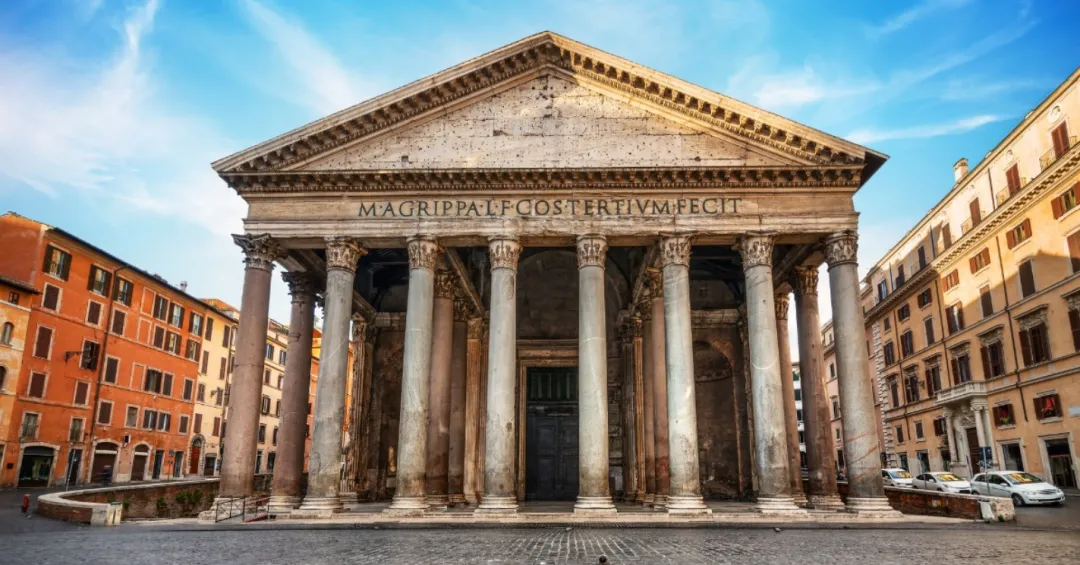
Pantheon(万神殿)
同一模型也具有随机性
AI聊天工具的概率性质使它们对相同问题也会给出不同答案。AI分析公司Evertune 发现,Gemini 最常推荐的两家披萨店Remo 和 Pizzarium Bonci只出现在其91%的回答中——也就是说,近十分之一的用户不会被告知它的首选。
Not only do chatbots disagree with each other—they also disagree with themselves. Their probabilistic nature means that they give varying answers to identical queries. Evertune found that Gemini’s jointly most-recommended pizzerias , Remo and Pizzarium Bonci, featured in 91% of its answers (in other words, nearly a tenth of users would not be told about its top picks). In all, Gemini recommended a long tail of 24 different places.
probabilistic /ˌprɑː.bə.bəlˈɪs.tɪk/ 基于概率的 identical /aɪˈden.t̬ə.kəl/ 完全相同的;极为相似的 jointly /ˈdʒɔɪnt.li/ 连带地,共同地 AI的回答极具个性化
AI可以根据用户的具体需求提供定制建议,可以像现代版的Thomas Cook一样,为任何品味的人规划行程:巴黎最佳巧克力店、文学氛围的伦敦漫步、美国最狂野的水上乐园等。
AI’s greatest promise to travellers is personalised advice. Perhaps a tourist in Rome wants a gluten-free pizza (their AI guide might propose somewhere like La Soffitta Renovatio), or a pizza with pineapple (it might suggest a psychiatrist). Chatbots can act like modern-day Thomas Cooks, drawing up tours for any taste: the best chocolatiers in Paris, a walk around literary London, America’s wildest water parks or whatever the traveller is into. The average chatbot prompt is about 25 words long, suggesting people are posing relatively complex queries.
即使游客提问不够具体,AI也会根据过去的互动记录调整建议。例如,如果你之前告知它你是素食者或高消费者,就会相应校准推荐。
Even if travellers are unimaginative with their questions, AI models increasingly personalise their answers based on past interactions. If a chatbot knows you are a vegan, or a big spender, it will calibrate its suggestions accordingly. “In the past, we all saw the same blue links on Google,” says Brian Stempeck of Evertune. AI’s answers are “more like the Spotify algorithmic feed”, tweaked according to the user’s history. Consumers live in personalised bubbles when it comes to music. Travel could go the same way.
对于AI工具,无论你是否主动要求它,它都会有依据你的兴趣匹配的倾向,有望把游客从热门景点重新分配出去。总之,AI能提供极度个性化的答案,可能导致旅游业也走向个性化。
For those tired of following the herd, this will be welcome. Most guidebooks make mainstream recommendations. Online review platforms promote the most broadly popular stuff. AI’s tendency to match travellers to their interests, whether they ask it to or not, promises to redistribute visitors away from tourist hotspots. Whatever guidebook writers or online influencers think is the best pizza in Rome, your chatbot is ready to serve up a slice made for an audience of one.
psychiatrist /saɪˈkaɪətrɪst/ 精神科医生 pose /poʊz/ 提出 prompt /prɑːmpt/ 提示词 spender /ˈspen.dɚ/ 消费者 calibrate /ˈkælɪbreɪt/ 校准,调整 tweak /twiːk/ 微调,稍作调整 redistribute /ˌriːdɪˈstrɪbjuːt/ 重新分配 online influencer 网红
本文作者:S.A.W.
原文来源:The Economist(August.15.2026)
原文标题:Can AI save tourists from the TikTok herd?
免责声明:本文仅供英语学习交流使用,本文中文观点均来源于原文解读,原文内容不代表本号立场。