专题 08 非谓语动词
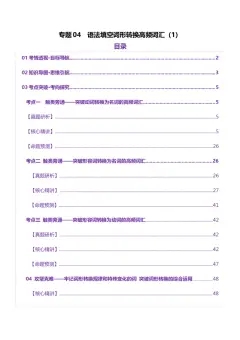
目录
01考情透视·目标导航..........................................................................................................................................................2
02知识导图·思维引航..........................................................................................................................................................3
03考点突破·考向探究..........................................................................................................................................................4
考点一 考查非谓语动词作定语........................................................................................................................................4
【真题研析】.............................................................................................................................................................................................4
【核心精讲】.............................................................................................................................................................................................5
【命题预测】.............................................................................................................................................................................................6
考点二 考查非谓语动词作状语..........................................................................................................................................7
【真题研析】.............................................................................................................................................................................................7
【核心精讲】
【命题预测】
考点三 非谓语动词作宾语
【真题研析】
【核心精讲】
【命题预测】
考点四 考查非谓语动词作宾补
【真题研析】
【核心精讲】
【命题预测】
考点五 考查非谓语动词作主语和表语.............................................................................................................................16
【真题研析】...........................................................................................................................................................................................16
【核心精讲】...........................................................................................................................................................................................17
【命题预测】...........................................................................................................................................................................................18
04 重难点突破 非谓语动词基本知识的综合运用.............................................................................................................18
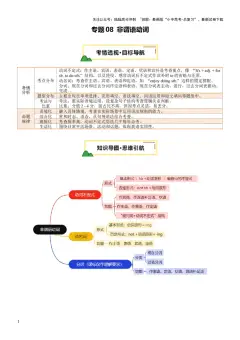
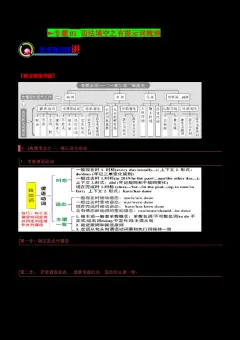
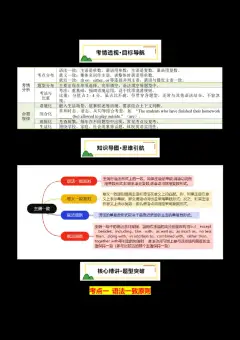
非谓语动词
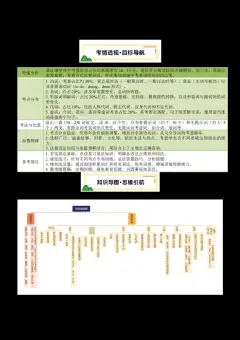
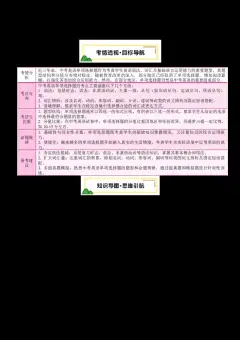
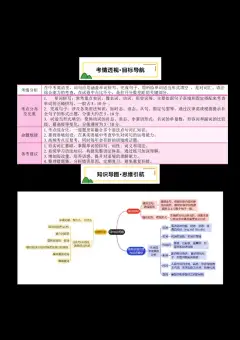
考点 目标要求 考题统计及展示 考情分析
(2024·新高考II卷)40.inspired 从近三年高考试
熟练掌握分词、不定
考查非谓语动 题来看,试题以语法
式、动名词作定语的 (2024年1月浙江高考卷)63.designed
词作定语 填空形式命题,题目
用法 (2023·新高考Ⅰ卷)recognized
中等偏难,以考查学(2023年新高考Ⅱ卷) visiting
(2023·1月新高考浙江卷)surrounded
(2022•新高考Ⅱ卷)falling
(2022·全国甲卷)to journey
(2024·新高考I卷)58.to give
(2024·新高考II卷)44.Recalling 生对有关分词、不定
(2024·新高考Ⅱ卷)43.to find 式和动名词的基本含
义及句法功能以及根
(2024年1月浙江高考)56.to benefit
考查非谓语动 熟练掌握分词、不定
据语境判断使用非谓
(2023·全国乙卷)Having visited
词作状语 式作状语的用法
语动词正确形式的能
(2023·全国甲卷)borrowing
力,强化语言运用能
(2023·全国甲卷)to teach
力和语境理解,题型
(2022•新高考Ⅱ卷)to see
主要是语法填空,非
(2022·新高考I卷)Covering
谓语动词是中学语法
的重点和难点。
(2024·全国甲卷)41.to catch
非谓语动词作 掌握不定式、动名词 预计在2025年高
(2023·新高考Ⅰ卷 )to bite
宾语 作宾语的用法
考中,以语法填空的
(2022年1月·浙江卷)to continue
形式命题。非谓语动
(2023·新高考Ⅰ卷 )to be lifted 词是必考点。
考查非谓语动 掌握分词、不定式作 (2023·新高考Ⅰ卷 )wanting
词作宾补 宾补的用法 (2020·新课标II卷)decorated
(2020新课标III卷)surrounding
熟练掌握不定式、动
考查非谓语动
名词作主语的用法及 (2021·英语全国甲卷)to walk
词作主语和表
分词、不定式、动名 (2018新课标III卷)challenged
语
词作表语的用法考点一 考查非谓语动词作定语
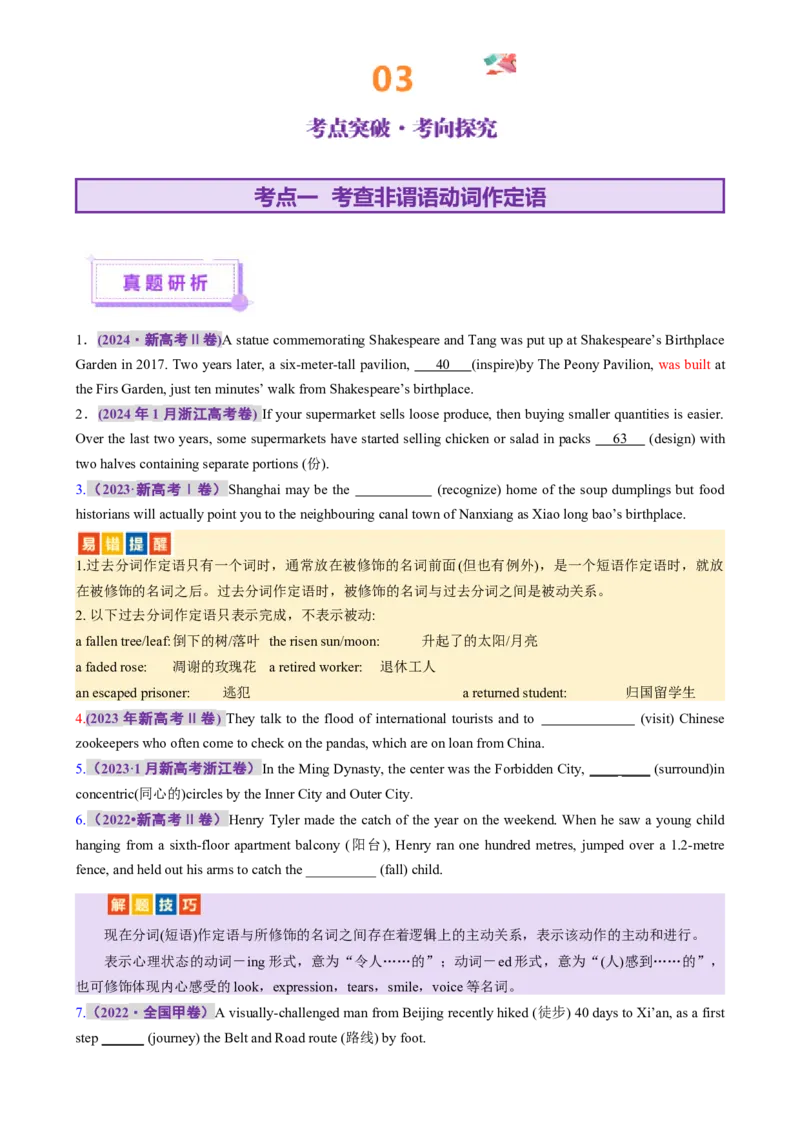
1.(2024·新高考Ⅱ卷)A statue commemorating Shakespeare and Tang was put up at Shakespeare’s Birthplace
Garden in 2017. Two years later, a six-meter-tall pavilion, 40 (inspire)by The Peony Pavilion, was built at
the Firs Garden, just ten minutes’ walk from Shakespeare’s birthplace.
2.(2024年1月浙江高考卷) If your supermarket sells loose produce, then buying smaller quantities is easier.
Over the last two years, some supermarkets have started selling chicken or salad in packs 63 (design) with
two halves containing separate portions (份).
3.(2023·新高考Ⅰ卷)Shanghai may be the (recognize) home of the soup dumplings but food
historians will actually point you to the neighbouring canal town of Nanxiang as Xiao long bao’s birthplace.
1.过去分词作定语只有一个词时,通常放在被修饰的名词前面(但也有例外),是一个短语作定语时,就放
在被修饰的名词之后。过去分词作定语时,被修饰的名词与过去分词之间是被动关系。
2. 以下过去分词作定语只表示完成,不表示被动:
a fallen tree/leaf:倒下的树/落叶 the risen sun/moon: 升起了的太阳/月亮
a faded rose: 凋谢的玫瑰花 a retired worker: 退休工人
an escaped prisoner: 逃犯 a returned student: 归国留学生
4.(2023 年新高考Ⅱ卷) They talk to the flood of international tourists and to (visit) Chinese
zookeepers who often come to check on the pandas, which are on loan from China.
5.(2023·1月新高考浙江卷)In the Ming Dynasty, the center was the Forbidden City, ____ ____ (surround)in
concentric(同心的)circles by the Inner City and Outer City.
6.(2022•新高考Ⅱ卷)Henry Tyler made the catch of the year on the weekend. When he saw a young child
hanging from a sixth-floor apartment balcony (阳台), Henry ran one hundred metres, jumped over a 1.2-metre
fence, and held out his arms to catch the __________ (fall) child.
现在分词(短语)作定语与所修饰的名词之间存在着逻辑上的主动关系,表示该动作的主动和进行。
表示心理状态的动词-ing形式,意为“令人……的”;动词-ed形式,意为“(人)感到……的”,
也可修饰体现内心感受的look,expression,tears,smile,voice等名词。
7.(2022·全国甲卷)A visually-challenged man from Beijing recently hiked (徒步) 40 days to Xi’an, as a first
step ______ (journey) the Belt and Road route (路线) by foot.8.(2019新课标II卷)Picking up her "Lifetime Achievement" award,proud Irene declared she had no plans
_____________(retire) from her 36-year-old business.
不定式作定语:
①常接不定式作定语的词有:chance,opportunity,ability,decision,right(权利),不定代词等。
1)The ability to express an idea is as important as the idea itself.
2)Today I have nothing/something to say at the conference.
②不定式作定语,修饰序数词等
She was the first/second/third/tenth (student) to come to school today.
非谓语动词作定语
1.不定式作定语
(1)不定式作定语通常放在所修饰词之后,表示将来的动作。不定式与其所修饰的词之间往往是动宾
关系,若该不定式是不及物动词,其后应有必要的介词。
Suddenly a good idea occurred to her,but she couldn't find any paper to write on.
突然她想到了一个好主意,但是她找不到纸把它写下来。
(2)序数词,形容词最高级,the last, the only 等后或被这些词修饰的名词/代词后,常用不定式作定
语。
He is always the first to arrive at the school and the last to leave the school.
他总是第一个到校,最后一个离校。
(3)被修饰词是抽象名词时,常用不定式作定语。常见名词:ability, chance, idea, hope, wish, fact,
excuse, promise, attempt, way 等。
And the best way to strengthen willpower is to make it into a habit.
增强意志力最好的方法就是让意志力成为一种习惯。
The ability to express an idea is as important as the idea itself.
表达观点的能力与观点本身同等重要。
2.分词作定语
(1)作定语的及物动词的分词形式:现在分词、being+过去分词、过去分词。当被修饰的名词与分词
之间为主动关系时,用现在分词;当被修饰的名词与分词之间为被动关系且表示正在进行时,用being+
过去分词;当被修饰的名词与分词之间为被动关系且表示完成时,用过去分词。
(2)作定语的不及物动词的分词形式:现在分词和过去分词。现在分词表示动作正在进行;过去分词
只表示动作已完成,不表示被动。
[2021·浙江卷1月]In 1985,urban men and women in more than three quarters of the countries studied had
higher BMIs than men and women in rural areas.
1985年,在被研究的国家中,超过四分之三的城市男性和女性的BMIs高于农村地区的男性和女性。
表示被动、完成用过去分词(done);表示主动、进行用现在分词(doing);表示被动、进行用being done;表示主动、尚未进行用to do;表示被动的动作尚未进行用to be done。试比较:
①The bridge built recently was designed by a local company.
②Today there are more airplanes carrying more people than ever before in the sky.
③The bridge being built now was designed by a local company.
④The question to be discussed at tomorrow's meeting is very important.
3.动名词作定语
表示被修饰词的属性、作用或用途,作 “ 供……用”讲,相当于介词 for 短语,常 置于被修饰词前。
a swimming pool=a pool for swimming 游泳池
a reading room = a room for reading 阅览室
a washing machine = a machine for washing 洗衣机
a walking stick=a stick for walking 拐杖
1.(2025·广东省清远市高三上学期一模)“This exhibition is really significant, which brings a rare opportunity
for New Zealanders (engage) with one of the most important cultural and religious sites in the world and
facilitates people-to-people exchanges, ” said New Zealand parliament member Jenny Salesa.
2.(2025·河北省石家庄市第二中学高三月考)“In the Shaolin Temple were people (dress)the way they
had been in the movies
3.(2025·江苏省海门中学高三第一次调研)By organizing the festival, Fuzhou aims to promote excellent
traditional culture, tell Chinese stories in a more (engage) manner and carry out Chinese and foreign cultural
exchanges and cooperation to draw domestic and global attention to Tang Xianzu, Fuzhou, Jiangxi, thus
increasing Chinese culture’s presence and influence.
考点二 考查非谓语动词作状语
1.(20224·新高考Ⅰ卷)The design features ten steel “sepals (萼片)” made of glass and aluminium (铝). These
sepals open on warm days 58 (give) the inside plants sunshine and fresh air.
2.(2024·新高考Ⅱ卷)___44___ (recall)watching a Chinese opera version of Shakespeare’s play Richard III in
Shanghai and meeting Chinese actors who came to Stratford a few years ago to perform parts of The Peony
Pavilion.
3.(2024·北京高考卷)Just then, some kids ran at him, 19 (knock) his books out of his arms. His glasses
went flying and landed in the grass.
4.(2024·北京高考卷)And when 16 (ask) about his new title, he shared the secret: moderation (适度).
1.作状语的过去分词要求其逻辑主语与句子的主语保持一致。2.如句子的主语是分词动作的承受者,就用过去分词形式(done)。
3.过去分词作状语相当于状语从句或者并列句,表示被动和完成。
4.带有连词的过去分词结构相当于一个省略句,省略的部分为主语+be的相应变化形式。The girl is very
shy, and never speaks until spoken to. 这女孩怕羞,不给她说话她从不说话。
5.选择现在分词还是过去分词,关键看主句的主语,即与句子主语的逻辑关系, 如分词的动作是主句的
主语发出,分词就选用现在分词,反之就用过去分词。
6. 如果过去分词作状语时,前面再加逻辑主语, 主句的主语就不再是分词的逻辑主语, 这种带逻辑主语的过
去分词结构实际上属于独立主格结构. 独立主格结构相当于从句主语与主句主语不一致的状语从句,或者
前后主语不一致的并列句的简化。
5.(2023·全国乙卷) (visit) several times over the last 10 years, I was amazed by the
co-existence of old and new,and how a city was able to keep such a rich heritage (遗产) while constantly growing.
1.作状语的分词要求其逻辑主语与句子的主语保持一致。
2.如句子的主语是分词动作的发出者,就用现在分词形式(doing)。
3.若现在分词的动作发生在谓语动词所表示的动作之前,则用现在分词的完成形式(having done)。
4.若与句中主语为逻辑上的动宾关系,且先于谓语动词动作发生,用现在分词完成式的被动形式
(having been done)。
6.(2023·全国甲卷)Carson uses a simple, direct style common to fable. In fact, her style and tone (口吻) are
seemingly directed at children. “There was once a town in the heart of America, where all life seemed to enjoy
peaceful co-existence with its surroundings,” her fable begins, (borrow) some familiar words from
many age-old fables.
7.(2022·新高考 I 卷)The Chinese government recently finalized a plan to set up a Giant Panda National
Park(GPNP). ______ (cover)an area about three times the size of Yellowstone National Park, the GPNP will be
one of the first national parks in the country.
8.(2024·新高考Ⅱ卷)Those cultural elements have increased Stratford’s international visibility, said
Edmondson, adding that visitors walking through the Birthplace Garden were often amazed ___43___ (find)the
connection between the two great writers.
9.(2024年1月浙江高考)The shelves in most supermarkets are full of family-size this and multi-buy that.
However, if you’re shopping for one, buying extra 56 (benefit) from price reductions doesn’t make sense.
10.(2023·全国甲卷)For thousands of years, people have told fables (寓言) (teach) a lesson
or to pass on wisdom.
11.(2022•新高考Ⅱ卷)Eric woke up a little later when he heard children playing outside. He pushed a chair
onto the balcony, and climbed up ______ (see) them.
非谓语动词作状语
1.不定式作状语
(1)作目的状语,可用so as to/in order to替换,但 so as to一般不可置于句首,意为“为了;想要”。[2020·全国卷Ⅰ]Chinese researchers hope to use the instruments onboard Chang'e-4 to find and study areas
of the South Pole-Aitken basin.
中国的研究者希望使用“嫦娥四号”上的设备来发现和研究南极-艾特肯盆地。
(2)作结果状语,常表示出乎意料的结果,常用于下列结构中:only to do;enough to do(足够
做……);too... to do... (太……而不能……);so/such... as to... (如此……以至于……)等。
Tom took a taxi to the airport, only to find his plane high up in the sky.
汤姆乘出租车去了机场,结果发现他要乘坐的飞机已飞入高空。
(3)作原因状语,常用在“主语+系动词+形容词+to do”结构中。这类形容词有easy, difficult, hard,
cheap,expensive,fit,comfortable,dangerous,heavy,good,important,impossible,surprised,
astonished, delighted, disappointed 等。
We were astonished to find the temple still in its original condition.
令我们吃惊的是,这座寺庙仍保持着最初的样子。
2.分词作状语
现在分词作状语时,现在分词所表示的动作与句子主语之间构成逻辑上的主动关系。过去分词作状语
时,过去分词所表示的动作与句子主语之间构成逻辑上的被动关系。
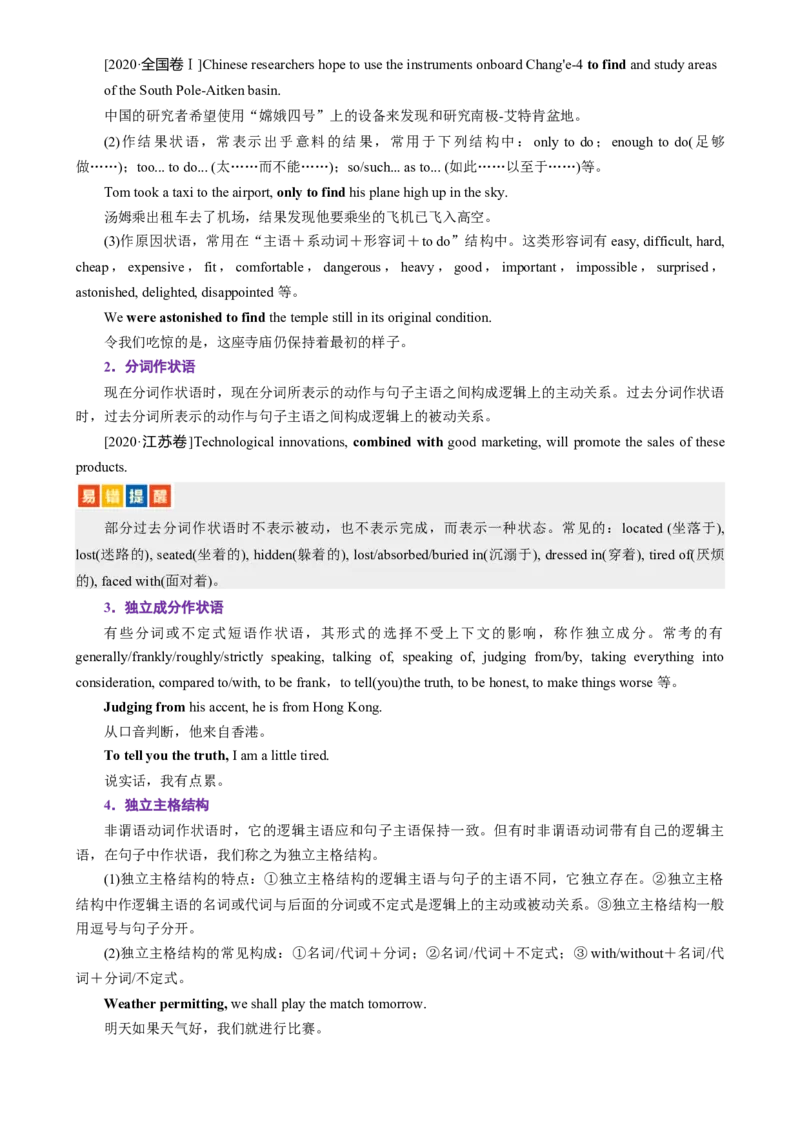
[2020·江苏卷]Technological innovations, combined with good marketing, will promote the sales of these
products.
部分过去分词作状语时不表示被动,也不表示完成,而表示一种状态。常见的:located (坐落于),
lost(迷路的), seated(坐着的), hidden(躲着的), lost/absorbed/buried in(沉溺于), dressed in(穿着), tired of(厌烦
的), faced with(面对着)。
3.独立成分作状语
有些分词或不定式短语作状语,其形式的选择不受上下文的影响,称作独立成分。常考的有
generally/frankly/roughly/strictly speaking, talking of, speaking of, judging from/by, taking everything into
consideration, compared to/with, to be frank,to tell(you)the truth, to be honest, to make things worse 等。
Judging from his accent, he is from Hong Kong.
从口音判断,他来自香港。
To tell you the truth, I am a little tired.
说实话,我有点累。
4.独立主格结构
非谓语动词作状语时,它的逻辑主语应和句子主语保持一致。但有时非谓语动词带有自己的逻辑主
语,在句子中作状语,我们称之为独立主格结构。
(1)独立主格结构的特点:①独立主格结构的逻辑主语与句子的主语不同,它独立存在。②独立主格
结构中作逻辑主语的名词或代词与后面的分词或不定式是逻辑上的主动或被动关系。③独立主格结构一般
用逗号与句子分开。
(2)独立主格结构的常见构成:①名词/代词+分词;②名词/代词+不定式;③with/without+名词/代
词+分词/不定式。
Weather permitting, we shall play the match tomorrow.
明天如果天气好,我们就进行比赛。The test finished(=When the test was finished),we began our holiday.
考试结束后,我们就开始放假了。
1.(2025·吉林省普通高中高三一模)The abundance of the rich natural resources of Africa soon led to avarice
(贪婪) on the part of the Europeans, (result) in a mad scramble for Africa’s resources, including her people.
2.(2025·辽宁省名校联盟(东北三省三校)高三联考) (compare) with Chinese festivals, which often
center around family reunion (团聚) and respecting ancestors, western festivals tend to emphasize celebration,
reflecting a more individualistic culture.
3.(2025·山东省第一次备考监测联考)As everyone knows, the Silk Road symbolizes the friendship between
European and Asian peoples, With a history (stretch) over 2,000 years, the origins of the Silk Road in China
trace back to the Han Dynasty.
4.(2025·海南省海口市高三摸底)People then started dragon boat racing ________ (scare) off the fish.
考点三 非谓语动词作宾语
1.(2024·全国甲卷)Although parks of all sizes and types exist at any level, the national parks, in particular,
tend 41 (catch)our attention because of their large size and variety.
2.(2023·新高考Ⅰ卷 )The dumplings arrive steaming and dangerously hot. To eat one, you have to decide
whether (bite) a small hole in it first, releasing the stream and risking a spill(溢出), or to put the
whole dumpling in your mouth, letting the hot soup explode on your tongue.
3.(2022 年 1 月浙江卷)That approach brought Cobb's air travel last year down by 75%, and she plans
____________(continue) the practice. "It has been fairly rewarding. ", she says, "a really positive change."
不定式作宾语:
①常接不定式作宾语的词:like/love/want/wish/hope/expect/desire/hate/prefer/continue/manage/try/ask/
beg/demand/afford/offer/fail/start/begin/forget/remember/promise/mean/intend/attempt/decide/determine/learn/
agree/choose/pretend/arrange to do…:
②it作形式宾语代不定式: find/think/consider/feel/make it + 形/名 + to 不定式: 发现/认为/使得做…
是…We find it necessary to master German and French.
非谓语动词作宾语
1.只接不定式作宾语的动词:agree, plan, demand, promise, prepare, decide, refuse, choose, wish, hope, expect, fail (未能), pretend,
manage, determine, beg, arrange, threaten, claim, hesitate, wait, happen (碰巧)等。
[2021·全国乙卷]Activities there range from whale watching to hiking(远足)and accommodations aim to
have a low impact on the natural environment.
这里的活动从观鲸到徒步旅行并且住宿宗旨是对自然环境影响达到很小。
2.只接动名词作宾语的动词及短语:
admit, avoid, consider, escape(避开), imagine, mind, miss, practise, suggest, feel like, give up, put off, object
to, look forward to等。此外,have difficulty/trouble (in) doing sth. ;have fun (in) doing sth. 等结构中也用动
名词作宾语。
I avoided mentioning the subject in case he should be offended.
我避免提及这个话题,以免冒犯他。
It's quite hot today. Do you feel like going for a swim?
今天很热。你想去游泳吗?
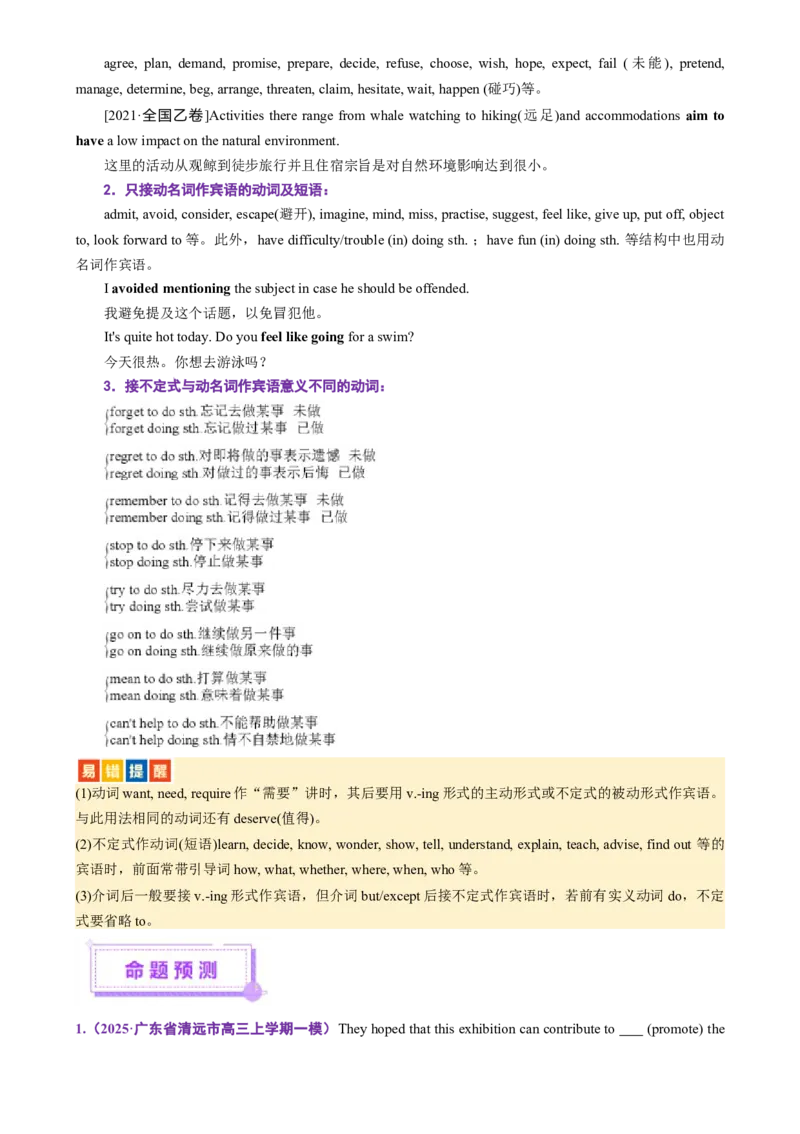
3.接不定式与动名词作宾语意义不同的动词:
(1)动词want, need, require作“需要”讲时,其后要用v.-ing形式的主动形式或不定式的被动形式作宾语。
与此用法相同的动词还有deserve(值得)。
(2)不定式作动词(短语)learn, decide, know, wonder, show, tell, understand, explain, teach, advise, find out 等的
宾语时,前面常带引导词how, what, whether, where, when, who等。
(3)介词后一般要接v.-ing形式作宾语,但介词but/except后接不定式作宾语时,若前有实义动词do,不定
式要省略to。
1.(2025·广东省清远市高三上学期一模)They hoped that this exhibition can contribute to (promote) thepeople- to- people links in the two countries, facilitating healthy and stable development of bilateral (双边的)
relations.
2.(2025·广东省汕尾市四校联考高三月考)This new form of frugality is not a complete denial of
consumerism, but a form of smart spending aimed at ________ (achieve) a balance between price and the quality
of goods.
3.(2025·河南省安阳市TOP二十名校摸底)The ox was originally first, but he was so kind that he agreed
____ ____(carry) the little rat across the river.
考点四 考查非谓语动词作宾补
1.(2023·新高考Ⅰ卷)Nanxiang aside, the best Xiao long bao have a fine skin, allowing them (lift)
out
of the steamer basket without tearing or spilling any of their contents.
动词不定式在平时模拟考试中,考查的频度较大,导致很多学生产生思维定势,见到不定式的题就用一般
式to do的形式,这是平时训练的缺陷。二轮复习一定避免这个问题,做到查漏补缺。
2.(2023·湖南省长沙市雅礼中学模拟)After the end of the Qing Dynasty, the Palace Museum was
established in 1925, allowing tourists at home and abroad ________ (visit) the architecture and appreciate the
artistic treasures.
不定式作宾语补足语:
①常接不定式作宾补的动词有:ask/beg/require/request/tell/advise/allow/permit/cause/encourage/expect/
wish/force/oblige/invite/
need/order/persuade/remind/teach/urge/want/get/like/hate/warn/help/prefer sb to do……:
例:Miss Janson persuaded the boy not to smoke any more.
②在feel, hear, listen to, look at, see, watch, notice, let, make, have 等动词在主动语态时,后面作宾语补
足语接的动词前不能加to; 但以上动词如为被动语态,后面接的动词前要加to。
1)Paul doesn’t have to be made to learn. He always works hard.
2)The teacher is often listened to to sing the English song at home.
3.(2023·新高考Ⅰ卷)No matter where I buy them, one steamer is rarely enough, yet two seems greedy, so I
am always left (want) more next time.
4.(2020·新课标II卷)They make great gifs and you see them many times (decorate) with red
envelopes and messages of good fortune.
5.(2020 新课标 III 卷)And when he saw the mists rising from the river and the soft clouds____________
(surround) the mountain tops, he was reduced to tears.1. 使役动词have, get, make, leave, keep等后可用过去分词或现在分词做宾语补足语。
She raised her voice to make herself heard by all the people in the hall.
她提高了嗓音让大厅里的人都能听得见她说的话。
2. 感官动词see, hear, notice, observe, watch, feel, find等后,可用过去分词或现在分词做宾语补足语。
I saw an old man knocked down by a car just now.
刚才我看到一位老人被车撞倒了。
3. 表示“意愿;命令”的动词,如like, want, wish, order等后,可用过去分词做宾语补足语,相当于过去
分词前省略了to be。
They are talking about the plan they wish carried out next year.
他们正在谈论着希望明年能实施的那个计划。
4. 在“with +宾语+过去分词”结构中,过去分词用作介词with的宾语补足语,过去分词与宾语之间
为动宾关系。这一结构通常在句中做时间、方式、条件、原因等状语。
She usually works in her study with the door locked.
她通常锁着门在书房工作。
非谓语动词作宾补
1.不定式作宾补
不定式作宾补时,宾语和不定式之间在逻辑上是主谓关系,不定式表示将要发出的主动动作。常接不
定式作宾补的动词(短语):advise, allow, ask, beg, cause, encourage, expect, forbid, force, intend, invite, order,
persuade, prefer, require, remind, tell, want, warn, wish, call on, depend on等。
If we expect people to give up the habit of driving,we must give them an alternative they can rely on.
如果我们期望人们放弃开车的习惯,我们必须给他们可以依赖的选择。
Having finished her project, she was invited by the school to speak to the new students.
完成项目之后,她被学校邀请去给新生讲话。
(1)有些动词,如think, consider, believe, suppose, feel, find, understand等后常用to be作宾补或主补。
Chinese people are considered to be the most hard-working people in the world.
中国人被认为是世界上最勤劳的人民。
(2)在sb. be said/believed/known/reported/considered/thought+to do/to have done结构中,不定式用作主
语补足语。
The president was reported to have visited China.
据报道,那位总统已经访问了中国。
2.分词作宾补
(1)现在分词作宾补时,动词与宾语之间存在逻辑上的主谓关系,且强调正在进行的主动动作。可接
现在分词作宾补的常见动词:感官动词(see, watch, observe, notice, hear, listen, feel),使役动词(have, get),
find, leave, keep, catch等。
Listen! Do you hear someone calling for help?听!你听到有人正在呼喊救命吗?
(2)过去分词作宾补时,动词与宾语之间存在逻辑上的动宾关系,且表示被动动作。可接过去分词作
宾补的常见动词:感官动词(see, watch, observe, notice, hear, listen, feel),使役动词(have, make, let, get),
find, leave, keep等。
He found himself surrounded by so many strangers.
他发现自己周围有那么多陌生人。
(3)使役动词have, get后接非谓语动词作补语的异同点:
①have sth. done=get sth. done让别人做某事;
②have sb./sth. doing让……一直做某事;
get sth./sb. doing 使……开始做某事;
③have sb. do sth. =get sb. to do sth. 让某人做某事。
Before driving into the city, you are required to get your car washed.
在开车进城之前,你需要洗洗车。
with的复合结构:①with+宾语+doing表示主动,说明动作正在发生或经常发生;②with+宾语+done
表示被动或完成;③with+宾语+to do表示将要发生的动作。
The old couple often take a walk after supper in the park with their pet dog following them.
这老两口常常在晚饭后到公园里散步,他们的宠物狗则在后面跟着。
With such a short time left before the deadline, it doesn't seem likely that John will finish the job.
截止日期之前只剩下很短的时间,约翰似乎不可能完成工作了。
With a lot of work to do, she wasn't allowed to leave her office.
由于有许多工作要做,她不被允许离开办公室。
1.(2025·河北省石家庄市第二中学高三上学期月考)With his Kung Fu dream (come)true, N’ Dri has set
up the Shaolin Training Camp.
2.(2025·湖北省腾云联盟高三联考)As a driver travelling between Vientiane and Boten(border town),he
can see more and more houses and factories (build) along the route.
3.(2025·湖北省重点高中智学联盟高三联考)Qin governor and irrigation engineer Li Bing investigated the
problem thoroughly. He led a team (construct) a levee (堤坝) to redirect a portion of the river’s flow.
4.(2025·广西名校联盟高三适应性检测)During the trial period, delivery will be free, with fees ______
(expect) to be similar to regular services afterwards.考点五 考查非谓语动词作主语和表语
1.(2021·英语全国甲卷)It is possible ______ (walk) or bike the entire 14 kilometers.
不定式作主语:
1.不定式作主语:动词用单数。To do morning exercises is useful for our health.
2.表示具体的某次动作,特别是将来发生的动作,多用不定式作主语。表示比较抽象的一般行为或者经
常性习惯性的动作时,多用doing作主语。
3.在下列两个句型中it是形式主语,不定式是真正主语;of sb和for sb是不定式的逻辑主语:
A. It is/was + 形容词(of sb)to do sth.
【赞扬,责备的形容词通常用 of sb作逻辑主语:wrong, right, kind, nice, brave, careful, careless, greedy,
honest, lazy, modest, selfish, thoughtful, impolite, polite, clever, foolish, silly, stupid, cruel, rude, generous,
considerate…】
B. It is/was + 形容词(for sb)to do sth.
【以下形容词通常用for sb作逻辑主语:easy, hard, difficult, important, necessary, impossible, possible, safe,
dangerous, unusual, wonderful…。多数情况都用for sb作逻辑主语。】
1)It is polite (of you) to respect the old.
2)It is important (for us) to do as the Romans do.
2.(2018新课标III卷)I quickly lower myself, ducking my head to avoid looking directly into his eyes so he
doesn't feel_____________(challenge).
非谓语动词作主语和表语
1.不定式作主语和表语
(1)不定式作主语时,一般表示具体某一次的动作。若不定式太长,常用 it作形式主语而将不定式后
置。
[2021·全国甲卷]It is possible to walk or bike the entire 14 kilometers.
步行或骑行这完整的14千米是可能的。
(2)不定式作表语时:①表示预定要发生的动作;②当主语是aim, purpose, idea, plan, wish, decision,
choice等词时,常用不定式作表语;③主语为what引导的名词性从句时,表语多用不定式。
His wish is to be a doctor in the future.
他的愿望是将来当一名医生。
What I want to do most in senior high school is to improve my English.
我在高中最想做的事就是提高我的英语水平。2.动名词作主语和表语
(1)动名词作主语常表示抽象的、泛指的概念,也可用it作形式主语,把作真正主语的动名词短语放
在句末。常用于固定句型:It's a waste of time doing...; It's no use/good doing...; It is useless doing...; There is
no point doing... 等。
Facing up to your problems rather than running away from them is the best approach to working things
out.
直面你的问题而不是逃避它们,是解决这些问题最好的方法。
It's no use complaining without taking action.
不采取行动而只是抱怨是没用的。
(2)动名词作表语时相当于名词,用于解释主语的内容,表语和主语常常可以互换位置。
My job is cleaning the house three times a week.=Cleaning the house three times a week is my job.
我的工作是每星期打扫三次房子。
(3)remain作系动词时,意为“仍然是”时,后可接现在分词或过去分词作表语;但作不及物动词
时,意为“尚待……;留待……”时,后常接to be done。
She remained standing though we repeatedly asked her to sit down.
虽然我们三番五次地请她坐下,但她还是站着。
It remains to be seen whether the newly-formed committee's policy can be put into practice.
新成立的委员会提出的方针能否实行还有待观察。
1.(2025·安徽省皖南八校高三摸底)For bubble tea business, (establish) a strong online presence is very
important.
2.(2023·八省联考) Fortunately, nowadays it is much easier ________(make)eco-friendly lifestyle
choices.
3.(2024·云贵川桂四省联考)Scientists around the world are looking for all kinds of ways to protect and maybe
even revive corals. One option is ______ (create) more marine protected areas——essentially national parks in the
ocean.
04 重难点突破 非谓语动词基本知识的综合运用
非谓语动词基本知识的综合运用
通过5组易混示例,理清谓语动词和非谓语动词
【例1】 He volunteered to help control traffic, (donate) an hour of his time every week.
He volunteered to help control traffic, and (donate) an hour of his time every week.
①
【例2】 The guide (lead) the way, we had no trouble getting out of the forest.
②
①The guide (lead) the way, so we had no trouble getting out of the forest.
【例3】 The party will be held in the garden, weather (permit).
②
The party will be held in the garden, if weather (permit).
①
【例4】 Jim was listening attentively to the lecture, and all his attention (fix) on it.
②
Jim was listening attentively to the lecture, with all his attention (fix) on it.
①
Jim was listening attentively to the lecture, (fix) all his attention on it.
②
【例5】 He went into the room, (sit) at the table and began to read newspapers.
③
They walked along the stream together, (talk) and laughing.
①
②
1.首先辨别谓语动词和非谓语动词
(1)一个句子无论是主句还是从句,必须要有谓语,一般空格所在的句子中无其他动词,则填谓语动
词。谓语动词要考虑时态、语态和主谓一致等。
(2)若句中找到了谓语动词,而又找不到连词(并列连词或从句连词)时,则所给动词一定用非谓语动
词。非谓语动词需要确定是动词-ing形式、动词-ed形式还是动词不定式形式。
2.结合语境,判断设空处在句子中作的成分,然后分析动词与逻辑主语或被修饰词等之间的关系,
从而确定非谓语的形式。
3.掌握doing作宾语的动词(词组)的用法,注意介词后要跟doing作宾语。
4.若非谓语动词与逻辑主语之间是被动关系,且表示完成,要想到用动词-ed形式。
5.若非谓语动词表示将来的动作,作状语表示目的,在喜怒哀乐的形容词后作原因或意料之外的结
果等,要想到用动词不定式形式。
6.掌握非谓语动词的句型
It's+形容词+(for/of sb+) to do sth;find/think/believe/consider+it+形容词+to do sth。1.“主动或进行”使用动词-ing形式
①判断所填动词为非谓语动词后,若该动词表示“主动或进行”,则填动词-ing形式。
②“主动或进行”的意义:表示与逻辑主语构成“主动”关系;表示与谓语动词相比,该动作“正在
进行”;表示“主动且进行”。三个方面只要具备其一即可。
(2021·1月浙江高考)This may be due to some disadvantages for people ________(live) in the countryside,
including lower levels of income and education, higher costs of healthy foods, and fewer sports facilities.
【答案】living
【解析】考查非谓语动词。句子中含有谓语动词may be,且该动词与所给动词live之间没有任何连
词,根据谓语动词的“唯一性”原则可知,该处应填 live的非谓语动词形式;又因live与其逻辑主语
people之间构成主动关系,故填动词-ing形式。
2.“被动或完成”使用动词-ed形式
①判断所填动词为非谓语动词后,若该动词表示“被动或完成”,则填动词-ed形式。
②“被动或完成”的意义:表示与逻辑主语构成“被动”关系;表示与谓语动词相比,该动作“已经
完成”;表示“被动且完成”。三个方面只要具备其一即可。
(2021·1月浙江高考)In 1985, urban men and women in more than three quarters of the countries
_______ (study) had higher BMIs than men and women in rural areas.
【解析】考查非谓语动词。句子中含有谓语动词 had,且该动词与所给动词study之间没有任何连
词,根据谓语动词的“唯一性”原则,该处应填 study的非谓语动词形式;又因 study与其逻辑主语
countries之间构成被动关系,故填动词-ed形式。
3.动词不定式“未发生”
①判断所填动词为非谓语动词后,若该动词与谓语动词相比较“尚未发生”,则填其不定式形式。
②若该不定式与其逻辑主语之间为主动关系,则使用不定式的一般式;若为被动形式,则使用不定式
的被动语态。
③常考查不定式作目的状语
(2021·6月浙江高考)Mary's sister, Frances Todd Wallace, often came over _______ (plant) flowers in the
front yard.
【答案】to plant【解析】考查非谓语动词。句子中含有谓语动词came,且该谓语动词与所给动词plant之间没有任何
连词,根据谓语动词的“唯一性”原则,该处应填 plant的非谓语动词形式;plant与谓语动词came之间
相比较尚未发生,应使用不定式;又因plant与其逻辑主语Mary's sister之间为主动关系,故使用不定式的
一般式。
4.介词后应使用动词-ing形式作宾语
记住常见的介词,如after,in,on,at及固定搭配中的介词,如insist on doing,be devoted to doing
等。
(2021·全国甲卷)After ________(spend) some time looking at all the defensive equipment at the wall, we
decided it was time for some action and what better than to ride on a piece of history!
【答案】spending
【解析】考查非谓语动词。空前的After为介词,后应接动词-ing形式作宾语。
5.熟记一些固定句式中的非谓语动词
be likely to do sth, have difficulty/trouble (in) doing sth, spend time (in) doing sth, It is possible to do ..., aim
to do, see+宾语+宾语补足语,be+adj.+to do sth, set out to do ..., be expected to do等。
(2021·全国甲卷)It is possible _________ (walk) or bike the entire 14 kilometers.
【答案】to walk
【解析】考查固定搭配中的非谓语动词。此处是固定句型“It is+adj.+(for sb) to do sth”。
语法填空
(2025·贵州遵义市高三第一次适应性)阅读下面短文,在空白处填入1个适当的单词或括号内单词的正确形
式。(标黄题号为本专题考点)
Sun Wukong (the Monkey King), a monkey with human characteristics and abilities, is one of the best loved
characters in Chinese literature. ____1____ (arm) with remarkable abilities, Sun Wukong, comes from the 16th -
century classic Journey to the West. Lately, his story ____2____ (inspire) the video game Black Myth: Wukong,
introducing new audiences to the beloved character.
Scholars can’t say ____3____ certain where the character of Sun Wukong originated from, but Journey to the
West is likely ____4____ (come) from existing myths and legends. Some possible inspirations for the character
include Wuzhiqi, an ape-like figure in Chinese mythology and Hanuman, a Hindu god with ____5____ monkey’s
face.
Sun Wukong is in ____6____ (possess) of superhuman abilities and extraordinary powers, one of ____7____
enables him to shape-shift. He has many of the characteristics people associate with monkeys, including
mischievousness. He fights against authority and ____8____ (trouble) by the fact that there is one thing he can
never conquer: death. So he sets out to gain immortality, spending years wandering the world in search of it.
Sun Wukong spent parts of Journey to the West searching for immortality. ____9____ (fortunate), he found it
in the real world: in literature and pop culture. In this rich afterlife, Sun Wukong has motivated films, plays,
television series, video games, and comic books, ensuring that this ____10____ (last) character will continue to
embark on new adventures with future generations.