ARTICLE · 1316407
小学3-6年级英语重点知识大全,词汇、短语、时态、用法、作文一文搞定!

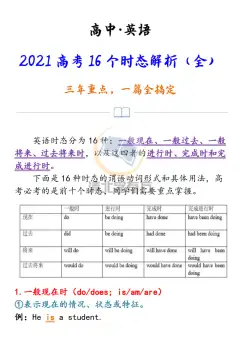
小学英语3-6年级英语重点知识大全,时态、用法一文搞定!
01.
现在进行时
02.
一般现在时
03.
一般过去时
04.
一般将来时
05.
情态动词
06.
祈使句
07.
go的用法
08.
than as...as的用法
09.
喜欢做某事
10.
想要做某事
11.
some的用法
12.
代词
13.
介词
14.
时间介词
15.
名词复数构成的方法
16.
动词第三人称单数的构成
17.
现在分词的构成
18.
规则动词过去式的构成
19.
20.
21.
比较级
22.
have, has
23.
本身就是复数的词
24.
元音字母
五个元音字母分别是Aa, Ee, Ii, Oo, Uu.
25.
一个的用法
26.
时间表示法
27.
基数词变序数词的方法
28.
日期的表示法
29.
both all的用法
30.
节日的表示法
31.
激动兴奋的
32.
比较
33.
动词还原的用法
34.
到了
35.
长着和穿着
36.
让某人做某事
37.
树上
38.
运动和乐器
球类之前不加the;
39.
get后加比较级
get后加比较级,表示变得更怎么样。
如:get stronger; get longer
小学英语词汇分类表,内容超实用,单词记忆轻松get,值得收藏!
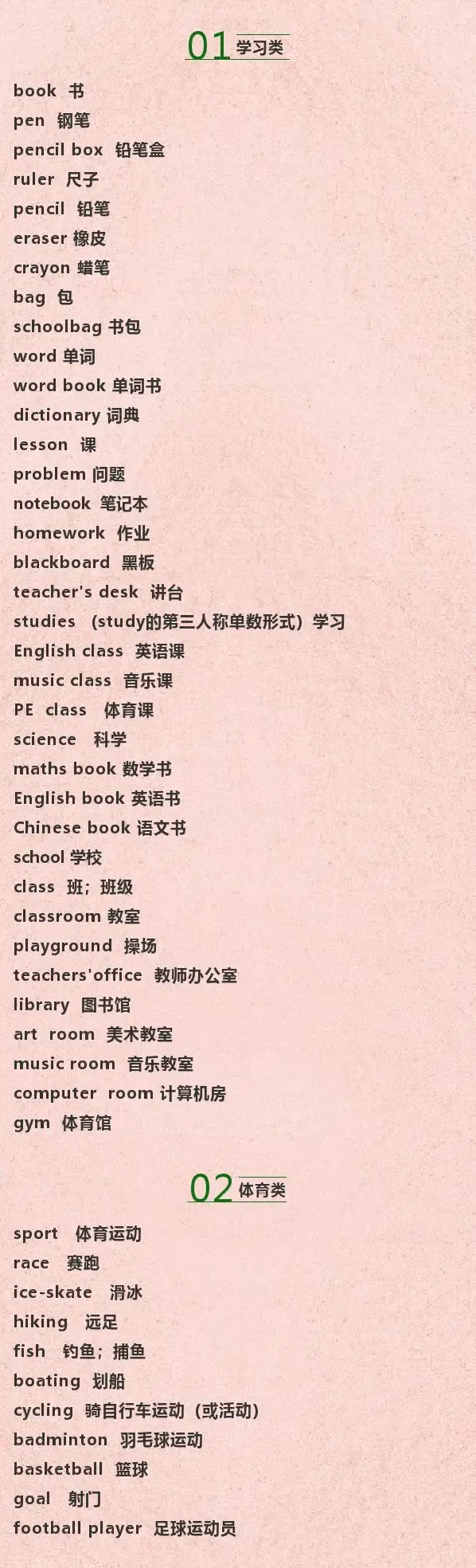
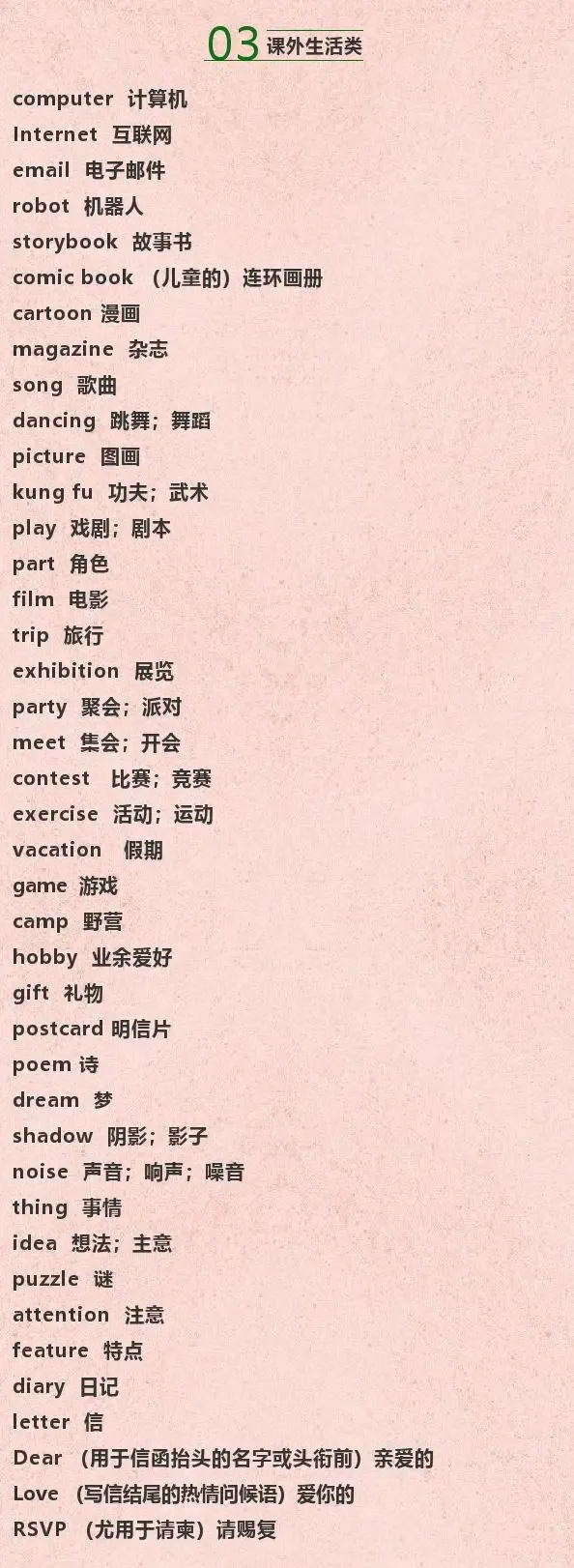
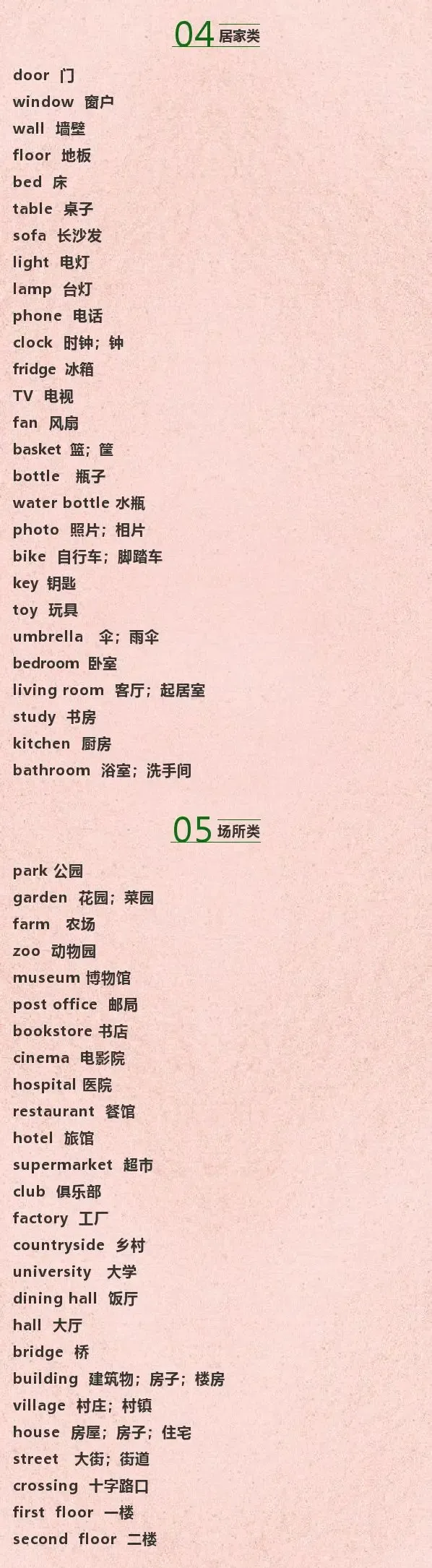
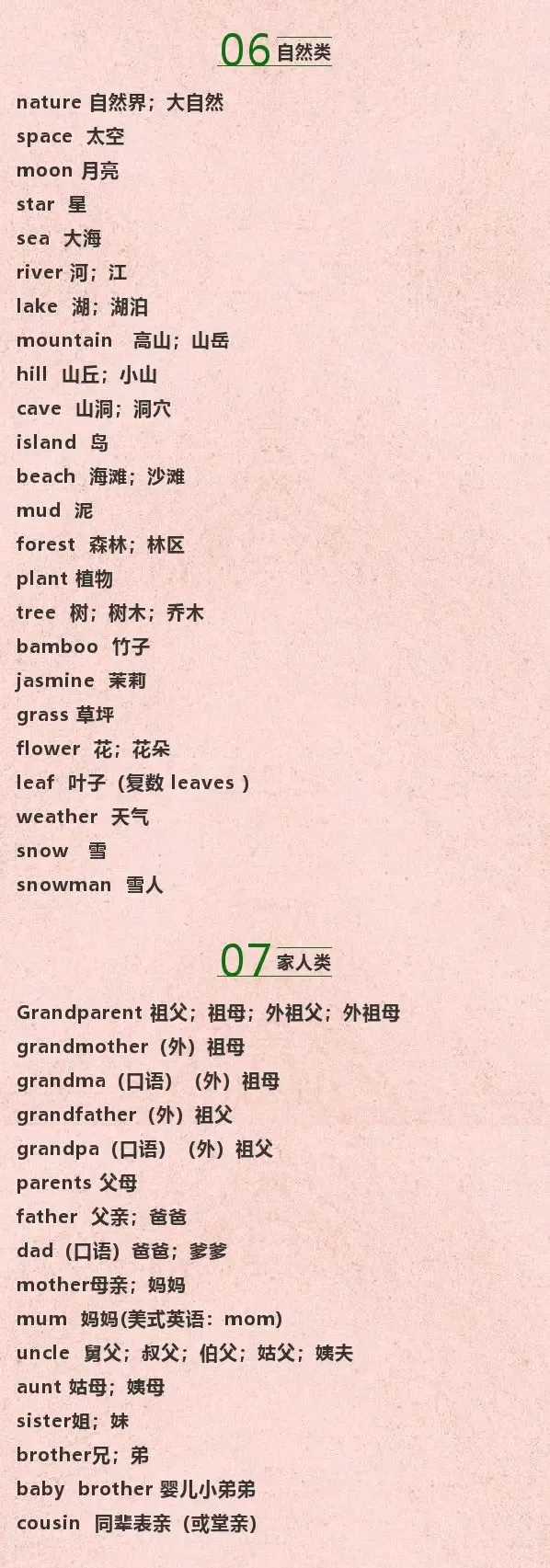
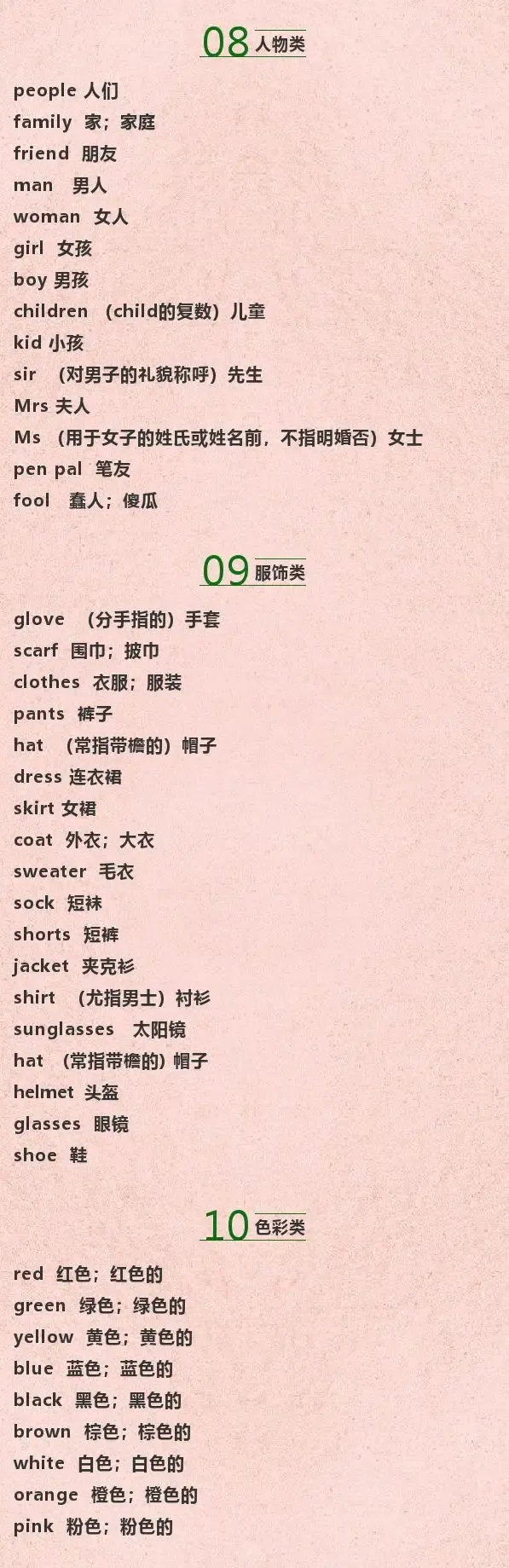
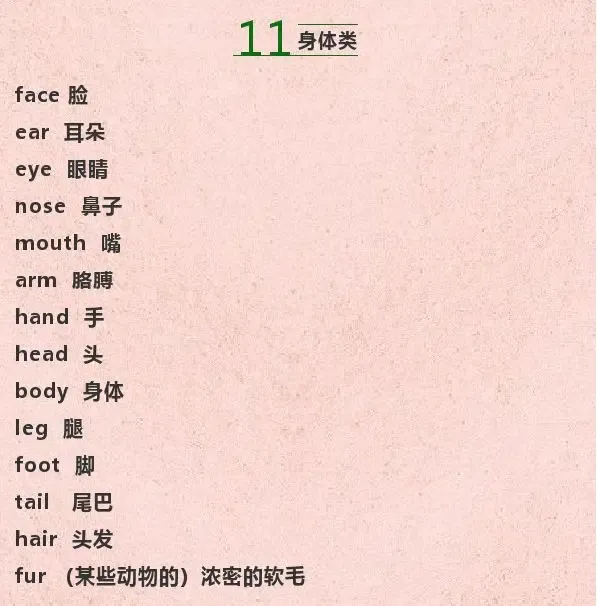
1600个小学英语词汇,孩子一定用得到!


1、家庭与人物称呼及职业职务
aunt | 姨母;姨母姑母;伯母;婶母 |
brother | 兄;弟 |
cousin | 堂(表)兄弟;堂(表)姐妹 |
couple | 夫妇 |
dad(daddy) | 爸爸 |
daughter | 女儿 |
family | 家;家庭;家人;亲属;家族 |
father | 爸爸;父亲 |
grandchild | 孙子/女,外孙子/孙女 |
granddaughger | 孙女,外孙女 |
grandfather | 祖父;外祖父 |
grandma | (口)奶奶;外婆 |
grandmother | 祖母;外祖母 |
grandpa | (口)爷爷;外公 |
grandparent | 祖父母;外祖父母 |
grandson | 孙子,外孙子 |
granny | 老奶奶 |
husband | 丈夫 |
Mom(美Mum) | 妈妈 |
mother | 母亲;妈妈 |
parent | 父母亲 |
relation | 关系;亲属关系 |
sister | 姐;妹 |
son | 儿子 |
uncle | 叔;伯;舅;姨夫;姑夫 |
wife | (pl. wives)妻子 |
②人物称呼
adult | 成年人 |
Asian | 亚洲人;亚洲的adj. |
baby | 婴儿;小孩 |
boy | 男孩 |
child (复数children) | 孩子 |
classmate | 同班同学 |
elder | 长者;前辈 |
enemy | 敌人 |
European | 欧洲人;欧洲的adj. |
fan | 迷(热情崇拜者);扇 |
foreigner | 外国人 |
gentleman | 绅士 |
girl | 女孩 |
friend | 朋友 |
god | 神;(God)上帝 |
guest | 客人,来宾 |
hero | 英雄 |
human | 人类 |
kid | 小孩 |
lady | 女士,夫人 |
madam=madame | 夫人,女士 |
man (pl.men) | 成年男人;人,人类 |
member | 成员,会员 |
Miss | 小姐,女士 |
Mr. ( mister) | 先生 |
Mrs. (mistress) | 夫人,太太(称呼已婚妇女) |
Ms. | 女士(用于婚姻状况不明的女子姓名前) |
neighbor(美neighbor) | 邻居 |
nobody | 渺小人物 |
officer | 军官,警官;官员,高级职员 |
owner | 所有者;业主 |
patient | 病人,患者 |
person | 人 |
pioneer | 先锋,开拓者 |
passenger | 乘客,旅客 |
people | 人;人们 |
person | 人 |
prisoner | 囚犯 |
public | 公众 |
sir | 先生 |
stranger | 陌生人,异乡人 |
teenager | (13-19岁的)青少年 |
tourist | 游客 |
visitor | 访问者;参观者;游客 |
volunteer | 志愿者,自愿兵 |
winner | 获胜者 |
woman(复women) | 妇女,女人 |
③ 职业职务
boss | 老板 |
captain | 船长,队长 |
chairman/woman | 主席 |
coach | 教练; |
cook | 厨师 |
dentist | 牙医 |
director | 主管,负责人 |
doctor | 医生 |
driver | 驾驶员;司机 |
engineer | 工程师 |
farmer | 农民 |
fisherman | 渔民;渔夫(pl. fishermen) |
guard | 看守,卫兵 |
king | 国王 |
leader | 领导者;指挥者 |
manager | 经理,管理人 |
monitor | (班级内的)班长,纠察生; |
nurse | 护士,保育员 |
officer | 军官;公务员,官员;警察,警官 |
pilot | 飞行员 |
police | 巡警;警察 |
policeman(policewoman) | 警察 |
postman | 邮递员 |
president | 总统 |
pupil | (小)学生 |
queen | 女王;王后 |
scientist | 科学家 |
servant | 佣人,仆人 |
secretary | 秘书 |
soldier | 士兵,战士 |
speaker | 演讲人;演说家 |
student | 学生 |
teacher | 教师,教员 |
worker | 工人;工作者 |
2、家庭用具、电器及文具、玩具
①家庭物品
basket | 篮子 |
bed | 床 |
box | 盒子,箱子 |
bottle | 瓶子 |
brush | 刷子 |
chair | 椅子 |
can | (美)罐头,罐子 |
candle | 蜡烛 |
clock | 钟 |
cover | 盖子,罩 |
desk | 书桌;办公桌 |
drawer | 抽屉 |
furniture | 家具 |
handbag | 手提包 |
iron | 熨斗 |
key | 钥匙,键 |
lamp | 灯 |
lock | 锁 |
mirror | 镜子 |
photo=photograph | 照片 |
picture | 图片,画片,照片 |
rope | 粗绳;绳索 |
rubbish | 垃圾;废物 |
safe | 保险箱 |
shelf | 架子(复shelves) |
shower | 淋浴 |
soap | 肥皂 |
sofa | 沙发 |
stick | 木棍;手杖;枝条 |
table | 桌子 |
thing | 事;东西,物(复数)局面; |
thread | 线 |
toothbrush | 牙刷 |
toothpaste | 牙膏 |
towel | 浴巾,毛巾 |
umbrella | 雨伞;伞 |
watch | 手表 |
② 电器
camera | 照相机 |
CD | 光盘 |
CD-ROM | 信息储存光盘 |
computer | 电脑;电子计算机 |
DVD | 数码影碟 |
fan | 电扇 |
fridge | 电冰箱 |
keyboard | 键盘 |
lamp | 灯,油灯;光源 |
light | 灯,灯光 |
machine | 机器 |
phone=telephone | 电话 |
radio | 无线电,收音机 |
record | 唱片 |
recorder | 录音机 |
screen | 屏幕;银幕 |
tape | 磁带;录音带 |
TV=television | 电视;电视机 |
VCD | 影碟光盘 |
video | 录象;录像带 |
③文具与玩具
bag | 书包;提包;口袋 |
ball | 球 |
balloon | 气球 |
card | 纸牌 |
chess | 棋 |
crayon | 蜡笔 |
diary | 日记;日记簿 |
dictionary | 字典,词典 |
doll | 玩偶,玩具娃娃 |
eraser | 橡皮 |
gift | 礼物;赠品 |
gun | 枪 |
ink | 墨水 |
kite | 风筝 |
notebook | 笔记簿 |
paper | 纸 |
pen | 钢笔 |
pencil | 铅笔 |
postcard | 明信片 |
ruler | 尺;直尺 |
schoolbag | 书包 |
stamp | 邮票 |
tape | 录音带;带子 |
toy | 玩具 |
tool | 工具 |
3、学校及文化科技教育
① 学校设施
bell | 钟;铃;钟(铃)声;钟形物 |
blackboard | 黑板 |
chalk | 粉笔 |
class | 班级 |
classroom | 教室 |
desk | 书桌,写字台 |
group | 小组 |
lab =laboratory | 实验室 |
lesson | 课,教训 |
office | 办公室;办公楼 |
playground | 运动场;操场 |
row | 一排;一行;一列 |
school | 学校 |
seat | 座位 |
② 课程
activity | 活动 |
art | 艺术;美术;艺术品 |
chemistry | 化学 |
course | 课程 |
geography | 地理学;地理 |
history | 历史 |
math(s)=mathematics | 数学 |
music | 音乐,乐曲 |
P.E.(=physical education) | 体育 |
physics | 物理学 |
science | 科学 |
subject | 学科 |
③教学术语
accent | 口音,重音 | |
answer | 回答;答复 | |
composition | 作文,作曲 | |
conversation | 对话 | |
dialogue | 对话 | |
difficulty | 困难,难处 | |
discussion | 讨论 | |
exam = examination | 考试 | |
example | 例子 | |
fact | 事实, 事件 | |
form | 表,表格; | |
grade | 分数;成绩; | |
grammar | 语法 | |
handwriting | 字迹 | |
homework | 家庭作业 | |
knowledge | 知识,学问 | |
language | 语言 | |
letter | 字母 | |
meaning | 意思;含义;意图 | |
method | 方法,办法 | |
mistake | 错误 | |
note | 笔记;便笺 | |
point | 要点 | |
practice | 实践;练习 | |
progress | 进步;进展;发展;前进 | |
pronunciation | (单词或语言的)发音 | |
point | 要点 | |
question | 问题 | |
reply | 回复;答复 | |
research | 研究;探讨 | |
review | 回顾;温习;复习 | |
rule | 规则 | |
score | 得分 | |
search | 搜寻;搜查;探索 | |
sentence | 句子 | |
speech | 演讲 | |
summary | 摘要,概要 | |
term | 学期 | |
test | 测验 | |
title | 标题,题目 | |
topic | 题目,话题 | |
underline | 下划线 | |
unit | 单元 | |
word | 词,单词;话 |
④ 图书报刊
article | 文章 |
book | 书 |
card | 卡片,名片,纸牌 |
daily | 日报 |
diary | 日记 |
magazine | 杂志;期刊 |
邮政,邮件 | |
newspaper | 报纸 |
page | 页;页码 |
paragraph | (文章的)段落 |
passage | 一段(文章) |
picture | 图片,画片 |
poem | 诗;韵文 |
report | 报告;报道 |
tale | 故事,传说 |
text | 文本,课文 |
⑤ 科技教育
clone | 克隆 |
development | 发展 |
download | 下载(计算机用语) |
education | 教育 |
experiment | 实验 |
invention | 发明物 |
influence | 影响 |
information | 信息,通知,消息 |
machine | 机器 |
message | 消息;信息 |
robot | 机器人 |
technology | 科学技术 |
4、服装与颜色
① 服装
clothes | 衣服,各种衣物 |
coat | 外套 |
dress | 女服,连衣裙 |
jacket | 短上衣,夹克衫 |
jeans | 牛仔裤 |
overcoat | 大衣 |
raincoat | 雨衣 |
shirt | 男衬衫 |
shorts | (户外活动)短裤 |
skirt | 女裙 |
sock | 短袜 |
sweater | 毛线衣,厚运动衫 |
T-shirt | T恤衫 |
trousers | 裤子 |
② 鞋帽配饰
cap | (一般无檐)帽子; |
glove | 手套 (复. gloves) |
handbag | 女用皮包,手提包 |
hat | 帽子(指有边的);礼帽 |
口袋 | |
purse | (女式)钱包,手提包 |
ring | 戒指;环形物 |
scarf | 围巾;头巾 |
shoe | 鞋 |
tie | 领带 |
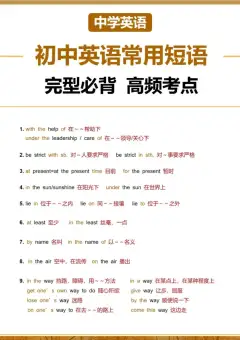
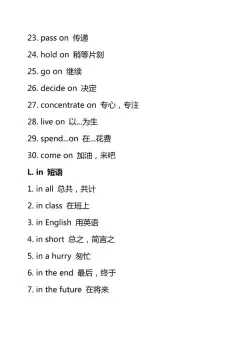
小学英语各年级都可以使用的高频短语,快来背诵记忆吧!





易错点 | 盘点小学英语最容易混淆的知识点,以后别再傻傻分不清啦!
在学习英语的过程中,很多孩子因为受母语思维影响的原因,对一些语意相近的词组用法傻傻分不清。今天张老师盘点了小学英语学习中10组最容易混淆的词语,家长让孩子区分好,不要再用错了哦!

这两个介词都可以表示“……(时间)以后”的意思。
after 以过去为起点,表示过去一段时间之后,常用于过去时态的句子中?
如:She went after three days.她是三天以后走的。
in 以现在为起点,表将来一段时间以后,常用于将来时态的句子中?
如:She will go in three days. 她三天以后要走。
 how long, how often
how long 指多长时间,主要用来对一段时间(如three days, fourweeks 等)提问。
如:How long ago wasit? 这是多久前的事了?
how often指每隔多久,主要用来对频率副词或状语(如once a week等)提问。
如:—How often does he come here? —Once a month. 他(每隔)多久来一次?每月一次?
 few, a few, little,
alittle, several, some
few和 little的意思是否定的,表示“很少”或“几乎没有”;
a few和 a little的意思是肯定的,表示“有一些,有一点儿”?
few 和 a few修饰可数名词;little 和 a little 修饰不可数名词。
several 用于修饰可数名词,语意比 a few 和some 更肯定,含有“好几个”的意思。
some可修饰可数名词,也可修饰不可数名词,从数量上说,它有时相当于a few或 alittle,有时指更多一些的数量。
 the other, another
the other指两个人或事物中的“另一个”,表示特指。
如:We stood on one side of the road and they stood on the other. 我们站在街这边,他们站在那边。
another着重于不定数目中的“另外一个”,表示泛指,所以常用来指至少三个中的一个。
如:She has taken another of my books. 她已经拿了我的另外一本书。
 spend, take, cost, pay
spend 的宾语通常是时间、金钱,在主动语态中,句子的主语必须是人,而且后面不能用动词不定式做它的宾语。
如:She spentthe whole evening in reading. 她把整个晚上用来读书。
take常常用来指“花费”时间,句子的主语通常是表示事物的词语。
如:How long will this job take you? 你做这项工作要花多长时间?
cost指花费时间、金钱或力气等,只能用表示事物的词做主语,并且不能用于被动语态。
如:How much does the jacket cost? 这件夹克多少钱?
pay主要指主语(某人)买某物(或为某事)付多少钱(给某人)?
如:I pay for my rooms by month. 我按月支付租金。
 speak, say, talk
这四个动词都有“说”的意思。
speak 的意思是“讲话;演讲”,着重指说话的动作,指开口说或连续不断地说,多用作不及物动词;用作及物动词时,其宾语是语言名称。
如:He can speak Japanese. 他会说日语。
say 的意思是“说;讲”,一般用作及物动词,着重指说话的内容。它的宾语可以是名词、代词等。
如:She says, “Don’t draw on the wall !” 她说:“别在墙上画画!”
talk的意思是“说;讲;谈话”,与speak意义比较接近,但不如speak正式,着重强调两人之间的相互谈话,也可指单方面的谈话。
如:She is talking with John in English. 她正在和约翰用英语交谈。
 among, between
between 的意思是“在……中间,在……之间”,一般指在两者之间。
如:There is a table between twowindows. 在两扇窗户之间有一张桌子。
between有时也表示在多于两个以上的事物之间,但那是指在每二者之间。
among的意思是“在……中间,在……之中”,一般指在三个或三个以上的同类事物之中。
 beat, win
这两个词都有“获胜,打败”的意思,但其后宾语不同。
beat 是“打败,优于”的意思,后面接人或队。
如:We beat them. 我们打败了他们。
win指“赢,获胜”,后面接比赛、名次。
如:We won the match / game / race / the first place. 我们赢了这场比赛(获得了第一名)。

agree on , agree to
agree on表示“就……取得一致意见”。
如:We all agree on(making) an early start. 我们一致同意及早出发。
agree to后面不能接人,只能接“提议,计划,方案”等词句。

bring, take
这两个词都是动词,都含有“带”或“拿”的意思,但使用的场合各不相同。
bring作“带来,拿来”解。
如:Next time don’t forget to bring me a copy of your work. 下次不要忘了把一份你的作品带给我。
take 是bring的对语,作“带去,拿去”解。
如:Take the box away,please. 请把盒子拿走。
这10组词汇不仅易混淆,而且是考试的重点难点和高频点~所以一定要让小朋友们把它们搞清楚哦~
基础英语 | 小学英语必须掌握的衣、食、住、行常用英语单词汇总,为孩子收藏!
小学知识点归纳小学知识点归纳2021-11-29 14:30
小学英语必须掌握的衣、食、住、行常用英语单词汇总,为孩子收藏!
小学英语是我们学习英语的一个基础,是我们孩子学好英语的关键阶段。
而且随着教育的不断改革,小学英语的学习也越来越复杂,所记忆的东西也越来越多,
因此,对于刚刚学习英语的孩子来讲,就一定要注意学习方法的重要性,从而打下一个良好的英语基础。
而在我们小学英语的学习过程中,最重要的就是我们英语单词的一积累和掌握,但是,对于很多孩子来讲在这块上是非常困难的,
因为毕竟小学阶段的孩子其玩心重,好动,也不喜欢记忆,所以导致常常是记不住,而这一主要的原因就是学习方法不对所致,很多孩子在记忆英语单词的时候,
也都习惯于死记硬背的学习方法,而这种方法如果长期下去,孩子只会越学越差,最后完全失去了一个学习兴趣。所以,要想孩子拥有一个好的英语成绩,那么,就得注意学习方法重要性。
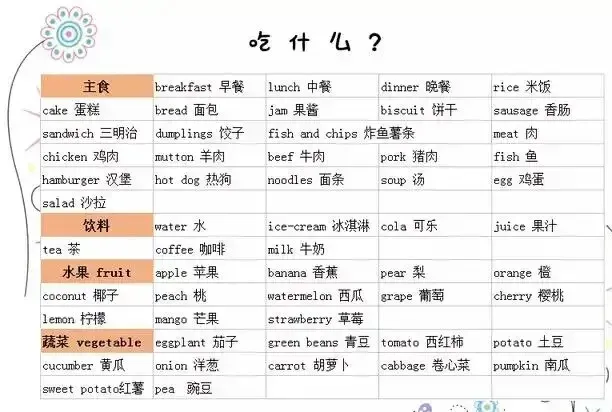
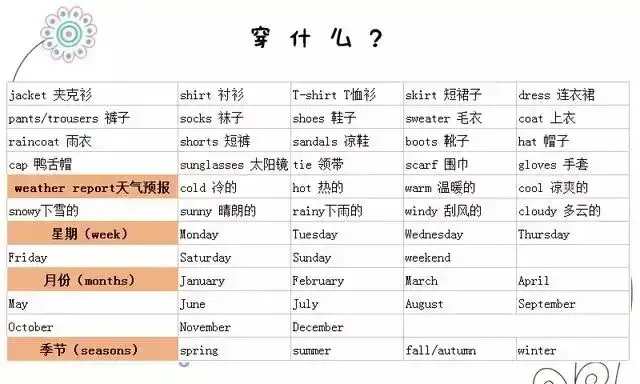
今天,小英就特意为大家整理了一份关于小学小学英语必须掌握的衣、食、住、行常用英语单词汇总,建议家长为孩子收藏!
小学英语必须掌握的衣、食、住、行常用英语单词汇总,为孩子收藏!
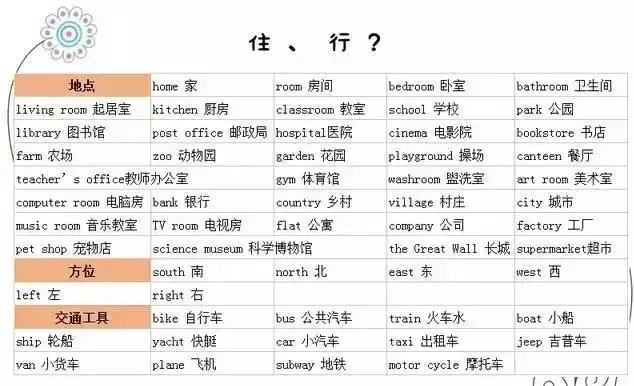
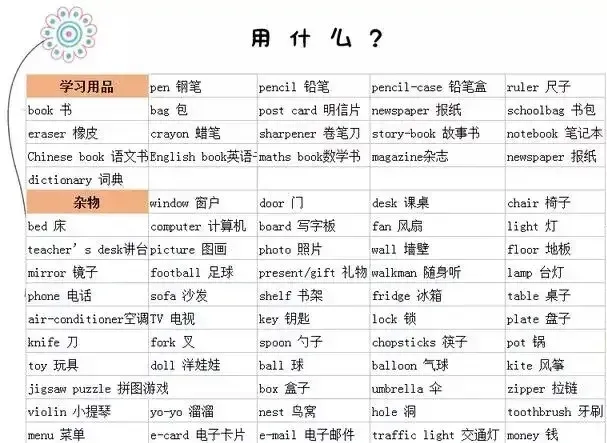
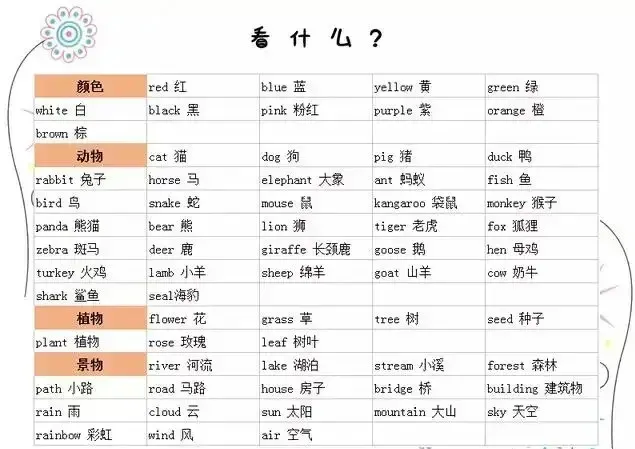
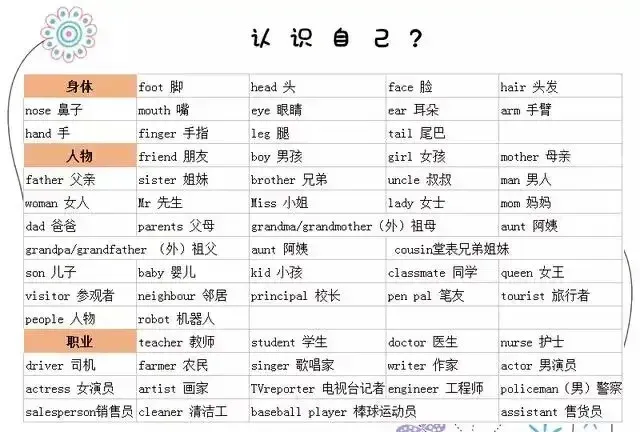
小学英语作文写作技巧(附范文)
首先我们了解一下作文的评分标准
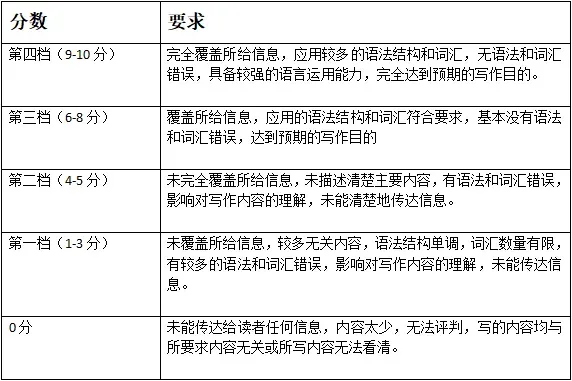
大部分学生都是在第二档(4-5分)或第三档(6-8分)内徘徊,如何提升至第四档(9-10分)呢?
请仔细阅读下文哦。

文章的条理和逻辑
英语写作和语文写作其实一样,只是换一种语言表述内容。其核心也是5W1H。
那么什么是5W1H呢?
Who:人物
When:时间
Where:地点
What:事件
Why:原因
How:方式
需要注意的是:
1. Who
直接影响人称的使用,第一人称?第二人称?还是第三人称?单数?还是复数?用词都是不一样的。因此在审题时,就要根据题意选择正确人称。
若使用第三人称,要注意其在一般现在时中的用法。动词后需加s或es。
比如:She likes apple.
还要注意人称代词的格式(主格和宾格)
比如:He feels blue.
I don t like him.
2. When
主要考虑四种时态:一般现在时、一般过去时、一般将来时、现在进行时,最常用的是前面三种。
3. Where
注意in, on, at三者的用法。
① at都用于“小而具体”的名词前,表达“在哪儿”。
例如:at the cinema:在剧院
at the door:在门口
at the party:在晚会上
② inin 的本意是“在……之内”,表示在地点名词内部。
例如:in the room:在房间里
in the office:在办公室里
③ onon 用于表示地点的时候,表示接触的“上方”(与表面接触)。
例如:Korea lies on the northeast of China.
朝鲜位于中国东北方。
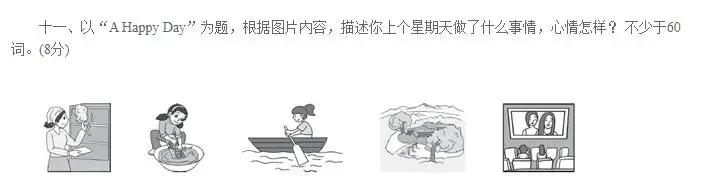
我们可以试验一下,通过5W1H的梳理,上述题目的逻辑及学生需要写什么怎么写便清晰了。
Who: I(me, my, mine)
When: last Sunday
Where: 1. room,
2. home
3. lake,
4. countryside,
5. cinema
What:1. cleaning,
2. washing,
3. boating,
4. sight seeing,
5. watching
why:需要学生自己填充,为什么要做这件事?
How:学生自己填充,如何完成?独立做事吗?开车去吗?等等。

如何让句子变“漂亮”
逻辑清晰只是第一步,高分文章除了逻辑清晰,用词也很“赏心悦目”。
比如形容快乐,很多学生万年不变的无论什么场景都是“happy”。
实际上,玩的开心,可以用have fun;达到目的满意的开心,可以用satisfied。
说到底还是词汇量的匮乏导致只想到了“happy”。
再比如:“谢谢您的款待”
这句话It was very delicious. Thank you.It was a wonderful dinner.
第二句形容词的使用,更加生动有画面感。
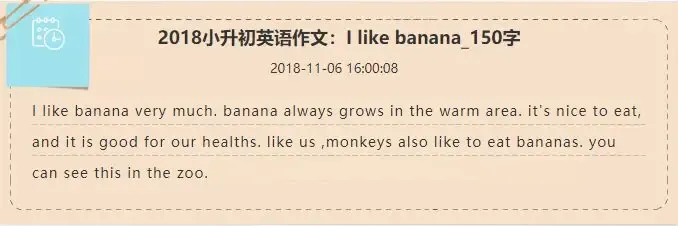
例如上图中的文章,对于香蕉的描述,可以加上颜色“yellow”,或者可以形容它的颜色“like my favorite coat”,内容就会充实很多。
结尾也十分重要,上图文章可以说根本没有结尾,但是学生可以说出一些愿景来加深情感比如:“希望有一天可以去香蕉园看看”等等。

神奇的标点
汉语中的某些标点符号,英语中并不存在。例如顿号(、):英语中没有顿号,分割句中的并列成分多用逗号。
She is beautiful,charming and wise.
注意:类似情况下,最后一个逗号后可换成and,这个逗号可省略。
还有一个小细节,正确的英文日期可用月-日-年的次序或日-月-年的次序,日和年之间加逗号而月和年之间不加逗号。
例如: “13 August, 2002”。

小学英语写作常用重点万能句型
问好
Nice to meet you!
Hello!
How are you?
Nice to meet you, too!
Hello!
I am fine, thanks.
问姓名
What is your/his /her name?
My/his/her name is Jenny.
问颜色
What colour is it?
What is your favourite colour?
It is red.
My favourite colour is blue.
问地方
Where is my book?
There it is!
问数量
How many pens do you have?
Four.
问感觉
How do you feel?
I am happy!
问事物
What is this?
It is a book
问事情
What is the matter?
I cut my knee.
What are they doing?
They are playing.
问年龄
How old are you?
I am ten years old.
要东西
May I have two books,
please?Sure!

小学英语写作重点句型短语
一、短语:
1、that little girl 那个小女孩
2、(be)so short 如此矮
3、(be)so cute 如此可爱
4、(be)very naughty 非常淘气
5、a little chick 一只小鸡
6、two big red hens 两只大红母鸡
二、句型:
1、Who are they,Lingling?
They are my grandparents.
玲玲。他们是谁?
他们是我的祖父母。
【Who是对人进行提问,也就是对第二句的中的my grandparents的提问。】
再如:Whois that little boy?
It`s Tom.
那个小男孩是谁?
是汤姆。
2、They are my grandparents.
They were young,then.
他们是我的祖父母。
他们那时是年轻的。
【这两个句子的结构是“主语(代词、名词)+be(amisarewaswere)+表语(名词、形容词等)”表语是说明主语身份、特征的。】
再如:They are old.
他们是年老的。
3、I was two,then.
我那时两岁了。
【主语+be+年龄】
4、But your hair was so short.
但是(那时)你的头发是如此的短。
【在形容词前可以加上“so、very等副词”】
再如:You were so cute.
你如此可爱。
5、She was fat.Now she s thin.
她(那时)胖,她现在瘦了。
【第一个句子是说明过去的事,be用过去式(was、were);第二个句子是说明现在的事,用一般现在时be(am、is、are)】
6、They weren t old then .
They were young.
那时他们不上年纪,他们年轻。
【这两个句子是同义句,划线部分是一对反义词,第一个句子用否定句,第二个句子用肯定句。】
7、Was it fat ?
No,it wasn t.·It was thin.
它胖吗?
不,它不胖。它是瘦的。
【这是be的一般过去时的一般疑问句,是把be的形式(was、were)提到句首。注意答语。用“yes、no回答后,再用一个反义词的肯定句回答。”】

思维导图写作
小升初英语写作思维导图掌握住,英语作文想不得满分都难!一提到写英语作文,很多同学都无从下笔,总是“信手写来”,没有规划。这样做的后果是,作文篇章结构不清晰,内容选择可能会脱离主题,从而影响作文的总体得分。
小编为了帮助大家解决这一难题,带来了英语写作思维导图,让你以后作文提笔前胸有成竹,次次稳拿满分!
一、写作时需考虑哪些方面的因素?
(1)本话题所需要的词块、语块。
(2)本话题的写作模板结构等。
(3)本话题所涉及到的经典名句、谚语等。
二、困惑与对策
困惑1:写什么?
以《How to learn well?》为题,写一篇作文,那么我们应该如何入手开始写作呢?来看看以下几张思维导图,能够帮你整理好一篇作文的写作框架。
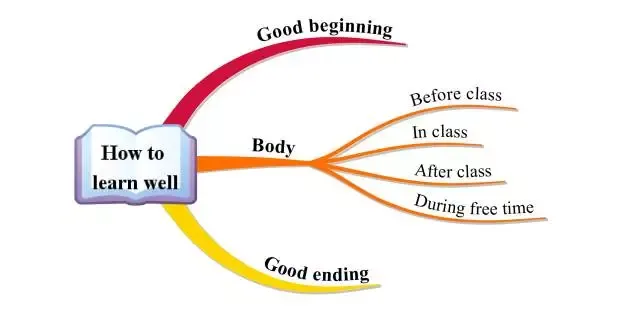
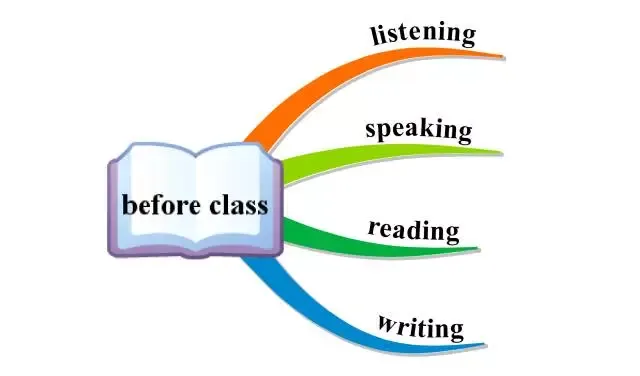
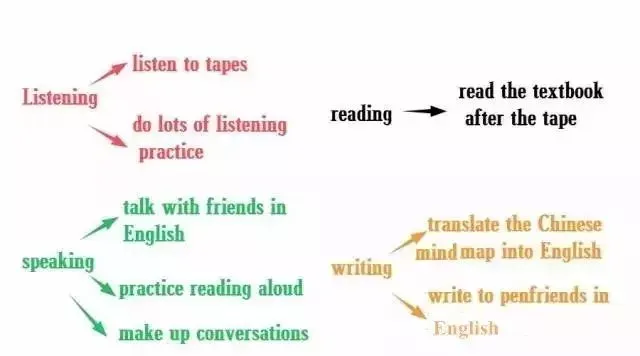
困惑2:如何选材?
即使知道了写作框架,但在补充框架时又会遇到另一个困惑:如何选材?
以下是一些关于写作选材的建议:
1.选定英语思维导图各区域所需的词块和语块。
2.将各区域的词块和语块按段落写成连贯的语篇。
3.对照思维导图自我批改,注意人称、时态语态、句型结构的正确使用。
困惑3:如何表达?
很多学生在写作时,使用的句式比较单一,因此文章大多雷同,缺乏个性。针对这些问题,我们可以从以下几个方面改进:
1.对相同意思,注意不同句式的表达法,选择更好的句式。
2.短文写作,表达力求精悍、生动、丰富,避免重复用一样的句式。
3.特别注意使用承上启下的词语和句子。
三、思维导图在英语作文写作中的应用实例
写作流程:
1. 审题、理清思路:考虑写什么(挑选关键词,搭建作文框架)。
2. 选择词语:根据话题和作文框架选用所需要的语料(词块和语块)。
3. 遣词造句:根据思维导图中的语料,用合适的句型写作。
4. 语篇定稿:根据思维导图修改润色作文——紧扣主题、表达准确,关联自然,语篇流畅。
实例1:假如你有两位同学——芳芳和明明,参加了上星期二学校组织的英语演讲比赛,他们的不同表现使你深有感触。请你根据下列表各中的内容提示写一篇英语短文。
芳芳:1.认为自己英语好,不需要努力;花费时间挑选比赛用的漂亮衣服
2. 因准备不足,太紧张,而没有完成演讲。
明明:1. 努力学习,向别人请教;赛前两天腿受伤,但不放弃
2. 在比赛中表现良好我:应该向明明学习
参考词汇:英语演讲比赛 English Speech Contest
要求:1. 词数:80~100个
2. 短文开头已给出,不计入总词数
3. 要点齐全,行文连贯,可适当发挥
Last Tuesday Fangfang and Mingming entered the English Speech Contest in our school. What they did make me think deeply.Before the contest, Fangfang thought__________________.
范文1
Last Tuesday Fangfang and Mingming entered the English Speech Contest in our school. What they did make me think deeply.
Before the contest, Fangfang thought her English was the best.
So shespent lots of time picking some beautiful clothes for herself instead of trying to work hard at English for the contest. As a result,
she didn t do well in the contest because she hadn t got ready for the contest.
But Mingming was different from Fangfang. He worked hard at Englishand asked others for help.
Especially, his leg was hurt two days before the contest, but he never gave up.
In the end, he won the contest.No doubt, from Mingming we should learn :
No pains, No gains. From now on, I mush learn fromMingming.
小学英语1-6年级各类英语作文汇总,小学阶段都需要……
人物类作文一:我自己
人物类作文二:我的朋友
人物类作文三:我的一天
人物类作文四:某人的一天
作文五:下周末打算怎么过
空间类作文六:我的卧室
空间类作文七:我的屋子
作文八:我的家乡
作文九:一只小狗
作文十:给笔友的信
小学语文1-6年级上册全册《写字表》看拼音写生字1250个,为孩子收藏!
统编语文1-6年级上册1-8单元【看拼音写词语】含答案,高清可下载
统编语文1-6年级(上)1-8单元知识点汇总(精编+彩绘),可下载打印
【期中试卷】部编版语文1-6年级上册期中测试试卷 各六套(含答案)
统编版语文1-6年级上册各课中心思想、“口语交际” 汇总及范文示例
部编版小学1-6上下册语文微课堂、单元作文(含1-12年级上册 朗读/微课/习题/课件/教案/计划/反思/说课稿等)
部编版语文1-6年级上册期中知识要点归纳(附:小学生写作方法指导共20集)
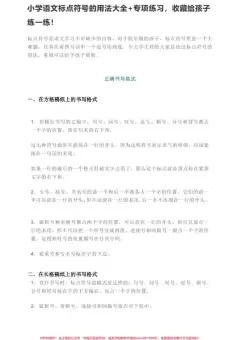
小学语文修改病句、标点符号、形近字、多音字、排比句汇总(附1-6年级习题)
长按二维码关注我
长按二维码关注我