ARTICLE · 1352873
【单元课课练】小学英语(外研新版)五年级上册(2026秋)第6单元 知识点梳理+课课练+基础提高卷+听力音频+答案解析+免费下载word、pdf版

|
|
|
MAKE | LIGHT | SHARE |

小学英语课课练
PRIMARY ENGLISH WORKBOOK
外研版(新标准)· 五年级上册Unit 6Enjoy the festivals单元知识梳理 · 课课练 · 基础卷 · 提高卷 · 听力原文与答案 |
班级 ________________ | 姓名 ________________ | 得分 __________ |
依据《义务教育英语课程标准(2022年版)》编写 · 主题:人与社会(节日与庆祝)
同一个月亮,同一句祝福Celebrate · Share · RememberHappy Mid-Autumn Festival to you, too! |
|
|
|
|



目 录 Contents
第一部分 单元知识梳理目标 · 词汇 · 短语 · 句型 · 语法 · 易错点 | 4 |
第二部分 课课练四课时 · 每课时听力 40% + 笔试 60% | 8 |
(一)Get ready词汇起步:四个传统节日怎么过 | 8 |
(二)Start up语篇理解:A special Mid-Autumn Festival | 9 |
(三)Speed up故事阅读:Barbapapa's Christmas tree | 11 |
(四)Fuel up语音 oo 与 New Year's coming! | 13 |
词汇过关 Vocabulary check四课时核心词自查 | 16 |
第三部分 单元基础训练基础达标卷 100 分 | 18 |
第四部分 单元拔尖提高综合模拟卷 100 分 | 21 |
附录一 听力原文Listening scripts | 25 |
附录二 参考答案与解析Answers & explanations | 28 |
全书共 40 页。第三、四部分为完整试卷,均从新的一页开始,便于单独打印或随堂发放。
使用说明 How to use this book
板块 | 内容与使用建议 |
第一部分 单元知识梳理 | 单元目标、重点词汇、短语、句型、核心语法与易错点。建议在学完本单元后,用一课时带着学生“过一遍”,形成知识网络;也可作为复习课的学习单。 |
第二部分 课课练(四课时) | 对应教材 Get ready / Start up / Speed up / Fuel up 四个板块。每个板块前有“核心速记卡”,把本课时最关键的语法、词汇、句型压缩成一页纸;题目少而精,听力 40%、笔试 60%。 |
第三部分 单元基础训练 | 基础达标卷,100 分,听力 40 分 + 笔试 60 分。以“复习巩固”为目标,不设偏难怪题,适合单元学完后第一次检测。 |
第四部分 单元拔尖提高卷 | 综合模拟卷,100 分,听力 40 分 + 笔试 60 分。题型贴近校内单元测验与学业质量监测,含图表阅读、任务型写作,适合拔高与冲刺。 |
附录 | 全部听力原文、参考答案与解析。解析不只给答案,更说明“为什么”和“怎么想”,便于学生自评、家长辅导。 |
关于听力:全书听力共 6 个音频文件(第 1—4 课时各一个、第三部分整卷一个、第四部分整卷一个),文件名与课时一一对应。播放时每道大题先报中文题号与要求,每小题再报“第X题”,该小题连续朗读两遍(第二遍稍慢),两遍之间停 1.2 秒,题与题之间停 3.5 秒供作答;短文类大题整段报“第一遍”“第二遍”。原文与播放顺序完全一致,见附录一。关于图标:题目中的小图标与教材图片一一对应,帮助学生建立“词—图—义”的直接联系,减少中文翻译的中介。 |
评分建议:每课时 50 分(听力20 分 + 笔试 30 分);两张试卷各 100 分(听力 40 分 + 笔试 60 分)。本书把听力比重稳定在 40%,与当前各地单元测验的题型结构保持一致。
配套听力音频一览 Six audio files
序号 | 文件名 | 对应内容 | 题型 |
01 | 01 第1课时 Get ready 听力 | 课时一 词汇起步 | 听音选节日、听音判断 |
02 | 02 第2课时 Start up 听力 | 课时二 语篇理解 | 听对话选择、听短文判断 |
03 | 03 第3课时 Speed up 听力 | 课时三 故事阅读 | 听短文填表、听句选词 |
04 | 04 第4课时 Fuel up 听力 | 课时四 语音与表达 | 听音辨 /uː/、听短文判断 |
05 | 05 第三部分 单元基础训练 听力 | 基础达标卷 | 选择、对话选择、短文判断、填表 |
06 | 06 第四部分 拔尖提高模拟卷 听力 | 综合模拟卷 | 辨音、对话选择、短文填空、判断 |
给老师的播放提示:① 每个文件开头都有中文“第几单元、第几课时”的播报,学生一听就知道该翻到哪一页;② 音频里已经留好作答时间,不需要中途暂停;③ 若班级基础较弱,可先放一遍整段(不作答),第二遍再让学生动笔。本单元话题贴近学生生活,建议先聊“你家过节怎么过”,再听音频,理解会轻松很多。 |
建议课时安排(可按班级情况弹性调整)
课时 | 课堂内容 | 课后作业 |
第 1—2 课时 | Get ready + Start up + 课课练(一)(二) | 听音频 01、02,用 I'm going to …写三句节日计划 |
第 3—4 课时 | Speed up + Fuel up + 课课练(三)(四) | 读 Barbapapa's Christmas tree,完成“新的庆祝方式”小短文 |
第 5—6 课时 | 第三部分 基础训练 / 第四部分 拔尖提高 | 订正错题,完成“我的节日名片” |
第一部分 单元知识梳理 Unit 6 Enjoy the festivals · 节日与庆祝 |
本单元带我们“过节”:中秋给动物园的动物做月饼、圣诞前夜巴巴爸爸去找圣诞树、新年夜读歌谣、还有意大利的狂欢节和荷兰的郁金香节。谈论“怎么过节”,要用两个时态——一般现在时说习俗(People wear masks and dance.),be going to / will说打算和预测(I'm going to make mooncakes. They will be very big!)。
一、单元目标 What I will be able to do
序号 | 学完本单元,我能够…… |
1 | 说出 the Spring Festival, the Mid-Autumn Festival, the Dragon Boat Festival, the Lantern Festival, Christmas, the New Year等节日名称。 |
2 | 用 be going to谈打算:I'm going to make meat mooncakes for the tigers. |
3 | 用 will说预测:They will be very big! / We will eat dumplings at midnight. |
4 | 用一般现在时说节日习俗:People wear masks and dance to the music. |
5 | 介绍一种新的庆祝方式,并说明理由。 |
6 | 读准 oo的长音 /uː/与短音 /ʊ/:food, moon与 good, look。 |
二、核心词汇 Key words(24 词 + 8 个阅读词)
话题 | 单词与释义 |
节日与庆祝 | festival节日 celebrate庆祝 holiday假日 party聚会 merry欢乐的 |
中秋 | mooncake月饼 September九月 poem诗 moon月亮 |
春节与元宵 | lantern灯笼 dumpling饺子 light灯;光 fireworks烟花 balloon气球 |
圣诞与新年 | Christmas圣诞节 tree树 candle蜡烛 bell铃;钟 midnight午夜 |
人与动作 | zookeeper动物园管理员 cheer欢呼 hug拥抱 visit拜访 |
动物 | tiger老虎 panda熊猫 giraffe长颈鹿 elephant大象 |
阅读拓展词 | mask面具 carnival狂欢节 tulip郁金香 cherry樱花 picnic野餐 skating滑冰 skiing滑雪 colour颜色 |
三、重点短语 Key phrases
短语 | 意思与用法 |
the Spring / Mid-Autumn / Dragon Boat / Lantern Festival | 春节 / 中秋节 / 端午节 / 元宵节(节日名首字母大写,前面加 the) |
make mooncakes for the animals | 给动物做月饼 |
meat / bamboo / banana mooncakes | 肉馅 / 竹子 / 香蕉月饼 |
put up lanterns and lights | 挂灯笼、挂彩灯 |
watch the lion dance | 看舞狮 |
eat dumplings | 吃饺子 |
visit family / relatives | 走亲戚、看望家人 |
have a party | 举办聚会 |
at midnight | 在午夜 |
cheer and hug each other | 欢呼、互相拥抱 |
ring the New Year's bell | 敲响新年钟声 |
get together | 聚在一起 |
such as | 例如(后接名词或动名词) |
be famous for | 以……闻名 |
dance to the music | 随着音乐跳舞 |
look to the future | 展望未来 |
四、核心句型 Key sentences
功能 | 句型 |
问最喜欢的节日 | What is your favourite festival? — My favourite festival is the Mid-Autumn Festival. |
问怎么庆祝 | How are you going to celebrate it? — I'm going to read poems about the moon. |
问打算做什么 | What mooncakes are you going to make? — I'm going to make meat mooncakes for the tigers. |
说预测 | They will be very big! / We will eat dumplings at midnight. |
说习俗 | People in China celebrate the Ice and Snow Festival. People wear masks and dance to the music. |
问将来去哪儿 | Where will you go? — I will go to my grandparents' home. |
五、语法聚焦 be going to / will / 一般现在时
时态 | 结构 | 用来说明 | 例句 |
be going to | 主语 + am/is/are + going to + 动词原形 | 早想好的计划、打算 | I'm going to make mooncakes. |
will | 主语 + will + 动词原形 | 预测或临时想到的决定 | They will be very big! |
一般现在时 | 主语 + 动词(第三人称单数加 -s) | 习惯、习俗、事实 | People wear masks at the carnival. |
三个“将来”怎么分工:① 已计划好:I'm going to visit my grandparents.(心里早有这张表)② 现场预测:It will be a great festival!(看着月饼越来越大,随口一猜)③ 客观将来:The New Year is coming. Soon the bells will ring.注意:be going to里的 be 要随主语变:I am / he is / they are going to … |
六、语音 Letters oo → /uː/ 与 /ʊ/
读音 | 例词 | 发音提示 |
/uː/(长) | food moon soon balloon zoo noodle | 嘴唇收圆、拉长,像“乌——”拖长音 |
/ʊ/(短) | good look book cook foot wool | 短促、放松,像“乌”一出口就收住 |
口诀:k前的 oo 多半短(book, look, cook, took);food, moon, soon, balloon都是长音。歌谣里的 food长、good短,一口气读两遍,长短就分清了。
七、易错点 Watch out
错误说法 | 正确说法与原因 |
I going to make mooncakes. | I'm going to make mooncakes. —— going to 前必须有 be。 |
He is going to makes a lantern. | He is going to make a lantern. —— to 后跟原形。 |
They will are very big. | They will be very big. —— will 后跟原形,be 不能少。 |
I'm going to make mooncake for tigers. | … make mooncakes for the tigers. —— 泛指用复数;特指加 the。 |
We celebrate the Mid-autumn festival. | the Mid-Autumn Festival. —— 节日名每个实词首字母大写。 |
People wears masks. | People wear masks. —— people 作“人们”是复数。 |
We will eat dumpling at midnight. | … eat dumplings … —— 吃的是多个,用复数。 |
八、易混词辨析 Words often confused
词对 | 区别与例句 |
festival / holiday | festival有庆祝活动的“节日”;holiday放假的日子。the Spring Festival / the summer holiday |
celebrate / celebration | celebrate动词;celebration名词。We celebrate the New Year. It is a big celebration. |
be going to / will | 计划用 be going to;预测用 will。I'm going to make a lantern. It will be beautiful. |
put up / put on | put up挂起、张贴;put on穿上、戴上。Put up the lanterns. Put on your coat. |
such as / for example | such as后直接接名词;for example后常接完整句子。fun things, such as skating and skiing |
look / see / watch | look主动看(look at);see看见;watch观看(节目、比赛)。Look at the moon. I see a lantern. We watch the lion dance. |
九、单元学习路线 How to learn this unit
步骤 | 怎么做 |
① 说节日 | 看教材 Get ready的四幅图,用中文说出四个节日,再说出英语名称。 |
② 换时态 | 把 I make a lantern.改成 I'm going to make a lantern.——加上 be going to,就从“常常做”变成“打算做”。 |
③ 练问答 | 两人一组:What is your favourite festival? How are you going to celebrate it?每人问三轮。 |
④ 读故事 | 读 Barbapapa's Christmas tree,画出巴巴爸爸的三次决定,想一想他为什么最后“变成”一棵树。 |
⑤ 做调查 | 用 Who / What / Where / When / How做一份春节小调查,画成柱状图,向全班汇报。 |
十、写作素材库 Sentences you can use
用在哪儿 | 可以照着说的句子(背下来,写作直接用) |
开头点题 | My favourite festival is the Mid-Autumn Festival. |
说时间 | It comes in September or October. / It is on the 15th day of the 8th lunar month. |
说吃什么 | We eat mooncakes and lots of fruit. |
说做什么 | We put up lanterns and watch the lion dance. |
说和谁一起 | We get together with our family and have a big dinner. |
说打算 | This year I'm going to make mooncakes for my grandparents. |
说感受 | It is a happy time for everyone. I love it very much. |
结尾升华 | Festivals are about being together. |
单元大观念(Big idea):Festivals are about being together. —— 节日的意义,是“在一起”。单元任务预告:学完本单元,请你和小组合作,做一份 Festivals in my home的小调查,用柱状图统计全班过节的方式,并用 Most students will …向全班汇报。 |
第二部分 课课练 Unit 6 Enjoy the festivals · 四课时 · 每课时 50 分 |
课课练与教材的四个板块一一对应:Get ready说四个节日的过法、Start up读动物园里的月饼故事、Speed up读巴巴爸爸的圣诞树、Fuel up练 oo的读音与新年歌谣。每一课时都先用一张“核心速记卡”把be going to / will的用法压实,再进入听力(20 分)与笔试(30 分)。
课时 | 对应教材板块 | 本课时重点 | 听力 / 笔试 |
(一) | Get ready | 四个节日的名称与习俗、一般现在时 | 20 分 / 30 分 |
(二) | Start up | 动物园月饼故事、be going to问答 | 20 分 / 30 分 |
(三) | Speed up | 巴巴爸爸的圣诞树、读故事讲道理 | 20 分 / 30 分 |
(四) | Fuel up | 语音 oo、新年歌谣与计划 | 20 分 / 30 分 |
每个课时的听力单独成文件,文件名与课时一致;原文见附录一。
(一)Get ready词汇起步:四个节日怎么过 |
本课时50 分:听力 20 分 + 笔试 30 分。听力音频:01 第1课时 Get ready 听力
本课时解决“说得出来”的问题。教材用四幅图给出四个中国节日:春节、元宵节、端午节、中秋节。要说清“这个节日人们做什么”,用的是一般现在时:We eat mooncakes. People watch the dragon boat race.——说的是每年的习惯,不是这一次。
◆ 核心速记卡 过节怎么说:三个词 + 一个时态 | |
① 节日名称 | the Spring Festival 春节 the Lantern Festival 元宵节the Dragon Boat Festival 端午节 the Mid-Autumn Festival 中秋节每个实词首字母大写,前面加 the。 |
② 标志物 | mooncake月饼 lantern灯笼 dumpling饺子 dragon boat龙舟 fireworks烟花 lion dance舞狮 |
③ 常做的三件事 | eat mooncakes / dumplingsput up lanternswatch the lion danceget togetherhave a big dinner |
④ 用一般现在时 | 主语 + 动词原形;第三人称单数加 -s。We eat mooncakes. My sister eats mooncakes, too. |
⑤ 问“你做什么” | What do you do at the Spring Festival? — We visit our family. |
易错提醒 | people作“人们”是复数:People wear masks.;泛指时名词用复数:eat dumplings。 |
一、Listen and choose. 听句子,选出句子说的节日。(5×2=10分)
1.() | A. the Mid-Autumn Festival | B. the Spring Festival | C. the Dragon Boat Festival |
2.() | A. the Lantern Festival | B. the Dragon Boat Festival | C. Christmas |
3.() | A. the Spring Festival | B. the Lantern Festival | C. the Mid-Autumn Festival |
4.() | A. the Spring Festival | B. the Lantern Festival | C. the Carnival |
5.() | A. Christmas | B. the Carnival | C. the Mid-Autumn Festival |
二、Listen and judge. 听句子,判断图片与所听内容是否相符(√ / ×)。(5×2=10分)
|
|
|
|
|
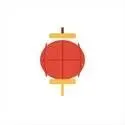
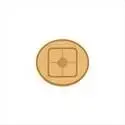
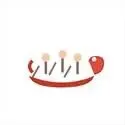


三、Look and write. 看图,写出相应的单词(每空一词)。(5×2=10分)
|
|
|
|
|
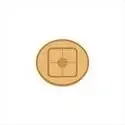
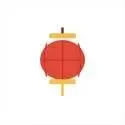



四、Choose the best answer. 单项选择。(5×2=10分)
1.()People ______ mooncakes at the Mid-Autumn Festival.
A. eat | B. eats | C. eating |
2.()My sister ______ up lanterns with me every year.
A. put | B. puts | C. putting |
3.()______ your family get together at the Spring Festival?
A. Do | B. Does | C. Is |
4.()We don't ______ to school in the summer holiday.
A. go | B. goes | C. going |
5.()Daming ______ the lion dance every Spring Festival.
A. watch | B. watches | C. watching |
五、Complete the passage. 用方框里的词补全短文,每词只用一次。(5×2=10分)
September get mooncakes moon because |
My name is Lily. My favourite festival is the Mid-Autumn Festival. It usually comes in 1 ______ or October. On that day, my family 2 ______ together and have a big dinner. We eat 3 ______ and lots of fruit. In the evening we look at the 4 ______ and tell stories. I like this festival 5 ______ we can be together. |
(二)Start up语篇理解:A special Mid-Autumn Festival |
本课时50 分:听力 20 分 + 笔试 30 分。听力音频:02 第2课时 Start up 听力
大明提议:中秋给动物园的动物做月饼。四个孩子各做一种——山姆做肉馅的给老虎,玲玲做竹子的给熊猫,艾米用树叶和胡萝卜给长颈鹿做,大明想做香蕉的给大象。这段对话的核心就是“打算做什么”:I'm going to make … for …。读对话时把“谁—做什么—给谁”列成三栏,一次就理清了。
◆ 核心速记卡 be going to 说“打算” | |
结构 | 主语 + am / is / are + going to + 动词原形I am going to make mooncakes. He is going to help us. |
否定 | I'm not going to make cakes. They aren't going to come. |
疑问 | Are you going to make a lantern? — Yes, I am. / No, I'm not. |
特殊疑问 | What are you going to make? Who is it for? |
给谁做 | make mooncakes for the tigers / the pandas / the elephants |
别忘了 be | 最常见的错:I going to …✗ → I'm going to …✓ |
一、Listen and choose. 听对话,选择正确的答案。(5×2=10分)
1.() | A. Mooncakes. | B. Lanterns. | C. Cakes. |
2.() | A. Their teachers. | B. The animals at the zoo. | C. Their parents. |
3.() | A. Meat mooncakes. | B. Bamboo mooncakes. | C. Banana mooncakes. |
4.() | A. Leaves and carrots. | B. Bamboo and rice. | C. Meat and eggs. |
5.() | A. On 17 September. | B. On 7 September. | C. On 27 October. |
二、Listen and judge. 听短文,判断句子正误,正确写 T,错误写 F。(5×2=10分)
1. The children are at the zoo today.()
2. They are going to make lanterns for the animals.()
3. Lingling is going to make bamboo mooncakes.()
4. Daming is going to make mooncakes for the tigers.()
5. The zookeeper is very happy.()
三、Complete the dialogue. 补全对话,从方框中选择合适的句子(有一项多余)。(5×2=10分)
A. What kind of mooncakes are you going to make? B. I'm going to make mooncakes.C. Are you going to make a lantern? D. Where are you going to put it?E. It will be beautiful! F. I like the Spring Festival. |
Amy: The Mid-Autumn Festival is coming. What are you going to do?
Ben: 1. ______
Amy: Mooncakes! 2. ______
Ben: I'm going to make fruit mooncakes.
Amy: 3. ______
Ben: Yes, I am. I'm going to make a lantern, too.
Amy: 4. ______
Ben: I'm going to put it in my room.
Amy: 5. ______
Ben: Thank you. Happy Mid-Autumn Festival!
四、Fill in the blanks. 用括号内动词的适当形式填空。(5×2=10分)
1. I ______ (make) a lantern for my sister.
2. Daming ______ (visit) his grandparents this Sunday.
3. They ______ (not watch) the lion dance tonight.
4. ______ you ______ (come) to my party tomorrow?
5. We ______ (put) up the lights in the classroom.
五、Read and answer. 读短文,用完整句子回答问题。(5×2=10分)
The Mid-Autumn Festival is coming. Daming, Sam, Amy and Lingling are going to the zoo on 17 September. They want to make mooncakes for the animals there. Sam is going to make meat mooncakes for the tigers. Lingling is going to make bamboo mooncakes for the pandas. Amy is going to make mooncakes for the giraffes with leaves and carrots. Daming wants to make banana mooncakes for the elephants. “They will be very big!” says Sam. The zookeeper is very happy. “It's a happy Mid-Autumn Festival for the animals!” he says. |
1. Where are the children going?
________________________________________________________________________________________________
2. What is Sam going to make?
________________________________________________________________________________________________
3. Who is going to make bamboo mooncakes?
________________________________________________________________________________________________
4. What will Amy use?
________________________________________________________________________________________________
5. Why will Daming's mooncakes be very big?
________________________________________________________________________________________________
(三)Speed up故事阅读:Barbapapa's Christmas tree |
本课时50 分:听力 20 分 + 笔试 30 分。听力音频:03 第3课时 Speed up 听力
圣诞节要到了,孩子们想要一棵圣诞树,家里却没有。巴巴爸爸去森林里找树,第一次遇到松鼠,第二次遇到熊——两棵树都是动物的家。最后他想出一个办法:自己站成圣诞树。读这个故事,抓两条线:“他找了什么”和“谁拦住了他、为什么”。
◆ 核心速记卡 读故事的三步法 | |
① 找问题 | Christmas is coming. But we haven't got a Christmas tree.——故事开头一定有一个“缺什么”的问题。 |
② 找重复 | This one is good. — Please don't cut down this tree.同样的事发生两次,第二次一定更严重:从松鼠的家到熊的家。 |
③ 找转折 | What should I do? Aha! I have an idea!—— Aha后面就是故事的高潮:爸爸自己变成一棵树。 |
核心表达 | cut down砍倒 live in the forest住在森林里wait at home在家等着 in the snow在雪地里 |
读后想一想 | 爸爸没有砍树,孩子们却更开心。为什么?——因为一棵会动的树,比一棵被砍的树更珍贵。 |
一、Listen and fill in the form. 听短文,完成表格,每空一词。(5×2=10分)
Where / Who | What happened |
Dad goes to the 1. ______ | to get a Christmas tree |
A 2. ______ | says “It's our home.” |
A 3. ______ | says “Animals here need these trees.” |
Dad | becomes a Christmas 4. ______ himself |
The children | say “We 5. ______ it, Dad!” |
二、Listen and choose the word. 听句子,选出你听到的单词。(5×2=10分)
1.() | A. forest | B. farm | C. park |
2.() | A. tree | B. flower | C. grass |
3.() | A. forest | B. zoo | C. garden |
4.() | A. home | B. school | C. shop |
5.() | A. Merry Christmas | B. Happy New Year | C. Happy birthday |
三、Read and judge. 读短文,判断下列句子正误,正确写 T,错误写 F。(5×2=10分)
Christmas is coming, but Barbapapa's family haven't got a Christmas tree. Dad goes to the forest to get one. The first tree is very good, but a squirrel says, “Please don't cut down this tree. It's our home.” So Dad finds another one. This one is good, too. But a bear says, “Please don't. I live in the forest. Animals here need these trees.” Dad thinks and thinks. Then he has an idea. He stands in the snow and becomes a Christmas tree himself! The children are waiting at home. When they see Dad, they are very happy. “No one will have a tree like this. We love you, Dad!” they say. “Merry Christmas, everyone!” says Dad. |
1. Barbapapa's family haven't got a Christmas tree at home.()
2. Dad goes to the city to get a tree.()
3. A squirrel asks Dad not to cut down the tree.()
4. Dad cuts down two trees and takes them home.()
5. The children like Dad's Christmas tree very much.()
四、Read and complete the table. 再读短文,完成表格,每空一词。(5×2=10分)
Who | What they say | Why |
The squirrel | “Don't cut down this tree.” | It's our 1. ______. |
The bear | “Animals here 2. ______ these trees.” | I live in the 3. ______. |
Dad | “I have an 4. ______!” | The children are waiting at home. |
The children | “No one will have a tree like 5. ______.” | They love Dad. |
五、Think and write. 写一段话:介绍一种“新的过节方式”,并说明为什么。(至少 5 句)(10分)
提示:① 什么节日;② 新的庆祝方式是什么;③ 为什么选这种方式;④ 用 be going to说打算,用 will说预测。
________________________________________________________________________________________________
________________________________________________________________________________________________
________________________________________________________________________________________________
________________________________________________________________________________________________
________________________________________________________________________________________________
________________________________________________________________________________________________
________________________________________________________________________________________________
________________________________________________________________________________________________
________________________________________________________________________________________________
(四)Fuel up语音与表达:oo 与 New Year's coming! |
本课时50 分:听力 20 分 + 笔试 30 分。听力音频:04 第4课时 Fuel up 听力
这一课时既练“听音辨形”,也练“用英语说新年计划”。歌谣 New Year's coming!里藏着两组 oo:food读长音 /uː/,good读短音 /ʊ/。读准这两个音,听力里就不会把 cook听成 food。
◆ 核心速记卡 oo 的长短音 + 新年计划 | |
长音 /uː/ | food moon soon balloon zoo noodle嘴唇收圆、拉长,像“乌——”拖住不放。 |
短音 /ʊ/ | good look book cook foot短促、放松,一出口就收住。k 前的 oo 多半短。 |
新年问候 | Happy New Year! / Merry Christmas! / Happy Mid-Autumn Festival! |
说计划 | I'm going to put up colourful lights with my family. We are going to have a party at midnight. |
说祝福 | Happy New Year, everyone! Let's look to the future and have fun! |
易错提醒 | at midnight不加 the;New Year's Day有 's,the New Year也可以,但 New Year单独用要小心。 |
一、Listen and choose. 听句子,选出句中含 /uː/ 读音的单词。(5×2=10分)
1.() | A. cook | B. food | C. good |
2.() | A. moon | B. book | C. look |
3.() | A. soon | B. foot | C. good |
4.() | A. balloon | B. book | C. cook |
5.() | A. book | B. look | C. zoo |
二、Listen and judge. 听短文,判断句子正误,正确写 T,错误写 F。(5×2=10分)
1. The family are going to have a party at home.()
2. Mother is going to cook good food.()
3. Father is going to put up a Christmas tree.()
4. The writer is going to sing a song at the party.()
5. They will go to bed before midnight.()
三、Read the chant and write. 把方框里的单词按读音归类,填在横线上。(5×2=10分)
food good moon look soon book balloon cook |
oo 的读音 | 单词 |
/uː/ long | |
/ʊ/ short |
四、Choose the best answer. 单项选择。(5×2=10分)
1.()We are going to ______ good food for the party.
A. cook | B. cooks | C. cooking |
2.()______ is coming. Let's put up the lights.
A. The New Year | B. New Year | C. a New Year |
3.()The moon is bright tonight. Let's look ______ it.
A. at | B. for | C. after |
4.()My sister is going to ______ a song at the party.
A. sing | B. sings | C. singing |
5.()There ______ a party in our classroom tonight.
A. will be | B. will have | C. is going to have |
五、Writing. 书面表达:写一段话,说说你打算怎样过新年。(至少 5 句)(10分)
提示:① 和谁一起;② 打算做什么(吃、玩、看);③ 午夜时会做什么;④ 用 be going to和 will各写两句。
先想清楚 | 我要写的内容(中英文都可) |
和谁一起 | |
吃什么、做什么 | |
午夜时 |
________________________________________________________________________________________________
________________________________________________________________________________________________
________________________________________________________________________________________________
________________________________________________________________________________________________
________________________________________________________________________________________________
________________________________________________________________________________________________
________________________________________________________________________________________________
________________________________________________________________________________________________
________________________________________________________________________________________________
________________________________________________________________________________________________
________________________________________________________________________________________________
________________________________________________________________________________________________
________________________________________________________________________________________________
________________________________________________________________________________________________
________________________________________________________________________________________________
写完后,自己检查 | 打 √ |
有没有用 be going to? | |
有没有用 will? | |
句首字母大写、句末有标点吗? |
词汇过关 Vocabulary check四课时核心词自查 · 24 词 |
看中文,写英文(共 24 词,每词 1 分,自己计时 5 分钟) | |||
月饼 | 灯笼 | ||
饺子 | 蜡烛 | ||
诗 | 铃;钟 | ||
午夜 | 欢呼 | ||
拥抱 | 欢乐的 | ||
节日 | 庆祝 | ||
树 | 动物园管理员 | ||
老虎 | 熊猫 | ||
长颈鹿 | 大象 | ||
面具 | 郁金香 | ||
樱花 | 野餐 | ||
气球 | 烟花 |
我的“难词”记录:把写错的词抄下来,每天读两遍。
________________________________________________________________________________________________
________________________________________________________________________________________________
________________________________________________________________________________________________
________________________________________________________________________________________________
________________________________________________________________________________________________
________________________________________________________________________________________________
________________________________________________________________________________________________
________________________________________________________________________________________________
________________________________________________________________________________________________
________________________________________________________________________________________________
________________________________________________________________________________________________
________________________________________________________________________________________________
________________________________________________________________________________________________
最容易混的三组词:写下自己的“分辨办法”。
词 | 意思 | 我的分辨办法 |
festival / holiday | 节日 / 假日 | |
celebrate / celebration | 庆祝(动)/ 庆祝活动 | |
put up / put on | 挂起 / 穿上 |
背单词的小办法:本单元的词可以“成串”记——说到 Mid-Autumn Festival,就串起 mooncake / moon / poem;说到 Spring Festival,就串起 lantern / dumpling / fireworks;说到 Christmas,就串起 tree / candle / bell / merry。一串一串背,比一个一个背牢得多。 |
词汇运用:用方框里的词填空,每词只用一次。
lantern midnight masks zookeeper mooncakes |
1. People eat ______ and look at the moon at the Mid-Autumn Festival.
2. At the Carnival, people wear ______ and dance in the streets.
3. We put up a red ______ in front of our house.
4. The ______ looks after the animals at the zoo.
5. At ______ we cheer and hug each other.
我会用的 5 个句子:从本单元挑 5 句抄下来,读三遍。
________________________________________________________________________________________________
________________________________________________________________________________________________
________________________________________________________________________________________________
________________________________________________________________________________________________
________________________________________________________________________________________________
词汇自评
项目 | 我的情况 |
24 个词能写出几个 | |
最容易写错的 3 个词 | |
下一步怎么记 |
第三部分 单元基础训练(基础达标卷) 100分 · 40分钟 |
姓名____________ | 班级____________ | 得分____________ |
听力 40 分,笔试 60 分。听力音频见配套文件05 第三部分 单元基础训练 听力。
Ⅰ 听力部分 Listening(40分)
一、Listen and judge. 听句子,判断图片与所听内容是否相符(√ / ×)。(5×2=10分)
|
|
|
|
|
二、Listen and choose. 听对话,选择正确的答案。(5×2=10分)
1.() | A. The Mid-Autumn Festival. | B. The Spring Festival. | C. The Lantern Festival. |
2.() | A. Watch the New Year show. | B. Go to a party. | C. Visit her friends. |
3.() | A. A card. | B. A lantern. | C. A cake. |
4.() | A. Her grandparents' home. | B. Her school. | C. The zoo. |
5.() | A. In the morning. | B. At noon. | C. At midnight. |
三、Listen and judge. 听短文,判断句子正误,正确写 T,错误写 F。(5×2=10分)
1. Amy's favourite festival is the Spring Festival.()
2. The Spring Festival usually comes in March or April.()
3. Amy's family put up red lanterns before the festival.()
4. Amy's grandparents give her a red packet.()
5. This year Amy is going to make a card for her brother.()
四、Listen and fill in the form. 听短文,完成表格,每空一词。(5×2=10分)
Who | What they are going to do |
Xiaoman | go to 1. __________ with her parents; ring the New Year's 2. __________ |
Charlie | have a 3. __________ with friends; cheer and 4. __________ each other |
Maria | eat twelve 5. __________ at midnight |
Daniel | watch the New Year show on TV (example) |
Ⅱ 笔试部分 Writing(60分)
五、Read and judge the sound. 判断每组两个单词划线部分的读音是否相同,相同写 S,不同写 D。(5×2=10分)
1. food good()
2. moon soon()
3. book look()
4. balloon cook()
5. zoo noodle()
六、Choose the best answer. 单项选择。(10×1=10分)
1.()People ______ mooncakes at the Mid-Autumn Festival.
A. eat | B. eats | C. eating |
2.()My mother ______ up the lanterns every year.
A. put | B. puts | C. putting |
3.()We are going to ______ a big dinner tonight.
A. have | B. has | C. having |
4.()______ you going to the zoo tomorrow?
A. Do | B. Are | C. Will |
5.()Daming is going to make mooncakes ______ the pandas.
A. to | B. for | C. at |
6.()— What is your favourite festival? — ______
A. It's the Spring Festival. | B. Yes, it is. | C. I like mooncakes. |
7.()Look! The children ______ the lion dance now.
A. watch | B. watches | C. are watching |
8.()There ______ a party in our school next Friday.
A. will be | B. will have | C. is |
9.()______ is coming. Let's make a lantern.
A. The Mid-Autumn Festival | B. Mid-Autumn Festival | C. a Mid-Autumn Festival |
10.()Amy will ______ leaves and carrots.
A. uses | B. use | C. using |
七、Fill in the blanks. 用括号内动词的适当形式填空。(5×2=10分)
1. I ______ (make) a lantern for my sister.
2. Sam ______ (not come) to the party tonight.
3. ______ they ______ (visit) the zoo this Sunday?
4. We ______ (put) up the lights in the classroom.
5. Lingling ______ (sing) a song at the party.
八、Complete the dialogue. 补全对话,从方框中选择合适的句子(有一项多余)。(5×2=10分)
A. What are you going to do there? B. What are you going to do?C. Are you going to make something? D. Where are you going to put it?E. That will be a nice gift! F. I like Christmas. |
Hello, Ben. The Spring Festival is coming. 1. ______
B: I'm going to visit my grandparents.
A: 2. ______
B: I'm going to eat dumplings and watch the lion dance.
A: 3. ______
B: Yes, I am. I'm going to make a lantern for my cousin.
A: 4. ______
B: I'm going to put it in her room.
A: 5. ______
B: Thank you!
九、Read and judge. 读短文,判断句子正误,正确写 T,错误写 F。(5×2=10分)
Festivals are different in different countries. In China, people celebrate the Spring Festival with lanterns, dumplings and fireworks. In Japan, the Hanami Festival comes in March and April. Everything looks pink, and people have picnics under the cherry trees. In Italy, the Carnival is full of colours. People wear masks and dance in the streets. In the Netherlands, the Tulip Festival is famous. Gardens and farms are full of flowers. Every festival has its own colour and its own fun. |
1. In China, people celebrate the Spring Festival with lanterns and dumplings.()
2. The Hanami Festival is in Japan.()
3. At the Carnival, people wear masks and dance in the streets.()
4. The Tulip Festival is famous in Italy.()
5. Festivals are the same in every country.()
十、Writing. 书面表达:以 My favourite festival 为题写一段话。(10分)
要求:① 至少 7 句;② 写清节日名称、时间、吃什么、做什么;③ 用be going to写一句自己的打算;④ 语句连贯,书写规范。
________________________________________________________________________________________________
________________________________________________________________________________________________
________________________________________________________________________________________________
________________________________________________________________________________________________
________________________________________________________________________________________________
________________________________________________________________________________________________
________________________________________________________________________________________________
________________________________________________________________________________________________
________________________________________________________________________________________________
________________________________________________________________________________________________
________________________________________________________________________________________________
第四部分 单元拔尖提高(综合模拟卷) 100分 · 40分钟 |
姓名____________ | 班级____________ | 得分____________ |
听力 40 分,笔试 60 分。听力音频见配套文件06 第四部分 拔尖提高模拟卷 听力。
Ⅰ 听力部分 Listening(40分)
一、Listen and choose. 听句子,选出句中含长音 /uː/ 的单词。(5×2=10分)
1.() | A. food | B. good | C. cook |
2.() | A. balloon | B. book | C. look |
3.() | A. soon | B. foot | C. good |
4.() | A. moon | B. book | C. cook |
5.() | A. book | B. look | C. zoo |
二、Listen and choose. 听对话,选择正确的答案。(5×2=10分)
1.() | A. The Lantern Festival. | B. The Spring Festival. | C. The Mid-Autumn Festival. |
2.() | A. A card. | B. A cake. | C. A lantern. |
3.() | A. Yes, she will. | B. No, she won't. | C. We don't know. |
4.() | A. They wear masks and dance. | B. They eat mooncakes. | C. They watch the dragon boat race. |
5.() | A. Because she can get red packets. | B. Because she can be with her family. | C. Because she likes dumplings. |
三、Listen and fill in the blanks. 听短文,补全句子,每空一词。(5×2=10分)
People in Italy celebrate the Carnival in 1 __________. People wear 2 __________ and clothes of different colours, and they 3 __________ to the music. In the Netherlands, spring is the time for the 4 __________ Festival. Every festival has its own colour: 5 __________ for Hanami in Japan. |
四、Listen and judge. 听短文,判断句子正误,正确写 T,错误写 F。(5×2=10分)
1. The writer spent the Mid-Autumn Festival in a small town last year.()
2. The writer's aunt lives in the town.()
3. The writer and his cousin made lanterns with paper.()
4. The lanterns they made were very beautiful.()
5. The writer felt lonely that evening.()
Ⅱ 笔试部分 Writing(60分)
五、Read and sort. 把方框里的单词按划线部分的读音归类。(5×2=10分)
food book moon cook zoo foot noodle wool |
读音 | 单词 |
/uː/ long | |
/ʊ/ short |
六、Choose the best answer. 单项选择。(8×1=8分)
1.()— ______ are you going to celebrate the Mid-Autumn Festival? — At home.
A. Where | B. When | C. How |
2.()My sister ______ a lantern for the party now.
A. makes | B. is making | C. make |
3.()There ______ a lot of people in the street at the Carnival.
A. are | B. is | C. have |
4.()We usually ______ dumplings at midnight.
A. eat | B. eats | C. eating |
5.()______ festival do you like best?
A. What | B. Which | C. How |
6.()Look! The children ______ up the lanterns.
A. put | B. puts | C. are putting |
7.()— Will you go to the zoo tomorrow? — No, ______.
A. I don't | B. I won't | C. I'm not |
8.()The Spring Festival usually ______ in January or February.
A. come | B. comes | C. coming |
七、Cloze. 完形填空,选择最佳选项。(8×1=8分)
The Mid-Autumn Festival is one of my favourite 1 ____. It usually comes in September 2 ____ October. On that day, my family get 3 ____ and have a big dinner. We eat 4 ____ and look at the moon. My grandma tells us 5 ____ about the moon. This year I am going to 6 ____ a lantern for my little sister. I think she 7 ____ like it very much. Festivals are about being 8 ____. |
1.() | A. festivals | B. festival | C. a festival |
2.() | A. and | B. or | C. but |
3.() | A. up | B. on | C. together |
4.() | A. mooncakes | B. dumplings | C. noodles |
5.() | A. story | B. stories | C. a story |
6.() | A. make | B. makes | C. making |
7.() | A. will | B. is | C. does |
8.() | A. together | B. happy | C. different |
八、Reading. 阅读材料,完成后面的题目。(12分)
A. 图表阅读 三个同学的新年计划
Who | Where | What |
Tom | at home | watch the New Year show |
Anna | at her grandparents' home | make dumplings |
Mike | in the park | watch fireworks |
A1.. Tom is going to watch the New Year show at home.()
A2.. Anna will make dumplings at her grandparents' home.()
A3.. Who is going to watch fireworks?
________________________________________________________________________________________________
A4.. Where will Anna go?
________________________________________________________________________________________________
B. 短文阅读 西班牙的新年
On New Year's Eve, people in Spain eat twelve grapes at midnight. One grape for one month of the new year. They think it will bring good luck. Before midnight, the family get together and put twelve grapes in a small bowl for everyone. When the clock strikes twelve, they eat the grapes one by one. It is not easy! But everyone is happy. After that, people say “Happy New Year!” and hug each other. |
B1.. What do people in Spain eat at midnight on New Year's Eve?
________________________________________________________________________________________________
B2.. Why do they eat grapes?
________________________________________________________________________________________________
B3.. Is it easy to eat twelve grapes at midnight?
________________________________________________________________________________________________
九、Read and complete the table. 读下面的海报,完成表格,每空一词。(5×2=10分)
Lantern Festival ShowDate: 15 February Time: 7:00 pm – 9:00 pmPlace: Sunshine Park Ticket: freeActivities: watch lanterns, guess lantern riddles, eat yuanxiaoTel: 8765 4321 |
About the show | Information |
Date | 15 1. __________ |
Time | 7:00 pm – 9:00 2. __________ |
Place | Sunshine 3. __________ |
Activity | guess lantern 4. __________ |
Ticket | 5. __________ |
十、Writing. 书面表达:给外国朋友写一封邮件,介绍你最喜欢的中国节日。(12分)
要求:① 至少 9 句;② 写清节日名称、时间、食物与活动;③ 用 be going to和 will各写一句;④ 有称呼与署名;⑤ 语句连贯,书写规范。
格式提示:邮件= 称呼(Dear Tom,)+正文+结尾(Yours,)+署名(Li Ming)。
________________________________________________________________________________________________
________________________________________________________________________________________________
________________________________________________________________________________________________
________________________________________________________________________________________________
________________________________________________________________________________________________
________________________________________________________________________________________________
________________________________________________________________________________________________
________________________________________________________________________________________________
________________________________________________________________________________________________
________________________________________________________________________________________________
________________________________________________________________________________________________
________________________________________________________________________________________________
________________________________________________________________________________________________
写之前,先把三个“关键词”定下来。
先想清楚 | 我决定这样写(中英文都可) |
哪个节日、什么时候 | |
吃什么、做什么 | |
今年打算怎么过 |
附录一 听力原文 Listening scripts |
说明:橙色框内为音频中的中文播报,与音频逐字一致;英文后标注“连读两遍”的,音频中该小题连续朗读两遍(第二遍稍慢)。每题之后留有3.5 秒作答时间。
01 第1课时 Get ready 听力
播报:第六单元,第一课时,Get ready,听力部分,现在开始。 |
播报:第一题,听音选节日。听句子,选出句子说的节日。每小题读两遍。 |
第1题 We eat mooncakes and look at the moon at night. (连读两遍)
第2题 People watch the dragon boat race and eat zongzi. (连读两遍)
第3题 We put up lanterns and eat yuanxiao on that day. (连读两遍)
第4题 We have a big dinner with our family and get red packets. (连读两遍)
第5题 People wear masks and dance in the street. (连读两遍)
播报:第二题,听音判断。听句子,判断图片与所听内容是否相符,相符画对号,不符画叉号。每小题读两遍。 |
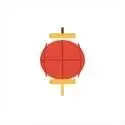
第1题 We put up red lanterns at the Lantern Festival. (连读两遍)
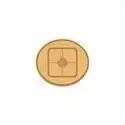
第2题 At the Mid-Autumn Festival we eat dumplings. (连读两遍)
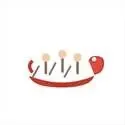
第3题 People watch the dragon boat race at the Dragon Boat Festival. (连读两遍)
第4题 At Christmas we get together with our family. (连读两遍)
第5题 We watch fireworks at the Spring Festival. (连读两遍)
02 第2课时 Start up 听力
播报:第六单元,第二课时,Start up,听力部分,现在开始。 |
播报:第一题,听对话选择。听对话,选择正确的答案。每小题读两遍。 |
第1题 W: What are the children going to make? M: They are going to make mooncakes. (连读两遍)
第2题 M: Who are the mooncakes for? W: They are for the animals at the zoo. (连读两遍)
第3题 W: What mooncakes is Sam going to make? M: He is going to make meat mooncakes. (连读两遍)
第4题 M: What will Amy use? W: She will use leaves and carrots. (连读两遍)
第5题 W: When will they go to the zoo? M: On 17 September. (连读两遍)
播报:第二题,听短文判断。听短文,判断句子正误,正确写 T,错误写 F。短文读两遍。 |
It is the Mid-Autumn Festival today. Daming, Sam, Amy and Lingling are at the zoo. They are going to make mooncakes for the animals. Lingling is going to make bamboo mooncakes for the pandas. Daming wants to make banana mooncakes for the elephants. The elephants are very big, so the mooncakes will be very big, too. The zookeeper is happy. He says, thank you, children!
(整段连读两遍,中间停 3.5 秒)
03 第3课时 Speed up 听力
播报:第六单元,第三课时,Speed up,听力部分,现在开始。 |
播报:第一题,听短文填表。听短文,完成下面的表格,每空一词。短文读两遍。 |
Christmas is coming, but the children have not got a Christmas tree. Dad goes to the forest to get one. The first tree is good, but a squirrel says, please don't cut down this tree, it's our home. The second tree is good, too, but a bear says, please don't, animals here need these trees. Dad thinks and thinks. Then he has an idea. He stands in the snow and becomes a Christmas tree himself. The children are very happy. They say, no one will have a tree like this. We love you, Dad!
(整段连读两遍,中间停 3.5 秒)
播报:第二题,听句子选单词。听句子,选出你听到的单词。每小题读两遍。 |
第1题 Dad goes to the forest to get a tree. (连读两遍)
第2题 Please don't cut down this tree. (连读两遍)
第3题 A bear lives in the forest. (连读两遍)
第4题 The children are waiting at home. (连读两遍)
第5题 Merry Christmas, everyone! (连读两遍)
04 第4课时 Fuel up 听力
播报:第六单元,第四课时,Fuel up,听力部分,现在开始。 |
播报:第一题,听音选词。听句子,选出句中含长音 /uː/ 的单词。每小题读两遍。 |
第1题 We cook good food for the party. (连读两遍)
第2题 Look at the moon tonight. (连读两遍)
第3题 Soon the bells will ring! (连读两遍)
第4题 The balloon is red and round. (连读两遍)
第5题 We go to the zoo on Sunday. (连读两遍)
播报:第二题,听短文判断。听短文,判断句子正误,正确写 T,错误写 F。短文读两遍。 |
New Year's Day is coming. In my home, we are going to have a party. My mother is going to cook good food. My father is going to put up balloons and lights in the room. I'm going to sing a song at the party. At midnight we will cheer and hug each other. We will also watch the New Year show on TV. Then we will go to bed very late.
(整段连读两遍,中间停 3.5 秒)
05 第三部分 单元基础训练 听力
播报:第六单元,第三部分,单元基础训练,听力部分,现在开始。 |
播报:第一题,听音判断。听句子,判断图片与所听内容是否相符,相符画对号,不符画叉号。每小题读两遍。 |
第1题 We put up red lanterns at the Lantern Festival. (连读两遍)
第2题 We eat dumplings at the Mid-Autumn Festival. (连读两遍)
第3题 People watch the dragon boat race at the Dragon Boat Festival. (连读两遍)
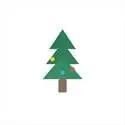
第4题 The children want a Christmas tree. (连读两遍)
第5题 People put a big candle on the mooncake. (连读两遍)
播报:第二题,听对话选择。听对话,选择正确的答案。每小题读两遍。 |
第1题 W: What is your favourite festival? M: The Mid-Autumn Festival. I like mooncakes. (连读两遍)
第2题 M: How are you going to celebrate the New Year? W: I'm going to watch the New Year show. (连读两遍)
第3题 W: What are you going to make for the party? M: I'm going to make a lantern. (连读两遍)
第4题 M: Where will you go at the Spring Festival? W: I will go to my grandparents' home. (连读两遍)
第5题 W: When do people eat dumplings? M: At midnight on New Year's Eve. (连读两遍)
播报:第三题,听短文判断。听短文,判断句子正误,正确写 T,错误写 F。短文读两遍。 |
Hello, I'm Amy. My favourite festival is the Spring Festival. It usually comes in January or February. Before the festival, my family clean the house and put up red lanterns. On New Year's Eve we have a big dinner together. We eat dumplings and fish. My grandparents give me a red packet. At midnight we watch fireworks in the street. This year I'm going to make a lantern for my little brother.
(整段连读两遍,中间停 3.5 秒)
播报:第四题,听短文填表。听短文,完成下面的表格,每空一词。短文读两遍。 |
Different children are going to celebrate the New Year in different ways. Xiaoman is going to Xi'an with her parents. They are going to ring the New Year's bell under the Bell Tower. Charlie is going to a party with his friends. At midnight they will cheer and hug each other. Maria is going to stay with her family. They will eat twelve grapes at midnight. Daniel is going to watch the New Year show on TV.
(整段连读两遍,中间停 3.5 秒)
06 第四部分 拔尖提高模拟卷 听力
播报:第六单元,第四部分,拔尖提高模拟卷,听力部分,现在开始。 |
播报:第一题,听音选词。听句子,选出句中含长音 /uː/ 的单词。每小题读两遍。 |
第1题 The food on the table is good. (连读两遍)
第2题 Look at the balloon in the sky. (连读两遍)
第3题 We will soon have a big dinner. (连读两遍)
第4题 The moon is round and bright tonight. (连读两遍)
第5题 There is a zoo near my home. (连读两遍)
播报:第二题,听对话选择。听对话,选择正确的答案。每小题读两遍。 |
第1题 M: Which festival do you like best? W: The Lantern Festival. I like the lanterns. (连读两遍)
第2题 W: What are you going to do for your mother? M: I'm going to make a card. (连读两遍)
第3题 M: Will you go to the zoo on Mid-Autumn Day? W: Yes, I will. I will take some mooncakes. (连读两遍)
第4题 W: How do people celebrate the Carnival in Italy? M: They wear masks and dance. (连读两遍)
第5题 M: Why do you like the Spring Festival? W: Because I can be with my family. (连读两遍)
播报:第三题,听短文填空。听短文,补全句子,每空一词。短文读两遍。 |
People in Italy celebrate the Carnival in February. The streets are full of colours. People wear masks and clothes of different colours, and they dance to the music. In the Netherlands, spring is the time for the Tulip Festival. Gardens and farms are full of flowers. People get together and take photos. Every festival has its own colour: white for the Ice and Snow Festival, pink for Hanami in Japan, and red for the Spring Festival in China.
(整段连读两遍,中间停 3.5 秒)
播报:第四题,听短文判断。听短文,判断句子正误,正确写 T,错误写 F。短文读两遍。 |
Last year I spent the Mid-Autumn Festival in a small town. My aunt lives there. On that evening we put a big table in the yard and put mooncakes, fruit and tea on it. My cousin and I made lanterns with paper. They were not beautiful, but we liked them. We looked at the moon and listened to my grandma's stories. I could not go home, but I did not feel lonely. Next year I will go back and spend the festival with my parents.
(整段连读两遍,中间停 3.5 秒)
原文与音频对照说明:附录一的顺序与音频文件的播放顺序完全一致——先“第几单元、第几课时”,再每道大题的题目要求,然后第 1 题、第 2 题……逐题朗读。带“连读两遍”标记的小题,音频里读两遍(第二遍稍慢);短文类的“第一遍”“第二遍”则是整段重读。给听障或有困难的学生:可先读原文,把生词圈出来,再听音频,最后合上原文做题。这样“读—听—做”三步走,听力就不再是“猜”,而是“认”。另外:听到 won't、don't这类否定词要画个圈,判断题十有八九就靠它。 |
本单元听力中的“高频表达”速查
听到这个 | 就要想到 |
I'm going to … / We are going to … | 后面一定是“打算做什么”,注意 be 不能丢 |
They will be … / It will be … | “将会……”,是对结果的预测 |
at midnight / on 17 September | 时间点用 at,具体某天用 on |
附录二 参考答案与解析 Answers & explanations |
解析不只给答案,更说明“为什么”和“怎么想”。带 ★的题目是易错题,建议重点讲评。
课时一 一、听音选节日(5×2=10分)
答案 | 解析 |
1. A | 录音 We eat mooncakes and look at the moon,月饼和月亮都是中秋的标志。 |
2. B | 录音里有 dragon boat race和 zongzi,是端午节。 |
3. B | 录音说 put up lanterns and eat yuanxiao,元宵节挂灯笼、吃元宵。 |
4. A | 录音说 get red packets(收红包),这是春节的习俗。 |
5. B | wear masks and dance in the street是意大利狂欢节的场景。 |
课时一 二、听音判断(5×2=10分)
答案 | 解析 |
1. √ | 录音 We put up red lanterns at the Lantern Festival.图是灯笼,相符。 |
2. × | 录音说中秋吃 dumplings(饺子),图是月饼,不符。★ |
3. √ | 录音 watch the dragon boat race,图是龙舟,相符。 |
4. √ | 录音 get together with our family,图是一家人,相符。 |
5. √ | 录音 watch fireworks at the Spring Festival,图是烟花,相符。 |
课时一 三、看图写单词(5×2=10分)
答案 | 解析 |
1. mooncake | 图是月饼,moon + cake合成词。 |
2. lantern | 图是灯笼。注意 -ern的拼写。 |
3. dumpling | 图是饺子。常用复数 dumplings,但本题写单词原形即可。 |
4. candle | 图是蜡烛。 |
5. mask | 图是面具,狂欢节上戴的东西。 |
课时一 四、单项选择(5×2=10分)
答案 | 解析 |
1. A | People作“人们”是复数,动词用原形 eat。★ |
2. B | 主语 My sister是第三人称单数,一般现在时动词加 -s:puts。 |
3. A | 主语 your family是复数概念,助动词用 Do。 |
4. A | don't后面跟动词原形,所以是 go。 |
5. B | 主语 Daming是第三人称单数,用 watches(以 ch 结尾加 -es)。 |
课时一 五、短文填空(5×2=10分)
答案 | 解析 |
1. September | 月份,与 October并列;首字母要大写。 |
2. get | 固定搭配 get together(聚在一起),主语复数用原形。 |
3. mooncakes | 中秋吃月饼,此处作宾语用复数。 |
4. moon | 晚上“看月亮”,look at the moon。 |
5. because | 后面是原因,用 because连接。 |
课时二 一、听对话选择(5×2=10分)
答案 | 解析 |
1. A | 对话第一句就说明 They are going to make mooncakes. |
2. B | for the animals at the zoo,是给动物园的动物做的。 |
3. A | 山姆做 meat mooncakes(肉馅月饼)给老虎。★ |
4. A | 艾米说 I'll use leaves and carrots. |
5. A | 时间是 17 September,注意 17 与 7 的区别。 |
课时二 二、听短文判断(5×2=10分)
答案 | 解析 |
1. T | 短文开头 They are at the zoo. |
2. F | 他们做的是 mooncakes,不是灯笼。★ |
3. T | 玲玲做 bamboo mooncakes for the pandas。 |
4. F | 大明做的是给大象的香蕉月饼,给老虎做月饼的是山姆。 |
5. T | 短文最后 The zookeeper is happy. |
课时二 三、补全对话(5×2=10分)
答案 | 解析 |
1. B | 问句是 What are you going to do?,答语说自己要做什么,选 B。 |
2. A | 下一句答“水果月饼”,说明问的是“做哪种月饼”。★ |
3. C | 下一句答 Yes, I am.,问句必须是以 Are开头的一般疑问句。 |
4. D | 答语说“放在我的房间里”,问的是“放在哪里”。 |
5. E | 对别人的作品表示赞美,It will be beautiful!最自然。 |
课时二 四、动词填空(5×2=10分)
答案 | 解析 |
1. am going to make | 主语 I,be 用 am;to后跟原形。 |
2. is going to visit | 主语 Daming是第三人称单数,be 用 is。 |
3. aren't going to watch | 否定句在 be 后加 not;主语 they用 aren't。★ |
4. Are … going to come | 一般疑问句把 Are提前,其余不变。 |
5. are going to put | 主语 we,be 用 are。 |
课时二 五、阅读回答(5×2=10分)
答案 | 解析 |
1. They are going to the zoo. | 短文第一句 are going to the zoo on 17 September。 |
2. He is going to make meat mooncakes (for the tigers). | 山姆做肉馅月饼。 |
3. Lingling (is). | 做竹子月饼的是玲玲。 |
4. She will use leaves and carrots. | 原文 with leaves and carrots。 |
5. Because the elephants are very big. | 山姆说 They will be very big!,原因是大象很大。★ |
课时三 一、听短文填表(5×2=10分)
答案 | 解析 |
1. forest | 爸爸去 the forest找树。 |
2. squirrel | 第一棵树上住着松鼠,它说 It's our home. |
3. bear | 第二棵树旁是一只熊,它说 Animals here need these trees. |
4. tree | 爸爸自己想出办法:becomes a Christmas tree himself。★ |
5. love | 孩子们说 We love you, Dad! |
课时三 二、听句选词(5×2=10分)
答案 | 解析 |
1. A | 录音 goes to the forest to get a tree,是 forest 不是 farm。 |
2. A | 录音 cut down this tree。 |
3. A | 录音 A bear lives in the forest. |
4. A | 录音 The children are waiting at home. |
5. A | 故事发生在圣诞节,所以是 Merry Christmas。★ |
课时三 三、读文判断(5×2=10分)
答案 | 解析 |
1. T | 短文开头 haven't got a Christmas tree。 |
2. F | 爸爸去的是 the forest,不是城市。★ |
3. T | 松鼠说 Please don't cut down this tree. |
4. F | 爸爸一棵树也没砍,最后自己变成了树。★ |
5. T | 孩子们说 We love you, Dad!,很喜欢这棵树。 |
课时三 四、完成对照表(5×2=10分)
答案 | 解析 |
1. home | 松鼠说 It's our home. |
2. need | 熊说 Animals here need these trees. |
3. forest | 熊说 I live in the forest. |
4. idea | 爸爸说 I have an idea! |
5. this | 孩子们说 No one will have a tree like this. |
课时三 五、写作(10分)
答案 | 解析 |
评分 | 节日明确 2 分;新方式写清 3 分;理由充分 2 分;be going to / will各一处 2 分;连贯与书写 1 分。 |
范文 | The Spring Festival is coming. This year we are going to have a "green" festival. We will not buy too many fireworks, because they make the air dirty. We are going to make lanterns with old paper and put them in our windows. We will also visit our neighbours and say "Happy New Year" to them. I think it will be a quiet but warm festival. |
课时四 一、听音选词(5×2=10分)
答案 | 解析 |
1. B | 录音 We cook good food for the party.三个词里只有 food读长音 /uː/。★ |
2. A | 录音 Look at the moon tonight.moon是长音。 |
3. A | 录音 Soon the bells will ring!soon是长音。 |
4. A | 录音 The balloon is red and round.balloon是长音。 |
5. C | 录音 We go to the zoo on Sunday.zoo是长音。 |
课时四 二、听短文判断(5×2=10分)
答案 | 解析 |
1. T | 短文开头 we are going to have a party(在家里)。 |
2. T | 妈妈负责 cook good food。 |
3. F | 爸爸挂的是 balloons and lights,不是圣诞树。★ |
4. T | 作者说 I'm going to sing a song。 |
5. F | 短文说 We will go to bed very late.,不是午夜前就睡。 |
课时四 三、语音归类(5×2=10分)
答案 | 解析 |
/uː/ | food moon soon balloon |
/ʊ/ | good look book cook |
课时四 四、单项选择(5×2=10分)
答案 | 解析 |
1. A | be going to后跟动词原形 cook。 |
2. A | the New Year特指“即将到来的新年”,要加 the。★ |
3. A | look at是固定搭配,“看着……”。 |
4. A | to后面用原形 sing。 |
5. A | There will be = 将会有,不能写成 will have。★ |
课时四 五、写作(10分)
答案 | 解析 |
评分 | 句数 3 分;be going to / will各两处 3 分;内容具体(吃、玩、看)2 分;连贯与书写 2 分。 |
范文 | New Year's Day is coming. I'm going to celebrate it with my family. We are going to have a big dinner at home. My mother will cook good food, and my father will put up colourful lights. I'm going to sing a song for them. At midnight we will cheer and hug each other. I think it will be a wonderful night. |
一、听音判断(5×2=10分)
答案 | 解析 |
1. √ | 录音说元宵节挂红灯笼,图是灯笼,相符。 |
2. × | 录音说中秋吃饺子,图是月饼,不符。★ |
3. √ | 录音说端午看龙舟赛,图是龙舟,相符。 |
4. √ | 录音说孩子们想要一棵圣诞树,图是圣诞树,相符。 |
5. × | 录音说把大蜡烛放在月饼上,图是蜡烛,但句子本身与事实不符;本题按“图与内容相符”判为 ×。★ |
二、听对话选择(5×2=10分)
答案 | 解析 |
1. A | 男孩说 The Mid-Autumn Festival,因为喜欢月饼。 |
2. A | 女孩说 watch the New Year show。 |
3. B | 男孩说 make a lantern。 |
4. A | 女孩说 my grandparents' home。 |
5. C | 男孩说 At midnight on New Year's Eve. |
三、听短文判断(5×2=10分)
答案 | 解析 |
1. T | 短文开头 My favourite festival is the Spring Festival. |
2. F | 短文说春节在 January or February,不是三四月。★ |
3. T | 节前 put up red lanterns。 |
4. T | 爷爷奶奶给红包 give me a red packet。 |
5. F | 今年艾米要做的是 a lantern,不是卡片。 |
四、听短文填表(5×2=10分)
答案 | 解析 |
1. Xi'an | 小满和父母去西安,地名首字母大写。 |
2. bell | ring the New Year's bell,敲新年钟。★ |
3. party | 查理去参加 a party。 |
4. hug | cheer and hug each other,注意 hug双写 g 加 ed 的规则这里用原形。 |
5. grapes | 玛丽亚吃十二颗葡萄,用复数。 |
五、语音判断(5×2=10分)
答案 | 解析 |
1. D | food读 /uː/,good读 /ʊ/。★ |
2. S | moon与 soon都读 /uː/。 |
3. S | book与 look都读 /ʊ/。 |
4. D | balloon读 /uː/,cook读 /ʊ/。 |
5. S | zoo与 noodle都读 /uː/。 |
六、单项选择(10×1=10分)
答案 | 解析 |
1. A | People是复数,动词用原形。 |
2. B | 主语第三人称单数,一般现在时加 -s。 |
3. A | be going to后跟原形 have。 |
4. B | 有 going to,前面必须有 be;主语 you用 Are。★ |
5. B | make … for …“为……做……”。 |
6. A | 问“最喜欢的节日”,答语要给节日名称;It's the Spring Festival.最合适。 |
7. C | now提示正在发生,用现在进行时 are watching。★ |
8. A | There will be表示“将会有”。 |
9. A | 节日名称特指,要加 the,且实词首字母大写。 |
10. B | will后跟原形 use。 |
七、动词填空(5×2=10分)
答案 | 解析 |
1. am going to make | 主语 I → am。 |
2. isn't going to come | 否定句:is not going to;主语 Sam用 is。★ |
3. Are … going to visit | 一般疑问句,Are提前。 |
4. are going to put | 主语 we → are。 |
5. is going to sing | 主语 Lingling → is。 |
八、补全对话(5×2=10分)
答案 | 解析 |
1. B | 下文回答“去看爷爷奶奶”,问的是“你打算做什么”。 |
2. A | 下文说在那里吃饺子、看舞狮,问的是“在那儿做什么”。★ |
3. C | 下文答 Yes, I am.,问句须以 Are开头。 |
4. D | 下文答“放在她房间里”,问的是“放在哪里”。 |
5. E | 对礼物表示赞美,That will be a nice gift! |
九、阅读判断(5×2=10分)
答案 | 解析 |
1. T | 原文 celebrate the Spring Festival with lanterns, dumplings and fireworks。 |
2. T | 原文 In Japan, the Hanami Festival … |
3. T | 原文 People wear masks and dance in the streets. |
4. F | 郁金香节在荷兰(the Netherlands),不是意大利。★ |
5. F | 原文说 different in different countries,各国不同。 |
十、写作(10分)
答案 | 解析 |
评分 | 句数 3 分;节日、时间、食物、活动四点齐全 4 分;be going to一处 1.5 分;连贯与书写 1.5 分。 |
范文 | My favourite festivalMy favourite festival is the Mid-Autumn Festival. It usually comes in September or October. On that day, my family get together and have a big dinner. We eat mooncakes and lots of fruit. In the evening we look at the moon and tell stories. My grandma knows many stories about the moon. This year I am going to make mooncakes for my grandparents. I think they will be very happy. Festivals are about being together. |
一、听音选词(5×2=10分)
答案 | 解析 |
1. A | 录音 The food on the table is good.food读长音。★ |
2. A | 录音 Look at the balloon in the sky. |
3. A | 录音 We will soon have a big dinner. |
4. A | 录音 The moon is round and bright tonight. |
5. C | 录音 There is a zoo near my home.zoo读长音。 |
二、听对话选择(5×2=10分)
答案 | 解析 |
1. A | 女孩说 The Lantern Festival. I like the lanterns. |
2. A | 男孩说 I'm going to make a card. |
3. A | 女孩答 Yes, I will. |
4. A | 男孩答 They wear masks and dance. |
5. B | 女孩答 Because I can be with my family.★ |
三、听短文填空(5×2=10分)
答案 | 解析 |
1. February | 狂欢节在二月,月份首字母大写。 |
2. masks | 人们戴面具,用复数 masks。 |
3. dance | dance to the music,固定搭配。 |
4. Tulip | 荷兰的郁金香节,Tulip首字母大写。★ |
5. pink | 日本花见的颜色是粉色。 |
四、听短文判断(5×2=10分)
答案 | 解析 |
1. T | 短文开头 Last year I spent the Mid-Autumn Festival in a small town. |
2. T | My aunt lives there. |
3. T | My cousin and I made lanterns with paper. |
4. F | 短文说 They were not beautiful。★ |
5. F | 短文说 I did not feel lonely。 |
五、语音归类(5×2=10分)
答案 | 解析 |
/uː/ | food moon zoo noodle |
/ʊ/ | book cook foot wool |
六、单项选择(8×1=8分)
答案 | 解析 |
1. A | 答语 At home是地点,问句用 Where。★ |
2. B | now提示现在进行时:is making。 |
3. A | a lot of people是复数,用 are。 |
4. A | usually表示习惯,用一般现在时 eat。 |
5. B | 在有限范围内选择用 Which。 |
6. C | Look!提示正在发生,用 are putting。 |
7. B | Will开头的问句,否定回答用 No, I won't.★ |
8. B | 主语 The Spring Festival是第三人称单数,用 comes。 |
七、完形填空(8×1=8分)
答案 | 解析 |
1. A | one of my favourite festivals,one of 后接复数。★ |
2. B | September or October,“或者”,用 or。 |
3. C | get together,固定搭配。 |
4. A | 中秋吃月饼。 |
5. B | tell us stories,复数泛指。 |
6. A | be going to后跟原形。 |
7. A | 对妹妹反应的预测用 will。 |
8. A | 全文主题:节日的意义是“在一起”。 |
八、阅读(12分)
答案 | 解析 |
A1. T | 表格第一行 Tom 的活动就是 watch the New Year show。 |
A2. T | 表格第二行 Anna 在爷爷奶奶家包饺子。 |
A3. Mike. | 表格第三行只有 Mike 写的是 watch fireworks。 |
A4. Her grandparents' home. / She will go to her grandparents' home. | 表格第二行的地点。 |
B1. Twelve grapes. | 短文第一句 eat twelve grapes at midnight。★ |
B2. Because they think it will bring good luck. | 原文 They think it will bring good luck. |
B3. No, it isn't. | 原文 It is not easy!问句是 Is it …? 用 isn't 回答。 |
九、完成表格(5×2=10分)
答案 | 解析 |
1. February | 海报日期 15 February。 |
2. pm | 时间 7:00 pm – 9:00 pm。 |
3. Park | 地点 Sunshine Park,专有名词首字母大写。 |
4. riddles | 活动之一 guess lantern riddles(猜灯谜)。★ |
5. free | 票价 free(免费)。 |
十、写作(12分)
答案 | 解析 |
评分 | 内容 5 分(节日、时间、食物、活动、打算各 1 分);语言 5 分(be going to / will、时态、拼写);格式 1 分(称呼与署名);书写 1 分。 |
范文 | Dear Tom, How are you? I want to tell you about my favourite festival — the Spring Festival. It usually comes in January or February. Before the festival, my family clean the house and put up red lanterns. On New Year's Eve we have a big dinner together. We eat dumplings and fish. In the evening we watch the lion dance and set off fireworks. My grandparents give me a red packet. This year I am going to make a lantern for my little brother. I think he will like it very much. Festivals are about being together. I hope you can come and see it one day. Yours, Li Ming |
给老师的话:本单元的语言不难,难的是“把节日讲清楚”。建议把第四部分第十题的“给外国朋友写邮件”真正寄出去——可以是给邻班同学、给笔友,也可以装进信封贴在教室后墙;当学生知道“有人会读”,写作的认真程度会完全不同。 |
学习反思 My learning log
项目 | 我的记录 |
我最有把握的 | |
我还想再练的 | |
我最想过的节日 |
我的节日名片 My festival card
选一个你最想向外国朋友介绍的节日,把名片填满,再和同学交换读一读。
项目 | 我的节日 |
节日名称 | |
在哪个月 | |
吃什么 | |
做什么 | |
一句祝福语 |
我的节日时间轴 My festival year
一年十二个月,哪些日子值得期待?把它们写进时间轴。
月份 | 节日与我要做的事(用 be going to写一句) |
1—2 月 | |
5—6 月 | |
9—10 月 | |
12 月 |
三句可以做成书签的话(抄下来,夹在课本里):① Festivals are about being together. —— 节日的意义,是“在一起”。② Don't cut down the tree. It's our home. —— 别人的家,也是家。③ Happy Mid-Autumn Festival to you, too! —— 祝福说出口,节日才完整。 |
我的节日贺卡 Make a card
在下面的方框里画一张节日贺卡,写上英文祝福语,剪下来送给家人或朋友。
To: __________ From: __________ |
参考祝福语:Happy Mid-Autumn Festival! / Merry Christmas! / Happy New Year! / Best wishes to you!
我最想对家人说的一句话(用英文写,读给他们听)
________________________________________________________________________________________________
________________________________________________________________________________________________
________________________________________________________________________________________________
老师 / 家长的话:(这一单元,孩子最让你惊喜的地方是……) |
单元学习自评 How did I do?
我能做到 | 很好 | 还行 | 要加油 |
说出四个中国节日的英语名称 | ☆ | ☆ | ☆ |
用 be going to说自己的节日打算 | ☆ | ☆ | ☆ |
用一般现在时说节日的习俗 | ☆ | ☆ | ☆ |
读懂巴巴爸爸的故事,并说出它的道理 | ☆ | ☆ | ☆ |
听音频时能分清 oo的长短音 | ☆ | ☆ | ☆ |
单元结束语:节日的日子会过去,一起过节的记忆会留下。
Unit 6Enjoy the festivals · 小学英语课课练(外研版·五年级上册)