ARTICLE · 1353346
【单元课课练】小学英语(外研新版)五年级上册(2026秋)第1单元 知识点梳理+课课练+基础提高卷+听力音频+答案解析+免费下载word、pdf版


小学英语课课练
PRIMARY ENGLISH WORKBOOK
外研版(新标准)· 五年级上册Unit 1What's on your plate?单元知识梳理 · 课课练 · 基础卷 · 提高卷 · 听力原文与答案 |
班级 ________________ | 姓名 ________________ | 得分 __________ |
依据《义务教育英语课程标准(2022年版)》编写 · 主题:人与自我(健康饮食)
目 录 Contents
第一部分 单元知识梳理 目标 · 词汇 · 短语 · 句型 · 语法 · 易错点 | 3 |
第二部分 课课练 四课时 · 每课时听力 40% + 笔试 60% | 7 |
(一)Get ready 词汇起步:认识食物,学会分类 | 8 |
(二)Start up 语篇理解:在餐厅点餐,学会给建议 | 10 |
(三)Speed up 阅读书信:读懂“胃”的抱怨 | 12 |
(四)Fuel up 语音与数据:ow / oa 与食物调查图 | 14 |
词汇过关 Vocabulary check | 16 |
第三部分 单元基础训练(基础达标卷) 100 分 | 17 |
第四部分 单元拔尖提高(综合模拟卷) 100 分 | 21 |
附录一 听力原文 Listening scripts | 25 |
附录二 参考答案与解析 Answers & explanations | 28 |
全书共 32 页。第三、四部分为完整试卷,均从新的一页开始,便于单独打印或随堂发放。
使用说明 How to use this book |
板块 | 内容与使用建议 |
第一部分 单元知识梳理 | 单元目标、重点词汇、短语、句型、核心语法与易错点。建议在学完本单元后,用一课时带着学生"过一遍",形成知识网络;也可作为复习课的学习单。 |
第二部分 课课练(四课时) | 对应教材 Get ready / Start up / Speed up / Fuel up四个板块。每个板块前有"核心速记卡",把本课时最关键的语法、词汇、句型压缩成一页纸;题目少而精,听力 40%、笔试 60%。可随堂使用,也可作为课后作业。 |
第三部分 单元基础训练 | 基础达标卷,100 分,听力 40 分 + 笔试 60 分。以"复习巩固"为目标,不设偏难怪题,适合单元学完后第一次检测。 |
第四部分 单元拔尖提高卷 | 综合模拟卷,100 分,听力 40 分 + 笔试 60 分。题型贴近校内单元测验与学业质量监测,含图表阅读、任务型写作,适合拔高与冲刺。 |
附录 | 全部听力原文、参考答案与解析。解析不只给答案,更说明"为什么"和"怎么想",便于学生自评、家长辅导。 |
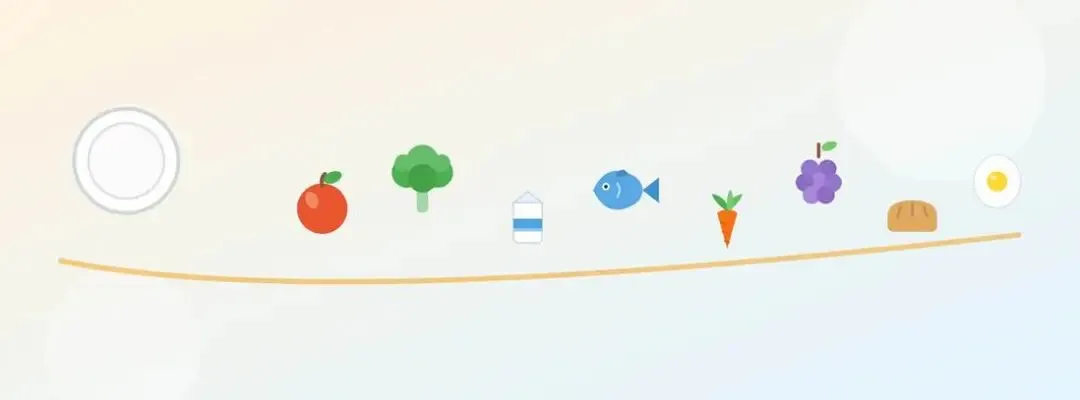
关于听力:全书听力共 6 个音频文件(第 1—4 课时各一个、第三部分整卷一个、第四部分整卷一个),文件名与课时一一对应。播放时每道大题先报中文题号与要求,每小题再报“第X题”,该小题连续朗读两遍(第二遍稍慢),两遍之间停 1.2 秒,题与题之间停 3.5 秒供作答;短文类大题整段报“第一遍”“第二遍”。原文与播放顺序完全一致,见附录一。关于图标:题目中的食物小图与教材图片一一对应,帮助学生建立"词—图—义"的直接联系,减少中文翻译的中介。 |
评分建议:每课时 50 分(听力 20 分 + 笔试 30 分);两张试卷各 100 分(听力 40 分 + 笔试 60 分)。听力部分占 40%,与当前各地单元测验的题型结构保持一致。
第一部分 单元知识梳理 Unit 1 What's on your plate? |
本单元围绕"食物与健康饮食"这一主题展开。教材通过"自助餐厅点餐"的对话、"胃的来信"的书信、"Go, slow, whoa!"的歌谣以及食物金字塔、食物调查图表等多个语篇,引导学生认识食物的种类,学会用should / shouldn't / Don't给出饮食建议,并反思自己的三餐习惯。学完本单元,学生不仅要"会说食物名称",更要能"用英语管理自己的餐盘"。
一、单元概览 Unit overview
单元主题 | 人与自我 —— 健康饮食(Food and health) |
主题意义 | 认识食物分类,懂得"吃得对"比"吃得多"更重要;用英语给他人和自己提出饮食建议,养成良好饮食习惯。 |
语篇类型 | 日常对话(自助餐厅)、书信(A letter from your stomach)、歌谣(Go, slow, whoa!)、非连续性文本(食物金字塔、零食调查柱状图)、科普说明(Good food, good body) |
核心问题 | 1. What food do we often eat?2. Is it healthy?3. What should we eat and how should we eat? |
板块结构 | Get ready(词汇准备:食物名称,健康与不健康)→ Start up(语篇:点餐对话,should / Don't)→ Speed up(语篇:胃的来信,频率副词与三餐问题)→ Fuel up(语音 ow / oa,数据图表)→ Hit it big(任务:设计健康餐)→ Wrap up / Check it(自评) |
二、单元目标 Unit objectives
维度 | 具体目标 |
语言能力 | ① 能听懂、会说、认读并拼写本单元核心食物词汇(约 30 个)及 a glass of / a bowl of / a bar of / a bag of等量词短语;② 能听懂关于点餐、饮食建议的简短对话和短文,抓住关键信息(食物、数量、时间、建议);③ 能用 What do you want to eat? I want…谈论想吃的食物;能用 You should… / You shouldn't… / Don't…给出建议;④ 能读懂 A letter from your stomach,提取三餐的问题与改进办法,并完成表格;⑤ 能围绕"我的一日三餐"写出 5—8 句连贯的话,并给出 1—2 条建议。 |
文化意识 | 了解中西方早餐的差异(粥、包子、豆浆 / 面包、牛奶、麦片);理解"光盘行动"与"公筷公勺";知道食物金字塔是世界通用的健康饮食工具。 |
思维品质 | 能按来源和营养对食物进行分类;能根据证据(如"上午饿""下午困")推断饮食问题;能比较两种餐盘并说明哪一种更健康,做到"有理有据"。 |
学习能力 | 能借助图片、图表、上下文猜测生词;能在小组中完成"设计一份健康午餐"的任务并用英语展示;能使用自评表(Check it)反思学习。 |
三、重点单词 Key words
音标以英式发音为主;标注 ★ 的为"三会"(听、说、读)词,标注 ★★ 的为"四会"(听、说、读、写)词。
类别 | 单词 | 词义 |
水果类 | apple /ˈæpl/ ★★ banana /bəˈnɑːnə/ ★★ orange /ˈɒrɪndʒ/ ★★ grape /ɡreɪp/ ★ fruit /fruːt/ ★★ | 苹果;香蕉;橙子;葡萄;水果 |
蔬菜类 | vegetable /ˈvedʒtəbl/ ★★ carrot /ˈkærət/ ★★ tomato /təˈmɑːtəʊ/ ★★ potato /pəˈteɪtəʊ/ ★★ cabbage /ˈkæbɪdʒ/ ★ broccoli /ˈbrɒkəli/ ★ | 蔬菜;胡萝卜;西红柿;土豆;卷心菜;西兰花 |
肉蛋鱼类 | meat /miːt/ ★★ beef /biːf/ ★★ chicken /ˈtʃɪkɪn/ ★★ fish /fɪʃ/ ★★ egg /eɡ/ ★★ | 肉;牛肉;鸡肉;鱼;蛋 |
主食类 | rice /raɪs/ ★★ noodles /ˈnuːdlz/ ★★ bread /bred/ ★★ soup /suːp/ ★ grain /ɡreɪn/ ★ | 米饭;面条;面包;汤;谷物 |
奶类 | milk /mɪlk/ ★★ cheese /tʃiːz/ ★ yogurt /ˈjɒɡət/ ★ | 牛奶;奶酪;酸奶 |
零食饮料 | candy /ˈkændi/ ★★(复 candies) chocolate /ˈtʃɒklət/ ★★ cake /keɪk/ ★★ ice cream ★★ cola /ˈkəʊlə/ ★★ chips /tʃɪps/ ★★ biscuit /ˈbɪskɪt/ ★ jelly /ˈdʒeli/ ★ | 糖果;巧克力;蛋糕;冰淇淋;可乐;薯条;饼干;果冻 |
调味与其他 | sugar /ˈʃʊɡə/ ★ salt /sɔːlt/ ★ fat /fæt/ ★ oil /ɔɪl/ ★ plate /pleɪt/ ★★ | 糖;盐;脂肪;油;盘子 |
三餐与身体 | breakfast ★★ lunch ★★ dinner ★★ stomach /ˈstʌmək/ ★ habit /ˈhæbɪt/ ★ | 早餐;午餐;晚餐;胃;习惯 |
形容词、副词 | healthy ★★ unhealthy ★ hungry ★★ full ★ sleepy ★ tired ★ slowly ★★ quickly ★★ enough ★★ | 健康的;不健康的;饥饿的;饱的;困倦的;疲倦的;缓慢地;快速地;足够的 |
频度副词 | always ★★ usually ★★ often ★★ sometimes ★★ never ★ | 总是;通常;经常;有时;从不 |
词汇记忆小窍门
1. 按"颜色"记:red — tomato, apple, beef;orange — carrot, orange;green — broccoli, cabbage;yellow — banana, cheese, corn;white — milk, rice, egg2. 按"词族"记:health → healthy → unhealthy;slow → slowly;quick → quickly3. 按"搭配"记:不说 a bread,要说 a piece of bread;不说 two breads,要说 two pieces of bread。 |
四、重点短语 Key phrases
短语 | 词义 | 例句 |
have … for breakfast / lunch / dinner | 早/午/晚饭吃…… | I have bread and milk for breakfast. |
too much + 不可数名词 | 太多…… | Don't eat too much meat. |
too many + 可数名词复数 | 太多…… | There are too many candies on the plate. |
a lot of / lots of | 许多 | I've got a lot of potatoes. |
a glass of milk | 一杯牛奶 | Drink a glass of milk every day. |
a bowl of noodles | 一碗面条 | I want a bowl of noodles. |
a bar of chocolate | 一块巧克力 | A bar of chocolate has lots of sugar. |
a bag of chips | 一袋薯条 | He eats a bag of chips a day. |
a piece of cake / bread | 一块蛋糕/面包 | Have a piece of bread, please. |
a teaspoon of sugar | 一茶匙糖 | Six teaspoons of sugar! |
be good for … | 对……有益 | Carrots are good for your eyes. |
be bad for … | 对……有害 | Too much cola is bad for your teeth. |
eating habits | 饮食习惯 | Please change your bad eating habits. |
stay healthy | 保持健康 | Help me stay healthy. |
take too much | 拿太多 | Don't take too much! |
eat all the food on your plate | 吃光盘子里的食物 | We should eat all the food on our plates. |
what's on your plate | 你盘子里有什么 | What's on your plate today? |
五、重点句型 Key sentences
句型 | 用法与应答 |
What do you want to eat?— I want noodles in soup, cabbage, carrots and beef. | 询问"想吃什么"。want to do sth.想要做某事;want sth.想要某物。回答可直接列举食物,注意可数名词用复数。 |
What vegetables have you got now?— Potatoes, a lot of potatoes. | 询问"你现在有什么"。have got = have,口语中更常用;回答可用 a lot of表示数量多。 |
You should have some vegetables.You should eat slowly. | 给出建议。should后接动词原形,没有人称变化;比 must语气委婉,适合给同学、家人提建议。 |
Don't take too much! Don't eat too much meat! | 否定祈使句,表示"不要……"。语气较强,用于提醒、劝阻;句首可加 Please使语气缓和。 |
We should eat all the food on our plates. | "光盘"表达,可用于"光盘行动"主题写作。on one's plate在某人的盘子里。 |
Every morning, you need a good breakfast. | 描述习惯。频度副词/时间状语置于句首,起强调作用。 |
Carrots are good for your eyes.Milk is good for your bones. | 说明"某食物对某身体部位有益"。注意主语单复数与 is / are的一致。 |
Is it healthy? — Yes, it is. / No, it isn't. | 询问并判断食物是否健康,是图表题、调查题的高频问句。 |
六、核心语法 Key grammar
语法一 should / shouldn't:给别人提建议
结构 | 例句 |
You should + 动词原形. | You should have some vegetables. You should eat slowly. |
You shouldn't + 动词原形. | You shouldn't eat too much meat. |
Should + 主语 + 动词原形? | Should I drink more water? — Yes, you should. |
三个关键点:① should是情态动词,后面永远跟动词原形,不加 -s,不加 to:He should eat more fruit.(✗ He should eats / to eat)② should没有人称和数的变化:I / You / He / They should…③ 否定直接在后面加 not,缩写为 shouldn't。should与 Don't的区别:should是"建议"(你最好……),Don't是"劝阻"(别……),语气更直接。 |
语法二 祈使句:用动词"发指令"
类型 | 结构 | 例句 |
肯定祈使句 | 动词原形 + 其他. | Have some fruit. Eat slowly. Take a little. |
否定祈使句 | Don't + 动词原形 + 其他. | Don't take too much! Don't eat too quickly. |
礼貌祈使句 | Please + 动词原形(句首或句末) | Please change your bad eating habits.Sit down, please. |
提示:祈使句没有主语,默认听话人是 you;变否定时在句首加 Don't,不要加 doesn't或 not。
语法三 可数与不可数:食物怎么"数"
类别 | 本单元词汇 | 表达数量的方式 |
可数名词(有复数) | apple, banana, carrot, tomato, potato, egg, candy→candies, biscuit, vegetable, noodle | an apple / two apples / some apples / a lot of apples |
不可数名词(无复数) | meat, beef, chicken, fish(鱼肉), milk, bread, rice, cheese, sugar, salt, oil, chocolate, cola | some milk / a lot of rice / a glass of milk / a piece of bread |
量词公式:数词 + 容器/单位 + of + 不可数名词。复数时把"容器"变复数:a glass of milk → two glasses of milk;a bag of chips → three bags of chips常用量词:a glass of(一杯)a cup of(一杯,带把)a bowl of(一碗)a piece of(一块/一片)a bar of(一条/块)a bag of(一袋)a teaspoon of(一茶匙)a bottle of(一瓶) |
语法四 频度副词:说清"多久一次"
频度从高到低 | 词义 | 位置与例句 |
always > usually > often > sometimes > never | 总是 > 通常 > 经常 > 有时 > 从不 | 放在实义动词前、be 动词/情态动词后:You usually eat too much for lunch.You always eat dinner too quickly.He is often hungry. |
拓展:表示"多久一次"还可以用every day / once a week / twice a week / three times a day,回答 How often…?。
七、重难点与易错点 Key points & common mistakes
# | 易错点 | 正解与原因 |
1 | He should eats more vegetables. | He should eat more vegetables. —— should 后接动词原形。 |
2 | Don't eats too much meat. | Don't eat too much meat. —— 祈使句用原形,不加 -s。 |
3 | I want a bread and two milks. | I want a piece of bread and two glasses of milk. —— bread / milk 不可数,要借量词。 |
4 | There are too much candies. | There are too many candies. —— 可数名词复数用 too many;too much 修饰不可数名词。 |
5 | You always are late. | You are always late. —— 频度副词放在 be 动词之后。 |
6 | Vegetables is good for us. | Vegetables are good for us. —— 主语是复数,be 动词用 are。 |
7 | What do you want eat? | What do you want to eat? —— want to do sth. |
8 | 把 chicken(鸡肉,不可数)当成可数;把 fish(活鱼,可数 / 鱼肉,不可数)混用。 | I like chicken.(鸡肉,不加 s);There are three fish in the river.(三条鱼,可数)。本单元主要指"食物",按不可数处理。 |
八、文化与跨学科链接 Culture & cross-curricular
链接点 | 内容 |
中外早餐对比 | 中式早餐常有粥(porridge)、包子(steamed bun)、豆浆(soy milk)、鸡蛋;西式早餐常见面包、牛奶、麦片(cereal)、煎蛋。两者都强调"主食 + 蛋白质",只是形式不同。 |
光盘行动 | Clean Your Plate在中国是一项倡导节约、反对浪费的公益行动。教材中 "We should eat all the food on our plates."正是这一理念的英语表达。 |
科学:食物与身体 | 胡萝卜富含胡萝卜素,有益视力(good for your eyes);牛奶含钙,有益骨骼(good for your bones);鱼含优质蛋白,有益心脏(good for your heart)。 |
数学:读图表 | 本单元 Fuel up的柱状图要求"读数—比较—判断",是典型的数据素养训练:先看纵轴单位,再看柱高,最后比较多少并得出结论。 |
健康素养 | 食物金字塔(Food Pyramid)把食物分为谷物、蔬果、肉蛋奶、油盐糖四层,越往上应吃得越少。它是世界各国通用的膳食指南模型之一。 |
单元大观念(Big idea):You are what you eat. —— 我们吃下的每一口,都在塑造明天的自己。单元任务预告:学完本单元,请你为学校食堂设计一份"健康午餐",用英语向同学介绍它,并说明"为什么这样搭配"。 |
第二部分 课课练 Four Lessons in Practice |
共四个课时,与教材板块一一对应。每课时 50 分:听力 20 分(40%)+ 笔试 30 分(60%)。建议随堂完成。听力配有音频,每课时一个文件(01—04),每道小题报“第X题”后连续朗读两遍,原文与播放说明见附录一。
课时 | 对应板块 | 核心内容 | 听力/笔试 |
Lesson 1 | Get ready | 食物词汇;健康 / 不健康的食物分类;Is it healthy? | 20 + 30 |
Lesson 2 | Start up | 点餐对话;should / shouldn't;否定祈使句 | 20 + 30 |
Lesson 3 | Speed up | 书信阅读;频度副词;三餐问题与建议;图表填写 | 20 + 30 |
Lesson 4 | Fuel up | ow / oa 读音;歌谣;柱状图读数据 | 20 + 30 |
使用建议:课时一、二适合新授课当堂完成;课时三、四可作为第二课时的巩固或课后作业。每份练习后附"我的收获"自评框,学生可勾选掌握程度,便于教师二次辅导。 |
我的自评(每课时结束后勾选) | ☆ 还不熟 | ☆☆ 基本会 | ☆☆☆ 很熟练 |
我能说出 20 个以上食物单词 | |||
我能用 should / shouldn't提建议 | |||
我能读懂并复述"胃的来信" | |||
我能分辨 ow / oa的读音 | |||
(一)Get ready 词汇起步:认识食物,学会分类 Lesson 1 |
◆ 核心速记卡 本课时必须记住的三件事 | |
食物名称 | apple, banana, grapes, orange|carrot, tomato, potato, cabbage, broccoli|fish, beef, chicken, egg|rice, noodles, bread|milk, cheese, yogurt|candy, chocolate, cake, ice cream, cola, chips, biscuit |
两大阵营 | Eat more(多吃):水果、蔬菜、鱼、肉、蛋、奶、主食Eat less(少吃):糖果、巧克力、蛋糕、冰淇淋、可乐、薯条、饼干 |
核心问句 | Is it healthy? — Yes, it is. / No, it isn't.What's your favourite food? — My favourite food is fish. |
易错提醒 | candy → candies(变 y为 i加 es);tomato → tomatoes;bread / milk / meat不可数,不加 s。 |
Ⅰ 听力部分 Listening(20分)
一、Listen and choose. 听音,选出你听到的单词。(5×2=10分)
1.
A. cake | B. candies | C. cola |
2.
A. beef | B. bread | C. biscuit |
3.
A. chicken | B. chocolate | C. cheese |
4.
A. milk | B. meat | C. juice |
5.
A. cabbage | B. carrots | C. candy |
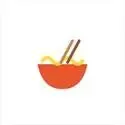
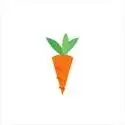
二、Listen and number. 听录音,给下面的食物图片标上 1—5的序号。(5×2=10分)
|
|
|
|
|
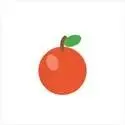
Ⅱ 笔试部分 Written work(30分)
三、Look and write. 看图,写出相应的英语单词。(6×1=6分)
|
|
|
|
|
|
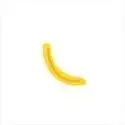

四、Read and put the words in the right basket. 读单词,把它们放进正确的篮子里。(10×1=10分)
apple cake carrot cola fish bread chocolate milk tomato chips |
Eat more 多吃( ) | Eat less 少吃( ) |
五、Choose the best answer. 单项选择。(6×1=6分)
1. I'm hungry. I want to have some ______ for breakfast.
A. bread | B. breads | C. a bread |
2. There are too ______ candies on the plate. Don't eat them all.
A. much | B. many | C. some |
3. — Is cola healthy? — ______. It has too much sugar.
A. Yes, it is | B. No, it isn't | C. Yes, they are |
4. I like ______. They are good for my eyes.
A. carrot | B. carrots | C. a carrot |
5. Milk ______ good for your bones.
A. are | B. is | C. am |
6. We should eat ______ fruit and vegetables every day.
A. a lot | B. many | C. some |
六、Fill in the blanks with the words in the box. 选词填空(每词只用一次)。(4×2=8分)
A. a glass of B. a bowl of C. a bar of D. a bag of |
1. I'd like ______ noodles, please.
2. Don't eat ______ chips every day. It's not healthy.
3. ______ milk a day keeps you strong.
4. ______ chocolate has about six teaspoons of sugar!
(二)Start up 语篇理解:在餐厅点餐,学会给建议 Lesson 2 |
◆ 核心速记卡 本课时必须记住的三件事 | |
点餐句型 | What do you want to eat? — I want noodles in soup, cabbage and beef.What would you like? — I'd like an apple and some milk. |
提建议 | You should have some vegetables.(你该吃点蔬菜。)Don't take too much!(别拿太多!)We should eat all the food on our plates.(我们要光盘。) |
语法核心 | should + 动词原形,没有人称变化;否定 shouldn't + 动词原形。祈使句:动词原形开头,否定用 Don't + 动词原形。 |
易错提醒 | ✗ You should to eat more fruit. ✓ You should eat more fruit.✗ Don't eats too much. ✓ Don't eat too much. |
Ⅰ 听力部分 Listening(20分)
一、Listen and choose. 听对话,选择正确的答案。(5×2=10分)
1. What does Sam want to eat?
A. Noodles and beef. | B. Rice and fish. | C. Cake and cola. |
2. What does Amy want to drink?
A. Cola. | B. Milk. | C. Juice. |
3. What should they do?
A. Take more food. | B. Eat all the food on their plates. | C. Leave the food on the table. |
4. What should Sam have?
A. More meat. | B. Some vegetables. | C. Some cake. |
5. What has the boy got?
A. Tomatoes. | B. Potatoes. | C. Carrots. |
二、Listen and judge. 听对话,判断下列句子正(T)误(F)。(5×2=10分)
1. It's time for dinner. ()
2. Sam wants chicken and beef. ()
3. Sam's mum asks him to eat some vegetables. ()
4. Sam likes soup very much. ()
5. Sam will have a little soup. ()
Ⅱ 笔试部分 Written work(30分)
三、Complete the dialogue. 补全对话,将正确选项的序号填在横线上。(5×2=10分)
A. You should have some vegetables, too.B. I want some beef and rice.C. Don't take too much!D. What do you want to eat?E. OK, Mum. Let me go and get some.F. Thank you. |
Mum: | Sam, it's twelve o'clock. 1. ______ |
Sam: | I'm hungry, Mum. 2. ______ |
Mum: | Look at the plate. 3. ______ We should eat all the food on our plates. |
Sam: | Sorry, Mum. |
Mum: | And 4. ______ |
Sam: | 5. ______ |
四、Look and answer. 看图,回答问题。(5×2=10分)
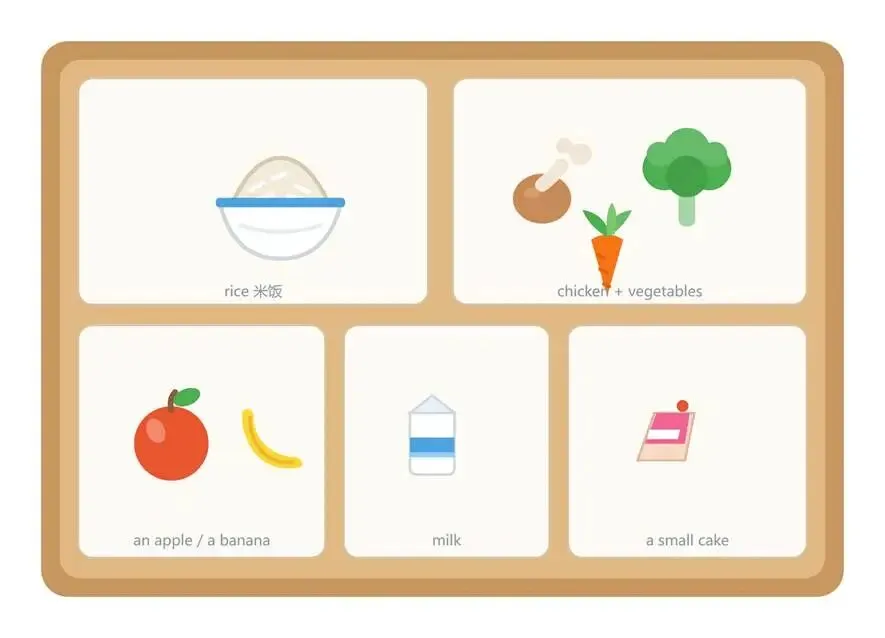
1. What's on the tray? (At least three kinds of food.)
________________________________________________________________________________________________________
2. Is there any milk on the tray?
________________________________________________________________________________________________________
3. Does the tray have any vegetables? What are they?
________________________________________________________________________________________________________
4. Is this a healthy meal? Why?
________________________________________________________________________________________________________
5. What should you do before you leave the table?
________________________________________________________________________________________________________
五、Give advice. 根据情景,用 should 或shouldn't 给出建议。(5×2=10分)
1. Tom eats three ice creams every day.
Tom ____________________________________.
2. Lily never eats vegetables.
Lily ____________________________________.
3. Sam eats dinner very quickly.
Sam ____________________________________.
4. Amy drinks a lot of cola and no water.
Amy ____________________________________.
5. Mike takes too much food but eats only a little.
Mike ____________________________________.
(三)Speed up 阅读书信:读懂"胃"的抱怨,管好一日三餐 Lesson 3 |
◆ 核心速记卡 本课时必须记住的三件事 | |
频度副词 | always(总是)> usually(通常)> often(经常)> sometimes(有时)> never(从不)位置:实义动词前,be 动词 / 情态动词后。You always eat too quickly. |
三餐表达 | have … for breakfast / lunch / dinnerEvery morning, you need a good breakfast. |
描述问题 | feel hungry(饿)|get too full(太饱)|feel sleepy(困)|be tired(累)eat too much / too quickly / too slowly |
提建议 | You should eat slowly.|You should have more vegetables.|Please change your bad eating habits. |
Ⅰ 听力部分 Listening(20分)
一、Listen and choose the word you hear. 听句子,选出句中出现的频度副词。(5×2=10分)
1.
A. always | B. usually | C. often |
2.
A. usually | B. sometimes | C. never |
3.
A. often | B. always | C. never |
4.
A. sometimes | B. usually | C. always |
5.
A. never | B. often | C. sometimes |
二、Listen and complete the table. 听短文,完成下面的表格(每空一词或一个短语)。(5×2=10分)
Meal | What does Ben eat? | Problem |
Breakfast | 1. ______ biscuits and 2. ______ | He feels 3. ______ all morning. |
Lunch | A lot of meat, no 4. ______ | He gets too full and feels sleepy. |
Dinner | Rice and chicken | He eats too 5. ______. |
Ⅱ 笔试部分 Written work(30分)
三、Read and judge. 阅读短文,判断正(T)误(F)。(5×2=10分)
Dear Sally,That's enough! This is another bad day for me!Every morning, you need a good breakfast. Let's have bread, milk, eggs, fruit and vegetables. Just a few biscuits are not enough! I often feel hungry all morning.Then you usually eat too much for lunch. You often have a lot of meat, but no vegetables and no fruit. I get too full and too heavy. This makes you sleepy in the afternoon.And you always eat dinner too quickly so you can go and play. You should eat slowly. I have to work hard for a long time after dinner. I'm so tired.Sally, please change your bad eating habits. Help me stay healthy. Then you are healthy, too.With love,Your stomach |
1. Sally has a good breakfast every morning. ()
2. Sally's stomach often feels hungry all morning. ()
3. Sally eats a lot of meat but no vegetables for lunch. ()
4. Sally eats dinner slowly. ()
5. The letter is from Sally's mother. ()
四、Read and complete. 再读短文,完成表格(每空一词或一个短语)。(5×2=10分)
Meal | What are the problems? | What should Sally do? |
Breakfast | 1. ______________________ | 2. ______________________ |
Lunch | 3. ______________________ | 4. ______________________ |
Dinner | She eats too quickly. | 5. ______________________ |
五、Write back. Sally 想给她的胃回一封信。请用 should 帮她写出 5 条建议,完成回信。(5×2=10分)
Dear stomach,I'm sorry that you feel sad. I should 1. ______________________________________ for breakfast.I should 2. ______________________________________ for lunch.And for dinner, 3. ______________________________________.I shouldn't 4. ______________________________________ any more.I hope 5. ______________________________________.With love,Sally |
(四)Fuel up 语音与数据:ow / oa 的读音,读懂食物调查图 Lesson 4 |
◆ 核心速记卡 本课时必须记住的三件事 | |
字母组合 ow | /əʊ/:slow, grow, snow, yellow, know, window/aʊ/:now, how, cow, brown, flower, down同一个 ow,两种读音,要看单词记,不要一律读 /əʊ/。 |
字母组合 oa | /əʊ/:boat, coat, road, goal, oats, whoa, goatoa只有一种读法,见到就大胆读 /əʊ/。 |
读图表三步 | ① 看纵轴单位(students / 人数);② 看柱子的高度,读出数字;③ 比较高低,得出结论:More students like … than … |
核心句 | Go, slow, whoa!(要多吃 / 要适量 / 要少吃)They help us grow.|They make our body slow.|Say no! |
Ⅰ 听力部分 Listening(20分)
一、Listen and circle. 听音,圈出你听到的单词。(5×2=10分)
1.A. now B. know
2.A. boat B. bought
3.A. cow B. coat
4.A. how B. hole
5.A. brown B. boat
二、Listen and write. 听句子,写出所缺的单词(都是含 ow 或 oa 的词)。(5×2=10分)
1. Put on your ________. It's cold today.
2. There is a small ________ on the river.
3. Please walk ________. The floor is wet.
4. I like ________. They are red and sweet.
5. Look! White ________ is on the trees.
Ⅱ 笔试部分 Written work(30分)
三、Read and put the words in the right box. 读单词,按读音归类。(8×1=8分)
slow how boat now snow coat cow road |
ow/əʊ/ | ow/aʊ/ | oa/əʊ/ |
四、Read the chart and answer. 读下面的调查图,回答问题。(6×2=12分)
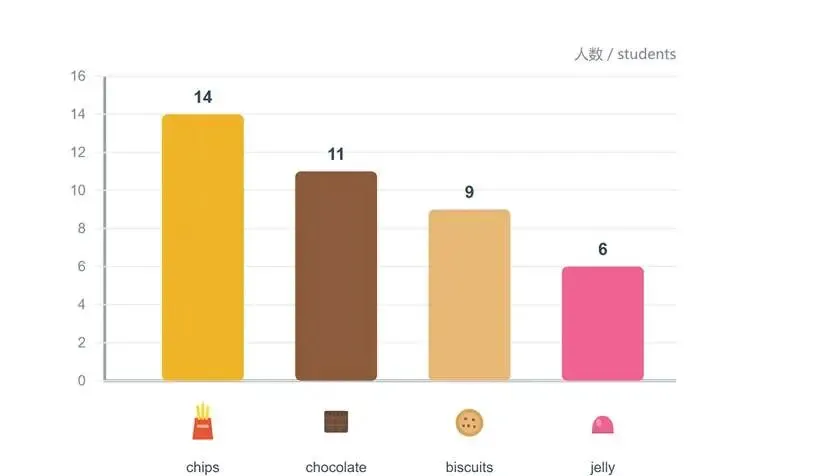
Question: What snacks do you like best? (Class 5, Grade 5 · 45 students)
1. How many students like chips best?
________________________________________________________________________________________________________
2. Which snack do the fewest students like?
________________________________________________________________________________________________________
3. How many students like chocolate and biscuits?
________________________________________________________________________________________________________
4. Is jelly a healthy snack? Why or why not?
________________________________________________________________________________________________________
5. What should the students eat more?
________________________________________________________________________________________________________
6. What can you learn from the chart?
________________________________________________________________________________________________________
五、Read, fill and write. 读歌谣,填空并仿写。(5+5=10分)
Want to eat right?Remember three words:Go, 1. ______, whoa!Tomatoes, grapes and oats?They help us 2. ______,So we can go, go, go!Biscuits, juice and nuts?3. ______ take too much.Be slow, slow, slow!Chips, candies and burgers?They make our body 4. ______,So whoa! Say 5. ______! |
仿写:请模仿歌谣,写两句关于 fruit或 vegetables的句子。
________________________________________________________________________________________________________
________________________________________________________________________________________________________
第二部分 词汇过关 Vocabulary check |
合上课本,先看中文写英文,写完再对照课本自查。写错的词抄到下面的横线上,第二天、第三天各再默写一遍——这是记住单词最省时间的办法。
看中文,写英文(共 24 词,每词 1 分,自己计时 5 分钟) | |||
苹果 | ________________ | 香蕉 | ________________ |
葡萄 | ________________ | 橘子 | ________________ |
胡萝卜 | ________________ | 西红柿 | ________________ |
土豆 | ________________ | 卷心菜 | ________________ |
牛肉 | ________________ | 鸡肉 | ________________ |
鱼 | ________________ | 鸡蛋 | ________________ |
牛奶 | ________________ | 奶酪 | ________________ |
面包 | ________________ | 面条 | ________________ |
蛋糕 | ________________ | 巧克力 | ________________ |
糖果 | ________________ | 薯片 | ________________ |
饼干 | ________________ | 可乐 | ________________ |
果汁 | ________________ | 汤 | ________________ |
我的"难词"记录:把写错的词抄下来,每天读两遍。
________________________________________________________________________________________________________
________________________________________________________________________________________________________
________________________________________________________________________________________________________
________________________________________________________________________________________________________
________________________________________________________________________________________________________
________________________________________________________________________________________________________
第三部分 单元基础训练(基础达标卷) 100分 · 40分钟 |
姓名____________ | 班级____________ | 得分____________ |
听力 40 分,笔试 60 分。听力音频见配套文件05 第三部分 单元基础训练 听力,每小题报号后连读两遍;原文与播放说明见附录一。
Ⅰ 听力部分 Listening(40分)
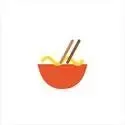
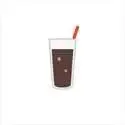
一、Listen and judge. 听句子,判断下列图片与所听内容是否相符,相符画“√”,不符画“×”。(5×2=10分)
|
|
|
|
|

二、Listen and choose. 听对话,选择正确的答案。(5×2=10分)
1. What does Tom have for breakfast?
A. Egg, bread and milk. | B. Rice and fish. | C. Noodles and cola. |
2. Why does Lily feel sleepy?
A. She is ill. | B. She ate too much. | C. She didn't sleep well. |
3. What should Sam eat more?
A. Meat. | B. Vegetables. | C. Fruit. |
4. How often does Amy drink milk?
A. Every day. | B. Twice a week. | C. Never. |
5. What does the man think of chips?
A. They are healthy. | B. They are cheap. | C. They are not healthy. |
三、Listen and judge. 听短文,判断下列句子正(T)误(F)。(5×2=10分)
1. Ben doesn't have breakfast. ()
2. Ben feels hungry in class because he is ill. ()
3. Ben eats a lot of vegetables for lunch. ()
4. Ben likes chips and cola in the evening. ()
5. Ben's mother gives him some advice. ()
四、Listen and fill in the table. 听短文,完成下面的表格(每空一词或一个数字)。(5×2=10分)
Meal | What does Mary have? |
Breakfast | bread, an egg and a glass of 1. __________ |
Lunch | rice, 2. __________ and lots of vegetables |
Dinner | a bowl of 3. __________ and some fruit |
Never | 4. __________ or cola |
Bedtime | goes to bed at 5. __________ o'clock |
Ⅱ 笔试部分 Written work(60分)
五、Vocabulary. 词汇运用。(10×1=10分)
A. 看图,写出相应的英语单词。
|
|
|
|
|



B. 按要求写出单词。
1. candy(复数)__________ | 2. tomato(复数)__________ | 3. healthy(反义词)__________ |
4. slow(副词)__________ | 5. good(反义词)__________ |
六、Choose the best answer. 单项选择。(10×1=10分)
1. — What do you want ______? — Some noodles, please.
A. eat | B. to eat | C. eating |
2. You should ______ more water every day.
A. drinks | B. drinking | C. drink |
3. ______ take too much food! Other people need it, too.
A. Not | B. Don't | C. Doesn't |
4. There is too ______ meat on your plate.
A. many | B. much | C. lot |
5. I have ______ for breakfast every day.
A. a bread | B. some breads | C. some bread |
6. Milk is good ______ your bones.
A. at | B. for | C. with |
7. My father ______ drinks cola. He doesn't like it at all.
A. always | B. never | C. usually |
8. — Is jelly healthy? — ______. It has too much sugar.
A. Yes, it is | B. No, it isn't | C. No, they aren't |
9. We should eat all the food ______ our plates.
A. in | B. on | C. at |
10. Two ______ of milk, please.
A. glass | B. glasss | C. glasses |
七、Fill in the blanks. 选词填空,每词只用一次。(10×1=10分)
breakfast hungry much many vegetables should shouldn't slowly good better |
Hello, I'm Tom. I have a bad eating habit. I don't have 1. __________. So I feel 2. __________ in class. For lunch, I eat too 3. __________ meat and too 4. __________ sweets. I don't like 5. __________. My mother says I 6. __________ eat more fruit and vegetables. She also says I 7. __________ eat too much meat. Now I eat 8. __________ and I have a 9. __________ breakfast every day. I feel much 10. __________ now.
八、Match the sentences. 情景交际:从 B 栏中选出 A 栏各句的恰当答语。(5×2=10分)
A | B |
1. What do you want to eat? () | A. Every day. |
2. Is it healthy? () | B. OK, I will. |
3. How often do you drink milk? () | C. I want some noodles. |
4. What's wrong with you? () | D. I feel sleepy. |
5. You should eat more vegetables. () | E. No, it isn't. |
九、Reading. 阅读理解。(5×2=10分)
A. 读食物金字塔,选择正确答案。
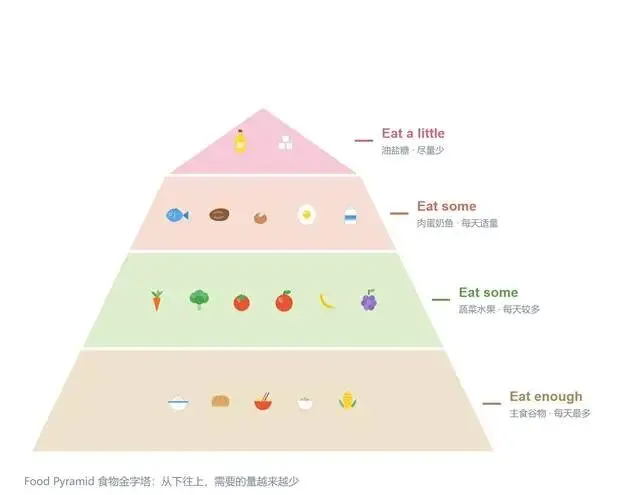
1. Which food should we eat most?
A. Rice, bread and grains. | B. Oil and sugar. | C. Fish and beef. |
2. Eggs and milk are in the ______ group.
A. Eat a little | B. Eat some | C. Eat enough |
3. Why should we eat a little oil and sugar?
A. Because they are expensive. | B. Because too much fat and sugar is bad for us. | C. Because they are not delicious. |
4. How many groups are there in the food pyramid?
A. Three. | B. Four. | C. Five. |
5. What does the pyramid tell us?
A. Eat more meat and less rice. | B. Eat more grains and vegetables, and less oil, salt and sugar. | C. Only eat fruit every day. |
十、Writing. 书面表达。(10分)
请以 My Three Meals为题,用 5 句话介绍你的一日三餐,并就"健康饮食"提出一条建议。可以参考下面的词汇:
for breakfast / lunch / dinner usually a glass of a bowl of vegetables fruit should shouldn't |
My Three Meals
写作提纲:①我早饭吃什么(for breakfast …)②午饭、晚饭吃什么(for lunch / dinner…)③我的建议(I should … / I shouldn't …)。注意用 usually / often说明习惯。
可以这样写:① I usually have ______ and ______ for breakfast.(说明早饭)② For lunch, I have ______, ______ and ______.(说明午饭、晚饭)③ I shouldn't ______. I should eat more ______.(提出建议) |
________________________________________________________________________________________________
________________________________________________________________________________________________
________________________________________________________________________________________________
________________________________________________________________________________________________
________________________________________________________________________________________________
________________________________________________________________________________________________
________________________________________________________________________________________________
________________________________________________________________________________________________
________________________________________________________________________________________________
________________________________________________________________________________________________
________________________________________________________________________________________________
________________________________________________________________________________________________
________________________________________________________________________________________________
________________________________________________________________________________________________
________________________________________________________________________________________________
________________________________________________________________________________________________
________________________________________________________________________________________________
________________________________________________________________________________________________
________________________________________________________________________________________________
写完后自查:□ 写满 5 句话 □ 用到了 for breakfast / lunch / dinner □ 用should / shouldn't提了一条建议 □ 句首大写、句末有标点
第四部分 单元拔尖提高(综合模拟卷) 100分 · 40分钟 |
本卷题型贴近校内单元测验与学业质量监测:听力 40 分 + 笔试 60 分。听力音频见配套文件 06 第四部分 拔尖提高模拟卷 听力,每小题报号后连读两遍。阅读部分含非连续性文本(海报、图表),写作部分为任务型写作,请认真审题。
Ⅰ 听力部分 Listening(40分)
一、Listen and choose the best response. 听句子,选择恰当的应答。(5×2=10分)
1.
A. I want some noodles. | B. OK, I will. | C. Here you are. |
2.
A. Yes, I do. | B. OK, I will. | C. No, I don't. |
3.
A. Yes, it is. | B. No, it isn't. | C. Yes, they are. |
4.
A. Once a week. | B. For a week. | C. Next week. |
5.
A. I feel sleepy. | B. I'm a student. | C. I like fish. |
二、Listen and choose. 听对话,选择正确的答案。(5×2=10分)
1. Where are they?
A. In a restaurant. | B. In a library. | C. In a hospital. |
2. What does the girl want to drink?
A. Cola. | B. Milk. | C. Water. |
3. What time is it now?
A. 7:00. | B. 12:00. | C. 18:30. |
4. What is the boy's problem?
A. He is too thin. | B. He eats too much and feels full. | C. He never eats meat. |
5. What will the girl do?
A. Eat more chips. | B. Drink more cola. | C. Eat more vegetables. |
三、Listen and complete. 听短文,完成下面的表格(每空一词)。(5×2=10分)
Information | About Jack's eating habits |
Breakfast | He has a glass of 1. __________ and two eggs. |
Lunch | He eats 2. __________ and vegetables at school. |
Dinner | He has dinner at 3. __________ o'clock. |
Snacks | He 4. __________ eats chips. |
Advice | He should drink more 5. __________. |
四、Listen and judge. 听短文,判断下列句子正(T)误(F)。(5×2=10分)
1. The food pyramid has four groups. ()
2. We should eat a lot of oil and sugar every day. ()
3. Vegetables and fruit are in the same group. ()
4. Fish and eggs are good for our body. ()
5. The speaker thinks a good breakfast is important. ()
Ⅱ 笔试部分 Written work(60分)
五、Phonics. 判断下列每组单词中划线部分的读音是否相同,相同画“√”,不同画“×”。(5×1=5分)
1. slownow () | 2. boatcoat () |
3. snowgrow () | 4. howcow () |
5. roadnow () |
六、Choose the best answer. 单项选择。(10×1=10分)
1. You look tired. You ______ go to bed early.
A. should | B. shouldn't | C. don't |
2. There are ______ students in the dining hall, but there isn't ______ food.
A. too much; too many | B. too many; too much | C. too many; too many |
3. — ______ do you eat fruit? — Every day.
A. How many | B. How often | C. How much |
4. Don't ______ too much cola. It's bad for your teeth.
A. drinking | B. drinks | C. drink |
5. We should eat all the food ______ our plates. It's called “Clean Your Plate”.
A. on | B. in | C. of |
6. My sister ______ eats vegetables. She says they're good for her.
A. sometimes | B. never | C. hardly |
7. — What would you like ______? — A glass of milk, please.
A. drink | B. drinking | C. to drink |
8. The doctor says I should eat ______ meat and ______ vegetables.
A. less; more | B. more; less | C. less; less |
9. ______ is good for your bones. You should drink it every day.
A. Cola | B. Milk | C. Jelly |
10. — I ate too much last night. — You ______ eat so much.
A. should | B. shouldn't | C. don't |
七、Cloze. 完形填空。(10×1=10分)
Mr Green is a doctor. He says many children have bad eating 1 ( ). They like 2 ( ) and cola, but they don't like vegetables.
Some children don't have 3 ( ), so they feel 4 ( ) in class. Others eat too 5 ( ) for lunch and feel sleepy in the afternoon. Mr Green gives them some 6 ( ).
First, have a good breakfast every day. Second, eat 7 ( ) fruit and vegetables than before. Third, 8 ( ) eat too much meat or too many sweets. Fourth, eat 9 ( ) and don't eat too fast.
"If you want to 10 ( ) healthy, you should change your eating habits," he says.
1. A. habitsB. foodsC. plates | 2. A. carrotsB. chipsC. apples |
3. A. lunchB. dinnerC. breakfast | 4. A. happyB. hungryC. full |
5. A. manyB. muchC. long | 6. A. foodB. adviceC. money |
7. A. manyB. muchC. more | 8. A. don'tB. doesn'tC. not |
9. A. quicklyB. slowlyC. fast | 10. A. stayB. keepC. get |
八、Reading. 阅读理解。(10×2=20分)
A. 读下面的海报,判断正(T)误(F)。
HEALTHY LUNCH WEEKDate:May 12th — May 16thPlace:School Dining HallWhat's on the menu?Monday: rice, fish, broccoli, an apple Tuesday: noodles, chicken, carrots, a banana Wednesday: rice, beef, cabbage, an orange Thursday: bread, eggs, tomatoes, milk Friday: rice, tofu, vegetables, grapesRules:1. Take a little of everything, but not too much.2. Eat all the food on your plate.3. No cola or chips in the dining hall this week.4. Tell your teacher which meal you like best. |
1. Healthy Lunch Week is in May. ()
2. Students can have cola and chips in the dining hall that week. ()
3. There are vegetables on the menu every day. ()
4. Students should take a lot of food and leave some on the plate. ()
5. The poster asks students to tell their teacher their favourite meal. ()
B. 读短文,选择正确答案。
Breakfast around the worldWhat do people eat for breakfast? It is different in different countries.In China, many people have porridge, steamed buns and soy milk. Some people like noodles or fried eggs, too. Chinese people think a warm breakfast is good for the stomach.In England, people often have bread, eggs, milk and sometimes beans and tomatoes. A big English breakfast can be very heavy.In Japan, people like rice, fish and soup in the morning.Which one is the healthiest? Doctors say a good breakfast should have some grains, some protein (蛋白质) and some fruit or vegetables. It should not have too much sugar or fat. So a glass of milk, an egg, a piece of bread and an apple is a good choice — and it is easy to make at home! |
1. What does the passage talk about?
A. Breakfast in different countries. | B. How to cook eggs. | C. Why people are hungry. |
2. Chinese people think a ______ breakfast is good for the stomach.
A. cold | B. warm | C. sweet |
3. Which is NOT in a big English breakfast?
A. Bread. | B. Eggs. | C. Rice. |
4. A healthy breakfast should have ______.
A. only fruit | B. too much sugar | C. grains, protein and fruit or vegetables |
5. What is the writer's idea?
A. A healthy breakfast is expensive. | B. A healthy breakfast is easy to make. | C. We shouldn't eat breakfast. |
九、Task-based writing. 任务型写作。(15分)
学校食堂正在征集"我的健康餐盘"设计。请你:
① 在下面的餐盘里画出你的午餐(至少 4 种食物);② 用 5—7 句话介绍你的餐盘:有什么、为什么这样搭配、你能得到什么营养;③ 给同学提一条建议。

________________________________________________________________________________________________
________________________________________________________________________________________________
________________________________________________________________________________________________
________________________________________________________________________________________________
________________________________________________________________________________________________
________________________________________________________________________________________________
附录一 听力原文 Listening scripts |
本附录与配套音频逐句一致。全书听力共 6 个音频文件:第 1—4 课时各一个(01—04),第三部分整卷一个(05),第四部分整卷一个(06)。播放方式:每道大题先播中文题号与要求;每小题报“第X题”后连续朗读两遍(第二遍语速稍慢),两遍之间停 1.2 秒,题与题之间停 3.5 秒供作答;短文类大题整段报“第一遍”“第二遍”,两遍之间停 3.5 秒。下文中橙色框内为音频里的中文播报词。
第二部分 课课练
(一)Get ready音频01 | 第1课时 Get ready 听力
一、Listen and choose. 听音,选出你听到的单词。
播报:“第一题,听音选择。听音,选出你听到的单词。每小题读两遍。” 每小题报“第X题”后连读两遍,题间停 3.5 秒。 |
1. I'd like some candies, please.2. There is some beef in the soup.3. My brother likes chocolate very much.4. Have a glass of milk, please.5. Carrots are good for your eyes.
二、Listen and number. 听录音,给下面的食物图片标上 1—5 的序号。
播报:“第二题,听音标号。听录音,给下面的食物图片标上一到五的序号。短文读两遍。” 整段播“第一遍”“第二遍”,中间停 3.5 秒。 |
Hello, I'm Lily. This is my shopping list. I need some apples for my grandma. My brother wants noodles. Mum says we need milk every day. Dad loves chocolate, but he shouldn't eat too much. And I want some carrots for salad.
(二)Start up音频02 | 第2课时 Start up 听力
一、Listen and choose. 听对话,选择正确的答案。
播报:“第一题,听对话选择。听对话,选择正确的答案。每小题读两遍。” 每小题报“第X题”后连读两遍,题间停 3.5 秒。 |
1. W: What do you want to eat, Sam? M: I want some noodles and beef.2. M: Amy, would you like some cake? W: Yes, please. And a glass of milk, too.3. M: Don't take too much! We should eat all the food on our plates. W: OK, Dad.4. W: Sam, look at your plate. You should have some vegetables. M: OK. Let me go and get some.5. W: What vegetables have you got now? M: Potatoes, a lot of potatoes.
二、Listen and judge. 听对话,判断下列句子正(T)误(F)。
播报:“第二题,听对话判断。听对话,判断下列句子正误,正确写 T,错误写 F。对话读两遍。” 整段播“第一遍”“第二遍”,中间停 3.5 秒。 |
Mum: Sam, it's time for lunch. What do you want to eat?Sam: I want chicken and beef, please.Mum: Don't take too much! You should have some vegetables, too.Sam: OK, Mum. I'll get some carrots.Mum: Good. And don't forget the soup.Sam: I don't like soup, Mum.Mum: But soup is good for you. Just a little.Sam: All right.
(三)Speed up音频03 | 第3课时 Speed up 听力
一、Listen and choose the word you hear. 听句子,选出句中出现的频度副词。
播报:“第一题,听音选择。听句子,选出句中出现的频度副词。每小题读两遍。” 每小题报“第X题”后连读两遍,题间停 3.5 秒。 |
1. I always have breakfast at seven.2. She usually eats rice for lunch.3. We often have fish on Friday.4. Tom sometimes eats cake after dinner.5. My grandpa never drinks cola.
二、Listen and complete the table. 听短文,完成下面的表格(每空一词或一个短语)。
播报:“第二题,听短文填表。听短文,完成下面的表格,每空一词或一个短语。短文读两遍。” 整段播“第一遍”“第二遍”,中间停 3.5 秒。 |
Hello, I'm Ben. I have a bad eating habit. In the morning, I only have a few biscuits and some water. That's not enough! I feel hungry all morning. For lunch, I usually eat a lot of meat, but no vegetables. So I get too full and feel sleepy in the afternoon. In the evening, I have rice and chicken, but I always eat too quickly because I want to play. My stomach is very tired.
(四)Fuel up音频04 | 第4课时 Fuel up 听力
一、Listen and circle. 听音,圈出你听到的单词。
播报:“第一题,听音圈词。听音,圈出你听到的单词。每小题读两遍。” 每小题报“第X题”后连读两遍,题间停 3.5 秒。 |
1. I know the answer.2. There is a boat on the lake.3. Look at that cow!4. How do you go to school?5. I have a brown bag.
二、Listen and write. 听句子,写出所缺的单词(都是含 ow 或 oa 的词)。
播报:“第二题,听句子写词。听句子,写出所缺的单词,都是含有 O W 或 O A 的词。每小题读两遍。” 每小题报“第X题”后连读两遍,题间停 3.5 秒。 |
1. Put on your coat. It's cold today.2. There is a small boat on the river.3. Please walk slowly. The floor is wet.4. I like tomatoes. They are red and sweet.5. Look! White snow is on the trees.
第三部分 单元基础训练(基础达标卷) 音频05
一、Listen and judge. 听句子,判断下列图片与所听内容是否相符,相符画“√”,不符画“×”。
播报:“第一题,听音判断。听句子,判断下列图片与所听内容是否相符,相符画对号,不符画叉号。每小题读两遍。” 每小题报“第X题”后连读两遍,题间停 3.5 秒。 |
1. I want a bowl of noodles for lunch.2. I'd like a glass of milk, please.3. Carrots are good for your eyes.4. A bar of chocolate has about six teaspoons of sugar.5. I don't like fish. I never eat it.
二、Listen and choose. 听对话,选择正确的答案。
播报:“第二题,听对话选择。听对话,选择正确的答案。每小题读两遍。” 每小题报“第X题”后连读两遍,题间停 3.5 秒。 |
1. W: What do you usually have for breakfast, Tom? M: I usually have an egg, some bread and a glass of milk.2. M: Lily, you look tired. What's wrong? W: I ate too much for lunch. I feel sleepy now.3. W: Sam, you should eat more vegetables. M: But I don't like them, Mum.4. M: How often do you drink milk, Amy? W: I drink milk every day. It's good for my bones.5. W: Excuse me, how much is a bag of chips? M: Five yuan. But don't eat too many chips. They are not healthy.
三、Listen and judge. 听短文,判断下列句子正(T)误(F)。
播报:“第三题,听短文判断。听短文,判断下列句子正误,正确写 T,错误写 F。短文读两遍。” 整段播“第一遍”“第二遍”,中间停 3.5 秒。 |
Hello, I'm Ben. I'm a student in Grade Five. I have a bad eating habit. I don't have breakfast. I only drink a glass of water in the morning. So I feel hungry in class. For lunch, I eat a lot of meat and rice, but no vegetables. After lunch, I always feel sleepy. In the evening, I like chips and cola. My mother says I should eat more fruit and vegetables.
四、Listen and fill in the table. 听短文,完成下面的表格(每空一词或一个数字)。
播报:“第四题,听短文填表。听短文,完成下面的表格,每空一词或一个数字。短文读两遍。” 整段播“第一遍”“第二遍”,中间停 3.5 秒。 |
This is Mary's day. For breakfast, she has some bread, an egg and a glass of milk. She says a good breakfast makes her happy. For lunch, she has rice, fish and lots of vegetables. She doesn't eat too much. For dinner, she has a bowl of noodles and some fruit. She never eats chips or drinks cola. She goes to bed at nine.
第四部分 单元拔尖提高(综合模拟卷) 音频06
一、Listen and choose the best response. 听句子,选择恰当的应答。
播报:“第一题,听辨应答。听句子,选择恰当的应答。每小题读两遍。” 每小题报“第X题”后连读两遍,题间停 3.5 秒。 |
1. What do you want to eat?2. You should eat more vegetables.3. Is cola healthy?4. How often do you eat chips?5. What's wrong with you?
二、Listen and choose. 听对话,选择正确的答案。
播报:“第二题,听对话选择。听对话,选择正确的答案。每小题读两遍。” 每小题报“第X题”后连读两遍,题间停 3.5 秒。 |
1. W: Welcome! What would you like today? M: I'd like some beef and rice, please.2. M: Would you like some cola? W: No, thanks. I'd like some water. Cola has too much sugar.3. W: It's twelve o'clock. Let's have lunch. M: OK. I'm hungry.4. W: Jack, you look unhappy. What's the matter? M: I ate too much at dinner and now I feel full and uncomfortable.5. M: You should eat more vegetables, Amy. W: You're right. I'll have some carrots and broccoli tomorrow.
三、Listen and complete. 听短文,完成下面的表格(每空一词)。
播报:“第三题,听短文填空。听短文,完成下面的表格,每空一词。短文读两遍。” 整段播“第一遍”“第二遍”,中间停 3.5 秒。 |
Jack is my good friend. He has a healthy life. Every morning, he has a glass of milk and two eggs. At school, he eats rice and vegetables for lunch. He doesn't like meat very much. He has dinner at six o'clock with his family. He seldom eats chips, maybe once a month. But he doesn't drink much water. The doctor says he should drink more water every day.
四、Listen and judge. 听短文,判断下列句子正(T)误(F)。
播报:“第四题,听短文判断。听短文,判断下列句子正误,正确写 T,错误写 F。短文读两遍。” 整段播“第一遍”“第二遍”,中间停 3.5 秒。 |
The food pyramid has four groups. At the bottom are grains: rice, bread and noodles. We should eat enough of them. Then come vegetables and fruit. We should eat some of them every day. Next are meat, fish, eggs and milk. We should eat some, too. At the top are oil, salt and sugar. We should eat only a little. A good breakfast gives us energy for the whole morning, so never skip it.
配套音频一览 Audio files
序号 | 文件名(文件夹 Unit1听力音频) | 时长 | 包含的大题 |
01 | 01 第1课时 Get ready 听力.wav | 2 分 26 秒 | 听音选词;听音标号 |
02 | 02 第2课时 Start up 听力.wav | 3 分 43 秒 | 听对话选择;听对话判断 |
03 | 03 第3课时 Speed up 听力.wav | 2 分 55 秒 | 听频度副词;听短文填表 |
04 | 04 第4课时 Fuel up 听力.wav | 2 分 38 秒 | 听音圈词;听句子写词 |
05 | 05 第三部分 单元基础训练 听力.wav | 6 分 45 秒 | 第一至第四题(共 4 大题) |
06 | 06 第四部分 拔尖提高模拟卷 听力.wav | 6 分 30 秒 | 第一至第四题(共 4 大题) |
播放要点:①每道大题开头播报中文题号与要求,学生据此翻到对应题目;②每小题先报“第X题”,再连续朗读两遍,两遍之间停 1.2 秒,读完停 3.5 秒供作答;③短文类大题整段报“第一遍”“第二遍”,两遍之间停 3.5 秒;④音频为 WAV 格式(16 kHz / 16 bit / 单声道),电脑、平板、手机均可直接播放,也可拷入班级一体机或校园广播系统使用;⑤如需调整语速或停顿,可用任意音频软件变速,或在Windows Media Player中降低播放速度。
附录二 参考答案与解析 Answers & explanations |
第二部分 课课练
(一)Get ready
一 | 1. B 2. A 3. B 4. A 5. B |
二 | 从左到右:2 5 1 4 3(提到的顺序:apples—noodles—milk—chocolate—carrots) |
三 | 1. banana 2. tomato 3. egg 4. bread 5. cheese 6. chips |
四 | Eat more:apple, carrot, fish, bread, milk, tomatoEat less:cake, cola, chocolate, chips |
五 | 1. A 2. B 3. B 4. B 5. B 6. C |
六 | 1. B 2. D 3. A 4. C |
解析
五1 | bread是不可数名词,不能加 s,也不能用 a直接修饰。若要说"一个面包",用 a piece of bread。 |
五2 | candies是可数名词复数,用 too many;too much只修饰不可数名词(如 too much meat)。 |
五3 | cola不可数,指代用 it;含糖多,所以不健康,答 No, it isn't. |
五4 | 后句 They are good for my eyes.中的 They提示主语是复数。 |
五6 | fruit在此为不可数名词,用 some修饰;a lot后面必须加 of。 |
六 | 量词与名词的固定搭配:a bowl of noodles(一碗面)、a bag of chips(一袋薯条)、a glass of milk(一杯牛奶)、a bar of chocolate(一块巧克力)。 |
(二)Start up
一 | 1. A 2. B 3. B 4. B 5. B |
二 | 1. F 2. T 3. T 4. F 5. T |
三 | 1. D 2. B 3. C 4. A 5. E |
四 | 参考答案:1. There is some rice, chicken, vegetables, an apple and milk.(答出三种即可)2. Yes, there is.3. Yes, it does. There are some carrots and broccoli.4. Yes, it is. Because it has rice, vegetables, fruit and milk, and only a little meat.5. I should eat all the food on my plate. |
五 | 参考答案:1. Tom shouldn't eat so many ice creams.2. Lily should eat more vegetables.3. Sam should eat slowly.4. Amy should drink more water and less cola.5. Mike shouldn't take too much food. |
解析
二1 | 对话开头 It's time for lunch.,不是 dinner。 |
二4 | I don't like soup, Mum.说明 Sam 并不喜欢汤,只是答应"喝一点"。 |
三 | 补全对话要抓"上文—下文"的双向线索:第 1 空后面 Sam 回答"我饿了",说明妈妈在问"你想吃什么";第 3 空前有 Look at the plate.,与"别拿太多"呼应。 |
五 | 提建议时注意"对症下药":吃太多冰淇淋 → 不该吃那么多;从不吃蔬菜 → 应该多吃蔬菜。句首用 should / shouldn't,后面动词一定用原形。 |
(三)Speed up
一 | 1. A 2. A 3. A 4. A 5. A |
二 | 1. a few 2. water 3. hungry 4. vegetables 5. quickly |
三 | 1. F 2. T 3. T 4. F 5. F |
四 | 参考答案:1. She only has a few biscuits.2. She should have bread, milk, eggs, fruit and vegetables.3. She eats too much meat and no vegetables or fruit.4. She should eat less meat and more vegetables and fruit.5. She should eat slowly. |
五 | 参考答案:1. have bread, milk, eggs and fruit2. eat less meat and more vegetables3. I should eat slowly4. eat too quickly5. you will be healthy again / we can both stay healthy |
解析
三1 | 信中说 Just a few biscuits are not enough!,说明早餐只吃饼干,不是"good breakfast"。 |
三5 | 信末落款是 Your stomach,是"胃"写的,不是妈妈。 |
四 | 做表格题先确定"行"(三餐)和"列"(问题 / 建议),再回原文逐句定位关键词:not enough → hungry;too much meat, no vegetables → too full, sleepy;too quickly → should eat slowly。 |
五 | 回信要与来信一一对应:早餐补足、午餐减肉加菜、晚餐慢吃、不再过快,最后表达"希望一起变健康"。所有建议句都用 should + 动词原形。 |
(四)Fuel up
一 | 1. B 2. A 3. A 4. A 5. A |
二 | 1. coat 2. boat 3. slowly 4. tomatoes 5. snow |
三 | ow /əʊ/:slow, snow|ow /aʊ/:how, now, cow|oa /əʊ/:boat, coat, road |
四 | 参考答案:1. Fourteen.2. Jelly.3. Twenty.4. No, it isn't. It has too much sugar.5. They should eat more fruit and vegetables.6. Many students like unhealthy snacks. We should change our eating habits. |
五 | 1. slow 2. grow 3. Don't 4. slow 5. no |
解析
一 | know /nəʊ/与 now /naʊ/是 ow 的两种读音,要"听元音辨词":/əʊ/收圆、/aʊ/张口大。 |
四3 | chocolate 11 + biscuits 9 = 20,读图要"先读柱、再相加"。 |
四6 | 开放性作答,能说出"零食不健康、应多吃果蔬"即得分;能引用数据(如"只有 6 人喜欢果冻")更好。 |
五 | 歌谣填空考查"语义 + 语音"双线索:Go, slow, whoa!对应"多吃 / 适量 / 少吃"三级。仿写时可套用 Apples and carrots? They help us grow, so we can go, go, go! |
第三部分 单元基础训练
一 | 1. √ 2. × 3. √ 4. √ 5. × |
二 | 1. A 2. B 3. B 4. A 5. C |
三 | 1. T 2. F 3. F 4. T 5. T |
四 | 1. milk 2. fish 3. noodles 4. chips 5. nine |
五 | A. cheese, grapes, burger, potato, waterB. 1. candies 2. tomatoes 3. unhealthy 4. slowly 5. bad |
六 | 1. B 2. C 3. B 4. B 5. C 6. B 7. B 8. B 9. B 10. C |
七 | 1. breakfast 2. hungry 3. much 4. many 5. vegetables 6. should 7. shouldn't 8. slowly 9. good 10. better |
八 | 1. C 2. E 3. A 4. D 5. B |
九 | 1. A 2. B 3. B 4. B 5. B |
十 | 参考范文见下 |
十、参考范文
My Three MealsI usually have an egg, some bread and a glass of milk for breakfast. For lunch, I have rice, fish and lots of vegetables at school. I have dinner at six thirty with my family. I often have a bowl of noodles and some fruit. I never drink cola, because it has too much sugar. I think we should eat more vegetables and fruit, and we shouldn't eat too much meat. |
评分要点:① 三个餐次都写到(3 分);② 食物词汇准确、可数与不可数使用正确(3 分);③ 至少使用一个频度副词和一条 should 建议(2 分);④ 语句通顺、书写规范(2 分)。
部分解析
一2 | 录音说的是 a glass of milk,图片是可乐,食物不一致,故为"×"。做这类题的诀窍是"听名词、对图片",不要被其他词干扰。 |
一5 | 录音说的是 fish,图片是牛奶,同样属于"图文不符",故为"×"。 |
六3 | 否定祈使句用 Don't + 动词原形;Not不能单独引导祈使句,Doesn't是第三人称单数否定,都不对。 |
六7 | 后半句 He doesn't like it at all.提供了"从不喝"的语境线索。 |
七 | 先通读全文确定大意(一个人改正不良饮食习惯),再逐空选择;注意 too much + 不可数、too many + 可数复数的搭配。 |
第四部分 单元拔尖提高
一 | 1. A 2. B 3. B 4. A 5. A |
二 | 1. A 2. C 3. B 4. B 5. C |
三 | 1. milk 2. rice 3. six / 6 4. seldom 5. water |
四 | 1. T 2. F 3. T 4. T 5. T |
五 | 1. × 2. √ 3. √ 4. √ 5. × |
六 | 1. A 2. B 3. B 4. C 5. A 6. B 7. C 8. A 9. B 10. B |
七 | 1. A 2. B 3. C 4. B 5. B 6. B 7. C 8. A 9. B 10. A |
八 | A: 1. T 2. F 3. T 4. F 5. TB: 1. A 2. B 3. C 4. C 5. B |
九 | 见下"写作提示" |
部分解析
六2 | 第一空修饰可数名词复数 students,用 too many;第二空修饰不可数名词 food,用 too much。 |
六8 | 医生说"少吃肉、多吃菜",less meat + more vegetables。 |
六10 | 对方说"昨晚吃太多",回应应是"你不该吃那么多",用 shouldn't。 |
七3 | 后文 feel hungry in class提示是没吃早饭,故选 breakfast。 |
七7 | than before提示用比较级 more。 |
七10 | stay healthy是固定搭配,"保持健康";keep需接 healthy时也可,但 stay与 healthy搭配更常见于本单元。 |
八A2 | 海报规则第 3 条明确 No cola or chips,故为 F。 |
八B3 | 英式早餐列举了面包、鸡蛋、牛奶、豆子和西红柿,没有米饭,故选 C。 |
八B5 | 末句 it is easy to make at home说明作者认为健康早餐"简单易做"。 |
九、写作提示与范文
思路:先画(主食 + 蔬菜 + 蛋白质 + 水果/奶),再写。写的时候按"有什么—为什么—建议"三步走。句型脚手架:On my plate, there is / are … I choose … because … It is good for my … We should / shouldn't …范文:This is my healthy lunch. On my plate, there is some rice, some fish, a lot of broccoli and an apple. I choose fish because it is good for my body. Broccoli and the apple give me vitamins. I also have a glass of milk — it is good for my bones. I don't have cola or chips, because they have too much sugar and fat. I think we should eat more vegetables and fruit, and we shouldn't waste food. |
评分要点:图画内容合理、食物不少于 4 种(4 分);语句 5—7 句、语法基本正确(6 分);有"为什么"的说明与一条建议(3 分);书写与标点规范(2 分)。
给老师的话:本单元的落点不在"背会 30 个单词",而在"能用英语管好自己的餐盘"。建议在批改时特别关注学生能否把 should / shouldn't用在自己的真实生活里——一句 "I shouldn't drink cola every day."比十个单词默写更有价值。 |