 夜雨聆风
夜雨聆风设计学SSCI论文返修回复指南
一、审稿意见回复普通话术
语言润色
英文回复模板:We tried our best to polish the language, with all changes marked in red. A native English speaker with a background in design research has reviewed the manuscript to ensure accuracy and clarity.
中文回复模板:我们已尽力润色语言,所有修改以红色标注。特别邀请了设计学领域的英语母语研究者审核稿件,以确保专业术语的准确性。
文献补充
英文回复模板:As suggested, we have added references [1,2,3] to support this design argument in the Introduction (Page 2, Line 15-18).
中文回复模板:根据建议,我们在引言部分补充了设计学相关参考文献[1,2,3],以支撑该设计论点(第2页,第15-18行)。
拼写错误
英文回复模板:Sincere apologies for the typo. We have corrected "XX" to "XX" throughout the manuscript (e.g., Page 4, Line 7).
中文回复模板:为错别字深表歉意。我们已在全文中将"XX"更正为"XX"(如第4页,第7行)。
通用感谢话术
英文回复模板:We feel great thanks for your professional review! All suggestions have been carefully addressed, with detailed corrections listed below.
中文回复模板:衷心感谢您的专业评审!所有建议均已认真处理,详细修改如下。
二、审稿意见分类回复模板
第一类:语言与写作规范问题
常见意见:文笔差、思路不通顺
英文回复模板:Thank you for your feedback. We have thoroughly revised the manuscript to improve clarity and coherence, with major changes marked in red (e.g., Page 2, Line 10-15).
中文回复模板:感谢您的反馈。我们已彻底修订手稿,重点优化了设计论证的逻辑链条,重要修改以红色标注(如第2页,第10-15行)。
常见意见:时态频繁切换不统一
英文回复模板:Thanks for pointing out the tense issue. We have standardized tenses throughout the text, as shown in the revised Section 3 (Page 4, Line 5-8).
中文回复模板:感谢您指出时态问题。我们已统一全文时态,修订后的第3节可见(第4页,第5-8行)。
常见意见:错别字
英文回复模板:Apologies for the typo. We have corrected "XX" to "XX" in the latest manuscript (Page 3, Line 22).
中文回复模板:抱歉出现错别字。我们已在最新手稿中将"XX"更正为"XX"(第3页,第22行)。
常见意见:章节冗长
英文回复模板:We appreciate your concern about wordiness. Section XX has been revised to remove redundant information (Page 5, revised in blue).
中文回复模板:感谢您对冗长问题的关注。第XX节已做精简,删除了与设计核心论点无关的冗余信息(第5页,蓝色标注部分)。
第二类:用户研究与实验设计问题
常见意见:缺乏与现有设计研究的对比
英文回复模板:This is an excellent suggestion. We have added a comparative table in Results (Table 2) and discussed differences with Studies A, B, C (Page 6, Line 10-20).
中文回复模板:这是一个很好的建议。我们已在结果部分添加了与已有设计研究的对比表(表2),并讨论了差异及本研究的设计创新点(第6页,第10-20行)。
常见意见:需要补充用户测试/实验
英文回复模板:We agree Experiment X is crucial for validating the design solution and have conducted it, with results added to Figure 4 (Page 7, Line 3-10).
中文回复模板:我们认同实验X对设计验证的重要性并已完成,结果添加至图4(第7页,第3-10行)。
常见意见:用户样本量不足/数据分析模糊
英文回复模板:Thank you for highlighting this. We have re-analyzed the user data and added statistical indicators in Figure 2 to enhance clarity (Page 4, revised figure).
中文回复模板:感谢您指出这一点。我们已重新分析用户数据,并在图2中添加了误差线/显著性标注以提高可读性(第4页,修订后的图)。
常见意见:缺乏设计迭代过程说明
英文回复模板:We appreciate your concern. We have added a description of the design iteration process (including prototype versions and user feedback loops) in the Methods section (Page 5, Line 8-15, marked in red).
中文回复模板:感谢您的关注。我们已在方法部分补充了设计迭代过程的说明(含原型版本演进与用户反馈闭环),详见第5页第8-15行(红色标注)。
第三类:论文结构与逻辑问题
常见意见:结构混乱、逻辑不连贯
英文回复模板:We have restructured the Introduction to follow "background - design problem - research question - hypothesis" flow, with new design literature added to strengthen the context (Page 2-3, revised in red).
中文回复模板:我们已经重构了引言部分,遵循“背景—设计问题—研究问题—假设”的逻辑链条,新增设计学文献以强化研究背景(第2-3页,红色标注部分)。
常见意见:设计概念描述模糊
英文回复模板:Thanks for pointing out the ambiguity. We have redefined key design concepts in the Methods section (Page 3, Line 15-20) with concrete examples for clarity.
中文回复模板:感谢您指出模糊之处。我们已在方法部分重新定义关键设计概念,并补充了具体案例说明(第3页,第15-20行)。
常见意见:设计产出与论证脱节
英文回复模板:We appreciate this valuable comment. We have strengthened the connection between design outcomes and theoretical arguments in the Discussion section, adding a mapping table (Page 8-9, Table 3).
中文回复模板:感谢这一宝贵意见。我们已在讨论部分加强了设计产出与理论论证之间的关联,增补了对照表(第8-9页,表3)。
第四类:难以立即解决的问题
问题情境一:无法招募更多用户样本
回复策略:承认局限 + 讨论影响 + 未来方向
英文回复模板:Thank you for your professional insight! Due to [practical constraints, e.g., recruitment timeline/budget], we cannot expand the sample size currently. However, we have discussed this limitation in the Discussion (Page 9, Line 20-25) and proposed a larger-scale user study as a future research direction.
中文回复模板:感谢您的专业见解!受限于[客观限制,如项目周期/经费],我们目前无法扩大用户样本量。但我们已在讨论部分详细说明了这一局限对设计结论的影响(第9页,第20-25行),并将其列为未来研究的重要方向。
问题情境二:无法复现或补充某设计原型
回复策略:展示替代方案 + 解释原因 + 申明价值
英文回复模板:We acknowledge that replicating this design prototype under the suggested conditions is challenging due to [specific reason]. Instead, we have provided an alternative validation approach in the Appendix and clarified the scope conditions of our design solution (Page 10).
中文回复模板:我们承认,由于[具体原因],目前难以完全按建议条件复现该设计原型。因此,我们在附录中提供了替代性的验证方式,并在第10页明确了本设计方案的适用边界。您的建议极大提升了本研究的严谨性。
问题情境三:理论框架争议/设计方法学分歧
回复策略:尊重差异 + 阐明立场 + 补充依据
英文回复模板:Thank you for raising this important theoretical debate. We have added a clarification in the Literature Review (Page 3, Line 10-18) to position our study within the existing design methodology discourse, citing additional references [4,5] to justify our approach.
中文回复模板:感谢您提出这一重要的理论讨论。我们已在文献综述部分(第3页,第10-18行)补充说明了本研究在设计方法论谱系中的定位,并引用了额外文献[4,5]来支撑我们的方法选择。
三、设计学SSCI投稿信模板
收信人
Dear Dr. [Editor's Name], [Date]
投稿意图
We would like to submit the attached manuscript entitled "[Manuscript Title]", which we wish could be considered for publication in "[Journal Name]".
研究简介(设计学特色表述)
In this paper, we investigated [核心设计问题] through [研究方法,如:用户研究/设计实践/案例分析]. This design research is significant because it [理论贡献/实践价值/方法创新], providing a reference for [设计领域/应用场景]. We believe this paper aligns well with the scope of your journal and that the findings will be of interest to design researchers and practitioners.
必要声明
This study meets the ethical guidelines and legal requirements of China. I would like to declare on behalf of my co-authors that the manuscript has been submitted solely to this journal, has not been published previously, and is not under consideration, or in press for publication elsewhere, in whole or in part.
利益冲突声明
The authors have no conflicts of interest to declare, have all read and approved the manuscript, and agree with its submission. There are no other persons who satisfy the criteria for authorship.
结束语
We would be very grateful if the submitted manuscript could be reviewed and considered for publication in "[Journal Name]". Your kind consideration is greatly appreciated.
落款
With best regards, / Sincerely Yours, [Your Name]
四、设计学SSCI投稿小tips
学科身份明确:在回复中适时使用 design research / design practice / design methodology / user-centered design / design iteration 等术语,彰显学科归属。
视觉材料回应:审稿人若对图表、设计呈现有意见,应具体说明修改的图号、页码及修改内容。
实践与理论并重:设计学研究常需回应“实践贡献”与“理论贡献”的双重要求,回复时注意两者兼顾。
真诚优先:无论大修小修,审稿人已认可研究价值,真诚、具体、尊重地回应每一处意见是关键。
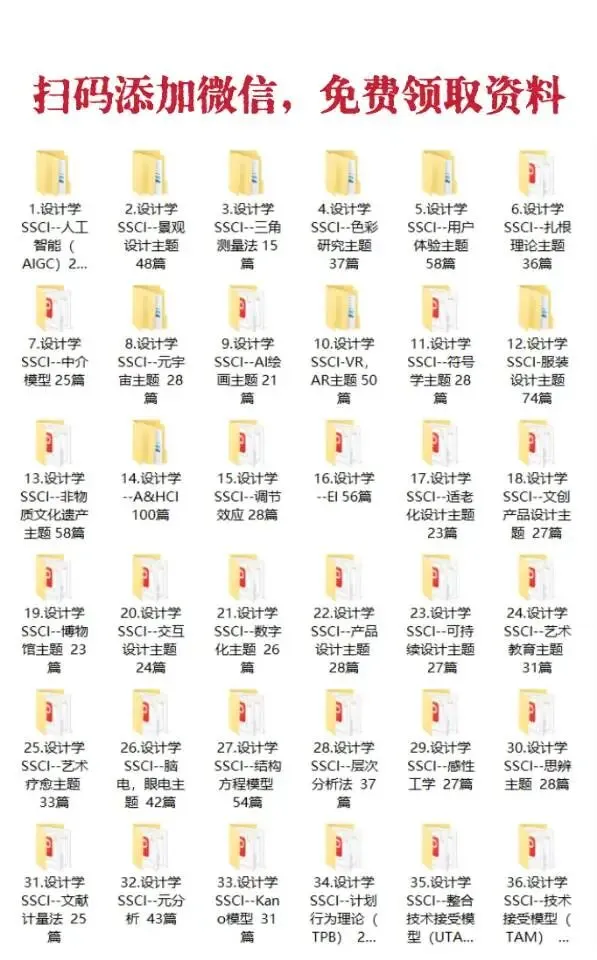
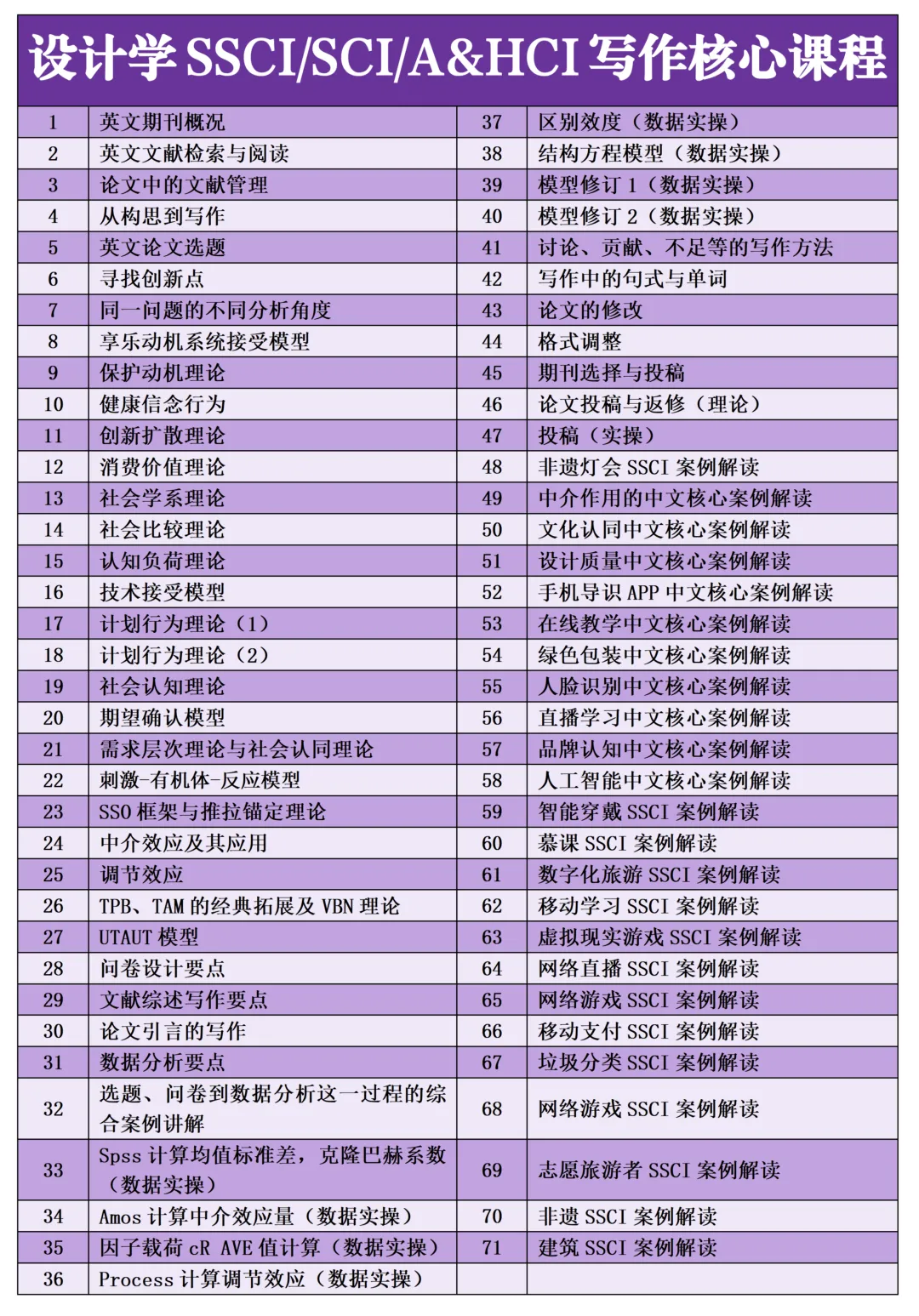
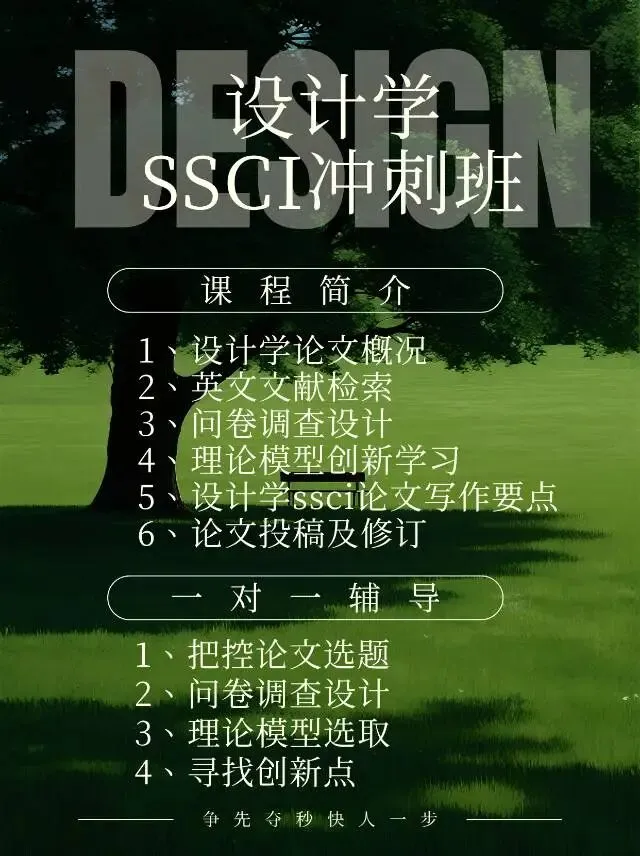
更多学习课程,可扫码了解详情


欢迎大家交流学习,扫码添加微信,免费获取学习资料包

微信:Greens120
欢迎关注「设计学SSCI」
我们专注于设计学领域知识拓展、理论学习
我们提供:(设计学、艺术学、传播学、教育学)
硕博论文写作指导
设计学博士申请指导
辅导设计学基金申报
撰写设计学国内核刊、国际期刊指导
设计学英文论文润色、翻译、投稿服务
……

公众号|设计学SSCI

球分享

球点赞

球在看