 夜雨聆风
夜雨聆风英伟达首席执行官黄仁勋周日表示,人工智能将使智能本身成为一种人人可及的"商品,无论是木匠还是小店主都能从中受益。他还指出,这项技术将惠及数十亿此前从未接触过计算能力的普通人。
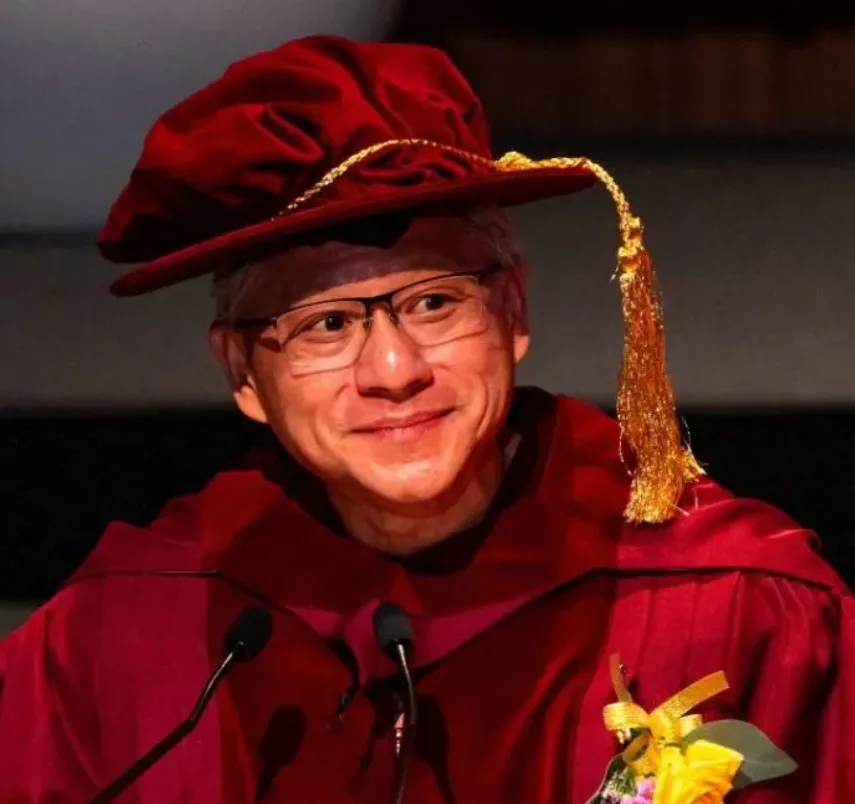
黄仁勋在卡内基梅隆大学毕业典礼上发表演讲,并于典礼上获授荣誉博士学位。他将当前的人工智能基础设施建设浪潮定义为美国再工业化的历史性时刻,并强调,在全国各地建设芯片工厂和数据中心,不仅需要工程师,同样需要大量水管工和钢铁工人。
他对毕业生们说:"我们有机会弥合技术鸿沟,首次将计算能力与智能带给数十亿人。"
黄仁勋发表上述言论之际,英伟达正主导着全球AI芯片供应市场,其芯片广泛支撑着亚马逊、微软、谷歌和Meta等科技巨头所建设的数据中心。
对于外界担忧AI将取代工人的声音,黄仁勋予以回应,并区分了"任务"与"使命"的不同。他以放射科医生为例指出,医生的职责不仅仅是读取影像,更在于关怀患者。AI可以自动化完成前者,但正因如此,反而能让医生更专注于后者,从而提升其职业价值。
他说:"历史上每一次重大技术革命,都曾在带来机遇的同时引发恐惧。当社会以开放、负责任且乐观的态度拥抱技术时,我们所拓展的人类潜能,远远超过我们所失去的。"
他呼吁科学家、工程师和政策制定者在推动AI能力发展的同时,同步推进安全保障工作,并警告称,监管机制必须跟上技术的快速发展步伐。
黄仁勋高度肯定了卡内基梅隆大学在AI研究领域的奠基性贡献,特别提及该校1950年代的"逻辑理论家"程序,以及1979年创立的机器人研究所,称其为美国科技领导力的重要支柱,并勉励当代年轻人在此基础上继续开拓进取。
演讲最后,他向毕业生们发出直接呼吁:将AI视为一种普惠工具而非精英特权,并将当下这个时代视为投身建设的使命召唤。
黄仁勋卡内基梅隆大学2026届毕业典礼演讲
贾哈尼安校长、董事会成员、教职员工、各位尊贵的来宾、各位自豪的家长和家人们,尤其是卡内基梅隆大学2026届的同学们:
感谢你们给予我的这份非凡荣誉。能够来到卡内基梅隆大学——这所世界顶尖的学府,少数几个真正在创造未来的地方,对我而言意义深远。
今天是充满骄傲与喜悦的一天,是你们梦想成真的时刻——但不仅仅是你们的梦想。你们的家人、老师、导师和朋友们一路帮助你们走到了这里。请感谢他们。今天也属于他们。
毕业生们,请起立。和我一起站起来。转向你们的母亲,祝她们母亲节快乐。这是你们人生中的又一步,但对她们来说,这是梦想成真的一刻。
和在座的许多人一样,我是第一代移民。我的父亲怀揣着一个梦想——要把家搬到美国。在我九岁时,他把我哥哥和我送到了美国。我们最终去了肯塔基州奥奈达的一所浸信会寄宿学校,那是个只有几百人的煤矿小镇。两年后,我的父母放弃了一切,前来与我们团聚。他们来时几乎一无所有。我父亲是一名化学工程师。我母亲在一所天主教学校做清洁工。她凌晨四点叫醒我去送报纸。我哥哥帮我在丹尼餐厅找了份洗碗工的工作——当时那感觉就像是职业生涯的重大晋升。
这就是我眼中的美国。不容易,但充满机遇。不是保证,但有机会。我的父母来到这里,是因为他们相信美国能给他们的孩子一个机会。我们又怎能不对美国心怀浪漫呢?
我后来进了俄勒冈州立大学。17岁时遇到了我的妻子洛丽。我是学校里年纪最小的。我们是大二的实验课搭档,她当时19岁。我在班上击败了其他250个男生,赢得了她的心。如今我们已经结婚40年。我们有两个了不起的孩子,都在英伟达工作。
30岁那年,我与克里斯·马利奥和柯蒂斯·普里姆——两位杰出的计算机科学家——一起创办了一家公司。我们想造一种新型计算机——一种能解决普通计算机无法解决的问题的计算机。我们完全不知道怎么创办公司、怎么融资、怎么运营英伟达。我当时只是想:“能有多难呢?”结果发现,真的超级难。
我们的第一项技术甚至根本跑不起来。我们差点把钱烧光。有一次,我不得不飞到日本,向世嘉的首席执行官解释,他们委托我们开发的技术行不通,然后请求解除一份我们无法完成的合同——接着还请求他们照样付钱给我们。没有那笔钱,公司就完了。那件事既难堪又屈辱——是我做过的最艰难的事情之一。世嘉的CEO 入交昭一郎先生答应了。我很早就学到:做CEO不是关于权力,而是关于让公司活下去的责任。诚实和谦逊有时会换来慷慨和善意。
即便在商界,我们靠那笔钱让公司重整旗鼓,在绝境中我们发明了新的芯片和计算机设计方法——这些方法沿用至今。
33年来,英伟达一次又一次地自我重塑,每次都会问:“能有多难呢?”每次都在学习。它比我们想象的要难,但正是通过这些经历,我们才学到了东西。
永远不要把失败视为成功的对立面。每一次失败都只是一个学习时刻,一个谦卑时刻,一个塑造性格的时刻。在挫折中锻造出的韧性,能给你再次出发的力量。
如今,我是科技界任职时间最长的CEO之一。英伟达——我与45,000名非凡同事共同创造的毕生事业——是我生命中的作品。
现在是你们实现梦想的时候了,而这个时机再好不过了。我的职业生涯始于个人电脑革命的开端。你们的职业生涯则始于AI革命的开端。
我无法想象有比现在更激动人心的时刻去工作、去开启你们毕生的事业了。
AI就诞生在卡内基梅隆大学。20世纪50年代,这里的研究人员创造了“逻辑理论家”程序,被公认为第一个AI计算机程序。1979年,卡内基梅隆大学成立了机器人研究所。
人工智能已经彻底重塑了计算。我亲身经历了每一次重大的计算平台变革——大型机、个人电脑、互联网、移动和云。每一次浪潮都建立在前一次的基础上,每一次都扩大了技术的可及性,每一次都改变了行业和社会。
但接下来将要发生的事,比以往任何一次都更宏大。计算正经历一次彻底的重置——这是自现代计算诞生以来的第一次。
60年来,计算一直以同样的方式运行。人类编写软件,计算机执行指令。这种范式已经结束了。人工智能已经从人类编码转变为机器学习,从在CPU上运行软件转变为在GPU上运行神经网络,从遵循指令转变为理解、推理、规划和使用工具。
一个新的产业已经诞生——大规模制造智能的产业。因为智能是每一个行业的基础,所以每一个行业都将改变。
AI带来了不确定性。人们看到AI编写软件、生成图像、驾驶汽车,自然会想:接下来会发生什么?工作会消失吗?人们会被抛在后面吗?这项技术会不会变得过于强大?
历史上每一次重大技术革命,在带来机遇的同时都会引发恐惧。当社会以开放、负责和乐观的态度拥抱技术时,我们去扩展人类潜能的幅度,远远大于我们削弱它的幅度。
所以,首先也是最重要的,我们必须保持清醒。人工智能——即对理解、推理和解决问题的自动化——是人类有史以来创造的最强大的技术之一。如同之前的每一项变革性技术,它将同时带来巨大的希望与真实的风险。
我们这一代人的责任不仅仅是推进AI,更是明智地推进它。科学家和工程师肩负着深刻的责任:要同时提升AI的能力与安全性。政策制定者有责任建立周全的护栏,既保护社会,又允许创新、探索和进步向前发展。
历史表明,从技术面前退缩的社会并不会阻止技术进步,它们只是放弃了塑造技术、从中获益的机会。因此,答案不是恐惧未来,而是明智地引导未来。
负责任地建设它,确保其收益惠及尽可能多的人。我们不应该教人恐惧未来,而应该以乐观、负责和雄心去拥抱它。
世界上只有一小部分人知道如何编写软件。现在,任何人都可以让AI来构建有用的东西。一个店主可以创建一个网站,发展生意。一个木匠可以设计厨房,为客户提供新服务。AI来编写代码——这是有史以来第一次,每个人都成了程序员。
计算和智能的力量终于可以真正触及每一个人,并弥合技术鸿沟——也是第一次。就像之前的电力和互联网一样,AI将需要数万亿美元的基础设施投资。
这是人类历史上最大规模的技术基础建设,也是重塑美国工业、恢复国家建设能力的千载难逢的机遇——以支撑AI的发展。
美国将建设芯片工厂、计算机制造厂、数据中心以及遍布全国的高级制造设施。AI给了美国再次建设的机遇。电工、水管工、钢铁工人、技术员、建造者——这是你们的时代。
AI不仅在创造一个新的计算产业;它在创造一个全新的工业时代。为这一新基础设施提供动力将需要巨大的能源,但同时它也在推动能源基础设施领域最大的投资之一——升级电网、扩大发电能力、加速可持续能源发展。
是的,AI将改变每一份工作。但工作的“任务”和“目的”是不一样的。许多任务将被自动化。一些工作会消失,但更多的新工作和全新的产业将被创造出来。
软件编码任务正日益自动化,但借助AI,软件工程师可以扩大解决方案的搜索范围,从而应对远为宏大的挑战。
放射影像分析正日益自动化,但借助AI,放射科医生被提升到更高的层次——更好地诊断疾病、关怀患者。
AI不会取代人类的使命感。它只会增强人类的能力。正因如此,即使AI编写了更多的代码、分析了更多的影像,对软件工程师和放射科医生的需求仍在持续增长。
AI不太可能取代你。但那个比你更会用AI的人可能会。
所以,一个好的思想实验是:我们希望自己的孩子被AI赋能,还是被那些被赋能的人甩在后面?没有父母希望自己的孩子掉队。
因此,让我们安全地构建AI。同时,让我们想象一个乐观的未来——一个我们的孩子乐于参与、受其启发并愿意帮助建设的未来。
我们可以,而且必须同时做到四件事:安全地推进AI;制定周全的政策;让AI广泛可及;鼓励每个人都参与进来。每个人都应该拥有AI。
机会不应该只属于会编程的人。
2026届的同学们,你们正在一个非凡的时刻步入世界。一个新产业正在诞生。一个科学与发现的新纪元正在开启。
AI将加速人类知识的扩展,帮助我们解决曾经遥不可及的问题。我们有机会弥合技术鸿沟,首次将计算与智能的力量带给数十亿人;有机会重建美国工业,恢复我们建设的能力;有机会帮助创造一个比你们继承的世界更富足、更强大、更有希望的未来。
没有哪一代人像你们一样,进入这个世界时拥有比前人更强大的工具或更广阔的机会。我们都站在同一条起跑线上。
这是你们的时刻——去帮助塑造未来的模样。所以,奔跑吧,不要行走。
卡内基梅隆大学有一句我最喜欢的座右铭:“我心于业。”那么,请把你的心投入事业。去创造一些配得上你的教育、你的潜力,以及那些早在全世界认可你之前就相信你的人。
祝贺你们,卡内基梅隆大学2026届的同学们!
英文原文
President Jahanian, members of the board of trustees, faculty, distinguished guests, proud parents and families, and above all, the Carnegie Mellon class of 2026,
Thank you for this extraordinary honor. It is deeply meaningful to be here with Carnegie Mellon, one of the world's great universities, one of the rare places that invents the future.
Today is a day of pride and joy, a dream come true for you, but not only for you. Your families, teachers, mentors, and friends helped carry you here. Thank them. This day belongs to them too.
Graduates, please stand up. Stand with me. Turn to your mothers and wish them a happy Mother's Day. This is another step in your life, but for them, this is a dream come true.
Like many in this audience, I'm a first-generation immigrant. My father had a dream to raise his family in America. When I was nine years old, he sent my older brother and me to the United States. We ended up at a Baptist boarding school in Oneida, Kentucky, coal country, a town of a few hundred people. Two years later, my parents left everything behind to join us. They came with little to nothing. My father was a chemical engineer. My mother worked as a maid at a Catholic school. She woke me up at four am in the morning to deliver newspapers. My older brother got me a job as a dishwasher at Denny's, which at the time felt like a major career advancement.
That was my view of America. Not easy, but full of opportunities. Not a guarantee, but a chance. My parents came here because they believed America could give their children a chance. How can we not be romantic about America?
I went to Oregon State University. I met my wife Lori when I was 17 years old. I was the youngest in school. We were sophomore lab partners. She was 19. I beat out 250 other boys in class and won her heart. We've now been married for 40 years. We have two amazing children, both working at Nvidia.
When I was 30, I started a company with Chris Mallios and Curtis Priem, two amazing computer scientists. We wanted to build a new kind of computer—one that could solve problems ordinary computers could not. We had absolutely no idea how to build a company, raise money, or run Nvidia. I just thought, "How hard can it be?" It turns out it is super hard.
Our first technology didn't even work. We nearly ran out of money. At one point, I had to fly to Japan and explain to Sega's CEO that the technology they contracted us to build would not work, and asked to be released from a contract we could not complete—and then asked that they still pay us. Without the money, video would vaporize. It was embarrassing, humiliating—one of the hardest things I have ever done. Sega's CEO, I'm mad San, said yes. I learned early that being CEO is not about power, but the responsibility that comes with keeping the company alive. That honesty and humility can be met with generosity and kindness.
Even in business, we used the money to reset the company and out of desperation, we invented new ways of designing chips and computers—ways that we still use today.
For 33 years, Nvidia has reinvented itself over and over again, each time asking, "How hard can it be?" and each time learning. It's harder than we thought, but through those experiences, we learn.
Never to see failure as the opposite of success. Each failure is just another learning moment, a humility moment, a character-strengthening moment. The resilience forged through setbacks is what gives you the strength to go again.
Today, I am one of the longest-serving CEOs in technology. Nvidia, the body of work I share with 45,000 extraordinary colleagues, is my life's work.
Now it's your time to realize your dreams, and the timing could not be more perfect. My career started at the beginning of the PC revolution. Your career starts at the beginning of the AI revolution.
I cannot imagine a more exciting time to work, to begin your life's work.
AI started right here at Carnegie Mellon. In the 1950s, researchers here created the Logic Theorist, widely recognized as the first AI computer program. In 1979, Carnegie Mellon founded the Robotics Institute.
Artificial intelligence has gone on to reinvent computing completely. I have lived through every major computing platform shift—mainframes, PCs, the internet, mobile, and cloud. Each wave built on the one before, each expanded access, each transformed industries and society.
But what is about to happen? Now is bigger than anything before. Computing is undergoing a complete reset. Not since modern computing was first invented.
For 60 years, computing worked the same way. Humans wrote software. Computers executed instructions. That paradigm is over. Artificial intelligence has reinvented computing from human coding to machine learning, from software running on CPUs to neural networks running on GPUs, and from following instructions to understanding, reasoning, planning, and using tools.
A new industry has emerged to manufacture intelligence at scale. Because intelligence is foundational to every industry, every industry will change.
AI creates uncertainty. People see AI writing software, generating images, driving cars, and naturally wonder what happens next. Will jobs disappear? Will people be left behind? Will this technology become too powerful?
Every major technological revolution in history created fear alongside opportunity. When society engages technology openly, responsibly, and optimistically, we expand human potential far more than we diminish it.
So first and above all, we must be clear-eyed. Artificial intelligence, the automation of understanding, reasoning, and problem-solving, is one of the most powerful technologies humanity has ever created, and like every transformative technology before it, it will bring both great promise and real risks.
The responsibility of our generation is not only to advance AI, but to advance it wisely. Scientists and engineers have a profound responsibility to advance AI capabilities and AI safety together. Policymakers have a responsibility to create thoughtful guardrails that protect society while still allowing innovation, discovery, and progress to move forward.
History shows that societies that retreat from technology do not stop progress; they only surrender the opportunity to shape it and to benefit from it. So the answer is not to fear the future, the answer is to guide it wisely.
Build it responsibly and ensure that it benefits reach as many people as possible. We should not teach fear of the future. We should engage it with optimism, responsibility, and ambition.
Only a fraction of the people in the world know how to write software. Now anyone can ask AI to build something useful. A shopkeeper can create a website and grow a business. A carpenter can design a kitchen and offer new services to clients. The AI writes the code—everyone is now a programmer for the first time.
The power of computing and intelligence can truly reach everyone and close the technology divide—the first time. And like electricity and the internet before it, AI will require trillions of dollars of infrastructure investment.
This is the largest technology infrastructure build-out in human history, and a once-in-a-generation opportunity to reindustrialize America and restore the nation's capacity to build to support AI.
America will build chip factories, computer factories, data centers, and advanced manufacturing facilities across the country. AI gives America the opportunity to build again. Electricians, plumbers, iron workers, technicians, builders—this is your time.
AI is not just creating a new computing industry; it is creating a new industrial era. Powering this new infrastructure will require enormous amounts of energy, but it is also driving one of the largest investments in energy infrastructure—modernizing the grid, expanding power generation, and accelerating sustainable energy.
And yes, AI will change every job, but the task and the purpose of a job are not the same. Many tasks will be automated. Some jobs will disappear, but many new jobs and entire new industries will be created.
Software coding tasks are increasingly automated, but using AI, software engineers can expand the search for solutions, allowing them to tackle far more ambitious challenges.
Analyzing radiology scans is increasingly automated, but using AI, radiologists are elevated to better diagnose disease and care for patients.
AI does not replace human purpose. It amplifies human capability. That is why even as AI writes more code and analyzes more scans, demand for software engineers and radiologists continues to grow.
AI is not likely to replace you. But someone using AI better than you might.
So a good thought experiment is this: Do we want our children to be supercharged by AI or be left behind by those who are? No parent wants their child left behind.
So let us build AI safely. Let us also imagine an optimistic future, one our children are excited to be part of, inspired to help build.
So we can and must do four things at once: advance safely, create thoughtful policies, make AI broadly accessible, and encourage everyone to engage. Everyone should have AI.
Opportunity should not belong only to the people who can code. Class of 2026, you are entering the world at an extraordinary moment. A new industry is being born. A new era of science and discovery is beginning.
AI will accelerate the expansion of human knowledge and help solve problems once beyond our reach. We have the opportunity to close the technology divide and bring the power of computing and intelligence to billions of people for the very first time, to reindustrialize America and restore our capacity to build.
And to help create a future more abundant, more capable, and more hopeful than the world you inherited.
No generation has entered a world with more powerful tools or greater opportunities than you. We are all standing at the same starting line.
This is your moment to help shape what comes next, so run, don't walk.
Carnegie Mellon has a motto I love: "My heart is in the work." So put your heart in the work. Build something worthy of your education, your potential, and the people who believed in you long before the world did.
Congratulations, Carnegie Mellon class of 2026.