 夜雨聆风
夜雨聆风

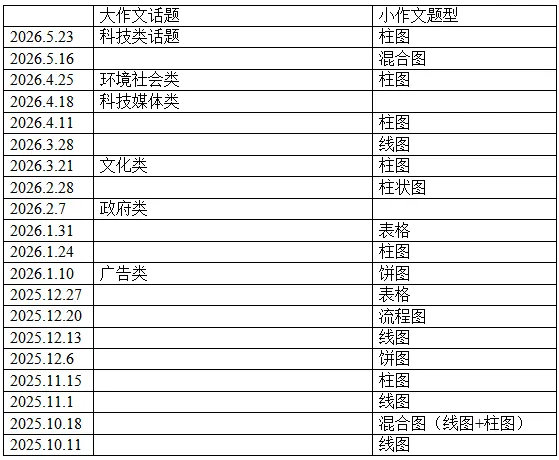
下面是2026年6月6日写作预测及相关例题,可作参考:

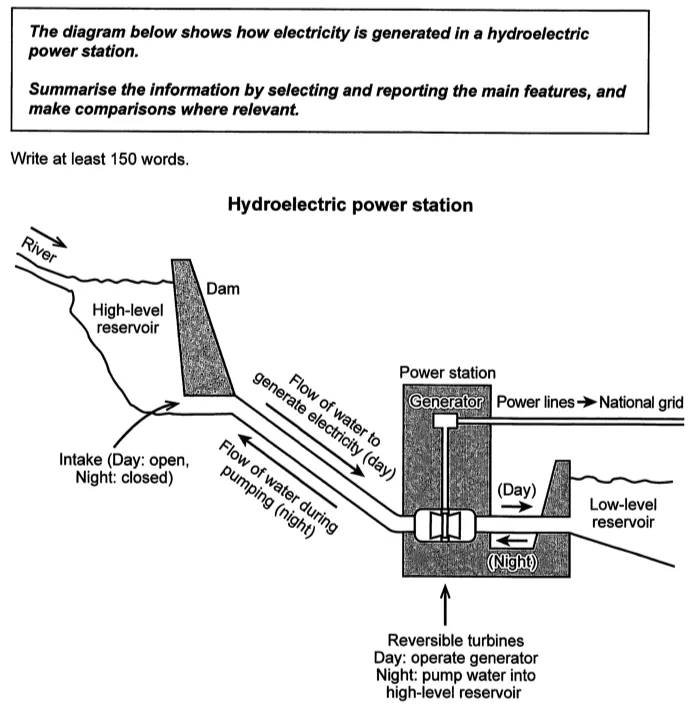
流程图举例如下:
The diagram below shows how electricity is generated in a hydroelectric power station.
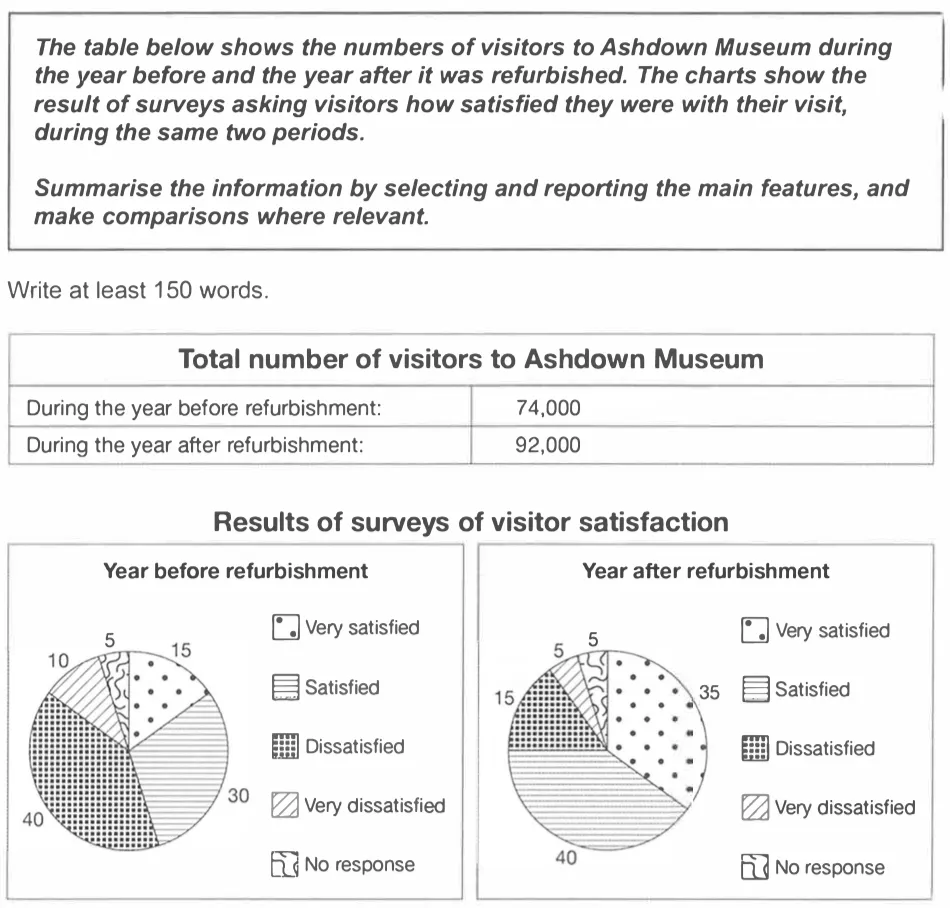
混合图举例如下:
The table below shows the numbers of visitors to Ashdown Museum during the year before and the year after it was refurbished. The charts show the result of surveys asking visitors how satisfied they were with their visit, during the same two periods.
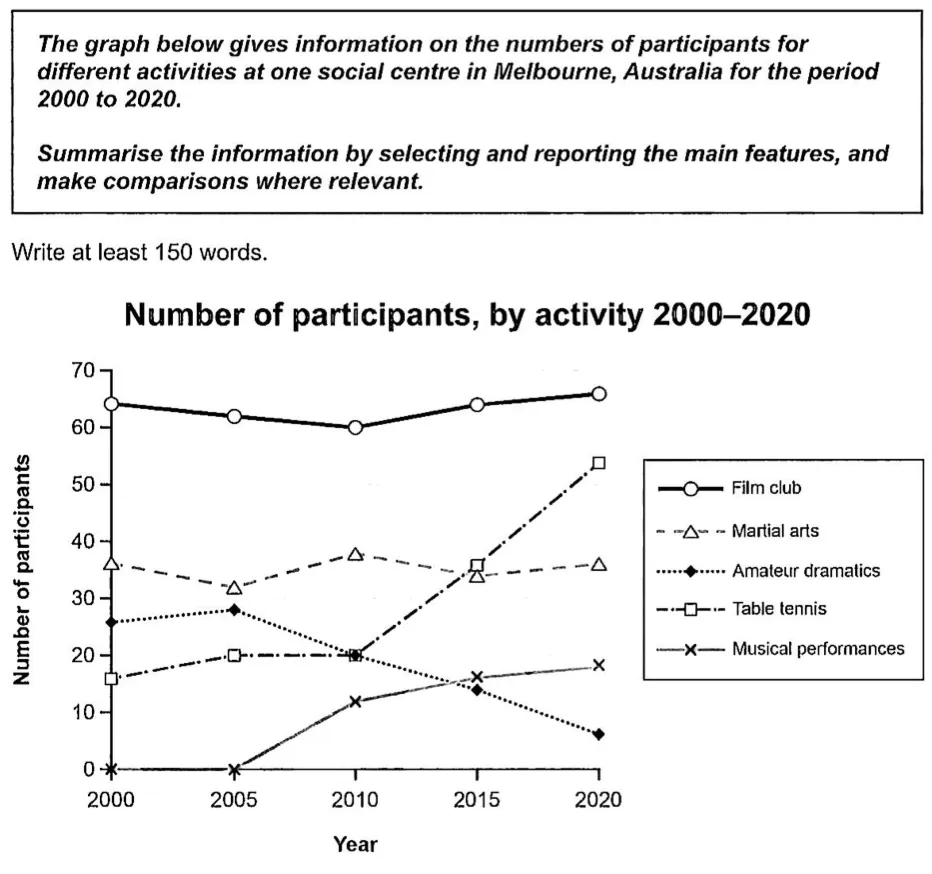
线图举例如下:
The graph below gives information on the numbers of participants for different activities at one social center in Melbourne, Australia for the period 2000 to 2020.

Task 2:人工智能/自动化类,环境类,工作与生活类
人工智能与自动化类例题如下:
1. Artificial intelligence is increasingly being used in many aspects of our lives, from healthcare to education and transportation. Do the advantages of this development outweigh the disadvantages?
2. Nowadays, artificial intelligence can create original works of art, music and literature. Do the advantages of this development outweigh the disadvantages?
3. Many companies are using artificial intelligence to replace human workers in various industries. Do the advantages of this trend outweigh the disadvantages?
环境类例题如下:
1. Some people believe that individuals can do little to solve environmental problems, and that only governments and large companies can make a difference. Others argue that individual actions are essential for protecting the environment. Discuss both views and give your own opinion.
2. Some people believe that the government should ban single-use plastics to protect the environment. Others argue that this would have negative economic consequences. Discuss both views and give your own opinion.
3. Some people think that the best way to solve climate change is to increase the price of fossil fuels. Others believe that there are better alternatives. Discuss both views and give your own opinion.

工作与生活类例题如下:
1. Some people believe that the four-day work week would improve the quality of life for everyone. To what extent do you agree or disagree?
2. Some people believe that remote working brings more benefits than drawbacks to both employees and employers. To what extent do you agree or disagree?
3. Some people think that employers should not expect their employees to answer work emails and calls outside of working hours. To what extent do you agree or disagree?

题型:
p1:填空
p2:单选+配对
p3:单选+多选
p4:填空
听力总结:
回顾5月23日的考试,p1出现了罕见的单选+配对+填空组合,预测未来的考试P1还是会回归正常,即填空题;P2考察了地图和配对,故未来可能会考察配对和单选题;P3也出现了非常规的单选和填空组合,但备考方向还是以主流题型为主,预测未来可能回归比较高频的单选和配对;P4考察了填空,预测未考试也会按照正常逻辑考察填空题。
重点场景:
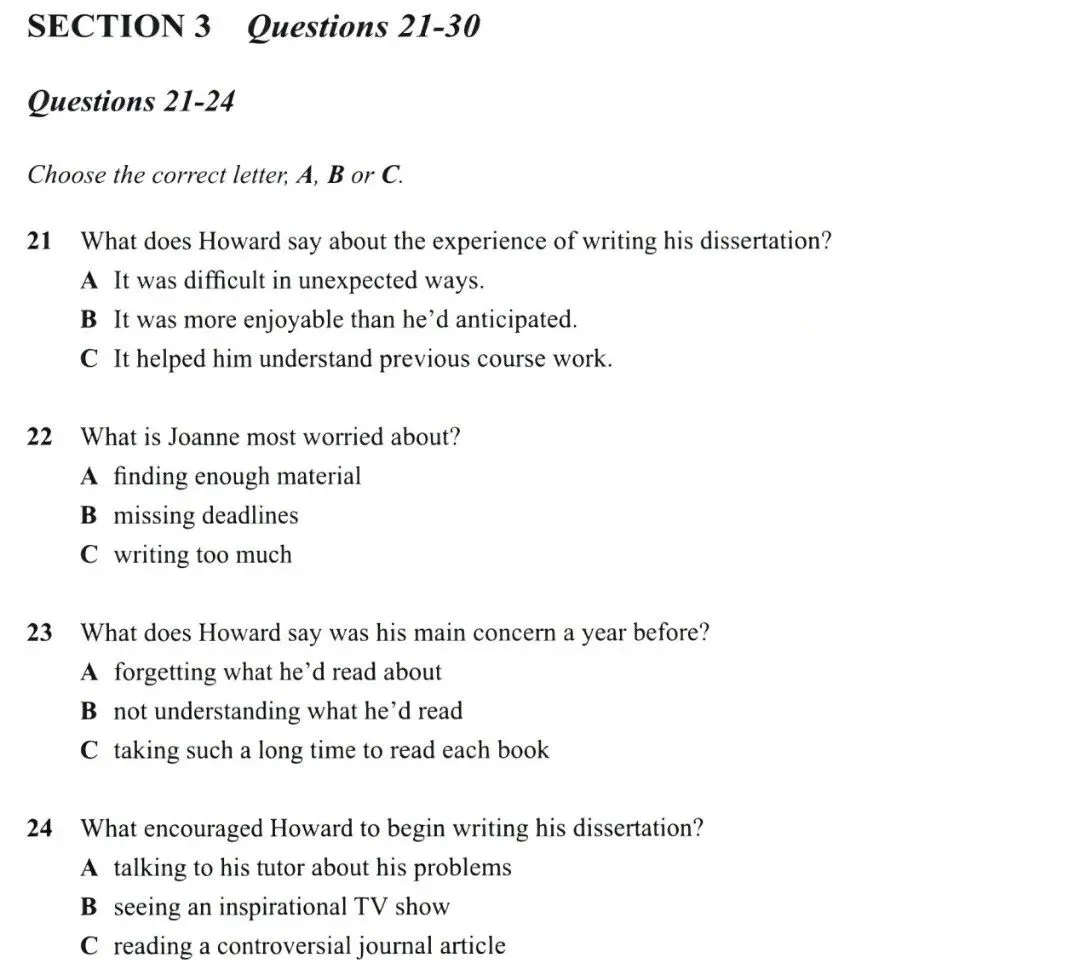
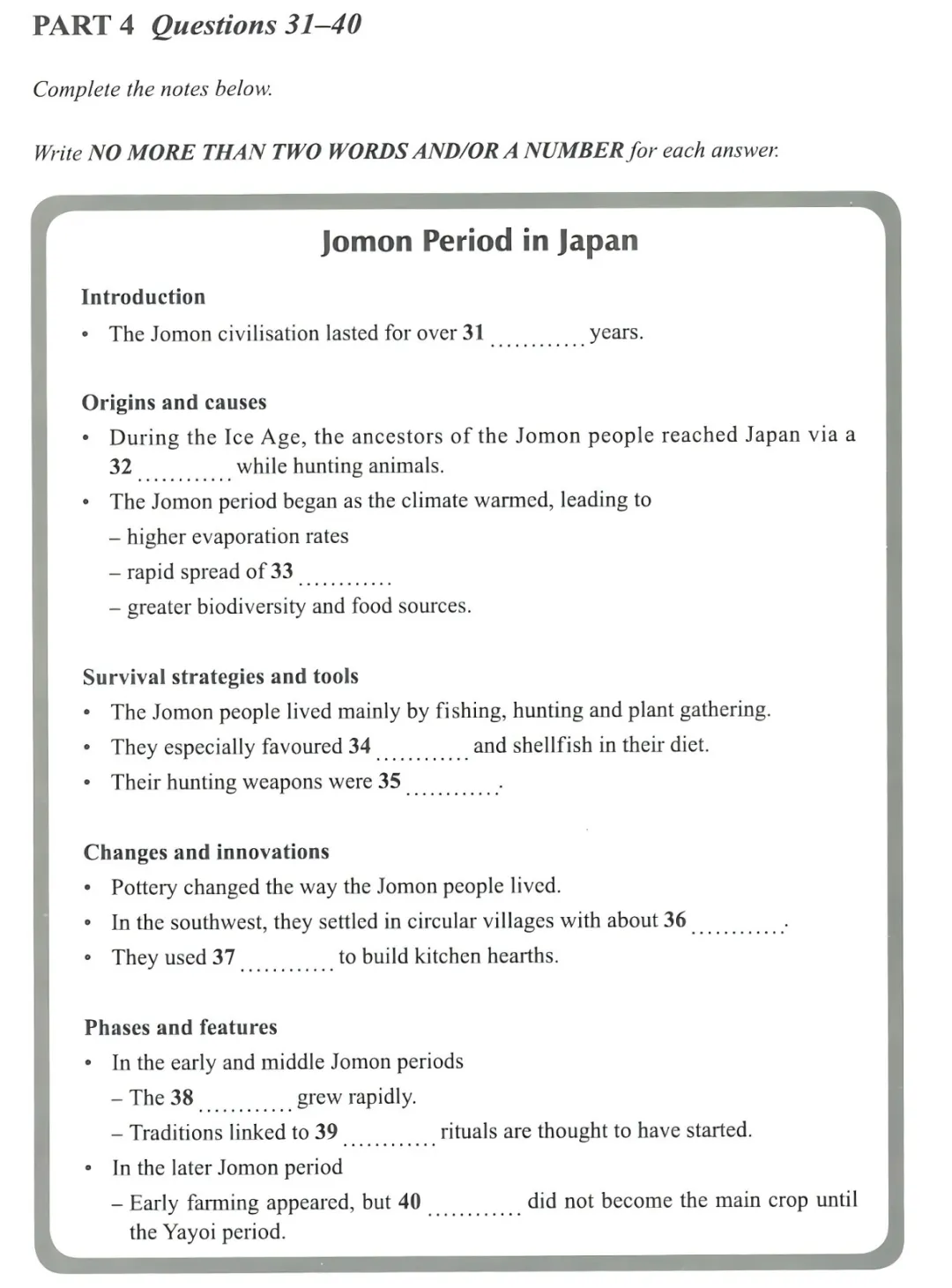
回顾5月23日的考试,p1考察了艺术课程咨询场景;p2考察了城市规划场景:庆祝某城市建设周年;p3考察了学术小组讨论场景;p4考察了社会科学类话题:行为经济学研究。未来的考试中,p1可关注求职场景;p2重点关注旅游介绍场景;p3继续关注学术任务讨论;p4可关注历史考古场景。
推荐练习篇目:
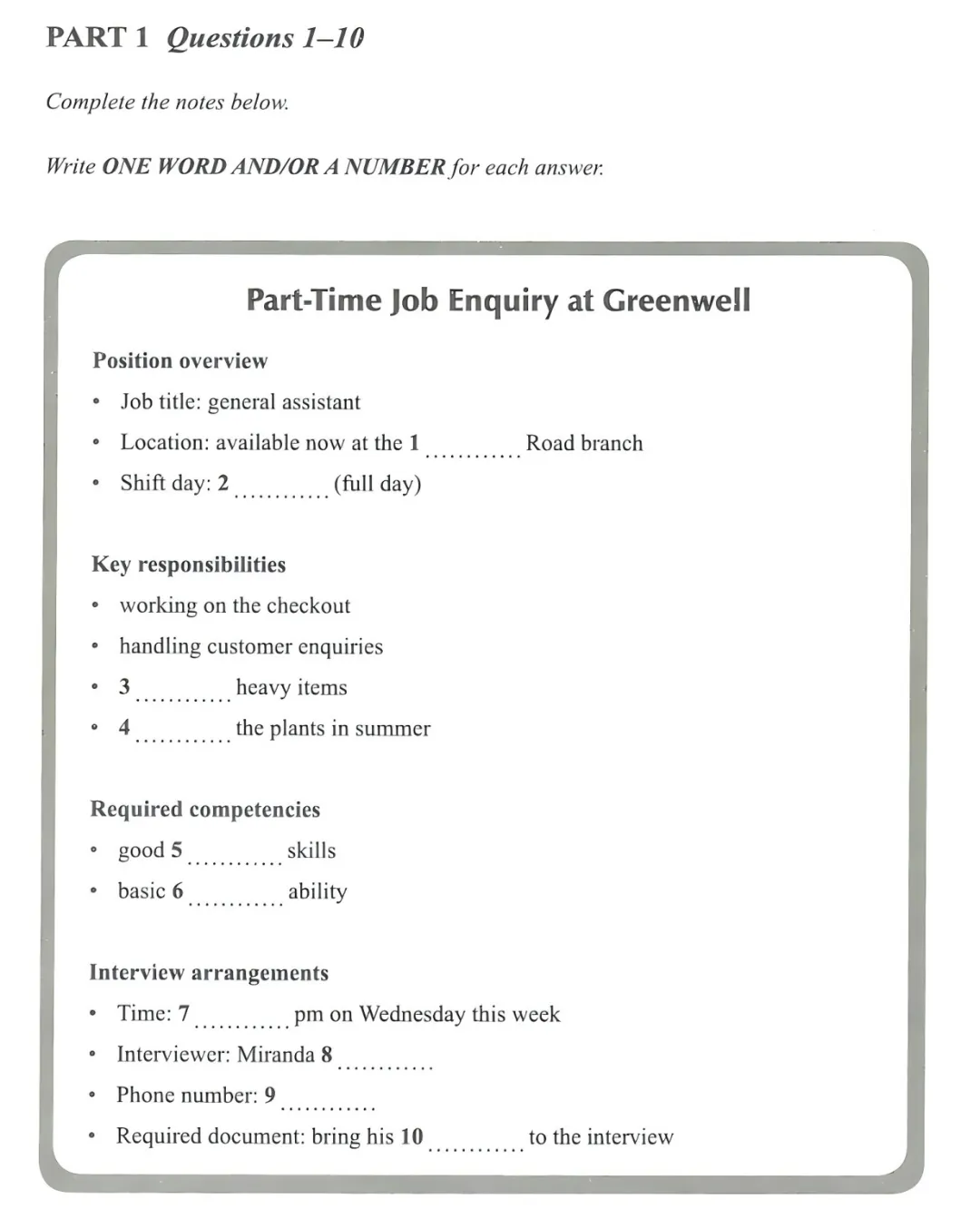
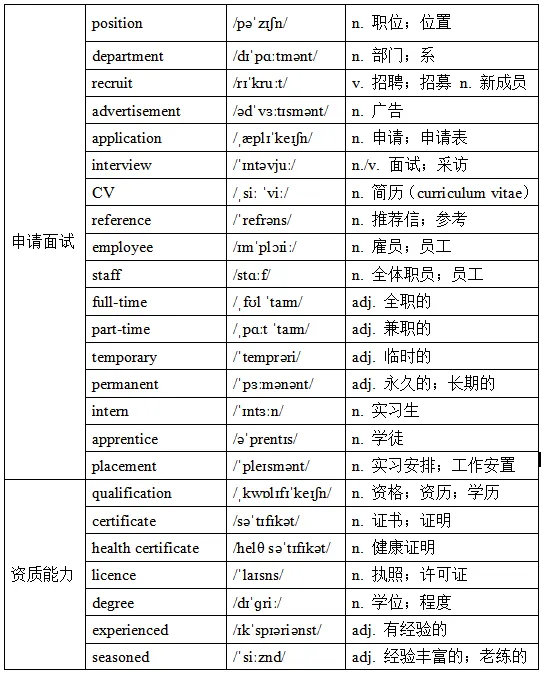
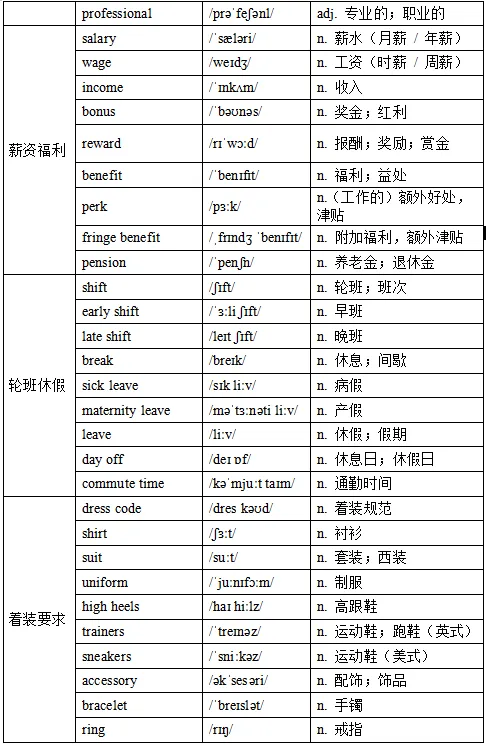
p1求职场景 九分达人 8-2-1
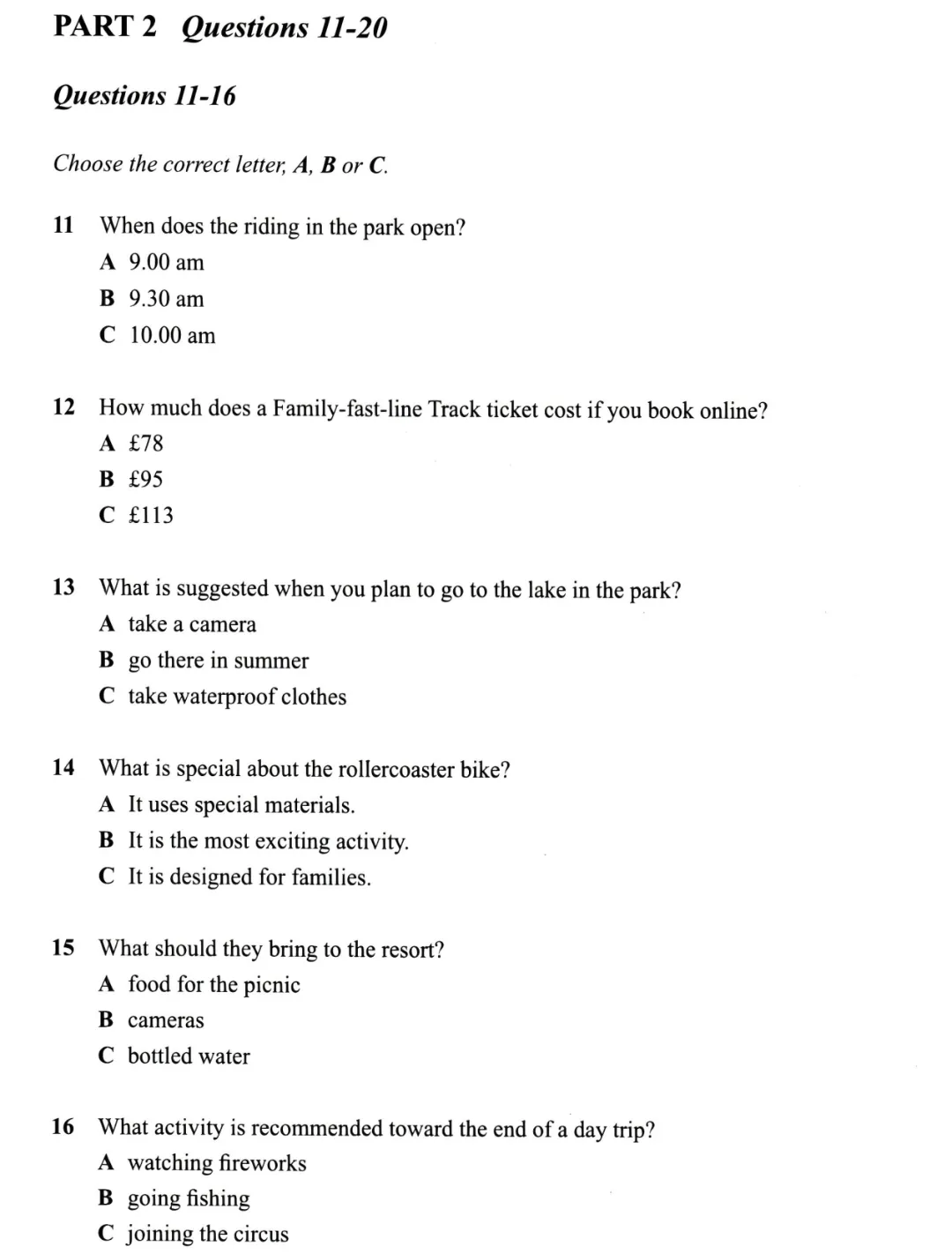
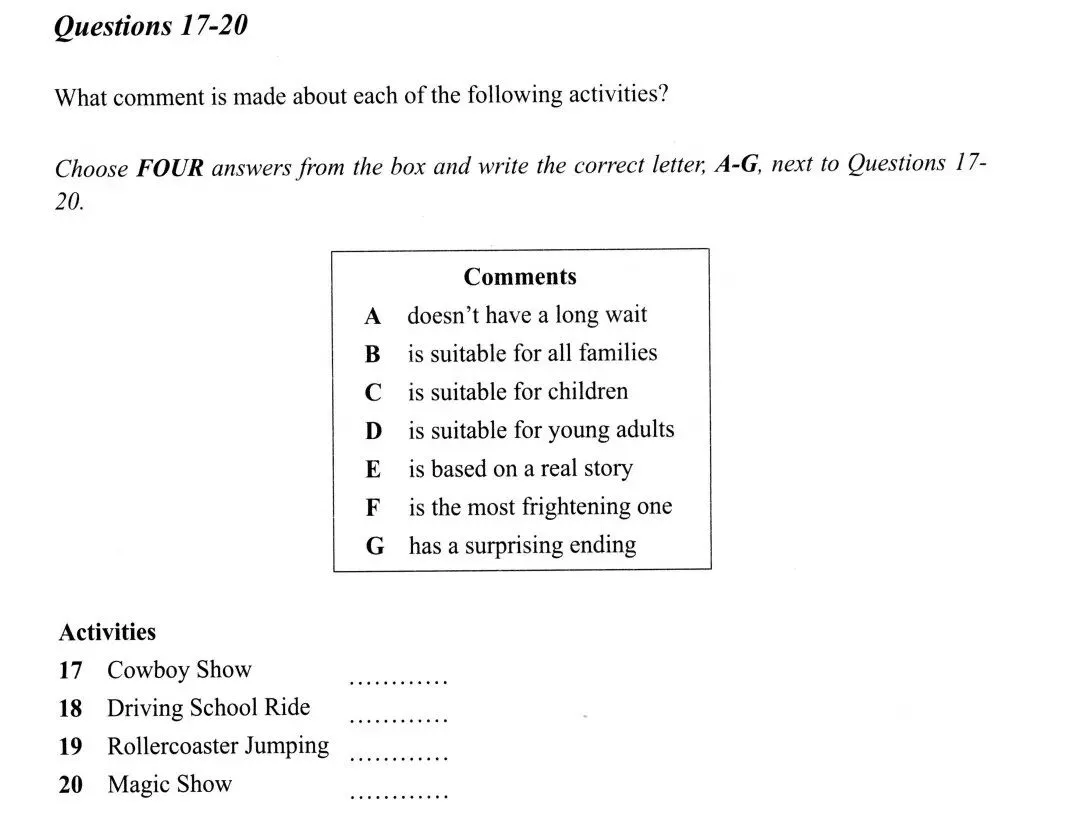
p2 旅游介绍类 九分达人6-4-2
P3 学术任务讨论 5-5-3
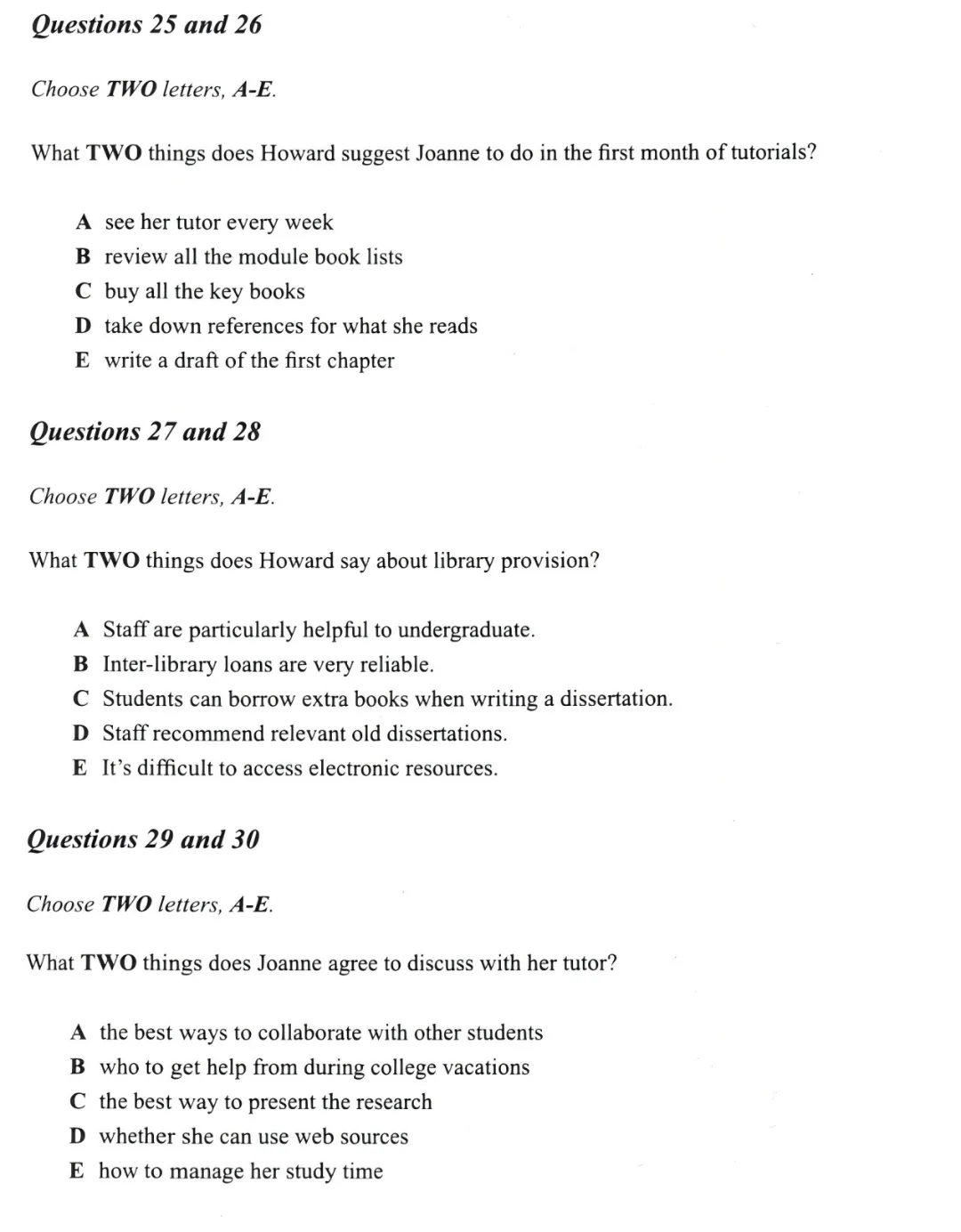
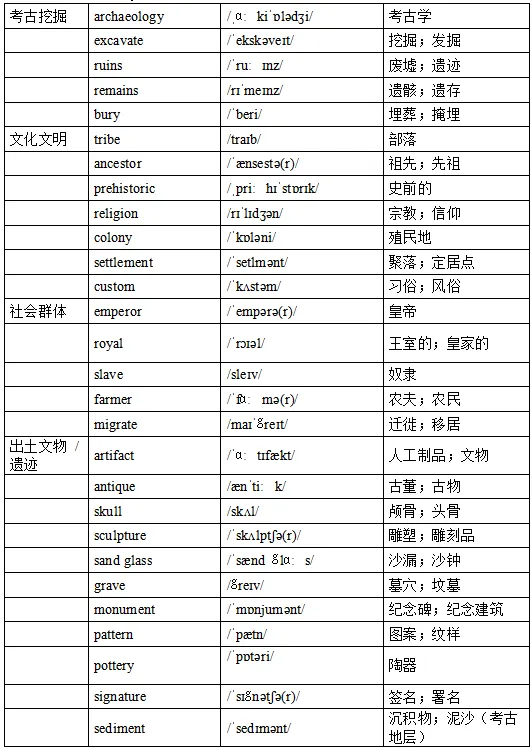
p4 历史考古场景 九分达人8-4-4
答案:
p1:
1. Station
2. Sunday
3. lifting
4. watering
5. communication
6. maths
7. 2.35
8. Rapana
9. 0213038874
10. passport
p2:
11. C
12. B
13. B
14. A
15. A
16. A
17. A
18. C
19. F
20. G
p3:
21. C
22. C
23. A
24. B
25. B
26. D
27. C
28. D
29. B
30. D
p4:
31. 10,000
32. land bridge
33. forests
34. nuts
35. arrows
36. 50
37. stones
38. population
39. marriage
40. rice
求职场景高频答案词:
历史场景高频场景词:

Passage 1:填空+判断
Passage 2:段落信息匹配+人名配对+填空Passage 3:单选+判断+选词填空
重点篇章话题:动物保护
READING PASSAGE 3
You should spend about 20 minutes on Questions 27-40, which are based on Reading Passage 3 below.
The tuatara – past and future
The New Zealand species of lizard, the tuatara, is firmly embedded in the national psyche: an icon for today which dates from the age of dinosaurs; an ancient reptile commemorated on the back of the five-cent coin. New Zealanders feel an affinity with the tuatara, and
accept that active conservation management is required to ensure it will be among the legacies left to future generations.
When European explorers reached New Zealand in 1769 they found two large islands,
which together they called the mainland, and many tiny offshore islands around the coast. The naturalists who came with the explorers disregarded the tuatara, though it is
improbable none were seen. Only several decades later did a tuatara specimen reach the British Museum, where it was eventually classified as just another type of lizard.
One of the first scientists who realised that aspects of tuatara anatomy were odd—
unchanged for tens of thousands of years—was Albert Gunther in 1876. Gunther believed the tuatara was one of the most valuable objects in zoological anatomical collections, and also noted, in passing, the reptile was likely to become extinct. From today’s perspective, it is striking that Gunther expressed no concern about the probable demise of the tuatara. He and his contemporaries were products of their age, strongly influenced by Charles Darwin’s theory, which had only recently been published. Their views were something like this:
‘Extinction is a natural process. It is sad that species disappear, but that is part of nature.’
There is a second important aspect of Gunther’s work. He recorded, correctly, that some of the mammals introduced by Europeans were predators of the tuatara—particularly rats. But what he did not realise was that New Zealand has two species of rat, both introduced, both with an appetite for tuatara: the ship’s rat came with European explorers and settlers; but the kiore rat had already been in the country for hundreds of years, brought by Polynesians from the Pacific Islands. Gunther failed to recognise the distinction, believing all rats to be a relatively recent introduction.
Little further research was conducted until Ian Crook of the NZ Wildlife Service published his findings in 1973, which can be summarised as follows. Tuatara thrive on offshore
islands with no rats. Tuatara never survived on islands with ship’s rats. On a few islands, small and declining populations of tuatara occur with the kiore. This should not be seen, however, as evidence that tuatara and kiore can coexist. Rather, Crook proposed, kiore probably only arrived recently on such islands, and thus the small populations represent extinctions in progress.
Throughout the 1990s, Richard Holdaway and his colleagues at Victoria University in
Wellington documented the surprising discovery that kiore probably arrived about 1,800
years ago, although the human population of New Zealand is thought to be no older than 800 years. How is this possible? Presumably, Holdaway argued, the kiore were brought by Polynesian explorers who visited the country but did not settle. Thereafter, the rats were
agents of ecological warfare, exterminating perhaps 1,000–3,000 species. Thus, tuatara
and many other species were already rare or extinct when permanent human inhabitants— the Maori—arrived around 1300. This hypothesis is still being debated, but the evidence
continues to accumulate in its favour.
Conservation practice has changed dramatically since Crook’s findings were published in 1973. Eradication of rats from any given environment was believed to be virtually
impossible until about 1980, but since then has become routine. Enormous conservation benefits are accruing as newly rat-free offshore islands are providing sanctuaries for the country’s rarest species. In 1995, for example, Nicola Nelson of the Department of
Conservation established 68 tuatara on Titi Island. Since then, four more populations of tuatara have been established elsewhere under similar conditions. Today, numbers of tuatara are still a fraction of what they once were, but for the first time in 1,800 years the decline has been reversed.
While the recovery of rare species is itself a good thing, the truly significant outcome of this research is that it liberates the imagination. If we can remove predatory introduced
mammals from islands, why not from the mainland too? Perhaps the questions we ask
should demonstrate even more visionary ambition. Can non-mammalian pests also be
removed from the mainland? Our rivers, for example, are full of surrogate rats, in the form of introduced species of fish called trout. Some day more people will understand that trout have replaced a whole native fauna in our waterways, just as rats replaced tuatara on the mainland. Will such knowledge lead to the creation of mainland ‘aquatic islands’ where we can once again establish those species of indigenous fish that used to live in our rivers? Similarly, can bellbirds and tuis replace birds like starlings and mynahs?
The answers to such questions are uncertain, and opposing sides will doubtless be fiercely debated. But the role of scientific knowledge in illuminating the past will be crucial. Just as we no longer tolerate extinction, in the future we may no longer accept a mainland devoid of the biological wonders of our past such as tuatara. Conservation is thus not primarily about the past but about imagining and then creating the future we wish for our children and
ourselves. For 80 million years until humans arrived, tuatara occurred throughout New Zealand—might they do so again?
Questions 27–31
Choose the correct letter, A, B, C or D.
Write the correct letter in boxes 27-31 on your answer sheet.
27 What are we told about the Europeans who arrived in 1769?
A They thought there was only one large island.
B They had not come to study natural history.
C They had no interest in the tuatara.
D They sent a tuatara to the British Museum.
28 What does the writer say about Albert Gunther in the third paragraph?
A He believed the tuatara could fetch a high price.
B He was typical of his generation of scientists.
C He disagreed with Charles Darwin’s theory.
D He wanted to stop the tuatara becoming extinct.
29 What did Albert Gunther think about the rats in New Zealand?
A They did not eat the tuatara.
B There was one species of rat.
C There had always been rats in New Zealand.
D They were killed by Polynesians.
30 What did Ian Crook conclude from his research?
A Tuatara are safe on small islands.
B Ship’s rats kill more tuatara than kiore.
C Kiore cannot swim to offshore islands.
D Rats and tuatara cannot live together.
31 What were the findings of Richard Holdaway’s research?
A Maori settled more recently than previously thought.
B The first Polynesian explorers formed permanent settlements.
C Ship’s rats are the oldest rat species in the country.
D Rats caused extinctions before any humans settled.
Do the following statements agree with the claims of the writer in Reading Passage 3? In boxes 32-35 on your answer sheet, write

32 The available research supports Holdaway’s theory but it has not been proved.
33 Nowadays, it is possible to totally destroy a population of rats on a small island.
34 Crook was the first person to recognise the potential of offshore islands as sanctuaries.
35 Tuatara numbers are continuing to fall.
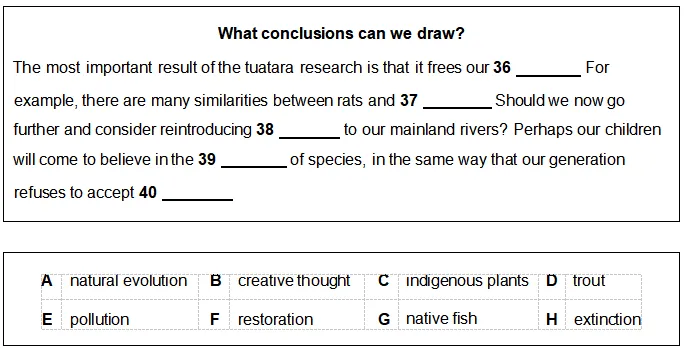
Questions 36–40
Complete the summary using the list of words, A–H, below.
Write the correct letter, A–H, in boxes 36-40 on your answer sheet.
这是一篇典型的生态保护类说明文,围绕新西兰标志性爬行动物——大蜥蜴(tuatara)展开。文章从18世纪欧洲探险家的记录入手,梳理了科学家对tuatara认知的演变:从最初被忽视,到意识到其解剖学独特性却对灭绝无动于衷,再到后来揭示老鼠是导致其数量锐减的关键因素。文章后半部分聚焦当代保护实践,最后,作者将视野拓展到更宏大的“想象力的解放”,提问能否将类似思路应用于大陆河流中的入侵鱼类,从而恢复本土水生生物。
段落结构:
第一段:tuatara在新西兰国民心中的地位,以及主动保护管理的必要性。
第二段:1769年欧洲探险家到达新西兰,随行博物学家忽视了tuatara,数十年后才有标本送至大英博物馆。
第三段:1876年Albert Gunther意识到tuatara解剖结构异常,但认为灭绝是自然过程——反映达尔文时代科学家的典型态度。
第四段:Gunther记录到欧洲引入的老鼠捕食tuatara,但他未能区分两种老鼠,误以为所有老鼠都是近期引入。
第五段:1973年Ian Crook的研究结论:无鼠岛屿上tuatara繁盛;有船鼠的岛屿上绝迹;仅有kiore的岛屿上种群小且衰退,实为“正在进行的灭绝”。
第六段:1990年代Richard Holdaway的发现:kiore可能早在1800年前由波利尼西亚探险者带来,这些老鼠导致了物种灭绝,使tuatara在毛利人定居前就已稀少。
第七段:保护实践变化:1980年前灭鼠被认为几乎不可能,现已成为常规操作。1995年在Titi岛建立,此后又建立4个新种群,1800年来下降趋势首次逆转。
第八段:真正重要的结果是“解放想象力”——是否可从离岛扩展到大陆?是否可去除大陆上的非哺乳类害虫?从而创建“水生岛屿”,恢复本土鱼类。
第九段:未来答案不确定,但科学知识对揭示过去至关重要。我们不再容忍灭绝,未来或许不再接受一个缺乏生态奇观的大陆。tuatara曾遍布新西兰80 million年,它们能否再次如此?
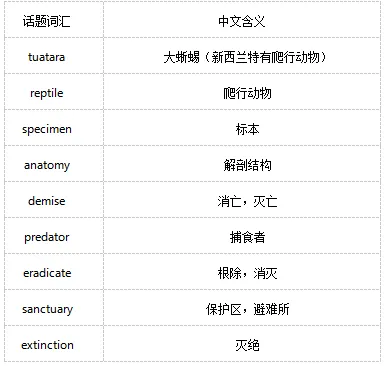
词汇积累:
长难句分析:
原句A:
He recorded, correctly, that some of the mammals introduced by Europeans were predators of the tuatara—particularly rats. But what he did not realise was that New Zealand has two species of rat, both introduced, both with an appetite for tuatara: the ship's rat came with European explorers and settlers; but the kiore rat had already been in the country for hundreds of years, brought by Polynesians from the Pacific Islands.
结构分析:
第一句为简单宾语从句。第二句主句为“what he did not realise was that...”,主语从句+表语从句;表语从句中列出两种老鼠,用冒号引出具体说明,分号连接对比关系,过去分词“brought by...”作后置定语修饰kiore rat。
翻译:
他正确地记录到,欧洲人引入的一些哺乳动物是tuatara的捕食者——尤其是老鼠。但他没有意识到的是,新西兰有两种老鼠,都是引入的,并且都爱吃tuatara:船鼠随欧洲探险家和定居者到来;而kiore老鼠已经在这个国家生活了数百年,是由波利尼西亚人从太平洋岛屿带来的。
原句B:
*Thereafter, the rats were agents of ecological warfare, exterminating perhaps 1,000-3,000 species. Thus, tuatara and many other species were already rare or extinct when permanent human inhabitants—the Maori—arrived around 1300.*
结构分析:
第一句简单句,现在分词“exterminating...”作伴随状语。第二句为复合句,主句为“tuatara...were already rare or extinct”,when引导时间状语从句,破折号插入同位语“the Maori”。
翻译:
此后,老鼠成为生态战争的工具,可能消灭了1000至3000个物种。因此,当永久居民——毛利人——在1300年左右到达时,tuatara和许多其他物种已经稀少或灭绝了。
原句C:
Can non-mammalian pests also be removed from the mainland? Our rivers, for example, are full of surrogate rats, in the form of introduced species of fish called trout. Some day more people will understand that trout have replaced a whole native fauna in our waterways, just as rats replaced tuatara on the mainland.
结构分析:
第一个问句简单。第二个句子主系表,“in the form of...”作状语,“called trout”过去分词作定语。第三句为that引导的宾语从句,其中包含“just as”引导的方式状语从句进行类比。
翻译:
非哺乳类害虫也能从大陆上清除吗?例如,我们的河流里充满了“替代老鼠”——以被称为鳟鱼的引入鱼类的形式存在。总有一天会有更多人明白,鳟鱼已经取代了水道中的整个本土动物群,就像老鼠在大陆上取代了tuatara一样。
备考建议:
1.题型规律:大部分顺序出题(填空有概率乱序)
本文包含单选、判断题和选词填空,是雅思阅读Passage 3的常见组合。建议做题顺序:先定位大概原文段落,再精读对应句子。对阅读能力比较自信的同学可以直接平行阅读,从头读到尾,所有题打包一起做;目标分6.5以下的同学建议跳过单选题尝试先解决判断或填空。
2. 同义替换是核心
本文中大量出现同义替换,例如:
“disregarded the tuatara” ↔ “had no interest in the tuatara”(Q27)
“products of their age” ↔ “typical of his generation”(Q28)
“liberates the imagination” ↔ “frees our creative thought”(Q36)
在备考的过程中做完题后同学们记得把题干和原文同义替换积累一下,下次考到就赚到啦。
3. 预测方向
动物保护、入侵物种、生态历史、科学认知演变是雅思阅读高频话题。本文结合了“科学史中的观念变迁”和“具体保护技术”,此类文章往往在Passage 3出现,搭配单选+判断+摘要填空。备考时可补充阅读类似主题文章,如岛屿生态恢复、物种重新引入项目、科学范式转变等,熟悉“发现问题—研究过程—应用拓展—未来展望”的常见行文逻辑。
写作供稿:袁国睿老师
听力供稿:田玥老师
阅读供稿:闫仪老师

成为自己,不被定义

雅思托福A-LevelAPOSSD
KET/PET GREGMAT
四六级考研英语成人英语多邻国
留学预备国际学校备考留学申请背景提升
不同提升系列&不同班型课程
立即扫码(或阅读原文)咨询👇

📋优惠提前享📋

一分钟带你了解新航道的课程:
一.多项目开设
新航道开设有:国际学校择校备考、英联邦/北美本硕申请、留学规划服务、留学背景提升等出国留学服务。
二.前沿的留学课程体系
新航道根据学生基础与目标详细规划,科学分班,开设有大班、小班、VIP、平时班、周末班等丰富班型, 贴合不同学生的学习和时间需求,真正做到因材施教、量身定制。
(以上为部分课程示例)
三.助教服务
坚持“以学生为中心”的服务原则,打造“测——学——练——评”服务链条,由专业团队进行“多对一”服务。建立专属学习群,严格按照学习目标进行作业批改、单词拼写、实时答疑等工作。
定期开展留学老师指导活动,实现学习+留学规划服务。
四.品质教材+教辅

✦

如何找到我们

【咨询】私信“咨询内容+联系方式”,我们将主动和您联系
【关注】后台直接在线私信小助手,查询更多课程内容
【校区】后台回复“校区查询”接收校区详细地址