夜雨聆风
夜雨聆风
向左滑动查看英文
Swipe left to view in English
当AI可以轻松画出一幅画、生成一段旋律、甚至设计一件作品,当“快速出结果”“高效完成创作”成为日常;
很多家长不禁疑惑:现在,还有必要陪孩子慢慢画画、捏泥巴、听音乐、感受自然吗?
美育,在AI时代还有意义吗?
作为彼一米湘府校区一名长期陪伴低龄儿童成长的国际化幼儿园老师,我想认真和大家分享一个教育共识:AI越强大,美育越重要。
机器可以生产“美”,却永远无法复刻孩子眼底的星光、心底的热爱,以及那份独一无二的感知与创造。真正不可替代的,始终是人类的审美力、想象力与情感表达。
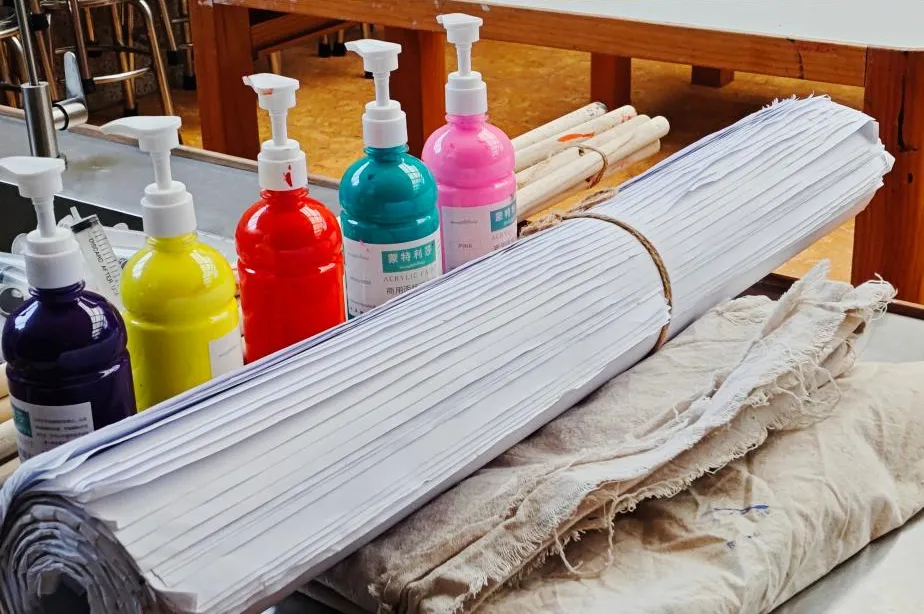
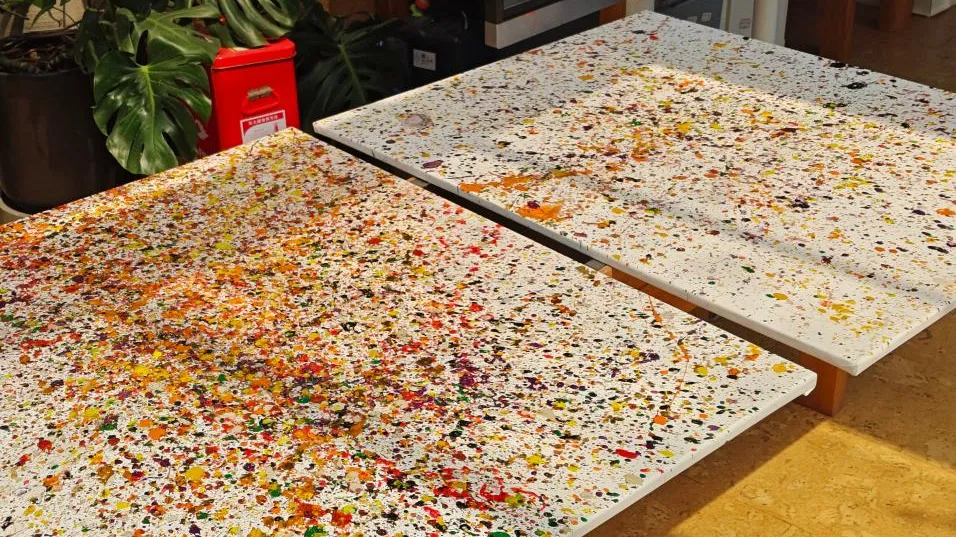
一场美术馆之旅:让美被看见
五月,我们的IEYC主题是“想象一下”。从一场美术馆之行开始,我们带孩子走进艺术的真实场域。
01
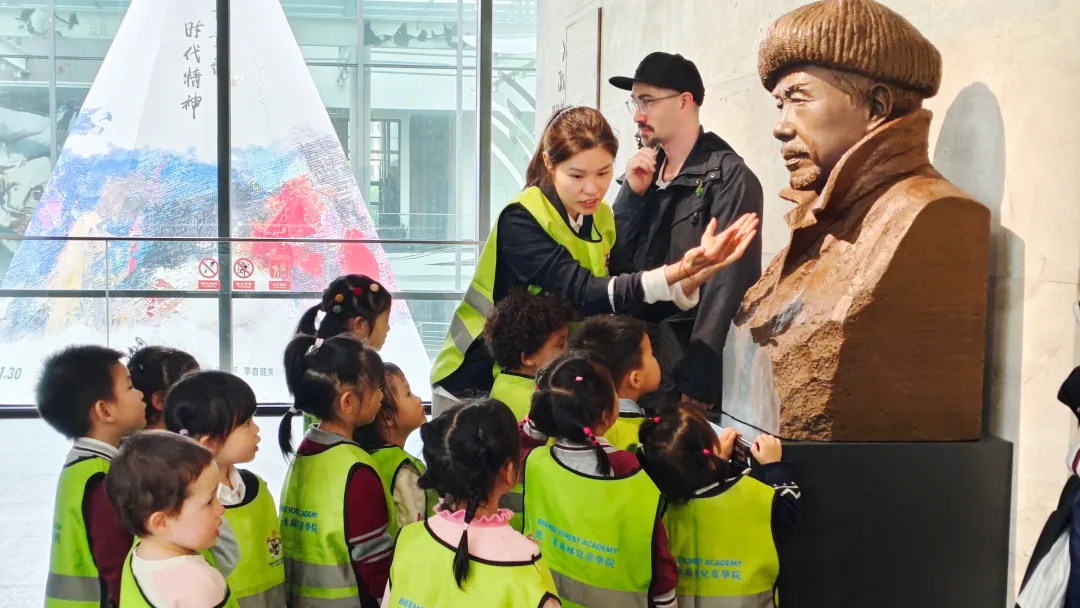
行前:初识美术馆
老师告诉孩子:“美术馆是一个挂满画的大房子”“每幅画都有小灯照亮”“画框也各不相同”。这是他们与艺术的第一次对话。
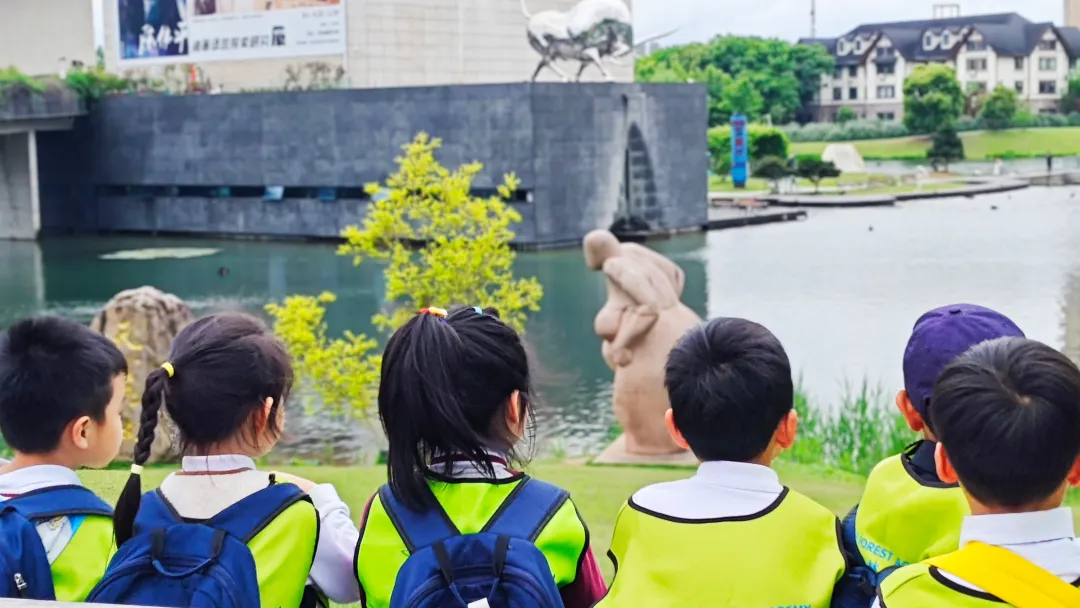
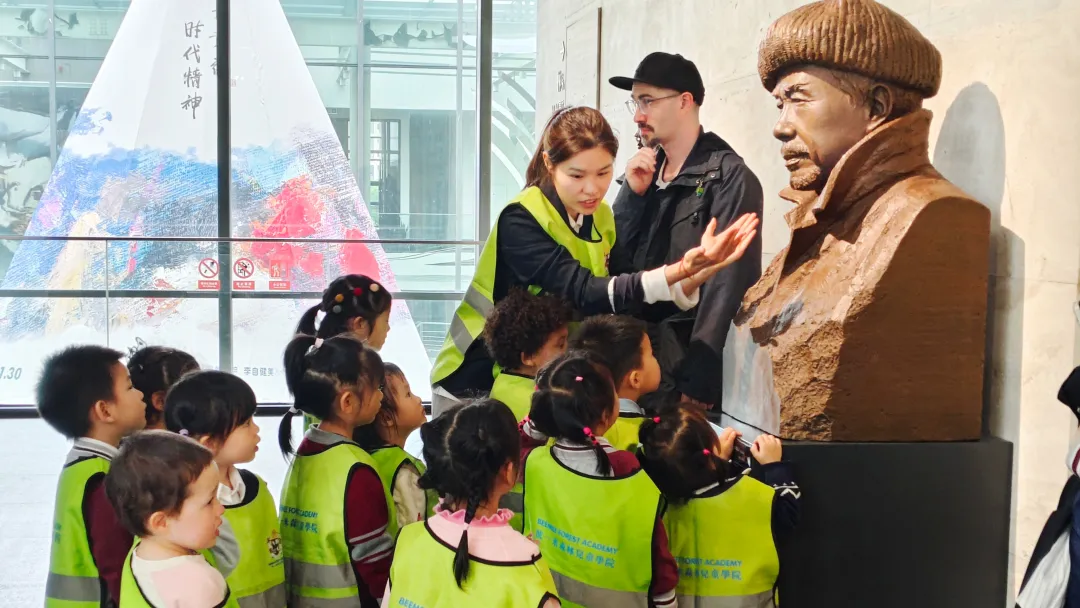
02
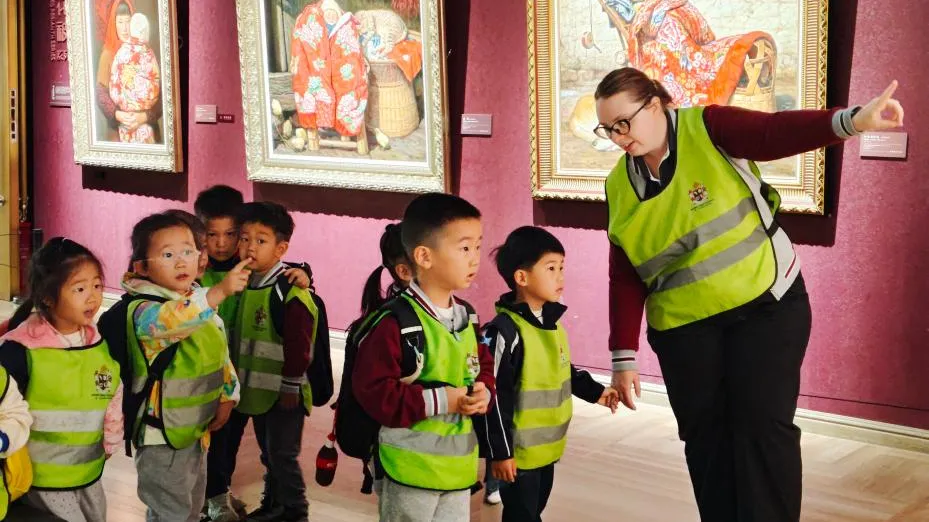
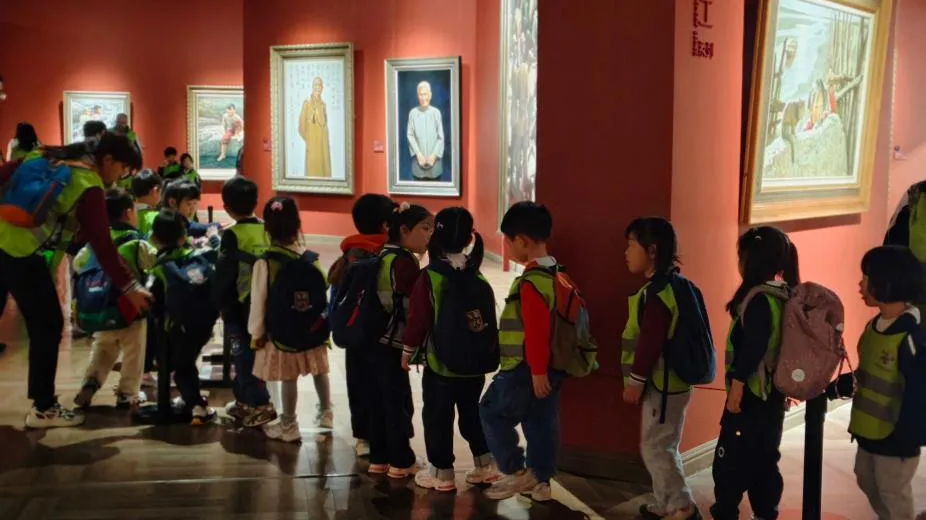
抵达:观察与沉浸
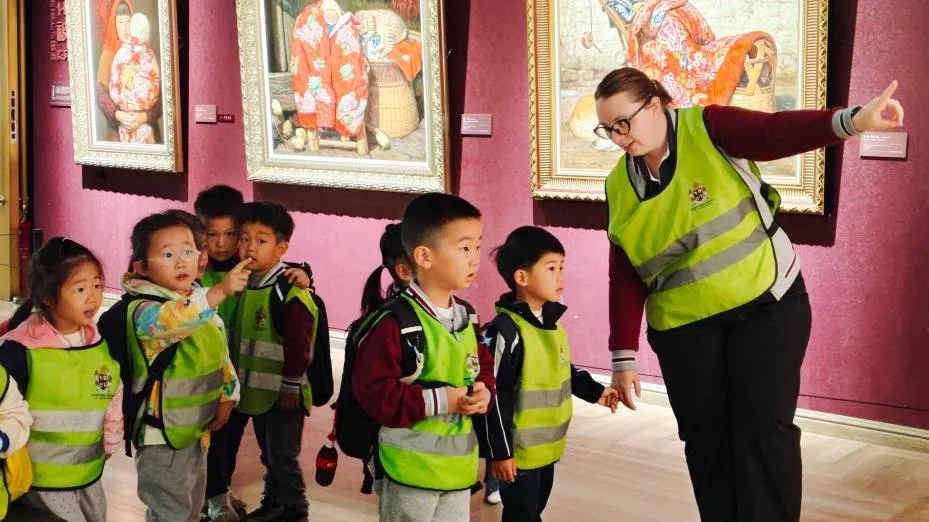
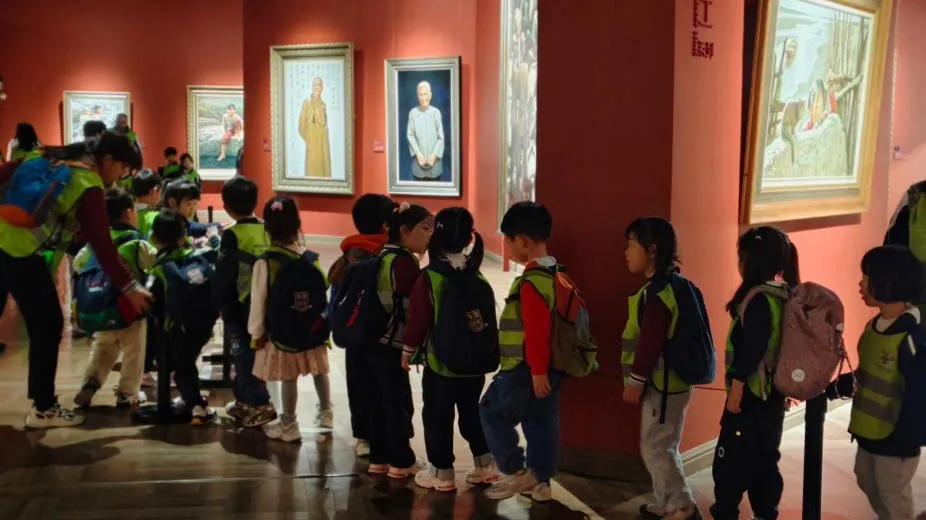
走进美术馆,孩子们在安静的氛围中,细细观察色彩、光影与笔触。窗外的自然景色与室内的艺术作品交相融合,宁静而愉悦。
03
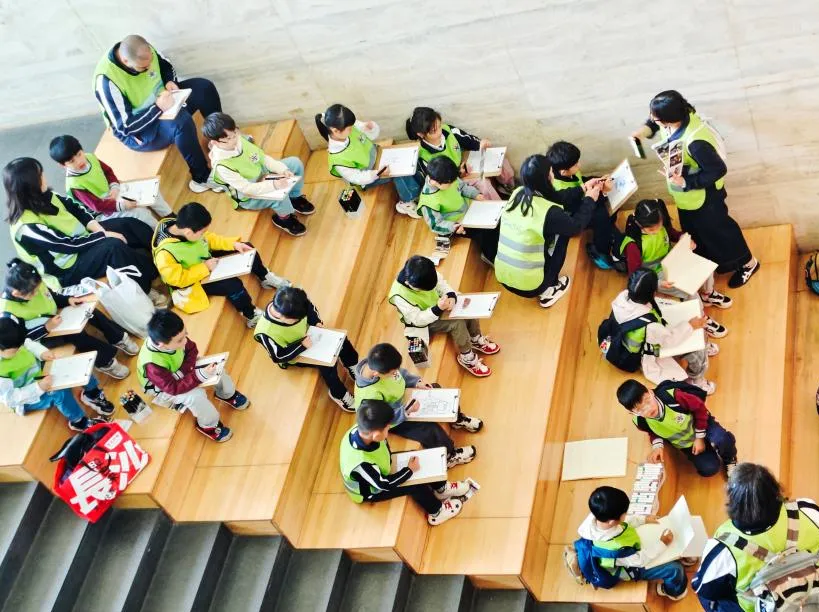
创作:画出所见所感
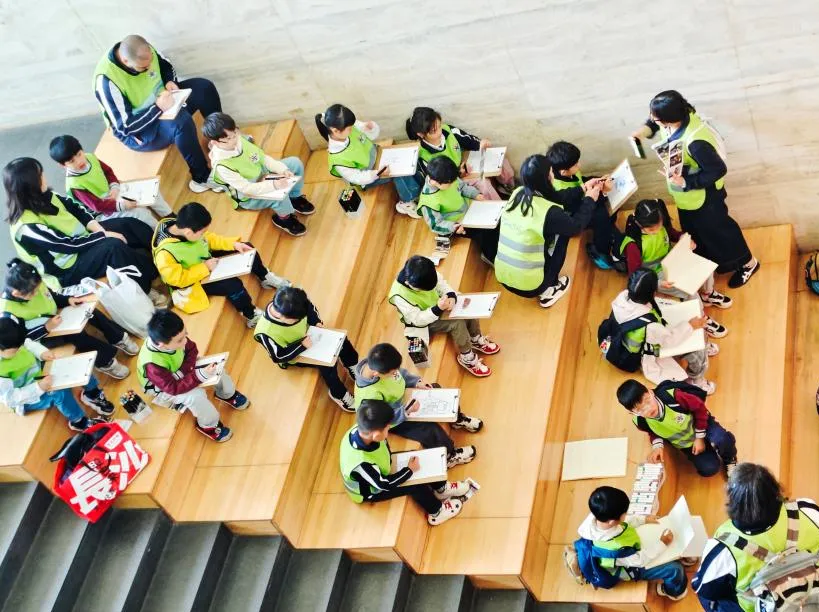
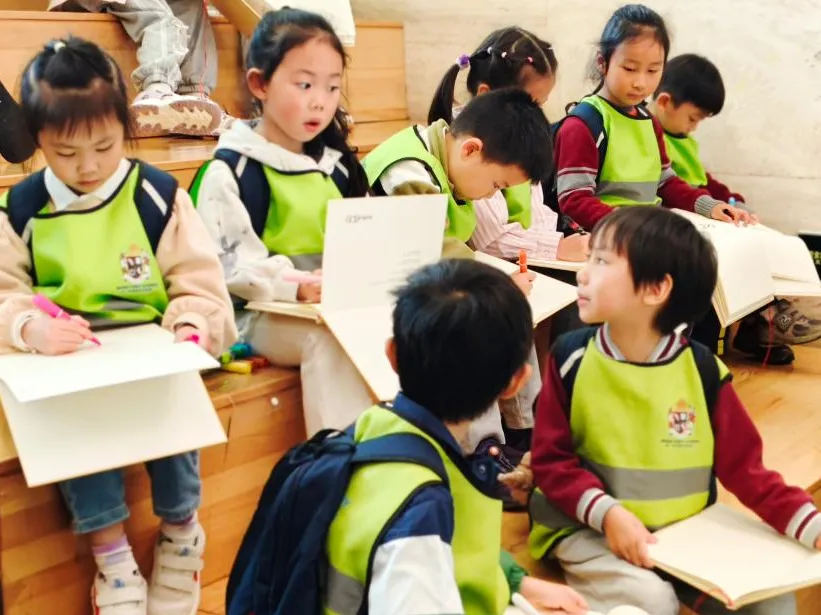
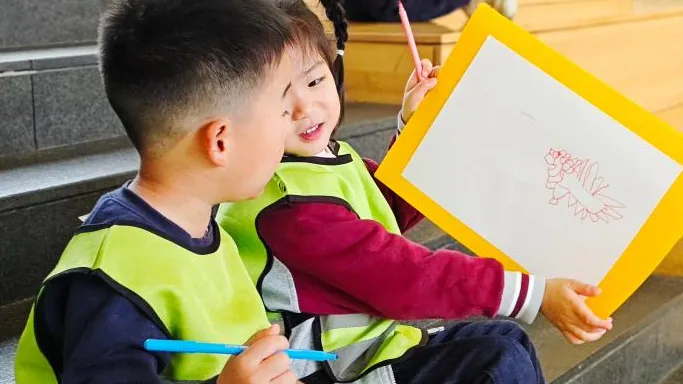
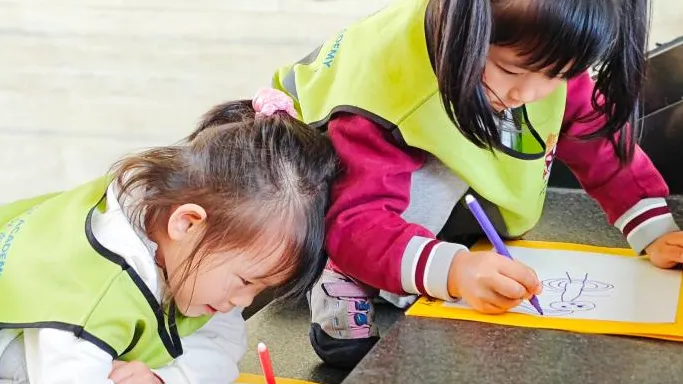
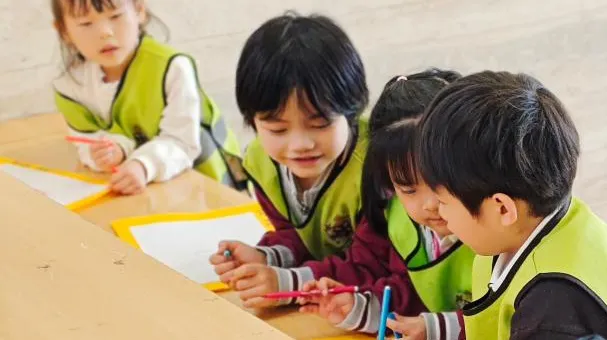
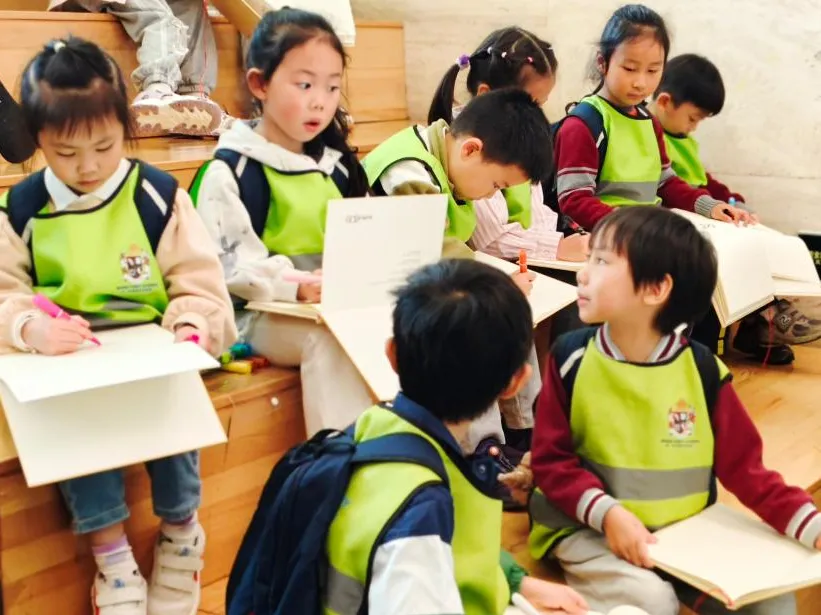
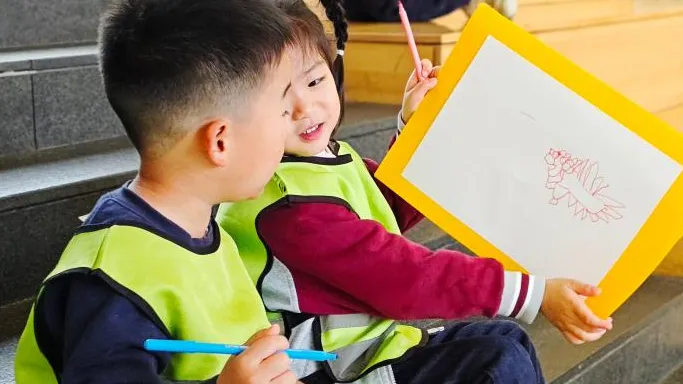
被美术馆的艺术氛围感染,孩子们拿起画笔,用线条、色块,或心中想象的“窗”与“树”,把眼中的世界画了下来。
他们既是观众,也是小小的创作者。
04
收获:完整的艺术体验
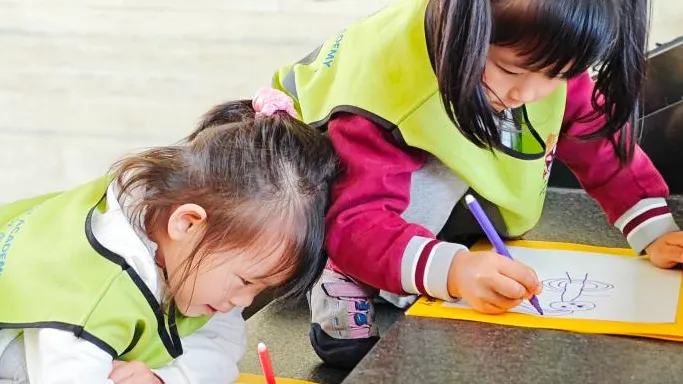
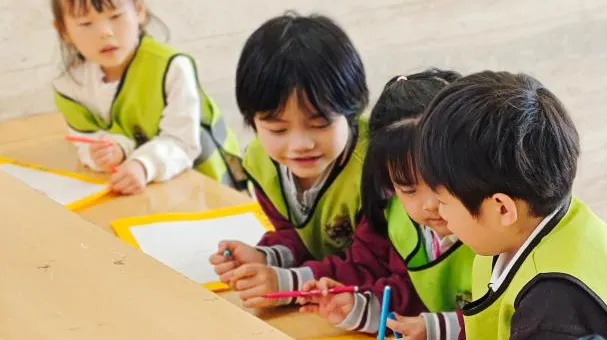
从想象、观察到创作,孩子们不仅认识了美术馆,更学会了在静谧中感受美、在观察后表达美。
一颗美的种子,悄然播撒在心田。
亲手创造美:三种艺术体验背后的成长密码
为什么要让孩子亲手去“做”艺术?在彼一米,IEYC主题“想象一下”的每一个艺术活动,都在回答这个问题。
01
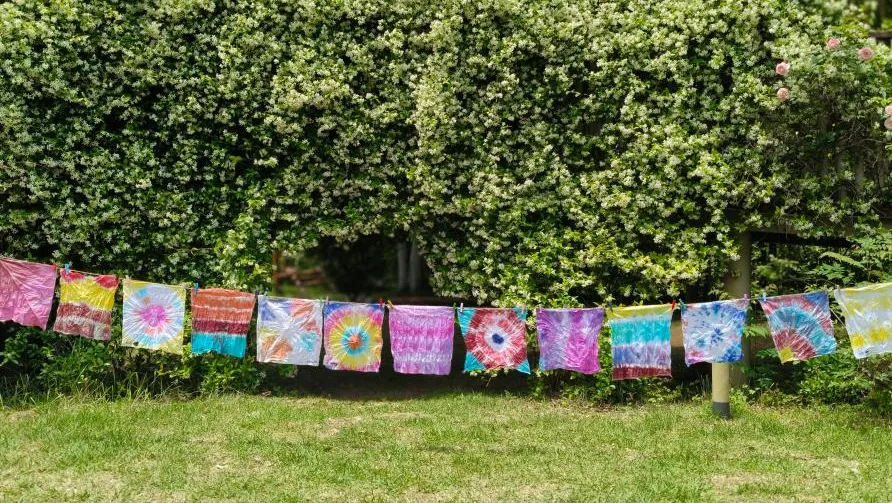
从水彩到布料:扎染与纸染
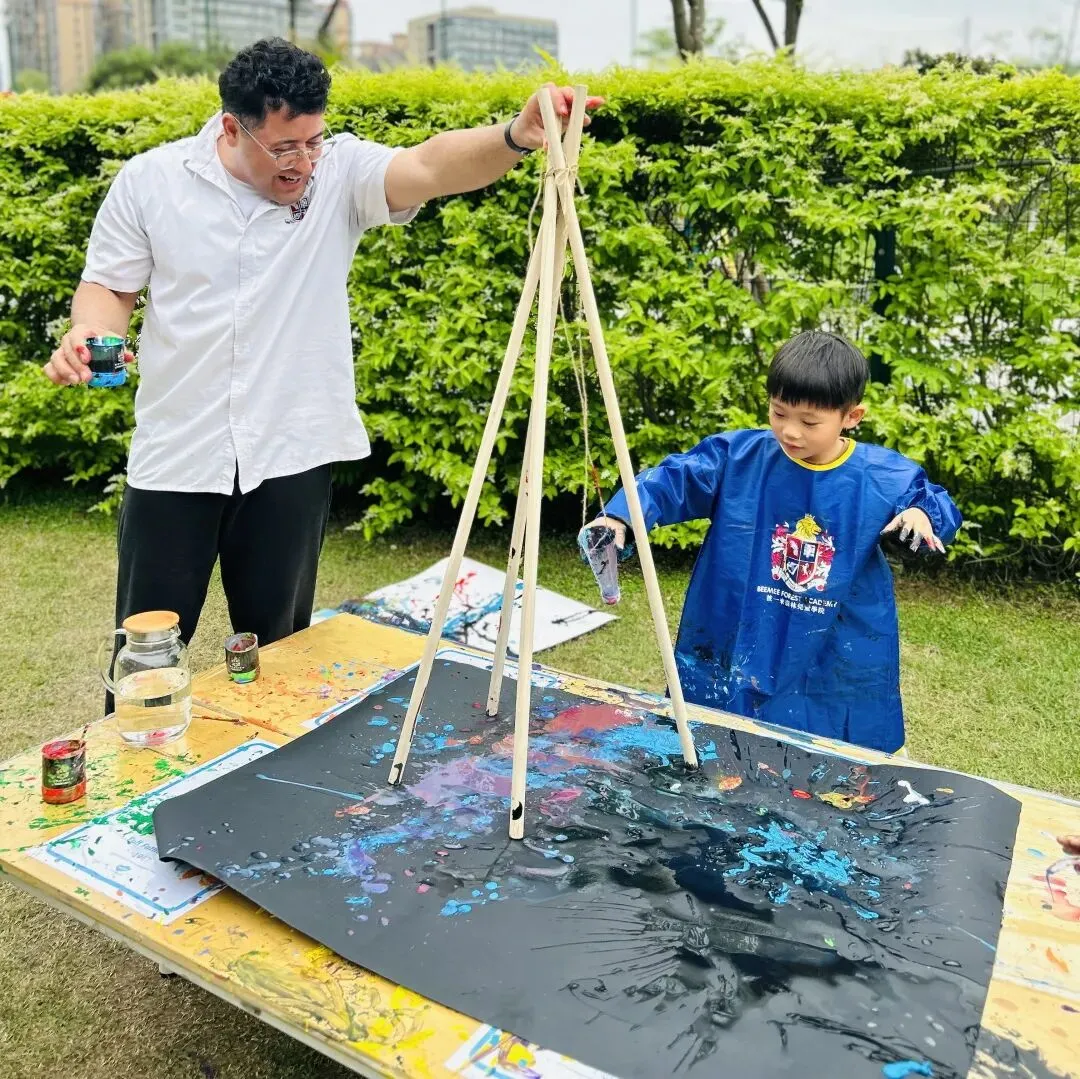
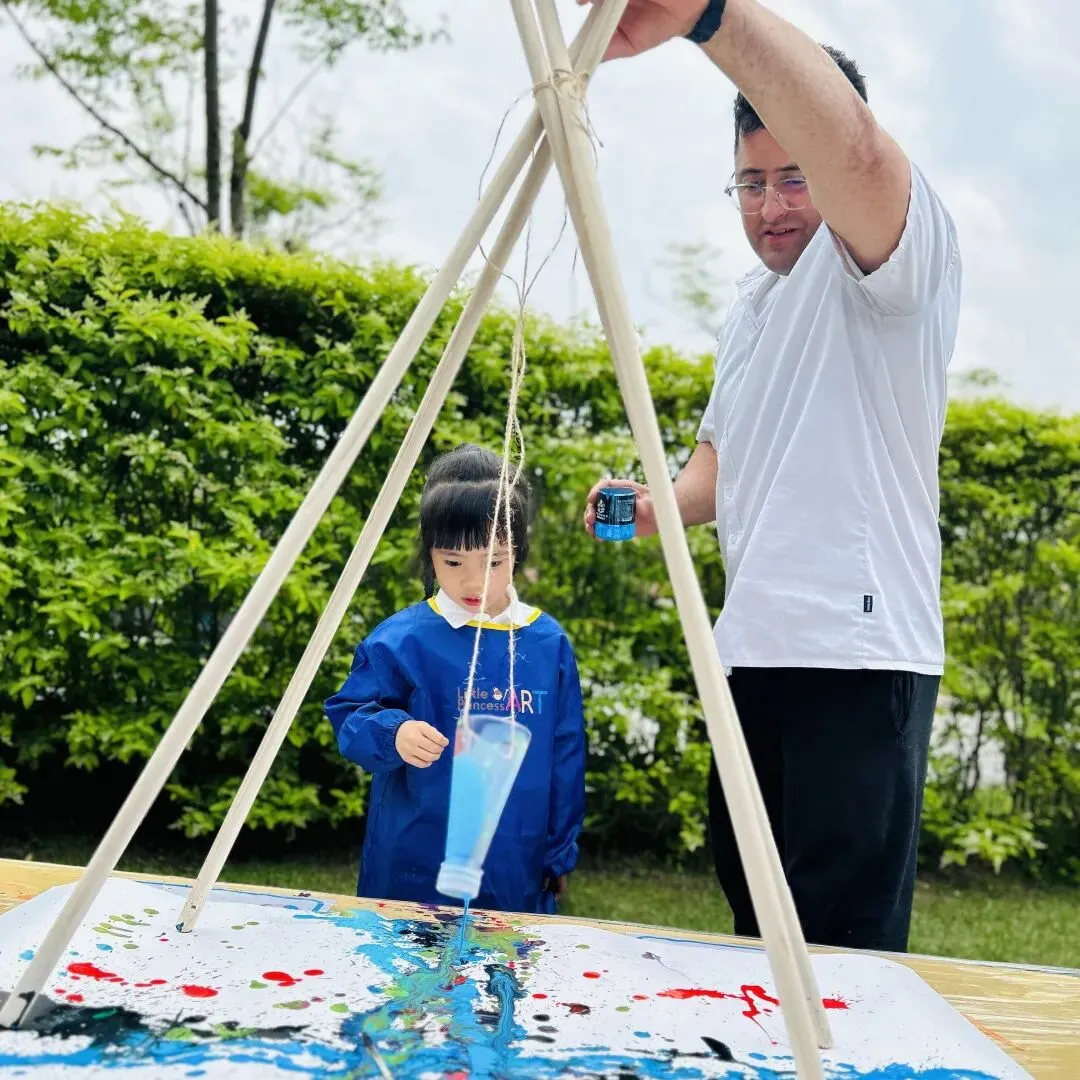
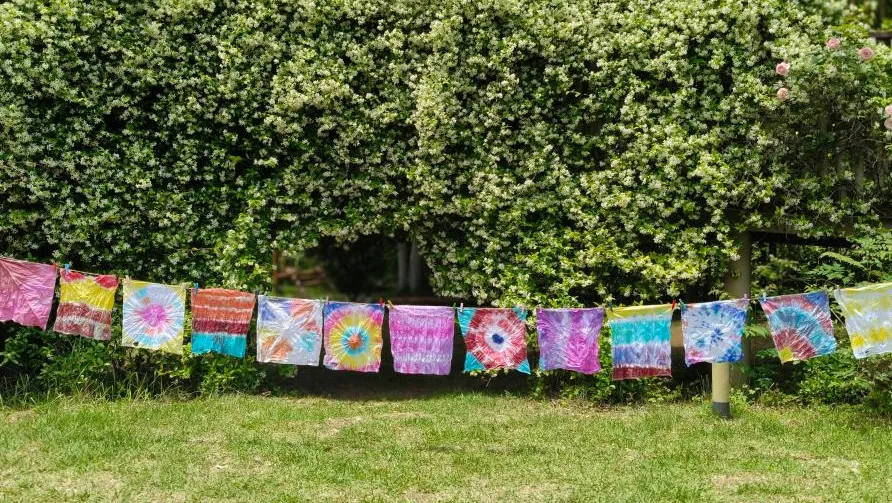
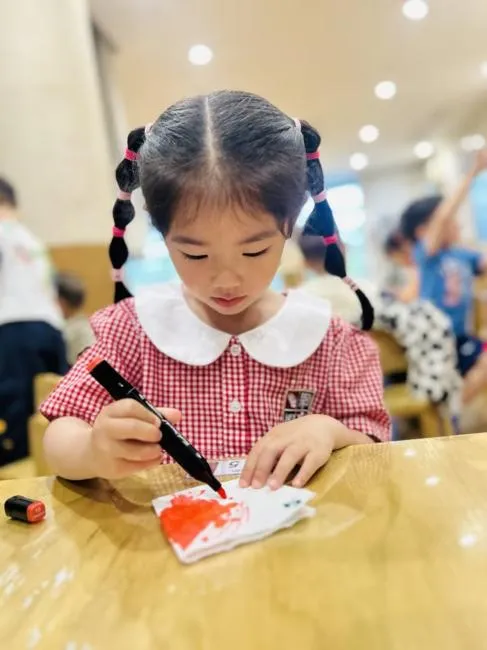
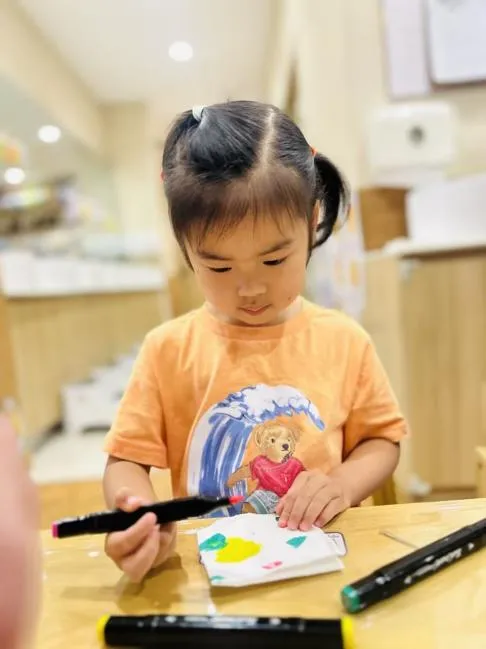
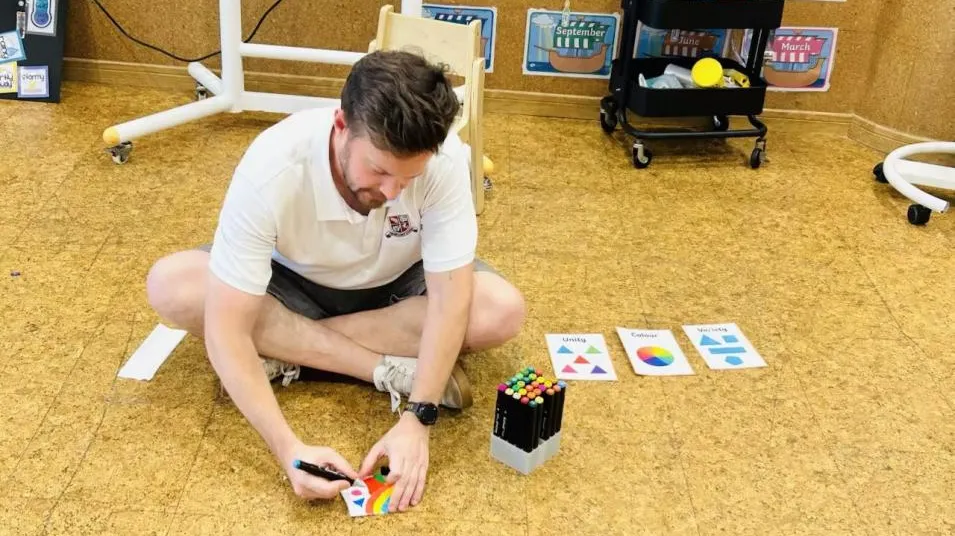
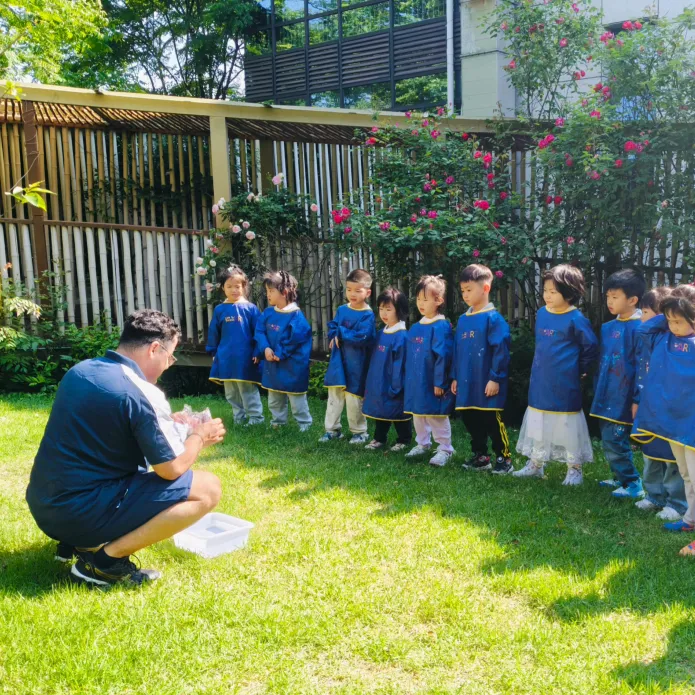
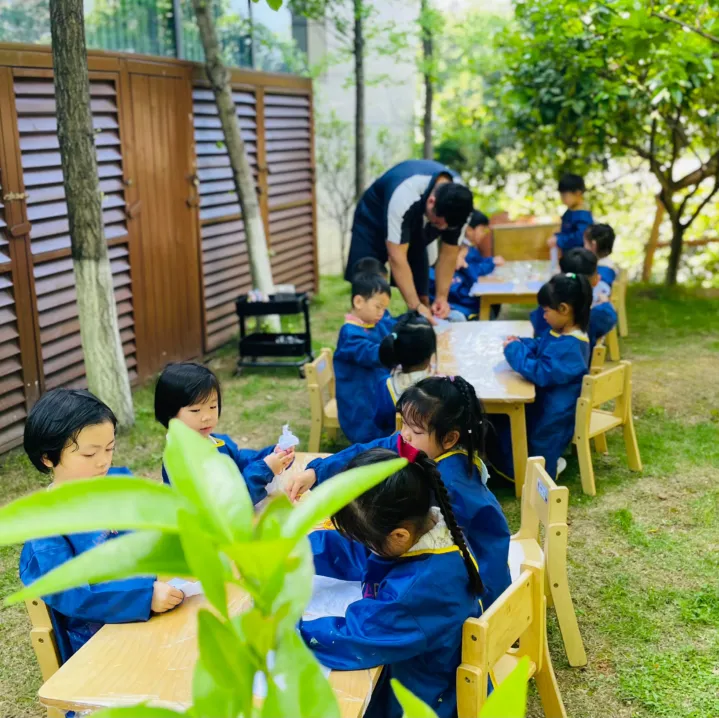
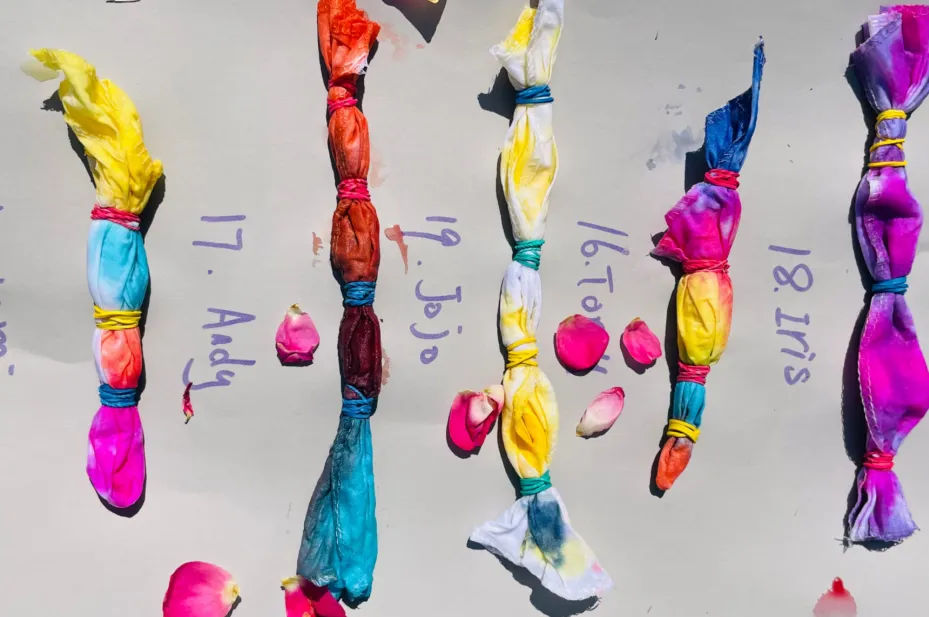
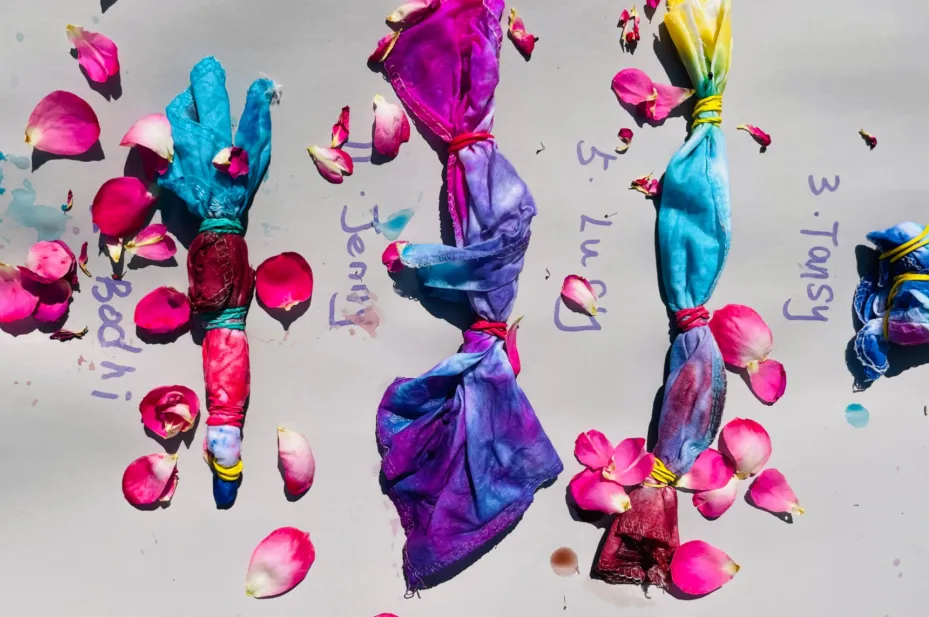
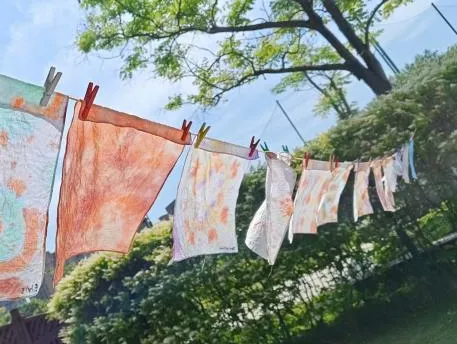
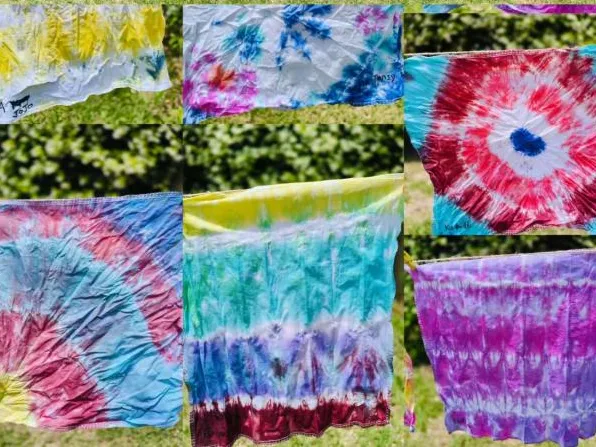
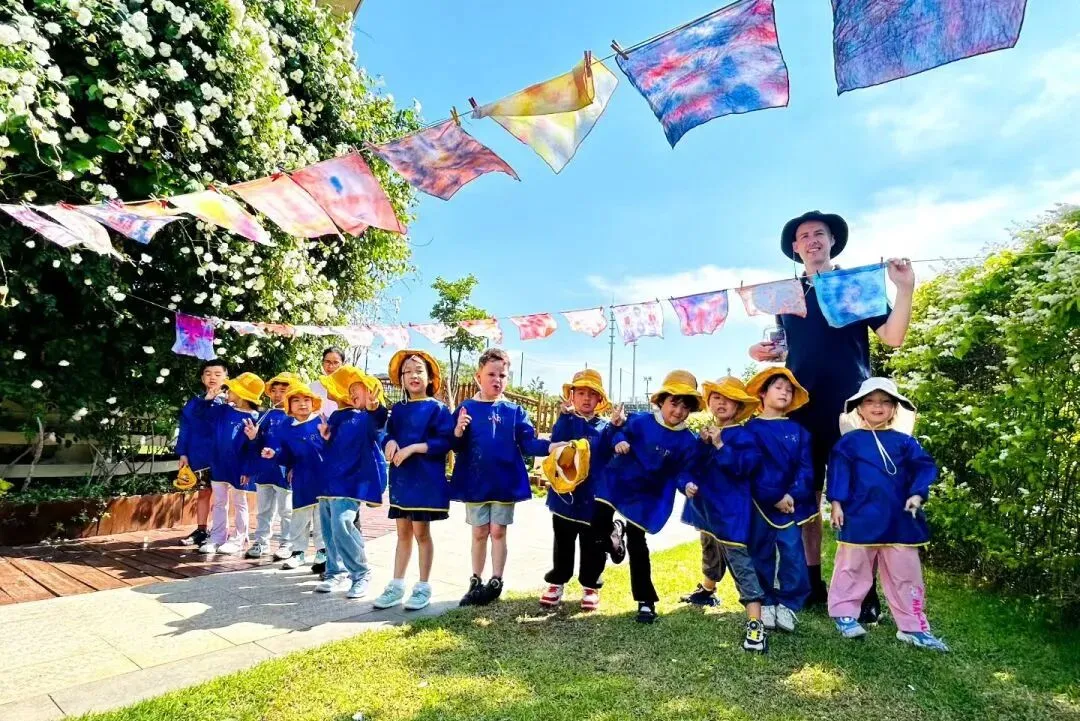
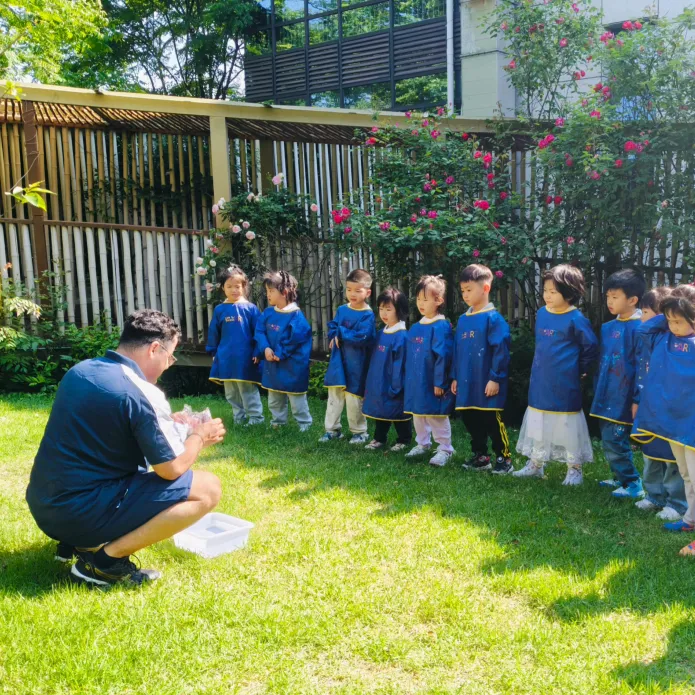
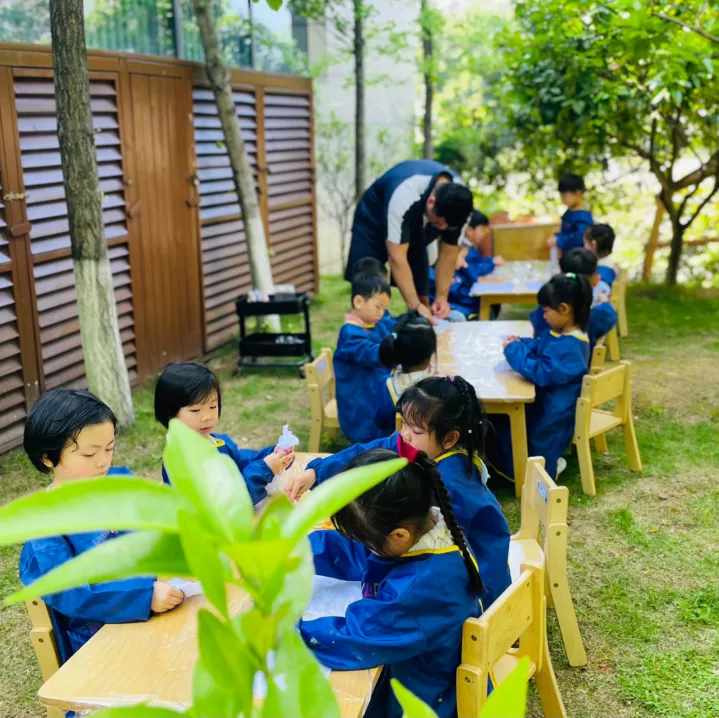
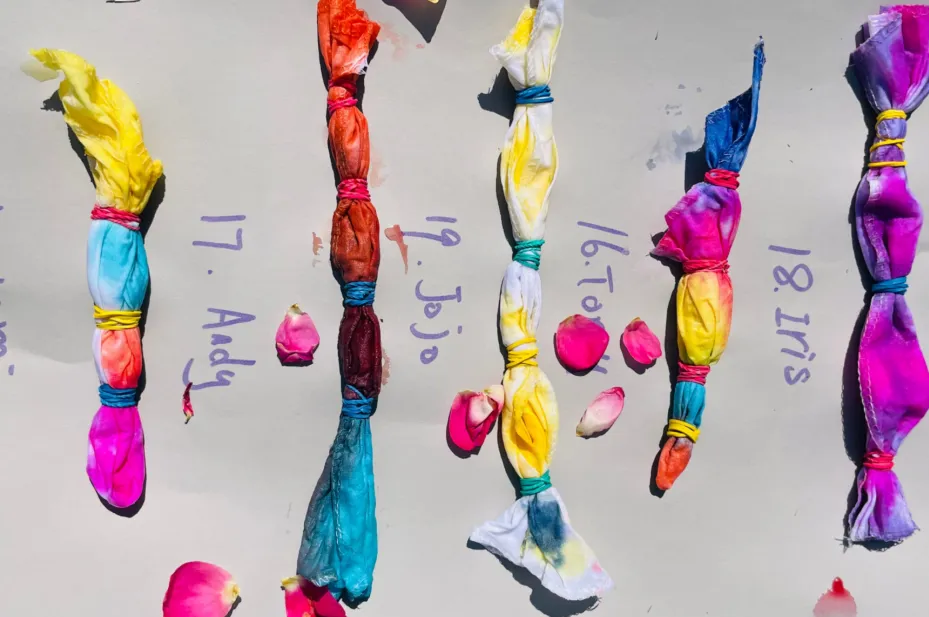
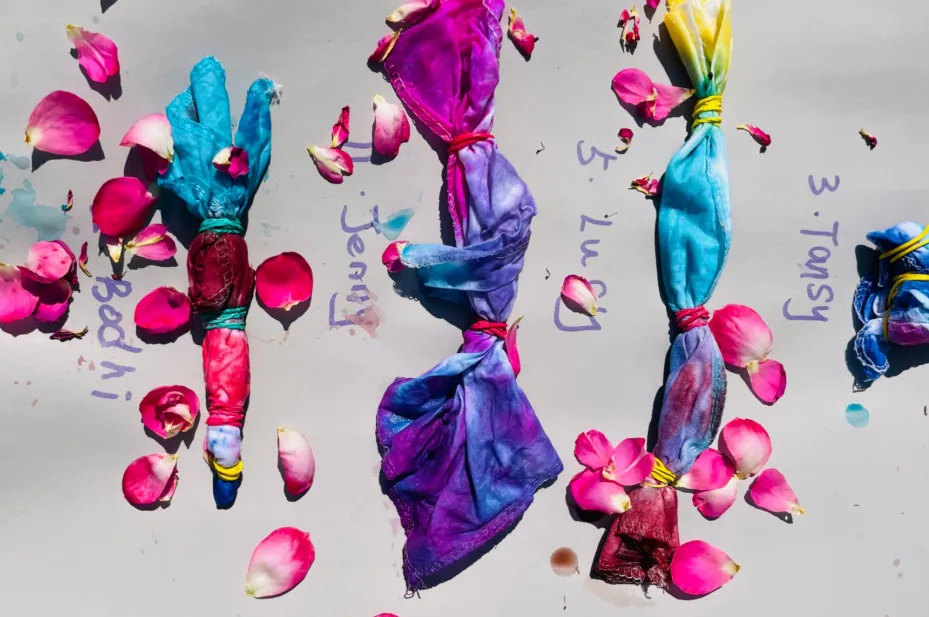
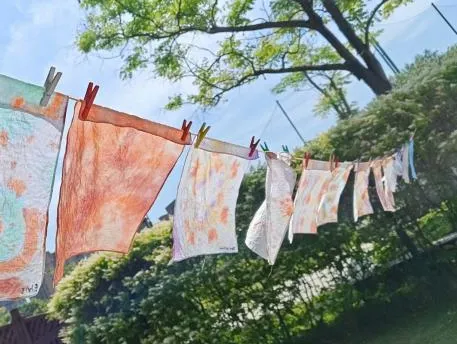
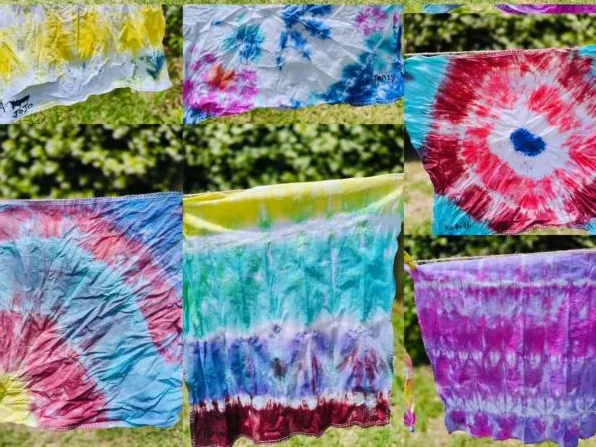
孩子们用皮筋、夹子将布料扎出各种形状,再滴上水彩颜料。每一滴颜料的流动都充满未知——展开的一刹那,独一无二的图案跃然眼前。
那一刻,孩子明白了:美不是标准化的,美可以来自“意外”。
02
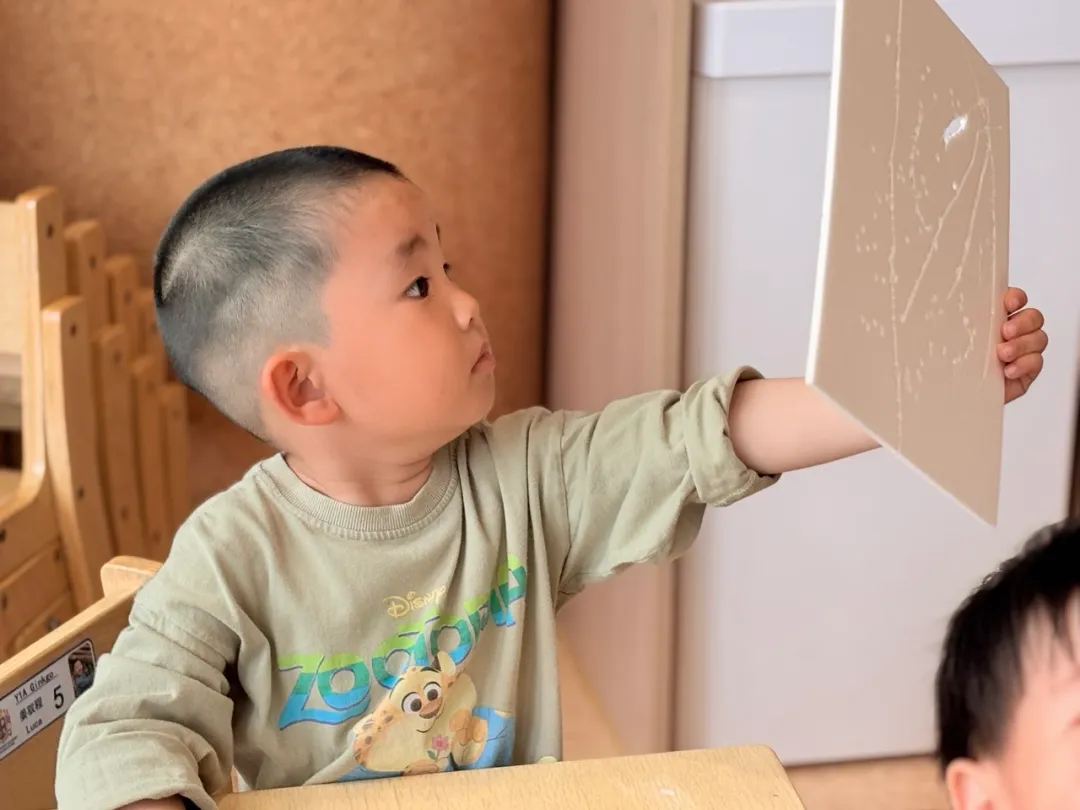
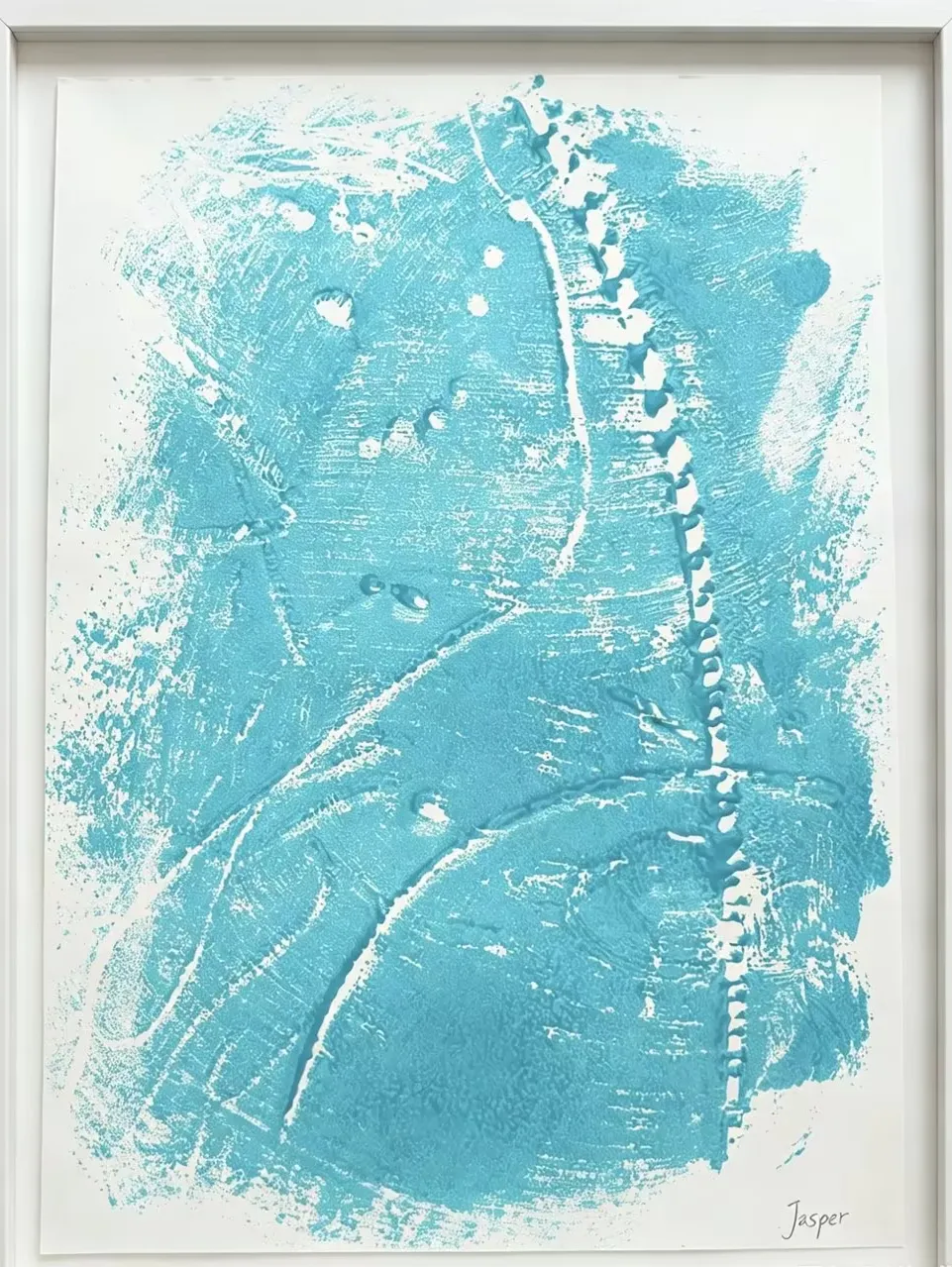
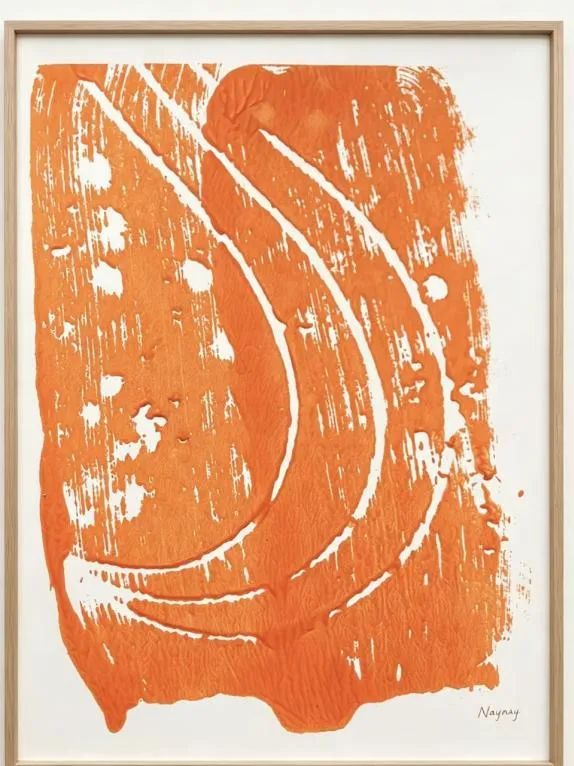
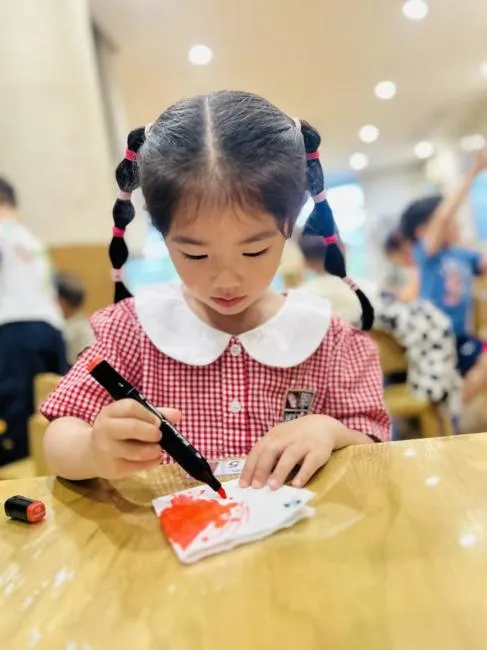
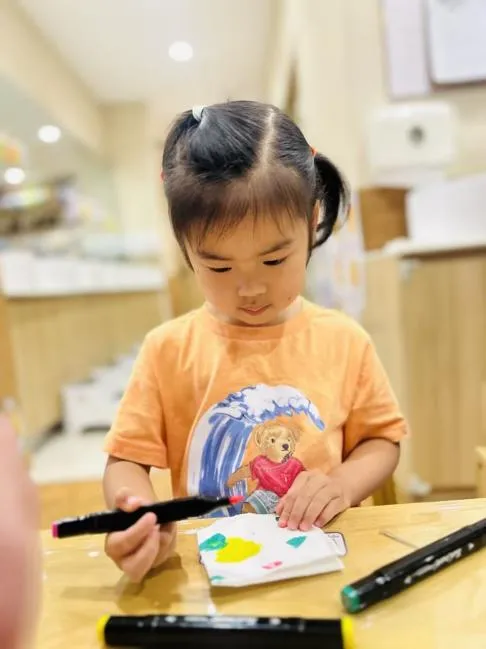
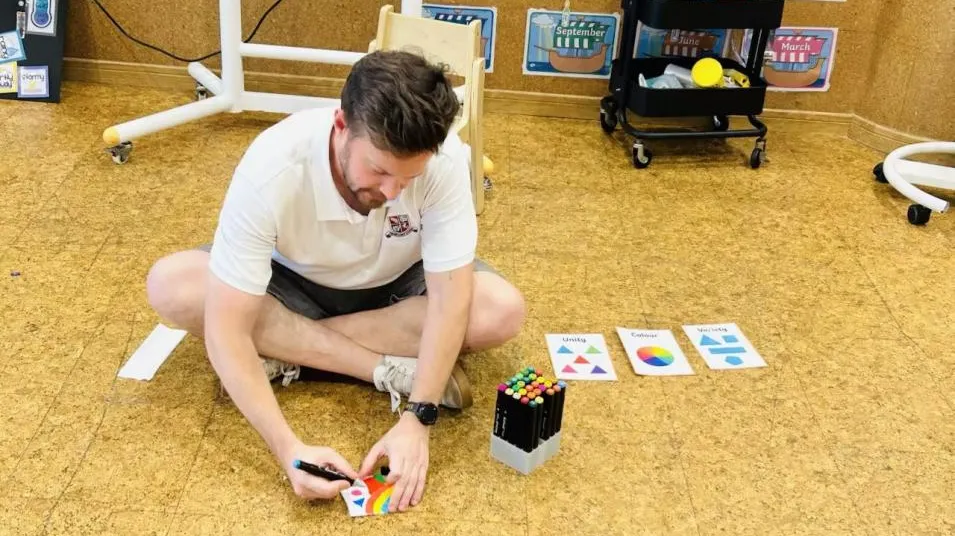
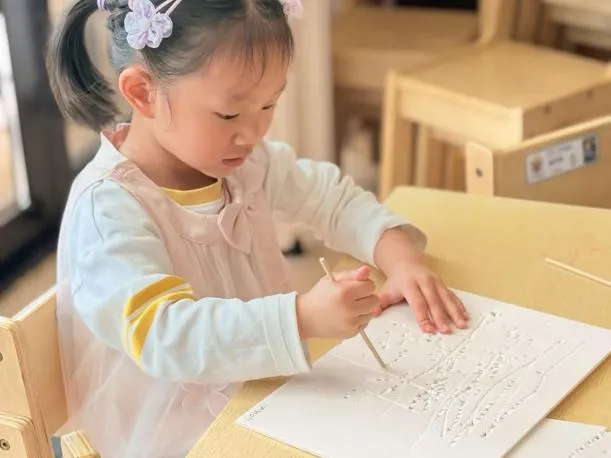
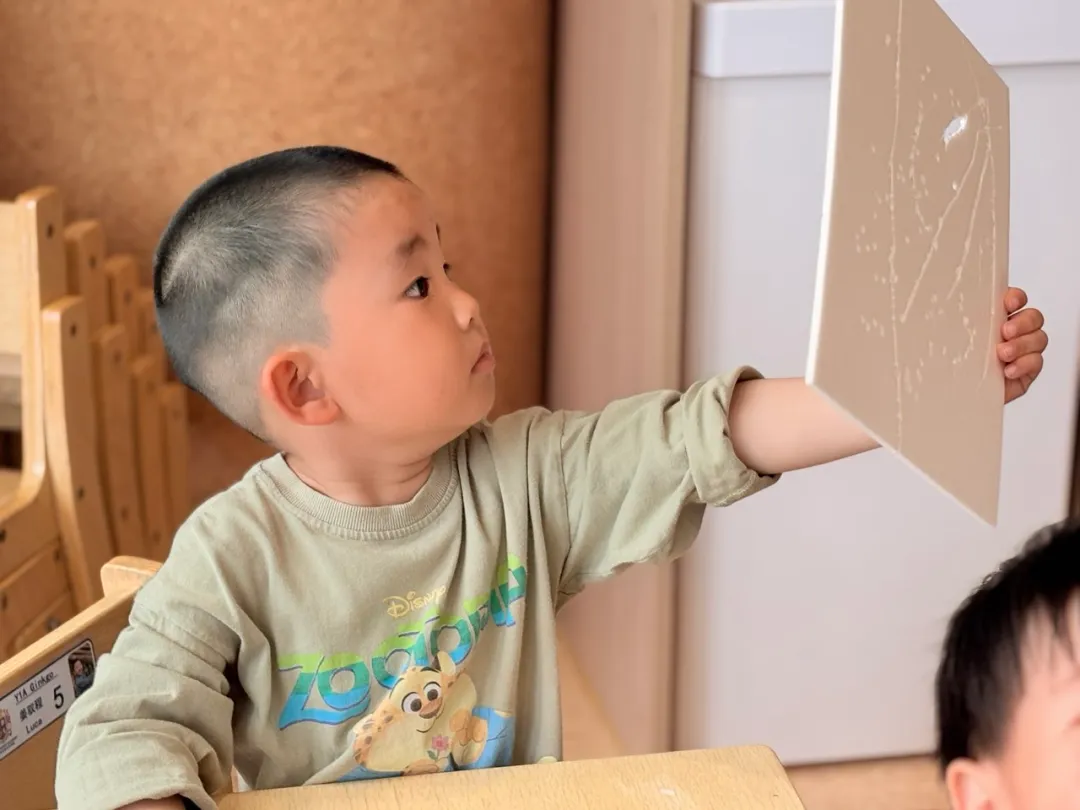
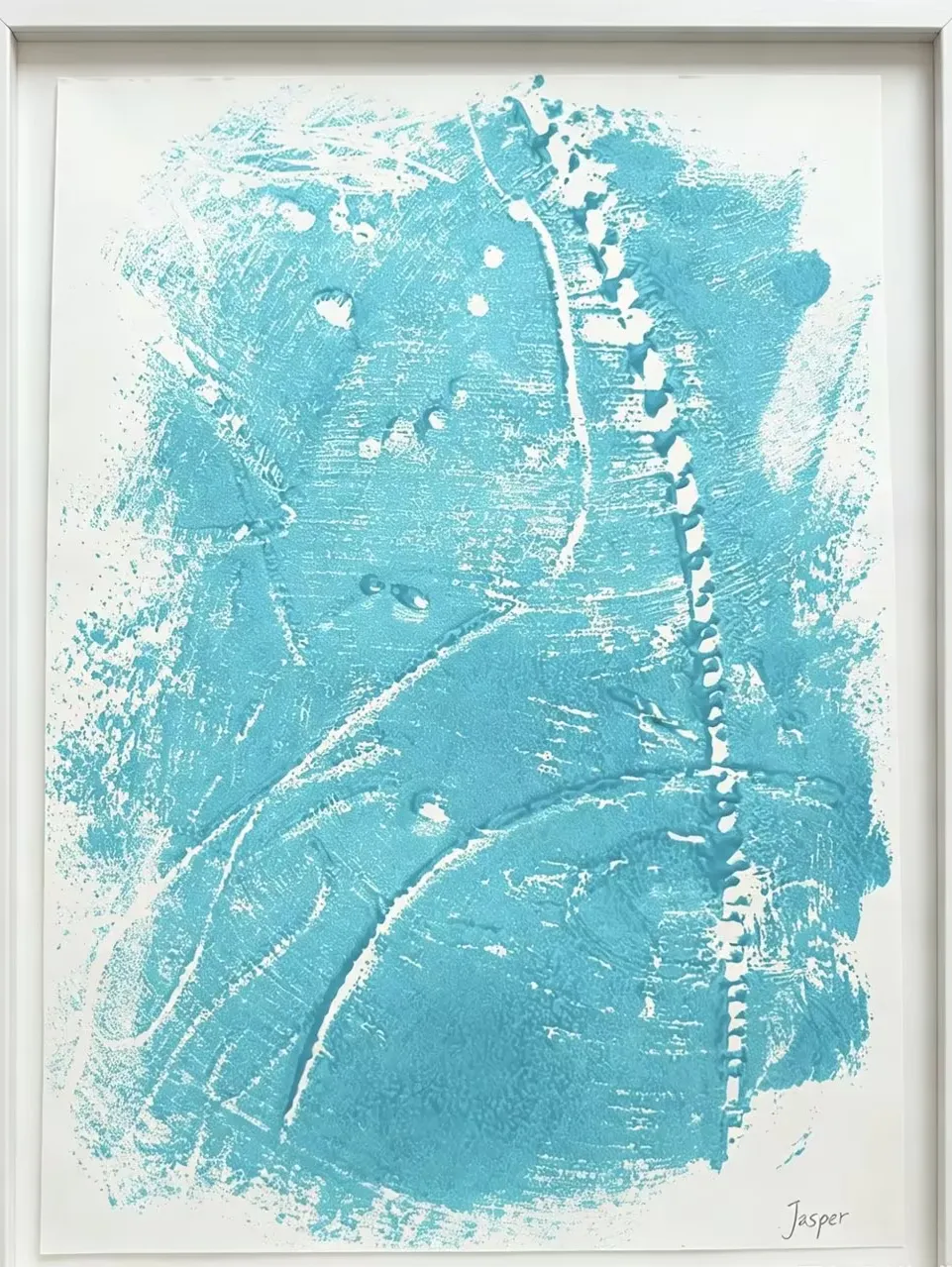
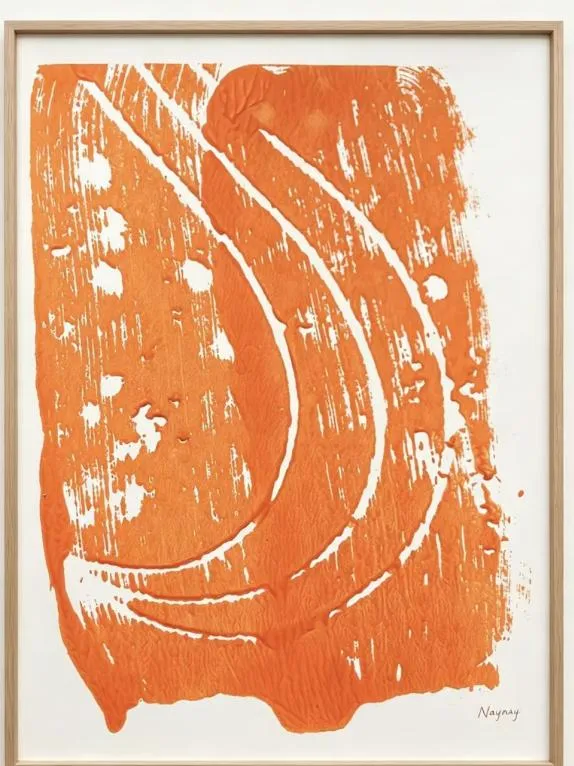
吹塑板拓印:从刻到印的魔法
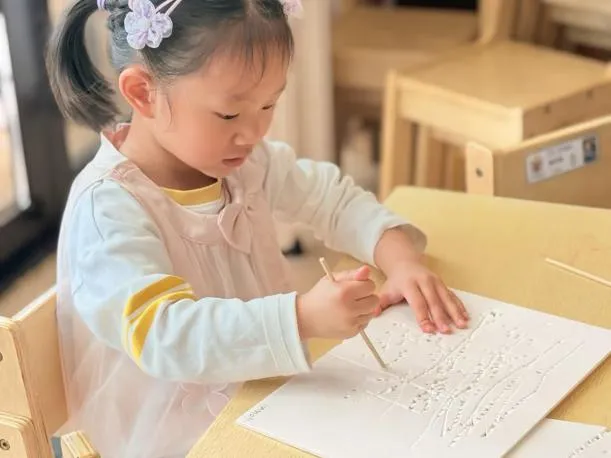
孩子们用铅笔在吹塑板上刻出线条,涂上颜色,再像变魔术一样印到纸上。反复尝试,每一次印刷都是对“预期”与“结果”的验证。
那一刻,孩子学会了:创作需要耐心,作品需要反复打磨。
03
扎染布艺:等待,也是美的一部分
将布料浸入染料,静候色彩慢慢渗入纤维。
孩子们学会了等待——美不是即时的,它需要时间的沉淀。
高光时刻:一场关于爱与创意的双向奔赴
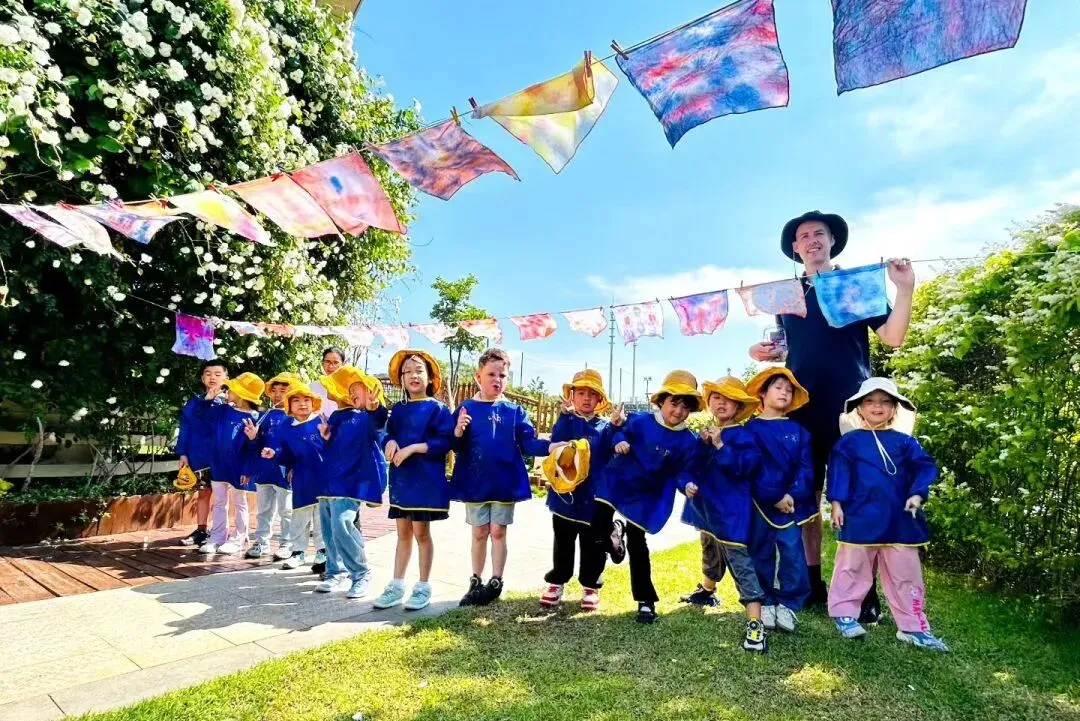
随着主题单元的深入,我们在六一节的结题展上迎来了这场美学探索的最绚烂绽放。这不仅是一场展览,更是一次打破边界的狂欢。
01
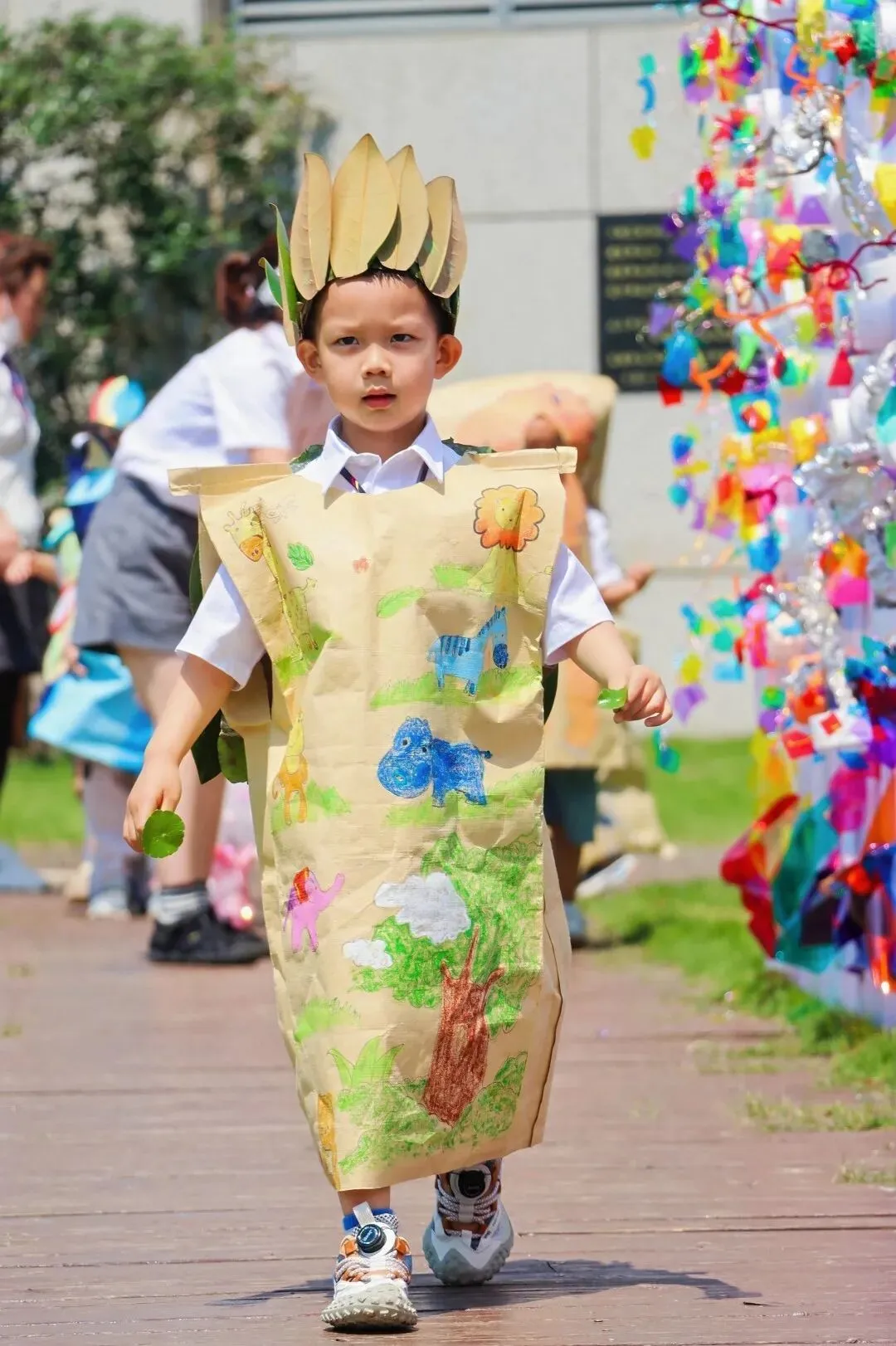
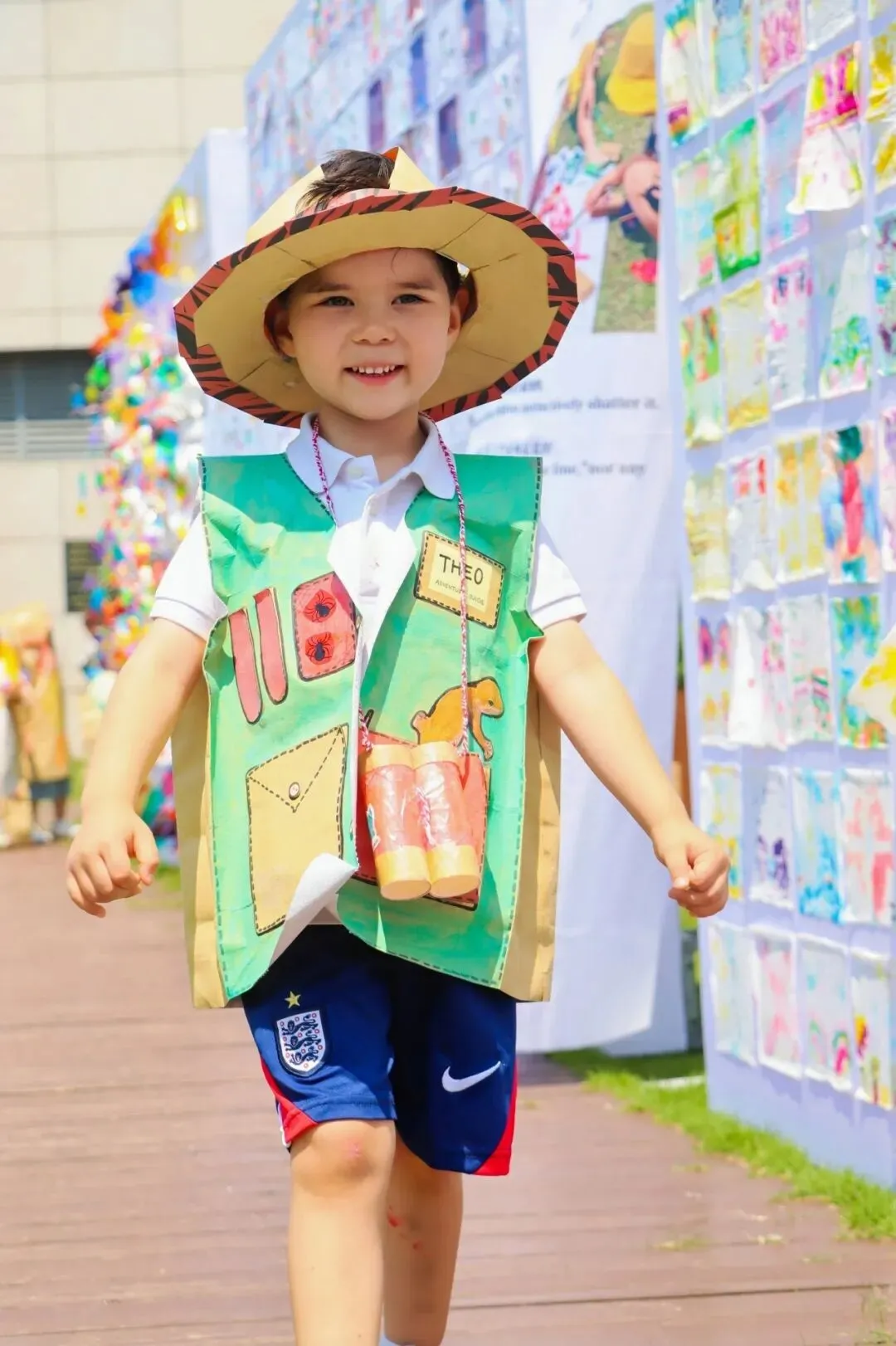
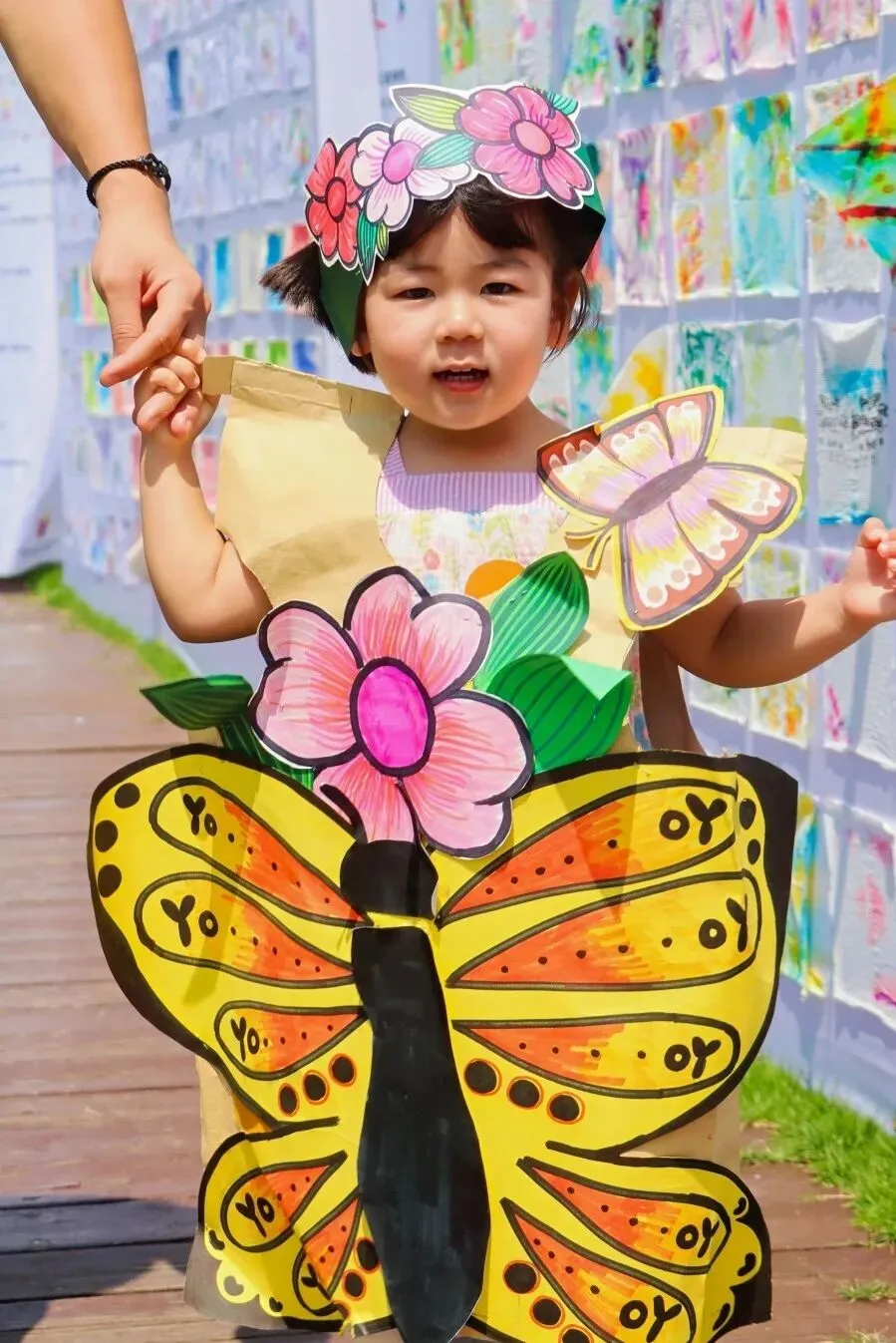
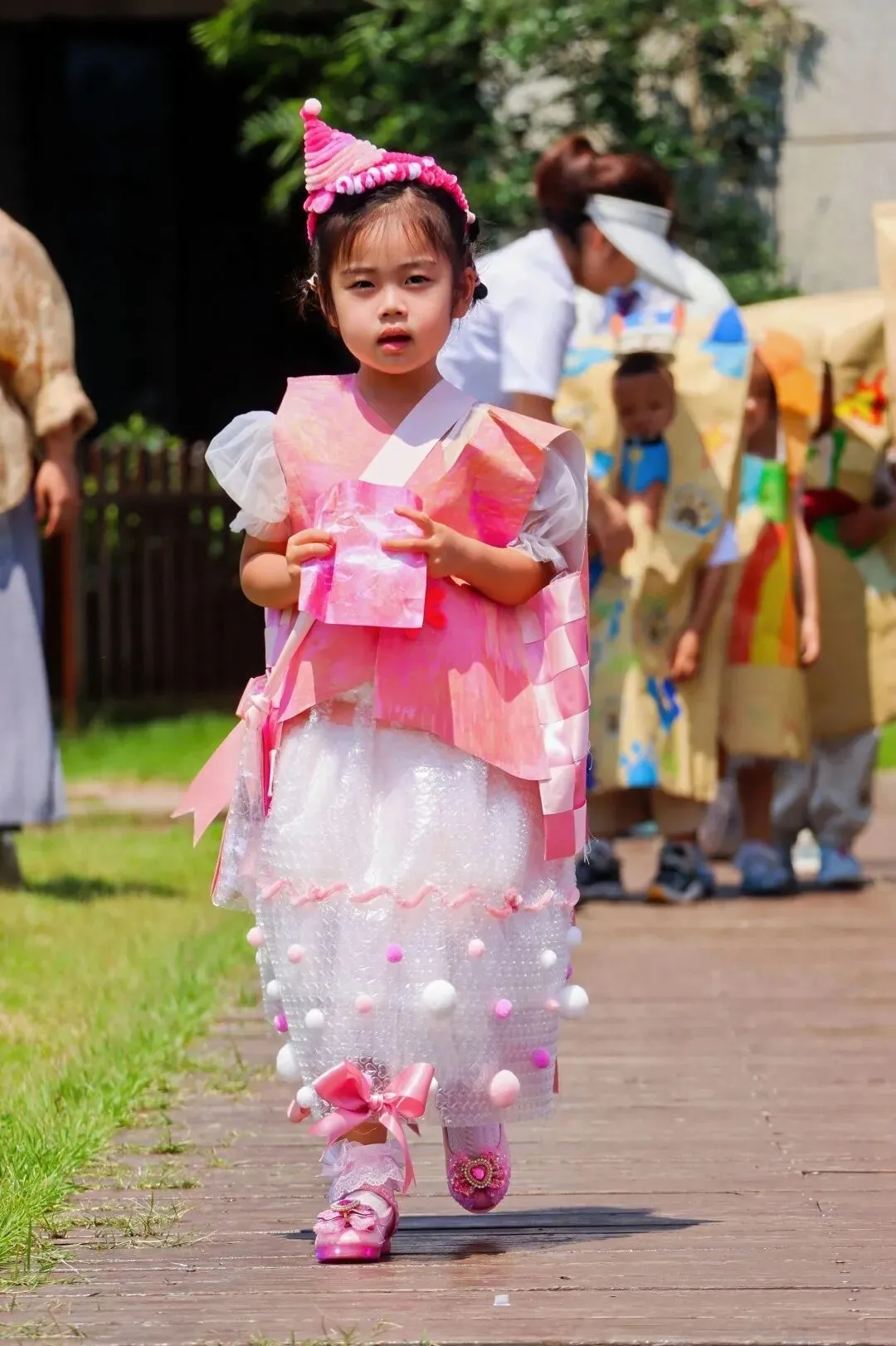
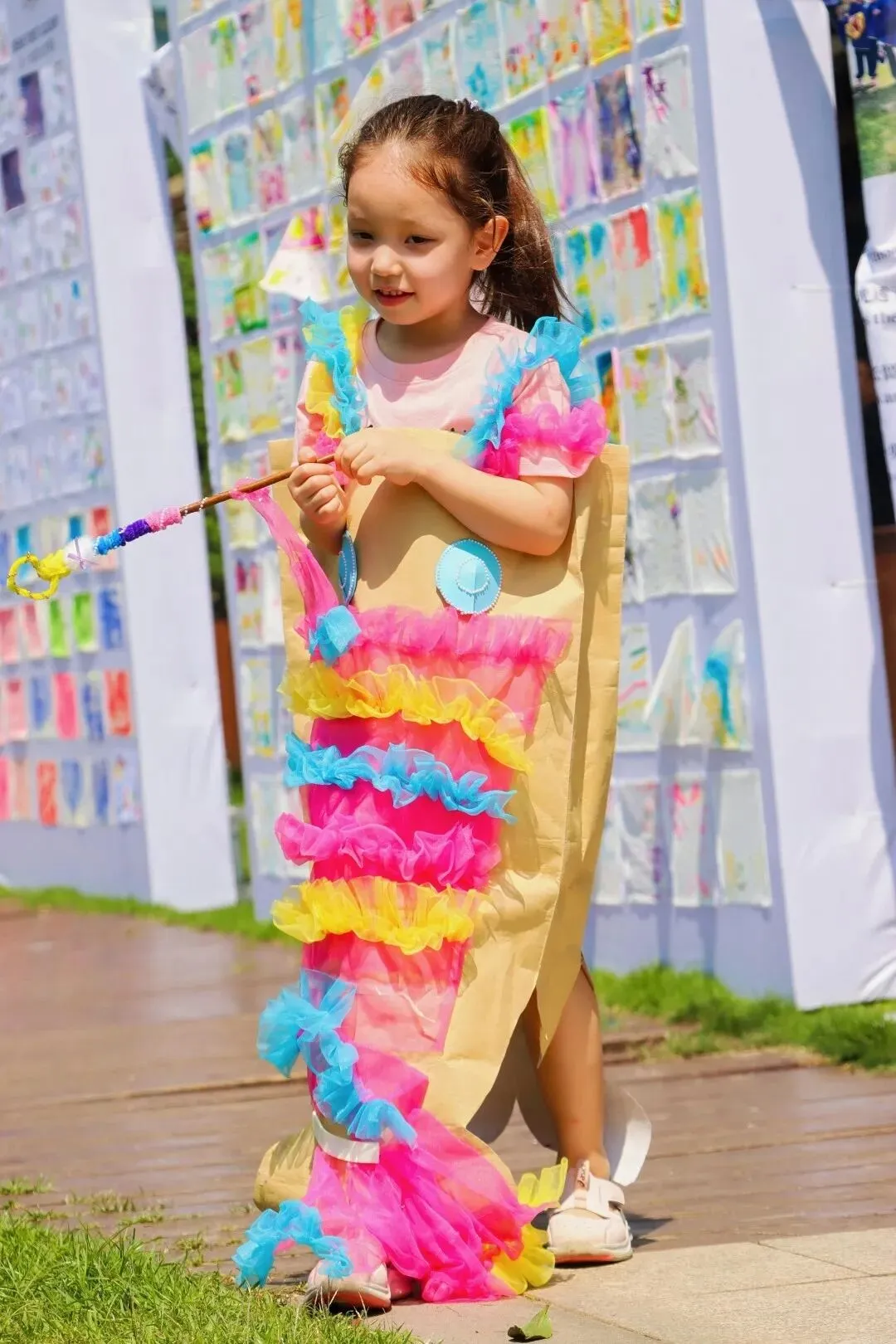
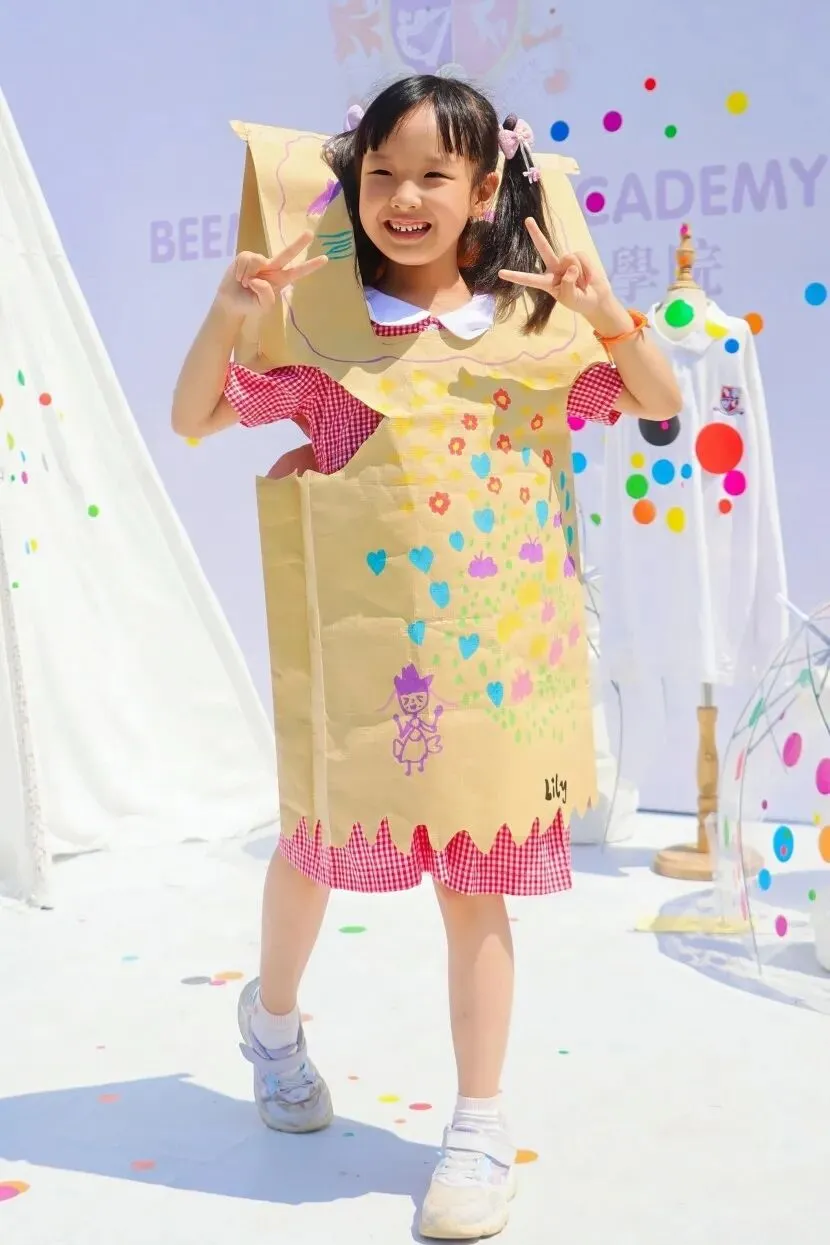
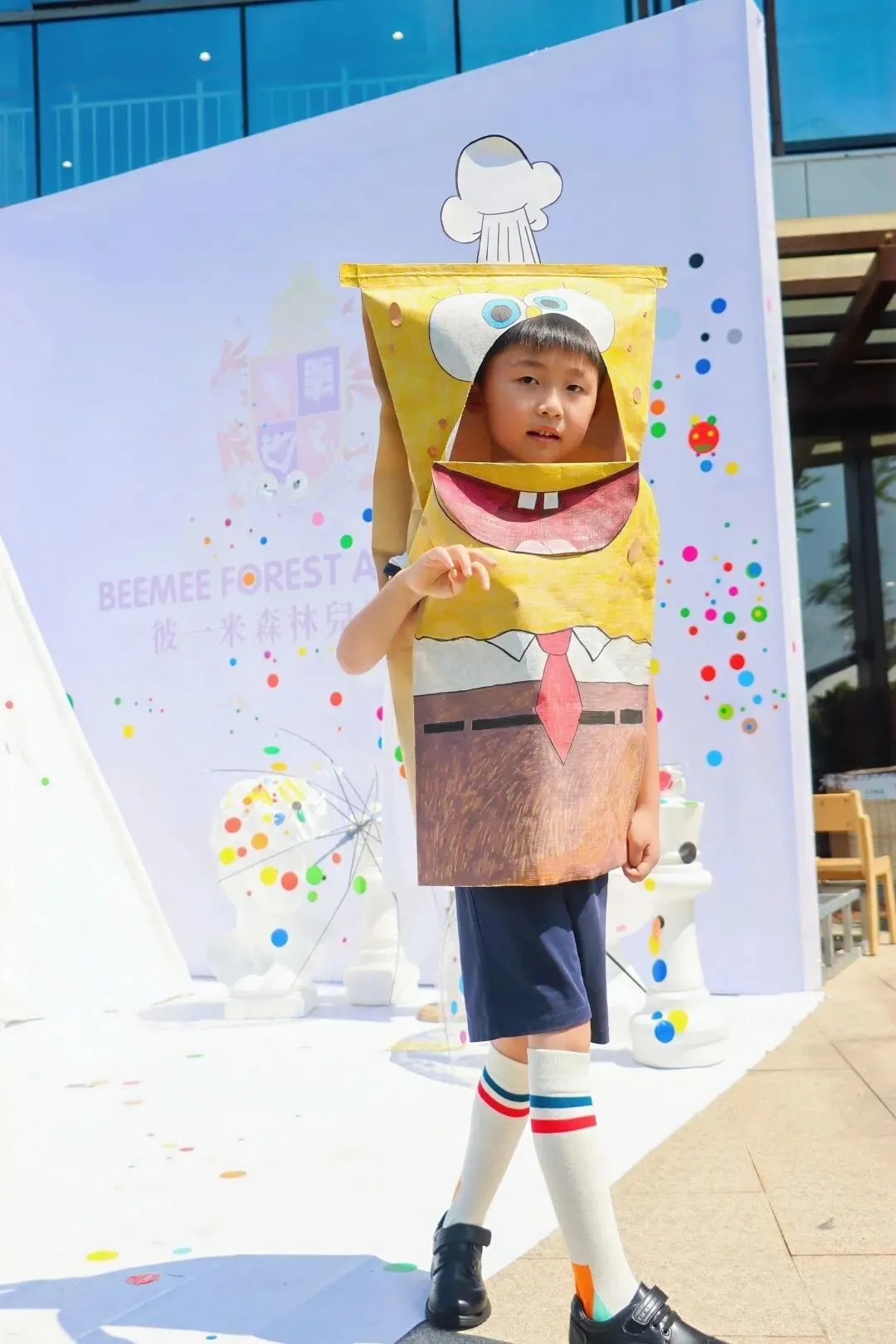
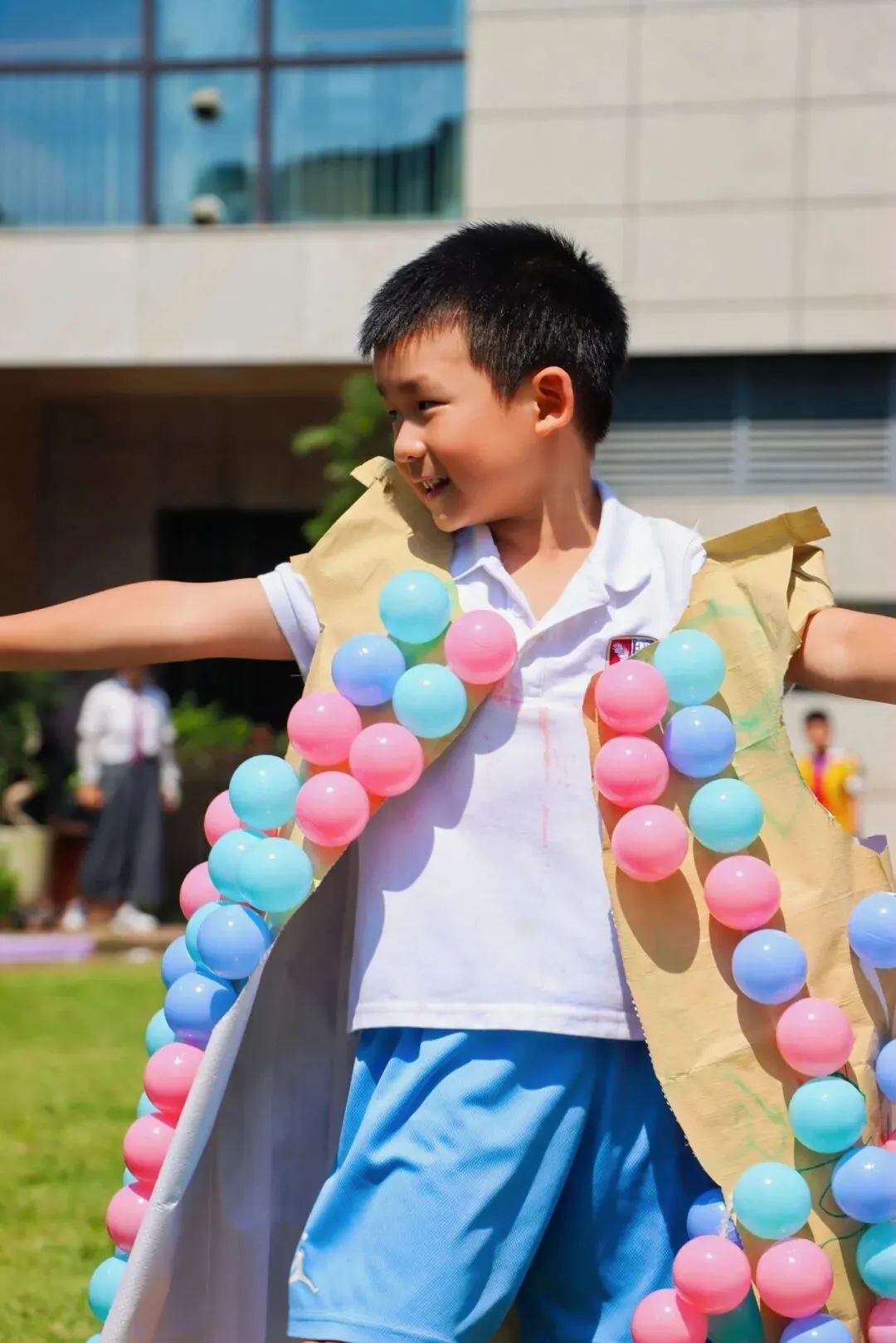
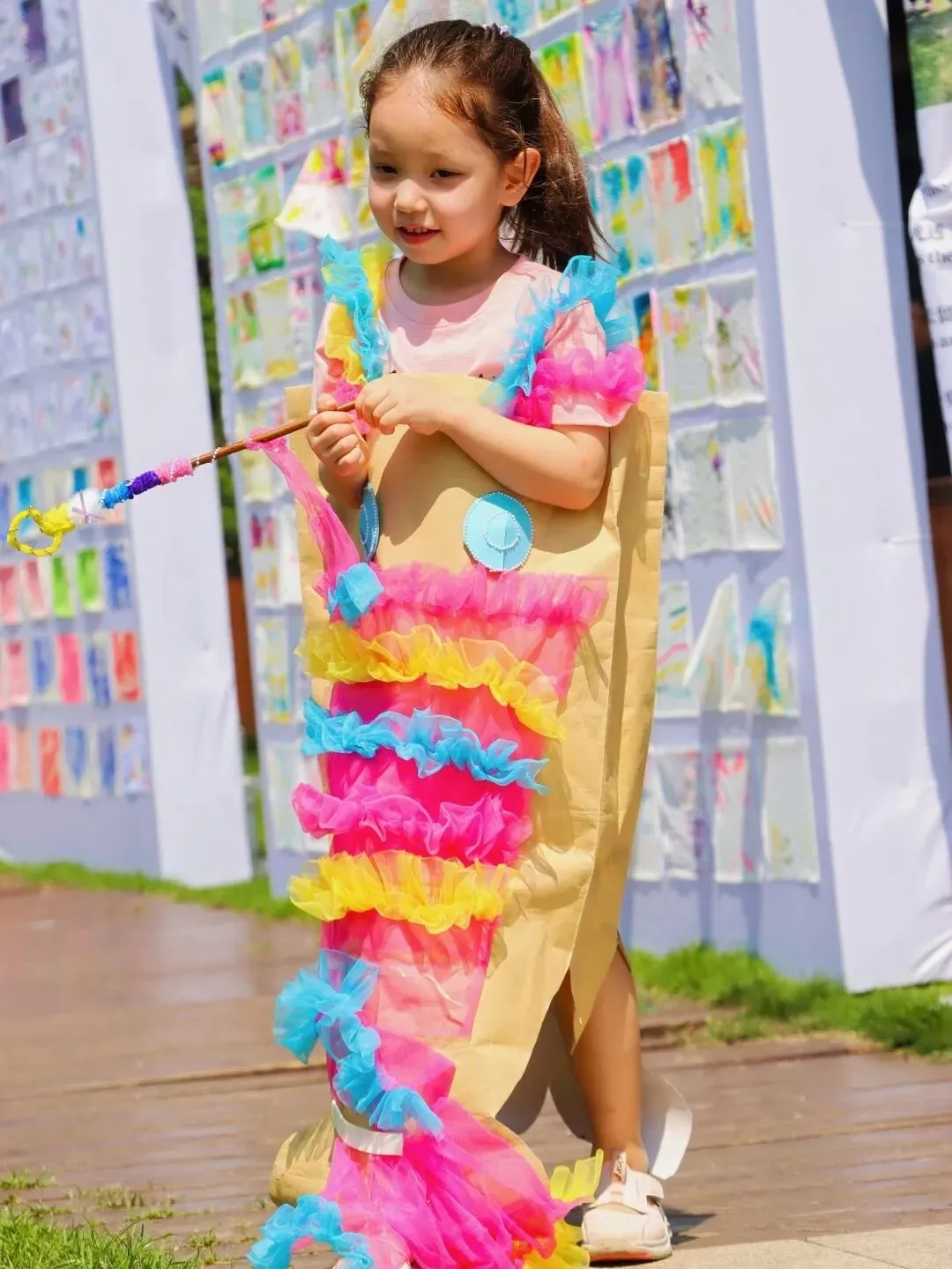
环保纸袋时装秀:穿在身上的想象力
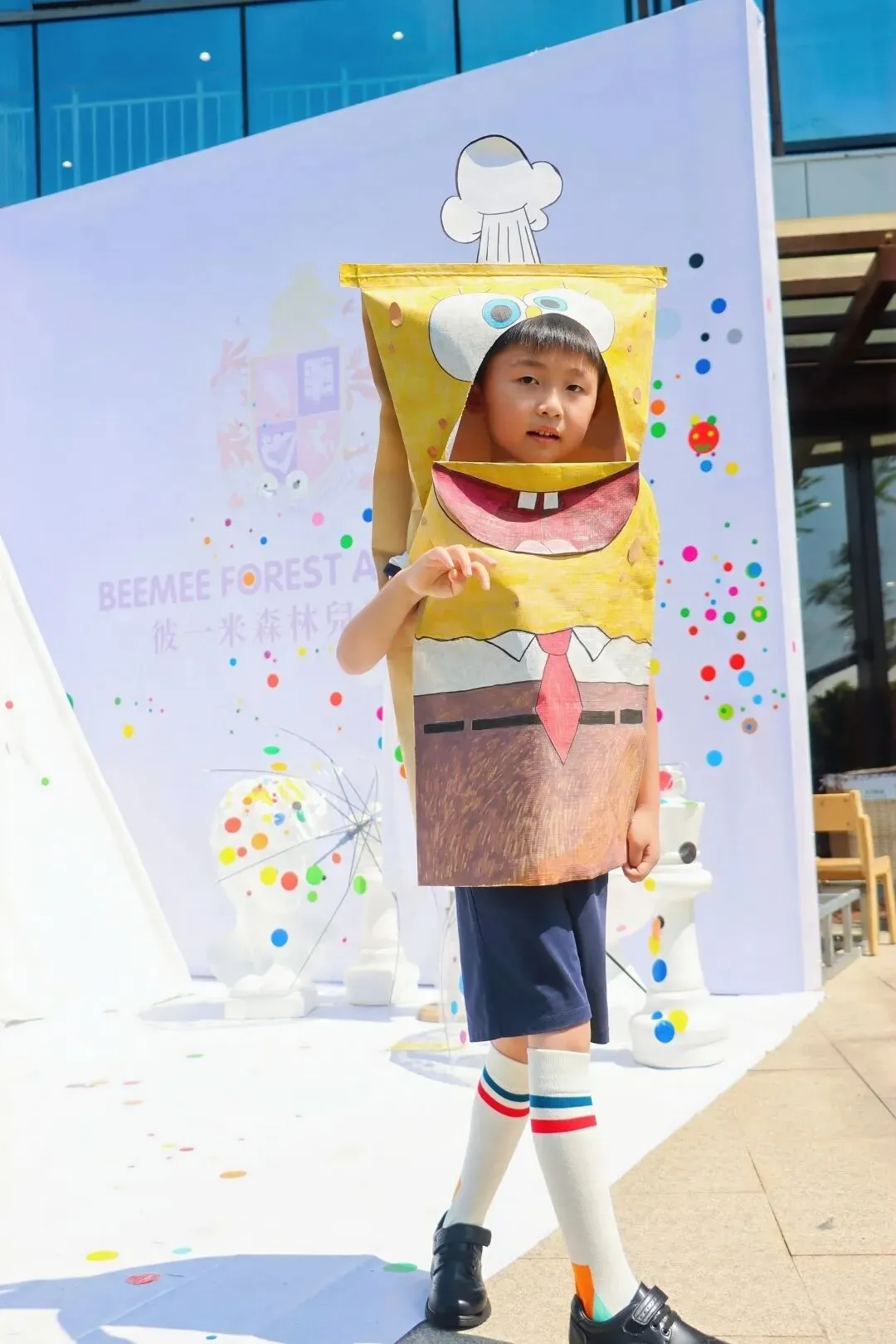
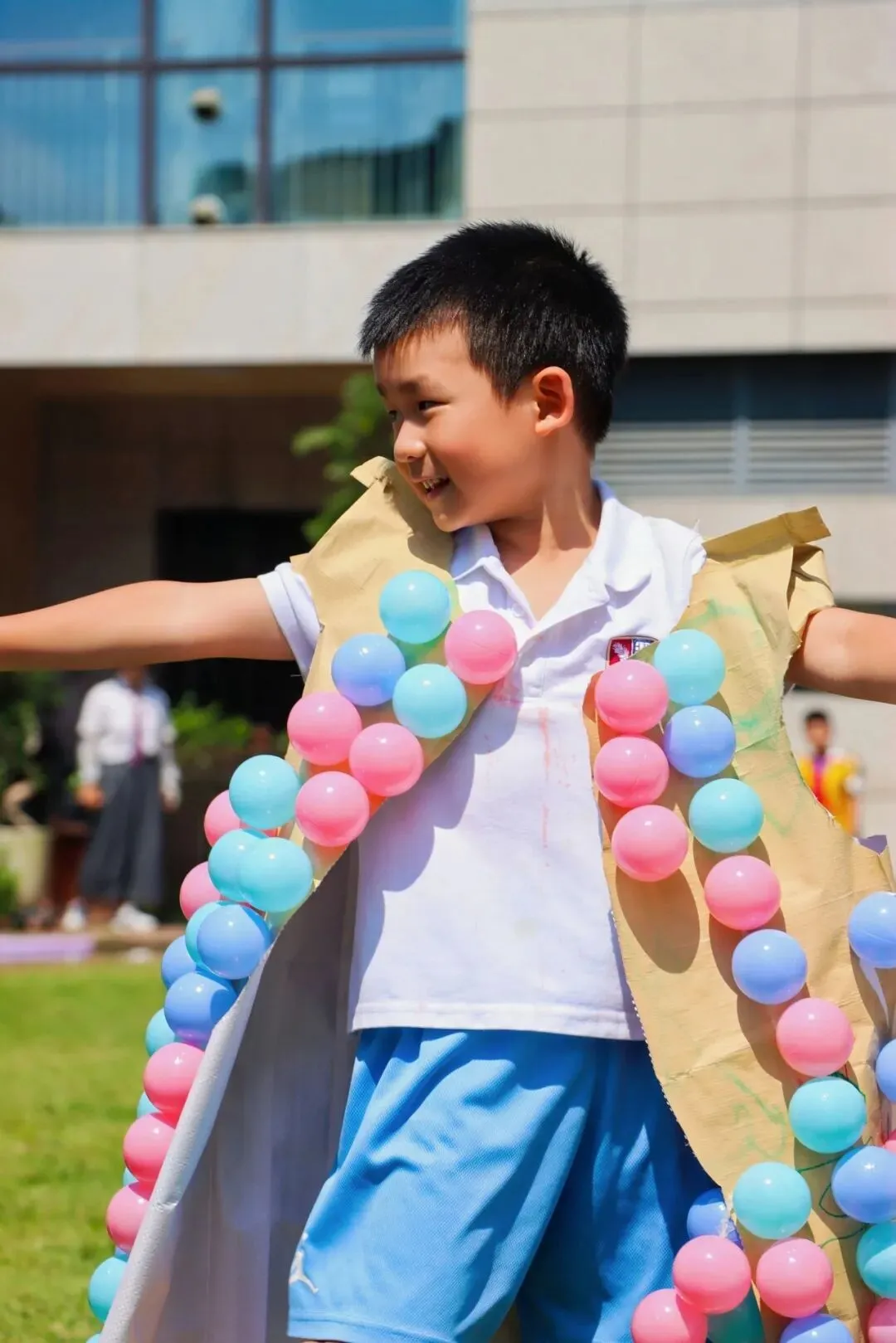
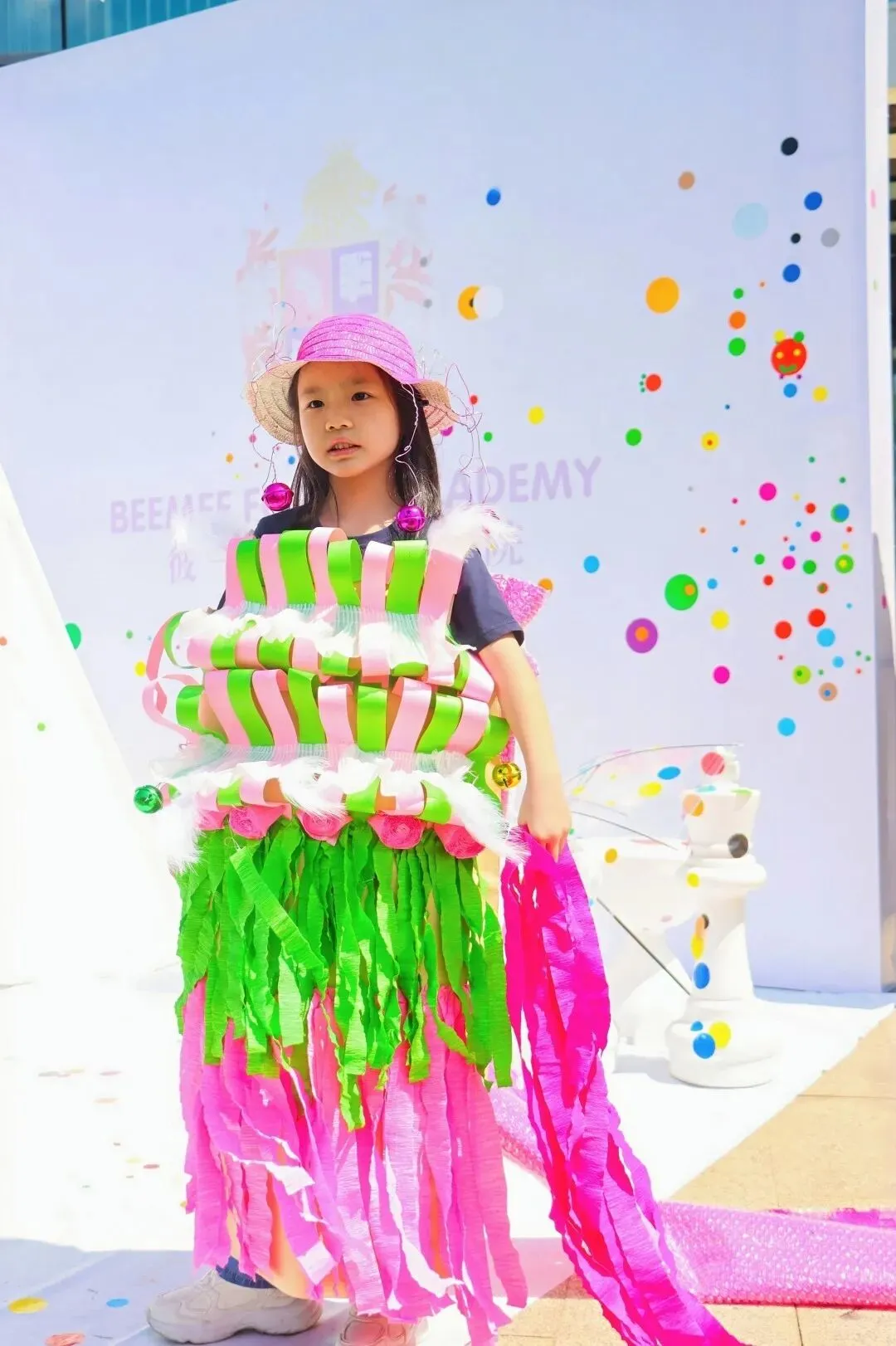
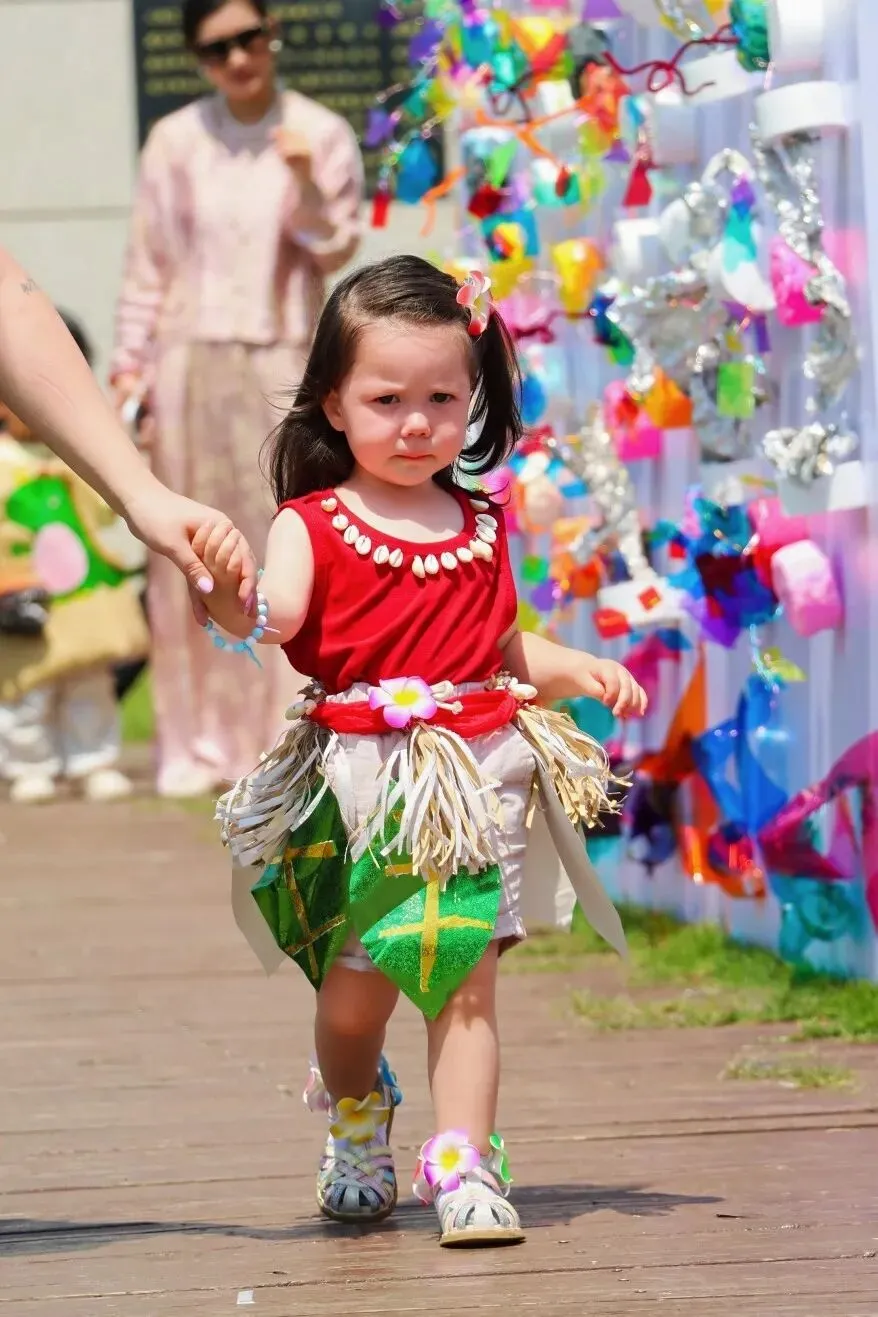
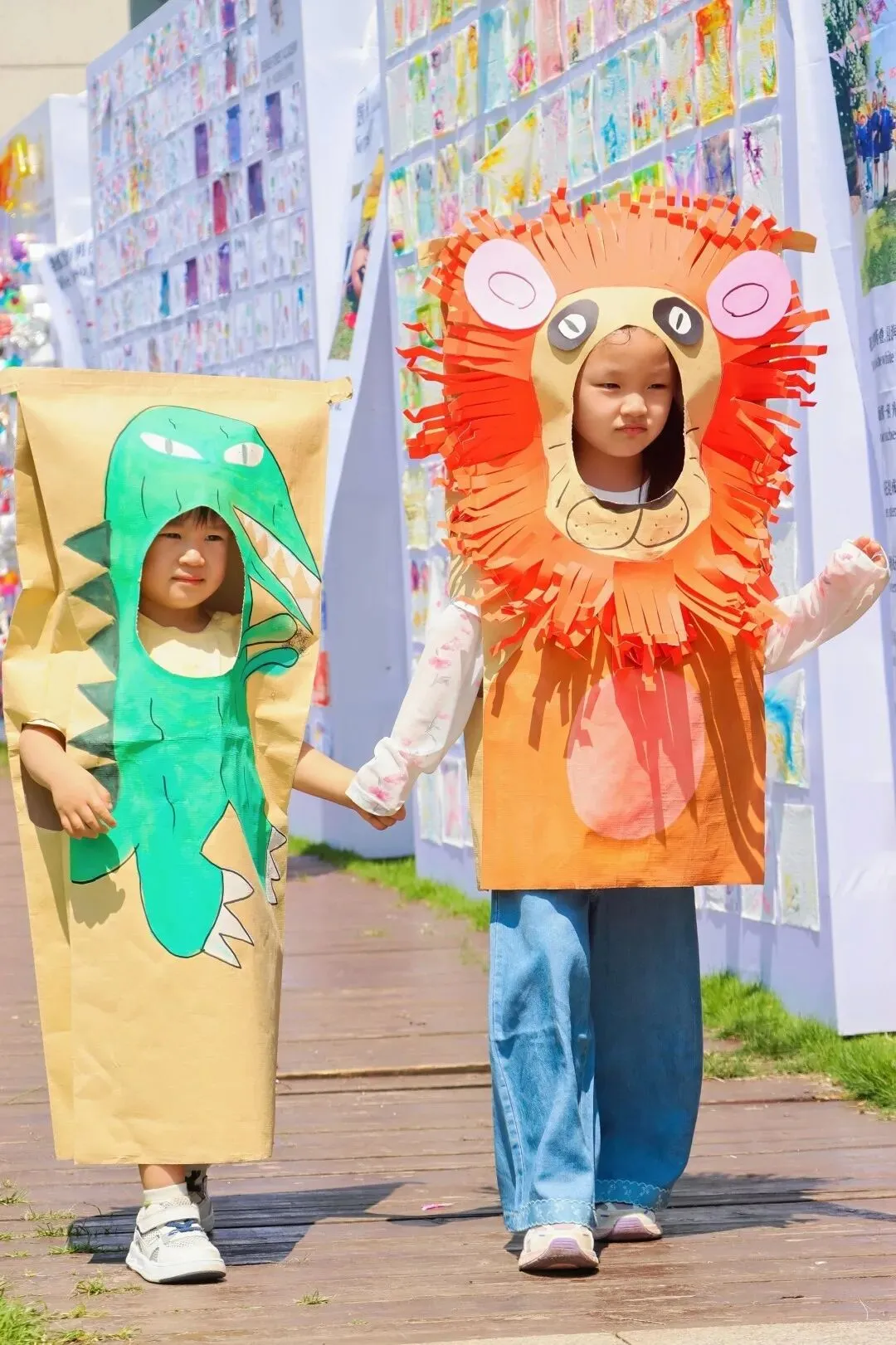
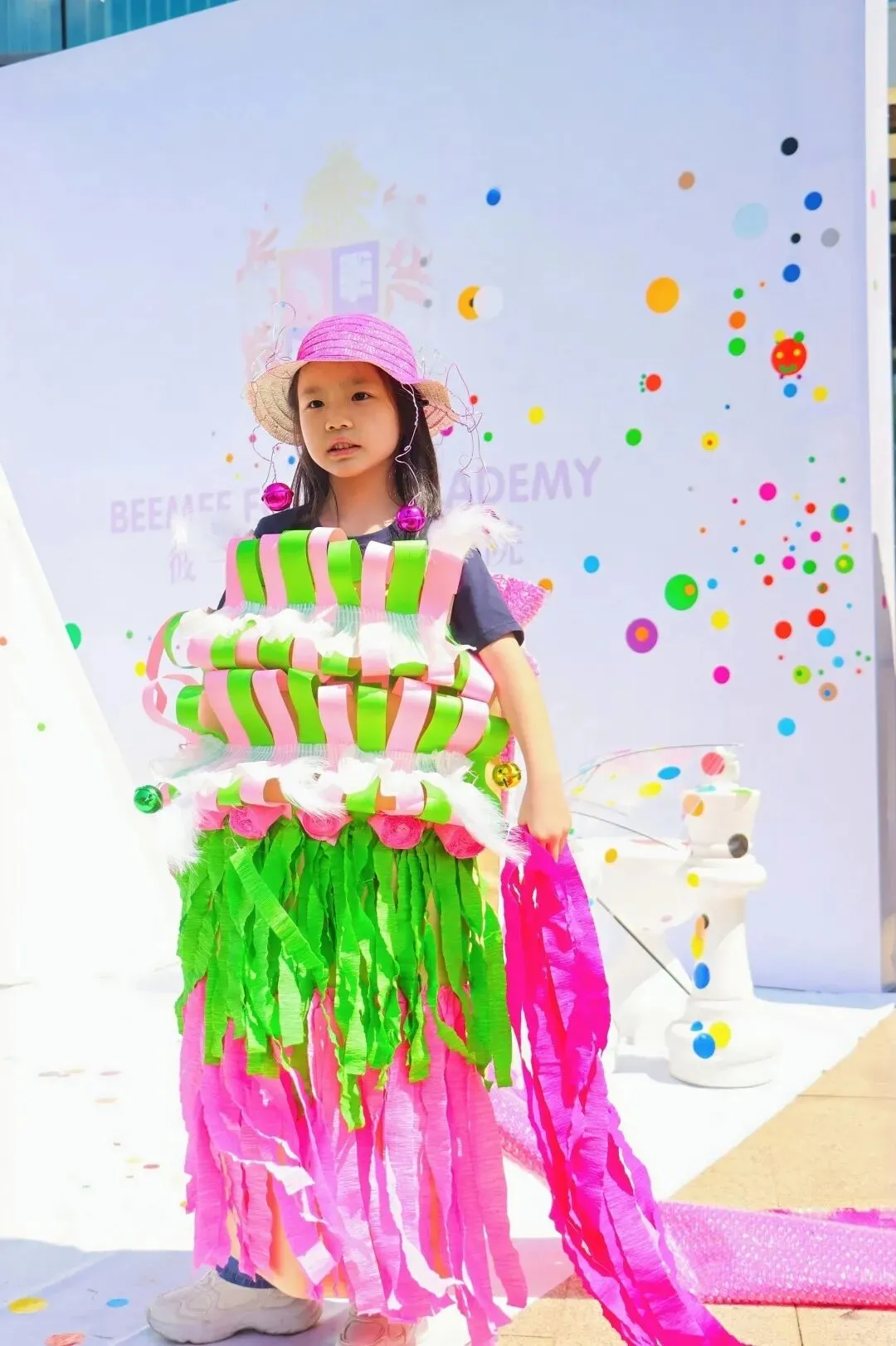
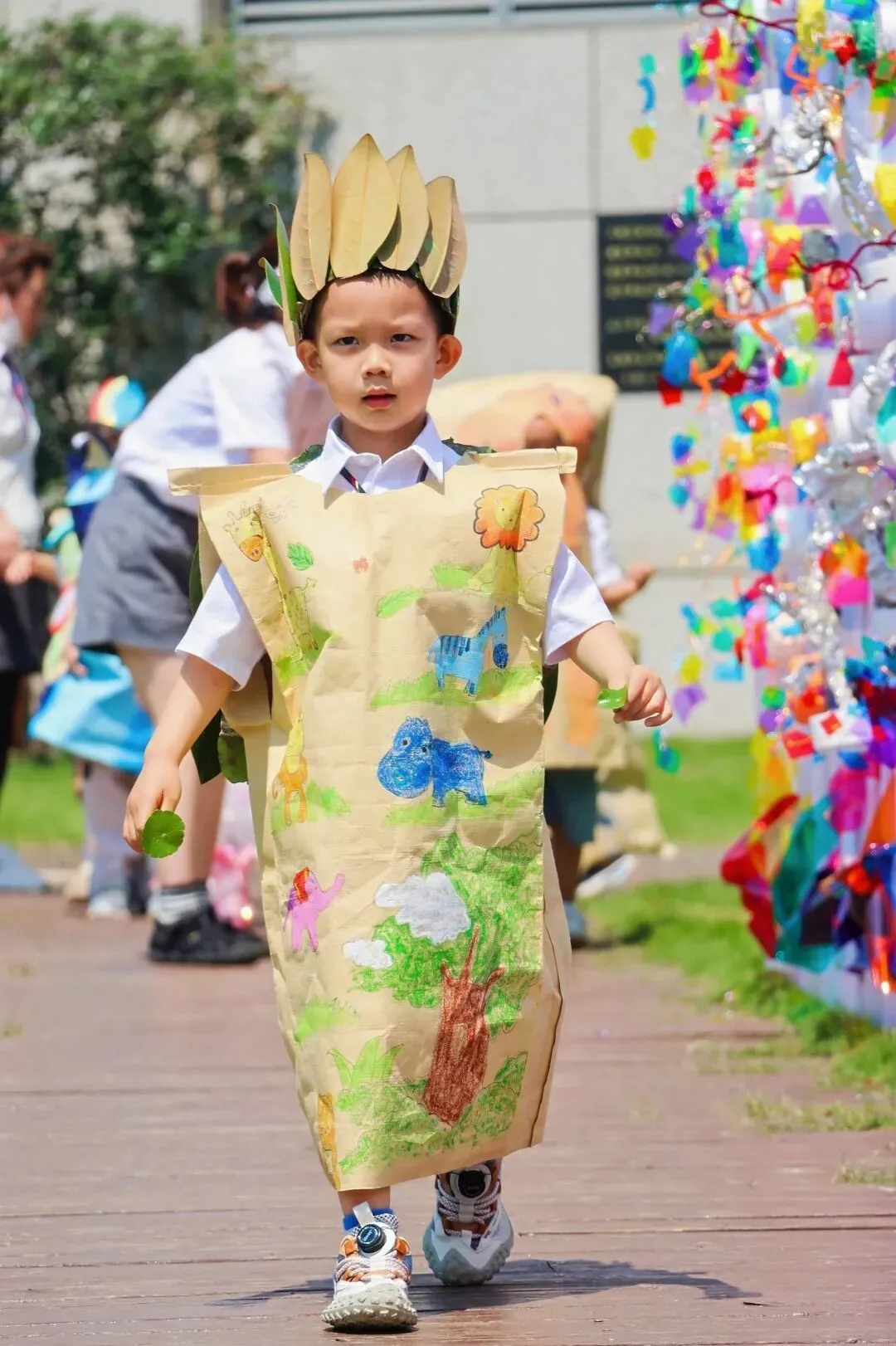
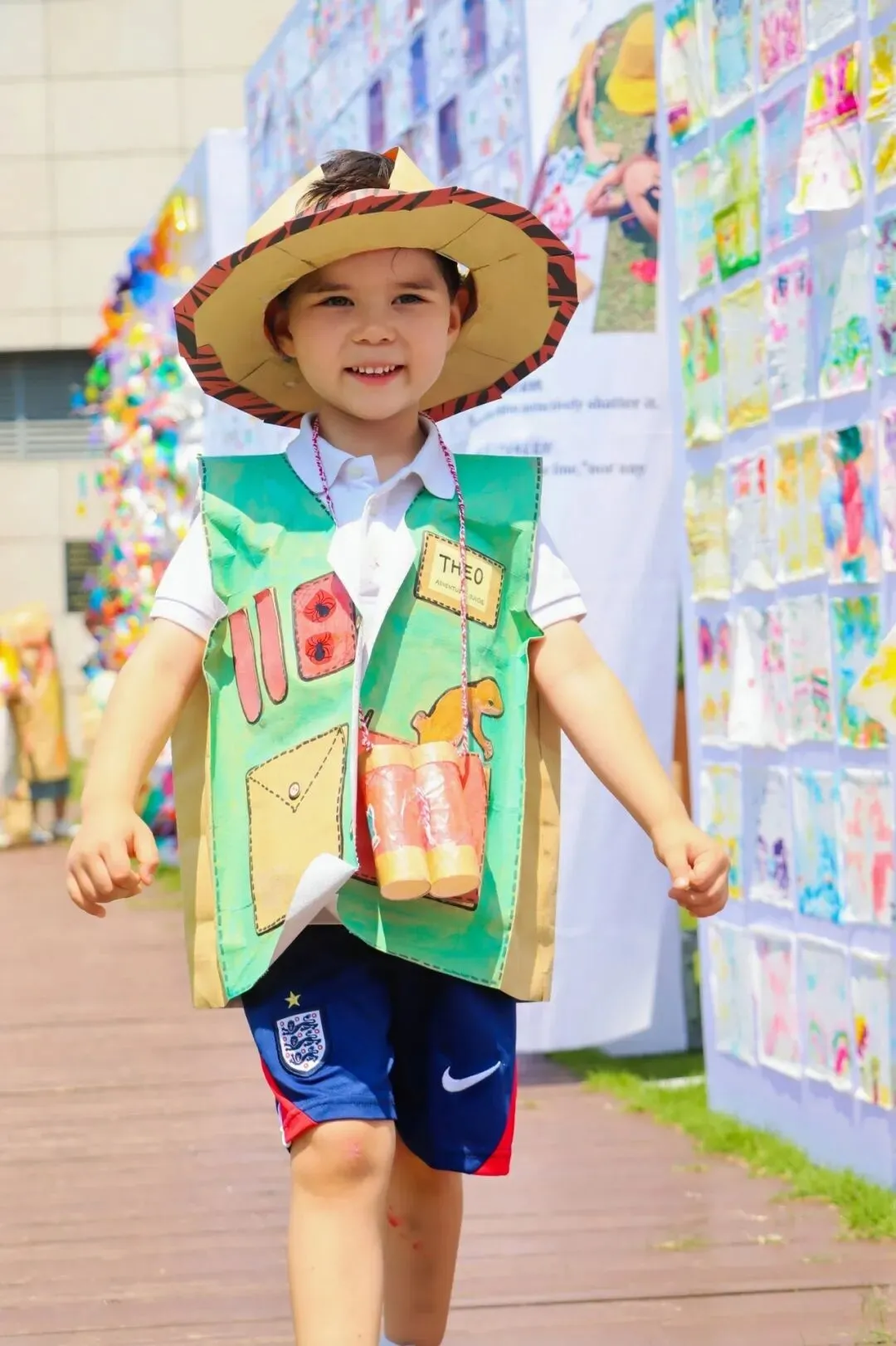
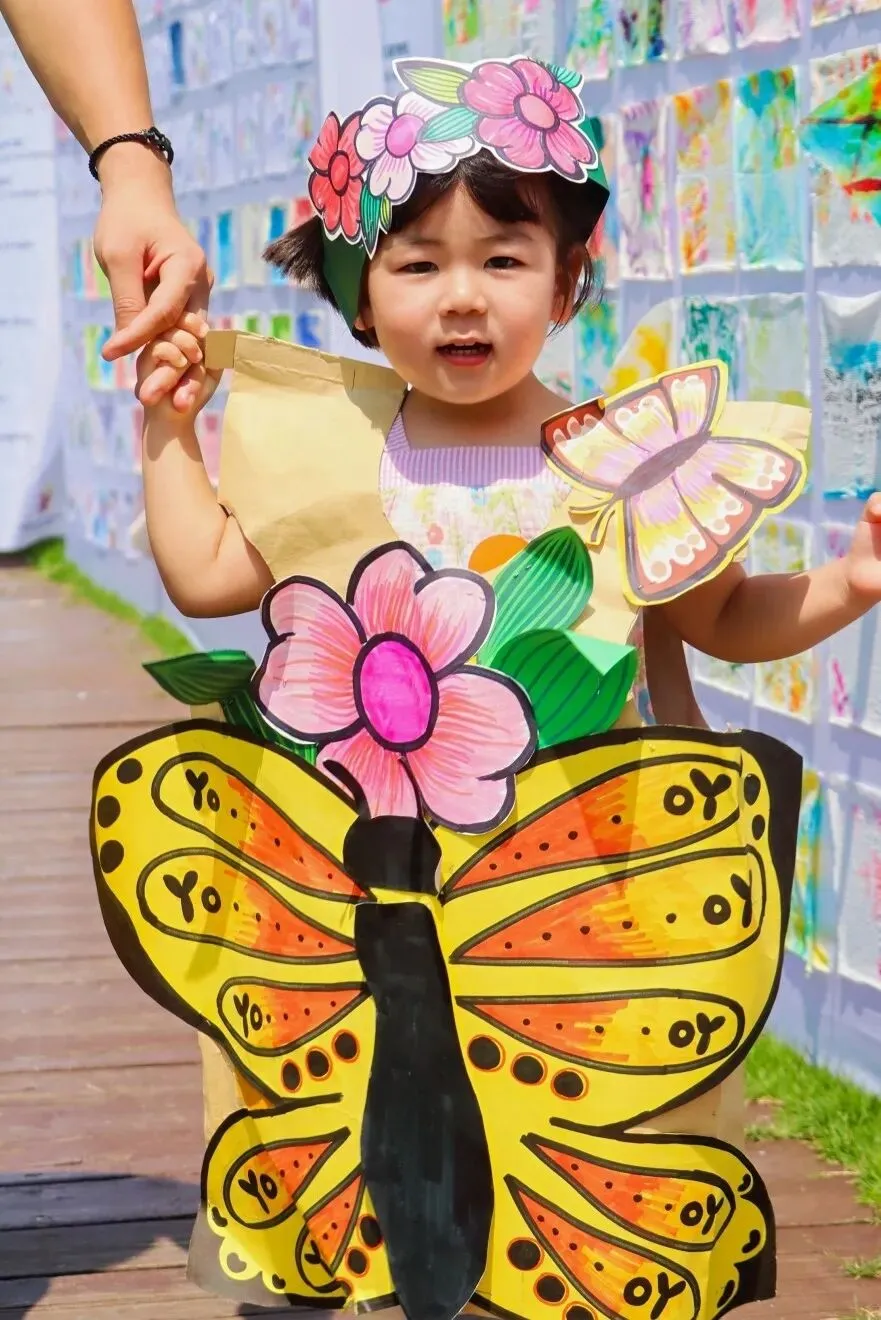
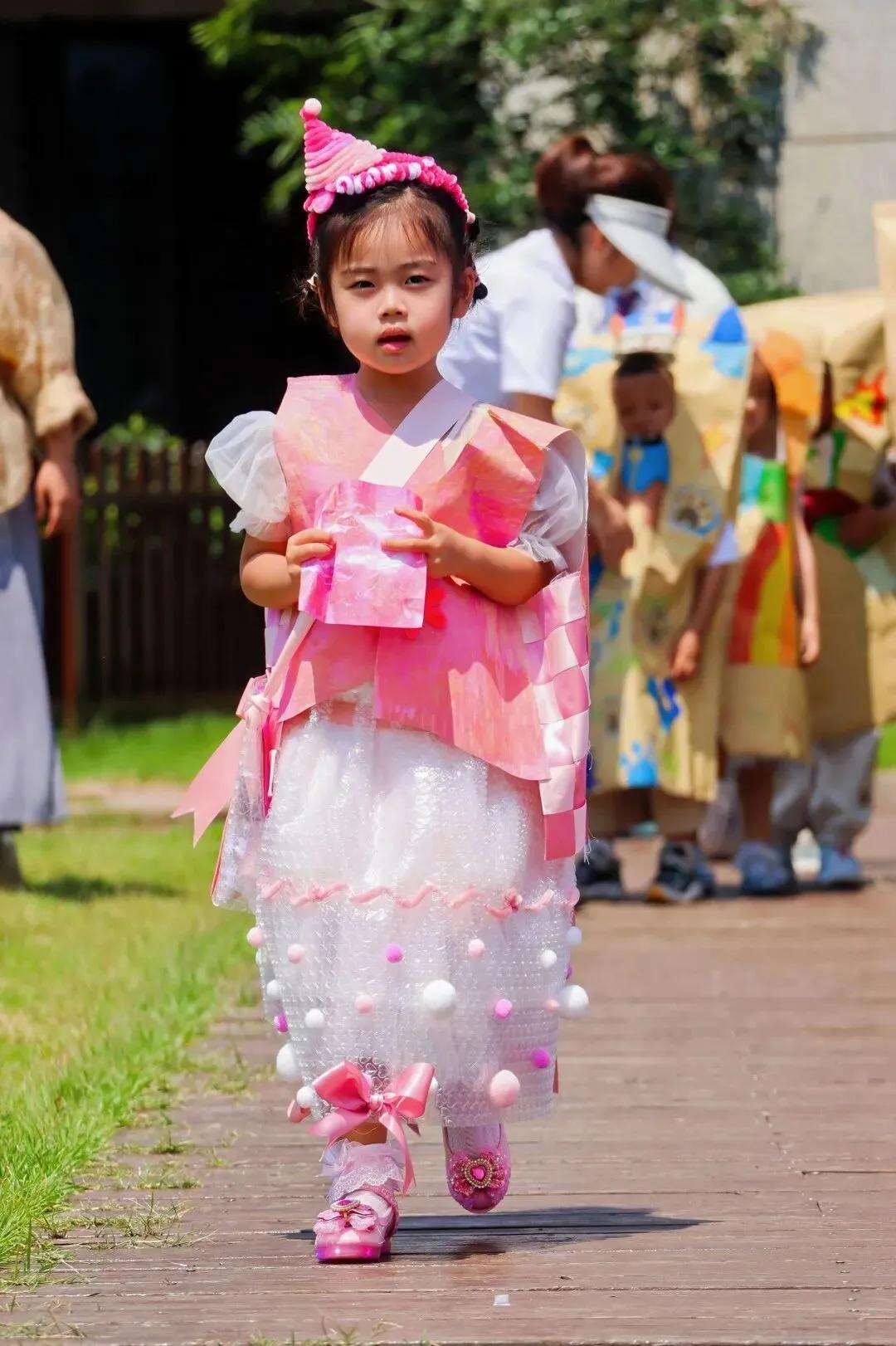
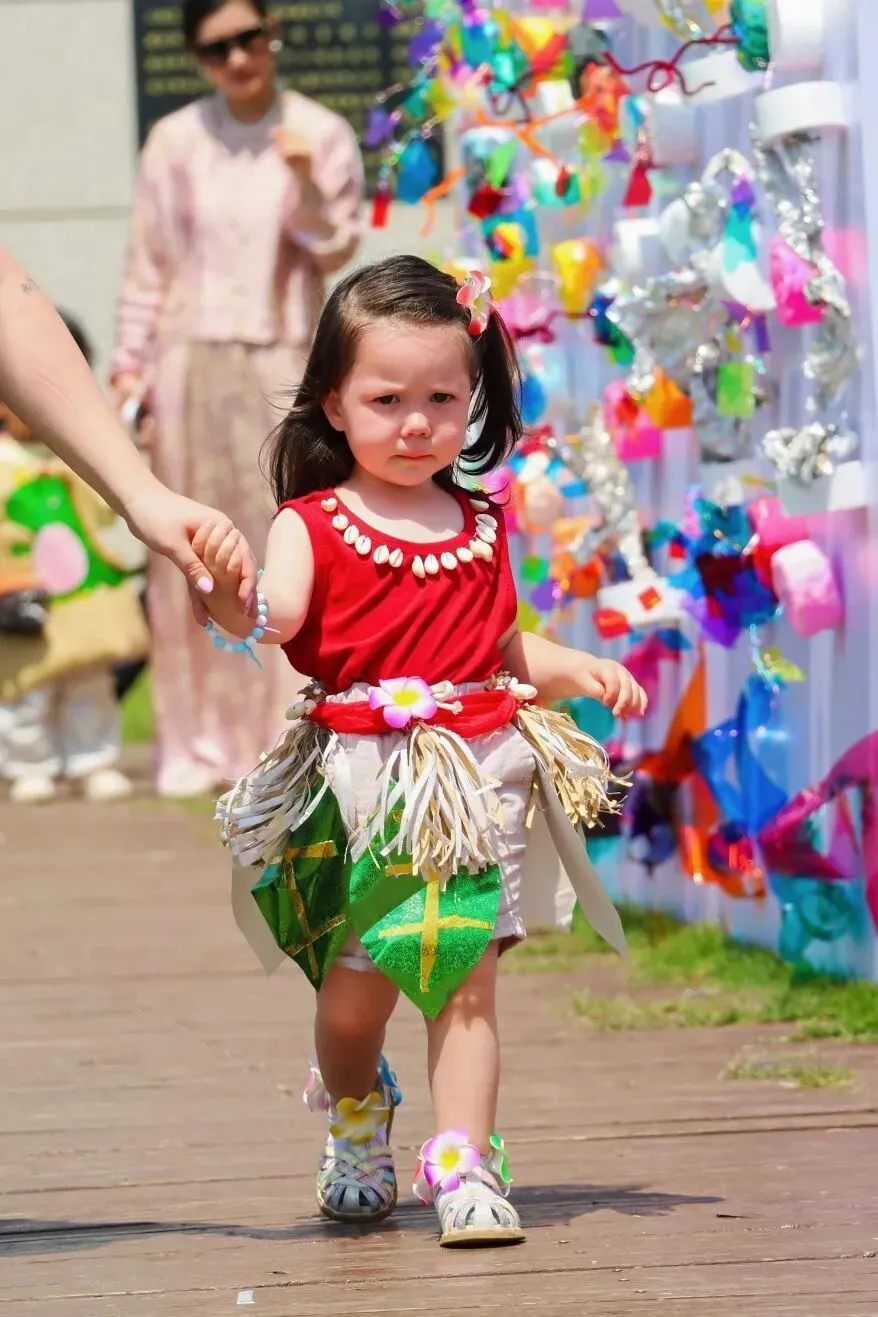
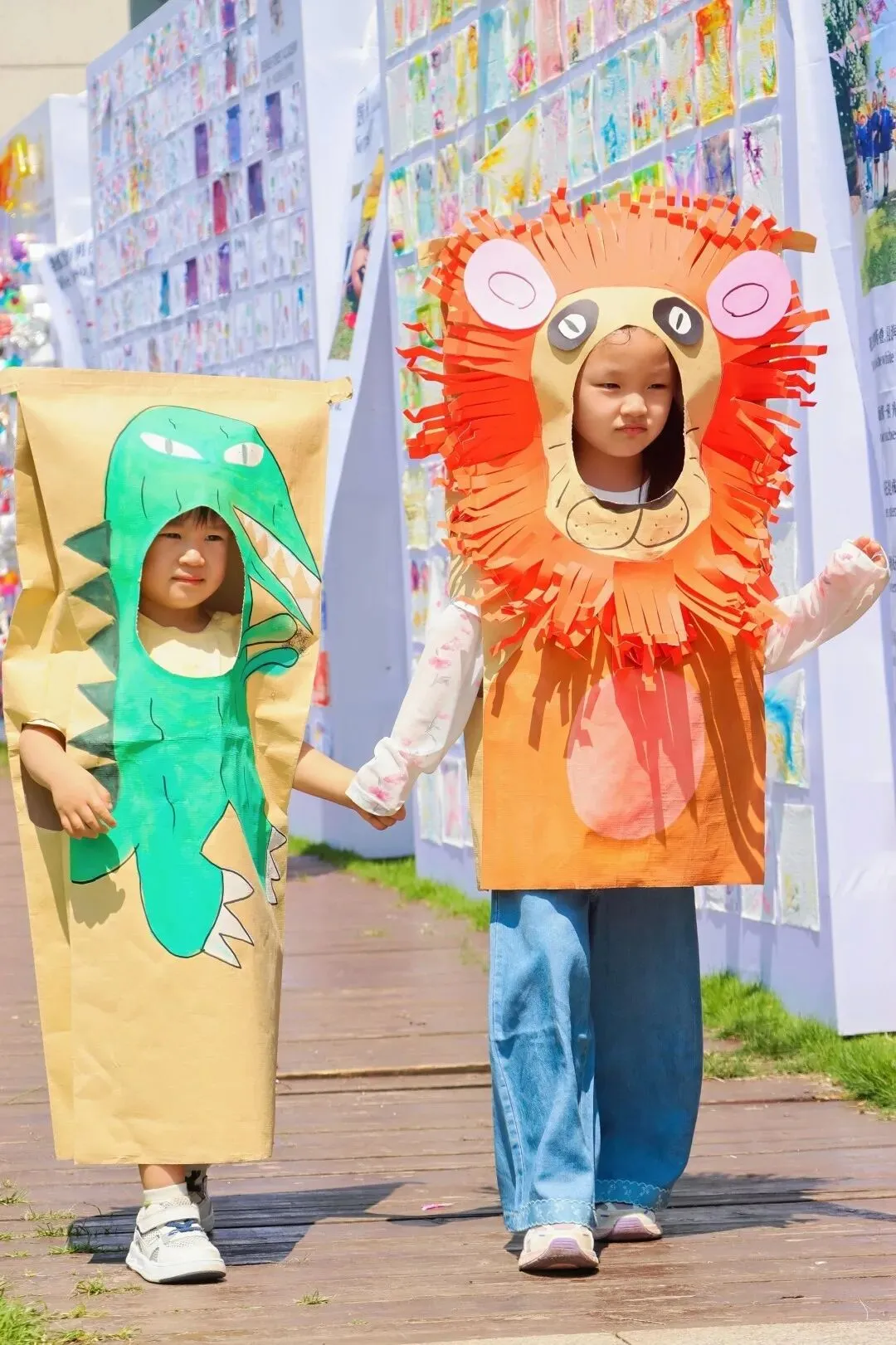
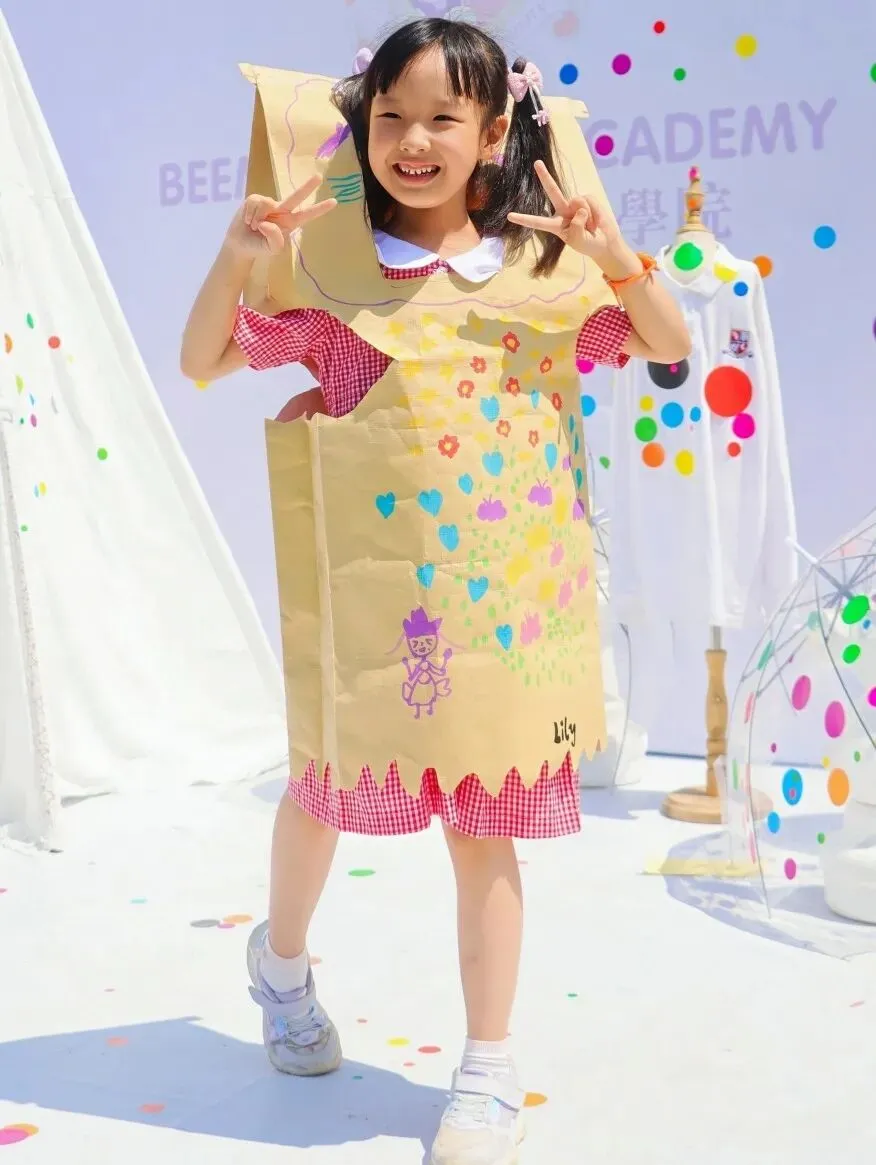
全园小朋友穿着与家长共同制作的环保纸袋服装,自信地走上T台。
废旧的纸袋在亲子协作下变成高定“礼服”,这不仅是创意的碰撞,更是两代人关于爱与陪伴的双向奔赴。
02
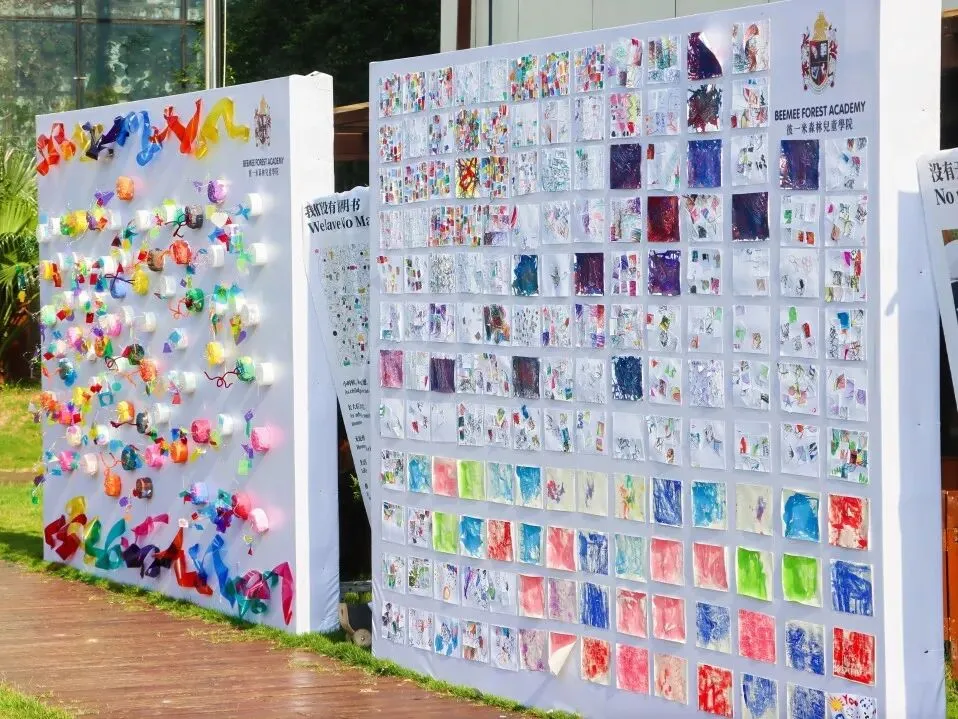
百张笑脸墙:治愈一切的终极力量
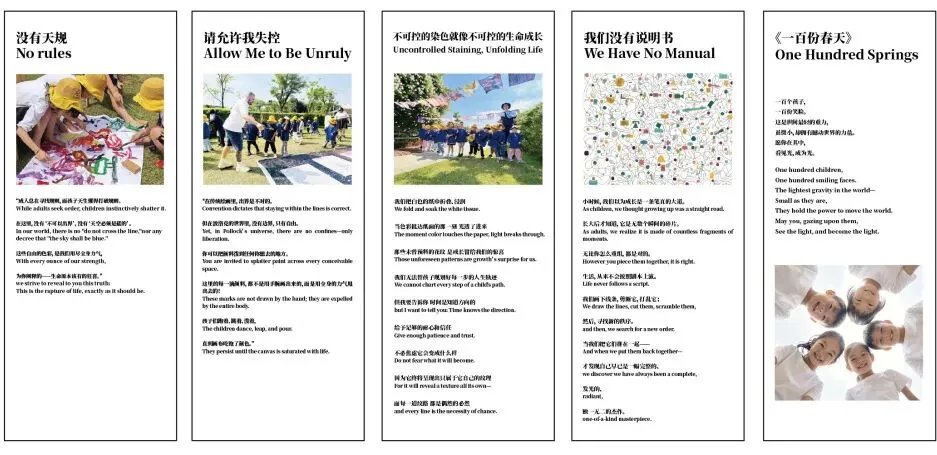
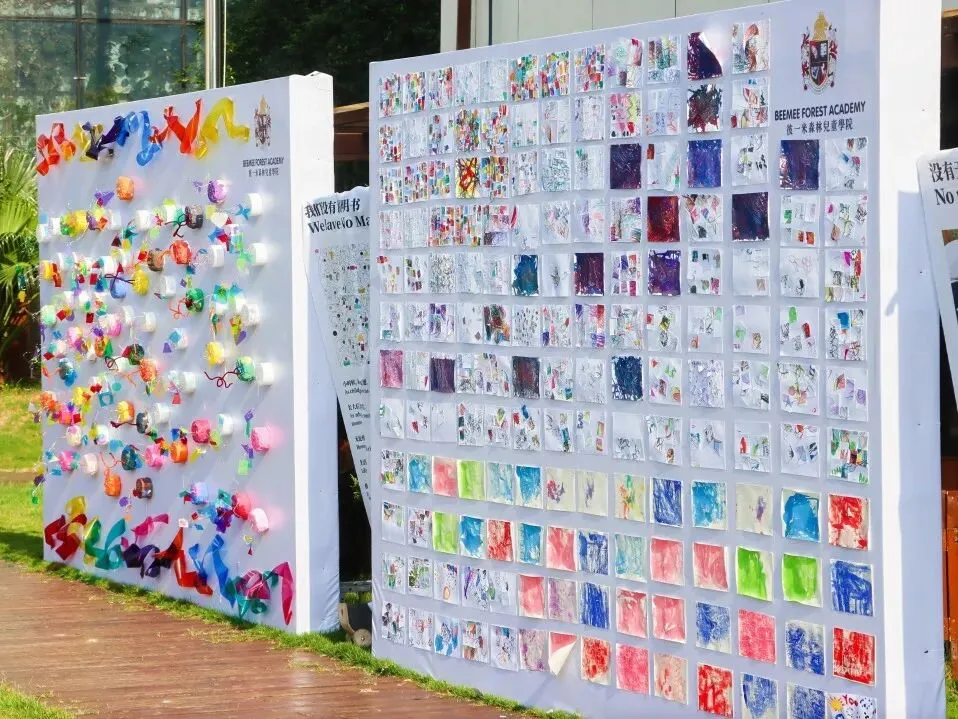
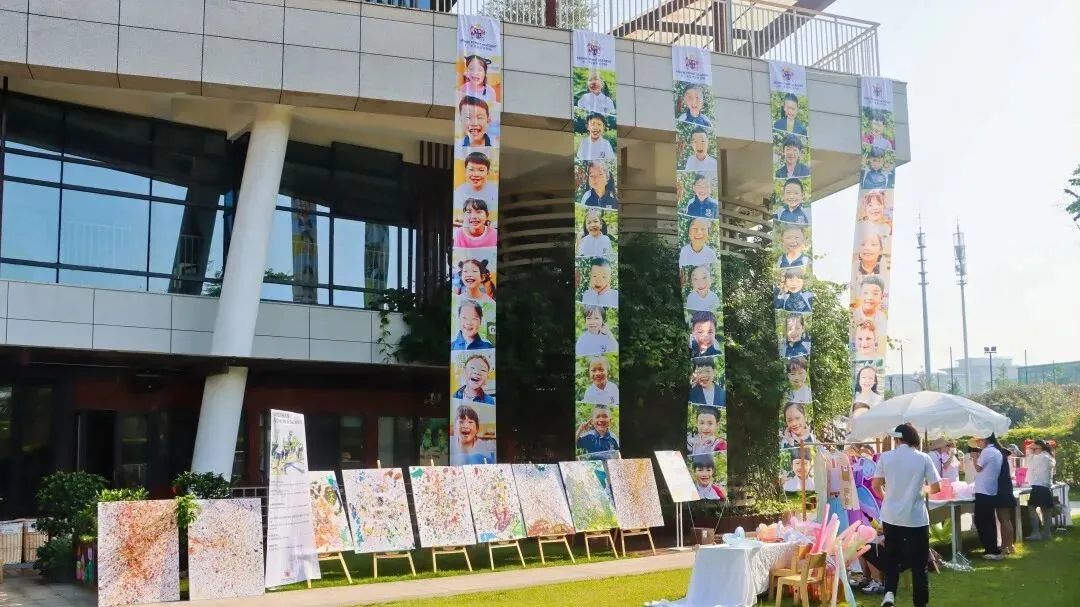
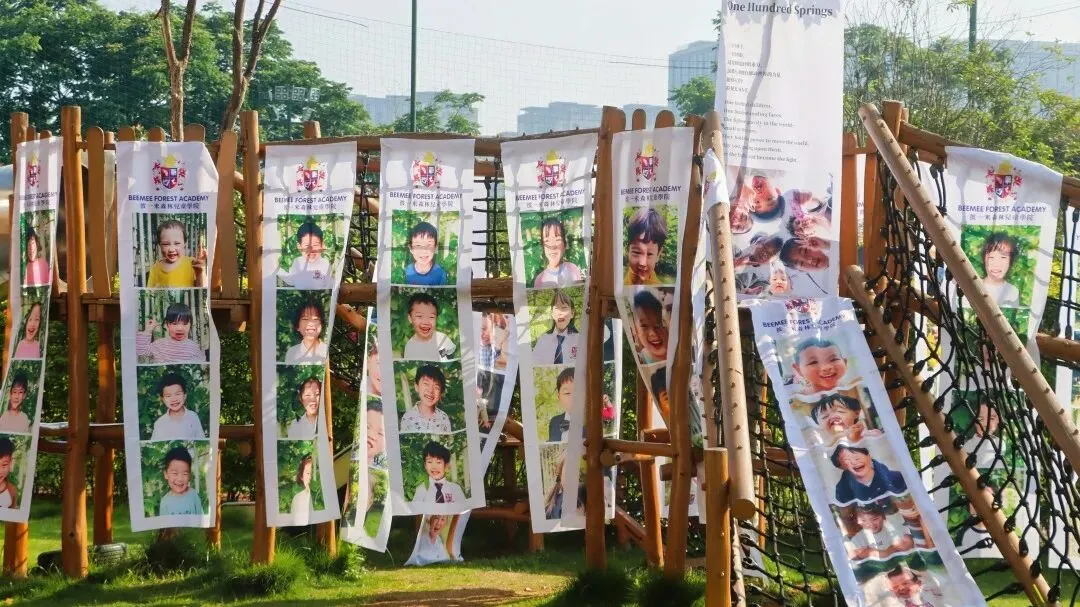
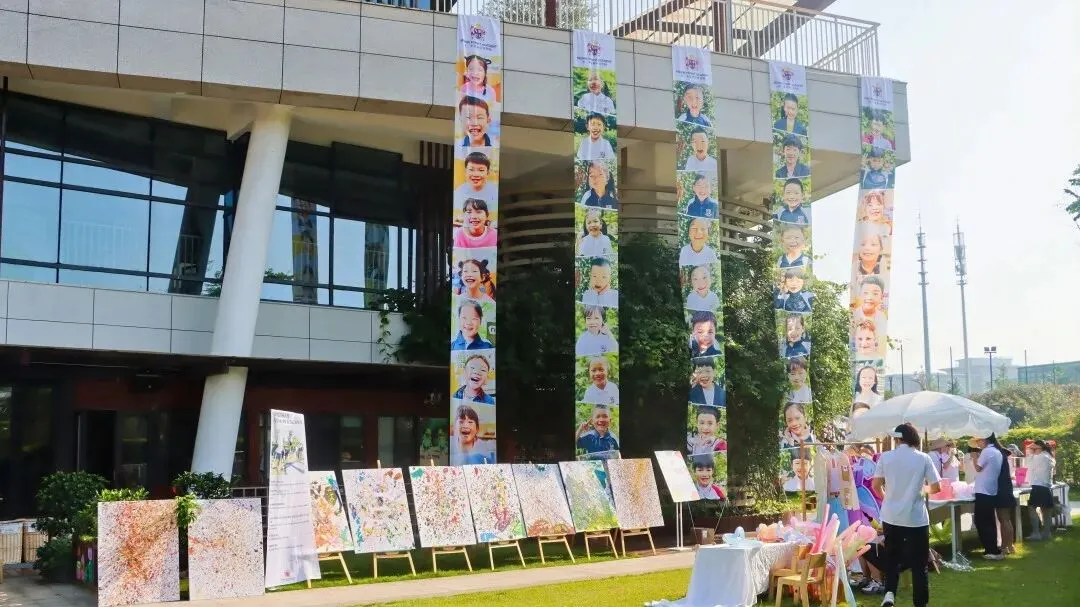
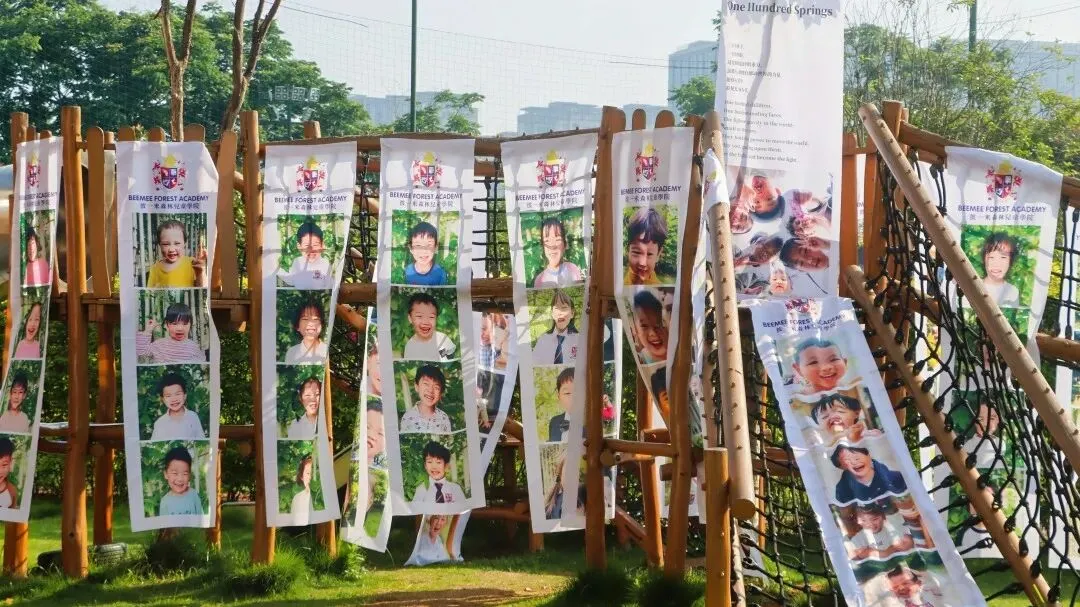
校门口的草坪前,100张纯真灿烂的笑脸汇聚成一幅巨大的能量墙。
在这个充满不确定性的世界里,孩子们不加掩饰的快乐,比任何高清像素都更具感染力,瞬间治愈了每一位驻足的大人。
03
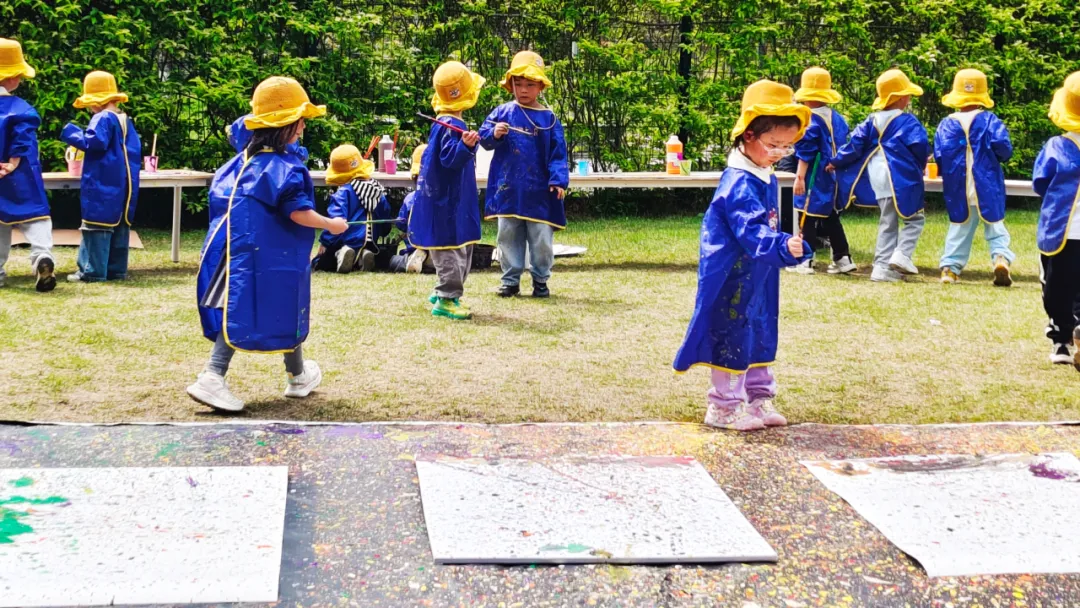
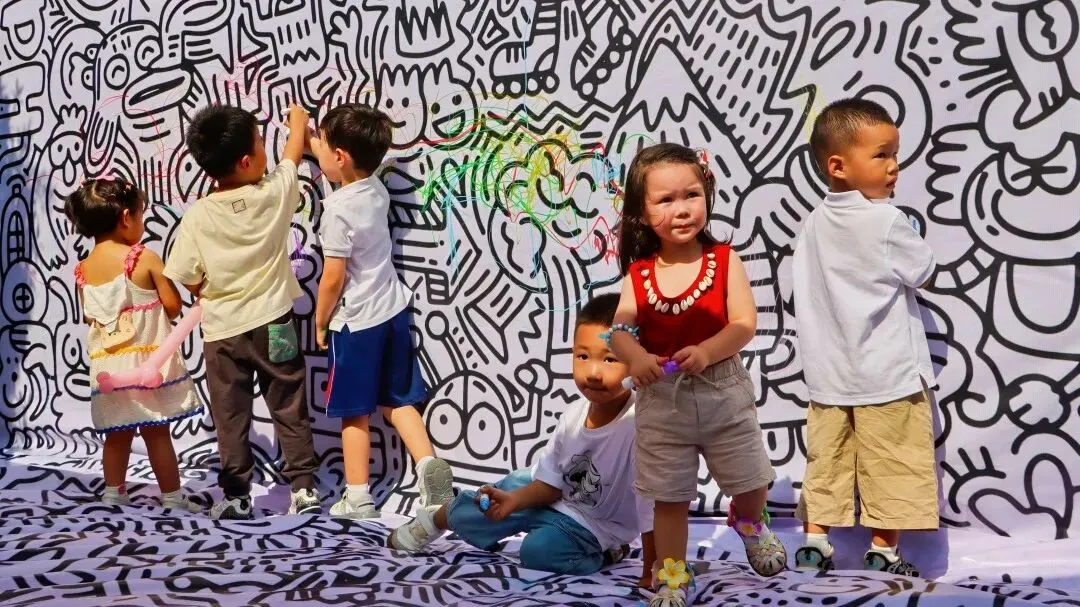
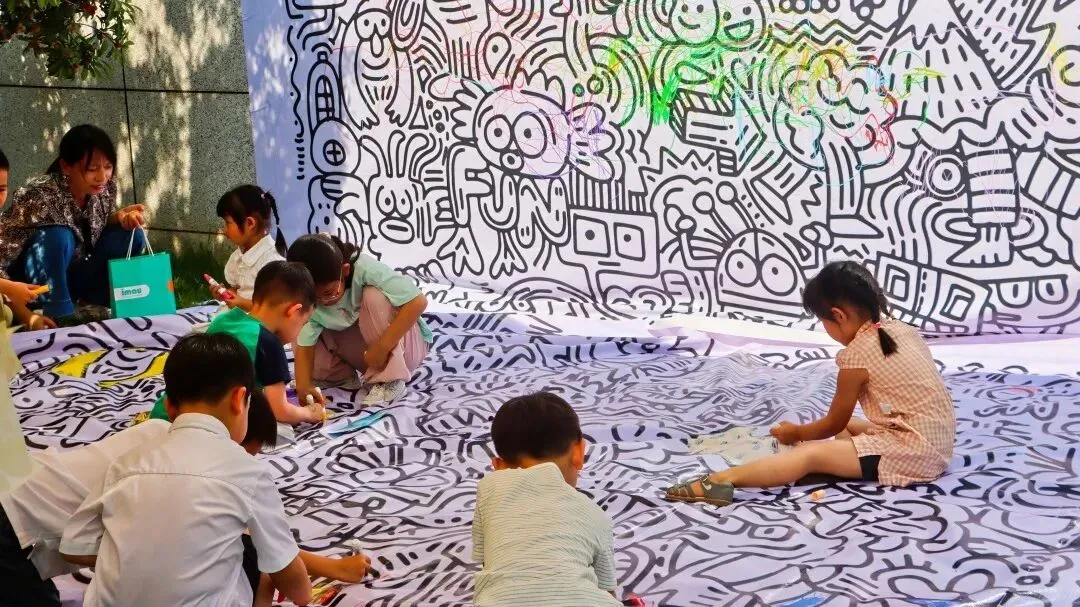
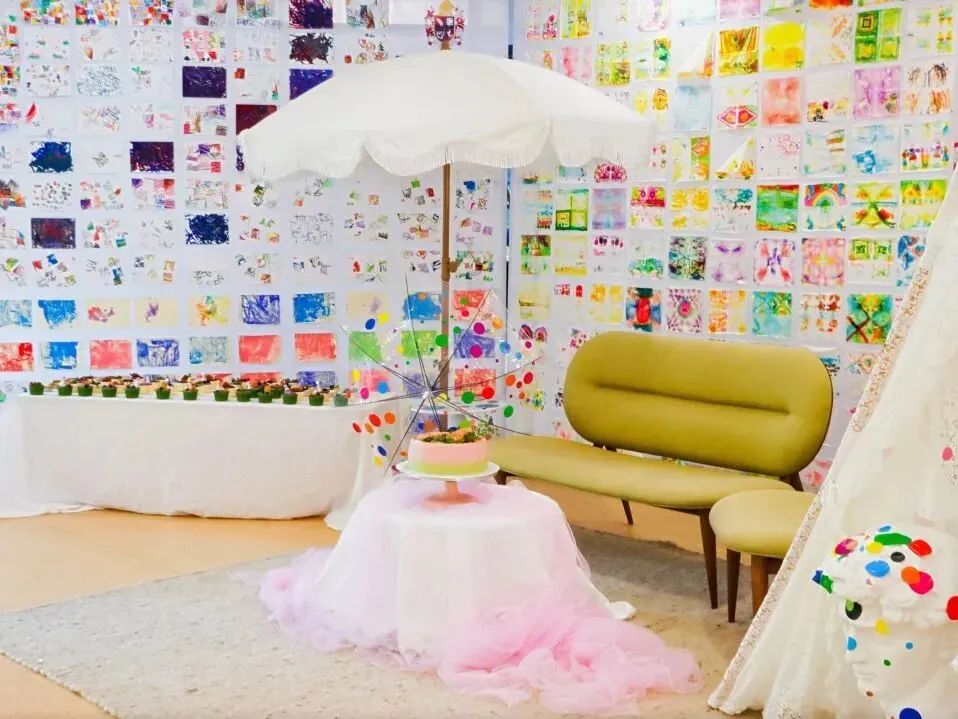
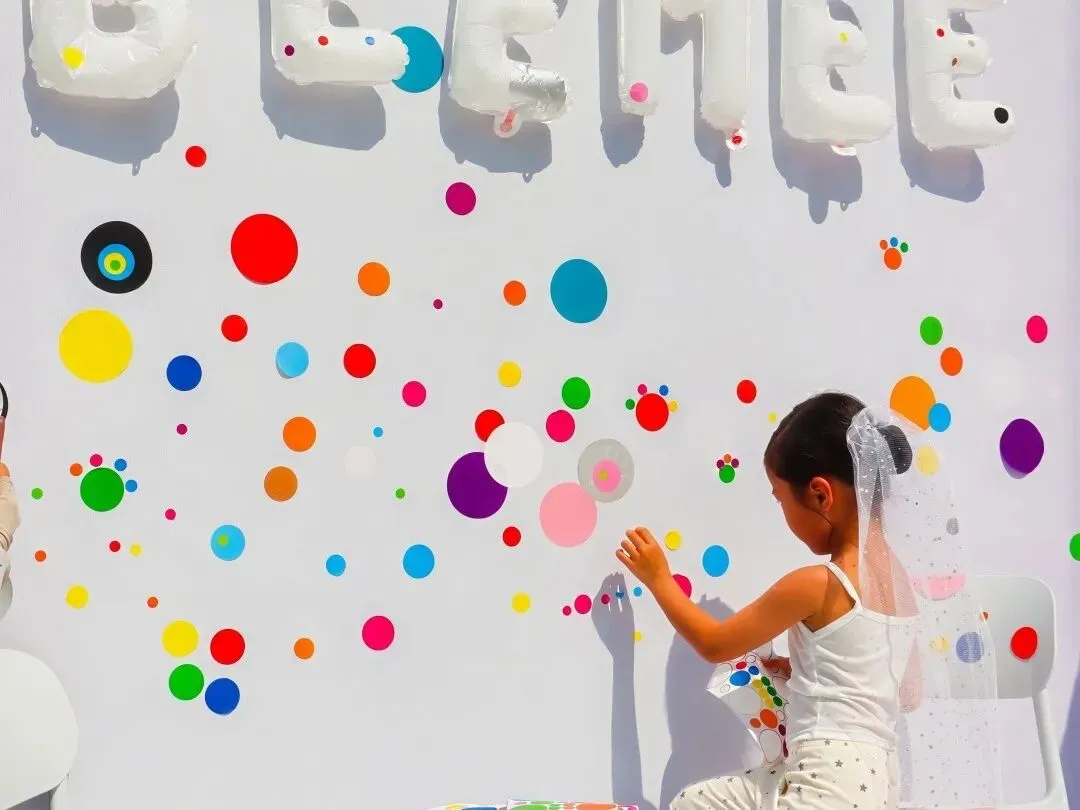
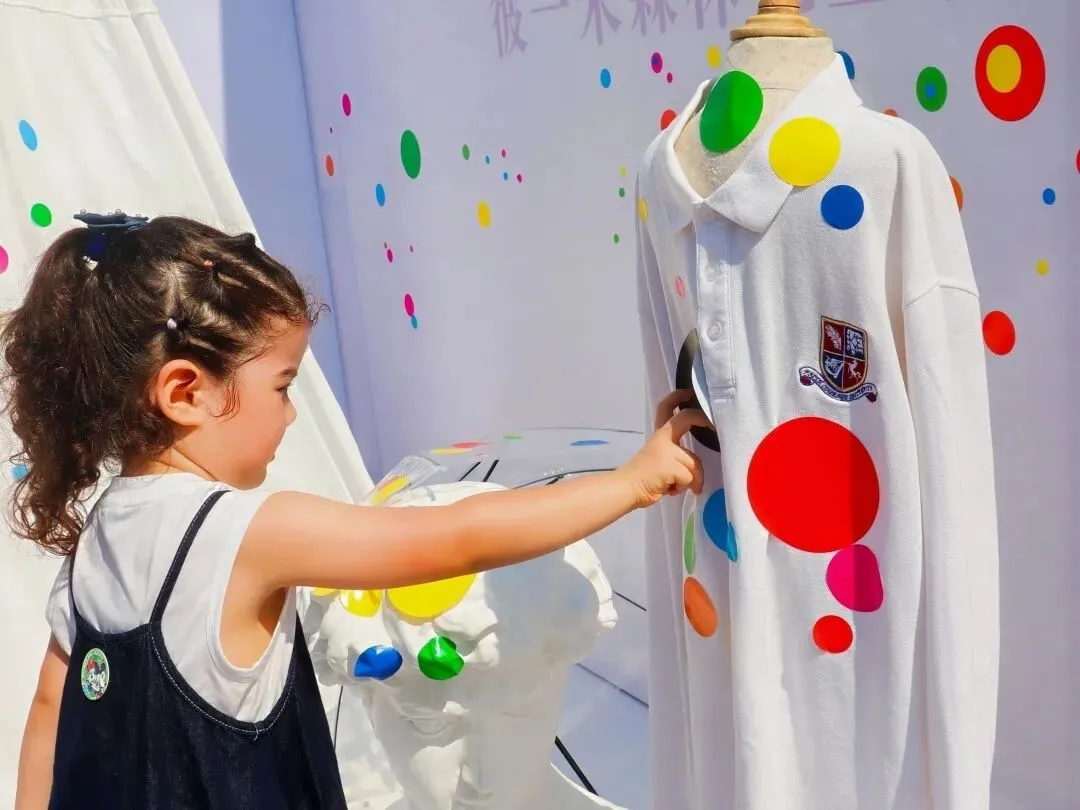
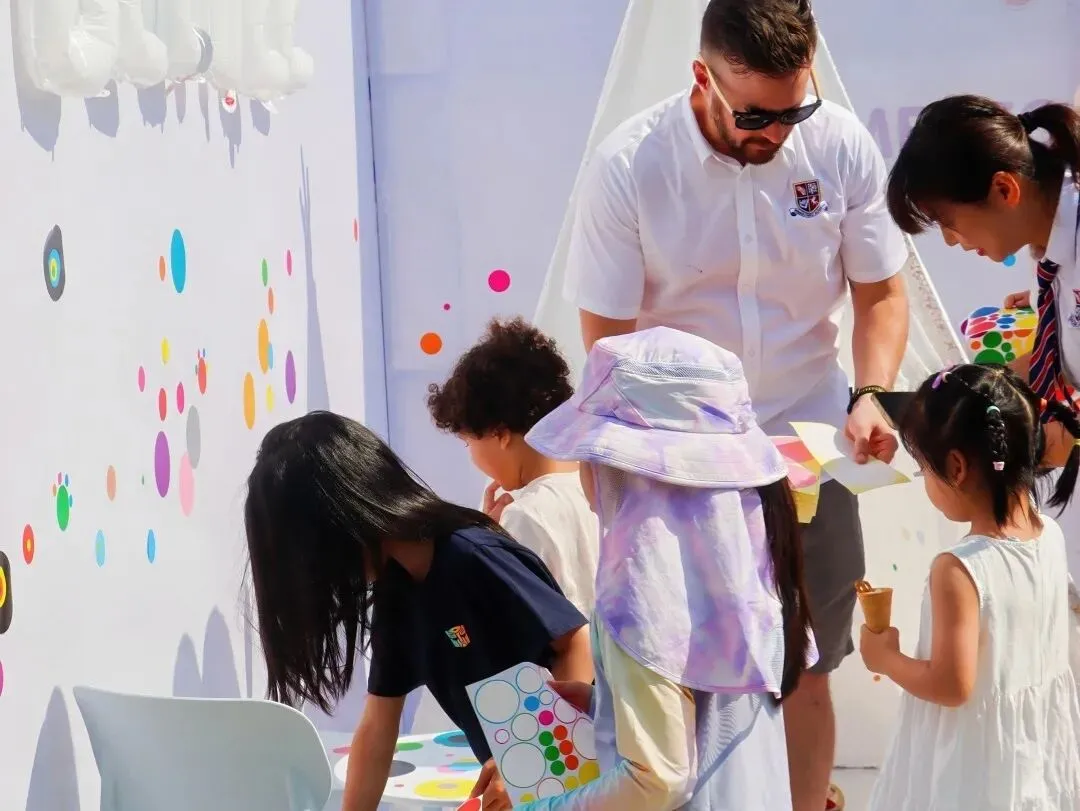
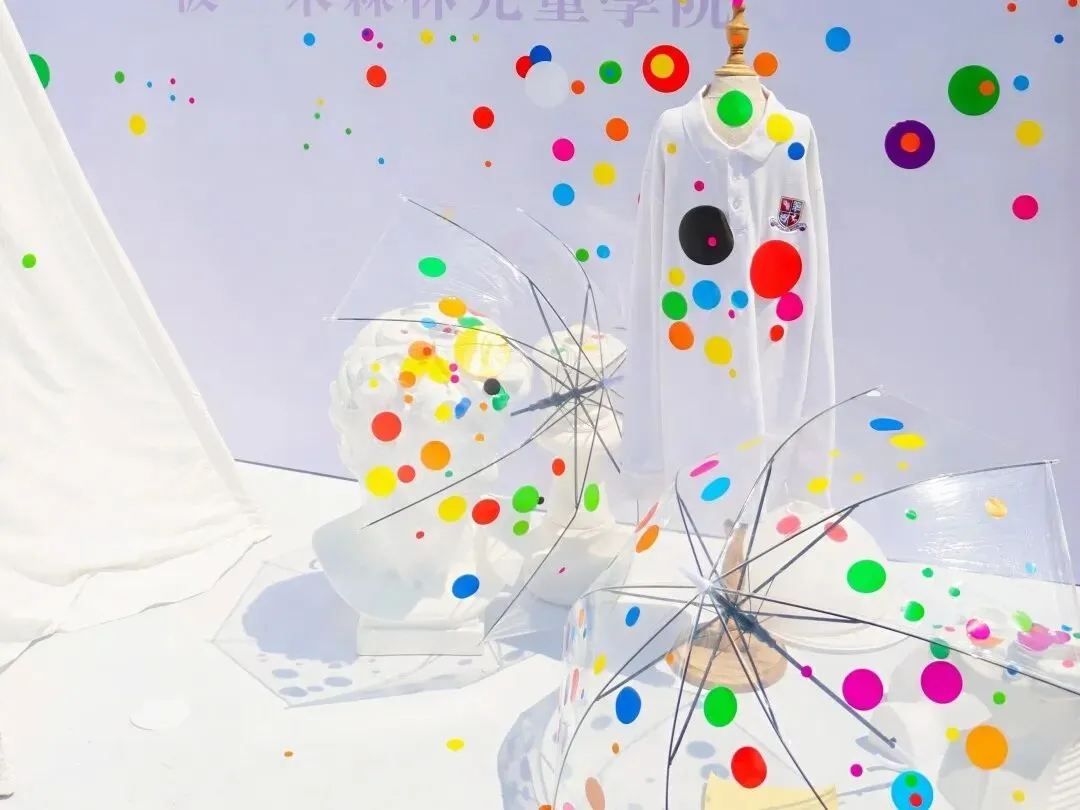
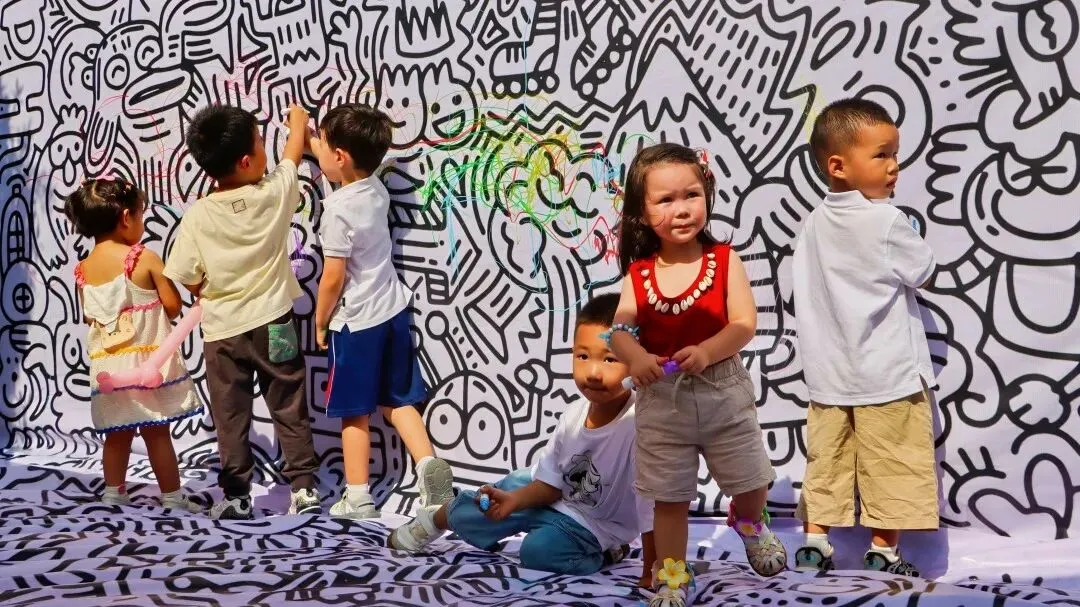
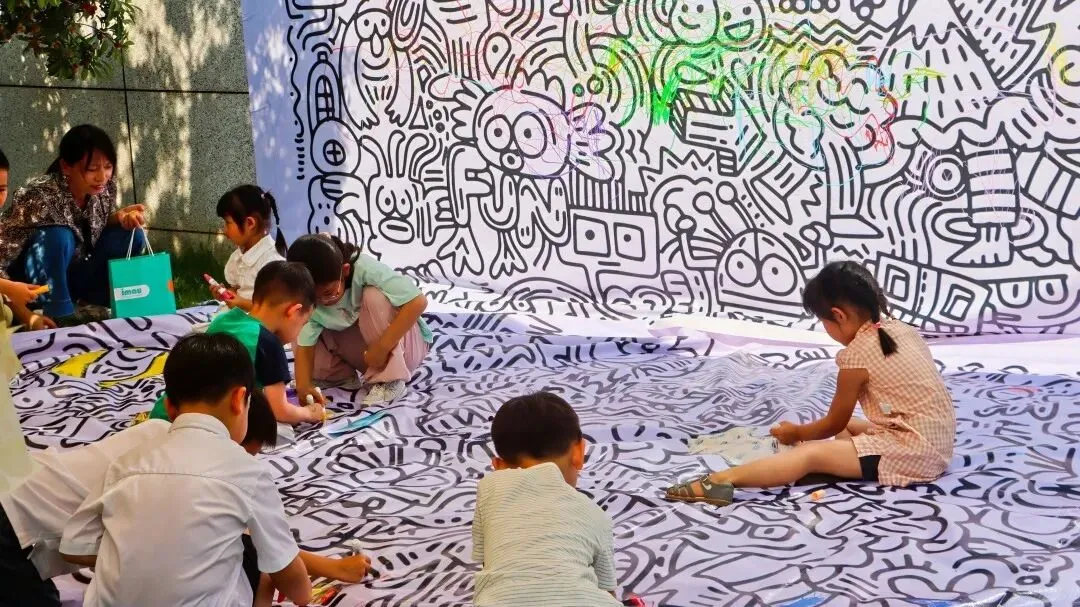
波点艺术与涂鸦区:把世界还给感官
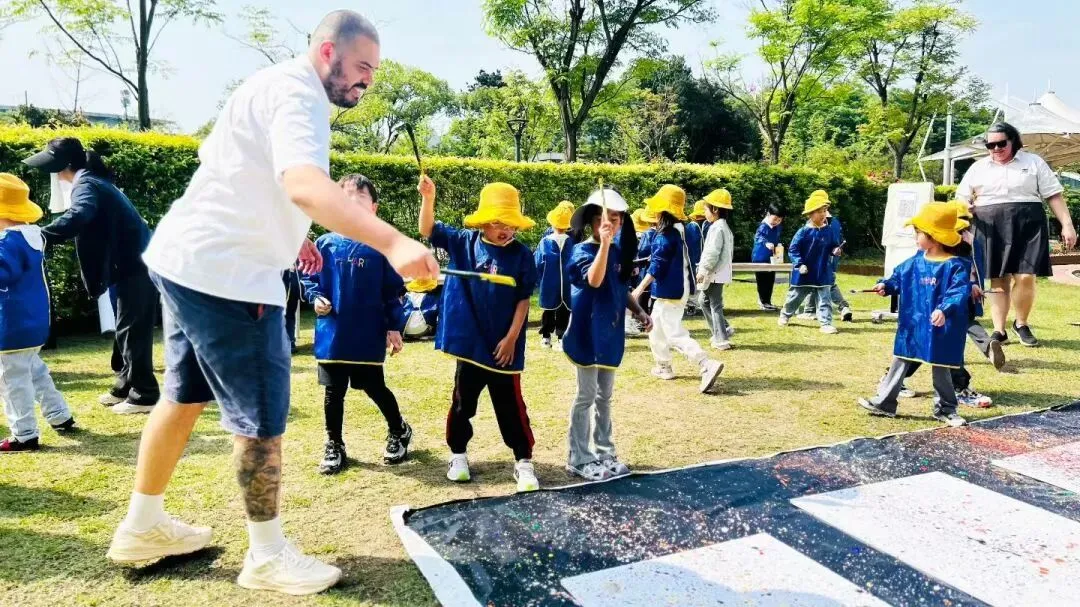
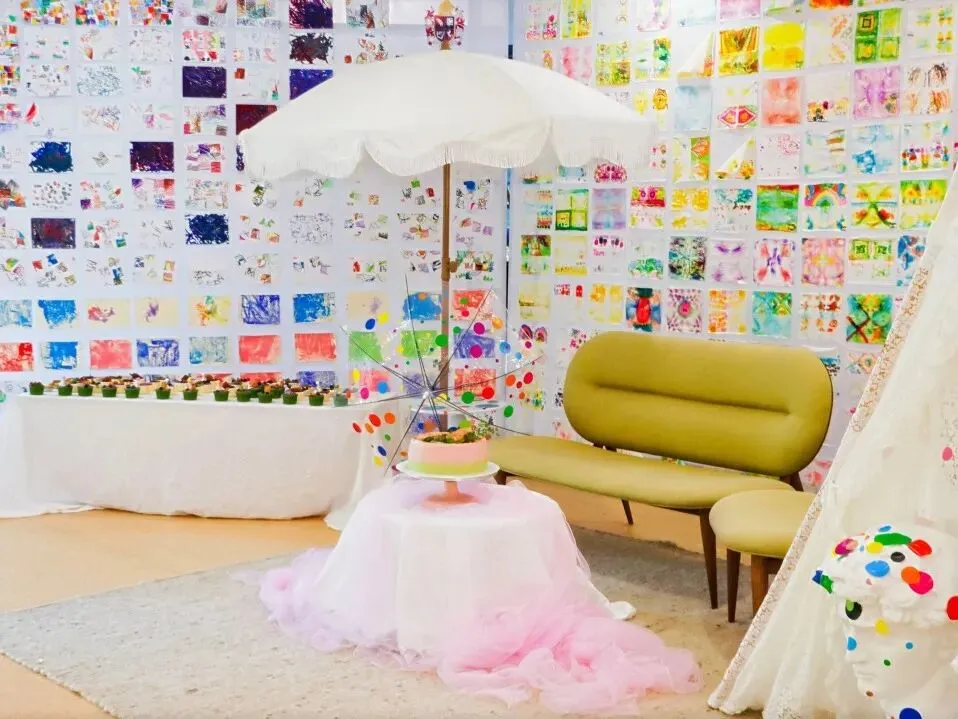
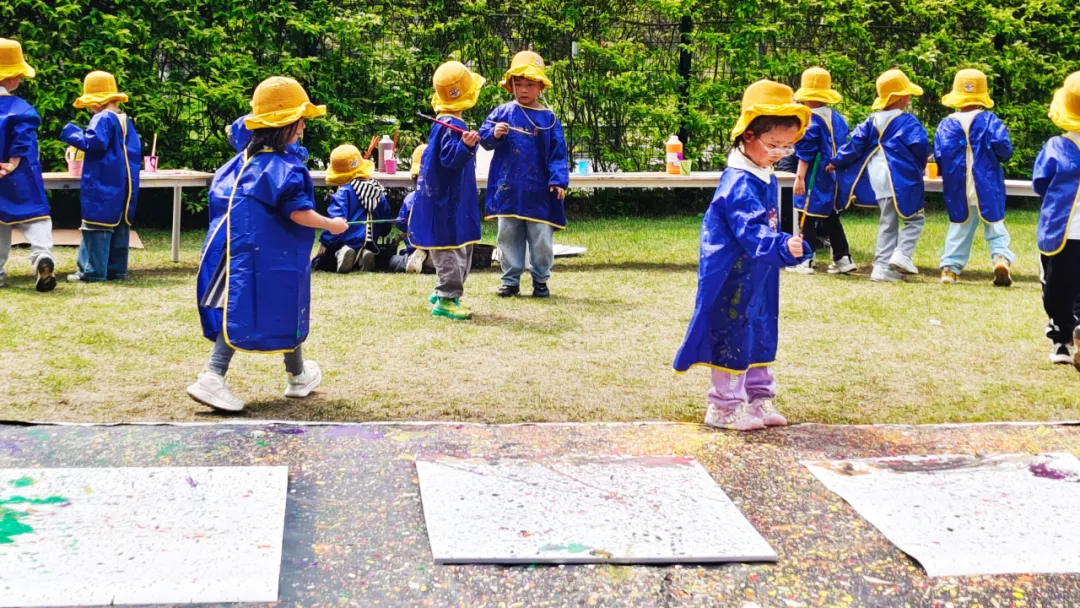
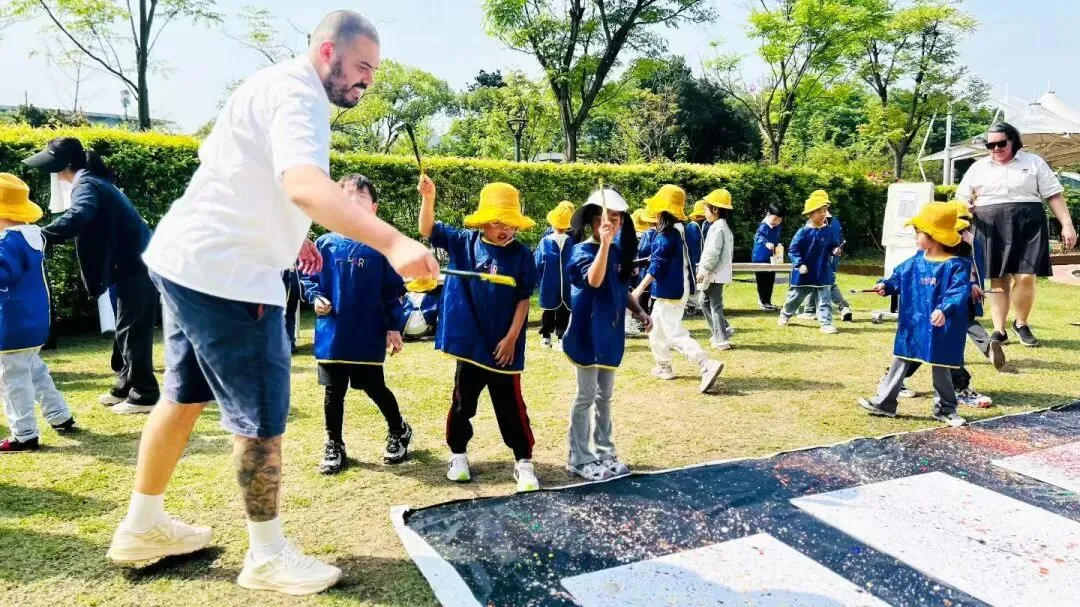
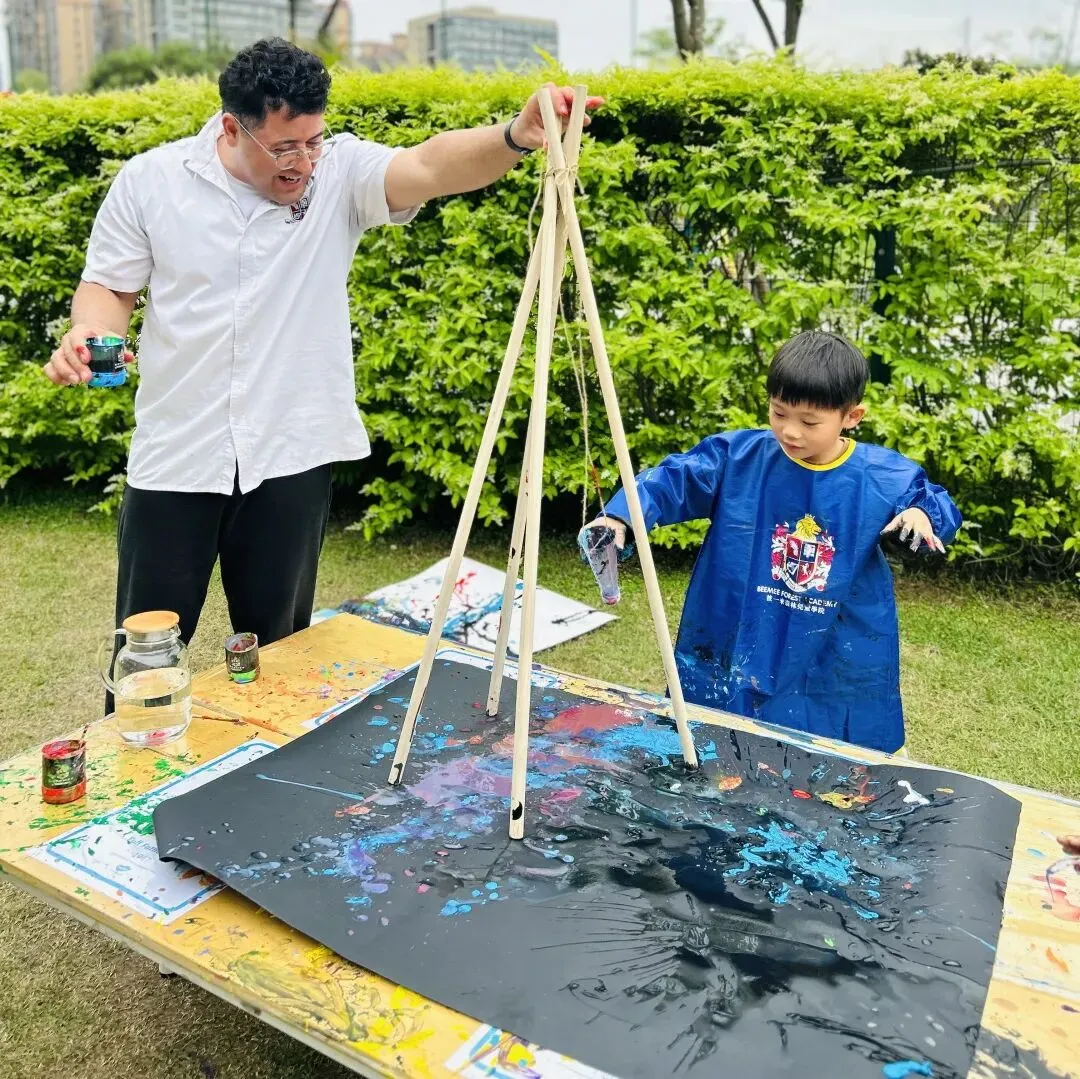
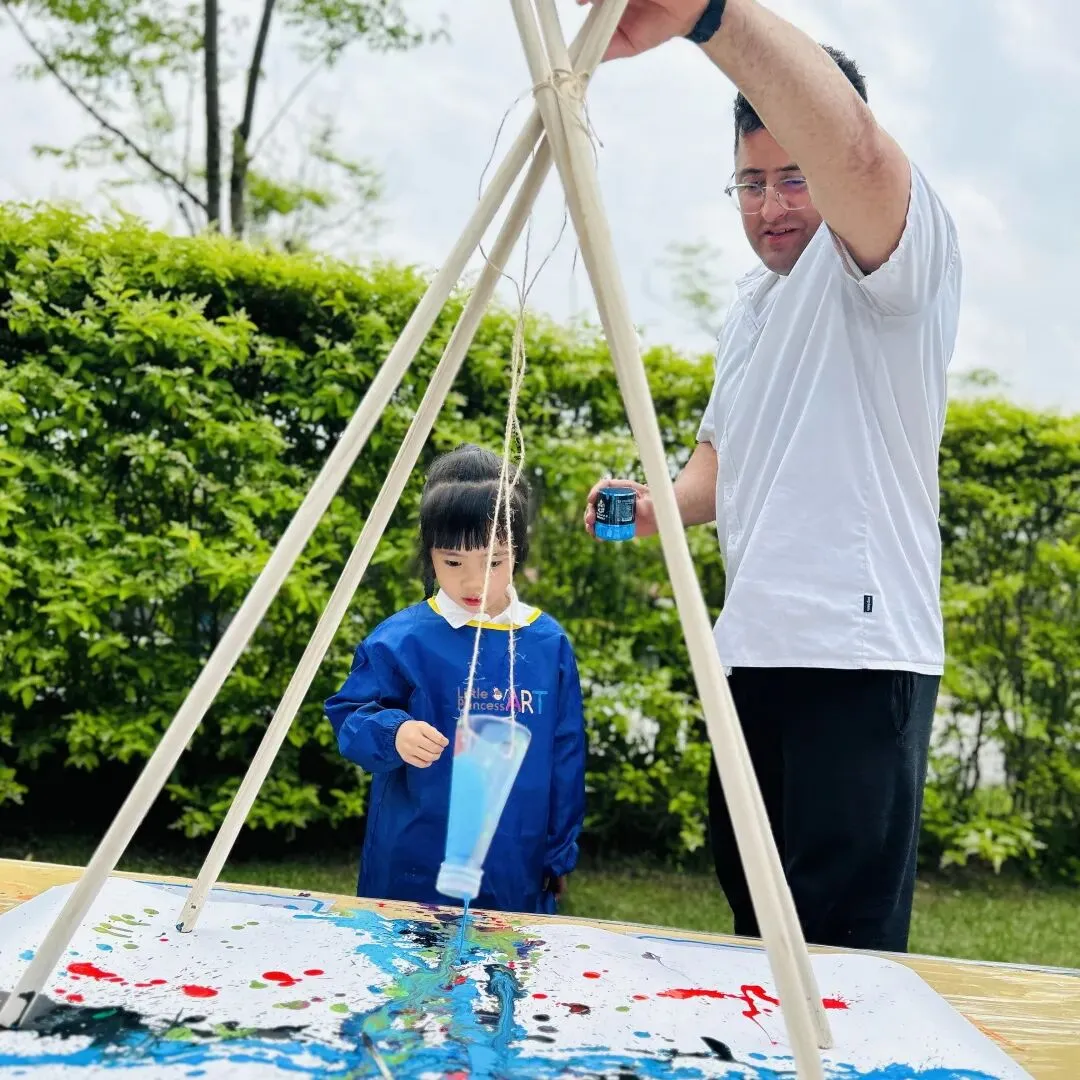
我们特设了互动环节,让大小朋友尽情释放天性。
在草间弥生式的波点艺术与自由涂鸦区里,没有对错,只有纯粹的表达。
斑斓的色彩将现场变成欢乐的海洋,每一个人都成为了艺术的共创者。
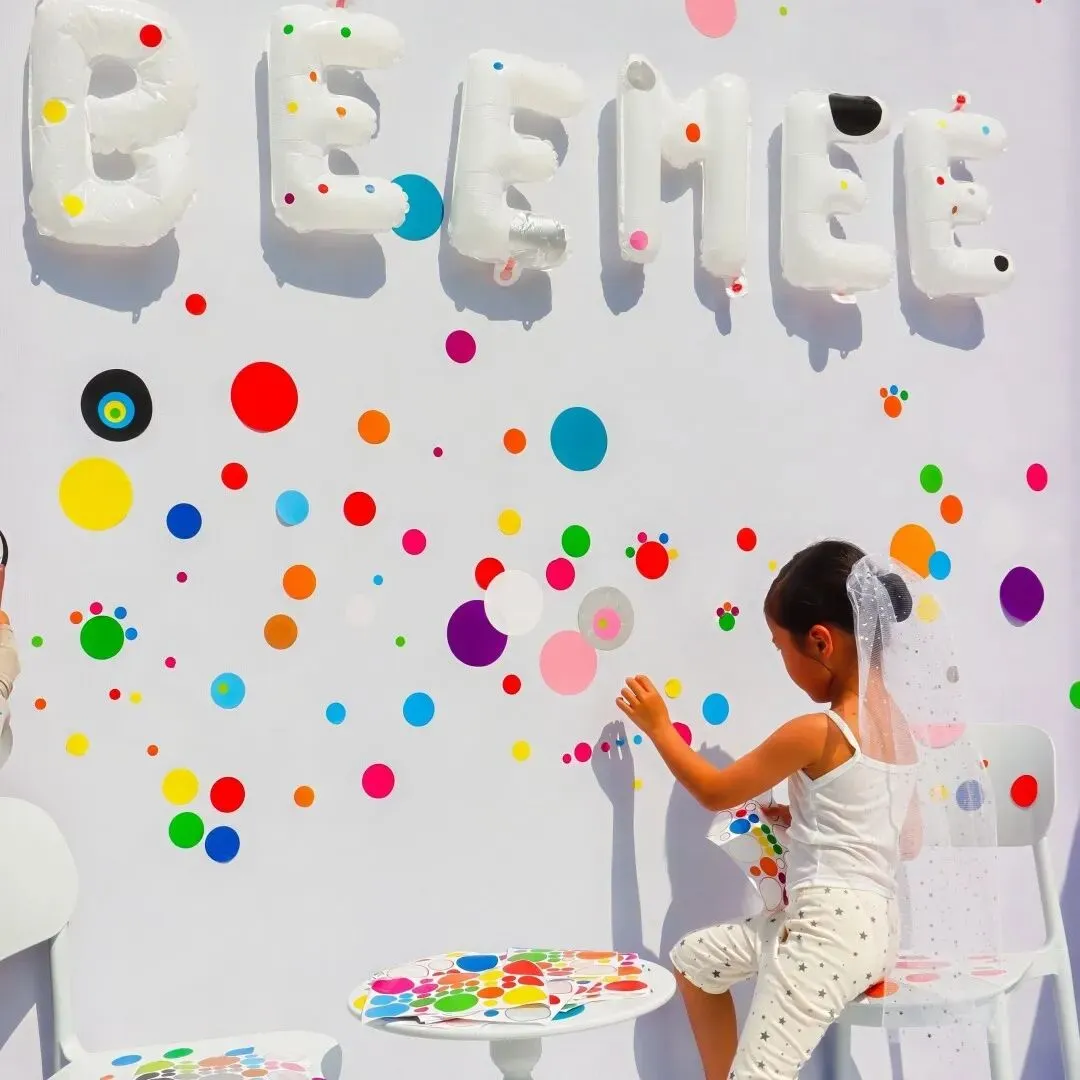
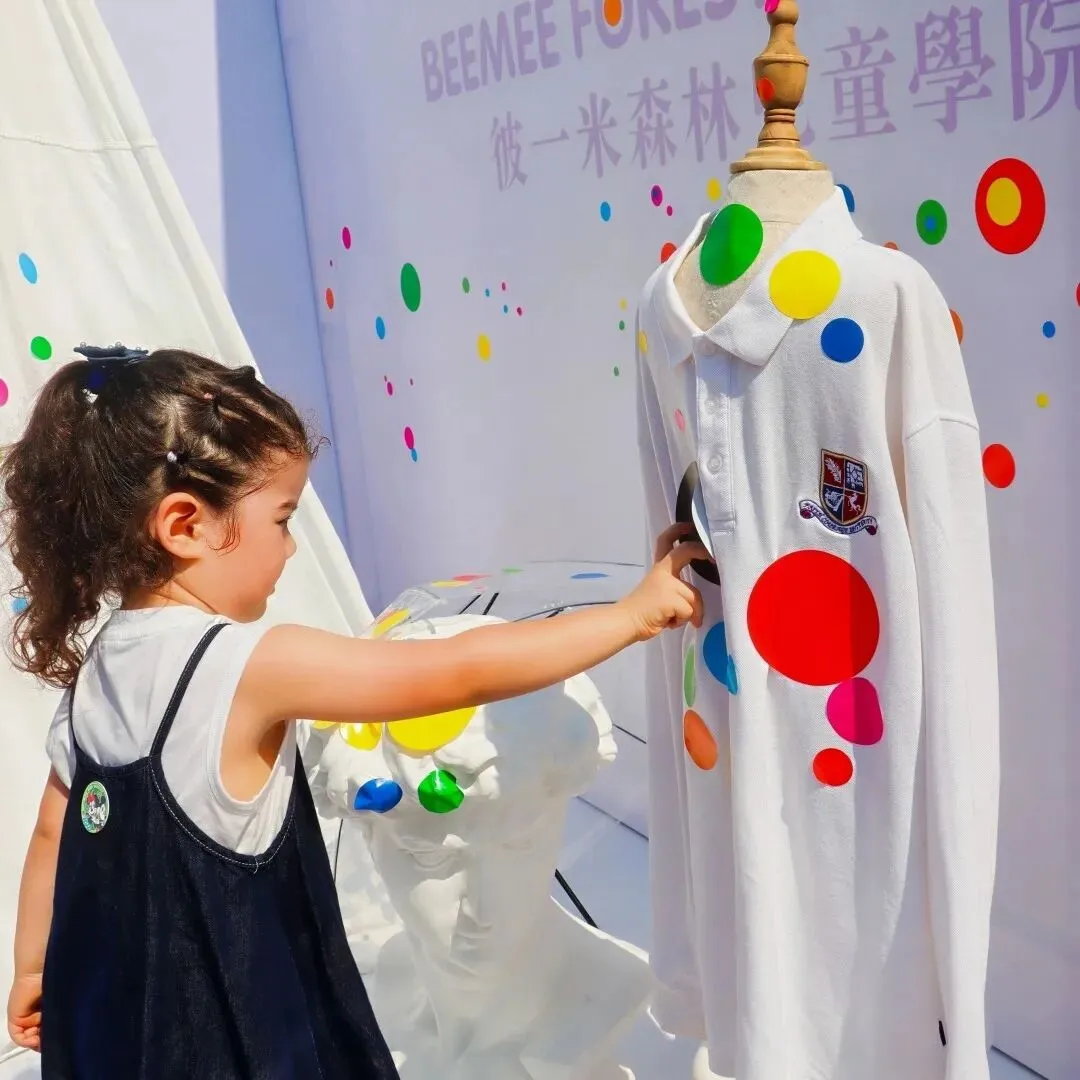
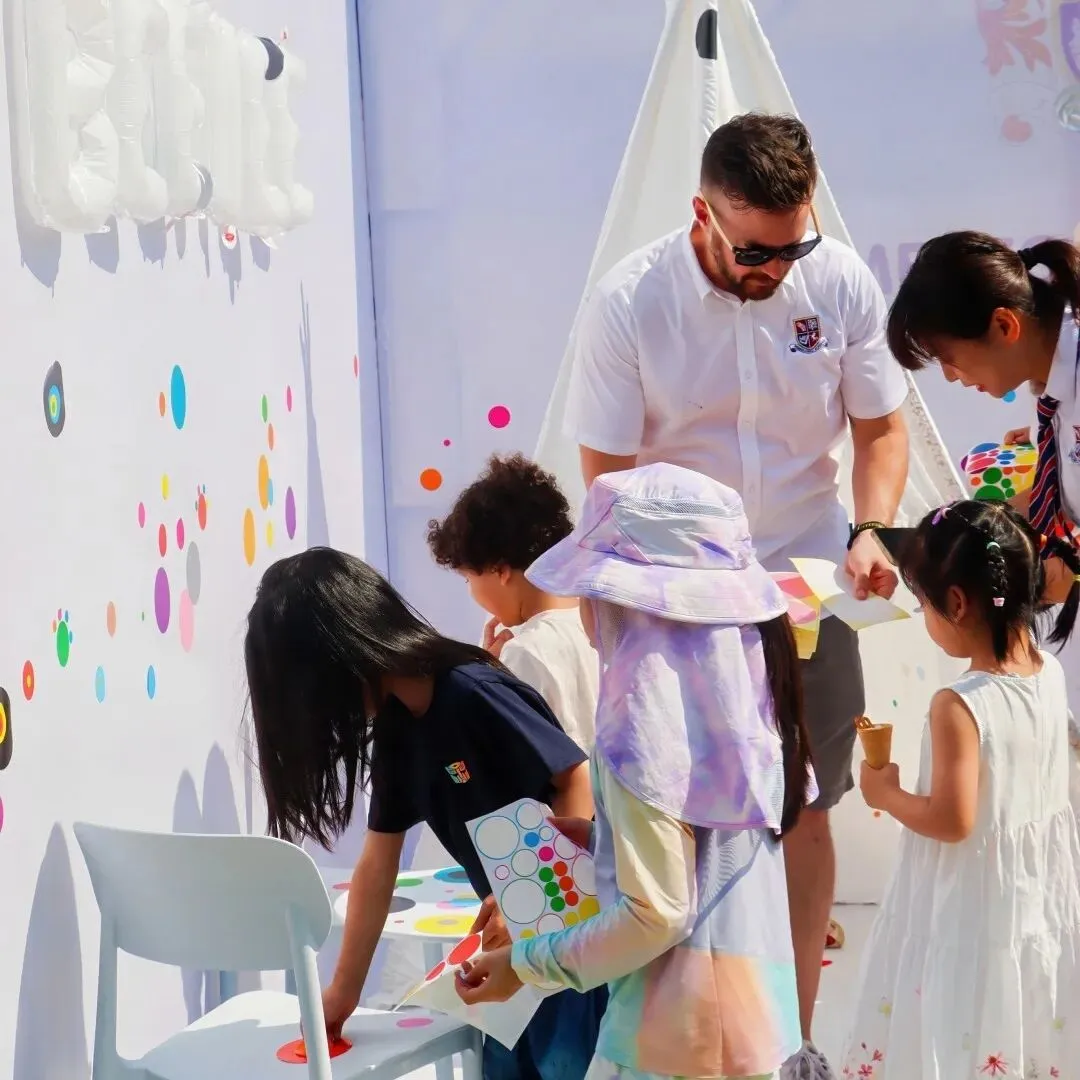
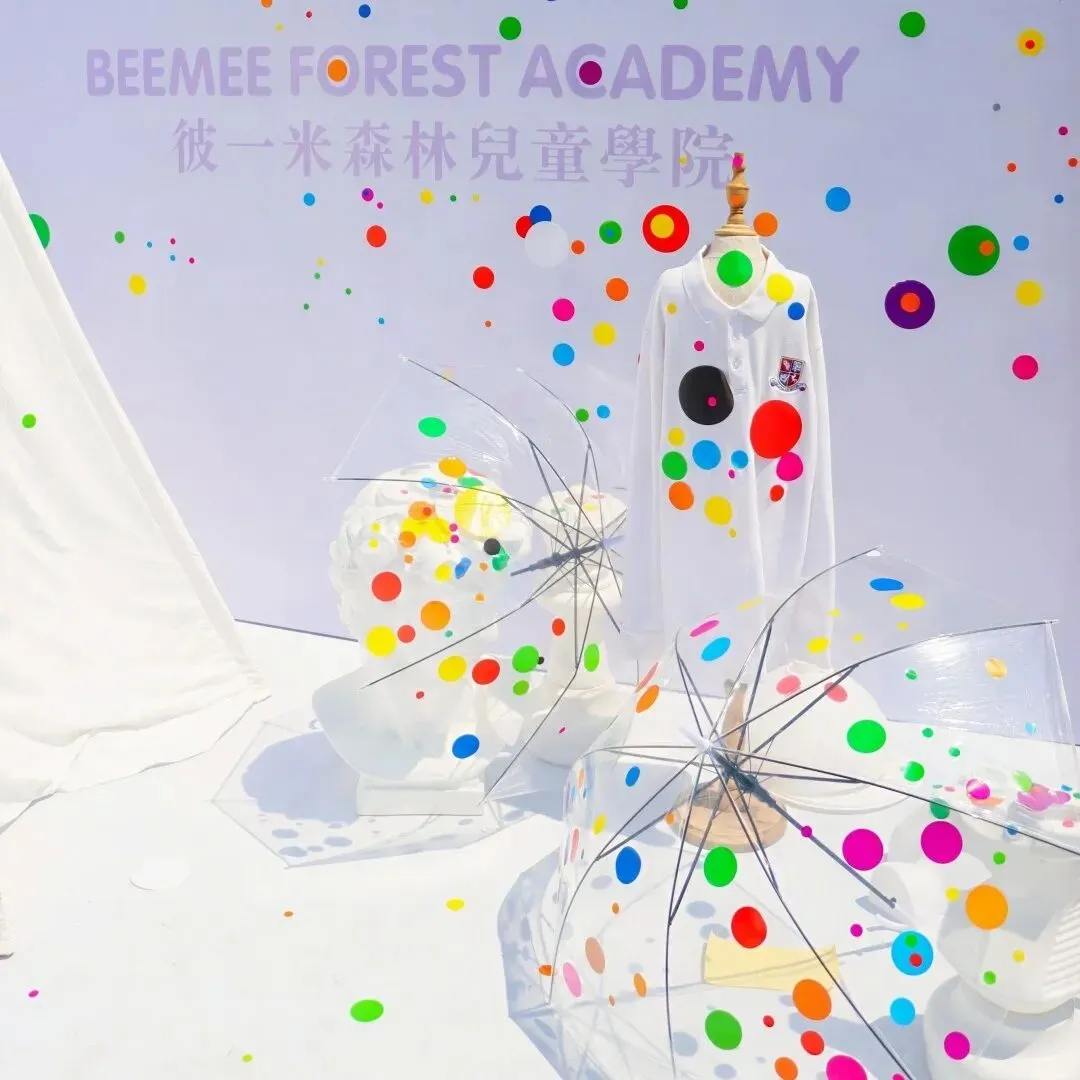
AI可以模仿技法、生成图像,却无法替代孩子亲手触摸颜料时的惊喜、等待染料渗透时的期待、走上T台时的自信与雀跃。
美育,从来不只是为了培养艺术家,而是为了让孩子在不确定的未来里,依然拥有感知幸福、表达自我的能力。
这份能力,AI给不了,但我们可以。
When AI can effortlessly paint a picture, generate a melody or design a piece of work, and when ‘quick results’ and ‘efficient creation’ have become the norm,
many parents begin to wonder:Is it still necessary to spend time accompanying our children as they slowly draw, mould clay, listen to music and experience nature?
Does aesthetic education still hold any significance in the age of AI?
As an international kindergarten teacher who has long accompanied young children on their journey of growth, I would like to share a fundamental educational consensus with you: The more powerful AI becomes, the more important aesthetic education is.
Machines may produce ‘beauty’, but they can never replicate the sparkle in a child’s eyes, the passion in their heart, or their unique perceptions and creativity. What is truly irreplaceable is humanity’s sense of aesthetics, imagination and emotional expression.
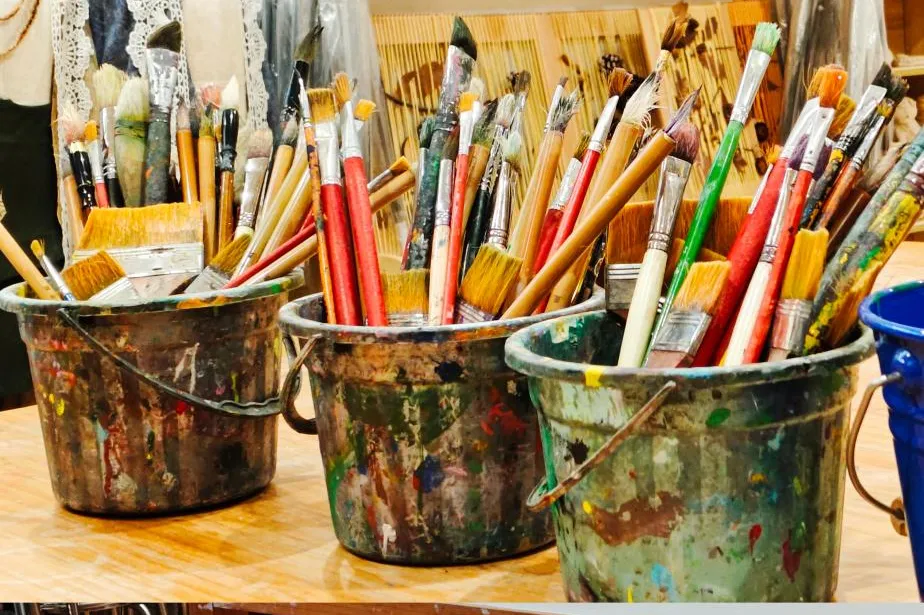
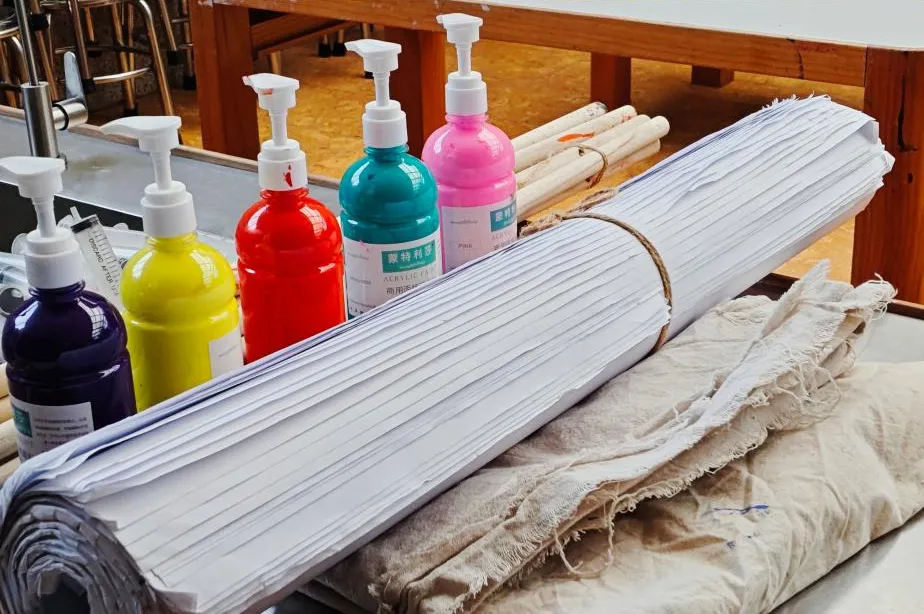
A Gallery Visit: Let Beauty Be Seen
In May, our IEYC theme was "Imagine That." We began with a visit to an art gallery, taking the children into the real world of art.
01
Before the visit: Getting to know the art gallery
The teacher introduced the art gallery to the children: ‘A big building full of paintings’, ‘Each painting is lit by a little lamp’, ‘The frames are all different’. These were their first impressions of art.
02
Arrival: Observation and Immersion
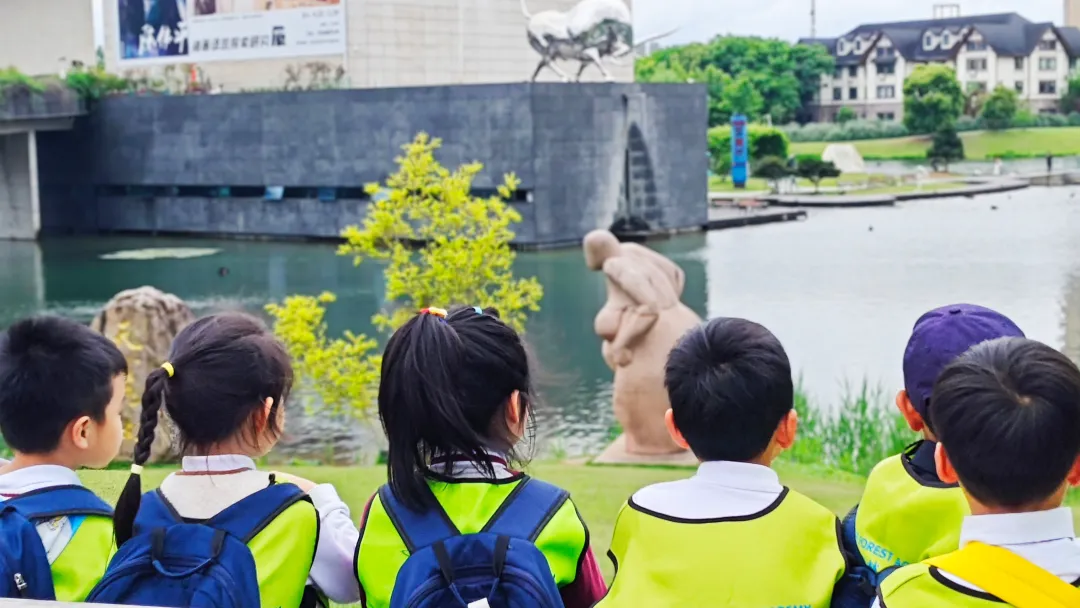
Upon entering the art gallery, the children carefully observed the colours, light and shadow, and brushstrokes of the paintings in the quiet atmosphere. The natural scenery outside the windows blended with the art inside, creating a sense of tranquillity and joy.
03
Creation: Drawing What They Saw and Felt
Inspired by the artistic atmosphere, the children pick up their brushes and use lines, blocks of colour, or their own mental images of ‘windows’ and ‘trees’ to depict the world as they see it. They are not only viewers but have also become young creators.
04
Takeaways: A Complete Art Experience
From imagination and observation to creation, the children have not only become familiar with the art gallery but have also learnt to appreciate beauty in tranquillity and to express beauty through observation, quietly planting a seed of beauty in their hearts.
Creating Beauty with Our Own Hands: The
Growth Code Behind Three Art Experiences
Why should children ‘make’ art with their own hands?
At BeeMee, every art activity in this month’s ‘Imagine That’ theme answers this question.s ‘Imagine That’ theme answers this question.
01
From Watercolours to Fabric: Tie-Dye and Paper Dyeing
The children use rubber bands and pegs to tie the fabric into various shapes, then drip watercolour paint onto it. The flow of every drop of paint is unpredictable—the moment the fabric is unfolded, a unique pattern is revealed.
In that moment, the children realise: beauty is not standardised; beauty can arise from the ‘unexpected’.
02
Carve and Print: the magic from carving to printing
Children carve lines into styrofoam boards with pencils, colour them in, and then, as if by magic, transfer them onto paper. Through repeated attempts, each print serves as a test of the relationship between ‘expectation’ and ‘result’.
In that moment, the children learn: creation requires patience, and a work of art needs to be refined through repetition.
03
Tie-Dye Fabric Art: Waiting Is Part of Beauty
Immersing fabric in dye and waiting for the colour to slowly seep into the fibres.
The children learnt to wait—beauty is not instant; it requires the passage of time to settle.
Highlights: A Mutual Journey of Love
and Creativity
As the thematic unit deepened, we witnessed the most dazzling blossoming of this aesthetic exploration at the final exhibition. This was not merely an exhibition, but a celebration that transcended boundaries.
01
Eco-friendly Paper Bag Fashion Show: Imagination Worn on the Body
Children from across the school confidently took to the catwalk wearing eco-friendly paper bag outfits they had crafted together with their parents. Through parent-child collaboration, discarded paper bags were transformed into haute-couture gowns; this was not only a collision of creativity, but also a mutual journey of love and companionship between two generations.
02
Wall of 100 Smiling Faces: The Ultimate Healing Power
On the lawn by the school gates, 100 innocent, beaming smiles come together to form a massive wall of energy. In this world full of uncertainty, the children’s unguarded joy is a work of art more infectious than any high-definition image, instantly healing every adult who pauses to look.
03
Polka Dot Art and Graffiti Zone: Returning the World to the Senses
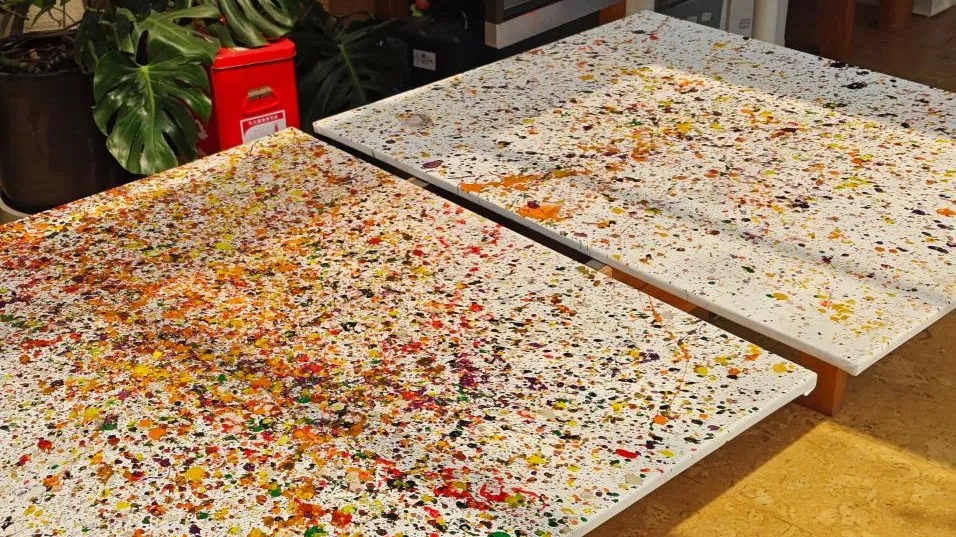
We have specially organised interactive activities to allow children and adults alike to fully unleash their inner selves. In the Yayoi Kusama-style polka dot art and free graffiti zone, there is no right or wrong—only pure expression. Vibrant colours transform the venue into a sea of joy, with everyone becoming a co-creator of art.
AI can imitate techniques and generate images, but it can never replace the wonder a child feels when touching paint with their own hands, the anticipation of waiting for dye to seep into fabric, or the confidence and joy of walking on a catwalk.
Aesthetic education has never been merely about training artists. It is about equipping children with the ability to perceive happiness and express themselves, even in an uncertain future.
This is a gift that AI cannot give—but we can.
撰文 Author:王益玲 Sweety Wang
翻译 Translator: Hicks Samuel Robert
一审 First Reviewer: 粟敏 Shimmy Su
二审 Second Reviewer: 彭瑶 Tiffany Peng
终审 Final Reviewer: 郭鐔遥 Sia Guo

// 推 荐 阅 读 //
Recommended Reading