 夜雨聆风
夜雨聆风This AI tool claims to pick the top 1% of preprints. Should researchers trust it?这个人工智能工具声称会挑选前1%的预印本。研究人员应该相信它吗?

QED Science has developed an AI tool that examines manuscripts before publication and assesses the originality and validity of their findings.Credit: deepblue4you/GettyQED Science开发了一种人工智能工具,可以在出版前检查手稿,并评估其发现的原创性和有效性。来源:deepblue4you /盖蒂
A growing number of private firms are offering researchers artificial-intelligence tools for scrutinizing manuscripts before publication. One such system, developed by a start-up called QED Science in Tel Aviv, Israel, aims to judge whether life-sciences research is original and valid.越来越多的私人公司开始向研究人员提供人工智能工具,用于在出版前审查手稿。以色列特拉维夫一家名为QED Science的初创公司开发了一个这样的系统,旨在判断生命科学研究是否原创和有效。
QED Science’s tool is trained to assess whether the claims in a given manuscript are supported by the data presented, and to identify gaps in the work. It is available to researchers for free, and has so far been used by more than 10,000 laboratories across 1,500 institutions in more than 70 countries.QED science的工具经过训练,可以评估给定手稿中的主张是否有提供的数据支持,并确定工作中的差距。它向研究人员免费提供,迄今已被70多个国家1500多个机构的1万多个实验室使用。
In November last year, openRxiv — the non-profit organization that operates the preprint servers bioRxiv and medRxiv — announced it would be piloting the QED Science system on bioRxiv.去年11月,运营预印本服务器bioRxiv和medRxiv &mdash的非营利组织openRxiv &mdash宣布将在bioRxiv上试用QED科学系统。
In an analysis posted in June, QED Science used the tool to rank more than 57,000 preprints that were posted on bioRxiv between May 2025 and April 2026, and selected the ‘top 1%’.在6月发布的一份分析中,QED Science使用该工具对2025年5月至2026年4月期间发布在bioRxiv上的57000多份预印本进行了排名,并选择了前1%。
But the ranking has sparked debate among researchers, with some arguing that it risks creating another badge of prestige — and reinforcing metric-based culture in academia. Others have expressed doubts about AI's ability to reliably and transparently judge the quality of scientific research.但该排名在研究人员中引发了争论,一些人认为它有可能创造出另一种声望徽章,并强化学术界以指标为基础的文化。其他人则对人工智能可靠、透明地判断科学研究质量的能力表示怀疑。
Nature spoke with Niv Mastboim, co-founder and chief executive of QED Science.本文采访了QED Science联合创始人兼首席执行官Niv Mastboim。
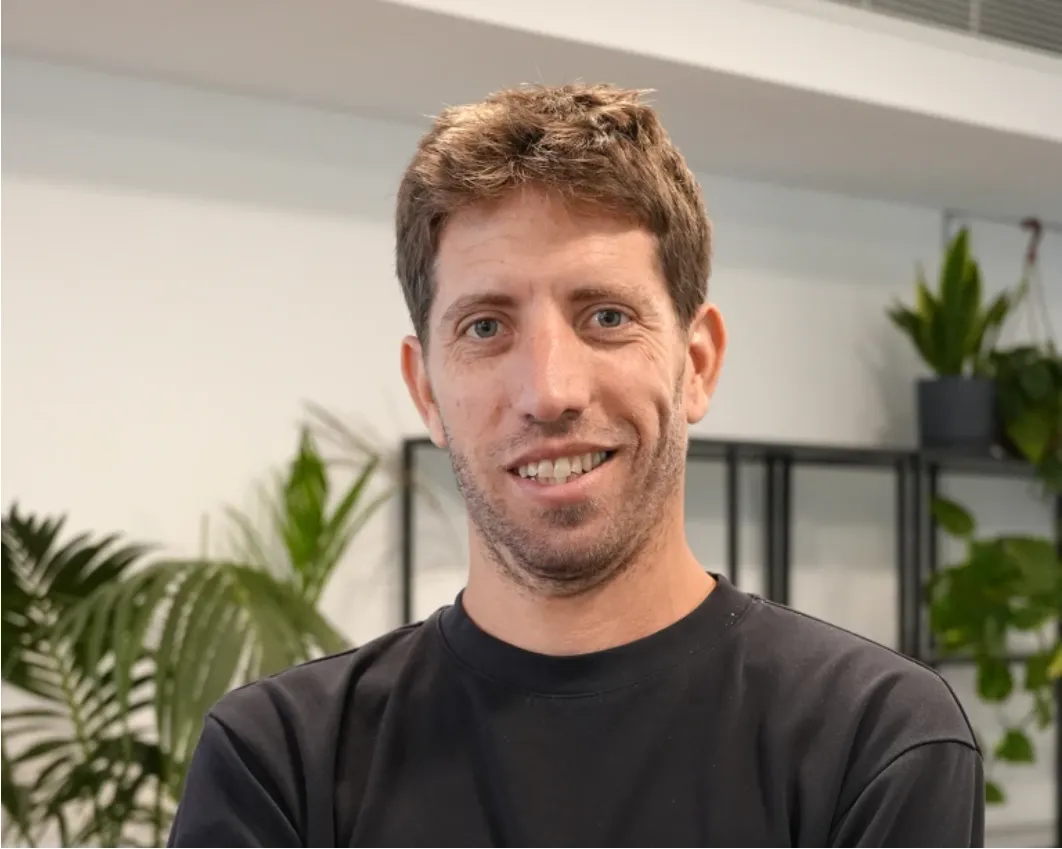
Niv Masboim co-founded the AI company QED Science, which has developed a metric for measuring the quality of science manuscripts.Credit: Itay RokbanNiv Masboim是人工智能公司QED Science的联合创始人,该公司开发了一种衡量科学手稿质量的指标。图片来源:Itay Rokban
How does QED Science’s AI platform assess the science claims in a given article?QED science的AI平台如何评估给定文章中的科学主张?
There are a lot of tools for reviewing research articles. We go about it a bit differently, in a couple of aspects. We have trained the AI platform on multiple data sources, from open reviews and user feedback to synthetic data.有很多工具可以审阅研究文章。我们在几个方面做得有点不同。我们在多个数据源上训练了人工智能平台,从公开评论和用户反馈到合成数据。
One of the elements is establishing what would have been the negative results of the experiments — results that do not support the original hypothesis being tested, or the conclusion.其中一个要素是确定实验的负面结果,即不支持最初的假设或结论的结果。
The published literature disproportionately represents successful and positive findings. To evaluate scientific claims properly, a system also needs to understand what evidence that fails to support a claim looks like. This can be learnt from published null or contradictory findings, failed replication studies and other forms of non-supportive evidence.发表的文献不成比例地代表了成功和积极的发现。为了正确地评估科学主张,系统还需要了解不能支持主张的证据是什么样子的。这可以从已发表的无效或矛盾的发现、失败的重复研究和其他形式的非支持性证据中学到。
We focus on creating internal metrics for the system to constantly improve. So, the system validates each of the claims made in a paper and attaches a score to it. We use multiple scoring, from originality to validity.我们专注于创建系统的内部指标,以不断改进。因此,系统会验证论文中提出的每个主张,并为其附上一个分数。我们使用多重评分,从原创性到有效性。
The AI platform is completely autonomous, but we also have a lot of users who give us feedback. We use that feedback to tune the tool constantly.AI平台是完全自主的,但我们也有很多用户给我们反馈。我们使用这些反馈来不断调整工具。
What purpose did the top-1% list aim to serve?前1%榜单的目的是什么?
The goal was to judge science on the basis of the work itself, not the journal or the prestige of the authors. The 574 preprints in the 1% are the top-scoring bioRxiv preprints among the 57,455 assessed. They were selected solely according to QED’s assessment of originality and validity, independently of author identity, institution or publication venue.目的是根据研究成果本身来判断科学,而不是根据期刊或作者的声望。1%中的574本预印本是57,455本评估的bioRxiv预印本中得分最高的。他们的选择完全根据QED&rsquo的原创性和有效性的评估,独立于作者身份,机构或出版地点。
We also aimed to identify amazing papers that have been missed by the current publishing system. We did a separate validation analysis involving 2,879 bioRxiv preprints from April 2025 that were subsequently published in peer-reviewed journals, and then we benchmarked the ranking of our tool against journal ranking.我们还旨在找出被当前出版系统遗漏的令人惊叹的论文。我们对2025年4月的2879份bioRxiv预印本进行了单独的验证分析,这些预印本随后发表在同行评审的期刊上,然后我们将我们的工具的排名与期刊排名进行基准测试。
In that analysis, QED rated 12.9% of these papers more highly than their eventual journals of publication might suggest. We call these articles ‘hidden gems’. We consulted a panel of experts to judge, in a blinded manner, the strongest cases of disagreement, and found that they preferred the QED-favoured paper in 75% of decisive comparisons.在那次分析中,QED给这些论文中的12.9%的评分高于它们最终发表的期刊可能给出的评分。我们称这些物品为“隐藏的宝石”。我们咨询了一个专家小组,以一种盲目的方式来判断最强烈的分歧,并发现他们在75%的决定性比较中更喜欢qed青睐的论文。
Is the tool the ultimate ‘peer reviewer’? Do you see it being used by publishers in the future?工具是最终的同行评议者吗?你认为它将来会被出版商使用吗?
We are not offering our products to journals or publishers. Our goal is to provide free services to authors in a private, secure environment so they can improve the work before it is published.我们不会向期刊或出版商提供我们的产品。我们的目标是在一个私人、安全的环境中为作者提供免费服务,以便他们可以在作品发表之前进行改进。
People want to improve their research, but they are lacking good critical judgement to help them do that. We are not going to replace their judgement; we’re going to augment it and help them spot things that would otherwise have been missed.人们想要改善他们的研究,但他们缺乏良好的批判性判断力来帮助他们做到这一点。我们不会取代他们的判断;我们将扩充它,帮助他们发现原本会被遗漏的东西。
What about the other 99%? Does the platform suggest they should be ignored?那剩下的99%呢?平台是否暗示应该忽略它们?
We completely acknowledge the notions that have been brought up by the research community — that we’re creating a scarcity because only a limited number of papers can reach the 1%. The goal was, let’s all agree this is amazing science.我们完全承认研究界提出的概念,即我们正在创造一种稀缺性,因为只有有限数量的论文可以达到1%。我们的目标是,让我们都同意这是惊人的科学。
That does not mean that there is not amazing science in the 98th or 97.5th percentiles. And in fact, we’re aiming to release multiple scores across multiple dimensions.这并不意味着在第98或97.5%的百分位数中没有令人惊奇的科学。事实上,我们的目标是在多个维度上发布多个分数。
Do your rankings reinforce the culture of prestige metrics and publish-or-perish pressures in academia?你的排名是否强化了学术界的声望指标文化和“不发表就灭亡”的压力?
We do not want to create an arms race. The goal is to produce good science. Researchers can use the platform to see which claims are less or more fragile, and what information or explanation they should add. They now have a way to go about this before they release their findings to the world.我们不想制造军备竞赛。目标是产生优秀的科学。研究人员可以使用该平台来查看哪些声明更脆弱或更脆弱,以及他们应该添加哪些信息或解释。在向世界公布他们的发现之前,他们现在有了一种方法来进行这些工作。
https://www.nature.com/articles/d41586-026-02276-z