专题 01 动词的时态、语态和主谓一致
目录
一、考情解读....................................................................................................................................1
二、命题分析预测............................................................................................................................1
三、考点必备知识通关.....................................................................................................................2
四、难点突破..................................................................................................................................18
五、考法解题能力提升...................................................................................................................22
六、精选考点题型专练...................................................................................................................25
一、考情解读
1.了解并能正确运用常考的10种时态,尤其要熟练运用一般现在时、一般过去时、现在完成
时、过去完成时、现在完成进行时等高考高频时态;掌握几种易混时态(如现在完成时和一
般过去时)的区别。
2.熟知各种时态的被动语态的形式和用法
3.掌握部分主动形式表示被动意义的特殊用法。
二、命题分析预测
1.该考点在近五年的高考试卷中为必考点,常设置1—3题;
2.以考查时态为主,且侧重考查一般时;
3.主谓一致一般会与动词的时态和语态放在一起考查。
4.考题通常要求根据上下文语境中的信息判断时态以及语态。
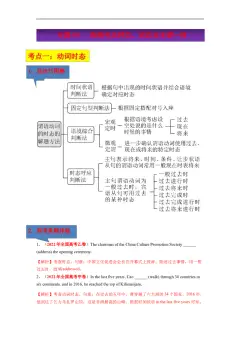
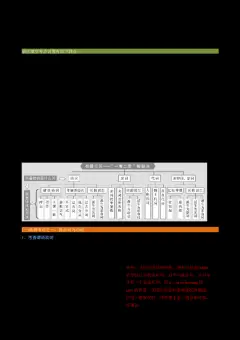
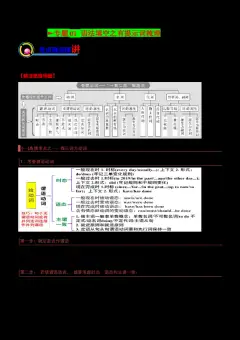
考点1 一般体
考点2 进行体
考点3 完成体
考点4 完成进行体
考点5 被动语态考点6 主谓一致
难点1 几种易混时态的区别
难点2 时态呼应
难点3 主动形式表示被动意义
三、考点必备知识通关
考点1 一般体
知识1 一般现在时
1.一般现在时的构成
一般现在时通常以动词原形表示,如果主语是第三人称单数,则一般要在动词原形后加-s或-
es。其变化规则如下:
情况 规则 例词
一般情况 加-s come→comes play→plays
以-s,-x,-ch,-sh或-o结尾的动 加-es go→goes
词
teach→teaches
以"辅音字母+ y"结尾的动词 变y为i再加-es carry→carries fly→flies
worry→worries
【注意】be的变化:am,is,are;have的变化:have,has。
2.一般现在时的用法
(1)表示习惯性、经常性或永久性的动作。常与always, often, sometimes, usually, frequently,
once a week, on Sundays, every day/week/month/year等时间状语连用。
►He often goes to work by bus, and he takes a walk with his wife after dinner every day.他经常
乘公共汽车去上班,而且每天晚餐后和妻子一起散步。
New year in Chinese people's eyes means a family reunion. Every year_________(see) the largest
annual mass migration on the planet when one sixth of the world's population travel home to
celebrate with their families.
【解析】 句意:在中国人眼中,新年意味着家人团聚,每年都可见证全世界六分之一的人回
家与家人一起庆祝,这是地球上最大规模的年度人口迁移。根据Every year 可知,此处应用一
般现在时;再结合句意可知,主语是Every year,see 在此处表示"见证",故填sees。
(2)表示客观真理、科学事实、格言以及其他不受时间限制的客观存在的事实。在主从复合
句中,即使主句为一般过去时,从句也遵循此用法。►As we all know, the earth revolves around the sun.众所周知,地 球绕太阳公转。
►He proved that the earth is round.他证明了地球是圆的。
(3)表示特征、能力或现时的情况或状态。
►She lives in a villa at the foot of the hill.她住在山脚下的一幢别墅里。
(4)在时间状语从句、让步状语从句和条件状语从句中,用于代替一般将来时。
►I will tell her when she comes tomorrow.她明天来的时候我会告诉她的。
►You will surely succeed if you try your best.如果你尽最大努力,你一定会成功。
Although squirrels_________ (be) awake over winter, you won't see many of them.
【解析】 空处作让步状语从句的谓语,此处主句为一般将来时,从句用一般现在时代替一
般将来时,且从句主语squirrels为复数形式,故空处应填are。
(5)表示按时刻表或日程表将要发生的动作或事件,或者事先安排好的动作。有此用法的多为
表示"方位移动""开始/结束"等的短暂性动词(短语),如: go, come, leave, start,begin, arrive, stop,
finish, take off等。句中常有明确的时间点。
►The meeting begins at 2:00 in the afternoon and ends at 5:00.会议下午两点开始,五点结束。
►The plane takes off at eight and arrives in Beijing at eleven. 飞机八点起飞,十一点到北京。
知识2 一般过去时
1.一般过去时的构成
一般过去时由动词的过去式表示。其变化规则如下:
情况 规则 例词
一般情况 加-ed ask→asked_______________
___ stay→stayed
以-e结尾的动词 加-d arrive→arrived
以"辅音字母+y"结尾的动词 变y为i再加-ed study→studied_________try
→tried carry→carried
以一个辅音字母结尾的重读 双写结尾的辅音字母再加-ed admit→admitted
闭音节动词 trap→trapped
【注意】动词过去式的不规则变化详见第80—81页。
2.一般过去时的用法
(1)表示过去某个时间或某段时间内所发生的动作或存在的状态。常与表示过去的时间状语
连用,如:yesterday, last week/month/year, just now, the other day, three days ago, in 2000等。
►Where did you go just now?你刚才去哪儿了?
►When I was in the countryside, I often called on my old friends there.我在乡下时经常去拜访那里的老朋友。
Students in New York City, meanwhile, have been able to enjoy an official day's holiday for
Chinese Spring Festival since it_________ (begin) in 2016.
【解析】 句意:与此同时,自2016年中国春节开始以来,纽约市的学生就已经可以享受为
中国春节设置的一天法定假日了。根据空后的in 2016可知,此处应用一般过去时。故填
began。
(2)在表示时间、条件、让步等的状语从句中,代替过去将来时。
►We would not leave until she came back.直到她回来我们才会离开。
►She told me that she would not go with us if it rained the next day.她告诉我如果第二天下雨她
就不跟我们一起去了。
(3)表示对当前所陈述事实的婉转语气。该用法通常用于hope,want,think,wonder等动词。
►I wondered if you could do me a favour.我不知道你是否能帮我个忙。
►I didn't know you were here.我不知道你在这里。
(4)用于一些固定句型中表示虚拟语气。如: It is time that sb.did sth.(是某人做……的时候了),
If only sb. did sth.(要是某人……就好了,表示当前没有实现的愿望)等。
►It is time that the kids went to bed.孩子们该睡觉了。
知识3 一般将来时
1.will/shall+动词原形
表示将来发生的动作或存在的状态,可表示较近的将来,还可表示较远的将来。常与表示将来
的时间状语连用,如:tomorrow, next…, from now on, in the future, "in+一段时间"等。
【注意】 shall通常用于第一人称,will通常用于各种人称。
►He will graduate from college next year.他明年将大学毕业。
►We shall finish our work as quickly as possible.我们会尽快完成工作。
A gap year is now more about gaining skills that________(help) you in later life.
【解析】 句意:现在,间隔年更多的是为了获得对以后生活有帮助的技能。根据空后的in
later life可知,此处表示将来的动作,应用一般将来时。故填will help。
2.一般将来时的其他表达形式
形式 意义 例句打算、计划、准备要做某事 What are you going to do
tomorrow?明天你打算干什
么?
be going to do
有迹象表明要发生的动作 It looks as if it is going to rain.
看起来好像要下雨了。
按计划或安排要做某事 We are to discuss the report
next Saturday. 我们打算下周
六讨论这个报告。
表示义务、命令、禁止等 You are to hand in your
application form within three
days.三天之内你必须递交你
be to do
的申请表。
表示注定要发生的事 Her plan is to be a failure.她的
计划注定要失败。
形式 意义 例句
be about to do或be on the 即将或正要做某事 He is about to leave for
point of+n./动词-ing Beijing.他正要前往北京。
某些动词的一般现在时 详见一般现在时第5条
某些动词的现在进行时 详见进行体的用法第2条
知识4 过去将来时
1.表达形式:should/would+动词原形,was/were going to do,was/were about to do, was/were to
do。
2.用法:表示从过去某时看将要发生的动作或存在的状态,常用于宾语从句中。
►I telephoned him yesterday to ask what I should do next week.我昨天给他打电话,问他我下周
干什么。
►He told me he was going to buy a car.他告诉我他正打算买辆车。
►She was about to say something more but she checked herself.她还想再说几句,但是又忍住了。
►She said she was to take up the position.她说她要承担这一职务。
For a moment I held my breath, not sure how my son_________ (react).
【解析】 句意:我屏住呼吸了片刻,拿不准儿子会作何反应。题干中的held my breath使用
了一般过去时,本空所在的从句表示将来的动作,因此这里应用过去将来时。故填would
react。
考点2 进行体
知识1 进行体的构成
高考要求掌握的进行体时态有:现在进行时"am/is/are+ 现在分词"、过去进行时"was/were+现在分词"、将来进行时"will/shall be+ 现在分词"。其中,现在分词的构成规则如下:
情况 规则 例词
一般情况 加-ing work→working
以不发音的-e结尾的动词 去e再加-ing live→living write→writing
以一个辅音字母结尾的重读 双写结尾的辅音字母再加- cut→cutting run→running
闭音节动词 ing
以-ie结尾的动词 变ie为y再加-ing lie→lying tie→tying
知识2 进行体的用法
1.表示某一时刻或某一时间段内正在进行的动作。常与一些标志性的时间状语连用。
(1)现在进行时常与now, at present, at this time, these days等连用。
►She is learning to play the piano from Mr.Smith these days.这些天她在跟史密斯先生学习弹
钢琴。
(2)过去进行时常与at that time, at this time+过去时间, just now, those days等连用。
►During the summer of 2016 she was travelling in Europe. 2016年夏天她在欧洲旅行。
【特别提醒】 过去进行时还可表示过去的一个动作发生时另一个动作正在进行或表示过
去的两个动作同时进行。
►When I came home, she was cooking dinner. 当我到家时,她正在做饭。
►He was reading newspapers while I was studying.我在学习时他在看报。
(3)将来进行时常与"at this time+将来时间"连用。
►What will you be doing at this time next Monday? 下周一的这个时候你将在做什么?
2.代替一般将来时,表示按计划或安排将要进行的动作,或即将开始或结束的动作。有此用法
的动词(短语)有:go, start, begin, leave, arrive, come, return, run out等。
►Food supplies in the flood-stricken area are running out. We must act immediately before there's
none left.洪灾地区的食物供给不多了。我们必须在食物吃完前马上行动。
►They were leaving for New York a few days later.他们几天后要前往纽约。
►The plane will be arriving soon.飞机快要到了。
3.现在进行时和过去进行时与always, constantly, forever, continually 等连用,表达赞赏、满意、
不满、厌倦等强烈的感情色彩。
►He is constantly thinking of others first.他总是先想着别人。
►The boy was continually asking questions.这个男孩没完没了地问问题。
知识3 不宜用进行体的动词(词组)
1.感觉、感官类:feel, look, see, hear, sound, taste, smell等;2.情感类:like, love, hate, fear, prefer, appreciate等;
3.状态类:exist, lie(位于), remain, appear, seem等;
4.心态类:agree, wish, believe, understand, know, want, need, remember等;
5.关系类:have(有), possess, own, consist of, belong to等。
考点3 完成体
知识1 完成体的构成
高考要求掌握的完成体时态有:现在完成时"have/has+过去分词"和过去完成时"had+过去分
词"。将来完成时"will/shall have+过去分词"了解即可。
过去分词的构成:(1)规则动词的过去分词构成方法同过去式,详见一般过去时部分。(2)动词
过去分词的不规则变化详见构词法。
知识2 现在完成时
1.现在完成时的用法
(1)表示过去发生并已完成的某个动作对现在造成的影响或产生的结果。强调的是这个影响
或结果,常与yet, already, just, before, recently, lately, ever等时间状语连用。
►I haven't finished reading the book yet, so I can't return it to the library.我还没有把书读完,因
此不能把它还给图书馆。
(2)表示开始于过去、持续到现在并可能持续下去的动作或状态。常与these days, up to now,
so far,"for+时间段"和"since+时间点"等连用。
►It has rained a lot these days.这些天多雨。
►She has worked in the school for ten years.她已经在这所学校工作10年了。
►The factory has been here since the 1990s.这家工厂自20世纪90年代以来一直在这里。
Since its launch in August 2016, Ant Forest and its NGO partners_________(plant) around 122
million trees in some of China's driest areas.
【解析】句意:自2016年8月推出以来,蚂蚁森林及其非政府组织合作伙伴已在中国一些最
干旱地区种植了约1.22亿棵树。根据时间状语Since its launch in August 2016可知,此处应用
现在完成时,主语Ant Forest and its NGO partners为复数形式,故应填have planted。
【特别提醒】 非延续性动词(词组)用于现在完成时
1.在肯定句中不能与表示一段时间的状语连用,要进行相应的转换才能与表示一段时间的状
语连用,常见的有:leave→be away,arrive→be here, come→be here,go→be there,return→beback,join→be in,die→be dead, buy→have,borrow→keep,get married→be married等。
►The old man died 4 years ago.=The old man has been dead for 4 years.这位老人去世4年了。
2.在否定句中可与表示一段时间的状语连用,表示过程或结果。
►I haven't bought anything for a year.我一年没买任何东西。
2.常用现在完成时的固定句型
(1)This/It is the first (second/third/…)time+ (that)从句。从句常用现在完成时。
►This is the first time (that) I have watched a play. 这是我第一次看戏剧。
(2)This/It is the+形容词最高级+名词+(that)从句。从句常用现在完成时。
►This is the best film (that) I've ever seen.这是我看过的最好的一部电影。
(3)It is/has been+一段时间+since从句。主句常用现在完成时或一般现在时,从句用一般过去
时。
►It is/has been six years since I came here.我来这儿已经六年了。
知识3 过去完成时
1.过去完成时的用法
(1)表示在过去某一时刻或某一动作之前发生的动作,是"过去的过去"。
►She returned the book that she had borrowed.她归还了她借的那本书。
►They had got everything ready before I came.在我来之前,他们已经把一切都准备好了。
►When I woke up, it had already stopped raining.我醒来时雨已经停了。
Later that day,we found that a typed letter___________________________ (replace) the gift.
【解析】 句意:那天晚些时候,我们发现一封打印的信被礼物替换了。根据句意可知,空处的
动作发生在found之前,表示"过去的过去",应用过去完成时,故填had replaced。
(2)表示从过去某一时刻开始,一直持续到过去另一时刻的动作或状态。常和for, by, until,
before等构成的时间状语连用。
►By then he had learnt English for three years.到那时,他已学英语三年了。
In Beijing, more than 21,100 people______(apply) to donate their bodies by the end of 2017, since
the city started to promote a body donation campaign in 1999.
句意:自北京1999年开始推行遗体捐献运动以来,到2017年底,北京有超过21 100人已经申
请捐献遗体。根据时间状语by the end of 2017可知,"申请"这一动作从1999年开始一直持续到2017年底(指"过去的过去"),应用过去完成时。故填had applied。
(3)want, hope, mean, plan, intend等动词用于过去完成时。用来表示"本想/希望/打算/计划做
某事(而实际上没有做)"。
►We had intended to come and see you.我们本打算来看你。
I _________(hope) to send Peter a gift to congratulate him on his marriage, but I couldn't manage
it.
【解析】 句意:我本来想给彼得送个礼物来祝贺他结婚,但是没能成功。根据句意可知,此处
表示"本想送礼物(而实际上没有送)",应用过去完成时。故填had hoped。
2.常用过去完成时的固定句型
(1)在hardly/scarcely...when...和no sooner...than...句型中,主句用过去完成时,从句用一般过去
时;hardly/scarcely,no sooner位于句首时,主句要倒装。
►Hardly had he begun to speak when the audience interrupted him. 他刚开始演讲,听众就打断
了他。
(2)It was+一段时间+since从句。since从句用过去完成时。
►It was at least three months since I had left Beijing.我离开北京至少有三个月了。
(3)It was the first/second/…time+(that)从句。从句用过去完成时。
►It was the first time that I had chatted online in English.这是我第一次用英语在网上聊天。
知识4 将来完成时
表示在将来某时/某动作之前已经完成的动作。常与时间状语"by/before+将来的时间"等连用。
►By this time tomorrow you will have arrived in Shenyang. 到明天这个时候你就会到达沈阳
了。
►I shall have finished this composition before 9 o'clock.九点之前我就会完成这篇作文了。
考点4 完成进行体
高考要求掌握的完成进行体时态是现在完成进行时"have/has been+ 现在分词"。过去完成进
行时"had been+现在分词"了解即可。
知识1 现在完成进行时
1.表示动作从过去某时开始一直持续到现在并可能持续下去。这一动作可能刚完成,也可能
仍在进行。
►Tom has been working hard since the new term began.自新学期开始以来,汤姆一直在努力学习。
—Excuse me, which movie are you waiting for?
—The new Star Wars.We_________(wait)here for more than two hours.
【解析】 句意:——劳驾,你们在等哪一部电影?——新版的《星球大战》。我们在这里等两
个多小时了。根据时间状语可以判断,语境表示从过去某时开始到现在一直在做某事,并且可
能还会继续下去,应用现在完成进行时或现在完成时。故填have been waiting/have waited。
2.表示到目前为止的一段时间内动作时断时续、反复发生。
►You have been telling me not to be late all the way. 一路上你反复告诉我不要迟到。
知识2 过去完成进行时
表示在过去某一时间之前一直在进行的动作或存在的状态,或者表示在过去某段时间内反复
发生的动作。
►I had been looking for it for days before I found it.我找了它好多天才找着。
►She had been trying to find a job, but hadn't found any yet.她(当时)一直努力找工作,但还没找
到。
考点5 被动语态
被动语态是动词的一种特殊形式,表示句子的主语是动作的承受者。一般来说,只有及物动词
才有被动语态,不及物动词没有被动语态。
知识1 被动语态的构成
被动语态由"助动词be+及物动词的过去分词"构成。助动词be与主语的人称、数保持一致,
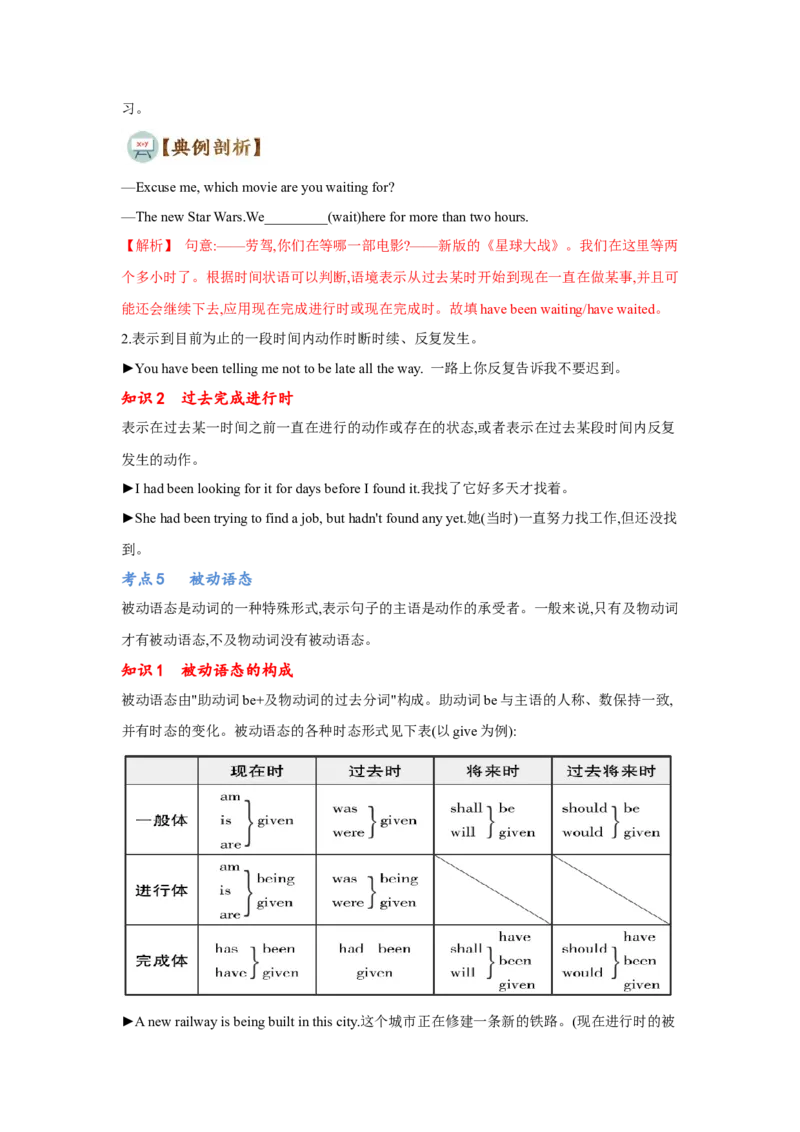
并有时态的变化。被动语态的各种时态形式见下表(以give为例):
►A new railway is being built in this city.这个城市正在修建一条新的铁路。(现在进行时的被动语态)
►The railway had been built by the end of last year.这条铁路在去年年底前已经建成了。(过去
完成时的被动语态)
►He told us that a new railway would be built next year.他告诉我们下一年将修建一条新铁路。
(宾语从句用的是过去将来时的被动语态)
South Korea and Japan long ago adopted Confucianism, something that continues today even if
it________(challenge) by pop culture.
【解析】 句意:韩国和日本很久之前就采用了儒家思想,即使受到了流行文化的挑战,该思
想也一直持续至今。本句中it指代前面的Confucianism,与动词challenge是被动关系;再根据
空前的continues today可知,此处应用一般现在时的被动语态。故填is challenged。
知识2 不能使用被动语态的情况
1.不及物动词(短语)不用于被动语态,如happen, occur, take place, run out, break out等。
►Fire broke out in the forest.森林里突然发生了火灾。
►When exactly did the incident occur/happen?这一事件究竟是什么时候发生的?
2.一些及物动词(短语)不能用于被动语态。常见的有以下几类:
(1)表示状态的动词(短语),如contain, fit, lack, benefit, cost, join, mean, last, look like, consist of
等。
►He looks like his father.他看起来像他父亲。
►The rain lasted three days.雨持续了三天。
(2)表示归属的动词(短语),如have, belong to等。
►The blue car belongs to me.那辆蓝色的汽车属于我。
(3)其他一些常见的及物动词(短语), 如wish, take part in, date back to, agree with, suffer from,
succeed in等。
►The custom dates back to the Tang Dynasty.这一习俗可以追溯到唐朝时期。
【特别提醒】 英语里大量句式用的是主动语态,因此大家很容易习惯主动语态,而忽略被动
语态。另一方面,受汉语的影响,有些考生可能在写作中将英语中的许多不及物动词(短语)用
于被动语态。
深化拓 主动变被动易错点分析
1.含有双宾语的主动句变被动句时,将直接宾语或间接宾语变成被动句的主语皆可。注意:如果把直接宾语(物)改为主语,则在间接宾语(人)前加适当的介词。
►我生日那天汤姆送我了一件礼物。
主动:Tom gave me a present on my birthday.
被动:I was given a present by Tom on my birthday.(间接宾语变为主语)
A present was given to me by Tom on my birthday.(直接宾语变为主语)
2.含复合宾语(宾语+宾补)的主动句变为被动句时,一般把主动句中的宾语变为主语,而宾语补
足语保留在谓语动词后面作主语补足语。
►大多数小学要求学生学英语。
主动:Most primary schools require the pupils to learn English.
被动:The pupils are required to learn English by most primary schools.
3.动词短语的被动语态:含有动词短语的句子变为被动语态时,要注意动词短语的完整性,动词
后面的介词或副词不可遗漏。
►His request was turned down.他的要求遭到了拒绝。
►They were looked down upon then.那时他们被瞧不起。
考点6 主谓一致
主谓一致有四个原则:语法形态一致、逻辑意义一致、就近一致和就远一致原则。
知识1 语法形态一致
语法形态一致指的是句子的谓语动词和句子的主语在单、复数形式上保持一致。
1.动词不定式短语、动词-ing短语或从句作主语时,谓语动词常用单数形式。
►To learn a foreign language is not so difficult as you think. 学一门外语并不像你想的那么难。
►Swimming in the river is dangerous. 在河里游泳很危险。
►Whether she comes or not doesn't matter. 她来不来不重要。
【特别提醒】 从句作主语时,若主句谓语部分为系表结构,主句谓语动词的数通常由作表
语的名词/代词决定。
►What they need most is money while what we need most are textbooks.他们最需要的是钱,而
我们最需要的是课本。
2."every/each/no+单数名词+and+every/each/no+单数名词"结构作主语时,谓语动词常用单数
形式。
►Every hour and every minute is very valuable. 每一小时,每一分钟,都很宝贵。
3."many a/more than one+单数名词"作主语时,意义上表示复数,但谓语动词用单数形式。►Many a person has that kind of opportunity. 很多人都有那种机遇。
►More than one man has been dismissed. 不止一人被解雇了。
4."one and a half+复数名词"作主语时,谓语动词常用复数形式。
►One and a half apples have been eaten by the boy.那个男孩吃了一个半苹果。
5."each of+名词复数"和"each+名词单数"作主语时,谓语用单数,但当"名词复数+each"作主语
时,谓语用复数。
►Each of the houses has a security system.=Each house has a security system.=The houses each
have a security system. 每栋房子都有安保系统。
6.复合不定代词someone, anything, nobody, everyone等作主语,以及代词every one, no one,
either, neither, another, the other作主语时,谓语动词用单数形式。
►Nothing is impossible to a willing heart.世上无难事,只怕有心人。
►We went to see a couple of houses, but neither was suitable. 我们去看了两处房子,但都不合
适。
7.trousers(裤子),clothes(衣服),glasses(眼镜),chopsticks(筷子), scissors(剪刀),compasses(圆
规),gloves(手套)等作主语时,谓语动词用复数。但当主语被kind of/type of/pair of等修饰时,
谓语动词的形式通常根据kind/type/pair等的数来确定。
►There is a pair of glasses on the desk, and maybe the glasses are Jack's.桌子上有一副眼镜,或
许眼镜是杰克的。
8.表示"……加(减、乘、除)……"的结构作主语时,谓语动词通常用单数
形式。
►99 and 2 is 101. 99加上2等于101。
►Two times four makes eight.2乘以4等于8。
知识2 逻辑意义一致
逻辑意义一致就是谓语动词的数必须和主语的意义一致。
1.由"all (of)/a lot of/plenty of/the rest of+名词"构成的短语以及由"百分数/分数+of+名词"构成
的短语作主语时,谓语动词的数常依据短语中的名词来确定。
►Three quarters of the surface of the earth is covered by water. 地球表面的四分之三被水覆盖。
►The rest of the apples are red.剩余的苹果是红色的。
►The rest of the ink is black.剩余的墨水是黑色的。
【注意】"the majority of+名词"作主语时,若名词为复数,谓语动词用复数形式;若名词为集合
名词,谓语动词用单数形式或复数形式均可。►The majority of the people was/were in favor of banning smoking.大多数人支持禁烟。
2.none (of...)作主语时,谓语动词既可用单数形式也可用复数形式。
►None of the students has/have got a camera. 那些学生都没有相机。
3."a large number of+复数名词"表示"许多……",作主语时,谓语动词用复数形式;"the number
of+复数名词"表示"……的数量",作主语时,谓语动词用单数形式。
►A large number of students are going for a picnic this weekend.这个周末许多学生将去野餐。
►The number of days in January is 31. 一月份有31天。
4."the+形容词"作主语,若表示一类人,谓语动词用复数形式;若表示一种抽象概念,谓语动词用
单数形式。
►The young, on the one hand, often consider the old conservative; on the other hand, the old
always consider the young inexperienced. 一方面,年轻人常认为老年人保守;另一方面,老年人
总是认为年轻人经验不足。
►The beautiful is not always the useful. 好看的不一定总是有用的。
5.形式为复数、意义为单数的名词(短语)作主语时的主谓一致问题。
(1)表示时间、距离、金额、重量、尺寸、体积等意义的复数名词作主语时通常作整体来看,
谓语动词用单数形式。
►Eight hours of sleep is enough. 八小时的睡眠足够了。
►Ten pounds was missing.十英镑不见了。
A survey of the opinions of experts shows that three hours of outdoor exercise a
week_________(be) good for one's health.
【解析】 three hours of outdoor exercise a week表示整体概念,从句谓语动词用单数形式;且
此处描述的是客观事实,应用一般现在时。故填is。
(2)news等形式上是复数而意义上是单数的名词以及economics, physics, mechanics, politics
等以-ics结尾的表示学科名称的名词作主语时,谓语动词用单数形式。
►News is travelling fast nowadays. 如今,消息传播得很快。
(3)国名、人名、报纸名、书名等专有名词有些虽以-s结尾,形式上是复数,但它们作主语时
谓语动词常用单数形式。
►Engels was good at learning foreign languages.恩格斯擅长学外语。
►The United Nations was founded in 1945.联合国于1945年成立。6.集合名词作主语时的主谓一致问题。
(1)people, police, cattle等集合名词作主语时,谓语动词通常用复数形式。
►The police are looking into the accident.警方正在调查这起事故。
(2)clothing,poetry,baggage/luggage, furniture,machinery,scenery, jewellery, equipment等集合名
词通常作不可数名词,表示单数意义,用作主语时,其后的谓语动词用单数形式。
►If your luggage is overweight, you'll have to pay extra.假如你的行李超重了,你得付额外的费
用。
(3)audience, class, crew (全体船员), committee(委员会), family, team,
group, population等作主语时,如果指一个整体,则谓语动词用单数形式;如果指组成集体的成
员,则谓语动词用复数形式。
►Our class is made up of fifty students. 我们班由五十个学生组成。
►Our class work very hard. 我们班的人学习很努力。
The family_________(trap)on the roof by the flood yesterday.
【解析】 句意:昨天那家人被洪水困在了屋顶。分析句子结构可以看出,句子缺少谓语动词。
该句主语是The family,在这里指的是一家人,即所有家庭成员,所以谓语动词用复数形式;主
语与trap之间是被动关系,所以用被动语态;根据时间状语yesterday可知应用一般过去时。
故填were trapped。
7.sheep, means, series, species等单复数同形的名词作主语时,要根据具体情况来确定谓语动
词的数。
8.用both…and连接两个名词/代词作主语时,谓语动词用复数形式。
►Both bread and butter were sold out in that store.那家商店卖光了面包和黄油。
9.用 and连接并列成分作主语,表示不同概念时,谓语动词通常用复数形式。
►Water and air are both important. 水和空气都很重要。
6【特别提醒】 若and连接的并列结构指的是同一个人、同一事物或同一概念,谓语动
词用单数形式,这时and后面的名词不加冠词。
►The writer and professor is speaking at the meeting. 这位作家兼教授正在会上发言。►A knife and fork is on the table. 桌子上有副刀叉。
10.一个不可数名词被两个不同的形容词修饰,表示两个不同的概念时,谓语动词一般用复数
形式;但如果表示的是同一个概念,则谓语动词用单数形式。
►Ancient and modern history are the subjects we are studying.古代史和现代史是我们正在学习
的科目。
►Cool and fresh wind is blowing from the south.凉爽清新的风正从南方吹来。
知识3 就近一致
在有些英语句子中,主语不止一个,此时谓语动词的人称和数与离其最近的主语保持一致,我
们称之为"就近原则"。
1.由…or…, either…or…, neither…nor…, not only…(but) also…, not…but…连接的名词/代词
作主语时,谓语动词常与最靠近它们的主语在人称和数上保持一致。
►Not only the students but also the teacher enjoys listening to this kind of music. 不仅学生喜欢
听这种音乐,这位老师也喜欢。
►Neither the mother nor the children know anything about it. 母亲和孩子们都不知道这件事。
2.在there be句型中,真正的主语是两个或多个并列的名词(短语)时,be 的形式与离其最近的
那个名词(短语)保持一致。
►There is a pen, two knives and several books on the table.(=There are two knives, a pen and
several books on the table.) 桌子上有一支钢笔、两把小刀和几本书。
知识4 就远一致
"A+介词(短语)+B"结构作主语时,谓语动词的单复数与主语A保持一致。常见的这类介词
(短语)有:as well as, rather than, but, except, besides, with, along with, together with, like,
including, in addition to, combined with等。
►The teacher as well as the students likes the movie. 不仅学生,老师也很喜欢那部电影。
深化拓展
1.定语从句中的主谓一致
定语从句中关系代词作主语时,谓语动词的人称和数与先行词保持一致。
►The cake which is on the table is yours.桌子上的那块蛋糕是你的。(先行词是The cake)
►The cakes which are on the table are yours. 桌子上的那些蛋糕是你的。(先行词是The
cakes)
►He married Mary, which was very natural.他娶了玛丽,这是很自然的事。(先行词指前面整个
主句)►John is one of the students that have the keys.约翰是有钥匙的学生之一。(先行词是the
students)
►John is the only one of the students that has the keys.约翰是唯一有钥匙的学生。(先行词为
one)
【注意】 在"one of+the+复数名词+定语从句"结构中,如果one前面有the only, the first, the
last, the right等对其进行修饰,则one是先行词,定语从句的谓语动词用单数形式。
2.倒装句、强调句中的主谓一致
(1)倒装句中谓语动词的数与后面的主语保持一致。
►A building stands in front of us.→In front of us stands a building.我们面前矗立着一栋楼。
►Rows of fruit trees were on either side.→On either side were rows of fruit trees.两边有一排排
果树。
(2)在"It is/was+被强调的内容+that/who+其他"强调句型中,如果被强调的内容是原来句子的
主语,that (或who)后面的谓语与被强调的内容在人称和数上保持一致。
►I am a doctor.→It is I who am a doctor.我是一名医生。
►The boys are responsible for the accident.→It is the boys who are responsible for the accident.
这些男孩要为这起事故负责。
四、难点突破
难点1 几种易混时态的区别
1.一般过去时与现在完成时
(1)一般过去时表示在过去某时刻或时间段内发生的动作或状态,强调动作在过去已经结束,
与现在有时间间隔;现在完成时表示过去发生并延续到现在的动作或状态,或过去发生且已结
束的动作,但对现在造成了一定影响,强调动作的结果或影响。
►I saw this film yesterday.(强调看电影这个动作发生了)
►I have seen this film.(强调对现在的影响,电影的内容已经知道了)
(2)时间状语不同:一般过去时常与具体的表示过去的时间状语(如yesterday, last year, just
now, in 2020等)连用;而现在完成时不能与此
连用,可与笼统的表示过去的时间状语(如before, lately, so far, recently等)连用。
►He went to New York in 2020.他2020年去了纽约。
►He has been to New York recently.他最近去过纽约。When I was at college I_________(speak) three foreign languages but I_________(forget) all
except a few words of each so far.
【解析】 由When引导的时间状语从句可知,第一空用一般过去时;第二空,根据so far可知,
应用现在完成时,强调的是结果。故填spoke;have forgotten。
1.句子中谓语是用一般过去时还是现在完成时,取决于动作是否对现在有影响或者与现在是
否有时间间隔。
2.句子中如有具体的表示过去的时间状语(如last week, in 1960等)或when引导的表示过去
的时间状语从句,句子(主句)不能使用现在完成时,要用一般过去时。
3.指过去的经历,但句中没有明显的时间标志词,而有twice, three times等表示次数的词(或短
语)时,要用现在完成时。
2.一般过去时与过去完成时
(1)针对时间不同:一般过去时是针对现在而言的过去的动作,过去完成时则是针对过去某时
而言已发生的动作。
►I met her in the street yesterday.我昨天在街上碰见了她。(meet的动作发生在过去)
►He had learned English before he went to America.他去美国之前学过英语。(learn的动作发
生在went之前,即"过去的过去")
(2)时间状语不同:过去完成时的时间状语常是by或before构成的短语,如by that time, before
2010等;一般过去时的时间状语有two years ago, the day before yesterday等。
►They had arrived at the station by ten yesterday.昨天十点之前他们就到达了车站。
►They arrived at the station at ten yesterday.昨天十点他们到达了车站。
John and I have been friends for eight years.We first_________ (get) to know each other at a
party.But we______(see) each other a couple of times before that.
【解析】 句意:我和约翰已经是八年的朋友了。我们第一次相识是在一个聚会上。但是在
那之前我们彼此已经见过几次了。根据语境可知,我们相识这个动作发生在过去,故第一空用
一般过去时(got);见过几次面发生在相识这一过去动作之前,表示"过去的过去",故第二空应用
过去完成时(had seen)。
3.现在完成时与现在完成进行时
用法 例句
区别1 现在完成进行时强调动作的 I have been thinking it over.我
未完成性 一直在仔细考虑这件事。现在完成时强调过去某个动 I have thought it over.我已经
作对现在造成的影响或产生 仔细考虑过这件事了。
的结果
区别2 现在完成进行时表示动作的 Have you been meeting him
反复 recently?你最近经常见他吗?
现在完成时不表示动作的反 Have you met him recently?你
复 最近见过他吗?
区别3 现在完成进行时可以表示某 I have been waiting for you for
种感情色彩 three hours.我已等了你三个
小时。(暗含不满的语气)
现在完成时往往只说明一个 I have waited for you for three
事实、一种影响或结果,不带 hours.我已等了你三个小时。
有感情色彩 (说明一个事实)
难点2 时态呼应
时态呼应指的是主从复合句中从句的时态受到主句时态的影响或制约的现象。此处我们着
重来总结一下时态呼应在含有宾语从句的主从复合句中的体现。
1.如果主句的时态是现在时或将来时,那么宾语从句的时态可根据需要选用任何时态。
►I know who is/will be in charge of the work.我知道谁负责/将负责这项工作。
►I will tell you how they got the information.我会告诉你他们是怎么获得情报的。
2.如果主句的时态是一般过去时,则宾语从句应该根据实际需要采用过去的某种时态。
►I knew where he was.我知道他在哪儿。(从句谓语表示过去的某种状态)
►I thought she was taking a bath then.我以为当时她在洗澡。(从句谓语表示thought发生时正
在进行的动作)
The foreign guests told me that they had learned a lot during their stay in China.外宾告诉我他们
在中国逗留期间学到了很多。(从句谓语表示发生在told前的动作)
【特别提醒】 当主句为过去时态时,若宾语从句有明确的表示过去的时间状语,从句仍用
一般过去时,而不用过去完成时。
►Mike told me that he lived in New York in 2000.迈克告诉我2000年他住在纽约。(从句中有
具体的表过去的时间状语in 2000,表示过去的事实,用一般过去时)
After driving for thirty miles, she suddenly realized that she______ (drive) in the wrong
direction.
【解析】 句意:开车开了30英里之后,她突然意识到走错方向了。"that shein the wrong
direction"为宾语从句,主句用一般过去时,从句也应采用过去的某种时态。此处从句谓语动作发生在主句谓语动作之前,表示"过去的过去",故用过去完成时;也可强调过去的过去动作一
直在进行,所以也可用过去完成进行时。故填had driven或had been driving。
3.若宾语从句表示的是客观事实、真理或某人/物的特点或经常性、习惯性的动作,那么从句
的时态不受主句时态的影响,且通常用一般现在时。
►Mother told me that honesty is the best policy.妈妈告诉我诚实是上策。(从句是谚语,所以尽
管主句用了过去时,从句依然用一般现在时)
4.如果宾语从句表示的依然是现在或将来的情况,那么从句的时态不受主句时态的影响。
►She told me that her father is still operating on the patient.她告诉我她爸爸还在给病人做手术。
(虽然主句用了一般过去时,但因为从句所表示的动作现在依然在进行, 所以从句用现在进行
时)
►He said that he will come to see me the day after tomorrow.他说他后天要来看我。(从句表示
的是从现在看来将要发生的动作,所以尽管主句用了一般过去时,从句依然用一般将来时)
难点3 主动形式表示被动意义
1.表示主语某种属性、特征或功能的不及物动词(如write, read, sell, wash等)与well, badly,
easily等副词连用时用主动形式表示被动意义。
►The cloth washes easily.这种布很好洗。
►The new product sells well.这种新产品很畅销。
2.表示开始、结束、运动、开、关等的动词,如begin, start, finish, end, run, move, open, close
等,常用主动形式表示被动意义。
►Work begins at 8 o'clock every day.每天八点开始工作。
►The shop closed at 10 that night.这个商店那天晚上十点关门。
3.系动词feel, look, seem, taste, sound, remain等后接形容词作表语时一般用主动形式表示被
动意义。
►Your advice sounds practical.你的建议听起来是可行的。
►The food tastes delicious.这种食物吃起来非常可口。
►This kind of wool shirt feels soft.这种毛衫摸起来很软。
4.有些非谓语动词以主动形式出现,表示被动意义。常见的此类非谓语动词有:
(1)be to blame
►The careless driver was to blame for the accident.这个粗心的司机该为这起事故负责。
(2)need, want, require, deserve, be worth等后接的动词-ing
►This shirt needs washing.这件衬衣该洗了。►This film is worth watching a second time.这部电影值得再看一次。
(3)用在某些表语或补语形容词之后的不定式
►The question is difficult to answer.这个问题很难回答。
►I found the problem easy to solve.我发现这个问题容易解决。
五、考法解题能力提升
考法1 考查具有明显的标志性词语的时态和语态
命题透视高考常考查的时态有:一般现在时、一般过去时和现在完成时。且试题中通常有较
明显的时间标志词,可能是明确的时间状语,也可能是动词、动词短语等标志词,而这些标志
性词语是考生判断时态的重要线索和依据。
方法点拨
1.分析结构,确定考查谓语动词
首先判定给出的提示词为动词,然后分析句子结构和成分,弄清考查的是谓语动词还是非谓语
动词。当确定设空处考查谓语动词时,排除情态动词、虚拟语气之后,便可进一步确定时态、
语态和主谓一致。
2.先"时间"后"选体",确定时态
(1)首先要根据句中明确的时间状语或时间标志词来确定动作发生的时间;(2)对应不同的时
间,还要根据以下几点确定时态的"体":动作是否已完成、是否反复出现、是不是正在发生或
进行中以及是不是表示按计划或安排要做某事。这就要求考生牢记各时态的基本用法及动
词的各种拼写形式。
3.分析主谓之间关系,确定语态
根据语境,明确主语和谓语之间的逻辑关系,判断是主动还是被动。牢记不及物动词没有被动
语态,掌握常见的不能用于被动语态的动词(短语),以及主动形式表示被动意义的用法。考点
5和难点3
4.考虑主谓一致,确定单复数形式
当时态和语态确定后,还要考虑主谓一致,考生要仔细辨识主语的单复数,尤其是主语较长时,
要准确锁定其中心词;还要分析语法关系、逻辑意义,同时考虑就近和就远原则。
I love coming here and seeing my family and all the friends I______(make)over the years.
【解析】 句意:我喜欢来这里看看我的家人和这些年来我交的所有朋友。分析句子结构可知,friends后为省略了引导词的定语从句,此处缺谓语;由从句中的时间状语over the years可
知,从句的时态应为现在完成时。故填have made。
Our hosts shared many of their experiences and _________(recommend) wonderful places to eat,
shop, and visit.
【解析】句意:我们的房东分享了他们的很多经历,并推荐了一些吃饭、购物和参观的好地方。
分析句子结构可知,此处的and连接两个并列成分作谓语,因此根据句中的shared可知,此处
应用一般过去时。故填recommended。
考法总结 本句中的动词shared和连词and是关键信息,故空处应用一般过去时。
考法2 考查没有明显的标志性词语的时态和语态
命题透视 近几年高考更倾向于考查根据语境判断谓语动词的时态和语态,题干中未给出明
显的时间状语或标志词。但前后文语境能够提示动作发生的时间和背景,暗示动作的发出者
和承受者等具体信息。
方法点拨 当遇到考查无明显标志性词语的时态和语态时,做题步骤同考法1的"方法点拨",
但不同的是在确定时态时,考生要根据上下文语境、前后文句子的意思推测和判断出"时间",
弄清楚时间的先后顺序,确定动作是发生在过去、现在还是将来。
Fast food_________(be) full of fat and salt; by eating more fast food people will get more salt and
fat than they need in their diet.
【解析】 句意:快餐里有大量的脂肪和盐;人们吃更多的快餐,在日常饮食中就会摄入比(实
际)需要的更多的盐和脂肪。题干中并没有明显的时间标志词,但根据语境和常识可知此处
是对客观情况的描述,故应用一般现在时。Fast food作主语,谓语动词用第三人称单数形式,
故填is。
I_________(read) half of the English novel, and I'll try to finish it at the weekend.
【解析】 句意:这本英文小说我已经读了一半,周末我将努力把它读完。语境表示"已经读了
一半",应该用现在完成时表示说话之前已经完成的动作,并且这个动作对现在的情况仍有影
响。故填have read。
考法总结 空处所在分句中没有明显的时间标志词,需根据上下文语境表达的含义来判断所用时态。
考法3 考查一些固定句型的时态
命题透视 高考中对动词的考查大多需要结合前后文语境来判断时态和语态,但在一些固定
句型中,往往对谓语动词使用何种时态有明确的限制。
方法点拨 牢记固定句型
1.Sb.was/were doing sth.when...(一般过去时)
2.Sb.was/were about to do sth.when...(一般过去时)
3.This/It is the first/second/...time that...(现在完成时)
4.This/It was the first/second/...time that...(过去完成时)
5.It is/has been+ 时间段+ since...(一般过去时)
6.It's (high/about) time that sb. did/should do sth.
7.在"hardly...when..."和"no sooner...than..."句型中, hardly/no sooner 后用过去完成
时,when/than后用一般过去时。
I_________(drive) down to London when I suddenly found that I was on the wrong road.
【解析】 句意:我正开车南下去伦敦,这时突然发现自己走错了路。这里使用了固定句
型"Sb.was/were doing sth.when...(一般过去时)",表示"某人正在做某事,这时突然……"。故填
was driving。
六、精选考点题型专练
1. — Hi, I didn’t see you at John’s birthday party last night.
— Oh, I ________ the book report at that time.
A. prepared for B. prepare for
C. am preparing for D. was preparing for
2.—Your classroom looks so clean and tidy.
—Yes, it ______ every day.
A. cleans B. is cleaned C. cleaned D. was cleaned
3. —Is the woman Miss Zhao?
—It _______ be her. She has gone to Qingdao for a meeting.
A. can’t B. needn’t C. must D. may
4.Either the students or the teacher ______ him very well.A.knows B.to know C.know D.knew
5.—Did you notice a man passing by?
— No, I ______ on the phone.
A talk B. am talking C. was talking D. talked
6. —Why did you leave that position?
—I ______ a better position in another factory.
A.offer B. offered C. am offered D. was offered
7. Sometimes the smooth surface of the lake really ________ like a mirror.
A. sounds B. looks C. smellsD. tastes
8. — What’s in the picture on the wall?
—There _________ a teacher and some students playing soccer on the playground.
A. has B. are C. is D. have
9. —Is everyone here, Jonathan?
—No, Sir. Millie is absent. She _______ for two days.
A. has fallen ill B. has been ill C. fell ill D. was ill
10. With the rapid progress in high technology, 5G _____ around most parts of China in the near
future.
A. is used B. is using C. will use D. will be used
11. —I’ve got a toothache, mom.
—Oh, you _____ eat too much candy.
A. shouldn’t B. needn’t C. should D. need
12. Not only you but also I __________ interested in the cartoon called Peppa Pig.
A. am B. is C. are
13. —What are you doing on Saturday morning?
—Well, it’s going to be sunny, so I ______ a picnic with my friend.
A.have B. had C. have had D. am having
14.The environment in my hometown is improving because many trees _______every year.
A. plant B .planted C. are planted
15. We ______ pay to get into the concert, because it’s free.
A. mustn’t B. can’t C. don’t need to D. might not
16. —There ________ a book sale in our school. Would you like to have a look with me?
—Sure. I’d love to.A. is B. have C. are
17. —I went to your home yesterday morning, but you weren’t in.
—Well, I ______along the river at that time.
A. walked B. was walking C. am walking D. have walked
18. —Where will the 2022 Winter Olympics ______, Cindy?
—In Beijing, the capital of China, the first city to host both Summer and Winter Olympics.
A. be taken place B. take place C. take part D. be taken part
19.—Joe, don’t eat too much ice-cream.
—OK, mom. But it ________ really good.
A. feels B. looks C. tastes D. sounds
20.—Last summer holiday, I didn’t go anywhere. How boring!
—_________. But I’m going somewhere for a holiday this summer.
A. Neither I did B. Neither did I C. So did I D. So I did
21. As an exchange student, Alan ______ Qiqihar for one and a half years.
A. has been to B. has been in C. has gone to
22. A baby’s first month birthday is a special event in China and _______ with a special party.
A. celebrates B. is celebrated C. was celebrated D. will celebrate
23. —I can’t find my phone anywhere.
—You have lost it while shopping.
A. may B. can C. should D. would
24. Only yesterday find out that is purse was lost.
A. he was B. was he C. did he D. he did
25. David fell fast asleep while he _______ a newspaper.
A. reads B. has read C. was reading
26. These machines _____ in their factory by themselves last year.
A. make B. made C. are made D. were made
27. Buses stop when the traffic lights turn red.
A. can B. may C. must
28. Neither Tom nor I interested in playing WeChat.
A. am B. is C. are D. be
29.National Day celebrations for China’s seventieth birthday _____ in about three months.A.will be held B.will hold C.is held D.was held
30. Around the world, 300 million tons of plastic________ each year, of which about 10 percent
ends up in the sea.
A. is created B. was created C. creates
31. — Mum, it’s too hot. _______ I swim in the lake?
— No, you _______. That’s too dangerous!
A. Should; can’t B. Need; mustn’t C. Must; needn’t D. Could; mustn’t
32—Excuse me. Is there a bank near here?
—______. It’s just between my house and a post office.
A. Yes, it is B. No, there isn’t C. Yes, there is
33.—Your new watch is so nice! When did you buy it?
—In October. I it for two months.
A. had B. bought C. have had D. have bought
34. The Hong Kong-Zhuhai-Macao Bridge ______ in 2018. We are proud of it.
A. is completed B. is completing C. was completed D. completes
35. —Where is Monica? I can’t find her anywhere.
—She _______ be in the library. She loves reading books when she is free.
A. must B. need C. can’t
36.—The number of tourists over 33 million this year.
—Yes. A large number of tourists so far because of the new look of our city.
A.is, have come B.is, has come
C.are, has come D.are, have come
37.—Jeff, could you tell me if it _____tomorrow? If it _____tomorrow, I will stay at home.
—It’s reported that it will be sunny, let’s go camping on the Fenghuang mountain.
A. rain; rain B. rains; rain C. will rain; rains D. will rain; will rain
38. As we know, printing _______ during the Sui and Tang Dynasties in China.
A. invented B. is invented C. was invented
39. You ______ walk on the wet hill path because you ______ fall and hurt yourself.
A must; might not B. mustn’t; might
C. needn’t; need D. must; must
40. Our city is cleaner than it __________ be.A. is used to B. used to C. uses to D. is used
41. — Where is Mr. Green?
— He________ the bookshop. You have to wait for him.
A. was going to B. has gone to C. has been to
42.Two bridges over the river five years ago in our city.
A. build B. built C. were built D. are built
43.—Is that boy Scott?
—No, it ________ be Scott. Scott is much taller.
A. can B. can’t C. mustn’t
44.We find_____ impossible for us_____ a foreign language well in a short time.
A. one;learn B. it;to learn
C. that;to learn D. this;learning
45.(2018北京,7)China’s high-speed railways (grow)from 9,000 to 25,000 kilometers in
the past few years.
46.(2018 江苏,31)Hopefully in 2025 we will no longer be e-mailing each other, for we
(develop)more convenient electronic communication tools by then.
47.(2018北京,9)A rescue worker risked his life saving two tourists who (trap) in the
mountains for two days.
48.(2018天津,13)My washing machine (repair)this week, so I have to wash my clothes
by hand.
49.(2017甲卷(全国Ⅱ),68)Later, engineers (manage) to construct railways in a system
of deep tunnels (隧道), which became known as the Tube.
50.(2017 丙卷(全国 Ш),43)Sarah (tell) that she could be Britain’s new supermodel,
earning a million dollars in the next year.
51.(2017 浙江,62)Pahlsson and her husband (search) the kitchen, checking every
corner,but turned up nothing.
52.(2017 北京,33)People have better access to health care than they used to, and they
(live) longer now as a result.
53.(2017乙卷(全国Ι),64)When fat and salt (remove) from food, the food tastes as if it
is missing something.54.(2017甲卷(全国Ⅱ),65)Steam engines (use) to pull the carriages...
55.(2017 北京,29)In the 1950s in the USA, most families had just one phone at home, and
wireless phones (invent) yet.
56.(2017江苏,27)He hurried home, never once looking back to see if he (follow).
57.(2017天津,6)Nowadays, cycling, along with jogging and swimming, (regard) as one
of the best all-round forms of exercise.
58.(2017 江苏,24)The publication of Great Expectations, which (be) both widely
reviewed and highly praised, strengthened Dickens’ status as a leading novelist.
59.(2016浙江,9)Silk (become) one of the primary goods traded along the Silk Road by
about 100 BC.
60.(2016乙卷(全国Ι),62)So it was a great honour...I (allow) to get up close to these
cute animals at the 600-acre centre.
61.(2016 北京,30)The students have been working hard on their lessons and their efforts
(reward) with success in the end.
62.(2016 丙卷(全国 Ш),62)Truly elegant chopsticks might (make) of gold and silver
with Chinese characters.
63.(2016甲卷(全国Ⅱ),63)Leaving the less important things until tomorrow (be) often
acceptable.
64.(2016 丙卷(全国 Ш),69)Confucius believed knives would remind people of killings and
______(be) too violent for use at the table.
65.As we all know, Hangzhou, a beautiful city, (win) the bid on September 16th,
2015. Thus, it will be the third Chinese city to host the Asian Games.
66.Agricultural experts say having a large variety of plants (help) to protect
against possible crop diseases and future crises.
67.He had his eyes on me,and I guessed he (consider) right then whether or not
to tell me the truth.
68.US writer Margaret Lee Runbeck once (write), "Happiness is not a station
you arrive at, but a manner of traveling." But traveling is not always happy, at least for the buddies
in the movie Green Book.The movie (adapt) from the true story of a road trip
through the southern US in the early 1960s.69.The International Day of Families, which was started by the United Nations in 1993,
(hold) on May 15th every year.
70.Over the past decade, a global push to reduce hunger and extreme poverty
_____(mark) some significant success.
71.If you give up in winter, you (miss) the hope of spring, the beauty of summer,
and the harvest of autumn in your life.
72.By the time the ban was finally lifted, he (stick)at the airport for more than
two weeks.
73.Jack (work)in the lab when the power cut occurred.
74.Choosing a career is important because most of the time in our lives (spend)
on work.
75.(2020全国Ⅱ)Each of us carried a basket and a pair of scissors, (快速爬
上梯子并开始摘橘子).
76.(2020新高考Ι(山东))With the intention of enriching our campus life, (我
们学校组织了一场5千米越野赛)last Sunday.
77.(2020浙江)Through your tireless work, (我们所有人在英语学习上都取
得了很大进步),especially in spoken English.
78.(2020浙江)I believe in the near future, (我们将不辜负您的期望).
79.(2018全国Ι)The elderly (通常是第一个品尝) the food served on the
table because (他们很受尊敬) in China.
A专项语篇型填空
There 1 (be) a new modern art exhibition downtown for the last three days, which 2
(close) this coming Sunday. Having got two tickets for it, I 3 (consider) inviting my friend
Tony to go along with me. I know that he 4_ (finish) his paper by Sunday and can afford the
time.
He once 5 (tell) me that he liked modern art, so I think he will be interested in this
exhibition. Just this morning, when I entered my office, my colleagues 6 (talk) about it, and
some of them said they 7 (go) to see it already. The exhibition 8 (hold) in ten more big
cities in America after it goes to San Francisco next week.I’ve just called Tony and he has agreed to go with me, saying that he 9 (look) forward to
going to an exhibition for months. I will call for him this Sunday. I’ll go home for lunch now, as I
10 (starve).
B语法填空
Honeybee populations in the United States 1 (decrease) dramatically over the decades. And
a new study suggests that a certain kind of pesticide could be making things 2 (bad).
The number of honeybees hasn’t changed much over the past few years, but the overall
picture doesn’t look good for an insect that plays 3 important role in our food supply.
Scientists don’t know for sure 4 this is happening. Pesticides and parasites (寄生虫)are the
most suspected reasons, according to a study recently published in a scientific journal. One
suggests that neonicotinoids, types of pesticides that 5 (use) around the world, are incredibly
poisonous to honeybees and other insects. Part of the reason for that is that these pesticides appear
6 (stick) around in the environment and stay dangerous for a long period of time.
Though they’re deadly to insects, neonicotinoids are not considered dangerous to humans. An
ongoing challenge 7_ farmers is finding ways to keep other insects away while 8
(protect)bees. Pesticides may not discriminate the insects they kill, though neonicotinoid makers
say the risk to bees is lower when they are used properly. The U.S. Department of Agriculture says
it’s 9 (likely) that there’s one magic 10 (solve) to the problem, but there are a number
of organizations trying to help honeybees.