ARTICLE · 1196252
初中英语语法每日一讲|反义疑问句
初中英语语法每日一讲|反义疑问句很多同学会把它叫反义疑问句,教材标准名称是反义疑问句,二者指同一个语法结构。 它由一个陈述句 + 简短附加问句构成,用来向对方求证信息、寻求认同,是必考语法,单选、情景对话、短文填空经常出现。
核心总口诀:前肯后否,前否后肯;时态一致,代词代主语。
一、基础构成规则
附加问句不能随便写,要抓住两个关键点:①判断陈述句是肯定还是否定;②找到句子的动词(be动词/情态动词/实义动词)。
1. 句子含be动词(am/is/are/was/were)
直接用be动词构成尾句,主语换成对应人称代词。
例句:You are from Guangdong, aren’t you?
你来自广东,对吗?
例句:He wasn’t late yesterday, was he?
他昨天没有迟到,是吗?
小提醒:I am 的反义疑问固定:I’m your friend, aren’t I?
2. 句子含情态动词(can, may, must, should等)
尾句直接复用情态动词。
例句:They can speak English, can’t they?
他们会说英语,不是吗?
例句:You must hand in your homework, mustn’t you?
你必须上交作业,对吗?
3. 句子是实义动词(一般现在/过去时)
没有be、情态动词,就要借助助动词 do / does / did。
例句:She likes reading, doesn’t she?
她喜欢阅读,不是吗?
例句:They visited the farm last week, didn’t they?
他们上周参观农场了,是吗?
二、中考高频陷阱:隐性否定词(重中之重)
有些单词表面不是not,但自带否定含义,主句视为否定句,后面附加问句要用肯定。
✅隐性否定词清单:never(从不),hardly(几乎不),seldom(很少),little(几乎没有,不可数名词),few(几乎没有,可数名词),nothing,nobody,no one。
例句:He never eats junk food, does he?
他从不吃垃圾食品,是吗?
例句:There is little water in the bottle, is there?
瓶子里几乎没有水,是吗?
⚠️易混辨析:a little、a few 表示“一点、一些”,属于肯定含义,尾句用否定。
There are a few trees, aren’t there? 有几棵树,不是吗?
三、特殊句型专项(中考必考)
1. I think / I believe / I suppose 否定转移
👉 主句为I / We + think,疑问部分看宾语从句,不看主句;
如果是I don’t think,否定转移到从句,尾句用肯定。
I think he will come, won’t he? 我认为他会来,不是吗?
I don’t think you know him, do you? 我认为你不认识他,是吗?
👉 若主语不是I/We,看主句:He thinks you win, doesn’t he?
2. 祈使句 Let’s 和 Let us,极易混淆
1. Let’s …(包含听话人,咱们一起)→ 尾句 shall we
Let’s go shopping, shall we? 咱们去购物,好吗?
2. Let us …(不包含听话人,请允许我们)→ 尾句 will you
Let us go out, will you? 让我们出去,好吗?
普通祈使句(Open the door.)统一用 will you。
Open the window, will you? 打开窗户,好吗?
3. There be 句型
附加问句保留there,不用人称代词。
There are some flowers, aren’t there? 有一些花,不是吗?
There was nothing in the box, was there? 盒子里什么都没有,是吗?
四、最大难点:反义疑问句的回答(避开中式翻译误区)
回答只看事实,不看问句。
✅Yes 后面永远接肯定句;✅No后面永远接否定句。
翻译的时候和中文习惯相反,是最容易丢分的地方。
例:—You didn’t attend the meeting, did you? 你没有参加会议,是吗?
Yes, I did. 不,我参加了。
No, I didn’t. 是的,我没有参加。
五、考场解题步骤(做题直接套用)
1. 看主句:找有没有not / never / few / little等否定词,确定前肯还是前否;
2. 找动词:区分be动词、情态动词、实义动词,确定助动词与时态;
3. 找主语:名词换成代词;there be保留there;
4. 看回答:根据事实,Yes配肯定,No配否定。
反义疑问句考点套路很强,只要避开隐性否定词、I think否定转移、Let’s/Let us这三大陷阱,基本不会丢分。很多失分不是语法不懂,而是掉进中式思维的坑。
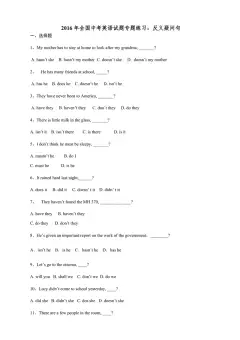
配套练习题
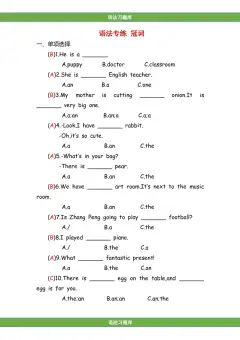
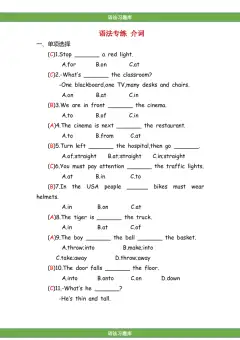
单项选择
1. He has few friends here, ____?
A. hasn’t he B. has he C. doesn’t he D. does he
2. I don’t think he will agree, ____?
A. do I B. won’t he C. will he D. don’t I
3. Let’s have a picnic this Sunday, ____?
A. will you B. shall we C. do we D. won’t you
4. There is little bread on the plate, ____?
A. is there B. isn’t there C. has there D. hasn’t there
5. She seldom watches movies, ____?
A. do you B. doesn’t she C. does she D. didn’t she
6. —You didn’t see him yesterday, did you?
—____. I met him in the library.
A. Yes, I did B. No, I didn’t C. Yes, I didn’t D. No, I did
7. He can hardly finish the task alone, ____?
A. can he B. can’t he C. does he D. doesn’t he
8. Let us finish the project by ourselves, ____?
A. shall we B. will you C. do you D. won’t we
答案+解析
1.D few表否定含义,前否后肯;has是实义动词“有”,一般现在时,助动词does。
2.C I don’t think结构,疑问部分看从句,从句为he will,前否后肯will he。
3.B Let’s包含听话人,固定shall we。
4.A little表示几乎没有,否定含义;there be,前否后肯is there。
5.C seldom(很少)属于否定词,实义动词一般现在时,助动词does。
6.A 事实是见到他了,事实肯定,用Yes, I did,翻译:不,我见到了。
7.A hardly几乎不,否定词,有情态动词can,用can he。
8.B Let us不包含对方,尾句固定will you。
一、基础构成规则
附加问句不能随便写,要抓住两个关键点:①判断陈述句是肯定还是否定;②找到句子的动词(be动词/情态动词/实义动词)。
1. 句子含be动词(am/is/are/was/were)
直接用be动词构成尾句,主语换成对应人称代词。
例句:You are from Guangdong, aren’t you?
你来自广东,对吗?
他昨天没有迟到,是吗?
小提醒:I am 的反义疑问固定:I’m your friend, aren’t I?
2. 句子含情态动词(can, may, must, should等)
尾句直接复用情态动词。
例句:They can speak English, can’t they?
他们会说英语,不是吗?
你必须上交作业,对吗?
3. 句子是实义动词(一般现在/过去时)
没有be、情态动词,就要借助助动词 do / does / did。
例句:She likes reading, doesn’t she?
她喜欢阅读,不是吗?
他们上周参观农场了,是吗?
二、中考高频陷阱:隐性否定词(重中之重)
有些单词表面不是not,但自带否定含义,主句视为否定句,后面附加问句要用肯定。
他从不吃垃圾食品,是吗?
瓶子里几乎没有水,是吗?
⚠️易混辨析:a little、a few 表示“一点、一些”,属于肯定含义,尾句用否定。
There are a few trees, aren’t there? 有几棵树,不是吗?
三、特殊句型专项(中考必考)
1. I think / I believe / I suppose 否定转移
👉 主句为I / We + think,疑问部分看宾语从句,不看主句;
如果是I don’t think,否定转移到从句,尾句用肯定。
I don’t think you know him, do you? 我认为你不认识他,是吗?
👉 若主语不是I/We,看主句:He thinks you win, doesn’t he?
2. 祈使句 Let’s 和 Let us,极易混淆
1. Let’s …(包含听话人,咱们一起)→ 尾句 shall we
Let’s go shopping, shall we? 咱们去购物,好吗?
Let us go out, will you? 让我们出去,好吗?
Open the window, will you? 打开窗户,好吗?
3. There be 句型
附加问句保留there,不用人称代词。
There are some flowers, aren’t there? 有一些花,不是吗?
四、最大难点:反义疑问句的回答(避开中式翻译误区)
回答只看事实,不看问句。
✅Yes 后面永远接肯定句;✅No后面永远接否定句。
翻译的时候和中文习惯相反,是最容易丢分的地方。
Yes, I did. 不,我参加了。
No, I didn’t. 是的,我没有参加。
五、考场解题步骤(做题直接套用)
1. 看主句:找有没有not / never / few / little等否定词,确定前肯还是前否;
反义疑问句考点套路很强,只要避开隐性否定词、I think否定转移、Let’s/Let us这三大陷阱,基本不会丢分。很多失分不是语法不懂,而是掉进中式思维的坑。
配套练习题
单项选择
1. He has few friends here, ____?
A. hasn’t he B. has he C. doesn’t he D. does he
A. do I B. won’t he C. will he D. don’t I
A. will you B. shall we C. do we D. won’t you
A. is there B. isn’t there C. has there D. hasn’t there
A. do you B. doesn’t she C. does she D. didn’t she
—____. I met him in the library.
A. Yes, I did B. No, I didn’t C. Yes, I didn’t D. No, I did
A. can he B. can’t he C. does he D. doesn’t he
A. shall we B. will you C. do you D. won’t we
答案+解析
1.D few表否定含义,前否后肯;has是实义动词“有”,一般现在时,助动词does。
2.C I don’t think结构,疑问部分看从句,从句为he will,前否后肯will he。
3.B Let’s包含听话人,固定shall we。
4.A little表示几乎没有,否定含义;there be,前否后肯is there。
5.C seldom(很少)属于否定词,实义动词一般现在时,助动词does。
6.A 事实是见到他了,事实肯定,用Yes, I did,翻译:不,我见到了。
7.A hardly几乎不,否定词,有情态动词can,用can he。
8.B Let us不包含对方,尾句固定will you。