ARTICLE · 1253270
AI与教学:工具之外,我们还关注什么? AI and Teaching: What Matters Beyond the ?
✿ 一起发现课堂里的新灵感 ✿
点击上方蓝色公众号名称,关注我们 ↑

忙碌的教学日常里,我们很容易被新工具吸引,却未必有时间停下来想:学生需要怎样的准备,老师又需要怎样的支持?10月19日至25日的五条新闻,从学校使用规则、大学课程到教师培训,提供了几个值得一起讨论的方向。
✿ 本周观察
学校正在厘清限制,院校扩大素养学习机会,学生也争取参与政策讨论。这些方向并不矛盾:开放、准备与监督需要共同推进。公告和机构回顾告诉我们正在尝试什么,而非已经证明什么有效。
01|纽约学校 AI 限制:新报道厘清工具与功能的区别
2026-10-23 · Chalkbeat · original reporting
Chalkbeat 取得学年开始前宣布限制的38项产品名单,并联系相关公司。10月23日报道显示,哪些功能受限仍存在理解差异;部分供应商关闭 AI 功能后获准继续使用。这是实施情况的新报道,不是本周新颁布的全市禁令。
♡ 为什么值得关注
对教师而言,仅知道产品名称还不足以判断使用范围。应核对学区批准的具体功能与设置,不要假定整个产品都被禁止或全部获准。
阅读原始来源
02|康奈尔宣布面向所有专业学生的 AI 课程
2026-10-19 · Cornell Chronicle
康奈尔10月19日宣布,2027年春季开设 Everyday AI,无需技术背景。三学分课程将结合 AI 基础与实践,探讨能力、局限和社会影响。这是课程计划,并非已有学习成效评估的项目。
♡ 为什么值得关注
AI 素养正成为跨专业教育议题,而不只是计算机专业内容。中学教师可以关注大学如何界定准备要求,但不应把一所大学的课程当作全国标准。
阅读原始来源

03|Students First Tour 扩大学生参与学校 AI 政策的机会
2026-10-22 · Day of AI
Day of AI 宣布在7月学生参议会基础上推进全国项目。计划包括11月3日推出地方学生议事指南,以及冬季开放大使申请、于2027—28年开展活动。学生撰写的框架是建议,不是已通过的法律。
♡ 为什么值得关注
这为学生讨论影响自身学习的规则提供了渠道。学校应区分现有机会与尚未发布的材料,并保留自身的政策审查程序。
阅读原始来源
04|奥本大学更新 Teaching with AI 教师培训课程
2026-10-22 · Auburn University
奥本大学10月22日报道,最初于2023年推出的自学式 Teaching with AI 课程在本月进行了重大修订,以回应技术及师生观点的变化。公告介绍的是专业学习资源,不是课堂影响的独立评估。
♡ 为什么值得关注
工具与学生使用方式不断变化,教师培训也需要更新。重要的是培训能否支持有依据的教学决策,而不只是介绍更多工具。
阅读原始来源
05|社区学院连接 AI 教学、就业技能与政策讨论
2026-10-22 · Chandler-Gilbert Community College
Chandler-Gilbert 社区学院10月22日回顾了为期三天的全国 AI 峰会,内容包括学生项目,以及教师、行业和政府三个方向的交流。报道呈现社区学院在 AI 教育与就业准备中的参与。这是主办方活动回顾,不是项目改善就业或学习的证据。
♡ 为什么值得关注
社区学院与大学、中小学一样,是美国 AI 教育的重要参与者。学生作品和行业需求可提供参考,但培训成效仍需要后续证据。
阅读原始来源
带回中文教学:先讨论三个问题
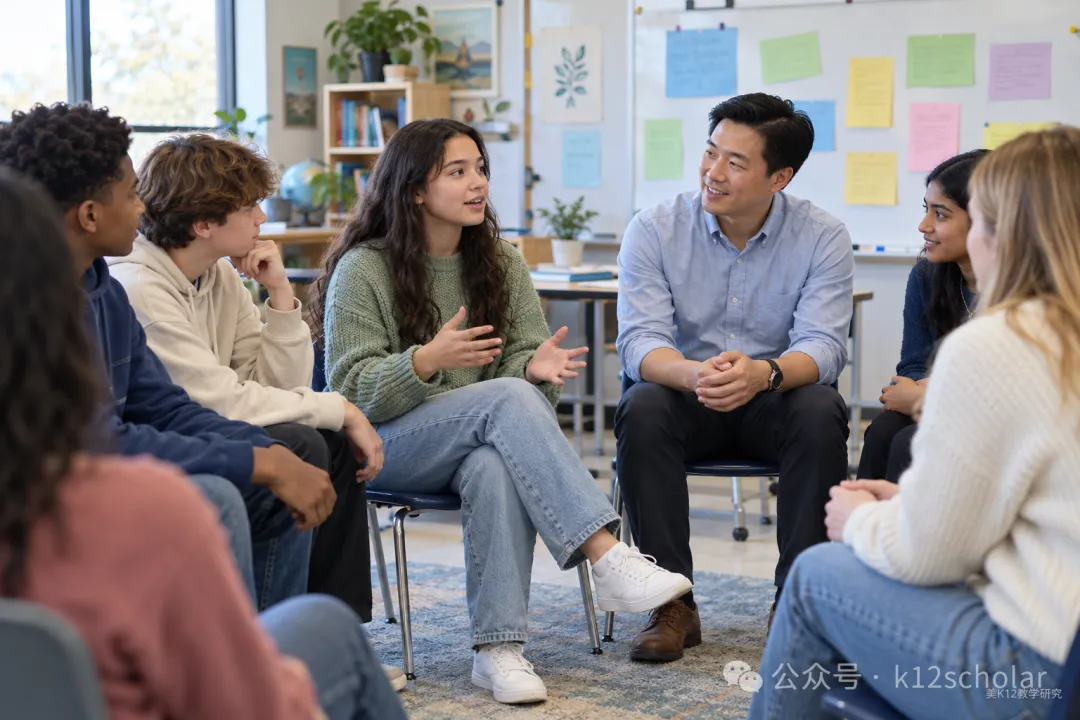
这些新闻没有提供一套适用于所有学校的答案,却给中文教师的共备带来三个切实的讨论方向。以下是我们的教学思考:
使用边界:这项任务中,哪一步允许AI辅助,哪一步需要学生独立完成?教师支持:除了工具账号,我们还需要哪些示例、共备时间和反馈?学习证据:学生能否解释自己的选择,并在新的情境中运用所学?
AI and Teaching: What Matters Beyond the Tools?
This Week in AI Education
As AI tools become more accessible, schools face concrete questions: how may students use them, what support do educators need, and which practices deserve closer attention? These five October 19–25 updates span K–12, universities, and a community college.
✿ THIS WEEK
Schools are clarifying restrictions while colleges expand learning opportunities and students seek a role in policy. These choices are not contradictory: access, preparation and oversight need to develop together. Announcements and institutional recaps tell us what is being attempted, not yet what works.
01|New reporting clarifies NYC's school AI restrictions
2026-10-23 · Chalkbeat · original reporting
Chalkbeat obtained the 38-product list behind restrictions announced before the school year and contacted the companies involved. Its October 23 reporting finds confusion over which features are prohibited; some vendors have disabled AI functions and received permission to continue. This is new reporting on implementation, not a new citywide ban this week.
♡ WHY IT MATTERS
For teachers, a product name alone may not explain what is permitted. Check district-approved features and settings rather than assuming every function is banned or allowed.
Read the original source
02|Cornell announces an AI course for students in any major
2026-10-19 · Cornell Chronicle
Cornell announced Everyday AI for spring 2027, with no technical background required. The three-credit course will combine AI fundamentals with practical exploration of capabilities, limits and societal effects. It is a planned course, not a completed program with measured learning outcomes.
♡ WHY IT MATTERS
AI literacy is becoming a general education question, not only a computing specialization. Secondary educators can watch how colleges define readiness without treating one university's course as a national requirement.
Read the original source
03|Students First Tour extends student participation in school AI policy
2026-10-22 · Day of AI
Day of AI announced a national follow-on to July's student senate. Plans include local senate guides scheduled for November 3 and an ambassador application opening in winter, with activities in 2027–28. The student-written framework is a proposal, not enacted legislation.
♡ WHY IT MATTERS
This creates a route for students to discuss the rules that affect their learning. Schools should distinguish opportunities already available from forthcoming materials and retain their own policy review.
Read the original source
04|Auburn revises its Teaching with AI professional-learning course
2026-10-22 · Auburn University
Auburn reported a major October revision of its self-paced Teaching with AI course, originally launched in 2023. The update responds to changing technology and faculty and student perspectives. The announcement describes professional-learning resources, not an independent evaluation of classroom impact.
♡ WHY IT MATTERS
Teacher preparation needs updating as tools and student practices change. The useful question is whether training helps instructors make defensible teaching decisions, not merely whether it covers more tools.
Read the original source
05|Community colleges connect AI teaching with workforce and policy conversations
2026-10-22 · Chandler-Gilbert Community College
Chandler-Gilbert Community College's October 22 recap describes its three-day National AI Summit, including student projects and faculty, industry and government tracks. The report highlights community-college involvement in AI education and workforce preparation. It is an organizer's account of the gathering, not evidence that the programs improved employment or learning.
♡ WHY IT MATTERS
Community colleges belong in the national AI education conversation alongside universities and K–12. Student work and employer needs are useful inputs, but training claims still need follow-up evidence.
Read the original source
Three questions for Mandarin educators
These stories do not supply one model for every school. They suggest three useful planning questions for Mandarin educators:
BOUNDARIES: Where is AI assistance allowed, and where must students work independently?TEACHER SUPPORT: Beyond accounts, what examples, planning time, and feedback do we need?LEARNING EVIDENCE: Can students explain their choices and apply their learning in a new situation?
✎ 下周中文课,可以先试一个小改变
以一段周末活动介绍为例:先请学生独立写出三句话,再由老师提供两段经过核对的示例,让学生比较哪一句更清楚、哪一处需要事实依据。最后,学生修改自己的表达,并向同伴解释一个修改理由。这个活动是我们提出的教学建议,示例也可以由老师直接编写。
♡ 看见选择,也看见学习过程
给学生的一张任务卡:我原来写的是:______。我参考或比较了:______。我最后决定:______,因为______。完成后,再回答同伴一个新的问题。
老师可以据此观察:学生是否理解所用词语,能否说明理由,换一个问题后是否仍能回应。把这些表现带到下一次备课讨论中,比只比较成品是否漂亮更有助于决定下一步怎样支持学生。
A small Mandarin-classroom option: students independently write three sentences about a weekend activity, compare two teacher-checked examples, revise their own response, and explain one choice to a partner. A process note—my original wording, what I compared, and my final decision with a reason—can help the teacher observe understanding. This is a proposed activity; teacher-written examples work as well.
我们会持续分享美国 AI+教学文章,关注教育新动态、实用工具与中文课堂灵感。欢迎关注,也欢迎把文章分享给一起关心教育的朋友 ♡
✿ 工作坊邀请|把课堂里的想法带来硅谷
SAVE THE DATE · 期待相聚
AI与中文教学工作坊日期:2027年1月23日(周六)地点:美国加州硅谷 Google(谷歌)园区办公室内
报名链接:https://forms.gle/9cCmPG2tvV3aHUM17
可复制网址到浏览器打开报名表。
我们将于2027年1月23日(周六),在加州硅谷的Google(谷歌)园区办公室内举行“AI与中文教学工作坊”,与老师们一起交流AI在中文教学中的应用与思考。
♡ 欢迎老师朋友参与
报名免费,名额有限。欢迎有兴趣发言分享的老师留言联系,也欢迎提出您希望讨论的主题。
如果您有兴趣发言分享,欢迎在公众号留言,告诉我们您想分享的主题或课堂实践。无论是已经尝试的方法,还是正在探索的问题,我们都期待听到您的声音。
如果您有特别感兴趣的主题,也欢迎留言告诉我们,例如AI辅助备课、口语与写作练习、分层教学、学习评价,或课堂使用规则。让我们一起把工作坊做得更贴近老师的真实需要。
♡ 欢迎在公众号留言
留言可以这样写:“我想分享:______。”“我最想了解的主题是:______。”
AI & Mandarin Teaching Workshop · Saturday, January 23, 2027 · Inside an office at Google’s campus in Silicon Valley, California. We invite teachers interested in presenting to leave a message on this WeChat account with a proposed topic or classroom experience. You are also welcome to suggest topics you would like the workshop to explore.