ARTICLE · 1276965
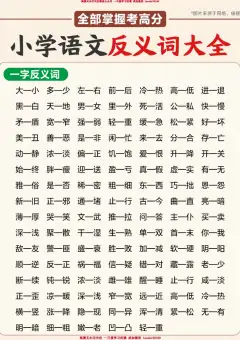
500组小学英语反义词,分10大类背诵,记单词超轻松!(附音频+可打印)



小学英语单词怎么背,才能记得牢、用得上?不少家长都有这样的感受:孩子背单词时好像都会了,一到课文填空、句子翻译和英语阅读中,又容易混淆词义。尤其是一些意思相反、拼写又不太相似的单词,今天记住,过几天就忘了。
其实,背单词不一定非要从头到尾死记硬背。把意思相反的单词放在一起记,再搭配简单的英语例句,往往更容易理解和区分。
比如,看到 big,就联想到 small;看到 early,就想到 late;看到 open,就想到 close。通过成对记忆,孩子不仅能加深对单词含义的印象,还能在比较中理解它们的使用场景。
这次整理了 500组小学英语反义词,分为10大类,每类50组,涵盖形态特征、动作行为、数量范围、时间顺序、空间方位、情绪性格、学习生活、自然环境、社会关系以及常见综合词汇。每组配有英文和中文释义,并通过两个英文例句帮助孩子理解用法。
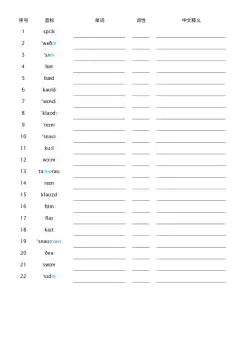
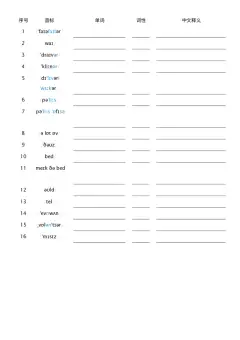
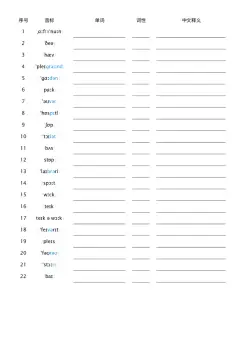
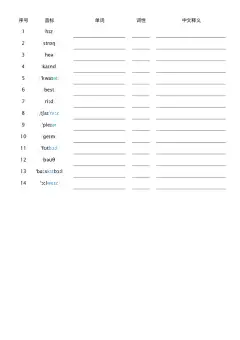
建议家长收藏或打印出来,每天记忆10组左右,先读单词,再读例句,最后尝试遮住中文进行自测。低年级孩子可以先熟悉词义,高年级孩子则可以进一步练习造句和英汉互译。
需要提醒的是,英语中的反义关系要结合语境理解。有些词是严格意义上的反义词,有些则是在特定场景下形成相对关系。遇到不同词性或用法时,也要留意它们在句子中的搭配。下面开始分类整理,建议边读边记,学完一类再进行一次小测验。
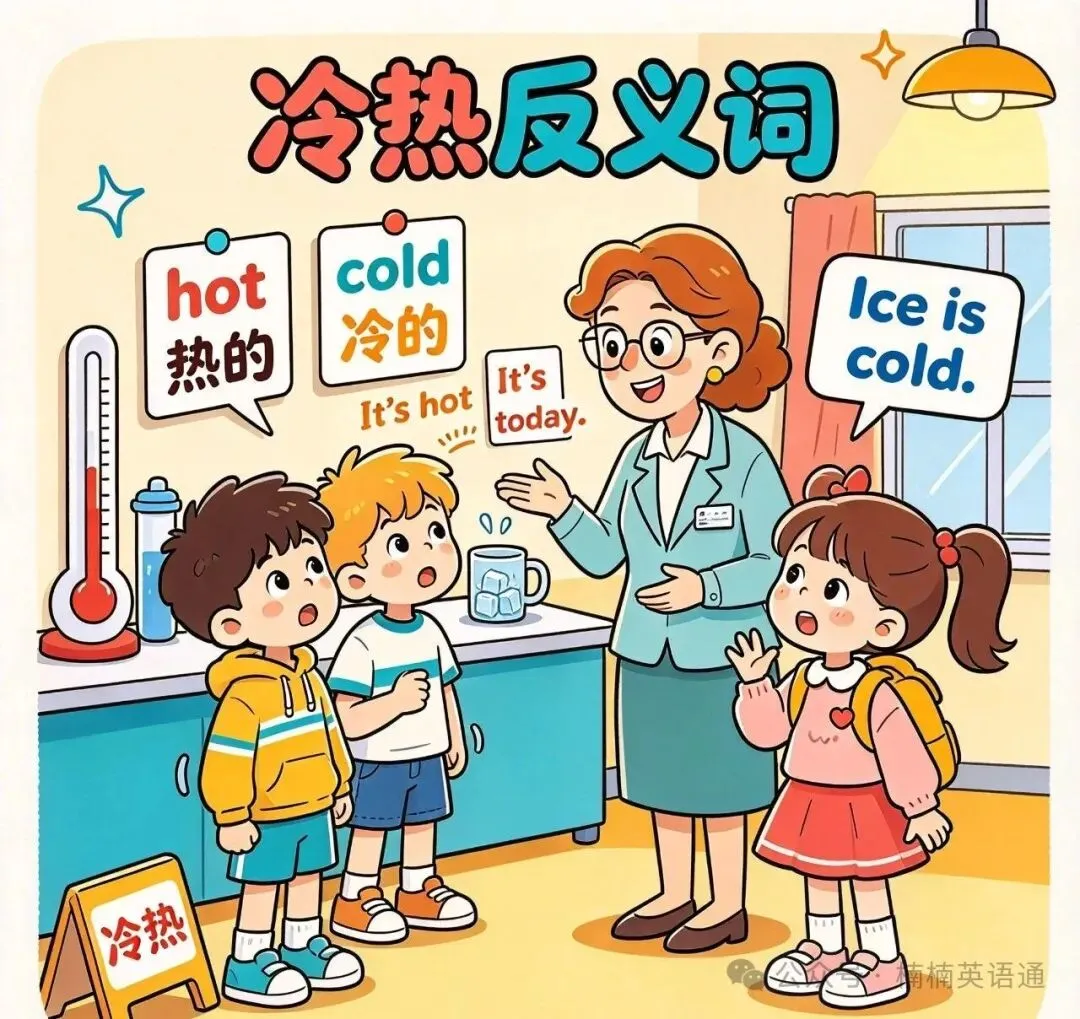

重点词性:形容词、副词及常见方位词。适合描述人物、动物、物品、天气和日常状态。
这一类是小学英语词汇积累的基础。学习时可以让孩子先观察两个单词的意思,再通过例句理解它们的区别。例如,big 和 small 描述大小,heavy 和 light 描述重量,happy 和 sad 描述情绪。把单词放进具体场景里,比单独背诵中文释义更容易形成记忆。
01—25组
1. above 在……上方 — below 在……下方
The plane flies above the clouds. 飞机在云层上方飞行。
The cat is hiding below the table. 猫躲在桌子下面。
2. bad 糟糕的 — good 好的
The soup tastes bad. 这汤味道不好。
She is a good student. 她是一名好学生。
3. badly 糟糕地 — well 好地
He sings badly. 他唱得不太好。
Amy dances well. 艾米跳舞跳得很好。
4. beautiful 美丽的 — ugly 丑陋的
The garden is beautiful. 这个花园很漂亮。
The monster looks ugly. 这个怪物看起来很丑陋。
5. best 最好的 — worst 最差的
This is my best drawing. 这是我画得最好的一幅画。
That was his worst mistake. 那是他犯过的最严重的错误。
6. better 更好的 — worse 更差的
I feel better today. 我今天感觉好多了。
The weather is getting worse. 天气越来越糟了。
7. big 大的 — small 小的
An elephant is a big animal. 大象是一种大型动物。
The mouse is small. 这只老鼠很小。
8. black 黑色的 — white 白色的
He wears a black coat. 他穿着一件黑色外套。
There is a white bird in the tree. 树上有一只白色的小鸟。
9. busy 忙碌的 — free 空闲的
My father is busy at work. 我爸爸工作很忙。
Are you free this afternoon? 你今天下午有空吗?
10. cheap 便宜的 — expensive 昂贵的
This pen is cheap. 这支钢笔很便宜。
That watch is expensive. 那块手表很贵。
11. clean 干净的 — dirty 肮脏的
Please keep your room clean. 请保持房间整洁。
His shoes are dirty. 他的鞋子很脏。
12. clever 聪明的 — foolish 愚蠢的
The clever girl solves the puzzle. 这个聪明的女孩解开了谜题。
It is foolish to waste water. 浪费水是不明智的。
13. cloudy 多云的 — sunny 晴朗的
It is cloudy this morning. 今天早上多云。
The sky is sunny and bright. 天气晴朗,阳光明媚。
14. cold 寒冷的 — hot 炎热的
My hands are cold. 我的手很冷。
The tea is too hot to drink. 这茶太烫了,不能喝。
15. cool 凉爽的 — warm 温暖的
The evening air is cool. 傍晚的空气很凉爽。
The room is warm and comfortable. 房间温暖又舒适。
16. dry 干燥的 — wet 潮湿的
The towel is dry. 这条毛巾是干的。
My socks are wet. 我的袜子湿了。
17. early 早的 — late 晚的;迟的
We arrive at school early. 我们很早就到学校了。
Don't be late for class. 上课不要迟到。
18. easy 容易的 — difficult 困难的
This question is easy. 这道题很简单。
The last question is difficult. 最后一题很难。
19. far 远的 — near 近的
The library is far from my home. 图书馆离我家很远。
The supermarket is near the school. 超市就在学校附近。
20. fast 快的 — slow 慢的
The horse runs fast. 这匹马跑得很快。
The old bus moves slowly. 这辆旧公交车行驶得很慢。
21. fat 肥胖的 — thin 瘦的
The fat cat sleeps on the sofa. 那只胖猫睡在沙发上。
The thin monkey climbs the tree. 那只瘦猴子爬上了树。
22. glad 高兴的 — sad 难过的
I am glad to see you. 见到你我很高兴。
She is sad about the lost toy. 她因为玩具丢了而难过。
23. happy 快乐的 — unhappy 不开心的
The children look happy. 孩子们看起来很开心。
He feels unhappy today. 他今天心情不太好。
24. high 高的 — low 低的
The kite flies high in the sky. 风筝高高地飞在天空中。
The wall is too low. 这面墙太低了。
25. ill 生病的 — healthy 健康的
My brother is ill today. 我弟弟今天生病了。
Eating fruit helps us stay healthy. 吃水果有助于我们保持健康。
26—50组
26. light 轻的 — heavy 重的
This bag is light. 这个包很轻。
The box is too heavy for me. 这个箱子对我来说太重了。
27. polite 有礼貌的 — rude 粗鲁的
Be polite to other people. 对别人要有礼貌。
It is rude to interrupt others. 打断别人说话是不礼貌的。
28. thin 薄的 — thick 厚的
This book is thin. 这本书很薄。
My winter coat is thick. 我的冬季外套很厚。
29. wide 宽的 — narrow 狭窄的
The river is wide. 这条河很宽。
We walk along a narrow path. 我们沿着一条狭窄的小路走。
30. boring 无聊的 — interesting 有趣的
The film is boring. 这部电影很无聊。
The science book is interesting. 这本科普书很有趣。
31. tidy 整洁的 — messy 凌乱的
Keep your desk tidy. 保持书桌整洁。
His bedroom is messy. 他的卧室乱糟糟的。
32. short 短的 — long 长的
The pencil is short. 这支铅笔很短。
She has long hair. 她留着长头发。
33. shy 害羞的 — outgoing 外向的
The shy boy speaks quietly. 这个害羞的男孩说话声音很轻。
My cousin is outgoing and friendly. 我的表亲性格外向又友善。
34. smooth 光滑的 — rough 粗糙的
The glass feels smooth. 玻璃摸起来很光滑。
The rock feels rough. 这块石头摸起来很粗糙。
35. strong 强壮的 — weak 虚弱的
My grandfather is still strong. 我的爷爷身体依然很强壮。
She feels weak after running. 跑步后她觉得有些乏力。
36. poor 贫穷的 — rich 富有的
The poor farmer works hard. 这位贫穷的农民辛勤劳作。
The rich man helps the village. 这位富人帮助了村庄。
37. serious 严肃的 — funny 有趣的;滑稽的
Our teacher looks serious. 我们的老师看起来很严肃。
The clown is funny. 这个小丑很滑稽。
38. dead 死去的 — alive 活着的
The old tree is dead. 这棵老树已经枯死了。
The little fish is alive. 这条小鱼还活着。
39. bright 明亮的 — dark 黑暗的
The classroom is bright. 教室里很明亮。
The sky grows dark at night. 夜晚天空渐渐暗下来。
40. full 满的 — empty 空的
The bottle is full of water. 瓶子里装满了水。
The box is empty. 盒子是空的。
41. hard 坚硬的 — soft 柔软的
This stone is hard. 这块石头很坚硬。
The pillow is soft. 这个枕头很柔软。
42. kind 友善的 — mean 刻薄的
Our new neighbor is kind. 我们的新邻居很友善。
It is mean to laugh at others. 嘲笑别人是一种刻薄的行为。
43. safe 安全的 — dangerous 危险的
This playground is safe for children. 这个游乐场对孩子们来说很安全。
It is dangerous to play on the road. 在马路上玩耍很危险。
44. fresh 新鲜的 — stale 不新鲜的
We buy fresh vegetables every day. 我们每天购买新鲜蔬菜。
The bread is stale. 这面包不新鲜了。
45. noisy 吵闹的 — quiet 安静的
The street is noisy. 这条街很吵闹。
Please be quiet in the library. 在图书馆里请保持安静。
46. correct 正确的 — wrong 错误的
Your answer is correct. 你的答案正确。
This spelling is wrong. 这个拼写是错误的。
47. possible 可能的 — impossible 不可能的
It is possible to finish today. 今天完成是有可能的。
It is impossible to fly without help from a machine. 不借助机器就飞起来是不可能的。
48. careful 仔细的 — careless 粗心的
Be careful when you cross the road. 过马路时要小心。
A careless mistake can change the answer. 一个粗心的错误可能会改变答案。
49. useful 有用的 — useless 无用的
This dictionary is useful. 这本词典很有用。
The broken pen is useless. 这支坏掉的钢笔不能用了。
50. same 相同的 — different 不同的
We have the same schoolbag. 我们有同款书包。
Our hobbies are different. 我们的爱好不同。
本类记忆小技巧: 把单词按主题分组记忆,例如大小类 big/small、长短类 short/long、温度类 hot/cold、情绪类 happy/unhappy。每天挑选5组,让孩子分别用两个单词各说一句话。能独立造句,才算真正理解了词义。

重点词性:动词及常见动作表达。重点掌握动词含义、常用搭配和句子中的使用方式。
动作类反义词常出现在课堂指令、日常对话、阅读理解和完形填空中。背诵时不仅要记住动作的中文意思,还要留意动词后面能接什么词。例如,borrow 通常表示“借入”,lend 表示“借出”;teach 是“教”,learn 是“学”。把动作放进生活场景里,更容易记牢。
51. begin 开始 — finish 完成
The lesson begins at nine. 课程九点开始。
I finish my homework before dinner. 我在晚饭前完成作业。
52. break 打碎 — mend 修补
Don't break the glass. 不要打碎玻璃杯。
Dad can mend my toy car. 爸爸会修理我的玩具车。
53. borrow 借入 — lend 借出
May I borrow your ruler? 我可以借用一下你的尺子吗?
I lend my books to Tom. 我把书借给汤姆。
54. buy 买 — sell 卖
We buy apples at the market. 我们在市场买苹果。
They sell fresh bread here. 他们在这里卖新鲜面包。
55. empty 倒空 — fill 装满
Please empty the wastebasket. 请把废纸篓倒空。
Fill the cup with milk. 把杯子装满牛奶。
56. fall 落下 — rise 上升
Leaves fall from the trees in autumn. 秋天树叶从树上落下。
The sun rises in the east. 太阳从东方升起。
57. forget 忘记 — remember 记得
Don't forget your lunch box. 别忘了带午餐盒。
Remember to close the door. 记得关门。
58. freeze 结冰 — melt 融化
Water can freeze in winter. 冬天水可能结冰。
The snow begins to melt. 积雪开始融化。
59. give 给 — take 拿
Please give me that book. 请把那本书给我。
Take your umbrella with you. 把雨伞带上。
60. hold 握住 — drop 松手使落下
Hold the baby carefully. 小心抱好宝宝。
Don't drop your phone. 别把手机掉在地上。
61. lose 丢失 — find 找到
I don't want to lose my keys. 我不想弄丢钥匙。
Can you help me find my bag? 你能帮我找书包吗?
62. miss 错过 — catch 赶上
Hurry up, or you will miss the bus. 快点,不然你会错过公交车。
We run to catch the train. 我们跑着去赶火车。
63. move 移动 — stay 保持不动
Move your chair a little. 把椅子稍微挪一下。
Please stay where you are. 请待在原地。
64. open 打开 — close 关闭
Open your English book. 打开你的英语书。
Close the window before you leave. 离开前关好窗户。
65. pull 拉 — push 推
Pull the door toward you. 把门朝你的方向拉。
Push the cart forward. 把推车向前推。
66. reward 奖励 — punish 惩罚
Parents reward children for good behavior. 孩子表现好时,父母会给予奖励。
The teacher punishes no one unfairly. 老师不会不公平地惩罚任何人。
67. laugh 笑 — cry 哭
We laugh at the funny story. 我们听了这个有趣的故事后笑了。
The baby begins to cry. 宝宝开始哭了。
68. leave 离开 — arrive 到达
We leave home at seven. 我们七点离开家。
They arrive at school on time. 他们准时到达学校。
69. leave 离开 — stay 停留
I leave the room quietly. 我安静地离开房间。
We stay at home on rainy days. 下雨天我们待在家里。
70. come 来 — go 去
Come to my house this afternoon. 今天下午来我家吧。
We go to the park after lunch. 午饭后我们去公园。
71. hate 讨厌 — love 热爱
I hate getting up late. 我讨厌起床太晚。
They love reading picture books. 他们很喜欢读绘本。
72. teach 教 — learn 学习
Miss Li teaches us English. 李老师教我们英语。
We learn new words every day. 我们每天学习新单词。
73. sleep 睡觉 — wake up 醒来
I sleep for eight hours every night. 我每晚睡八个小时。
I wake up at seven in the morning. 我早上七点醒来。
74. start 出发 — arrive 到达
We start our trip early. 我们很早就出发旅行。
We arrive at the beach at noon. 我们中午到达海滩。
75. pass 通过 — fail 未通过
She hopes to pass the English test. 她希望通过英语测试。
He is afraid he may fail the exam. 他担心自己可能考试不及格。
76. ask 提问 — answer 回答
May I ask you a question? 我可以问你一个问题吗?
Please answer in English. 请用英语回答。
77. hurt 伤害 — protect 保护
Don't hurt the little animals. 不要伤害小动物。
We protect trees and flowers. 我们保护树木和花草。
78. sit down 坐下 — stand up 站起来
Please sit down and listen. 请坐下认真听。
Stand up when the teacher comes in. 老师进来时请起立。
79. enter 进入 — exit 离开
Please enter the classroom quietly. 请安静地走进教室。
The visitors exit through the side door. 参观者从侧门离开。
80. include 包含 — exclude 排除
The price includes breakfast. 这个价格包含早餐。
We should not exclude anyone from the game. 我们不应该把任何人排除在游戏之外。
81. accept 接受 — refuse 拒绝
I accept your kind invitation. 我接受你友好的邀请。
He refuses to tell a lie. 他拒绝说谎。
82. agree 同意 — disagree 不同意
I agree with your idea. 我同意你的想法。
They disagree about the answer. 他们对这个答案有不同意见。
83. build 建造 — destroy 摧毁
Workers build a new bridge. 工人们建造一座新桥。
The storm destroys several old houses. 暴风雨摧毁了几栋旧房子。
84. win 获胜 — lose 失败
Our team wins the game. 我们队赢得了比赛。
Their team loses the final match. 他们队输掉了决赛。
85. send 发送 — receive 收到
I send a postcard to my friend. 我给朋友寄了一张明信片。
She receives a letter from her aunt. 她收到了姑姑寄来的信。
86. give up 放弃 — keep 坚持
Never give up when things get hard. 遇到困难时永远不要轻易放弃。
Keep trying until you succeed. 坚持尝试,直到成功。
87. remember 记住 — forget 忘记
Remember my birthday, please. 请记住我的生日。
Don't forget to feed the cat. 别忘了喂猫。
88. appear 出现 — disappear 消失
A rainbow appears after the rain. 雨后出现了一道彩虹。
The rabbit disappears into the grass. 兔子消失在草丛里。
89. increase 增加 — decrease 减少
The number of books increases each year. 书的数量每年都在增加。
We should decrease food waste. 我们应该减少食物浪费。
90. raise 举起 — lower 放低
Raise your hand if you know the answer. 如果你知道答案,请举手。
Lower your voice in the library. 在图书馆里请放低声音。
91. tie 系上 — untie 解开
Tie your shoelaces before running. 跑步前把鞋带系好。
He unties the ribbon carefully. 他小心地解开丝带。
92. lock 锁上 — unlock 打开锁
Please lock the door at night. 晚上请锁好门。
I unlock my bike with a key. 我用钥匙打开自行车锁。
93. connect 连接 — separate 分开
Connect the computer to the screen. 把电脑连接到屏幕上。
Separate the white socks from the black ones. 把白袜子和黑袜子分开。
94. hide 躲藏 — show 展示
The cat hides under the bed. 猫躲在床底下。
Show me your new picture. 给我看看你的新画。
95. lead 带领 — follow 跟随
Our teacher leads us to the museum. 老师带领我们去博物馆。
The little duck follows its mother. 小鸭子跟着妈妈。
96. lend 借出 — borrow 借入
Can you lend me a pencil? 你能借我一支铅笔吗?
I borrow a book from the library. 我从图书馆借了一本书。
97. remember 记住 — overlook 忽略
Remember to check your spelling. 记得检查拼写。
Don't overlook the small details. 不要忽略小细节。
98. save 节省 — waste 浪费
We save water by turning off the tap. 我们关掉水龙头来节约用水。
Don't waste paper. 不要浪费纸张。
99. succeed 成功 — fail 失败
She works hard and succeeds. 她努力学习并取得了成功。
Don't be afraid to fail. 不要害怕失败。
100. encourage 鼓励 — discourage 使泄气
My parents encourage me to read. 父母鼓励我阅读。
Don't discourage your teammates. 不要打击队友的信心。
本类记忆小技巧: 可以让孩子做“动作猜词”游戏:家长说出英文,孩子用动作表现;再交换角色,由孩子说单词、家长猜意思。对于 borrow/lend、teach/learn 这类容易混淆的词,最好配合人物和物品关系一起记忆。

编号:101—150|重点词性:代词、限定词、数量词及常见描述词。
这一类词汇看起来简单,却经常出现在小学英语选择题、完形填空和阅读理解中。尤其是 all/none、both/neither、many/few、more/less 等词,孩子需要结合句子理解数量和范围的差别。
101—125组
101. all 全部 — none 全无
All the children are ready. 所有孩子都准备好了。
None of the apples is fresh. 这些苹果没有一个是新鲜的。
102. alone 独自 — together 一起
The boy walks alone. 这个男孩独自走路。
We study together after school. 放学后我们一起学习。
103. always 总是 — never 从不
My sister always helps me. 我姐姐总是帮助我。
He never gets up late. 他从不晚起。
104. both 两者都 — neither 两者都不
Both of my parents like music. 我的父母都喜欢音乐。
Neither of the two boys is tired. 这两个男孩都不累。
105. first 第一 — last 最后
I am the first student in line. 我是队伍里的第一个学生。
She is the last person to leave. 她是最后一个离开的人。
106. many 许多 — few 很少
Many birds live in this forest. 许多鸟生活在这片森林里。
Few students are absent today. 今天缺席的学生很少。
107. more 更多 — less 更少
I need more time to finish. 我需要更多时间完成。
We have less milk than yesterday. 我们的牛奶比昨天少。
108. most 最多的 — least 最少的
Jack gets the most points. 杰克得到的分数最多。
This box has the least space. 这个盒子的空间最小。
109. here 这里 — there 那里
Please put your bag here. 请把书包放在这里。
My parents are waiting there. 我的父母正在那里等候。
110. left 左边 — right 右边
The bank is on the left. 银行在左边。
Turn right at the crossing. 到十字路口向右转。
111. like 相似 — unlike 不相似
The twins look like each other. 这对双胞胎看起来很相像。
Unlike his brother, Tom likes reading. 汤姆和哥哥不同,他喜欢阅读。
112. much 许多 — little 很少
There is much water in the bottle. 瓶子里有很多水。
There is little juice left. 剩下的果汁很少。
113. somebody 某人 — nobody 没有人
Somebody is knocking at the door. 有人在敲门。
Nobody knows the answer. 没有人知道答案。
114. everybody 每个人 — nobody 没有人
Everybody enjoys the school trip. 每个人都很喜欢这次学校旅行。
Nobody wants to miss the show. 没有人想错过演出。
115. everything 一切 — nothing 什么都没有
Everything is ready for the party. 聚会的一切都准备好了。
Nothing is in the drawer. 抽屉里什么也没有。
116. with 有、带着 — without 没有、不带
The girl with glasses is my cousin. 戴眼镜的女孩是我的表妹。
He went out without his hat. 他出门时没有戴帽子。
117. whole 全部的 — part 部分
I read the whole book. 我读完了整本书。
She ate part of the cake. 她吃了部分蛋糕。
118. inside 里面 — outside 外面
The keys are inside the bag. 钥匙在包里面。
The children are playing outside. 孩子们正在外面玩耍。
119. enough 足够 — insufficient 不足
We have enough chairs for everyone. 我们有足够的椅子给每个人坐。
There is insufficient time to finish the game. 时间不足,无法完成这场比赛。
120. extra 额外的 — necessary 必要的
I bring an extra notebook. 我额外带了一本笔记本。
Water is necessary for life. 水是生命必不可少的。
121. public 公共的 — private 私人的
This is a public library. 这是一座公共图书馆。
This is my private diary. 这是我的私人日记。
122. common 常见的 — rare 稀少的
This is a common English word. 这是一个常见的英语单词。
We saw a rare bird in the forest. 我们在森林里看到了一只稀有的鸟。
123. similar 相似的 — different 不同的
The two pictures are similar. 这两幅画很相似。
Our answers are different. 我们的答案不一样。
124. equal 相等的 — unequal 不相等的
The two teams have equal points. 两支队伍的得分相同。
The two pieces are unequal in size. 这两块的大小不一样。
125. positive 肯定的 — negative 否定的
The answer is positive. 答案是肯定的。
His reply is negative. 他的回答是否定的。
126—150组
126. more than 多于 — less than 少于
There are more than twenty books here. 这里有二十多本书。
The walk takes less than ten minutes. 步行用不了十分钟。
127. at least 至少 — at most 至多
You need at least five pencils. 你至少需要五支铅笔。
The bag can hold at most ten books. 这个包最多能装十本书。
128. one 一个 — many 许多
One child is waiting outside. 一个孩子正在外面等候。
Many children are waiting outside. 许多孩子正在外面等候。
129. some 一些 — none 一个也没有
Some of the cookies are chocolate-flavored. 有些饼干是巧克力味的。
None of the cookies is left. 饼干一块也没剩下。
130. each 每一个 — all 全部
Each child gets a sticker. 每个孩子都得到一张贴纸。
All the children get stickers. 所有孩子都得到贴纸。
131. either 两者之一 — neither 两者都不
You can choose either color. 你可以选择这两种颜色中的任意一种。
Neither color matches my shirt. 这两种颜色都不配我的衬衫。
132. everyone 每个人 — someone 某个人
Everyone is welcome here. 这里欢迎每一个人。
Someone left a book on the desk. 有人把一本书落在了桌上。
133. everywhere 到处 — nowhere 无处
We looked everywhere for the ball. 我们到处寻找那个球。
There is nowhere to sit on the bus. 公交车上没有地方可以坐。
134. always 总是 — seldom 很少
She always finishes her work. 她总是完成自己的工作。
We seldom eat out on weekdays. 我们工作日很少在外面吃饭。
135. often 经常 — rarely 很少
I often ride my bike to school. 我经常骑自行车上学。
He rarely watches television. 他很少看电视。
136. already 已经 — not yet 还没有
I have already finished my homework. 我已经完成作业了。
She has not finished her drawing yet. 她还没有完成画作。
137. present 在场的 — absent 缺席的
All the students are present. 所有学生都到场了。
Two students are absent today. 今天有两名学生缺席。
138. occupied 被占用的 — vacant 空着的
This seat is occupied. 这个座位有人坐了。
The room next door is vacant. 隔壁房间空着。
139. available 可用的 — unavailable 不可用的
This computer is available now. 这台电脑现在可以使用。
The meeting room is unavailable this afternoon. 今天下午会议室无法使用。
140. complete 完整的 — incomplete 不完整的
Your answer is complete. 你的答案完整。
This sentence is incomplete. 这个句子不完整。
141. total 总数 — remainder 剩余部分
The total is twenty dollars. 总共是二十美元。
The remainder goes into the box. 剩下的部分放进盒子里。
142. maximum 最大值 — minimum 最小值
The maximum score is one hundred. 最高分是一百分。
The minimum age is six. 最低年龄是六岁。
143. majority 多数 — minority 少数
The majority of the class likes football. 班里大多数学生喜欢足球。
A minority of students choose chess. 少数学生选择了国际象棋。
144. plus 加 — minus 减
Three plus two equals five. 三加二等于五。
Seven minus four equals three. 七减四等于三。
145. add 添加 — remove 移除
Add some sugar to the tea. 往茶里加一点糖。
Remove the dirty plates from the table. 把脏盘子从桌上拿走。
146. collect 收集 — distribute 分发
We collect old books for the school library. 我们为学校图书馆收集旧书。
The teacher distributes the worksheets. 老师分发练习纸。
147. gather 聚集 — scatter 分散
The children gather in the playground. 孩子们聚集在操场上。
The wind scatters the leaves. 风把树叶吹散了。
148. unite 联合 — divide 分开
The game unites our team. 这场比赛让我们队更加团结。
Divide the cake into four pieces. 把蛋糕分成四块。
149. whole 全部 — half 一半
I ate the whole sandwich. 我吃掉了整个三明治。
She drank half the milk. 她喝掉了一半牛奶。
150. first 第一 — second 第二
Mia finishes in first place. 米娅获得第一名。
Leo finishes in second place. 利奥获得第二名。
本类记忆提醒: 有些词组属于数量或语境上的对照,并非所有场合都能直接互换。尤其要区分 few 和 a few、little 和 a little:前者通常强调“少”,后者常表示“有一些”。另外,both/neither 通常用于两者,all/none 则可以用于三者或更多对象。

编号:151—200|重点掌握时间先后、快慢、频率以及事情发生的阶段。
时间类词汇与小学英语日常表达联系紧密,常见于作息安排、日期描述、故事排序和时态练习。建议孩子把单词与一天的生活流程结合起来记忆。
151—175组
151. day 白天 — night 夜晚
We play outside during the day. 白天我们在户外玩耍。
Stars shine at night. 夜晚星星闪闪发光。
152. morning 早晨 — evening 傍晚
I read English in the morning. 我早晨读英语。
We take a walk in the evening. 我们傍晚散步。
153. today 今天 — yesterday 昨天
Today is my birthday. 今天是我的生日。
Yesterday was a rainy day. 昨天下雨了。
154. before 在……之前 — after 在……之后
Wash your hands before dinner. 晚饭前洗手。
We play chess after class. 下课后我们下国际象棋。
155. early 早 — late 晚;迟
We leave early in the morning. 我们一大早就出发。
He comes home late. 他很晚才回家。
156. now 现在 — then 那时
I am doing my homework now. 我现在正在写作业。
I was very young then. 那时我还很小。
157. past 过去 — future 未来
We learned about the past. 我们了解了过去。
She wants to be a doctor in the future. 她将来想当一名医生。
158. start 开始 — end 结束
The film starts at six. 电影六点开始。
The show ends at eight. 演出八点结束。
159. first 首先 — finally 最后
First, wash the vegetables. 首先,把蔬菜洗干净。
Finally, serve the soup. 最后,把汤端上桌。
160. soon 很快 — later 以后
The bus will arrive soon. 公交车很快就会到。
I will call you later. 我晚些时候给你打电话。
161. already 已经 — still 仍然
She has already eaten lunch. 她已经吃过午饭了。
He is still doing his homework. 他仍然在写作业。
162. once 一次 — repeatedly 反复地
I have visited that museum once. 我去过那座博物馆一次。
He repeatedly practices the song. 他反复练习这首歌。
163. always 总是 — sometimes 有时
Dad always drinks tea after lunch. 爸爸午饭后总是喝茶。
Sometimes we ride our bikes together. 有时我们一起骑自行车。
164. often 经常 — seldom 很少
We often visit our grandparents. 我们经常去看望祖父母。
I seldom eat sweets. 我很少吃糖果。
165. daily 每日的 — weekly 每周的
This is my daily reading plan. 这是我的每日阅读计划。
We have a weekly spelling test. 我们每周进行一次拼写测试。
166. temporary 暂时的 — permanent 永久的
This is a temporary classroom. 这是一间临时教室。
The school has a permanent library. 学校有一座固定的图书馆。
167. begin 开始 — finish 结束
I begin my reading at seven. 我七点开始阅读。
I finish it before bedtime. 我在睡觉前读完。
168. arrive 到达 — depart 出发;离开
We arrive at the station at noon. 我们中午到达车站。
The train departs at one. 火车一点出发。
169. wake up 醒来 — fall asleep 入睡
I wake up when the alarm rings. 闹钟响时我醒来。
The baby falls asleep quickly. 宝宝很快就睡着了。
170. sunrise 日出 — sunset 日落
We watch the sunrise on the hill. 我们在山上看日出。
The sky turns orange at sunset. 日落时天空变成橙色。
171. spring 春天 — autumn 秋天
Flowers bloom in spring. 春天鲜花盛开。
Leaves turn yellow in autumn. 秋天树叶变黄。
172. weekday 工作日 — weekend 周末
I go to school on weekdays. 工作日我去上学。
We visit the zoo on weekends. 周末我们去动物园。
173. beforehand 事先 — afterwards 之后
We booked the tickets beforehand. 我们事先订好了票。
Afterwards, we went for lunch. 之后,我们去吃了午饭。
174. recently 最近 — long ago 很久以前
I recently learned a new song. 我最近学了一首新歌。
People lived differently long ago. 很久以前,人们的生活方式不同。
175. punctual 守时的 — unpunctual 不守时的
Our teacher is always punctual. 我们的老师总是很守时。
Being unpunctual can make others wait. 不守时会让别人等待。
176—200组
176. quick 迅速的 — slow 缓慢的
She gives a quick answer. 她迅速给出了答案。
The turtle is slow. 乌龟行动缓慢。
177. frequent 频繁的 — infrequent 不频繁的
Frequent practice helps us improve. 经常练习有助于我们进步。
Snow is infrequent in this area. 这个地区很少下雪。
178. continue 继续 — stop 停止
Please continue reading the story. 请继续读这个故事。
Stop talking and listen carefully. 停止说话,认真听讲。
179. advance 前进 — delay 延误
The project advances every day. 这个项目每天都有进展。
Heavy rain may delay our trip. 大雨可能会耽误我们的行程。
180. hurry 赶快 — wait 等待
Hurry, or we will miss the show. 快点,不然我们会错过演出。
Please wait for your turn. 请等待轮到你。
181. immediate 立即的 — delayed 延迟的
The teacher gives an immediate reply. 老师立即作出了回复。
The delayed train arrives at noon. 晚点的火车中午到达。
182. daytime 白天 — nighttime 夜间
Owls sometimes sleep in the daytime. 猫头鹰有时白天睡觉。
Some animals hunt in the nighttime. 一些动物在夜间捕猎。
183. dawn 黎明 — dusk 黄昏
Birds begin to sing at dawn. 黎明时鸟儿开始歌唱。
We return home at dusk. 黄昏时我们回家。
184. noon 中午 — midnight 午夜
We eat lunch at noon. 我们中午吃午饭。
The streets are quiet at midnight. 午夜时街道很安静。
185. beginning 开头 — ending 结尾
The beginning of the story is funny. 故事的开头很有趣。
The ending makes everyone smile. 故事的结尾让大家都笑了。
186. ancient 古代的 — modern 现代的
We visited an ancient temple. 我们参观了一座古老的寺庙。
This is a modern building. 这是一座现代化建筑。
187. old-fashioned 过时的 — up-to-date 最新的
This phone looks old-fashioned. 这部手机看起来过时了。
The computer has up-to-date software. 这台电脑安装了最新的软件。
188. before long 不久以后 — much later 过了很久以后
Before long, the flowers began to bloom. 不久以后,花儿开始开放。
Much later, we found the missing key. 过了很久,我们才找到丢失的钥匙。
189. on time 准时 — late 迟到
The bus arrives on time. 公交车准时到达。
We are late for the meeting. 我们开会迟到了。
190. ahead 提前;在前面 — behind 落后;在后面
We finished the work ahead of time. 我们提前完成了工作。
He is behind the other runners. 他落在其他跑步者后面。
191. advance 提前 — postpone 推迟
They advance the meeting by one day. 他们把会议提前了一天。
We postpone the picnic because of rain. 因为下雨,我们推迟了野餐。
192. regular 定期的 — irregular 不定期的
I have regular piano lessons. 我定期上钢琴课。
His sleep schedule is irregular. 他的作息时间不规律。
193. permanent 永久的 — temporary 暂时的
The mark is permanent. 这个印记是永久性的。
The shop has a temporary sign. 这家商店挂着一块临时招牌。
194. earlier 更早 — later 更晚
I arrived earlier than my friend. 我比朋友到得早。
My sister arrived later than I did. 我姐姐比我到得晚。
195. past 过去的 — upcoming 即将到来的
We talked about past events. 我们谈论了过去发生的事情。
I am excited about the upcoming holiday. 我很期待即将到来的假期。
196. lifetime 一生 — moment 瞬间
A lifetime is made of many moments. 一生由许多瞬间组成。
The moment passed very quickly. 那一瞬间很快就过去了。
197. daybreak 天亮 — nightfall 入夜
We set off at daybreak. 我们天一亮就出发了。
The temperature drops at nightfall. 入夜后气温下降。
198. forever 永远 — temporarily 暂时地
Friends can stay in our hearts forever. 朋友可以永远留在我们的心里。
The road is temporarily closed. 这条路暂时封闭。
199. frequent 经常的 — occasional 偶尔的
Frequent reading builds vocabulary. 经常阅读能积累词汇。
We make occasional trips to the countryside. 我们偶尔去乡下旅行。
200. active 活跃的 — inactive 不活跃的
The children are active in the morning. 孩子们早上很活跃。
The volcano has been inactive for years. 这座火山已经多年没有活动了。
本类记忆小技巧: 让孩子用时间词讲述一天的安排,例如 First, I get up. Then, I eat breakfast. After that, I go to school. Finally, I go to bed. 这样既能复习反义词,也能练习时间顺序表达和英语写作。

编号:201—250|重点词性:方位词、介词、副词及描述位置的形容词。
空间类词汇非常适合结合实物学习。家里的桌椅、书包、房门,教室里的黑板、课桌和书架,都可以成为练习素材。家长说出英文,孩子指出相应的位置,再交换角色进行练习,记忆会更加直观。
201—225组
201. up 向上 — down 向下
Look up at the sky. 抬头看看天空。
The ball rolls down the hill. 球滚下了山坡。
202. in 在里面 — out 在外面
The pencils are in the box. 铅笔在盒子里。
The children are out in the garden. 孩子们在外面的花园里。
203. inside 在内部 — outside 在外部
It is warm inside the house. 房子里面很暖和。
We can hear birds outside. 我们能听到外面的鸟叫声。
204. front 前面 — back 后面
The teacher stands at the front of the room. 老师站在房间前面。
My brother sits at the back of the bus. 我弟弟坐在公交车后面。
205. top 顶部 — bottom 底部
The picture is at the top of the page. 图片在页面顶部。
Write your name at the bottom. 在底部写下你的名字。
206. over 在……上方 — under 在……下方
A lamp hangs over the table. 一盏灯挂在桌子上方。
The shoes are under the bed. 鞋子在床底下。
207. above 在……上方 — beneath 在……下面
The clock is above the door. 时钟在门的上方。
The dog rests beneath the tree. 狗在树下休息。
208. near 在附近 — far 远
The bus stop is near my home. 公交车站在我家附近。
The airport is far from the city center. 机场离市中心很远。
209. left 左边 — right 右边
My classroom is on the left. 我的教室在左边。
The playground is on the right. 操场在右边。
210. east 东方 — west 西方
The sun rises in the east. 太阳从东方升起。
The sun sets in the west. 太阳从西方落下。
211. north 北方 — south 南方
Canada lies north of the United States. 加拿大位于美国北面。
Australia is south of Indonesia. 澳大利亚位于印度尼西亚南面。
212. forward 向前 — backward 向后
Step forward one pace. 向前走一步。
The boy leans backward. 男孩向后倾斜。
213. upstairs 在楼上 — downstairs 在楼下
My bedroom is upstairs. 我的卧室在楼上。
Dad is cooking downstairs. 爸爸正在楼下做饭。
214. indoor 室内的 — outdoor 户外的
We have an indoor swimming pool. 我们有一个室内游泳池。
Outdoor games are fun. 户外游戏很有趣。
215. entrance 入口 — exit 出口
Meet me at the main entrance. 在主入口和我碰面。
Please use the emergency exit. 请使用紧急出口。
216. enter 进入 — leave 离开
Please enter through this door. 请从这扇门进入。
We leave the building at six. 我们六点离开大楼。
217. arrive 到达 — depart 出发
We arrive at the hotel in the afternoon. 我们下午到达酒店。
Our train departs at nine. 我们的火车九点出发。
218. cross 穿过 — avoid 避开
Cross the street at the traffic lights. 在红绿灯处过马路。
Avoid the muddy path. 避开那条泥泞的小路。
219. enter 进入 — exit 出去
The students enter the hall quietly. 学生们安静地进入大厅。
The audience exits after the show. 演出结束后,观众离场。
220. rise 上升 — sink 下沉
The balloon rises into the air. 气球升向空中。
The stone sinks to the bottom of the pond. 石头沉到了池塘底部。
221. climb 攀登 — descend 下行
We climb the mountain slowly. 我们慢慢爬山。
The hikers descend before sunset. 徒步者们在日落前下山。
222. uphill 上坡 — downhill 下坡
The road goes uphill. 这条路向上坡延伸。
Riding downhill is easier. 骑车下坡更容易。
223. arrive at 到达(小地点)— leave 离开
We arrive at the station early. 我们很早就到达车站。
They leave the station at noon. 他们中午离开车站。
224. nearby 附近的 — distant 遥远的
There is a nearby playground. 附近有一个操场。
We can see distant mountains. 我们能看到远处的山。
225. central 中央的 — outer 外围的
The school is in a central location. 学校位于中心位置。
They live in the outer part of town. 他们住在城镇的外围。
226—250组
226. upper 上部的 — lower 下部的
Put the books on the upper shelf. 把书放在上层架子上。
The lower drawer is empty. 下面的抽屉是空的。
227. inner 内部的 — outer 外部的
The inner pocket holds my keys. 内侧口袋装着我的钥匙。
The outer wall is white. 外墙是白色的。
228. front 前部 — rear 后部
The driver sits at the front of the bus. 司机坐在公交车前部。
The luggage is in the rear of the car. 行李放在汽车后部。
229. straight 直的 — curved 弯曲的
Draw a straight line. 画一条直线。
The road is curved near the river. 这条路在河边拐弯。
230. horizontal 水平的 — vertical 垂直的
Draw a horizontal line across the page. 在页面上画一条水平线。
The flagpole is vertical. 旗杆是垂直的。
231. parallel 平行的 — intersecting 相交的
The two lines are parallel. 这两条线互相平行。
The roads are intersecting at the corner. 这些道路在拐角处相交。
232. open 开阔的 — enclosed 封闭的
The park has a large open space. 公园里有一片开阔的空间。
The garden is enclosed by a fence. 花园被围栏围了起来。
233. attached 附着的 — detached 分离的
The label is attached to the box. 标签贴在盒子上。
The handle becomes detached from the bag. 提手从包上脱落了。
234. fixed 固定的 — movable 可移动的
The desk is fixed to the floor. 书桌固定在地板上。
This chair is movable. 这把椅子可以移动。
235. tight 紧的 — loose 松的
These shoes are too tight. 这双鞋太紧了。
My jacket feels loose. 我的夹克穿起来很宽松。
236. deep 深的 — shallow 浅的
The lake is very deep. 这个湖很深。
The water near the shore is shallow. 岸边的水很浅。
237. high 高处的 — ground-level 地面的
The birds sit on a high branch. 鸟儿停在高高的树枝上。
The entrance is at ground level. 入口位于地面高度。
238. distant 遥远的 — close 近的
We saw a distant island. 我们看见了一座远处的岛。
The shop is close to our house. 商店离我们家很近。
239. apart 分开 — together 在一起
The two houses stand far apart. 这两栋房子相隔很远。
The chairs are placed together. 这些椅子摆放在一起。
240. toward 朝向 — away from 远离
The dog runs toward its owner. 狗朝主人跑去。
Keep away from the fire. 远离火源。
241. arrive 到达 — depart 离开
Our guests arrive in the evening. 客人们晚上到达。
The plane departs in the morning. 飞机早上起飞。
242. come in 进来 — go out 出去
Come in and take a seat. 进来坐下吧。
The children go out to play. 孩子们出去玩耍。
243. go up 上升 — go down 下降
The lift goes up to the tenth floor. 电梯上升到十楼。
The lift goes down to the ground floor. 电梯下降到一楼。
244. move forward 向前移动 — move back 向后移动
Move forward to the front row. 向前移动到前排。
Move back to give them space. 向后退一点,给他们留出空间。
245. land 降落 — take off 起飞
The plane lands safely. 飞机安全降落。
The plane takes off at noon. 飞机中午起飞。
246. above 在上方 — below 在下方
The shelf is above the desk. 架子在书桌上方。
The shoes are below the shelf. 鞋子在架子下方。
247. clockwise 顺时针 — counterclockwise 逆时针
Turn the wheel clockwise. 顺时针转动轮子。
Turn the handle counterclockwise. 逆时针转动把手。
248. right-side up 正面朝上 — upside down 上下颠倒
Put the picture right-side up. 把图片正面朝上放好。
The cup is upside down. 杯子倒扣着。
249. in front of 在……前面 — behind 在……后面
The bus stops in front of the school. 公交车停在学校前面。
The garden is behind the house. 花园在房子后面。
250. on 在……上面 — off 离开;脱离
The book is on the desk. 书在书桌上。
Take your muddy shoes off. 把沾满泥巴的鞋子脱下来。
本类记忆小技巧: 可以用玩具进行方位练习。例如把小熊放在盒子里、桌子下、椅子旁,再让孩子用英语完整描述位置。特别要注意 over/under、above/below、in/into 的差异:它们的具体含义取决于句子结构和语境,并不总是可以互换。

编号:251—300|重点词性:形容词、情绪表达及描述人际关系的常见词汇。
这一类单词和孩子的日常生活联系很紧密。描述自己的心情、介绍朋友的性格、表达喜好,以及讲述与同学相处的经历时,都可能用到这些词汇。
学习时可以引导孩子结合表情和生活经历记忆。例如,开心时可以用 happy,感到紧张时可以用 nervous,遇到困难仍然有信心时可以用 confident。除了记住中文意思,还要学会在完整句子中表达情绪。
251—275组
251. happy 快乐的 — sad 难过的
I am happy to play with my friends. 和朋友一起玩,我很开心。
She feels sad when her friend leaves. 朋友离开时,她感到难过。
252. excited 兴奋的 — bored 无聊的
The children are excited about the school trip. 孩子们对学校旅行感到很兴奋。
He feels bored on rainy days. 下雨天他觉得很无聊。
253. calm 平静的 — nervous 紧张的
Take a deep breath and stay calm. 深呼吸,保持冷静。
I feel nervous before a speech. 演讲前我感到紧张。
254. brave 勇敢的 — afraid 害怕的
The brave girl helps the little boy. 勇敢的女孩帮助了那个小男孩。
The child is afraid of thunder. 这个孩子害怕雷声。
255. friendly 友好的 — unfriendly 不友好的
Our new classmate is friendly. 我们的新同学很友好。
The dog seems unfriendly to strangers. 这只狗似乎不太友善地对待陌生人。
256. kind 善良的 — cruel 残忍的
It is kind to help people in need. 帮助有需要的人是一种善良的行为。
The cruel hunter hurts wild animals. 残忍的猎人伤害野生动物。
257. generous 慷慨的 — selfish 自私的
My generous friend shares his snacks. 我慷慨的朋友会分享零食。
It is selfish to keep everything for yourself. 把所有东西都留给自己是一种自私的行为。
258. honest 诚实的 — dishonest 不诚实的
An honest child tells the truth. 诚实的孩子会说实话。
It is dishonest to copy another student's work. 抄袭其他学生的作业是不诚实的。
259. patient 有耐心的 — impatient 没耐心的
Be patient when you learn something new. 学习新东西时要有耐心。
He becomes impatient while waiting. 等待时,他变得不耐烦了。
260. confident 自信的 — unsure 不确定的
She feels confident before the competition. 比赛前她充满信心。
I am unsure about the answer. 我不确定这个答案。
261. proud 自豪的 — ashamed 羞愧的
My parents are proud of my progress. 父母为我的进步感到自豪。
He feels ashamed of his rude words. 他为自己粗鲁的话语感到羞愧。
262. cheerful 开朗的 — gloomy 忧郁的
Her cheerful smile brightens the room. 她开朗的笑容让整个房间都明亮起来。
The gloomy weather makes the day feel dull. 阴沉的天气让这一天显得沉闷。
263. polite 有礼貌的 — impolite 不礼貌的
It is polite to say thank you. 说谢谢是一种有礼貌的表现。
It is impolite to interrupt someone. 打断别人说话是不礼貌的。
264. modest 谦虚的 — boastful 爱炫耀的
The modest boy never shows off. 这个谦虚的男孩从不炫耀。
The boastful player talks about his skills all day. 这个爱炫耀的选手整天谈论自己的本领。
265. careful 谨慎的 — reckless 鲁莽的
Be careful when you cross the street. 过马路时要小心。
It is reckless to ride a bike without looking. 不看路就骑车是很鲁莽的行为。
266. gentle 温和的 — rough 粗暴的
Please be gentle with the kitten. 请温柔地对待这只小猫。
The boy is rough with his toys. 这个男孩对待玩具时动作很粗鲁。
267. cheerful 愉快的 — miserable 痛苦的
We feel cheerful on the first day of the holiday. 假期第一天,我们心情愉快。
He feels miserable after losing his favorite toy. 丢了最喜欢的玩具后,他很难过。
268. relaxed 放松的 — tense 紧绷的
I feel relaxed after listening to music. 听完音乐后,我感到很放松。
Her shoulders are tense before the exam. 考试前她的肩膀绷得很紧。
269. satisfied 满意的 — dissatisfied 不满意的
I am satisfied with my drawing. 我对自己的画很满意。
He is dissatisfied with the result. 他对结果不满意。
270. hopeful 满怀希望的 — hopeless 毫无希望的
We are hopeful about the future. 我们对未来充满希望。
The lost team does not feel hopeless. 失利的队伍并没有失去希望。
271. interested 感兴趣的 — uninterested 不感兴趣的
I am interested in space science. 我对太空科学很感兴趣。
He seems uninterested in the game. 他似乎对这场游戏不感兴趣。
272. curious 好奇的 — indifferent 漠不关心的
The curious girl asks many questions. 这个好奇的女孩问了很多问题。
He seems indifferent to the news. 他似乎对这个消息漠不关心。
273. willing 愿意的 — unwilling 不愿意的
I am willing to help you. 我愿意帮助你。
She is unwilling to share her secret. 她不愿意分享自己的秘密。
274. grateful 感激的 — ungrateful 不知感恩的
I am grateful for your help. 我很感激你的帮助。
It is ungrateful to ignore everyone's kindness. 忽视大家的好意是不懂得感恩的表现。
275. respectful 尊重他人的 — disrespectful 不尊重他人的
We should be respectful to older people. 我们应该尊重长辈。
It is disrespectful to laugh at someone's mistake. 嘲笑别人的错误是不尊重他人的表现。
276—300组
276. sociable 善于交际的 — withdrawn 不爱与人交往的
My sister is sociable and enjoys meeting people. 我姐姐善于交际,喜欢结识新朋友。
The boy becomes withdrawn in a new class. 这个男孩在新班级里变得不太爱与人交流。
277. talkative 健谈的 — quiet 沉默寡言的
My talkative cousin tells funny stories. 我那位健谈的表亲会讲有趣的故事。
The quiet girl enjoys drawing alone. 这个安静的女孩喜欢独自画画。
278. outgoing 外向的 — shy 害羞的
Lucy is outgoing and makes friends easily. 露西性格外向,很容易交到朋友。
The shy boy speaks softly in class. 这个害羞的男孩在课堂上说话声音很轻。
279. cooperative 乐于合作的 — uncooperative 不愿合作的
The students are cooperative during group work. 小组活动时,学生们都很配合。
The uncooperative player refuses to follow the rules. 不愿合作的队员拒绝遵守规则。
280. supportive 支持他人的 — unsupportive 不支持他人的
My friends are supportive of my dream. 朋友们支持我的梦想。
An unsupportive comment can hurt someone's feelings. 一句不支持的话可能会伤害别人的感情。
281. loyal 忠诚的 — disloyal 不忠诚的
A loyal friend keeps your secrets. 忠诚的朋友会替你保守秘密。
It is disloyal to betray a friend. 背叛朋友是不忠诚的表现。
282. forgiving 宽容的 — unforgiving 不宽容的
My mother is forgiving when I make mistakes. 我犯错时,妈妈通常很宽容。
An unforgiving attitude makes it hard to solve problems. 不宽容的态度会让问题更难解决。
283. peaceful 平和的 — aggressive 好斗的
The peaceful child solves problems by talking. 这个平和的孩子通过沟通解决问题。
The aggressive dog barks at everyone. 那只好斗的狗对着每个人叫。
284. optimistic 乐观的 — pessimistic 悲观的
An optimistic person looks for solutions. 乐观的人会寻找解决办法。
A pessimistic view focuses on possible problems. 悲观的看法往往关注可能出现的问题。
285. mature 成熟的 — immature 不成熟的
She makes mature decisions for her age. 对她的年龄来说,她做出的决定很成熟。
It is immature to blame others for everything. 把所有事情都归咎于别人是不成熟的表现。
286. responsible 负责任的 — irresponsible 不负责任的
He is responsible for feeding the dog. 他负责喂狗。
It is irresponsible to leave the door unlocked. 不锁门是不负责任的行为。
287. independent 独立的 — dependent 依赖他人的
My daughter is becoming more independent. 我女儿变得越来越独立。
The little child is dependent on his parents. 这个小孩子依赖父母。
288. disciplined 自律的 — undisciplined 缺乏自律的
A disciplined student follows a study plan. 自律的学生会遵循学习计划。
An undisciplined routine makes learning difficult. 缺乏规律的生活会让学习变得困难。
289. humble 谦逊的 — arrogant 傲慢的
The humble winner thanks her teammates. 谦逊的获胜者感谢了队友。
The arrogant boy thinks he is always right. 这个傲慢的男孩认为自己总是正确的。
290. sincere 真诚的 — insincere 虚伪的
She gives me a sincere apology. 她真诚地向我道歉。
His insincere smile makes me uncomfortable. 他虚伪的笑容让我感到不自在。
291. considerate 体贴的 — inconsiderate 不体谅他人的
It is considerate to offer your seat to an older person. 主动给长者让座是一种体贴的行为。
It is inconsiderate to make noise while others are studying. 别人学习时大声喧闹是不体谅他人的表现。
292. tolerant 宽容的 — intolerant 不宽容的
We should be tolerant of different opinions. 我们应该包容不同的意见。
An intolerant person refuses to listen to others. 不宽容的人拒绝倾听他人的想法。
293. cheerful 欢快的 — sorrowful 悲伤的
The cheerful song makes us smile. 这首欢快的歌曲让我们露出笑容。
He looks sorrowful after saying goodbye. 告别之后,他看起来很悲伤。
294. grateful 感激的 — resentful 怨恨的
She is grateful for her teacher's advice. 她很感激老师的建议。
He feels resentful about the unfair decision. 他对这个不公平的决定感到愤愤不平。
295. eager 渴望的 — reluctant 不情愿的
The children are eager to see the animals. 孩子们迫不及待地想看动物。
He is reluctant to leave his friends. 他不太情愿离开朋友们。
296. pleased 高兴的 — displeased 不高兴的
My teacher is pleased with my progress. 老师对我的进步感到满意。
Dad is displeased with the broken window. 爸爸对破损的窗户感到不高兴。
297. peaceful 平静的 — troubled 烦恼的
I feel peaceful beside the lake. 在湖边,我感到内心平静。
She looks troubled by the problem. 这个问题让她看起来很烦恼。
298. sociable 爱交际的 — unsociable 不爱交际的
Our new neighbor is sociable and helpful. 我们的新邻居爱交际,也乐于助人。
He seems unsociable at large parties. 在大型聚会上,他似乎不太爱与人交往。
299. agreeable 随和的 — disagreeable 难相处的
Our coach is agreeable and easy to talk to. 我们的教练很随和,容易沟通。
His disagreeable behavior upsets his classmates. 他令人不快的行为让同学们很烦恼。
300. respectful 尊重他人的 — rude 粗鲁的
Be respectful when others are speaking. 别人说话时要保持尊重。
It is rude to push people in a line. 排队时推搡别人是不礼貌的。
本类记忆小技巧: 可以用“情绪表情卡”帮助孩子记忆。看到开心的表情,说出 happy;看到紧张的表情,说出 nervous;再让孩子用 I feel... 或 He looks... 造句。这样既能练习词义,也能积累表达情绪的常用句型。

编号:301—350|围绕课堂学习、考试、生活习惯和常见校园场景整理。
这一类适合小学阶段的日常口语和书面表达。需要注意的是,有些词组是相对概念或常见场景中的对照,并非在所有语境下都构成严格反义词。
301—325组
301. pass 及格 — fail 不及格
I hope to pass the English test. 我希望英语考试能及格。
He may fail if he does not prepare. 如果不做好准备,他可能会不及格。
302. correct 正确的 — incorrect 不正确的
Your spelling is correct. 你的拼写是正确的。
This sentence is incorrect. 这个句子不正确。
303. learn 学习 — teach 教授
We learn English every day. 我们每天学习英语。
Our teacher teaches us new words. 老师教我们新单词。
304. ask 提问 — reply 回答
I ask the teacher for help. 我向老师求助。
She replies to my question. 她回答了我的问题。
305. remember 记住 — forget 忘记
Remember to bring your homework. 记得带上作业。
Don't forget your pencil case. 别忘了带铅笔盒。
306. concentrate 集中注意力 — distract 分散注意力
I concentrate on the reading task. 我专心完成阅读任务。
Loud noises distract me from studying. 嘈杂的声音让我无法专心学习。
307. understand 理解 — misunderstand 误解
I understand the teacher's instructions. 我理解老师的指示。
Don't misunderstand my words. 不要误解我的话。
308. study 学习 — rest 休息
I study for an hour after school. 放学后我学习一个小时。
I rest after finishing my homework. 完成作业后我休息一下。
309. write 写 — erase 擦除
Write your answer in the notebook. 把答案写在笔记本上。
Erase the wrong word carefully. 仔细擦掉错误的单词。
310. read 阅读 — skip 跳过
Read the passage carefully. 仔细阅读这篇短文。
Don't skip the difficult sentences. 不要跳过那些有难度的句子。
311. memorize 记住 — forget 忘记
I memorize five new words every day. 我每天记住五个新单词。
I sometimes forget their meanings. 我有时会忘记它们的意思。
312. review 复习 — neglect 忽视
We review our lessons before the test. 考试前我们复习功课。
Don't neglect your daily reading. 不要忽视每天的阅读。
313. improve 提高 — worsen 恶化
Reading can improve your English. 阅读能够提高你的英语水平。
A bad habit may worsen the problem. 一个坏习惯可能会让问题恶化。
314. explain 解释 — confuse 使困惑
Please explain this word to me. 请给我解释一下这个单词。
Too many instructions may confuse the child. 太多指示可能会让孩子感到困惑。
315. solve 解决 — complicate 使复杂化
We solve the problem together. 我们一起解决这个问题。
Don't complicate a simple task. 不要把简单的任务弄复杂。
316. succeed 成功 — fail 失败
Hard work helps us succeed. 努力能帮助我们取得成功。
Don't give up after you fail. 失败之后不要放弃。
317. attend 出席 — miss 缺席;错过
I attend every English lesson. 我每节英语课都参加。
He misses school when he is ill. 他生病时会缺课。
318. submit 提交 — withdraw 撤回
Please submit your homework today. 请今天提交作业。
She withdraws her application. 她撤回了申请。
319. prepare 准备 — neglect 忽略准备
I prepare my schoolbag at night. 我晚上整理好书包。
He neglects his homework until the last minute. 他一直拖到最后一刻才顾及作业。
320. organize 整理 — disorganize 搞乱
I organize my books by subject. 我按科目整理书籍。
Don't disorganize the classroom shelves. 不要把教室的书架弄乱。
321. tidy 整理 — mess up 弄乱
I tidy my desk before class. 上课前我整理书桌。
Please don't mess up the art room. 请不要把美术教室弄乱。
322. borrow 借入 — return 归还
I borrow a book from the library. 我从图书馆借了一本书。
I return it next Monday. 我下周一把它归还。
323. lend 借出 — receive 收到
I lend my ruler to a classmate. 我把尺子借给一位同学。
I receive it back after class. 下课后我把尺子收了回来。
324. start 开始 — complete 完成
We start our project on Monday. 我们周一开始做项目。
We complete it before Friday. 我们在周五前完成项目。
325. ask for help 求助 — offer help 主动帮助
I ask my teacher for help. 我向老师求助。
My friend offers help when I am stuck. 我遇到困难时,朋友主动提供帮助。
326—350组
326. obey 遵守 — disobey 违反
We obey the school rules. 我们遵守校规。
Students should not disobey safety instructions. 学生不应该违反安全指示。
327. allow 允许 — forbid 禁止
Our teacher allows us to ask questions. 老师允许我们提问。
The sign forbids running here. 这个标志禁止在这里奔跑。
328. praise 表扬 — criticize 批评
The teacher praises her good work. 老师表扬了她出色的作业。
He criticizes the careless mistake. 他指出了这个粗心的错误。
329. reward 奖励 — penalize 处罚
The school rewards helpful students. 学校奖励乐于助人的学生。
The referee penalizes players who break the rules. 裁判处罚违反规则的选手。
330. cooperate 合作 — compete 竞争
We cooperate to finish the project. 我们合作完成这个项目。
The two teams compete for the prize. 两支队伍为奖品展开竞争。
331. share 分享 — keep 保留
I share my lunch with my friend. 我与朋友分享午餐。
She keeps the last cookie for later. 她把最后一块饼干留到以后吃。
332. include 包含 — omit 省略
Include your name on the worksheet. 在练习纸上写上你的名字。
Do not omit important details. 不要省略重要细节。
333. copy 抄写 — create 创作
Copy the sentence into your notebook. 把这个句子抄到笔记本里。
Create your own story. 创作你自己的故事。
334. guess 猜测 — know 知道
Can you guess the answer? 你能猜出答案吗?
I know the correct answer now. 我现在知道正确答案了。
335. question 提问 — explain 解释
The student questions the result. 这个学生对结果提出疑问。
The teacher explains the reason. 老师解释了原因。
336. accept 接受 — reject 拒绝
I accept the teacher's advice. 我接受老师的建议。
He rejects the unfair offer. 他拒绝了这个不公平的提议。
337. correct 改正 — repeat 重复
Please correct your spelling mistakes. 请改正拼写错误。
Repeat the sentence after me. 跟着我重复这个句子。
338. focus 集中 — wander 走神;游荡
Focus on the teacher's explanation. 专心听老师讲解。
My thoughts wander when I am tired. 我疲倦时容易走神。
339. participate 参加 — withdraw 退出
I participate in the school play. 我参加了学校的话剧演出。
He withdraws from the competition. 他退出了比赛。
340. pass 递交;传递 — keep 留着
Pass the worksheet to the next student. 把练习纸传给下一位同学。
Keep your own copy. 留好你自己的那份。
341. memorize 记忆 — improvise 即兴发挥
We memorize the poem for class. 我们为课堂背诵这首诗。
She improvises a short ending to the story. 她即兴为故事编了一个简短的结尾。
342. practical 实用的 — theoretical 理论的
We learn practical English phrases. 我们学习实用的英语短语。
The lesson includes theoretical knowledge. 这节课包含理论知识。
343. compulsory 必修的 — optional 选修的
English is a compulsory subject at this school. 英语是这所学校的必修科目。
Art club is optional. 美术社团是自愿参加的。
344. theory 理论 — practice 实践
Theory helps us understand the rules. 理论帮助我们理解规则。
Practice helps us use them correctly. 实践帮助我们正确运用这些规则。
345. question 问题 — solution 解决办法
This question is difficult. 这道题很难。
We find a solution together. 我们一起找到了解决办法。
346. succeed 成功 — struggle 挣扎;努力克服困难
She succeeds after many attempts. 多次尝试后,她终于成功了。
He struggles with the difficult exercise. 他努力应对这道有难度的练习题。
347. attentive 专心的 — inattentive 不专心的
The attentive student listens carefully. 专心的学生认真听讲。
An inattentive learner may miss important details. 不专心的学习者可能会错过重要细节。
348. neat 整洁的 — untidy 不整洁的
Her handwriting is neat. 她的字迹很工整。
His notebook looks untidy. 他的笔记本看起来很乱。
349. diligent 勤奋的 — lazy 懒惰的
The diligent student reviews every evening. 这名勤奋的学生每天晚上都会复习。
A lazy habit can slow your progress. 懒散的习惯可能会拖慢你的进步。
350. fluent 流利的 — hesitant 犹豫的
She speaks fluent English. 她英语说得很流利。
He is hesitant when answering in English. 用英语回答时,他有些犹豫。
本类记忆小技巧: 把学校场景里的动词组合起来复习,例如 ask a question、answer a question、review a lesson、submit homework、correct a mistake。这些搭配既能帮助记忆,也可以直接用于英语作文和日常交流。

编号:351—400|涵盖天气变化、自然景观、环境状态和常见自然现象。
自然环境类词汇适合结合季节、天气预报、动植物和户外活动进行学习。孩子可以先观察天气,再用英语描述,例如晴天、阴天、潮湿、干燥、炎热或寒冷。
351—375组
351. sunny 晴朗的 — rainy 下雨的
It is sunny today. 今天天气晴朗。
It is rainy in this area in summer. 这个地区夏季多雨。
352. cloudy 多云的 — clear 晴朗的;无云的
The sky is cloudy this morning. 今天早上天空多云。
The sky is clear tonight. 今晚天空晴朗。
353. dry 干燥的 — damp 潮湿的
The soil is dry in the hot weather. 炎热天气里土壤很干燥。
The grass is damp after the rain. 雨后草地很潮湿。
354. hot 炎热的 — cold 寒冷的
The desert is hot during the day. 沙漠白天很炎热。
The mountain is cold in winter. 冬天山上很冷。
355. warm 温暖的 — chilly 寒冷的
The warm sunshine feels wonderful. 温暖的阳光让人感觉很舒服。
The morning air is chilly. 早晨的空气很冷。
356. windy 多风的 — calm 风平浪静的
It is windy near the sea. 海边风很大。
The sea is calm this morning. 今天早上海面风平浪静。
357. wet 湿的 — dry 干的
My shoes are wet after the rain. 雨后我的鞋子湿了。
The clothes are dry now. 衣服现在干了。
358. freeze 结冰 — thaw 解冻
The pond may freeze overnight. 池塘可能一夜之间结冰。
The ground begins to thaw in spring. 春天地面开始解冻。
359. snow 下雪 — melt 融化
Snow covers the hills in winter. 冬天积雪覆盖山丘。
The snow melts when the weather gets warm. 天气变暖时,积雪就会融化。
360. sunrise 日出 — sunset 日落
We watch the sunrise from the beach. 我们在海滩上看日出。
The mountains look beautiful at sunset. 日落时群山看起来很美。
361. spring 春天 — winter 冬天
Flowers appear in spring. 春天鲜花盛开。
Snow sometimes falls in winter. 冬天有时会下雪。
362. summer 夏天 — winter 冬天
We swim in the sea in summer. 夏天我们在海里游泳。
We wear thick coats in winter. 冬天我们穿厚外套。
363. bright 明亮的 — dim 昏暗的
The sun makes the room bright. 阳光让房间变得明亮。
The light is dim in the old house. 老房子里的灯光很昏暗。
364. natural 自然的 — artificial 人工的
The lake is surrounded by natural beauty. 湖泊四周有美丽的自然景观。
The park has an artificial waterfall. 公园里有一座人工瀑布。
365. wild 野生的 — tame 驯养的
Wild animals live in the forest. 野生动物生活在森林里。
The tame rabbit eats from my hand. 这只驯养的兔子从我手里吃东西。
366. alive 活着的 — dead 死去的
The tree is still alive. 这棵树仍然活着。
The dead branch falls to the ground. 枯死的树枝掉到了地上。
367. fertile 肥沃的 — barren 贫瘠的
Fertile soil helps plants grow. 肥沃的土壤有利于植物生长。
Few plants grow on barren land. 贫瘠的土地上很少有植物生长。
368. clean 清洁的 — polluted 受污染的
We want clean rivers and lakes. 我们希望河流和湖泊保持清洁。
The polluted river needs protection. 这条受污染的河流需要治理和保护。
369. fresh 新鲜的 — stale 不新鲜的
Fresh air is good for us. 新鲜空气对我们有益。
The air in the closed room feels stale. 封闭房间里的空气有些沉闷。
370. peaceful 宁静的 — noisy 嘈杂的
The countryside is peaceful at dawn. 黎明时乡村十分宁静。
The busy road is noisy all day. 繁忙的道路整天都很嘈杂。
371. shallow 浅的 — deep 深的
The stream is shallow enough to cross. 这条小溪很浅,可以涉水通过。
The lake is deep in the middle. 湖中央的水很深。
372. steep 陡峭的 — gentle 平缓的
The mountain path is steep. 山路很陡。
The hill has a gentle slope. 这座山坡坡度平缓。
373. rocky 多岩石的 — sandy 多沙的
The beach is rocky in some places. 这片海滩有些地方布满岩石。
We walk on a sandy beach. 我们走在沙滩上。
374. evergreen 常绿的 — deciduous 落叶的
Pine trees are evergreen. 松树是常绿树。
Many deciduous trees lose their leaves in autumn. 许多落叶树在秋天会落叶。
375. drought 干旱 — flood 洪水
The drought makes it hard for crops to grow. 干旱让农作物难以生长。
The flood covers the fields. 洪水淹没了田地。
376—400组
376. rise 上涨 — fall 下降
The river level rises after heavy rain. 大雨后河水水位上涨。
The water level falls when the rain stops. 雨停后水位下降。
377. grow 生长 — wither 枯萎
Flowers grow well in spring. 花朵在春天生长得很好。
The plant begins to wither without water. 没有水,植物开始枯萎。
378. bloom 开花 — fade 凋谢
Roses bloom in the garden. 玫瑰在花园里盛开。
The flowers fade after several days. 几天后,花朵渐渐凋谢。
379. expand 扩大 — shrink 缩小
Hot air causes the balloon to expand. 热空气会使气球膨胀。
The shirt may shrink in hot water. 这件衬衫在热水中可能会缩水。
380. solid 固态的 — liquid 液态的
Ice is water in a solid state. 冰是固态的水。
Water is liquid at room temperature. 水在室温下呈液态。
381. visible 可见的 — invisible 看不见的
The moon is visible tonight. 今晚可以看见月亮。
Some gases are invisible to the eye. 有些气体是肉眼看不见的。
382. absorb 吸收 — release 释放
Plants absorb water through their roots. 植物通过根部吸收水分。
Trees release oxygen during photosynthesis. 树木在光合作用过程中释放氧气。
383. protect 保护 — damage 损害
We protect forests and wildlife. 我们保护森林和野生动物。
Plastic waste can damage marine life. 塑料垃圾会损害海洋生物。
384. conserve 节约;保护 — waste 浪费
We conserve water during dry seasons. 干旱季节我们要节约用水。
Do not waste natural resources. 不要浪费自然资源。
385. recycle 回收利用 — discard 丢弃
We recycle paper at school. 我们在学校回收纸张。
Please discard broken items safely. 请妥善丢弃损坏的物品。
386. renewable 可再生的 — nonrenewable 不可再生的
Solar energy is renewable. 太阳能是可再生能源。
Coal is a nonrenewable resource. 煤炭是一种不可再生资源。
387. biodegradable 可生物降解的 — non-biodegradable 不可生物降解的
Some food waste is biodegradable. 一些食物垃圾可以生物降解。
Some plastics are non-biodegradable. 一些塑料无法生物降解。
388. humid 潮湿的 — arid 干旱的
The air is humid after the rain. 雨后空气很潮湿。
The region is hot and arid. 这个地区炎热而干旱。
389. tropical 热带的 — polar 极地的
Tropical forests are warm and wet. 热带森林温暖而湿润。
Polar regions are extremely cold. 极地地区非常寒冷。
390. fertile 肥沃的 — infertile 不肥沃的
Fertile land produces healthy crops. 肥沃的土地能长出健康的农作物。
Infertile soil needs careful improvement. 不肥沃的土壤需要经过适当改良。
391. abundant 丰富的 — scarce 稀缺的
Water is abundant in the rainy season. 雨季水资源丰富。
Food becomes scarce during the disaster. 灾害期间食物变得稀缺。
392. natural 自然形成的 — man-made 人工制造的
This cave is a natural wonder. 这个洞穴是自然奇观。
The lake is man-made. 这个湖是人工建造的。
393. organic 有机的 — synthetic 合成的
We grow organic vegetables in the garden. 我们在花园里种植有机蔬菜。
This fabric contains synthetic fibers. 这种织物含有合成纤维。
394. calm 平静的 — stormy 暴风雨的
The weather is calm this morning. 今天早上天气平静。
The sea becomes stormy at night. 夜晚海面变得风急浪高。
395. clear 清澈的 — muddy 浑浊的
The stream is clear and clean. 这条小溪清澈干净。
The water turns muddy after the storm. 暴风雨过后,水变得浑浊。
396. fertile 有生产力的 — barren 荒芜的
The fertile valley supports many farms. 肥沃的山谷里有许多农场。
The barren hillside has few plants. 荒芜的山坡上几乎没有植物。
397. polluted 受污染的 — unpolluted 未受污染的
Polluted air can harm our health. 受污染的空气可能损害健康。
The remote lake remains unpolluted. 这座偏远的湖泊仍未受到污染。
398. extinct 灭绝的 — living 现存的
Dinosaurs are extinct. 恐龙已经灭绝。
Many living species need protection. 许多现存物种需要保护。
399. predator 捕食者 — prey 猎物
A lion is a predator. 狮子是一种捕食者。
A rabbit can be prey for a fox. 兔子可能成为狐狸的猎物。
400. oxygen 氧气 — carbon dioxide 二氧化碳
Humans need oxygen to breathe. 人类需要氧气才能呼吸。
Plants use carbon dioxide during photosynthesis. 植物在光合作用过程中利用二氧化碳。
本类记忆小技巧: 学习自然类词汇时,可以让孩子每天写一条简单的英文天气记录,例如 It is sunny and warm today. 或 The ground is wet after the rain. 通过观察真实环境记单词,也能为小学英语看图写话积累素材。

编号:401—450|围绕家庭、购物、公共场所、人与人之间的互动及常见社会场景。
这一类词汇可以帮助孩子描述家庭生活、购物经历、公共规则和人与人之间的关系。部分词组属于生活场景中的对照,学习时应关注实际语境。
401—425组
401. parent 父母中的一方 — child 孩子
A parent takes care of a child. 父母中的一方照顾孩子。
The child listens to the story. 孩子认真听故事。
402. adult 成年人 — child 儿童
An adult helps the children cross the road. 一位成年人帮助孩子们过马路。
The child holds his mother's hand. 这个孩子牵着妈妈的手。
403. host 主人 — guest 客人
The host welcomes everyone warmly. 主人热情地欢迎每一个人。
The guest brings a small gift. 客人带来了一份小礼物。
404. buyer 买家 — seller 卖家
The buyer checks the price. 买家查看价格。
The seller answers her questions. 卖家回答她的问题。
405. customer 顾客 — shopkeeper 店主
The customer pays for the fruit. 顾客为水果付款。
The shopkeeper weighs the apples. 店主称了称苹果。
406. employer 雇主 — employee 雇员
The employer welcomes the new employee. 雇主欢迎新员工。
The employee arrives at work early. 员工很早就到达工作地点。
407. leader 领导者 — follower 跟随者
The team leader explains the plan. 队长解释计划。
Each follower listens carefully. 每位跟随者都认真倾听。
408. winner 获胜者 — loser 失败者
The winner receives a medal. 获胜者获得一枚奖牌。
The loser congratulates the other team. 失利的一方祝贺另一支队伍。
409. friend 朋友 — enemy 敌人
A good friend helps you in difficult times. 好朋友会在困难时帮助你。
The story tells how former enemies become friends. 这个故事讲述了昔日的敌人如何成为朋友。
410. ally 盟友 — opponent 对手
The two countries become allies. 这两个国家成为盟友。
Our opponent plays very well. 我们的对手表现得很好。
411. cooperation 合作 — conflict 冲突
Cooperation helps the group finish the task. 合作帮助小组完成任务。
The two sides try to solve the conflict. 双方努力解决冲突。
412. peace 和平 — war 战争
Everyone hopes for peace. 每个人都希望拥有和平。
War can bring great suffering. 战争会带来巨大的苦难。
413. agree 同意 — oppose 反对
I agree with the class monitor. 我同意班长的意见。
Some students oppose the new rule. 一些学生反对这条新规定。
414. welcome 欢迎 — reject 拒绝接受
We welcome new students to our class. 我们欢迎新同学加入班级。
The club rejects incomplete applications. 俱乐部拒绝不完整的申请。
415. invite 邀请 — exclude 排除在外
I invite my classmates to my birthday party. 我邀请同学们参加生日聚会。
We should not exclude anyone from the activity. 我们不应该排斥任何人参加活动。
416. give 给予 — receive 接收
I give my friend a birthday card. 我送给朋友一张生日卡片。
She receives a gift from her aunt. 她收到姑姑送的礼物。
417. borrow 借入 — lend 借出
Can I borrow your umbrella? 我能借用一下你的雨伞吗?
I lend my umbrella to my neighbor. 我把雨伞借给邻居。
418. buy 购买 — sell 出售
We buy vegetables at the market. 我们在市场买蔬菜。
They sell handmade toys. 他们出售手工玩具。
419. pay 付款 — charge 收费
I pay for the meal. 我为这顿饭付款。
The shop charges five dollars for the notebook. 这家商店的笔记本售价五美元。
420. expensive 昂贵的 — affordable 价格可承受的
This computer is expensive. 这台电脑价格昂贵。
The smaller model is affordable. 这款小一些的型号价格比较实惠。
421. borrow 借用 — own 拥有
I borrow a bicycle from my cousin. 我向表亲借了一辆自行车。
She owns a red bicycle. 她有一辆红色自行车。
422. public 公共的 — private 私人的
The park is a public place. 公园是一个公共场所。
This is a private garden. 这是一个私人花园。
423. legal 合法的 — illegal 非法的
It is legal to ride a bike here. 在这里骑自行车是合法的。
Selling protected wildlife is illegal. 出售受保护的野生动物是违法的。
424. safe 安全的 — unsafe 不安全的
This crossing is safe for pedestrians. 这处人行横道对行人来说很安全。
The broken stairs are unsafe. 这些损坏的楼梯不安全。
425. permitted 被允许的 — forbidden 被禁止的
Photography is permitted in this room. 这个房间允许拍照。
Smoking is forbidden here. 这里禁止吸烟。
426—450组
426. open 开放的 — closed 关闭的
The museum is open today. 博物馆今天开放。
The shop is closed on Mondays. 这家商店每周一关门。
427. occupied 有人使用的 — vacant 空着的
The restroom is occupied. 洗手间有人使用。
This room is vacant. 这个房间空着。
428. arrive 到达 — leave 离开
We arrive at the airport early. 我们很早就到达机场。
Our family leaves the hotel at noon. 我们一家中午离开酒店。
429. enter 进入 — exit 离开
Enter the building through the front door. 从前门进入大楼。
Exit the building calmly. 平静有序地离开大楼。
430. accept 接受 — refuse 拒绝
She accepts the invitation. 她接受了邀请。
He refuses the offer politely. 他礼貌地拒绝了提议。
431. help 帮助 — hinder 阻碍
Teamwork helps us reach our goal. 团队合作帮助我们实现目标。
Loud noise can hinder our work. 噪声会妨碍我们的工作。
432. support 支持 — oppose 反对
My family supports my decision. 家人支持我的决定。
Some people oppose the plan. 一些人反对这个计划。
433. trust 信任 — distrust 不信任
I trust my best friend. 我信任我最好的朋友。
They distrust the dishonest salesman. 他们不信任那个不诚实的售货员。
434. respect 尊重 — disrespect 不尊重
We respect other people's opinions. 我们尊重他人的意见。
It is wrong to disrespect older people. 不尊重长者是不对的。
435. forgive 原谅 — blame 责怪
I forgive my friend for the mistake. 我原谅了朋友的错误。
Don't blame others without knowing the facts. 不清楚事实时不要责怪别人。
436. praise 表扬 — blame 责备
The coach praises the hardworking players. 教练表扬努力训练的队员。
The manager blames the team for the delay. 经理因延误而责备团队。
437. unite 团结 — divide 分裂
The festival unites people from different places. 这个节日让来自不同地方的人团结在一起。
The argument divides the group. 这场争论使小组产生分歧。
438. include 包括 — exclude 排除
The ticket includes a free drink. 这张票包含一杯免费饮料。
The price excludes delivery costs. 这个价格不包含配送费用。
439. connect 联系 — disconnect 断开
I connect with my cousin online. 我通过网络与表亲联系。
Please disconnect the computer before cleaning it. 清洁电脑前请先断开电源。
440. gather 聚集 — disperse 散开
People gather in the square. 人们聚集在广场上。
The crowd disperses after the show. 演出结束后,人群散去。
441. unite 联合 — separate 分开
The families unite for the celebration. 各家人聚在一起庆祝。
The teacher separates the two groups. 老师把两个小组分开。
442. welcome 欢迎 — farewell 告别
We welcome our new neighbor. 我们欢迎新邻居。
We say farewell to our teacher. 我们向老师告别。
443. arrival 到达 — departure 出发
The arrival of the guests makes us happy. 客人们的到来让我们很高兴。
The departure time is printed on the ticket. 出发时间印在车票上。
444. friendship 友谊 — hostility 敌意
Their friendship lasts for many years. 他们的友谊持续了很多年。
Hostility makes it difficult to solve problems. 敌意会让问题更难解决。
445. kindness 善意 — cruelty 残忍
A little kindness can make someone's day better. 一点善意就能让别人的一天变得更好。
Cruelty to animals is wrong. 虐待动物是不对的。
446. honesty 诚实 — dishonesty 不诚实
Honesty builds trust between friends. 诚实能够建立朋友之间的信任。
Dishonesty can damage a relationship. 不诚实会损害人际关系。
447. freedom 自由 — restriction 限制
Children need freedom to explore. 孩子需要自由探索的空间。
The rule places a restriction on visitors. 这条规定对访客作出了限制。
448. order 秩序 — disorder 混乱
The librarian keeps order in the reading room. 图书管理员维持阅览室的秩序。
The broken shelf causes disorder in the room. 损坏的书架让房间变得凌乱。
449. agreement 一致意见 — disagreement 意见分歧
We reach an agreement after discussion. 讨论之后,我们达成了一致意见。
Their disagreement does not end the friendship. 他们的意见分歧并没有结束这段友谊。
450. unity 团结 — division 分裂
Unity makes the team stronger. 团结让团队更强大。
Division weakens the group. 分裂会削弱这个群体。
本类记忆小技巧: 可以用角色扮演的方式复习。例如模拟在商店购物,练习 buyer、seller、buy、sell、pay 等词;模拟朋友来家里做客,练习 host、guest、welcome、invite 等词。孩子在情景中理解单词,比单纯背中文更容易掌握。

编号:451—500|综合形容词、常见动词、抽象概念及拓展词汇,适合小学高年级积累。
最后一类主要用于拓展词汇量。部分单词在小学教材中出现频率不如基础词汇高,但对于阅读理解、英语写作和进一步学习有帮助。建议先掌握常用词,再逐步熟悉拓展表达。
451—475组
451. true 真实的 — false 虚假的
The story is true. 这个故事是真的。
The information is false. 这条信息是假的。
452. possible 可能的 — impossible 不可能的
It is possible to finish the work today. 今天完成这项工作是有可能的。
It is impossible to do everything at once. 不可能一下子完成所有事情。
453. useful 有用的 — useless 无用的
This map is useful on our trip. 这张地图对我们的旅行很有帮助。
The broken remote control is useless. 这个坏掉的遥控器不能用了。
454. successful 成功的 — unsuccessful 未成功的
The science project is successful. 这个科学项目取得了成功。
Their first attempt is unsuccessful. 他们的第一次尝试没有成功。
455. common 常见的 — unusual 不寻常的
Rain is common here in summer. 这里夏天经常下雨。
We saw an unusual bird in the garden. 我们在花园里看到了一只不寻常的鸟。
456. simple 简单的 — complicated 复杂的
This is a simple question. 这是一个简单的问题。
The machine has a complicated design. 这台机器的设计很复杂。
457. important 重要的 — unimportant 不重要的
Sleep is important for children. 睡眠对孩子很重要。
That detail is unimportant to the story. 那个细节对故事来说并不重要。
458. necessary 必要的 — unnecessary 不必要的
Water is necessary for all living things. 水对所有生物来说都是必不可少的。
There is no need to bring unnecessary things. 没必要带上不需要的东西。
459. active 活跃的 — passive 被动的
The students are active in class. 学生们在课堂上很活跃。
A passive learner may wait for others to answer. 被动的学习者可能总是等别人回答。
460. positive 积极的 — negative 消极的
She has a positive attitude toward learning. 她对学习持积极态度。
A negative attitude can make challenges feel harder. 消极的态度会让挑战显得更困难。
461. advantage 优势 — disadvantage 劣势
Reading every day has many advantages. 每天阅读有很多好处。
One disadvantage of this bag is its weight. 这个包的一个缺点是太重。
462. success 成功 — failure 失败
Hard work can lead to success. 努力可能带来成功。
Failure can teach us valuable lessons. 失败也能教会我们宝贵的经验。
463. strength 优点;力量 — weakness 缺点;弱点
Patience is one of her strengths. 耐心是她的优点之一。
He knows his weaknesses and works on them. 他了解自己的弱点,并努力改进。
464. courage 勇气 — fear 恐惧
It takes courage to speak in public. 在公众面前讲话需要勇气。
Fear stops him from trying new things. 恐惧让他不敢尝试新事物。
465. hope 希望 — despair 绝望
We never lose hope. 我们永远不放弃希望。
The team feels despair after repeated losses. 连续失利后,队伍感到绝望。
466. knowledge 知识 — ignorance 无知
Books give us knowledge. 书籍带给我们知识。
Ignorance can lead to misunderstanding. 缺乏了解可能导致误解。
467. order 秩序 — chaos 混乱
The teacher brings order to the classroom. 老师让教室恢复了秩序。
The strong wind creates chaos in the garden. 大风把花园弄得一片混乱。
468. freedom 自由 — captivity 被囚禁的状态
Birds need space and freedom. 鸟儿需要空间和自由。
The animal was kept in captivity. 这只动物曾被圈养。
469. victory 胜利 — defeat 失败
The players celebrate their victory. 选手们庆祝胜利。
The team learns from its defeat. 这支队伍从失败中吸取教训。
470. beginning 开始 — ending 结束
The beginning of the book is exciting. 这本书的开头很精彩。
The ending is surprising. 结尾出人意料。
471. increase 增加 — decrease 减少
We want to increase our reading time. 我们想增加阅读时间。
We should decrease the amount of waste. 我们应该减少垃圾产生量。
472. accept 接受 — reject 拒绝
I accept the invitation happily. 我高兴地接受了邀请。
She rejects the offer politely. 她礼貌地拒绝了提议。
473. create 创造 — destroy 摧毁
Artists create beautiful paintings. 艺术家创作美丽的画作。
The fire destroys the old shed. 大火烧毁了旧棚屋。
474. encourage 鼓励 — discourage 使泄气
My coach encourages me to keep trying. 教练鼓励我继续尝试。
Don't discourage your classmates. 不要打击同学们的信心。
475. remember 记住 — overlook 忽略
Remember to check every answer. 记得检查每一道题。
Don't overlook small mistakes. 不要忽视小错误。
476—500组
476. visible 可见的 — hidden 隐藏的
The moon is visible through the clouds. 透过云层可以看见月亮。
The key is hidden under the mat. 钥匙藏在垫子下面。
477. exact 精确的 — approximate 大约的
Please tell me the exact time. 请告诉我准确的时间。
This is an approximate answer. 这是一个大致的答案。
478. certain 确定的 — uncertain 不确定的
I am certain that the answer is correct. 我确定这个答案是正确的。
She is uncertain about the date. 她不确定日期。
479. direct 直接的 — indirect 间接的
This is a direct route to the station. 这是通往车站的直达路线。
He gives an indirect answer. 他给出了一个间接的回答。
480. formal 正式的 — informal 非正式的
We wear formal clothes for the ceremony. 我们在仪式上穿正式服装。
The meeting is informal and friendly. 这次会议轻松而友好。
481. public 公共的 — confidential 机密的
The announcement is public. 这则公告是公开的。
The document contains confidential information. 这份文件包含机密信息。
482. major 主要的 — minor 次要的
Reading is a major part of our lesson. 阅读是我们课程的重要部分。
The mistake is minor. 这个错误不严重。
483. broad 宽广的 — limited 有限的
The course gives students a broad view of science. 这门课程让学生对科学有广泛的了解。
We have limited time today. 我们今天的时间有限。
484. flexible 灵活的 — rigid 僵硬的
Our teacher has a flexible teaching plan. 我们的老师有灵活的教学计划。
The rules are too rigid for this activity. 这些规则对这项活动来说太死板了。
485. efficient 高效的 — inefficient 效率低的
This method is efficient. 这个方法效率很高。
The old machine is inefficient. 这台旧机器效率很低。
486. accurate 准确的 — inaccurate 不准确的
Her calculation is accurate. 她的计算很准确。
The report contains inaccurate information. 这份报告包含不准确的信息。
487. relevant 相关的 — irrelevant 不相关的
Please give relevant examples. 请给出相关的例子。
That detail is irrelevant to the question. 那个细节与问题无关。
488. familiar 熟悉的 — unfamiliar 陌生的
This song sounds familiar to me. 这首歌听起来很耳熟。
The new street is unfamiliar to us. 这条新街道对我们来说很陌生。
489. regular 规律的 — irregular 不规律的
Regular exercise keeps us healthy. 规律运动有助于保持健康。
His sleep pattern is irregular. 他的睡眠规律不太正常。
490. permanent 永久的 — temporary 暂时的
The sign is permanent. 这个标志是永久性的。
We use a temporary classroom during repairs. 维修期间我们使用临时教室。
491. optimistic 乐观的 — pessimistic 悲观的
She remains optimistic about the future. 她对未来仍然保持乐观。
He is pessimistic about the result. 他对结果感到悲观。
492. generous 慷慨的 — stingy 吝啬的
Our generous neighbor shares fruit with us. 慷慨的邻居与我们分享水果。
The stingy man never wants to share. 这个吝啬的人从不愿意分享。
493. obedient 顺从的 — disobedient 不服从的
The obedient puppy follows its owner. 这只听话的小狗跟着主人。
The disobedient child ignores the safety rule. 这个不听话的孩子无视安全规则。
494. modest 谦虚的 — arrogant 傲慢的
The modest student accepts praise quietly. 这个谦虚的学生平静地接受表扬。
The arrogant player looks down on others. 这个傲慢的选手看不起别人。
495. transparent 透明的 — opaque 不透明的
The glass is transparent. 这块玻璃是透明的。
The paper is opaque. 这张纸是不透明的。
496. flexible 灵活的 — inflexible 不灵活的
A flexible schedule helps busy families. 灵活的时间安排有助于忙碌的家庭。
The old system is inflexible. 这个旧系统不够灵活。
497. optimistic 乐观的 — doubtful 怀疑的
I am optimistic about our team's chances. 我对我们队的获胜机会持乐观态度。
She is doubtful about the strange story. 她对这个奇怪的故事持怀疑态度。
498. active 积极的 — passive 被动的
Be active in group discussions. 积极参与小组讨论。
A passive response may not solve the problem. 被动的回应可能无法解决问题。
499. expand 扩大 — contract 收缩
Hot air makes the balloon expand. 热空气使气球膨胀。
The material contracts in cold weather. 这种材料在寒冷天气里会收缩。
500. benefit 好处 — harm 危害
Exercise brings many benefits. 运动能带来许多好处。
Too much sugar can harm your teeth. 摄入过多糖分会损害牙齿。

500组小学英语反义词,怎么复习更有效?
整理完这500组后,建议家长不要要求孩子一次性背完。小学阶段更重要的是反复接触、理解语境,再逐步做到独立使用。
第一步:成对朗读
每次选择10组,先读英文,再说中文。重点关注拼写相似或意思容易混淆的词。
第二步:遮住中文自测
看见英文能说出意思,再看中文回忆英文。不会的词单独标记,隔天重新复习。
第三步:用例句巩固
每天挑选3—5组,分别用两个词造句。比如:The box is full. The bag is empty. 通过句子理解词义。
第四步:间隔复习
当天学完后,第二天、第三天和一周后各复习一次。对于容易忘记的单词,多安排几次回顾。
最后提醒一下:这份词表兼顾了小学基础词汇和部分拓展词汇,其中有些是严格反义词,有些是场景对照或相关概念。家长可以根据孩子的年级和教材进度筛选,不必要求低年级孩子一次掌握全部拓展词。
英语单词不是背得越快越好,而是理解得越清楚、复习得越及时,越容易真正记住。 收藏这份词表,每天坚持一点点,逐步积累词汇、练习造句,孩子在阅读和写作中就会更容易找到合适的表达。