ARTICLE · 1314153
初中英语-重点句型

壹 to 和 for 核心区别:给人传递用to,为人置办用for
to:侧重「方向、朝向、对象(动作传递给谁)」;
for:侧重「目的、为了、给某人(受益者)」
✅ to 的核心含义(3大类)
1. 表动作指向、传递对象:把某物给到某人
give sth to sb、show sth to sb、pass sth to sb
→ 动作是传递,东西从A传到B,用to
例:show the map to me 把地图出示给我(递给我、指向我)
2. 不定式符号 to do(最重要!中考高频)
like to do,want to do,hope to do,need to do,have to do,be going to do,stop to do,remember to do…
to + 动词原形,表要去做、打算做
3. 方向/到达
get to sp(去到某地),take sb to sp(带某人去某地)
✅ for 的核心含义(3大类)
1. 为了某人(受益者,为某人制作/购买)
make sth for sb、buy sth for sb
为某人做、买,对方是受益者
2. 表目的:为了某事
thank sb for doing sth 因某事感谢;What…for? 为了什么?
3. 对某人来说(It’s +adj.+for sb to do)
It’s important for us to study. 对我们来说…
📌 重点对比:双宾语句型(中考必考)
✅ (传递类:give/show/pass)
动词+sb+sth = 动词+sth + to sb
give me a pen = give a pen to me
✅ (购买/制作类:buy/make/cook)
动词+sb+sth = 动词+sth + for sb
buy me a bike = buy a bike for me
问自己两个问题:
① 这个动作是不是把东西递、传给对方 → 用to
② 这个动作是为某人做、给某人买,对方受益 → 用for

贰 动词后接 to do / doing 核心区分
• doing:爱好、正在、已经做完
多表示习惯性、爱好、已经发生、正在做、一件事本身
• to do:将要、计划、还没做
多表示将要去做、计划/想要去做、还没发生的动作
一、 + doing(动词/短语 + doing)
1. like doing sth 喜爱做某事(长期爱好,习惯性)
2. feel like doing sth 想要做某事
3. enjoy doing sth 喜欢、享受做某事
4. finish doing sth 完成做某事
5. be busy doing sth 忙于做某事
6. stop doing sth 停止正在做的事
7. go on doing sth 继续原来那件事
8. forget doing sth 忘记做过某事(事情已做完)
9. remember doing sth 记得做过某事(事情已做完)
补充:prefer doing A to doing B 比起B,更喜欢A
二、+ to do(动词 + to do)
1. like to do sth 想去做某事(某次具体想要做,临时想法)
2. want to do sth 想要做
3. hope to do sth 希望去做
4. need to do sth 需要去做
5. have to do sth 不得不做
6. be going to do sth 计划打算做
7. had better (to去掉) do 最好做(直接动词原形)
8. stop to do sth 停下来,去做另一件事
9. go on to do sth 做完一件,接着做另一件新的事
10. forget to do sth 忘记要去做(事情没做)
11. remember to do sth 记得要去做(事情还没做)
三、两者都可,含义不一样【中考最高频考点!】
1. like doing / like to do
• like doing:长期爱好,平时喜欢
I like swimming. 我喜欢游泳(爱好)
• like to do:某次、特定场合想要去做
I like to swim today. 我今天想去游泳
2. forget doing / forget to do
• forget doing:忘记做过这件事(已做完)
I forgot closing the door. 我忘了我关过门了
• forget to do:忘记要去做(没做!)
I forgot to close the door. 我忘记关门了(门没关)
3. remember doing / remember to do
• remember doing:记得做过
I remembered locking the door. 我记得锁过门了
• remember to do:记得要去做(还没做)
Remember to lock the door. 记得去锁门
4. stop doing / stop to do
• stop doing:停下手上正在做的
Stop talking. 不要说话了(停止说话)
• stop to do:停下当前事,去做别的事
He stopped to talk. 他停下来(手头的事),开始交谈
5. go on doing / go on to do
• go on doing:继续同一件事(中断之后继续)
Go on reading. 继续读书(还是读书)
• go on to do:做完一件,接着做新事情
Go on to do your homework. 做完这个,再去写作业
6. start doing / start to do (差别很小,中考了解即可)
• start doing:开始持续做某事
• start to do:开始去做某件新动作
四、特殊:后面直接 + 动词原形(不带to)
make sb do;let sb do;have sb do;
see/watch/hear sb do(看见全过程)
对比:see/watch/hear sb doing(看见正在做)

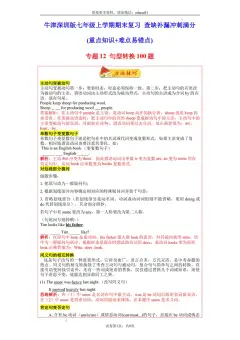
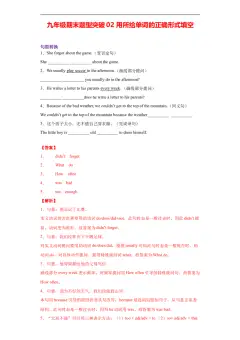
叁 What带名词,How带形副;划掉主谓看尾巴!
What 修饰名词;How 修饰形容词/副词
结构判断小技巧:去掉主谓,看剩下最后一个词!
✅ What 感叹句(中心词是名词)
三种句型
1. What + a/an + 形容词 + 可数名词单数 + 主语+谓语!
Whata beautiful flower it is! 多么漂亮的一朵花啊!
2. What + 形容词 + 可数名词复数 + 主语+谓语!
What lovely kids they are! 多么可爱的孩子们!
3. What + 形容词 + 不可数名词 + 主语+谓语!
What bad weather it is! 天气真糟糕!
✅ How 感叹句(中心词是adj./adv.形容词、副词)
1. How + 形容词 + 主语+谓语!
How beautiful the flower is! 这朵花好美!
2. How + 副词 + 主语+谓语!
Howfast he runs! 他跑得好快!
把句尾的主语+谓语(it is / they are / he runs)划掉:
• 剩下是名词 → 用What
• 剩下是形容词/副词 → 用How
• What a nice book it is!
去掉it is → a nice book(名词短语)✅What
• How nice the book is!
去掉the book is → nice(形容词)✅How
拓展:疑问词 What / How
1. What do you think of sth?
你认为……怎么样?(问对事物看法)
= How do you like sth?
2. 其他疑问搭配
• What…for? 为了什么(问目的)
• How + 形容词/副词(感叹)
一、表达意愿和意图及喜好类
like
1.like to do sth
想去做某事。“He doesn't like to swim now.”
2.would like to do sth
想要做某事。“Would you like to go rowing with me?”
3.would like sb to do sth
想要某人做某事。“I'd like you to stay with me tonight.”
4.feel like doing sth
想要做某事。“I feel like eating bananas.”
5.like doing sth
喜爱做某事。“Jim likes swimming.”
want
1.want to do sth
想做某事。“I want to go to school.”
6.want sb to do sth
想让某人做某事。“I want my son to go to school.”
二、使役动词类
make
1.make sb sth
为某人制造某物。例如“My father made me a kite.”
2.make sth for sb
为某人制造某物。例如“My father made a kite for me.”
3.make sb do sth
使某人做某事。如“His brother often makes him stay in the sun.”
let
1.let sb do sth
让某人做某事。例如“Let him enter the room.”“Let him not stand in the rain.”
have
1.have sb do sth
使某人做某事。例如“You shouldn't have the students work so hard.”
三、询问情况类
1.what to do
做什么。如“We don't know what to do next.”
2.What's the matter with sb/sth?
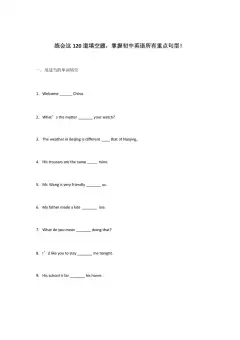
某人/某物出什么毛病了?例如“What's the matter with your watch?”
3.What do you mean by doing sth?
你做……是什么意思?例如“What do you mean by doing that?”
四、地点描述类
1.be near to sp.
离某地近。如“The hospital is near to the post office.”
2.be far from sp.
离某地远。例如“His school is far from his home.”
五、擅长与友好类
1.be friendly to sb
对某人友好。
如“Mr.Wang is very friendly to us.”
2.be good at sth/doing sth.
擅长某事/做某事。
如“We are good at English.”“They are good at boating.”
六、欢迎类
welcome to sp.
欢迎来到某地。例如“Welcome to China.”
七、花费表达类
1.sb spends some time/money on sth.
某人花一些时间/钱在某事/物上。如“Jim spent 1000 yuan on the bike.”
2.sb spends sometime/money(in)doing sth
某人花一些时间/钱做某事。例如“I spent twenty years (in) writing the novel.”
3.sb pays some money for sth.
某人为某物付了一些钱。如“Jim paid 1000 yuan for the bike.”
4.sth costs sb some money.
某物花了某人一些钱。例如“The bike cost Jim 1000 yuan.”
八、计划与打算类
be going to do sth
表示有计划地打算做某事,如“We are going to study in Japan.”
九、称呼与感谢类
1.call AB
用于给人或事物命名,像“They called the village Gumtree.”
2.What..for?
用于询问做某事的原因,例如“What do you learn English for?”
3.thank sb for sth/doing sth
表达对某人做某事的感激之情,例如“Thank you for your help/helping me.”
十、提议与比较类
1.How/what about doing sth?
用于提出建议,如“How about going fishing?”
2.S+be+the+最高级+of/in短语
用于比较多个事物中的最高程度,例如“Lucy is the tallest in her class.”
3.S+be+比较级+than any other+n
强调在特定范围内的比较,例如“Lucy is taller than any other student in her class.”
十一、必须与最好类
1.have to do sth
表示客观上不得不/必须做某事,例如“I have to go home now.”
2.had better do sth
提出建议,意为“最好做某事”,如“You'd better study English hard.”
3.had better not do sth
给出否定建议,即“最好别做某事”,例如“You'd better not stay up.”
十二、帮助类
1.help sb to do sth
help后接带to的不定式,意为“帮助某人做某事”,例如“Lucy often helps Lily to wash her clothes.”
2.help sb do sth
help后直接接动词原形表达“帮助某人做某事”,如“He usually helps me learn English.”
3.help sb with sth
接具体事物,表示在某方面帮助某人,例如“I sometimes help my mother with the housework.”
十三、时间与地点类
1.make it + 时间
用于确定时间,如“Let's make it 8:30.”
2.take sb to sp.
表示带某人去某个地方,例如“Mr.Wang will take us to the Summer Palace next Sunday.”
十四、感叹与感受表达类
1.What + adj.+ pl./[u] + 主 + 谓!
对复数名词或不可数名词的状态等发出感叹,如“What bad weather it is today!”
2.find it + adj.+ to do sth
表达做某事时的难易等感受,it作形式宾语,例如“I find it hard to speak English well.”
十五、记忆相关类
1.forget to do sth
强调忘了去做原本该做却没做的事,例如“I forgot to turn off the lights.Could you go back and shut them off?”
2.forget doing sth
指忘记已经完成的动作,像“I forgot turning off the lights.Look,it is dark in the room.”
3.remember doing sth
说明记得已经做过的事,例如“I remembered returning your money.You are so forgetful.”
4.remember to do sth
用于提醒要去做还没做的事,比如“Remember to bring me some money tomorrow.”
十六、需求与索取类
1 ask sb for sth
表明向他人索要东西的行为,例如“They often ask me for money.”
2 need to do sth
强调有做某事的必要,像“You need to study hard.
3 need sth
直接说明对某物的需求情况,例如“I don't need your money.”
十七、物品使用与传递展示类
1.use sth to do sth
体现物品的用途,如“We use pens to write.”
2.show sb sth 与 show sth to sb
都表示“给某人看某物”,可互换使用,例如“Please show me the map.”和“Please show the map to me”。
3.pass sb sth 与 pass sth to sb
都意为“把某物递给某人”,可相互替换,像“Pass me the cup of tea.”和“Pass the cup of tea to me.”
4.buy sb sth 与 buy sth for sb
都意味着“为某人买某物”,例如“Mother bought me a bike.”和“Mother bought a bike for me.”
5.give sb sth 与 give sth to sb
都表示“把某物给某人”,如“Jim gave me an English dictionary.”和“Jim gave an English dictionary to me”。
十八、到达某地类
get to sp.、arrive at/in sp.、reach sp.
都表示“达到某地”,“get to”通用,“arrive at”用于小地点,“arrive in”用于大地点,“reach”直接接地点,例如描述到达北京时都能用。
十九、期望与评价类
1.hope to do sth
表达内心期望做某事,例如“I hope to see you soon.”
2.How do you like sth? 与 What do you think of sth?
都用于询问对方对某事的看法,比如询问对北京的评价时可用。
二十、行为动作开始、完成与喜好类
1.start doing sth
侧重开始持续做的动作,像描述学习英语等情况。
2.start to do sth
侧重开始去做某个动作,例如开始看电视等情况。
3.finish doing sth
表明完成某一动作,例如“I finished cleaning my car just now.”
4.enjoy doing sth
体现对做某事的喜爱,如“They all enjoy living and working in China.”
二十一、动作停止与继续类
1.stop to do sth
意为停下正在做的事,转而去做另一件事,例如“He stopped to talk with Mary when she entered the office.”
2.stop doing sth
指停止当时正在进行的动作,像“The students stopped talking when the teacher came in.”
3.go on doing sth
强调休息或中断后接着做之前的同一件事,例如“He went on reading after a short rest.”
4.go on to do sth
表示做完一件事后接着做另一件不同的事,如“He went on to read after finishing wash the dishes.”
5.go on with sth
侧重继续之前进行的事,例如“He went on with his work after a short rest.”
二十二、感官动词类
1.watch/see/hear sb do sth
强调看到、听到动作的全过程,比如“I saw you pick an apple just now.”
2.watch/see/hear sb doing sth
侧重看到、听到等动作正在进行,例如“I saw you playing basketball with your classmates on the playground then.”
二十三、日常行为表达类
1.say hello/goodbye to sb
用于与人打招呼或告别场景,像“I came to say goodbye to you.”
2.be busy doing sth
表明正在忙于做某件事,例如“They are busy planting trees on the hill.”
3.be interested in sth
体现对某事物的兴趣,例如“We are all interested in English.”
4.tell sb to do sth
表达让别人去做某事,比如“Mother told me to go shopping with her.”
5.ask sb to do sth
是邀请别人做某事,例如“Jim ask me to go rowing with him.”
6.call/ring sb up
说明打电话的行为,如“I will call you up tomorrow.”
7.be ready to do sth
表示做好准备去做某事,例如“We are ready to have lunch.”
8.go doing sth
用于提议去做某项活动,像“Let's go fishing”
9.prefer(doing)A to(doing)B
体现对不同事物或行为的偏好,例如“Lucy prefers English to French.比起法语来,我更喜欢英语。I prefer staying at home to going to the cinema.”
二十四、其他类
1.what else…
用于询问还有其他事物的情况,例如“What else do you want to buy?”
2.forget doing sth
再次强调忘记做过的事(已做),如之前提到的相关例句。
3.have nothing to do(with sb)
表明某事与某人无关,例如“That has nothing to do with me.”
4.主语+don't think + 从句
表示否定的看法,例如“I don't think it will rain tomorrow.”
5.It's + adj.+ for sb to do sth
强调做某事对某人的影响,如“It is lucky for you to go to London.”
6.How + adj./adv.+ 主 + 谓!
用于感叹形容词或副词,例如“How beautiful the flower is!”
7.what + a/an + adj.+ [c] + 主 + 谓!
用于感叹可数名词,例如“What an beautiful flower it is!”