ARTICLE · 1460123
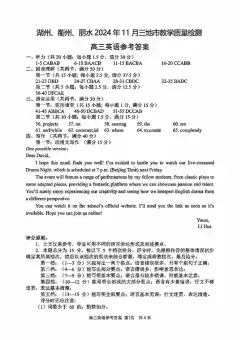
26年4月湖衢丽二模应用文语料
一、文章架构
(一)开头部分Opening
写信目的 + 引出话题
State the purpose + introduce the topic
(二)正文部分Body
1. 描述具体情况——时间、地点、行为、影响(感官细节)
Describe the specific situation – time, place, behavior, impact (sensory details)
2. 提出建议——具体可行的改进措施
Offer suggestions – specific and feasible improvement measures
(三)结尾部分Conclusion
表达期望 + 礼貌收尾
Express expectation + polite closing
二、主题语料库
(一)现象描述
1. 感官类词汇
嗅觉
strong smell / greasy smell / sweet scent / pungent odor 浓烈气味/油腻味/甜味/刺鼻气味
听觉
crunching / munching / rustling of packages / loud chewing 嘎吱声/咀嚼声/包装袋窸窣声/大声咀嚼
视觉
snack wrappers / crumbs on desks / sticky floors / empty bottles 零食包装/桌上碎屑/黏糊糊的地板/空瓶子
触觉
greasy desks / sticky surfaces 油腻的桌面/黏糊糊的表面
2. 时间/地点表达
during class / between classes / during the break 上课期间/课间/休息时间
while the teacher is writing on the blackboard 老师在黑板上写字时
at the back of the classroom / near the windows 教室后排/靠窗位置
on the desks / on the floor / under the chairs 课桌上/地板上/椅子下
3. 具体行为
eating chips / biscuits / instant noodles 吃薯片/饼干/方便面
drinking sodas / milk tea / energy drinks 喝汽水/奶茶/能量饮料
unwrapping loudly 大声拆包装
leaving empty packages on the desk 把空包装留在桌上
dropping crumbs on the floor 把碎屑掉在地上
4. 示例句子
(1) During class, some students secretly eat chips or biscuits, making crunching noises that distract those around them.
上课时,有些同学偷偷吃薯片或饼干,发出的嘎吱声打扰了周围的同学。
(2) I often see snack wrappers left on desks and crumbs scattered on the floor after class.
我经常看到课后课桌上留着零食包装,地板上散落着碎屑。
(3) The smell of instant noodles and spicy snacks sometimes fills the classroom and lingers for the whole period.
方便面和辣条的气味有时弥漫整个教室,持续一整节课。
(4) Just yesterday, I saw someone drinking soda in the back row — and the bottle was later found rolling under a desk, half full.
就在昨天,我看到有人在后排喝汽水——后来那个瓶子半满着滚到了桌子底下。
(二)问题分析
1. 影响
distract others / break concentration 打扰他人/打断注意力
create an unpleasant learning environment 造成不愉快的学习环境
attract pests (ants, cockroaches) 吸引害虫(蚂蚁、蟑螂)
make the classroom dirty and sticky 让教室又脏又黏
affect the learning atmosphere 影响学习氛围
disrespectful to teachers and classmates 对老师和同学不尊重
2. 示例句子
(1) Snacking in class not only distracts the eaters themselves but also disrupts those trying to focus.
在课堂上吃零食不仅让吃的人分心,也打扰了想要集中注意力的同学。
(2) Leftover crumbs and wrappers attract ants and cockroaches, making our classroom unhealthy.
残留的碎屑和包装会吸引蚂蚁和蟑螂,让我们的教室不卫生。
(3) The strong smell of certain foods can be really unpleasant, especially in a small, enclosed space like a classroom.
某些食物的浓烈气味真的让人不舒服,尤其是在教室这样狭小的封闭空间里。
(4) What bothers me most is that some students don’t even clean up after themselves — they simply leave the mess for others.
最让我困扰的是,有些同学甚至不自己清理——他们就把烂摊子留给别人。
(三)提出建议
1. 规则与约定
set a rule: no eating in the classroom 制定规定:教室内禁止吃东西
allow snacks only during breaks 只允许在课间吃零食
limit certain types of food (e.g., no strong-smelling food) 限制某些类型的食物(如禁止有浓烈气味的食物)
designate eating areas (e.g., cafeteria, outdoor benches) 划定进食区域(如食堂、室外长椅)
2. 自律与监督
raise awareness among students 提高学生的意识
encourage students to clean up after themselves 鼓励学生自己清理
assign classroom duty for cleaning 安排值日打扫
let classmates remind each other kindly 让同学互相善意提醒
3. 设施改进
place more trash bins in the classroom 在教室放置更多垃圾桶
provide hand wipes or cleaning supplies 提供湿巾或清洁用品
install a snack shelf outside the classroom 在教室外设置零食架
4. 示例句子
(1) I suggest that our school set a clear rule: no eating during class. Snacks should only be consumed during breaks or in designated areas.
我建议学校明确规定:上课期间禁止吃东西。零食只应在课间或指定区域食用。
(2) If students want to eat during break, they could go to the cafeteria or the benches outside — places where eating is allowed and cleaning is easier.
如果学生想在课间吃东西,他们可以去食堂或外面的长椅——那些地方允许吃东西,也更容易清理。
(3) Raising awareness is also important. A friendly reminder like “Please clean up after yourself” can go a long way.
提高意识也很重要。一句友善的提醒,比如“请自己清理干净”,能起到很大的作用。
(4) I also think placing more trash bins in the classroom would make it easier for students to dispose of their waste properly.
我还认为在教室里多放几个垃圾桶,可以让学生更方便地处理垃圾。
(四)开头结尾
1. 开头常用表达
I’m writing to share a common scene on campus. 我写信是想分享校园里的一个常见现象。
I’m writing to draw attention to a problem that bothers me. 我写信是想引起对一个困扰我的问题的关注。
I’d like to bring up an issue that affects our learning environment. 我想提出一个影响我们学习环境的问题。
2. 结尾常用表达
I hope this issue can be addressed soon. 希望这个问题能尽快得到解决。
I look forward to seeing improvements. 我期待看到改善。
Thank you for your attention. 谢谢您的关注。
3. 示例句子
(1) I’m writing to draw attention to a problem that bothers me: snacking in the classroom.
我写信是想引起对一个困扰我的问题的关注:在教室里吃零食。
(2) I hope my suggestions will be considered and that we can work together to create a cleaner, more focused learning environment.
希望我的建议能被考虑,我们能够一起创造一个更干净、更专注的学习环境。