夜雨聆风
夜雨聆风在AI技术日新月异的今天,当机器可以模仿文字的形式、整合现有的知识,我们要给孩子怎样的语文教育?这个问题,也是爱迪小学语文课程一直在回应的命题。
我们相信,越是AI加速的时代,越需要培养那些技术最难模仿的能力——不是更快地获取答案,而是更深地理解世界;不是更多地输出文字,而是更真地表达自我。
爱迪学校小学部语文课程以“夯实国家课程根基,成就语文核心素养”为核心理念,严格遵循部编版语文教材,确保每一位学生都能达到国家规定的学业质量标准。我们不仅教授语言,更培育思维;不仅传承文化,更激发创新。

国家课程是我们教学的基石。我们严格遵循部编版语文教材的编写理念和教学要求,确保每一位学生都能达到国家规定的学业质量标准。
我们的教学目标明确、内容规范、评价科学,为孩子的语文学习打下坚实基础。我们的语文课程超越传统语文教学,聚焦学生综合素养的全面提升,重点培养以下四项关键能力:
1.语言建构与运用能力:
夯实国家课程基础,在真实语言情境中积累、梳理和整合知识,培养规范、准确、得体的语言表达习惯,为终身学习奠定坚实基础。
2. 思维发展与提升能力:
引导学生不盲从、不轻信,在文本解读中学会质疑、论证与反思,培养逻辑思维、批判性思维和创造性思维,形成独立见解。
3. 审美鉴赏与创造能力:
在经典诗文的浸润中感受语言之美、意境之美、情感之美,培养审美情趣,激发文学创作的热情与能力。
4. 文化传承与理解能力:
深入中华经典,理解中华文化的核心价值,建立文化自信,同时具备开放包容的文化视野,尊重世界文明多样性。

在回答“教什么”之前,我们先要明确:语文教育不是单一的知识灌输,而是一个立体的能力培养系统。
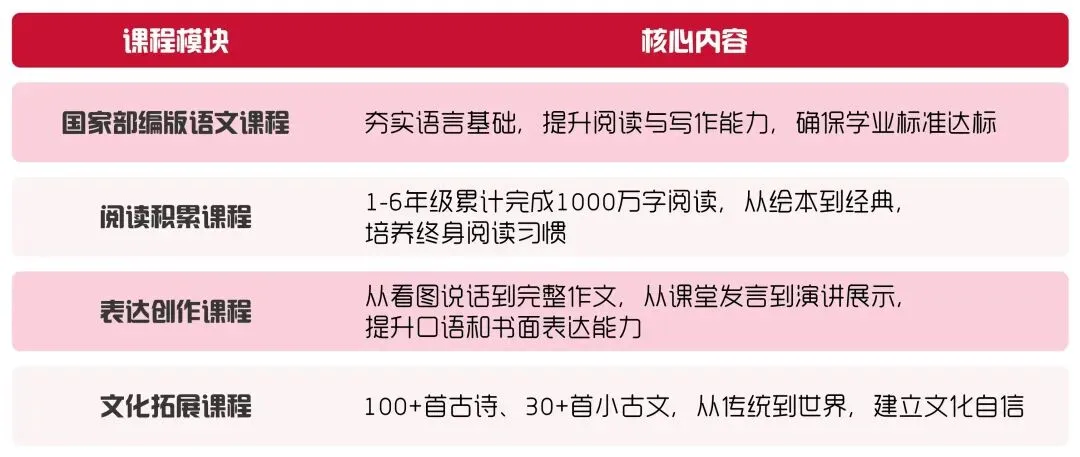
爱迪小学语文的课程围绕语文核心素养,分四大核心模块展开,以国家课程为根基,以素养培养为目标:
01
国家部编版语文课程
夯实根基,确保学业标准,国家课程是我们教学的基石。我们严格遵循部编版语文教材的编写理念和教学要求,确保每一位学生都能达到国家规定的学业质量标准。在此基础上,我们注重:
• 识字与写字:1-6年级累计认识3000个左右常用汉字,会写2500个左右,养成良好的书写习惯,感受汉字的形体美。
• 阅读与鉴赏:培养学生广泛的阅读兴趣,扩大阅读面,增加阅读量,1-6年级累计完成1000万字阅读目标。
• 表达与交流:从看图说话到完整作文,从课堂发言到演讲展示,循序渐进提升口语和书面表达能力。
• 梳理与探究:引导学生掌握基本的学习方法,培养自主学习能力,形成良好的语文学习习惯。
02
阅读积累课程,千卷阅读,沉淀文化
阅读是语文学习的基础。我们设定了一个宏伟目标:1-6年级累计完成1000万字阅读。这个数字不是凭空而来,而是通过科学的阅读体系一点一滴累积起来的:
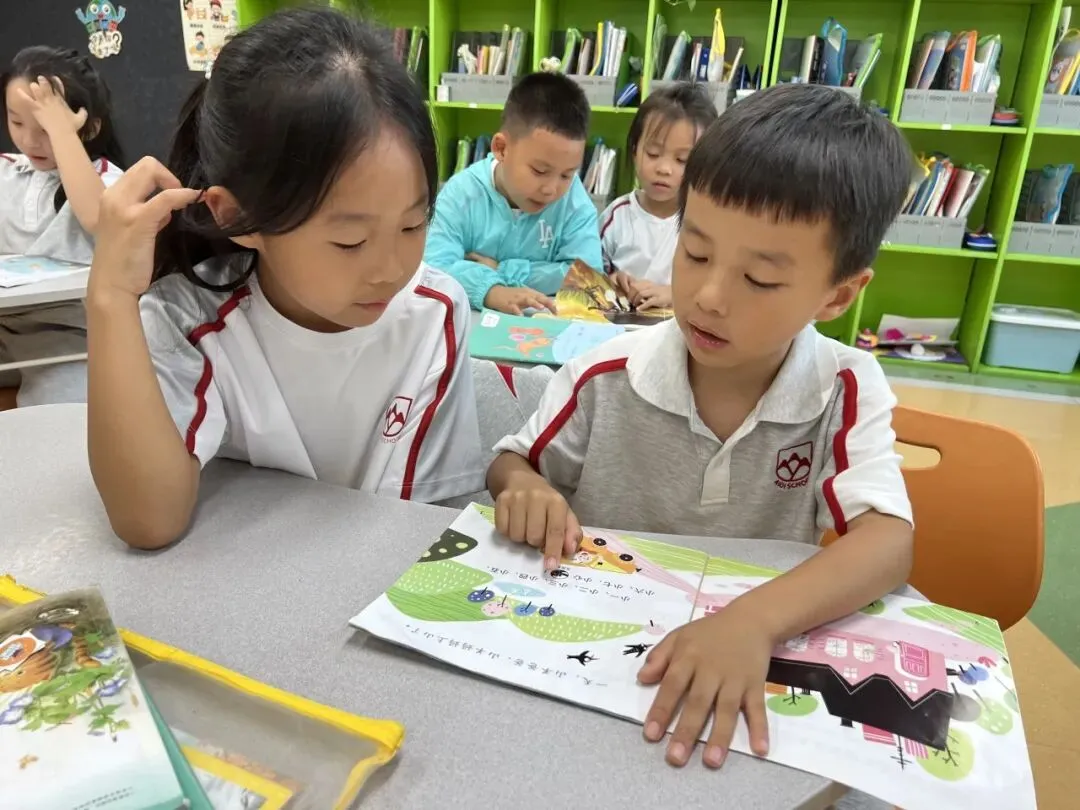
• 每天:晨读时光(8:10)、午间书香角(12:40),让阅读成为日常习惯
• 每周:专属阅读时光,保证深度阅读时间
• 每学期:班级文集编撰,让学习有节奏、有成果
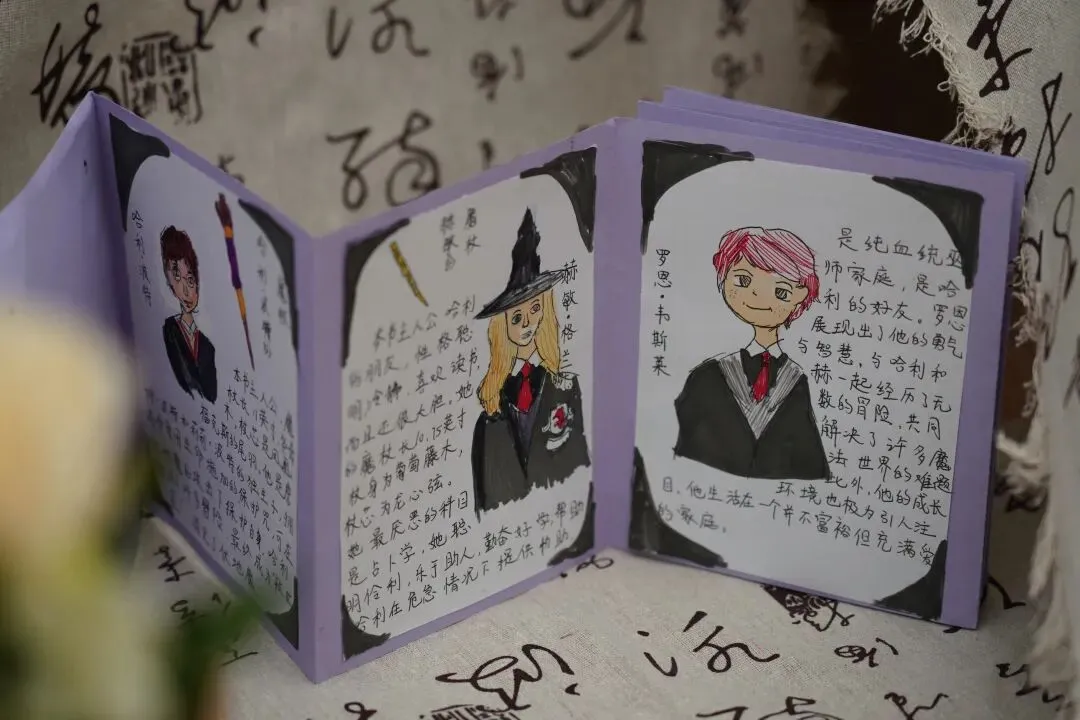
从绘本到整本书,从故事到经典,我们使用“Reading Bingo读书卡”记录孩子的阅读轨迹。每读完一本书,孩子会在卡片上郑重贴上书名贴,那些小小的贴纸拼起的是孩子精神世界的版图。
03
表达创作课程:从模仿走向原创
语文不只是“读进来”,更要“说出去”“写出来”。从低年级的看图说话、日记写作,到高年级的演讲分享、主题创作,我们鼓励孩子用自己的语言表达真实的感受,用自己的文字讲述独特的故事。
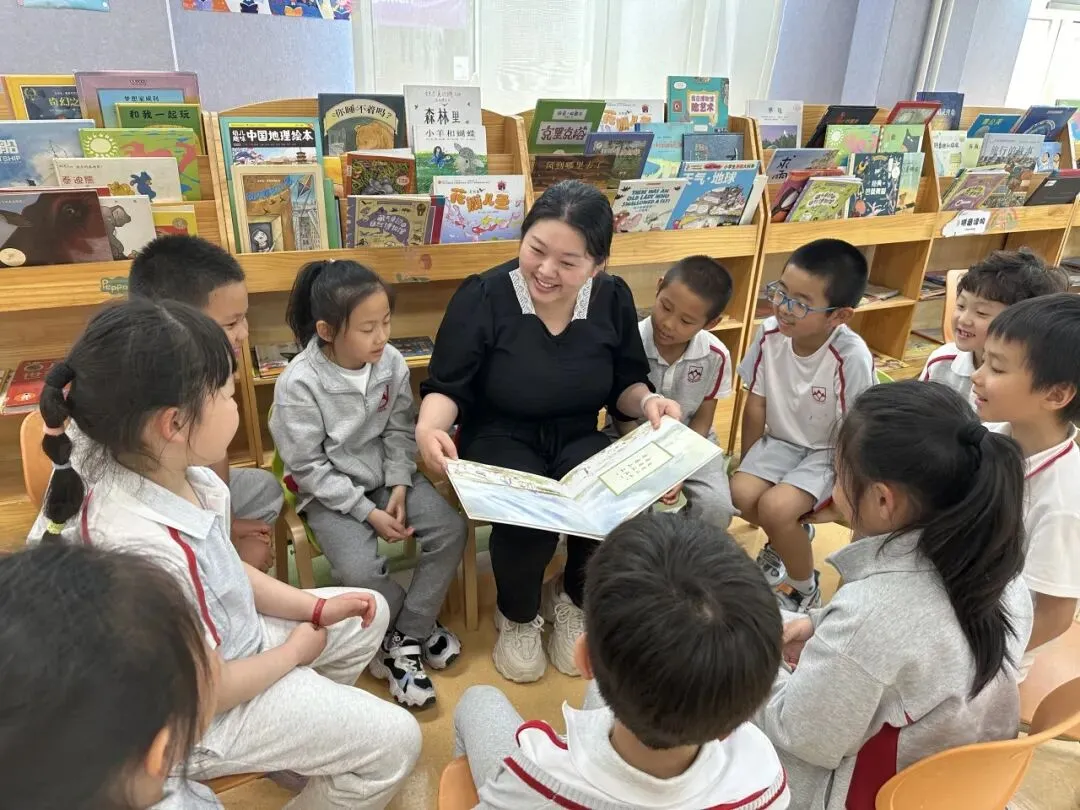
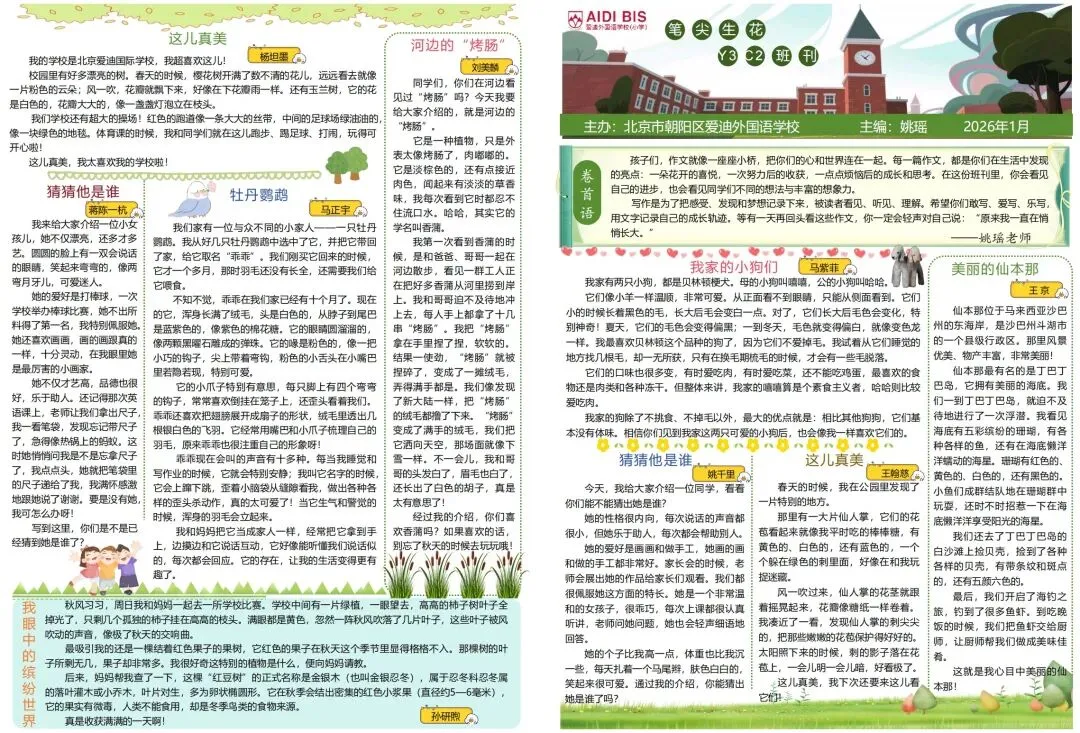
通过“阅读之星”分享活动、班级文集编撰等形式,让孩子从“读懂别人的故事”到“讲出自己的故事”。班级文集的主题如《如果______会说话》,孩子会写《如果粉笔会说话》《如果操场会说话》,把六年的校园记忆转化为文字表达。
04
文化拓展课程:从背诵走向理解
从低年级开始,孩子会接触大量经典诗文,但我们不只要求背诵,更希望他们在不同年龄段能理解不同层次的含义——从韵律感知到文化理解,再到价值思辨。
• 100+首古诗:涵盖各朝代经典,感受中华诗词之美
• 30+首小古文:接触先秦诸子、唐宋八大家等经典篇目
• 每学期2次传统文化主题研究课:围绕清明、端午、中秋等传统节日展开深度探究
• 每学期1个专项中外文化对比研究项目:围绕建筑,风俗,美食,文化等不同主题展开探索之旅
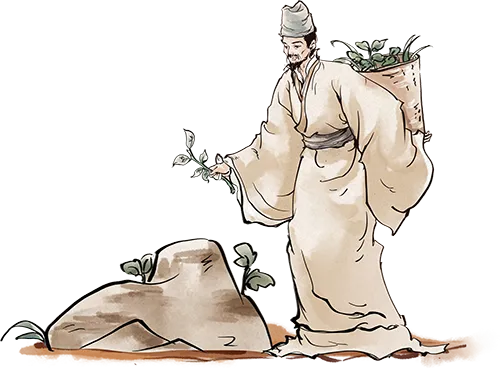
当孩子春游时看到湖边柳树,能脱口而出“碧玉妆成一树高,万条垂下绿丝绦”,诗句就不再是课本上的文字,而成了他真实感受世界的方式。

语文教育是一个立体的能力培养系统,在不同年龄段有不同的侧重点。一年级的孩子和六年级的孩子,对“阅读”的理解完全不同。
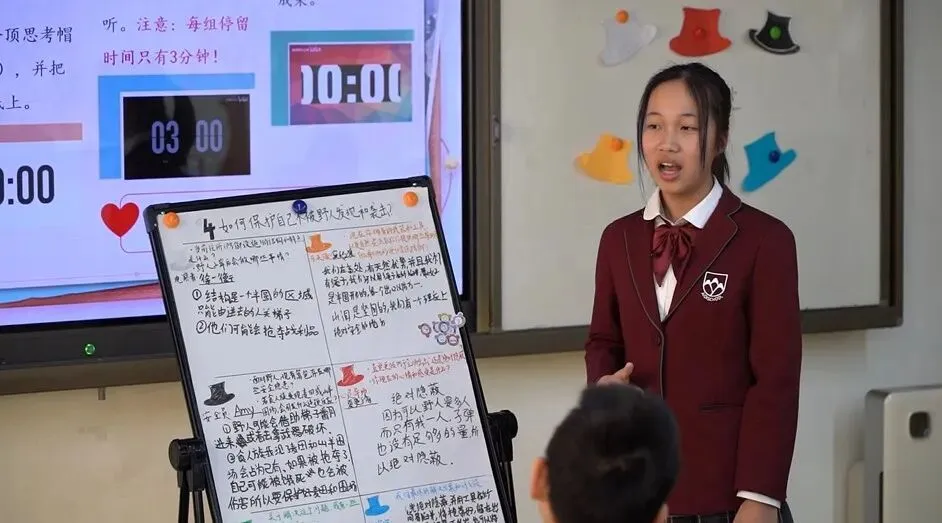
低年级(1-2年级):让阅读成为日常,种下对文字的热爱
一年级、二年级是语文学习的启蒙阶段,这个阶段的核心目标是建立阅读兴趣与习惯、培养语言感知能力、启蒙文化积累。低年级结束时,孩子将实现从“被动阅读”到“主动阅读”的转变,形成稳定的阅读习惯,建立对文字的亲近感和热爱。
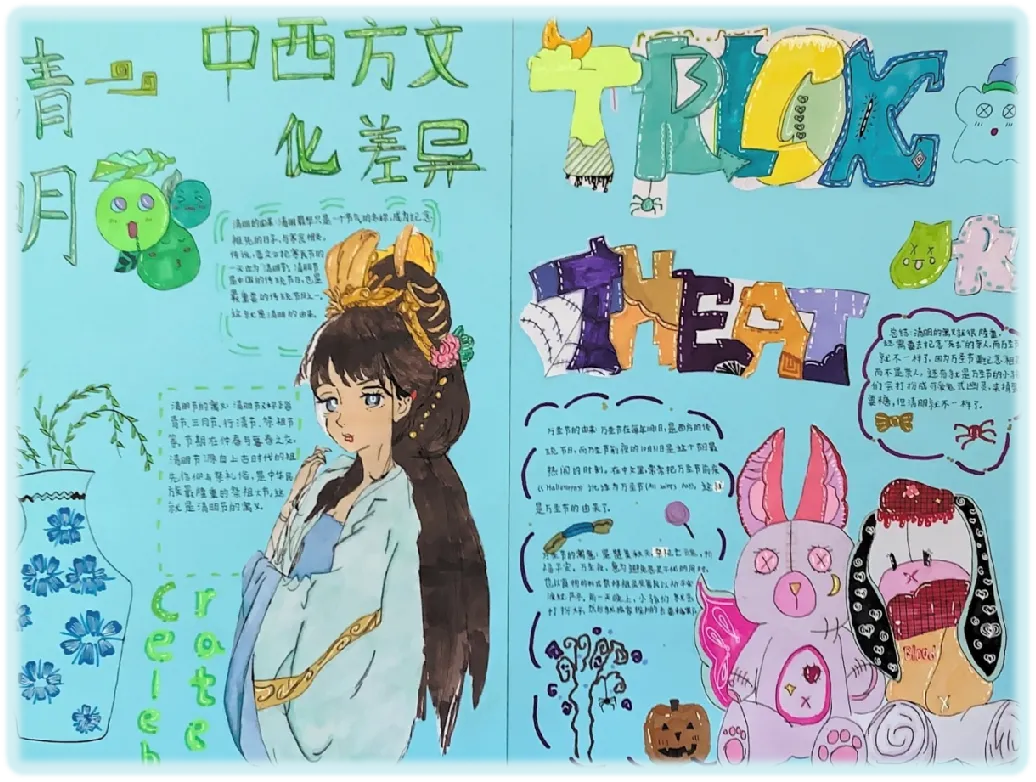
中年级(3-4年级):让孩子敢于质疑,学会思考
三四年级是孩子思维发展的关键期,这个阶段的核心目标是培养独立思考与质疑能力、提升深度阅读理解能力、深化文化理解与思辨素养。三年级开始,我们引入整本书共读,如《安徒生童话》《中国寓言故事》等经典作品,引导孩子深入理解人物、思考现实。中年级结束时,孩子将实现从“接受答案”到“提出问题”的转变。
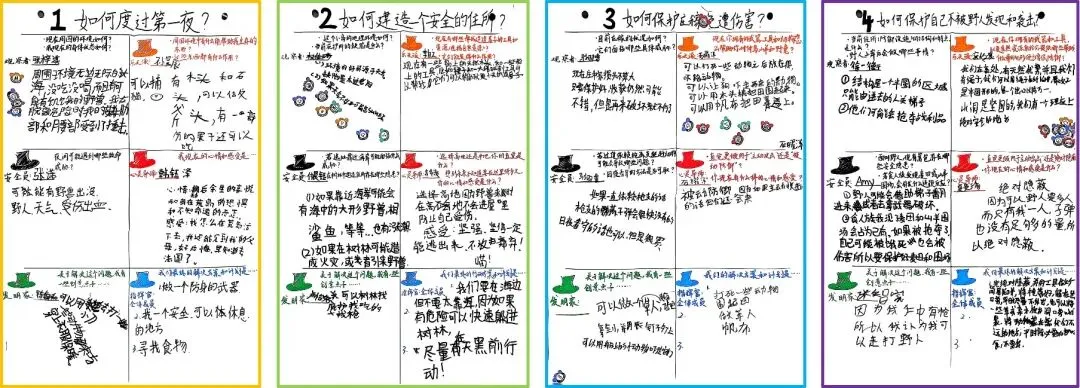
高年级(5-6年级):培养系统思考,实现能力输出
五六年级是小学语文学习的收官阶段,前五年的积累在这个阶段开花结果。核心目标是培养跨学科整合思维、提升独立表达与创作能力、建立深度文化自信。
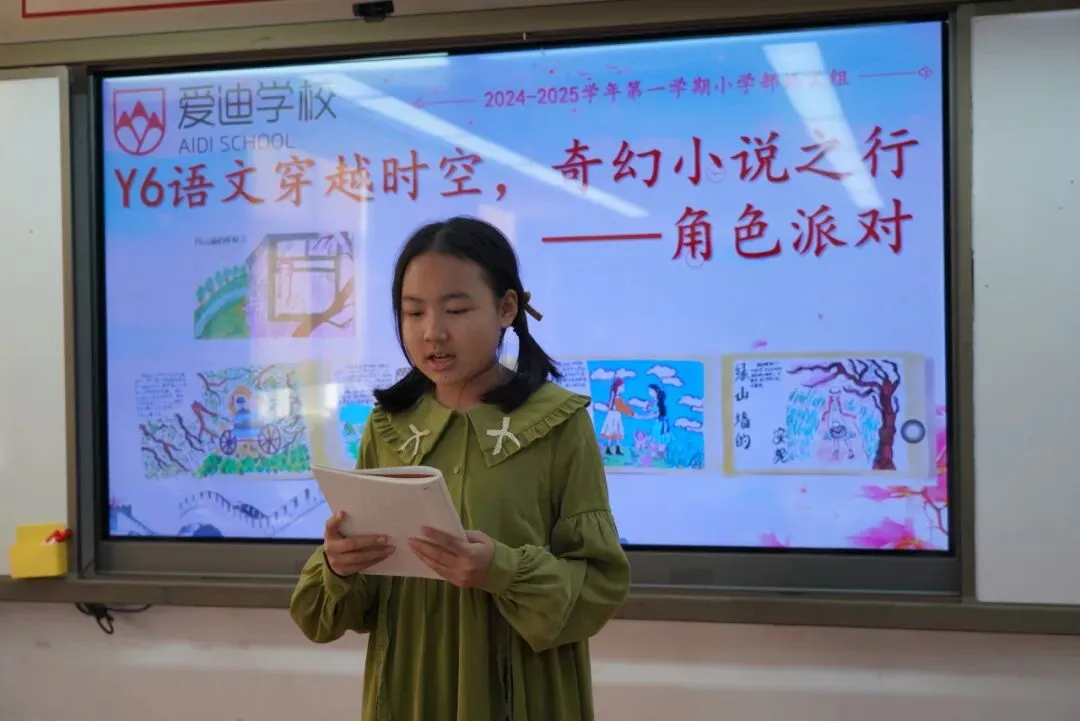
高年级不再满足于“读完一本书”,而是要求孩子真正读透一本书,并进行跨学科探究。高年级结束时,孩子将实现从“知识积累”到“能力输出”的转变。

我们坚信,教育的成果应被记录、被看见、被传承。为此,中文组打造了多项成果展示平台:
《萌芽》优秀作文集(每学期出版)
每学期精选学生精修作文,涵盖记叙、议论、创意写作等多种文体。学生从初稿到终稿经历多轮打磨,不仅提升写作技巧,更学会如何用文字表达思想与情感。
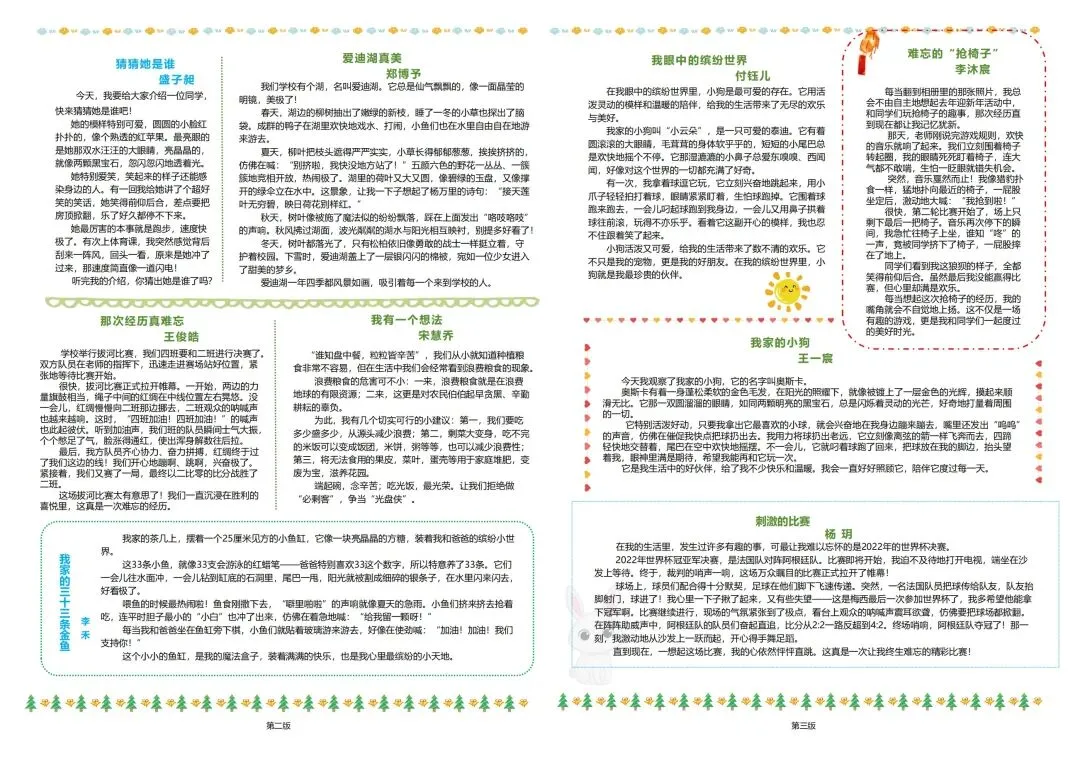
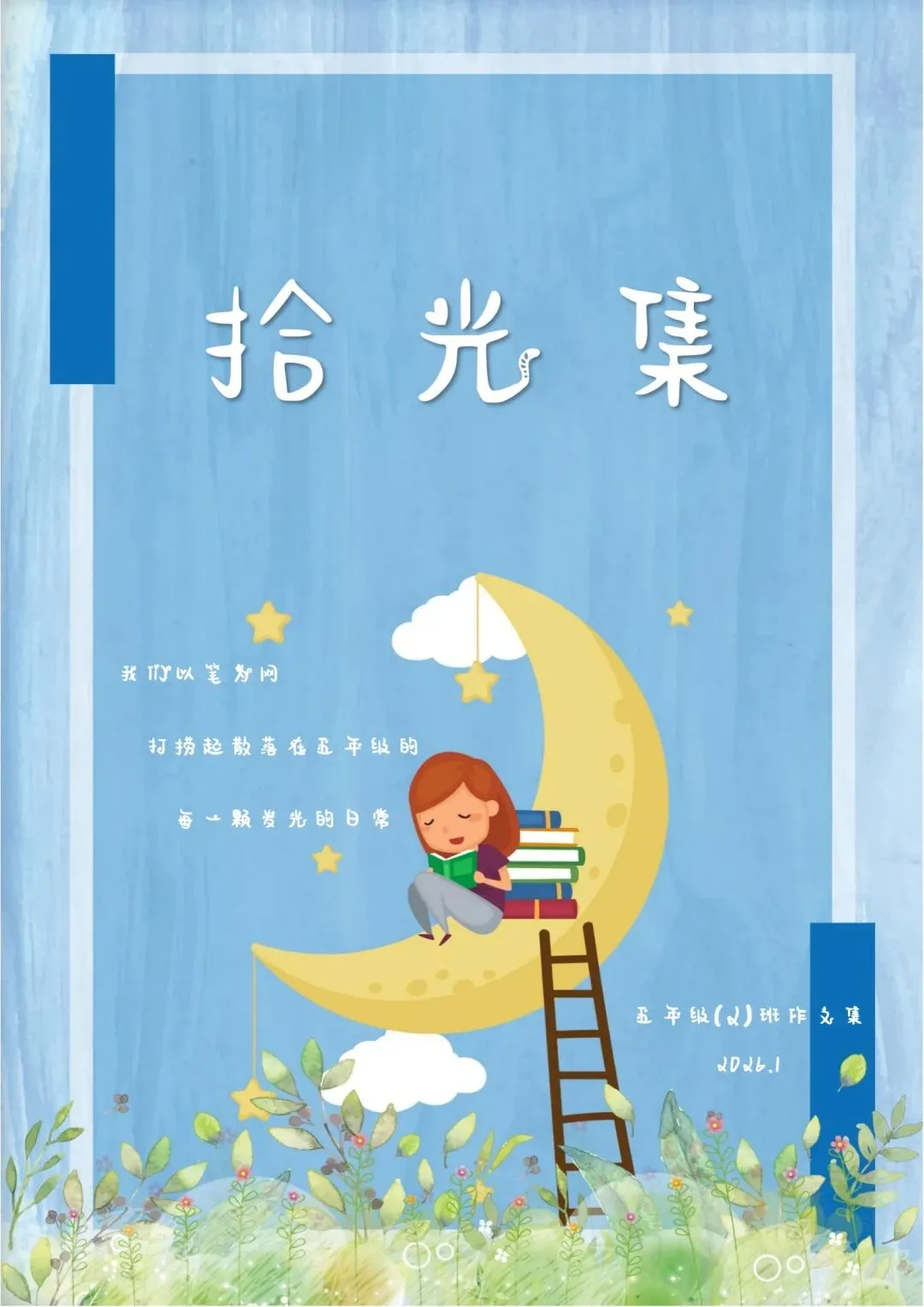
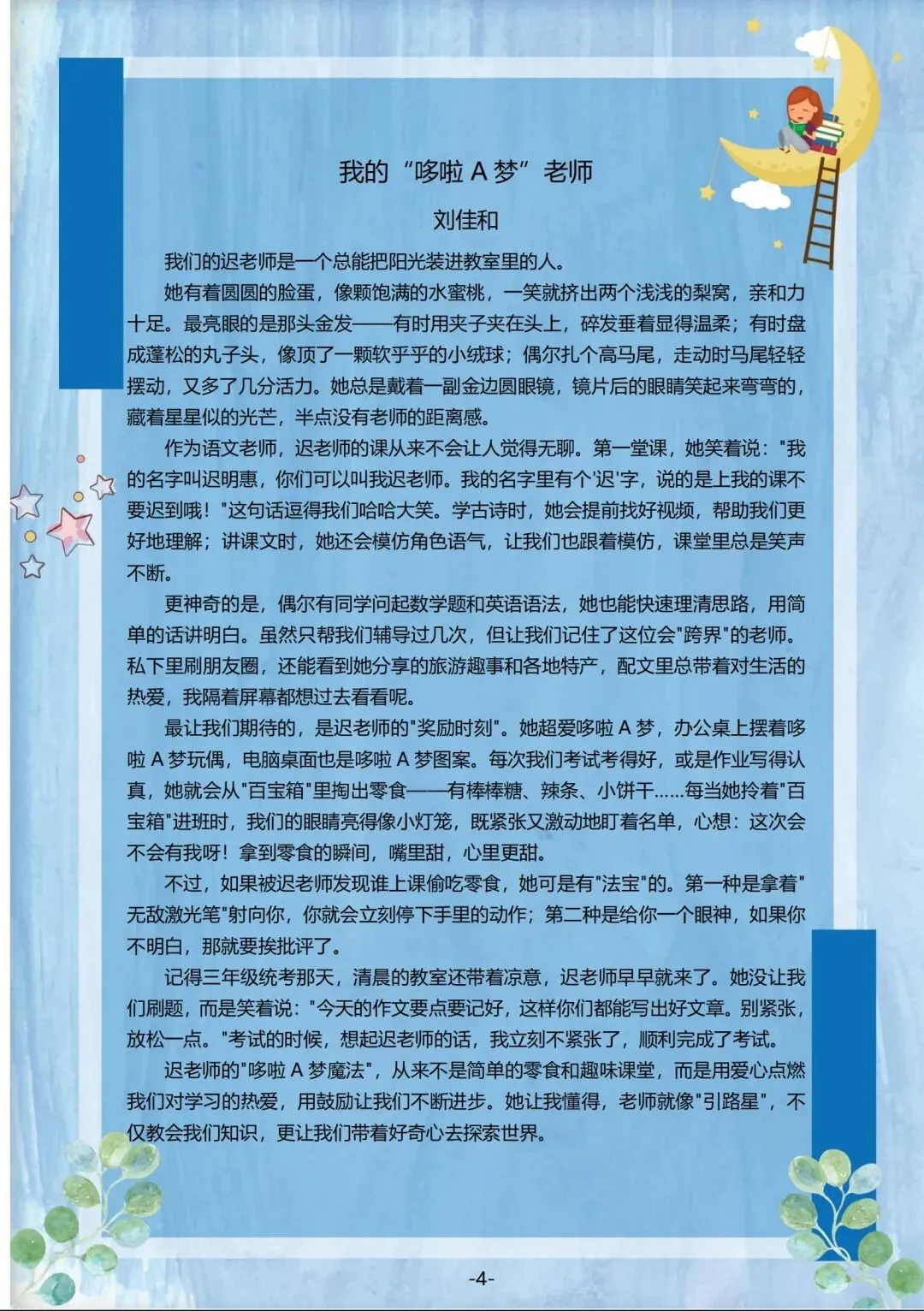
班级文集/简报(每学期编撰)
每个班级每学期都会编撰属于自己的文集,记录孩子们的成长足迹。从主题确定到稿件征集,从排版设计到印刷成册,学生全程参与,体验完整的出版流程。
传统文化研究成果
每学期PBL课程,学生通过查阅资料、实地调研、小组讨论等方式,完成研究报告、手抄报、PPT展示等多样化成果,在探究中建立独立思考的能力。

课程不止于教室。我们通过丰富多彩的特色活动,将课堂所学转化为沉浸式体验:
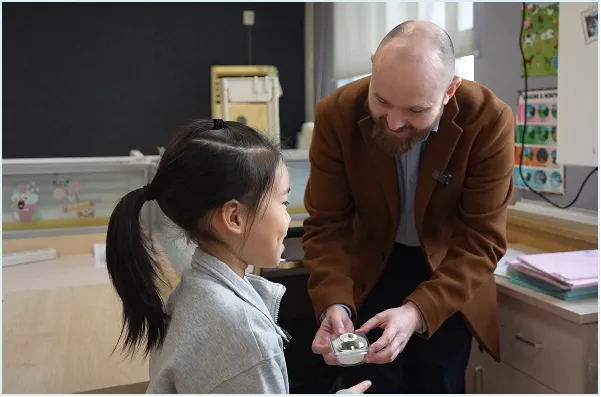
• 经典诵读大赛:每年举办,让学生在声情并茂的朗诵中感受经典诗文的魅力
• 读书分享会:“阅读之星”分享活动,让学生从“读懂别人的故事”到“讲出自己的故事”
• 传统文化体验日:结合清明、端午、中秋等传统节日,开展诗词吟诵、习俗体验等活动
• 跨学科项目学习:如读完《鲁滨逊漂流记》后绘制“漂流路线图”,调动地理、历史、美术等多学科知识

• 国家课程扎实落地:严格遵循部编版教材,确保学业标准达标,为孩子的语文学习打下坚实基础
• 阅读体系科学完善:1000万字阅读目标,从绘本到经典,循序渐进培养阅读习惯
• 文化传承深入浅出:100+首古诗、30+首小古文,从背诵到理解,建立文化自信
• 能力导向素养为本:每一节课都指向思维训练与素养提升,拒绝“死记硬背”
• 成果可视化成长可追踪:从作文集到班级文集,从读书卡到研究报告,孩子的进步有迹可循
• 教师团队专业且富有热情:中文组教师兼具深厚国学功底与国际教育视野,持续研发课程,陪伴学生成长
在这个AI加速的时代,有些东西反而更需要慢慢来——
比如,一本好书在心灵上留下的温暖印记;比如,一个问题从萌芽到绽放的思考过程;比如,一个生命通过文字,与更广阔世界产生的深刻共鸣。
AI能模仿文字的形式,却无法复刻文字里的情感;能解答既定的问题,却无法生出对世界的追问;能整合现有的知识,却无法拥有与世界的深刻共鸣。而这些,正是语文教育的核心,是我们希望孩子拥有的、不可替代的能力。
六年时间,从热爱到能力,这就是爱迪小学语文的样子。
In an age of rapidly advancing AI, what kind of Chinese language education should we offer our children? This is the question Aidi BIS has been exploring. We believe the faster AI evolves, the more we must nurture what it cannot replicate: not faster answers, but deeper understanding; not more output, but more authentic expression.
Guided by the principle of building a strong national curriculum foundation while developing core literacy, our program follows national textbooks and ensures every student meets required standards. We teach language, but more importantly, thinking. We pass on culture and inspire creativity.

The national curriculum is our cornerstone. We strictly follow the philosophy and requirements of the official textbooks to ensure every student meets national benchmarks. With clear objectives, structured content, and sound assessment, we lay a solid foundation while focusing on the development of four key competencies:
Language construction and application: Build a strong foundation within the national curriculum and learn to accumulate, organize, and integrate knowledge in authentic contexts, forming appropriate expression habits for lifelong learning.
2. Thinking development and enhancement: Guide students not to follow blindly or accept uncritically, but to question, reason, and reflect in text interpretation, developing logical, critical, and creative thinking.
3. Aesthetic appreciation and creation: Immerse in classical texts to experience the beauty of language, imagery, and emotion, cultivating aesthetic awareness and inspiring literary creativity.
4. Cultural understanding and inheritance: Engage deeply with Chinese classics, understand core cultural values, build cultural confidence, and develop an open, inclusive perspective that respects cultural diversity.

Before defining what to teach, we first recognize that language education is not simple knowledge delivery but a multidimensional system of ability development. Our curriculum is structured around four core modules, rooted in the national curriculum and aimed at core literacy:
National Chinese curriculum: Build a solid language foundation, strengthen reading and writing ability, and ensure academic standards are met.
Reading accumulation program: Achieve a cumulative goal of ten million characters from Grades 1 to 6, progressing from picture books to classics and fostering lifelong reading habits.
Expression and writing program: Progress from picture-based speaking to complete compositions, and from classroom participation to formal presentations, strengthening both oral and written expression.
Cultural enrichment program: Study over one hundred classical poems and more than thirty short classical prose texts, building cultural confidence from tradition.
(I) National Chinese Curriculum: Building Foundations, Meeting Standards
The national curriculum is the foundation of our teaching. We strictly follow the official textbooks to ensure every student meets required standards.
Literacy: By Grade 6, students recognize about 3,000 commonly used Chinese characters and can write about 2,500 of them, developing good writing habits.
Reading and Appreciation: We foster broad reading interests, expand reading scope, and increase reading volume, aiming for a cumulative total of 10 million words by Grade 6.
Expression and Communication: From picture-based speaking to essay writing, and from class participation to public speaking, we strengthen both oral and written expression skills.
Organizing and Inquiry: We guide students to master basic learning strategies, cultivate independent learning abilities, and form strong habits in Chinese language study.
(II) Reading Accumulation Program: Extensive Reading, Solid Foundations
Reading is the foundation of Chinese language learning. We have set an ambitious goal: 10 million cumulative words from Grade 1 to Grade 6. This number is built step by step through a well-designed reading system.
Daily: Morning reading (8:10) and noontime book corner (12:40) make reading a daily habit.
Weekly: Dedicated deep reading sessions.
Each semester: Class anthology compilation to give tangible outcomes.
From picture books to chapter books, from stories to classics, we use the "Reading Bingo" card to track each child's reading journey. After each book, the child pastes a title sticker on the card. Those small stickers, piece by piece, map out the child's inner world.
(III) Expression and Writing: From Imitation to Original Creation
Language learning is not only input but also output. From early picture-based speaking and journal writing to advanced speech sharing and thematic composition, students are encouraged to express genuine feelings in their own words and tell unique stories.
Through activities such as Reading Star sharing and class anthologies, they move from understanding others’ stories to telling their own, turning school memories into meaningful written expression.
(IV) Cultural Enrichment: From Memorization to Understanding
Starting from lower grades, students are exposed to a rich collection of classical Chinese texts. But we go beyond rote memorization to grasp different layers of meaning at different ages: from rhythmic perception to cultural understanding, and then to valuebased reflection.
100+ classical poems: Covering major dynasties to appreciate the beauty of Chinese poetry.
30+ short classical essays: Including works from preQin philosophers and the Tang and Song dynasties.
2 thematic cultural studies per semester: Deep dives into traditional festivals such as Qingming and MidAutumn.
1 crosscultural comparative study per semester: Exploring topics like architecture, customs, cuisine, and culture.
When a child on a spring outing sees a willow and recites a classical poem, it is no longer a line in a textbook. It becomes how he truly experiences the world.

Language education is a multidimensional system that develops progressively, with different focuses at each stage.
Lower Grades (1-2): Build daily reading habits and nurture a love for words.
Grades 1 and 2 are the foundation stage. Core goals: build reading interest and habits, develop language awareness, and begin cultural exposure. By the end of this stage, students transition from passive to active reading, forming stable habits and a genuine love for words.
Middle Grades (3-4): Encourage questioning and independent thinking.
Grades 3 and 4 are a critical period for cognitive development. Core goals: cultivate independent thinking and questioning skills, deepen reading comprehension, and strengthen cultural understanding and critical thinking. Starting from Grade 3, we introduce wholebook reading of classics like Andersen's Fairy Tales, guiding students to understand characters and reflect on real life. By the end, they transition from accepting answers to asking questions.
Upper Grades (5-6): Develop systematic thinking and creative output.
Grades 5 and 6 are the culminating stage of primary Chinese education. Core goals: foster cross-disciplinary thinking, enhance independent expression and creative skills, and build deep cultural confidence. At this stage, we move beyond simply "finishing a book" to truly understanding it and conducting cross-disciplinary exploration. By the end, students transition from knowledge accumulation to capability output.

We believe that educational outcomes should be recorded, seen, and passed on. The Chinese Department has therefore established several platforms for showcasing student work.
Sprouts Essay Collection
Published each semester, it features a curated selection of student essays covering narratives, arguments, and creative writing. Through multiple rounds of revision, students improve their writing skills and learn to express thoughts and emotions through words.
Class Anthology / Newsletter
Compiled each semester, each class creates its own anthology to document growth. From choosing themes to collecting submissions, and from layout design to printing, students participate in the entire publishing process.
Traditional Culture Research Projects
Through PBL each semester, students conduct research, fieldwork, and group discussions to produce reports, posters, and presentations, building independent thinking skills.

Learning extends beyond the classroom. We offer a range of signature activities that turn classroom knowledge into immersive experiences.
Classical Recitation Competition: Held annually, students recite classical texts to experience the charm of ancient poetry and prose.
Reading Sharing Sessions: Through the "Reading Star" program, students move from understanding others' stories to telling their own.
Traditional Culture Experience Days: Held during traditional festivals, featuring poetry recitation and hands-on cultural activities.
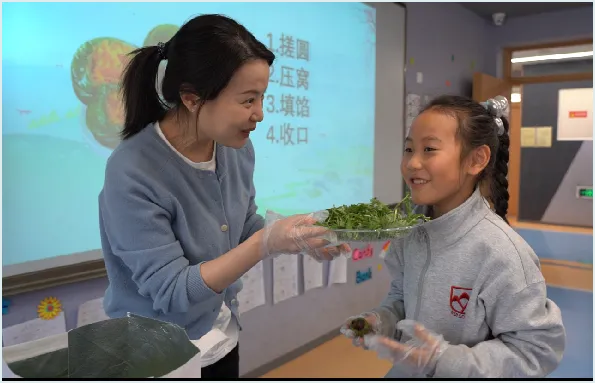
Cross-disciplinary Project Learning: For example, after reading Robinson Crusoe, students map his journey, applying knowledge from geography, history, and art.

• Strong national curriculum foundation: Strict alignment with official textbooks ensures academic standards and builds a solid base.• Structured reading system: A ten million character goal supports progressive habit formation from picture books to classics.• Deep cultural learning: Over one hundred classical poems and more than thirty prose texts support the shift from memorization to understanding.• Competency-driven approach: Every lesson focuses on thinking and literacy development rather than rote learning.• Visible and traceable growth: From writing collections to reading records and research outputs, progress is clearly documented.• Professional teaching team: Teachers combine strong classical foundations with an international perspective and continuously develop the curriculum.
In an AI-driven era, some things must unfold slowly: the quiet impact of a good book, the journey of a question from emergence to insight, and the deep resonance between language and life.
AI can imitate form but not emotion, answer questions but not generate curiosity, and organize knowledge but not create true understanding. These are the core of language education and the irreplaceable abilities we hope every child will develop.
Over six years, from interest to competence, this is Aidi BIS Chinese education.