 夜雨聆风
夜雨聆风
核心关键词:人工智能、高质量办公楼、工业、数据中心
除数据中心迎来大规模投资外,AI还将对其他各类商业地产产生连锁效应,未来十年,AI整体将为经济与企业发展带来正向作用;
在概率最高的基准情景下,地产需求增长主要集中在工业物业领域,尤其偏向适配高电力负荷的现代化物流及生产场地;
AI会加速办公楼领域本已出现的两极分化,市场需求将进一步向高品质、灵活适配型空间倾斜,高质量物业的空置率也会持续走低。
尽管外界普遍担忧人工智能(AI)会缩减商业地产需求,但最新报告指出,人工智能(AI)带来的生产力的提升,将催生更大的空间需求。
房地产服务机构戴德梁行的基准情景预测显示,未来十年,人工智能(AI)应用将推动美国工业、办公及零售地产需求增长约12%,新增面积约3.3亿平方英尺。报告撰写团队预估,该预测结果的准确率为50%。
戴德梁行首席经济学家、该报告合著者James Bohnaker表示,目前人工智能(AI)对经济的影响仍存在极大不确定性,各家企业及各大行业将如何落地应用人工智能也尚不明朗,上述预测正是在这一背景下得出的。
我们如今才刚刚看到人工智能(AI)带来的一些影响。除数据中心领域迎来大规模投资外,人工智能(AI)还将对其他各类商业地产产生连锁效应。
放眼未来十年,人工智能(AI)整体将为经济与企业发展带来正向作用。
—— James Bohnaker
戴德梁行首席经济学家、该报告合著者
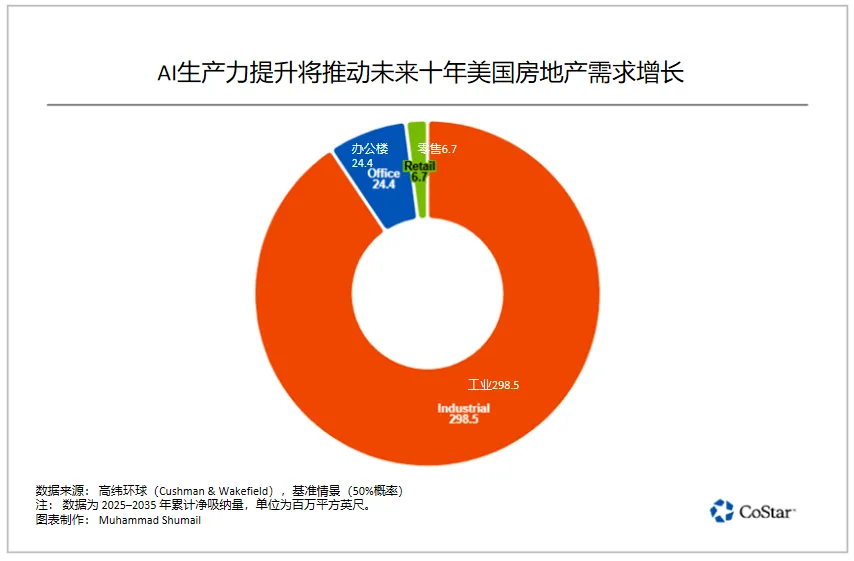
该预测实现概率为50%,既源于人工智能应用落地速度加快,也因为其未来数年的发展路径仍存在巨大不确定性。部分经济学家预测,人工智能(AI)会让一些企业缩减用工规模,进而减少办公空间需求;也有人提出,人工智能(AI)带来的生产力提升,将推动企业开拓新业务领域。
戴德梁行构建了四种预测情景:人工智能(AI)稳步普及、人工智能(AI)应用提速、人工智能(AI)发展不及预期,以及人工智能(AI)大规模替代劳动力(替代规模超出预想)。该报告以人工智能(AI)普及前后为两个视角,测算2025至2035年间商业地产的总净吸纳量,即租户入驻面积与退租面积的差值。
报告指出,在概率最高的基准情景下,地产需求增长主要集中在工业物业领域,尤其偏向适配高电力负荷的现代化物流及生产场地。Bohnaker表示,这部分工业地产需求仅针对仓库与配送中心,不含数据中心,不过此类空间也可能为数据中心承担物料仓储与运输工作。
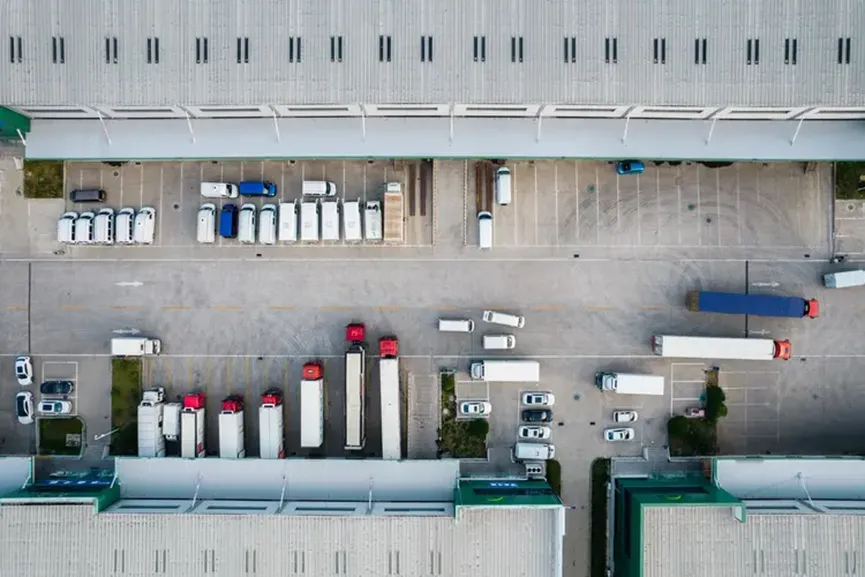
*航拍视角下的物流枢纽与配送中心。
戴德梁行在最新报告中指出,人工智能相关需求增长,将让房地产领域的物流板块获益最多。
(Getty Images)
人工智能(AI)将优化库存管理,仓储与制造行业也会随之产生全新的净需求。
—— James Bohnaker
戴德梁行首席经济学家、该报告合著者
关于写字楼,Bohnaker表示,他预计AI将加速该板块已经出现的分化趋势,市场需求将转向高品质、高适应性的空间。戴德梁行预计,未来几年美国每年将完成约500万平方英尺的新写字楼建设——这仅是过去曾经达到的每年5000万平方英尺规模的零头。
“市场最急需的产品类型,我们建造得远远不够。即便在就业增长较为平缓的背景下,这一供需缺口也将对高品质办公空间的空置率形成下行压力。”他补充道。
Despite widespread concerns that artificial intelligence could curtail the need for commercial real estate, a new report predicts gains from AI productivity will generate more demand for space.
The use of AI will boost U.S. property demand for industrial, office and retail space by about 12% in the next decade, adding about 330 million square feet, according to real estate services firm Cushman & Wakefield's baseline scenario forecast. The authors estimate the probability of the estimate being correct at 50%.
The forecast comes as AI's economic impact is "still very uncertain" and it's not yet clear how individual companies and broader industries will use AI, James Bohnaker, principal economist for Cushman & Wakefield and co-author of the report, told CoStar News.
"We are just starting to see some of the impacts of AI," Bohnaker said, adding that outside the massive investment in data center development, there's going to be a ripple effect in other commercial property types.
"Over a 10-year horizon, we see AI as being a net positive for the economy and businesses," he added.
The 50% probability of the prediction coming to pass reflects the rapid adoption and large degree of uncertainty over how AI will play out in coming years. Some economists predict AI will mean some businesses need fewer workers and therefore less office space, while others have suggested that an AI-induced boost in productivity lead companies to grow in new areas.
Cushman & Wakefield created four potential forecasting scenarios: its baseline of gradual AI adoption; rapid AI adoption; AI adoption falling short of expectations; and AI displacement in which more labor than expected is swapped for AI. The report measures total net absorption, the amount of tenant move-ins versus move-outs, between 2025 and 2035 from a pre- and post-AI lens.
The boost in real estate demand under the baseline scenario — the one with the highest probability rate — is largely tied to industrial properties, particularly for modern, power-intensive logistics and manufacturing space, the report found. Bohnaker said the industrial demand is exclusively for warehouses or distribution centers and does not include data centers, though these spaces may store or ship materials for data centers.
"AI will help with inventory management, and there will be new demand on the net to warehouse and manufacturing sectors," Bohnaker added.
For office, Bohnaker said he expects AI to accelerate a bifurcation of this real estate sector already underway, with demand shifting to high-quality, adaptable space. Cushman & Wakefield expects about 5 million square feet of new U.S. office space to be completed annually over the next few years — a sliver of what was once clocked at 50 million square feet a year.
"We are underbuilding the product the market needs most, which should put downward pressure on high-quality vacancy, even in a slower job growth environment," he added.
*如有疑问,请以英文原文为准
文章来源CoStar News
本文作者:Candace Carlisle
【以上信息来源被认为是有效、可靠的,但还未得到独立消息来源的证实,BOMA中国不承担因使用以上信息而导致任何直接或间接损失的责任,亦不具备任何法律效力。】
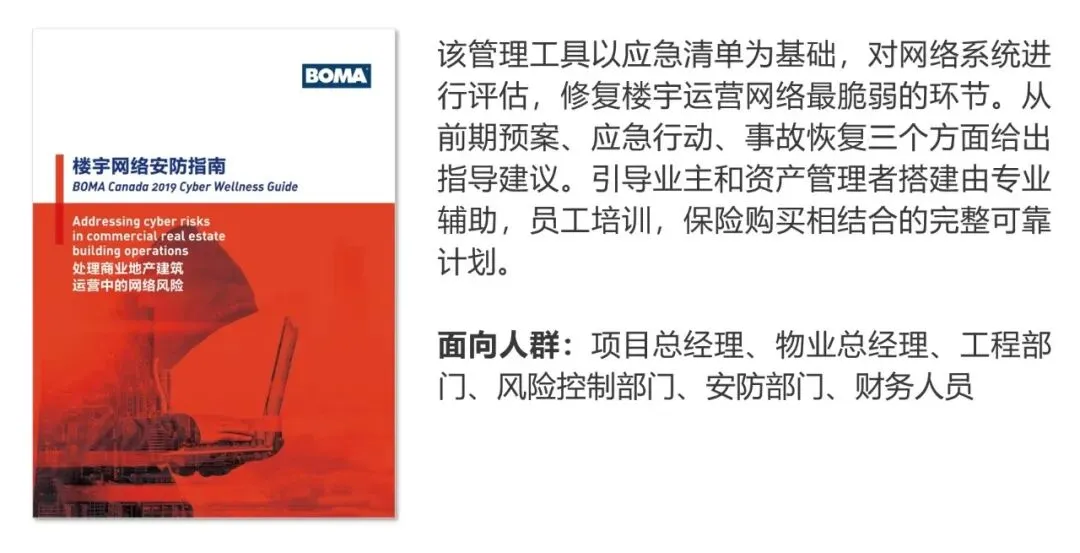
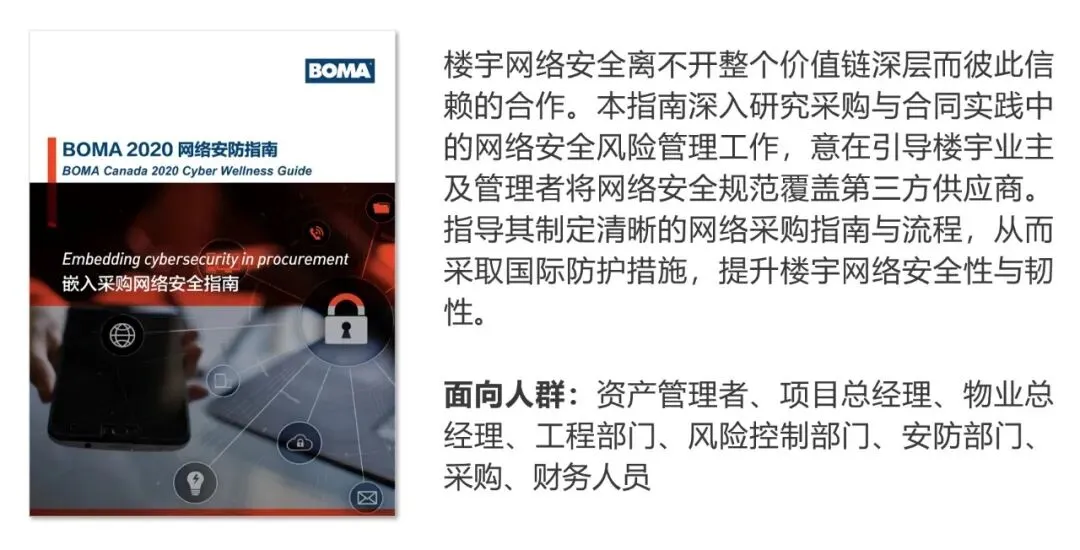
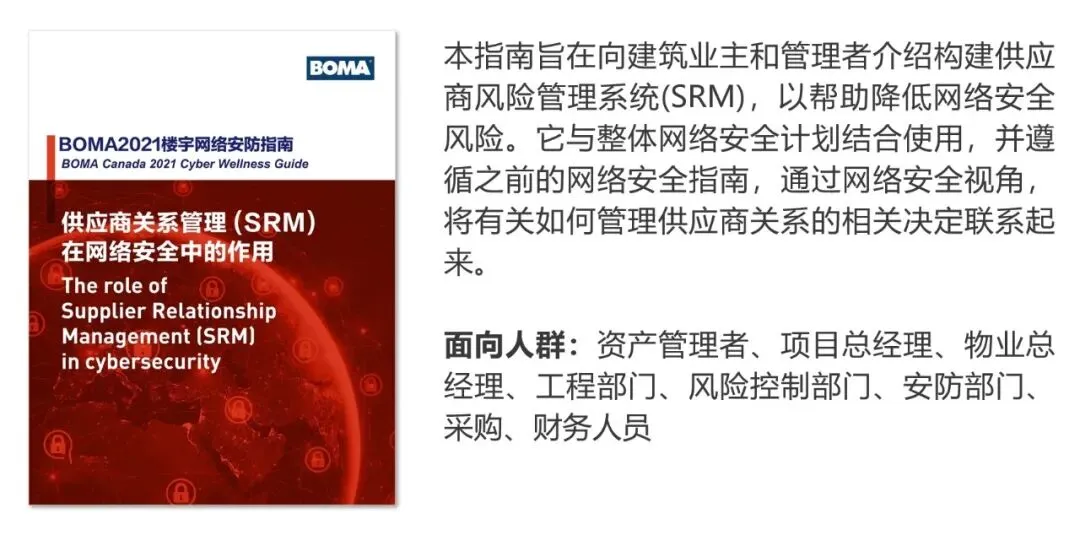
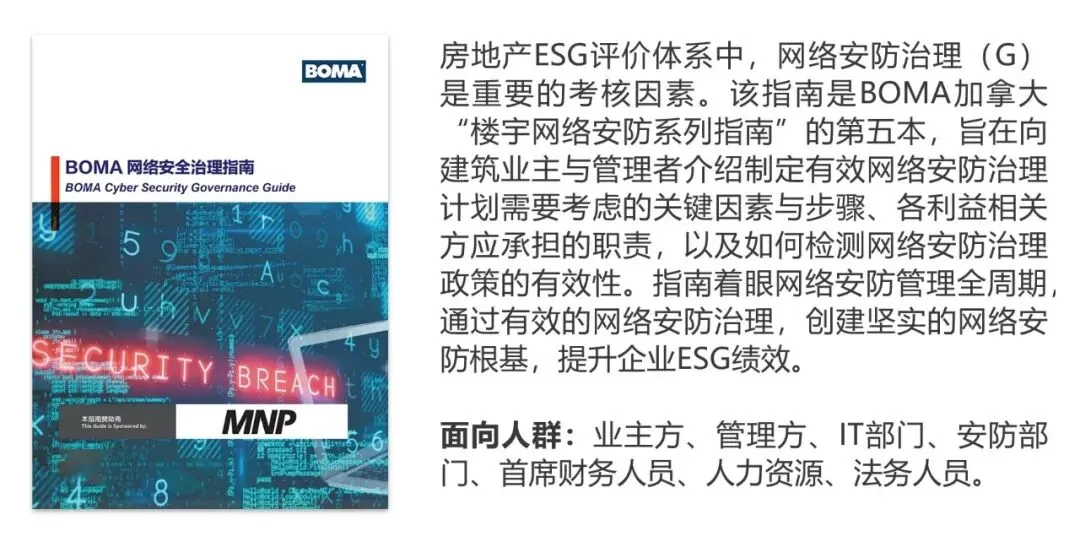
BOMA Canada 2022 Cyber Incident Response Guide
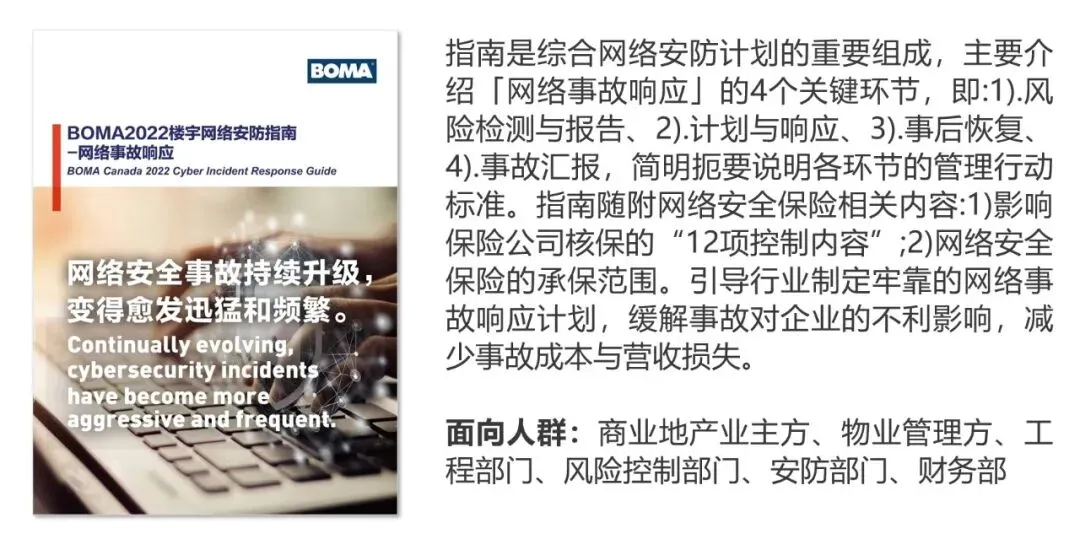
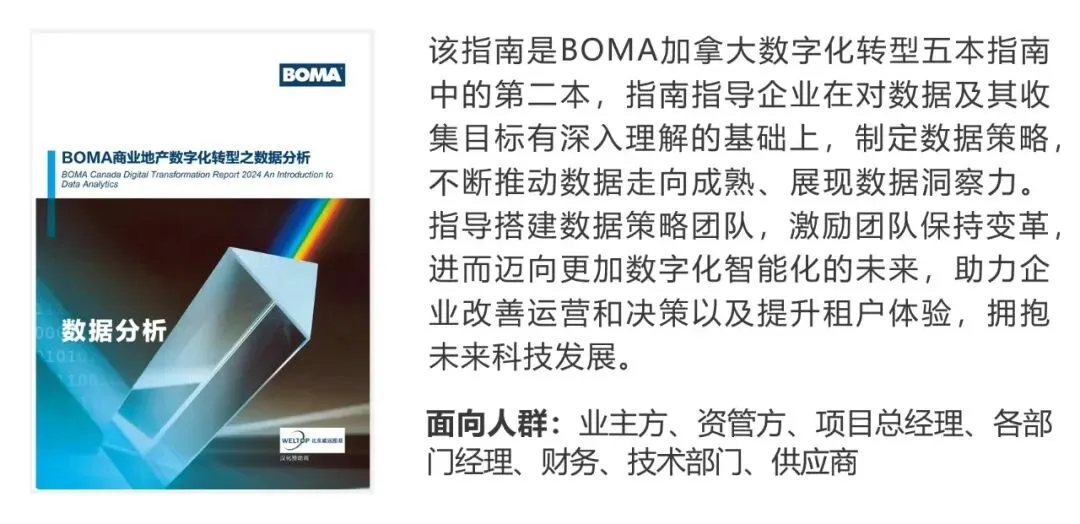
BOMA Canada Digital Transformation Report 2024 An Introduction to Data Analysis


Behind the Hype - What 5G Means for the Commercial Real Estate Industry

「国际建筑智能管理线上评估」点击了解详情……
依据国际建筑智能管理评价体系,以绩效目标为导向评估项目当前智能化部署情况。
© [2026] [博玛联桥(北京)信息咨询公司]
本篇文章中所涉及的标准、指南、手册、课程及管理评估工具等内容均受著作权及相关知识产权法律保护,未经书面许可不得以任何形式复制、传播或用于商业用途。


上海办公室Tel:021-61010366
网址:www.bomachina.org
BOMA建筑管理认证
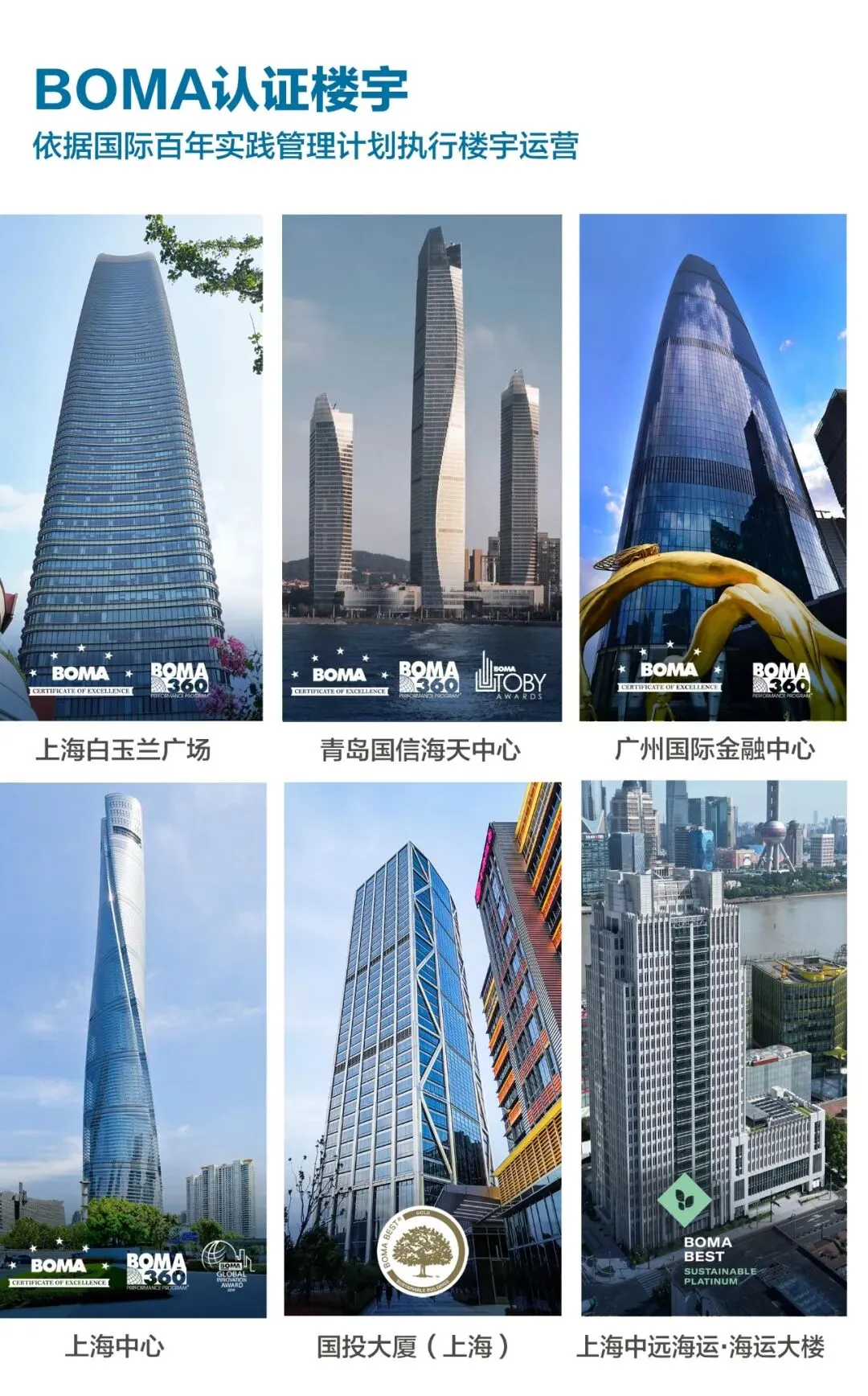

BOMA国际个人认证
|
|












商业地产从业者都在看 !