夜雨聆风
夜雨聆风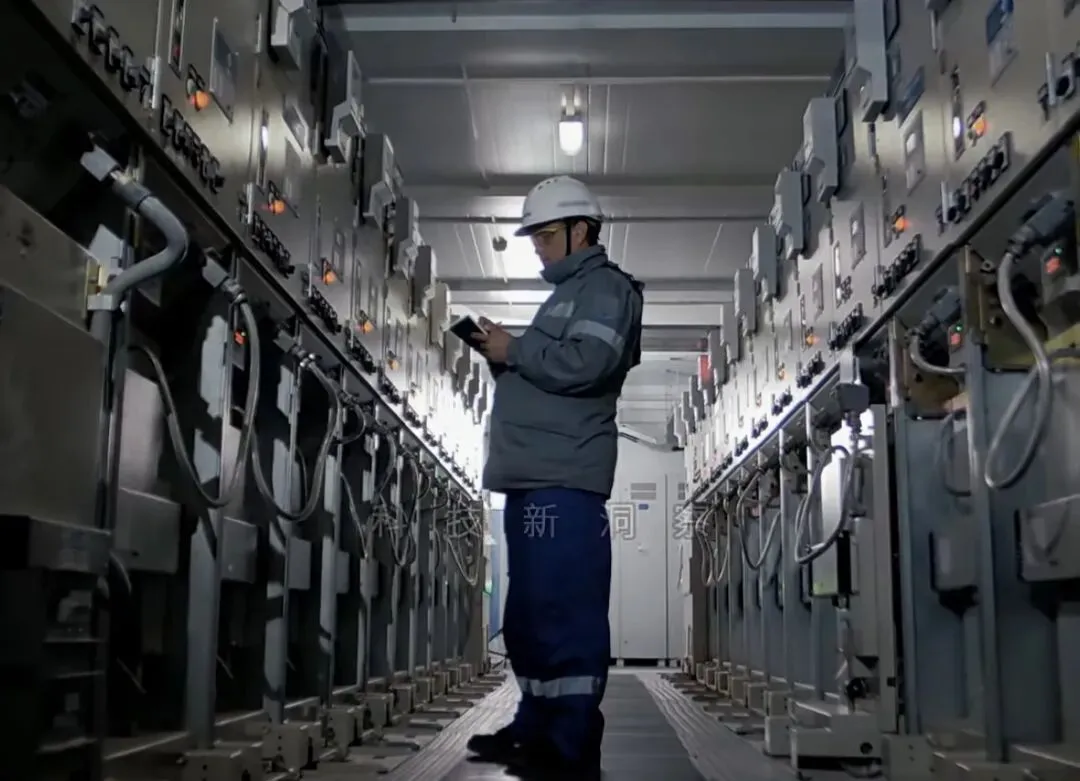
当2026年毕业季的名校生挤破头争夺一个基础白领岗位时,美国的数据中心电工已经拿着六位数年薪挑雇主;当无数父母还在为孩子的标准化考试成绩焦虑时,Palantir开出20万美元年薪,专门招募那些被传统教育贴上“注意力不集中”“思维怪异”标签的神经多样性人才。这场席卷全球的AI革命,正在以最残酷的方式颠覆我们信奉了几十年的成功法则。
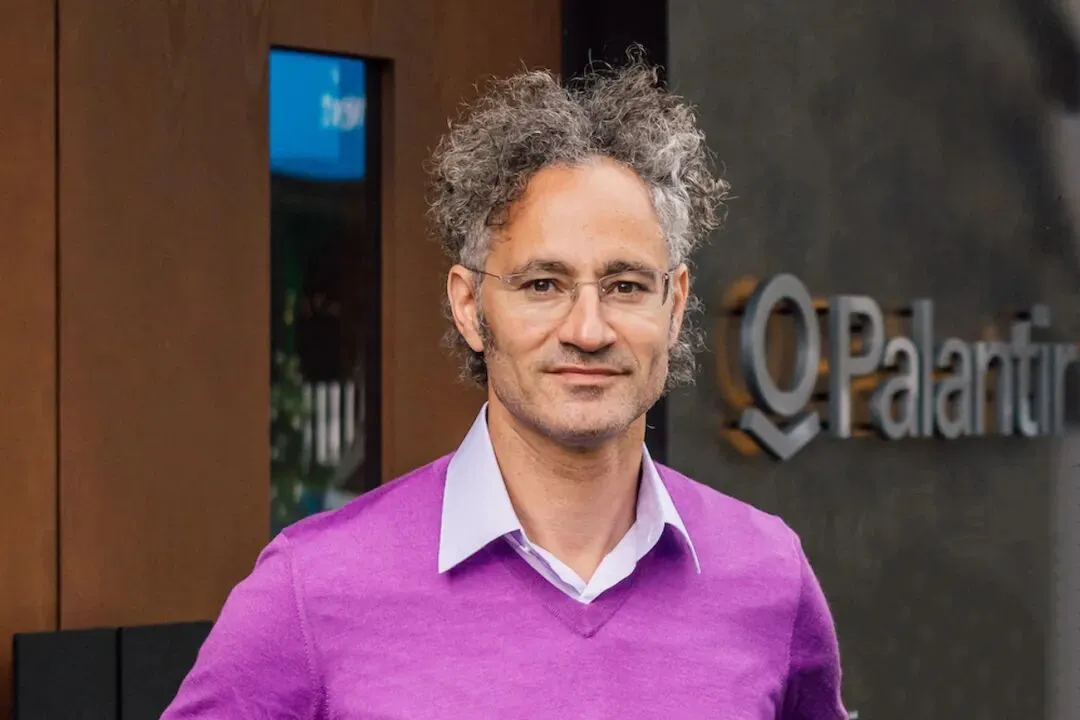
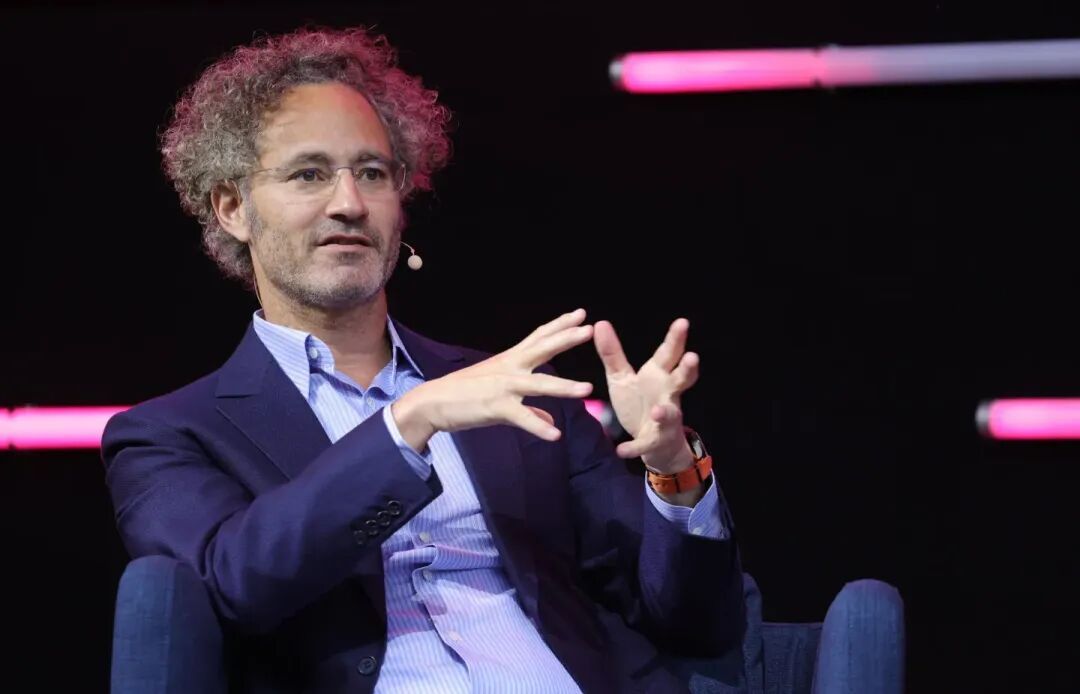
Palantir CEO亚历克斯·卡普(Alex Karp),这位掌管4330亿美元科技帝国的哲学博士,用一句石破天惊的论断撕开了时代的真相:“在AI时代,基本上只有两类人能确信自己拥有未来:接受过职业技能培训的蓝领技工,以及神经多样性人群。”而那些从小被精心培养、擅长考试和遵守规则的“传统好学生”,恰恰站在了被AI替代的最前线。
乖乖牌学霸的集体危机:
标准化能力正在极速贬值
卡普的警告并非危言耸听。AI正在以惊人的速度吞噬那些曾经被视为“铁饭碗”的白领工作:初级编程、数据分析、文案撰写、法律文书审核……这些正是传统教育体系花费十几年时间,精心打磨给学生的核心技能。AI不仅能以人类百倍的效率完成这些任务,而且成本更低、错误更少、从不抱怨加班。
更讽刺的是,学历越高、越擅长标准化考试的人,往往越容易陷入AI的“舒适区”。卡普直言不讳地指出:“如果你拿着耶鲁的哲学学位,除了泛化知识一无所有,我不确定谁会给你第一份工作。”他自己就是哲学博士出身,却亲身见证了通识教育在AI时代的快速贬值。
传统教育本质上是工业时代的产物,它的目标是培养标准化、可替代的“社会齿轮”。那些听话、守规矩、能准确复述标准答案的孩子,总能在学校里获得最高评价。但AI的出现,让这套评价体系彻底失效了。当机器比人类更擅长“正确答题”时,人类的价值就不再是模仿机器,而是成为机器无法成为的自己。
蓝领技工的黄金时代:
AI无法触碰的物理世界
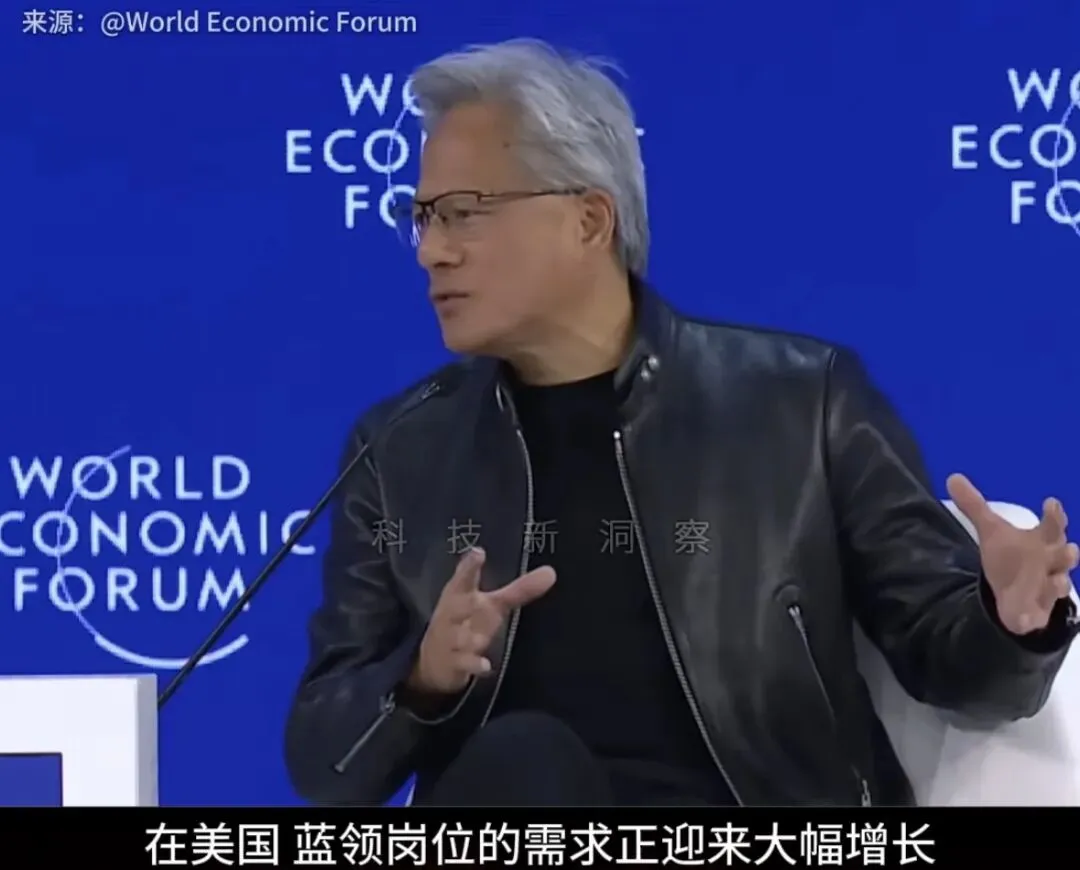
与白领的集体焦虑形成鲜明对比的是,蓝领技术工人正在迎来史上最好的时代。英伟达CEO黄仁勋在2026年达沃斯论坛上证实,过去三年美国电工、水管工、焊工等技术工种的薪资几乎翻倍,很多岗位已经能拿到六位数年薪。“这是人类历史上规模最大的科技基建浪潮,电工、水管工的时代来了。”

AI的致命短板,恰恰在于它无法真正进入物理世界。它可以在虚拟空间里完美设计一座数据中心,但无法亲手拧好一颗螺丝、接好一根电线;它可以精准计算出管道的最佳走向,但无法应对老房子里千奇百怪的漏水问题。蓝领工作需要的触觉感知、空间判断、临场应变和多年积累的经验直觉,是当前AI技术难以逾越的鸿沟。
更重要的是,AI的发展本身就在疯狂创造蓝领需求。为了支撑全球算力扩张,数万亿美元正涌入数据中心、芯片工厂和先进制造设施的建设。人力资源机构Randstad的数据显示,过去三年全球技术工人需求上涨27%,其中建筑工人增长30%,焊工增长25%,电工增长18%。这种供需失衡还将持续至少十年,意味着掌握一门硬技能的蓝领,将在AI时代拥有最稳固的职业安全垫。
神经多样性的逆袭:
曾经的“缺陷”,
变成AI时代的超能力
如果说蓝领技工的价值在于“动手”,那么神经多样性人群的价值则在于“动脑”——用AI无法复制的方式动脑。
神经多样性是一个涵盖注意力缺陷多动障碍(ADHD)、自闭症谱系、读写障碍等认知差异的概念。在传统社会,这些特质被视为需要矫正的“缺陷”。但卡普——这位公开的读写障碍患者——敏锐地发现,正是这些“不正常”的思维模式,恰恰是AI的致命短板。

AI本质上是基于统计概率的“模仿机器”,它的所有输出都来自对已有数据的归纳和重组,永远无法跳出训练数据的框架。而神经多样性人群的大脑天生就不按常理出牌:ADHD患者的发散性思维能把风马牛不相及的事物联系在一起,产生突破性创意;自闭症患者对细节的极致专注能发现常人忽略的模式;读写障碍者更擅长从整体而非局部把握问题。

卡普将这一认知转化为了企业战略。2025年底,Palantir推出了“神经多样性研习项目”,开出11万至20万美元的年薪,专门招募这类人才,最终面试由卡普亲自主持。消息发布仅几天,就收到了超过2000份申请。卡普在X平台上写道:“神经多样性人群(比如我自己)将不成比例地塑造美国的未来。”

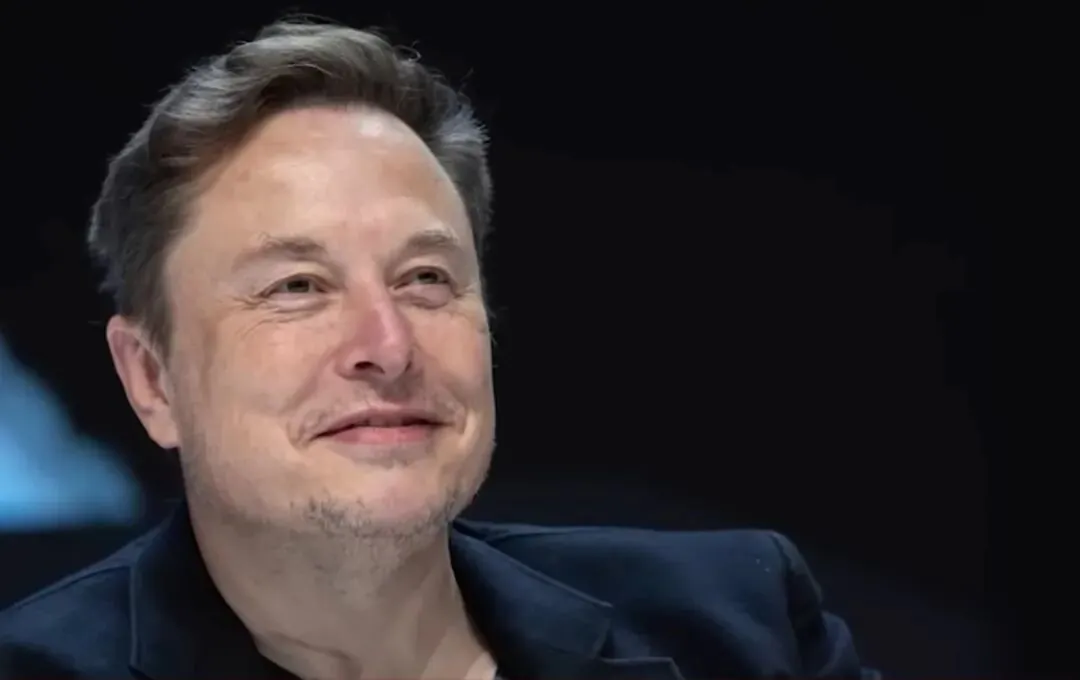
这并非个例。马斯克公开承认自己是ADHD和阿斯伯格综合征患者,而他正是这个时代最成功的创新者之一。越来越多的科技公司开始意识到,在算法趋同的时代,人类最珍贵的资产就是那些“不合逻辑”的灵感、“不切实际”的梦想和“不按牌理出牌”的勇气。
颠覆性改变正在发生:
重新定义AI时代的成功
卡普的生存法则,本质上是在告诉我们:AI淘汰的不是人,而是那些试图活得像机器的人。
未来的职场,不再奖励“正确”,而是奖励“独特”;不再奖励“服从”,而是奖励“创造”;不再奖励“标准化”,而是奖励“多样性”。那些能亲手改造物理世界的人,那些能用独特视角看待世界的人,将成为AI时代的真正赢家。
对于我们每个人来说,这既是挑战,也是机遇。与其焦虑如何与AI竞争,不如思考如何成为AI无法替代的自己。或许,是时候放下对“乖孩子”的执念,去拥抱那些让我们与众不同的特质了。人类文明的每一次进步,都不是由那些只会遵守规则的人推动的。

Karp’s AI Survival Law: Blue-Collar Workers and Neurodiverse Individuals Thrive, While Obedient Top Students Become the Most UndervaluedAs the 2026 graduation season sees Ivy League graduates scrambling for entry-level white-collar positions, data center electricians in the U.S. are already picking employers with six-figure salaries in hand. While countless parents still obsess over their children’s standardized test scores, Palantir is offering $200,000 annual salaries specifically to recruit talent labeled "inattentive" or "odd-thinking" by traditional education systems. This global AI revolution is overturning the success rules we have believed in for decades in the most brutal way.Alex Karp, the CEO of Palantir who presides over a $433 billion tech empire and holds a philosophy PhD, tore open the truth of the times with a stunning assertion: "In the age of AI, there are essentially only two groups of people who can be certain they have a future: blue-collar skilled workers with vocational training and neurodiverse individuals." Conversely, those "traditional good students" who have been carefully raised to excel at exams and follow rules stand precisely at the forefront of being replaced by AI.The Collective Crisis of Obedient Straight-A StudentsKarp’s warning is not alarmist. AI is devouring white-collar jobs once considered "iron rice bowls" at an alarming rate: entry-level programming, data analysis, copywriting, legal document review—these are exactly the core skills that the traditional education system has spent over a decade polishing for students. AI can complete these tasks a hundred times more efficiently than humans, at lower cost, with fewer errors, and never complains about overtime.Ironically, people with higher academic qualifications who are better at standardized exams tend to fall more easily into AI’s "comfort zone." Karp bluntly pointed out: "If you have a Yale philosophy degree and nothing but generalized knowledge, I’m not sure who will give you your first job." A philosophy PhD himself, he has personally witnessed the rapid devaluation of liberal arts education in the AI era.Traditional education is essentially a product of the industrial age, whose goal is to cultivate standardized, replaceable "cogs in the social machine." Children who are obedient, follow rules, and can accurately recite standard answers always receive the highest evaluations in school. But the emergence of AI has completely invalidated this evaluation system. When machines are better at "answering correctly" than humans, human value no longer lies in imitating machines, but in being the selves that machines cannot become.The Golden Age of Blue-Collar Skilled WorkersIn stark contrast to the collective anxiety of white-collar workers, blue-collar skilled workers are entering the best era in history. Jensen Huang, CEO of Nvidia, confirmed at the 2026 World Economic Forum in Davos that over the past three years, salaries for skilled trades such as electricians, plumbers, and welders in the U.S. have nearly doubled, with many positions now offering six-figure annual incomes. "This is the largest technology infrastructure wave in human history, and the era of electricians and plumbers has arrived."AI’s fatal weakness lies precisely in its inability to truly enter the physical world. It can perfectly design a data center in virtual space, but cannot tighten a single screw or connect a single wire with its own hands; it can accurately calculate the optimal pipeline route, but cannot deal with the bizarre plumbing problems in old houses. Blue-collar work requires tactile perception, spatial judgment, on-the-spot adaptability, and years of accumulated intuitive experience—an insurmountable gap for current AI technology.More importantly, the development of AI itself is creating an explosive demand for blue-collar labor. To support global computing power expansion, trillions of dollars are pouring into the construction of data centers, chip factories, and advanced manufacturing facilities. Data from Randstad, the human resources agency, shows that global demand for skilled workers has risen by 27% over the past three years, including 30% for construction workers, 25% for welders, and 18% for electricians. This supply-demand imbalance will persist for at least another decade, meaning blue-collar workers who master a hard skill will have the most solid career safety cushion in the AI era.The Rise of Neurodiversity: Once a "Defect", Now an AI-Era SuperpowerIf the value of blue-collar workers lies in "doing things with their hands," then the value of neurodiverse individuals lies in "thinking with their brains"—in a way that AI cannot replicate.Neurodiversity is a concept encompassing cognitive differences such as Attention Deficit Hyperactivity Disorder (ADHD), autism spectrum, and dyslexia. In traditional society, these traits were regarded as "defects" that needed correction. But Karp, an openly dyslexic individual, acutely discovered that these "abnormal" thinking patterns are precisely AI’s fatal shortcoming.AI is essentially an "imitation machine" based on statistical probability. All its outputs come from the induction and recombination of existing data, and it can never jump outside the framework of its training data. The brains of neurodiverse individuals, however, are inherently wired to think outside the box: people with ADHD have divergent thinking that can connect seemingly unrelated things to produce breakthrough ideas; autistic individuals’ extreme attention to detail allows them to spot patterns overlooked by ordinary people; and dyslexics are better at grasping problems holistically rather than locally.Karp has translated this insight into corporate strategy. At the end of 2025, Palantir launched its "Neurodiversity Fellowship Program," offering annual salaries ranging from $110,000 to $200,000 specifically to recruit such talent, with final interviews personally conducted by Karp. Within days of the announcement, the program received over 2,000 applications. Karp wrote on X: "Neurodiverse people (like myself) will disproportionately shape the future of the United States."This is not an isolated case. Elon Musk has publicly admitted to having ADHD and Asperger’s syndrome, and he is one of the most successful innovators of this era. A growing number of tech companies are realizing that in an age of algorithmic convergence, humanity’s most precious assets are those "illogical" inspirations, "unrealistic" dreams, and "unconventional" courage.Disruptive Change Is Happening: Redefining Success in the Age of AIKarp’s survival law essentially tells us that AI does not eliminate humans—it eliminates those who try to live like machines.The future workplace will no longer reward "correctness," but "uniqueness"; no longer reward "obedience," but "creativity"; no longer reward "standardization," but "diversity." Those who can physically transform the world and those who can see the world from a unique perspective will become the true winners of the AI era.For each of us, this is both a challenge and an opportunity. Instead of worrying about how to compete with AI, we should think about how to become the version of ourselves that AI cannot replace. Perhaps it is time to let go of our obsession with "good children" and embrace the traits that make us different. After all, every progress in human civilization has never been driven by those who only know how to follow the rules.
Key Vocabulary:1. neurodiverse /ˌnjʊroʊdaɪˈvɜːrs/ adj. having or relating to a range of differences in how the brain functions and processes information 神经多样性的;文中指拥有非典型认知模式的人群2. scramble /ˈskræmbl/ v. to compete eagerly with others for something difficult to obtain 争抢,仓促行动;文中指名校毕业生激烈争夺有限的基础白领岗位3. undervalued /ˌʌndərˈvæljuːd/ adj. not given the value or importance that someone or something deserves 被低估的;文中指乖乖牌学霸在AI时代的职业价值被严重低估4. assertion /əˈsɜːrʃn/ n. a statement that you strongly believe is true 断言,主张;文中指卡普关于AI时代职业趋势的核心论断5. cog /kɑːɡ/ n. one of the teeth on a wheel or gear that fits into the teeth of another wheel to make it move; a small unimportant part of a large organization 齿轮,轮齿;(机构中)无足轻重的人;文中指工业时代标准化培养的社会螺丝钉6. paradigm /ˈpærədaɪm/ n. a typical example or pattern of something; a model 范式,典范;文中指传统教育和职业成功的评判范式被AI颠覆7. lucrative /ˈluːkrətɪv/ adj. producing a lot of money; profitable 利润丰厚的,赚钱的;文中指蓝领技术工种现在能获得高薪8. insurmountable /ˌɪnsərˈmaʊntəbl/ adj. too difficult or impossible to overcome 难以逾越的,无法克服的;文中指AI在物理世界实操方面的技术短板9. infrastructure /ˈɪnfrəstrʌktʃər/ n. the basic systems and structures that a country or organization needs in order to work properly 基础设施;文中指支撑AI发展的数据中心、芯片工厂等硬件设施10. imbalance /ɪmˈbæləns/ n. a situation in which two or more things are not equal or not in the correct proportion 失衡,不平衡;文中指蓝领技术工人的供需严重失衡11. cushion /ˈkʊʃn/ n. something that protects you from something unpleasant or reduces its effects 缓冲垫,保障;文中指蓝领技能为从业者提供的职业安全保障12. defect /ˈdiːfekt/ n. a fault or imperfection in something or someone 缺陷,缺点;文中指传统社会对神经多样性特质的错误认知13. inductive /ɪnˈdʌktɪv/ adj. using particular facts and examples to form general rules and principles 归纳的,归纳法的;文中指AI基于海量数据归纳推理的核心工作方式14. divergent /daɪˈvɜːrdʒənt/ adj. tending to be different or develop in different directions 发散的,不同的;文中指ADHD患者能够产生多种不同想法的发散性思维15. disproportionate /ˌdɪsprəˈpɔːrʃənət/ adj. too large or too small when compared with something else 不成比例的,不相称的;文中指神经多样性人群将在塑造未来社会中发挥远超其人口比例的作用