 夜雨聆风
夜雨聆风本文选自2026考研英语二完形填空原文。
Most of us strive for self‑respect — to see ourselves in a positive light, to be proud of who we are. Any comments or experiences that undermine those feelings of self‑worth can be uncomfortable and it’s only natural to want to avoid them. But the thing is, whether your self‑worth really is being undermined is, to a large degree, subjective. Much of it comes down to your perception of what someone said or did.
我们大多数人都努力维护自尊——希望以积极的眼光看待自己,为真实的自己感到自豪。任何损害自我价值感的评价或经历都会让人感到难受,想要避开这类事情也是自然的。但问题在于:是否你的自我价值真的受到了伤害,在很大程度上是主观的。这很大程度上取决于你对他人言行的看法。
When you take things personally, you’re interpreting these situations as saying something significant and negative about you as a person. Say your boss picks holes in your sales report, and you come away feeling like this means she thinks you’re a poor member of staff. Or, two of your friends cancel your planned get‑together at the pub and you interpret this as meaning they’re bored of you. Psychologists have a term for this way of thinking: personalisation.
当你凡事总往自己身上想,你就会把种种状况解读为:这些事情说明你这个人本身存在重大缺点。举个例子,老板挑你销售报告的毛病,你内心就会觉得,这代表她认为你是一名糟糕的员工。又或者,你的两位朋友取消了你们计划好的酒吧小聚,你就理解成他们已经厌烦了你。心理学家给这种思维方式起了一个术语:个人化归因。
But the reality is that your boss might view you very highly. It’s just you made some mistakes in the report and she wanted to point these out so that you do better next time. Similarly, in the case of your friends cancelling, perhaps they both felt unwell that weekend — or they just changed their minds.
但现实情况或许是,你的老板对你评价很高。只不过你的报告里存在一些错误,她想把问题指出来,希望你下次做得更好。同样地,说到朋友取消聚会这件事,也许他们周末身体都不舒服,又或者他们仅仅只是改变了主意。
In both examples and others that we all experience — there’s another process at work that psychologists call mind reading. This is when you assume to know what other people are thinking about you, when you can’t really know without asking them directly.
在以上这两个例子以及我们经历过的其他情形当中,还存在另一种心理过程,心理学家称之为读心臆测。也就是你自以为知晓别人对你的想法,可实际上,如果不直接询问对方,你根本无从得知别人内心真实的想法。
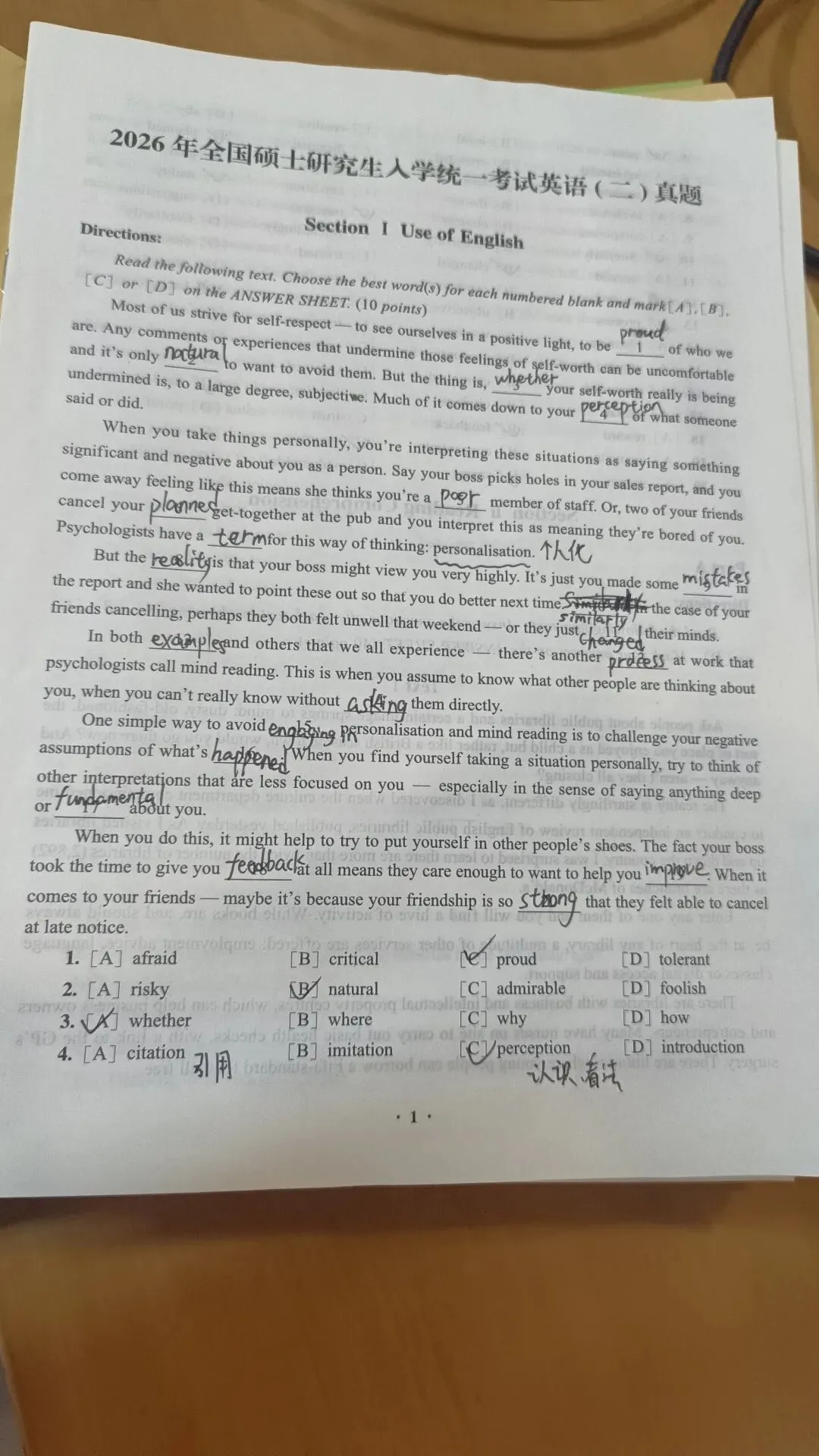
One simple way to avoid engaging in personalisation and mind reading is to challenge your negative assumptions of what’s happened. When you find yourself taking a situation personally, try to think of other interpretations that are less focused on you — especially in the sense of saying anything deep or fundamental about you.
避免产生个人化归因和读心臆测的一个简单方法,就是质疑自己对于已经发生之事所产生的消极假想。当你发觉自己遇事总往自己身上揽时,试着多想几种不以自我为中心的解读角度,尤其不要把事件上升为对你本人深刻、根本性的评判。
When you do this, it might help to try to put yourself in other people’s shoes. The fact your boss took the time to give you feedback at all means they care enough to want to help you improve. When it comes to your friends — maybe it’s because your friendship is so strong that they felt able to cancel at late notice.
做到这一点,换位思考会对你有所帮助。老板愿意花时间给你反馈,这件事本身就说明,对方足够在意你,希望帮助你进步。至于你的朋友,或许恰恰是你们之间的友谊十分牢固,他们才敢于临时通知取消约会。

