ARTICLE · 991245
昨天创建的中国高中英语八套教材知识库对老师们的日常教学备课有什么帮助?


高中英语深度教学与多文本互文教学设计案例集
基于专家视角的“单元生态协同”与“跨版本同主题互参”理论探究与实操学案汇编
【文档导读与备课指引】 • 本汇编将关于高中英语阅读教学深度重构的三大核心成果整合为一体,兼具学术理论高度与一线课堂落地实操性。 • 第一篇:系统剖析专家的教学观,以外研版必修一 Unit 1《My First Day at Senior High》为例,拆解单元内部生态链协同与跨版本“高中新起点”横向比对的教学指引价值。 • 第二篇:聚焦人教版必修二 Unit 2 野生动物保护主题《A Day in the Clouds》,论证如何打破单一文本局限,联动外研版《The Sky Railway》等篇目,构建人与自然生命共同体的大观念。 • 第三篇:完整呈现两篇核心课文的实操型课堂对比阅读导学案(含学生自主探究任务单与教师端教学实施指南),供备课与公开课教学直接使用。 |
第一篇:专家的教学观与外研版必修一案例实析
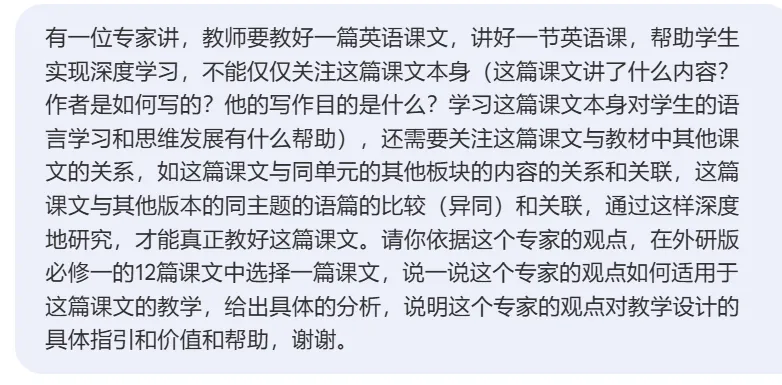
在当前高中英语教学实践中,教师往往容易陷入“单篇精读、孤立割裂”的窠臼。许多课堂教学仅围绕单篇课文的表层事实信息(What)、行文技巧(How)以及作者表层意图(Why)展开,致使学生的学习停留在琐碎的语言知识点记忆与浅层的情感共鸣上。针对这一现状,专家提出了极具洞见的教学主张:“教师要教好一篇英语课文,讲好一节英语课,帮助学生实现深度学习,不能仅仅关注这篇课文本身,还需要关注这篇课文与教材中其他课文的关系,如与同单元其他板块内容的关联,以及与其他版本同主题语篇的比较和关联。”这种将单篇语篇置于“单元纵向生态链”与“跨版本横向互文网络”中的教研视角,是落实学科核心素养的必由之路。
一、课文本体研读的基石与局限(以外研版必修一《My First Day at Senior High》为例)
在外研版高中《英语》必修第一册 Unit 1 A new start的核心课文《My First Day at Senior High》中,教师依据传统文本解读范式通常获得以下认识:• What(文本内容):文章以第一人称日记形式记叙了高一新生孟浩(Meng Hao)开学第一天的经历:从清晨早起的兴奋奔赴校园,到清晨校园宁静漫步时的期待,再到英语课堂上面临即兴自我介绍时的极度紧张手足无措(with butterflies in my stomach, brain engine wouldn't start);戏剧性的是,他发现自己与英语老师同名同姓,在师生的欢笑与老师的幽默宽慰中重获自信,最终深刻感悟到“良好的开端是成功的一半(Well begun, half done)”。• How(文体与语言风格):文本属于典型的记叙性日记体,大量使用了生动的明喻(the engine just wouldn't start)、本土习语(butterflies in my stomach)以及极富现场感的动作与心理描写。• Why(写作意图):真实呈现高中新生步入陌生环境时的普遍焦虑与心理应激反应,勉励广大新生在面对挑战时保持冷静并做好充分准备(Keep calm and be prepared)。【单篇教学的深层局限】:如果教师的教学设计完全锁死在这篇课文本体之中,学生的学习产出往往非常局限。学生只感知到了一个“开学偶发小趣事”的表象,其思维发展仅停留在对人物情绪波动曲线(panic → relaxed → confident)的机械提取。然而,高中三年所面临的严峻挑战绝不仅限于开学第一天的情绪波动,还包括沉重的学科课业负担、自主学习与时间管理、复杂的人际社交网络以及未来长远的自我规划。脱离了整体关联,单篇文本无法为学生建构起系统应对高中生活挑战的方法论体系。
二、课文与同单元其他板块的协同关联:构建单元整体认知链
外研版新教材的单元结构遵循严密的整体建构逻辑。在教学《My First Day at Senior High》时,教师必须将其作为整个单元学习生态的支点,与各板块产生有机共振:1. 与 Starting out 的前置唤醒关联:Starting out 模块设计了关于高中生活第一天感受的问卷调查(First day of school questionnaire),调查了学生对校园环境、教师、同学以及自身能力的预设与担忧。课文教学绝不应凭空切入,而应直接承接问卷中的真实学情,引导学生带着“孟浩遇到的挑战是否也是我的困惑?”的真实体验投入阅读,实现现实世界与文本世界的无缝对接。2. 与 Using language 的语法语境共生:本单元的语法核心是“回顾基本句子结构(Review: basic sentence structures)”。课文中孟浩紧张时的短促断句与老师开导时的从容长句,恰恰构成了最鲜活的真实语法语料。教师引导学生品味句子结构如何精准传递人物的情绪张力,使语法脱离机械练习,成为服务于真实表意与情感刻画的工具。3. 与 Developing ideas 的理性递进关联:同单元的拓展阅读为《High school hints》(高中生活指南),二者形成了极为精彩的认知互补:《My First Day at Senior High》描摹的是微观、感性的第一天偶发危机与心理波动,而《High school hints》则提供了宏观、理性的学业与生活应对指南。教学中若能设计“以理解惑”的对读任务,便能直接推动学生思维从“感性共鸣”跃升到“理性建构与策略应用”。4. 与 Presenting ideas / Project 的终极赋能:课文文末所探讨的“Keep calm and be prepared... make the most of your time”直接为单元终极产出任务(为学校提出改进建议、制定个人高中奋斗蓝图)提供了充足的思想给养与表达词库。
三、跨版本同主题语篇的横向比对:拓宽文化与思维视界
全国各主要教材版本均将必修第一册第一单元聚焦于“高中新起点/青年成长”这一大主题,但各自的选材视界、价值立意与文体风格却展现出巨大的差异与互补性。横向对比能够极大打破学生的单一思维局限:
教材版本与篇目 | 文体与叙事视角 | 核心议题与应对路径 | 横向对比与教学价值 |
外研版必修一 U1My First Day at Senior High | 个人记叙文/日记新生孟浩第一视角 | 面对新环境公开表达的社交焦虑;借助师生同名巧合与教师幽默包容化解 | 情感共鸣与心理平复:聚焦微观心理真实,平易亲切,极富生活温度。 |
人教版必修一 U1The Freshman Challenge / First Impressions | 书信/日志/多模态新生Adam全景纪实与即时通讯记录 | 学业深度挑战(数学/化学等)、选课走班抉择以及社会志愿服务担当(救济站义工) | 全景视野拓展:打破“高中仅有人际小紧张”的偏颇,引入自主规划与社会责任。 |
译林版必修一 U1Realizing your potential | 正式演讲辞徐校长开学典礼致辞 | 宏观引领与潜能激发;引用《论语》“学而不思则罔”,阐明挑战与机遇的辩证统一 | 思想高度跃升:从“个人小叙事”升华到“教育家宏观视界”,确立崇高的精神愿景。 |
冀教版必修一 U1First Day of High School | 同伴叙事日记女生Jenny的青春记录 | 同伴认同、着装外表焦虑,对未来成年社会职业生涯道路的初步探索与困惑 | 青春期心理多元关照:引导学生关注外表接纳、同伴关系与长远职业憧憬。 |
沪外教版必修一 U1First Week of Senior High School | 文化链接/科普说明跨文化教育对比 | 对比日韩开学典礼强调责任感与美英高中行前培训熟悉环境的文化传统差异 | 跨文化意识培养:使学生理解“新起点”不仅是个体心理体验,更承载着文化契约。 |
四、专家观点对教学设计的具体指引与教学价值
1. 指引教学目标从“词句掌握”跃迁至“单元大观念建构”:教学不再孤立讲解 anxious, butterflies in my stomach 等词汇,而是提炼出高阶育人大观念——“面对高中转型的多元挑战,青少年需正视自我情绪、善用理性策略、主动释放潜能,以主人翁姿态开启人生新征程。”2. 指引教学活动从“表层复述”走向“互文思辨与批判探究”:设计诸如“假如你是孟浩的学长,结合《High school hints》为他定制应对清单”以及“孟浩的情绪困惑、Adam的学业选择与徐校长的潜能论三重视角对比研讨”等深度活动,促进学生高阶思维生长。3. 指引评价产出从“套路作文”升华为“解决实际问题的行动方案”:驱动学生综合各版本思想给养,产出融合自我认知、学业规划与精神愿景的《My Senior High Blueprint(我的高中蓝图)》。
第二篇:人教版必修二野生动物保护主题案例深入剖析
在人教版高中《英语》必修第二册 Unit 2 Wildlife Protection中,核心阅读课文《A Day in the Clouds》(云端的一天)是生态文明主题教育的经典篇目。专家的教学观点在这篇课文的教学重构中体现得尤为深刻与震撼。
一、课文本体研读(What, How, Why)及其教学局限
• What(文本内容):课文记叙了作者前往西藏羌塘国家级自然保护区探访藏羚羊的见闻。通过当地村民兼护林员扎西(Zhaxi)的讲述,回顾了20世纪80至90年代藏羚羊因羊绒非法贸易遭疯狂盗猎、种群数量锐减50%以上的悲惨历史;随后记叙了政府建立国家级保护区、志愿者和巡护员日夜巡山守护,使藏羚羊种群恢复并不再濒危的成果;文末借扎西之口升华出“人类保护动物实际是保护自身”的深层哲理。• How(文体与语言):采用第一人称游记与反思性纪实散文(Travel narrative & reflective essay)体裁,运用极富诗意的感官描写(稀薄空气、触手可及的白云、优雅奔跑的羚羊群)营造出神圣崇高的高原意境。• Why(写作意图):唤起学生对野生动物生存困境的关切,认识到维护生态平衡的紧迫性。【单篇教学的深层局限与认知盲区】:如果仅仅将目光聚焦于这篇课文本身,课堂很容易滑向浅层的“道德宣教”:学生为藏羚羊被杀害感到悲伤,为数量恢复感到欣慰,最后喊几句“保护野生动物”的空洞口号。学生无法理解:1. 为什么当年会发生猖獗的盗猎?其背后全球经济消费链条是怎样的?2. 课文中明确写道“Their habitats were becoming smaller as new roads and railways were built(随着新公路和铁路的修建,它们的栖息地在缩小)”,那么现代交通基础设施建设与野生动物保护之间究竟存在怎样的现实矛盾?难道为了保护藏羚羊,我们就必须停止高原铁路建设吗?3. 普通高中生除了发出口号式的呼吁,还能为生态治理做些什么?
二、课文与同单元其他板块的关联:构建“认知—形式—行动”学习闭环
1. 与 Opening / Listening and Speaking 的前置互通(直击危机根源):单元开篇呈现了国际爱护动物基金会(WildAid)的著名标语:“When the buying stops, the killing can too.(没有买卖,就没有杀害)”,并展示了象牙贸易的恶果。在讲解藏羚羊浩劫时,教师若联结这一全球消费链——西方奢靡市场对“沙图什(shahtoosh)”披肩的追捧才是枪声背后的真正元凶,便能将学生的认知从单纯的“谴责盗猎者”引向对“消费伦理与全球贸易治理”的深度思辨。2. 与 Discovering Useful Structures 的语境共生(形式服务于意义):本单元语法聚焦“现在进行时的被动语态(is/are being done)”。在语篇教学中,教师直接调用生态保护的动态场景:栖息地正在受到怎样的破坏(Habitats are being destroyed)、保护区正在推行哪些挽救举措(Effective measures are being taken)、巡护通道正在怎样被使用(Wildlife passages are being used)。语法彻底摆脱了机械背诵,成为生动刻画“危机进行时”与“抢救进行时”的思想载体。3. 与 Reading for Writing 及 Workbook 的逻辑递进(从理念到青年行动):写作板块要求学生设计物种保护海报;练习册中则补充了美国高中生针对貂熊(wolverines)在雪林中不易被红外相机拍摄的难题,发明气味释放装置协助科学家监测研究的真实故事。扎西所说的“拯救人类自身”不再是一句空洞哲学,而是落脚为高中生可以用科学发明、技术创新与公益倡导参与的真实行动。
三、跨版本同主题语篇的横向比对:多维碰撞与深度思辨
通过跨版本语篇的横向对读,特别是引入外研版关于青藏铁路工程与生态保护的真实案例,能为学生打开宏大而辩证的生态文明视界:
教材版本与篇目 | 文本体裁与叙事切口 | 核心议题与生态视角 | 横向互补与思维跃迁价值 |
人教版必修二 U2A Day in the Clouds | 自然特写/纪实散文青藏高原羌塘保护区见闻 | 藏羚羊拯救史;生态伦理反思:“保护动物实际是保护人类自身” | 生态哲学崇高感:确立生态敬畏与伦理高度,引出基建与生态的现实矛盾。 |
外研版选必一 U6The Sky Railway | 科技工程报告/散文青藏铁路建设与生态共赢 | 修建世界上最长冻土大桥(清水河大桥),设立33处野生动物通道,确保羚羊自由迁徙 | 绝佳的互文破局证据!精准解答人教版“铁路缩小栖息地”的悬念,破除非黑即白思维。 |
外研版必修一 U5Into the wild: Bear Encounter | 野外纪实摄影叙事摄影师与野熊近距离对视 | 野性生灵的边界感与平视敬畏;面对凶猛动物克制开枪欲望,“不打扰即是尊重” | 微观伦理互补:从国家层面的“制度庇护”延伸至个体层面的“平等敬畏与边界意识”。 |
冀教版必修三 U5Animals Around Us | 科普综述/物种档案大熊猫与澳洲考拉保护成效 | 退耕还林、人工繁育与法治治理;大熊猫由“濒危”降为“易危” | 科学成效实证:为人教版藏羚羊“摘帽”提供制度和科学层面的跨文本证据支撑。 |
四、教学设计进阶路径:从知识记忆到高阶生态文明素养
1. 目标升级:从掌握 plain, reserve, attack 等词汇和藏羚羊事实,跃升为理解“人与自然是生命共同体”,能辩证分析“现代化基础设施建设与生物多样性保护的共赢路径”。2. 探究升级:设置高阶思辨问题链——“针对人教版中提到的铁路建设威胁,我们是否该放弃青藏铁路工程?”引入外研版《The Sky Railway》中33处野生动物通道的翔实数据与生动描写,促使学生用实证证据辩驳片面观点。3. 实践升级:引导学生开展微型微项目探究——“为家乡某一种受人类基建干扰的珍稀物种设计共生工程方案(Harmony Proposal)”,实现从语言输入到担当作为的深度迁移。
第三篇:教学落地示范:双文本对比阅读导学案与教师指南
为将专家的前沿教学理念切实转化为常态化课堂生产力,本部分呈现一份完整的高中英语双文本对比阅读导学案及配套教学实施指南。本学案以人教版《A Day in the Clouds》为基石,深度融合外研版《The Sky Railway》,已在多所重点高中公开研讨课中验证其实践成效。
【导学案设计核心理念】 • 核心大观念:人与自然和谐共生(Living in Harmony with Nature)——经济发展与生态保护并非零和博弈。 • 语篇支架:人教版必修第二册 Unit 2《A Day in the Clouds》 × 外研版选择性必修第一册 Unit 6《The Sky Railway》。 • 适用课型:高一/高二 单元跨文本深度阅读探究课(建议 2 课时,约 90 分钟)。 |
一、课堂对比阅读导学案(学生探究单完整内容)
Part 1: Learning Objectives & Big Idea (学习目标与大观念)
By the end of this comparative reading class, you will be able to:1. Language Ability: Extract and synthesize facts regarding the crisis and rescue of Tibetan antelopes, and master the passive progressive tense (is/are being done) in ecological contexts.2. Thinking Quality: Critically analyze the apparent conflict between railway construction and habitat preservation, evaluating real engineering solutions with solid textual evidence.3. Cultural Awareness: Appreciate China’s ecological civilization achievements and internalize the profound philosophy that 'saving wildlife is saving ourselves.'4. Core Big Idea: Modern human progress and wilderness conservation do not have to be an either-or choice. With scientific wisdom and deep reverence for nature, harmony can be achieved.
Part 2: Deep First Reading — PEP Book 2 Unit 2《A Day in the Clouds》
【Task 1: Fact Check & The Double Crisis】Carefully read the text and identify the two major factors that caused the sharp decline of the Tibetan antelope population in the 1980s and 1990s:• Crisis Factor 1 (Greed & Trade): ______________________________________• Crisis Factor 2 (Human Infrastructure): _________________________________【Task 2: Core Inquiry & Cognitive Conflict】The author writes in Paragraph 2: “Their habitats were becoming smaller as new roads and railways were built.”Thinking Question: Does building a modern railway across the Qinghai-Tibet Plateau inevitably mean sacrificing wildlife? Should China have canceled the Qinghai-Tibet Railway project to preserve the antelopes’ home? What is your initial stance?
Part 3: Cross-Text Exploration — FLTRP Sel. Comp. Book 1 Unit 6《The Sky Railway》
Now read the following authentic excerpt from FLTRP Unit 6 The Sky Railway to investigate how Chinese builders resolved the crisis:
Reading Passage Excerpt: The Sky Railway “...The Qinghai-Tibet Railway was an engineering marvel, but protecting the fragile ecosystem of the plateau was an even greater duty. To allow wildlife to migrate freely, engineers designed 33 special wildlife passages along the route. One of the most famous is the Qingshuihe Bridge, the world's longest bridge over permafrost, measuring 11.7 kilometers. Today, passengers can see herds of Tibetan antelopes moving under the bridge, with some stopping to eat grass at their leisure. They seem totally unaware that we are speeding past at over 100 kilometers per hour above their heads. In addition, along the 1,142-kilometer section from Golmud to Lhasa, 675 bridges were built, totaling nearly 160 kilometers, to avoid disturbing fragile wetlands and grasslands. Over 140,000 square meters of wetland were relocated to new locations. Along Cuona Lake, a 20-kilometer wall of sandbags was constructed to prevent waste from polluting the sacred water. China's builders did not just conquer permafrost and extreme altitude; they built our 'impossible' railway, and did so with the care that the environment deserves.” |
【Task 3: Textual Evidence Retrieval】1. How did engineers solve the migration barrier for antelopes? (Passages & specific bridge): ____________________________________________2. Quote vivid details showing that the antelopes are no longer disturbed by the train: ____________________________________________3. What additional ecological engineering measures were taken? (Wetland, bridges, sandbag wall): ____________________________________________
Part 4: Dual-Text Comparison Matrix (双文本对比矩阵)
Complete the comparison matrix below based on both texts:
对比维度 (Dimensions) | 人教版《A Day in the Clouds》 | 外研版《The Sky Railway》 |
文体与视角Genre & Perspective | 纪实旅行散文;游客观察者与扎西(藏族护林员)的第一人称叙事 | 科技工程报告与赞歌;铁路见证者与建设者视角的宏伟叙事 |
对待铁路的态度Attitude to Railways | 警惕与忧虑:指出公路与铁路建设导致动物栖息地缩小与碎片化 | 自信与担当:展现人类科技如何主动规避生态风险,视环保为最高责任 |
生态保护手段Conservation Means | 建立国家自然保护区、志愿者持枪巡逻反盗猎、物种脱危摘帽 | 工程生态创新:33处野生动物通道、特大桥腾出迁徙路、湿地搬迁 |
核心修辞与描写Vivid Descriptions | 稀薄空气、触手可及的白云、在阳光下如雪般闪耀优雅跳跃的羚羊 | 清水河特大桥下安详吃草的羚羊群;疾驰列车与自然生灵的安然共存 |
生态哲学金句Philosophical Quote | “We are not trying to save the animals. Actually, we are trying to save ourselves.” | “...built our 'impossible' railway, and did so with the care that the environment deserves.” |
Part 5: Critical Thinking & Classroom Debate (批判性思维与辩论)
Work in groups of four and engage in the following discussions:• Question 1 (Philosophical Depth): Why did Zhaxi say 'saving wildlife is saving ourselves'? How does this quote connect with the builders' belief in 'doing so with the care that the environment deserves'?• Question 2 (Debate): Some critics argued: 'Spending billions of yuan building 33 wildlife passages, 675 bridges, and relocating wetlands across an unpopulated plateau was a massive waste of economic resources.' Use specific facts and ethical arguments from both texts to refute this criticism.
Part 6: Language Focus — Passive Progressive Tense in Real Contexts
Complete the sentences using the correct form of the verbs in brackets with the Present Progressive Passive Tense (am/is/are being done):1. Look at the plateau! Effective measures _______________________ (take) to protect the Tibetan antelopes from illegal hunting.2. As human activities expand, many natural habitats around the globe _____________________ (destroy) at an alarming rate.3. Today, these 33 wildlife passages along the Qinghai-Tibet Railway _____________________ (use) safely by migrating antelopes.4. Fragile ecological environments across the Changtang Reserve _______________________ (monitor) closely by local rangers day and night.5. A new harmony between modern human technology and biodiversity _______________________ (build) by dedicated Chinese scientists and engineers.
Part 7: Transfer & Creative Output — A Mini-Speech by a Future Green Engineer
【Writing & Speaking Task】Suppose you are the leader of the 'Future Green Engineers Club' at your school. Prepare a 2-minute inspiring speech for the World Wildlife Day assembly titled: “Bridges of Life: Building Harmony Between Progress and Nature”.Your speech should include:• An engaging hook referencing the antelopes' historical crisis;• Inspiring engineering facts from the Qinghai-Tibet Railway (passages, bridges);• A thought-provoking conclusion weaving together Zhaxi's wisdom and your personal pledge;• At least TWO sentences using the present progressive passive voice.
二、教师教学指南与参考答案 (Teacher's Guide & Answer Key)
1. 课时规划与教学实施建议
• Period 1 (45 mins): 聚焦人教版课文精读,挖掘藏羚羊危机与护林员奉献,制造“修铁路导致栖息地缩小”的认知冲突悬念。• Period 2 (45 mins): 引入外研版选段进行互文破局,完成双文本对比矩阵,组织深度思辨辩论,操练被动进行时语法,并完成微演讲展示。
2. 课堂探究与辩论要点解析
• 扎西名言的深度剖析:野生动物不是生态系统的旁观者,而是生命之网的基石。藏羚羊的迁徙维系着高原植被与食物链平衡。破坏生态最终必将通过气候反常、水源枯竭等反噬人类。因此保护动物本质上是保护人类生存的根基。• 针对“巨额投资是浪费”的驳论要点:生态系统的破坏是不可逆的(irreversible),一旦高原草场沙化、物种灭绝,未来治理成本是天文数字。清水河特大桥等工程投入体现了中国发展中“宁可增加工程投入,绝不破坏生态红线”的高远担当,是可持续发展理念的卓越范本。
3. 语言聚焦参考答案 (Answer Key)
1. are being taken 2. are being destroyed 3. are being used 4. are being monitored 5. is being built
4. 迁移演讲高分范文 (High-scoring Model Speech)
Model Speech: Bridges of Life Good morning, teachers and fellow students, Have you ever wondered what happens when an unstoppable train meets the untamed wilderness? Decades ago, on the harsh yet breathtaking Qinghai-Tibet Plateau, the graceful Tibetan antelopes faced severe crises. They were brutally hunted for shahtoosh shawls, and as new roads were built, their ancient homes were being fragmented. Many believed that building the Qinghai-Tibet Railway would sound the death knell for these creatures. But Chinese engineers gave the world a brilliant answer. They proved that human progress does not have to come at the expense of biodiversity. Instead of cutting off migration routes, 33 dedicated wildlife passages were built. Look at the 11.7-kilometer Qingshuihe Bridge! High above, high-speed trains are rushing past; down below, herds of antelopes are peacefully eating grass at their leisure, completely undisturbed. Today, more ecological monitoring systems are being installed, and degraded habitats are being restored. As the Tibetan ranger Zhaxi wisely put it: 'We are not trying to save the animals; actually, we are trying to save ourselves.' Every wildlife bridge built on the plateau is a bridge of life connecting modern technology with ecological conscience. As future green engineers and global citizens, let us carry this spirit forward: let our development always be guided by the care that our planet truly deserves. Thank you! |
高中英语跨语篇对比阅读探究学案Comparative Reading Worksheet: Living in Harmony with Nature
主题语境:人与自然—— 野生动物保护与生态友好型工程建设适用课文:人教版必修二 Unit 2《A Day in the Clouds》 & 外研版选必一 Unit 6《The Sky Railway》
班级:__________ | 姓名:__________ | 学号:__________ | 日期:__________ |
Part 1: 学习目标与核心大观念 (Learning Objectives & Big Idea)
1. 语言能力:通过阅读两篇课文,梳理藏羚羊在20世纪80-90年代面临的生存危机、国家保护措施及青藏铁路生态通道建设的关键事实;在语境中内化并运用“现在进行时的被动语态”和表达因果、对比的逻辑句式。2. 文化意识:理解保护区护林员扎西“保护动物实际是拯救我们自己”的生态哲学,认识中国在青藏铁路建设中践行绿色发展理念的重大举措,增强人与自然和谐相处的生态文明意识与民族自豪感。3. 思维品质:对比人教版中“修建公路铁路导致栖息地缩小”的冲突表述与外研版中“生态桥梁与迁徙通道”的工程应对,分析人地矛盾的破局之道,发展辩证分析、批判评价与综合解决问题的思维能力。4. 学习能力:掌握跨语篇对比阅读(Comparative Reading)策略,学会使用对比矩阵(Comparison Matrix)整合多源信息,完成迁移性书面表达。
Part 2: 文本深度初读 —— 人教版《A Day in the Clouds》(节选研读)
【阅读任务一】自主研读人教版课文节选,捕捉关键细节,完成信息提取与思考。
Reading Passage A (From PEP Senior High English Compulsory Book 2 Unit 2):The air is thin and we have to rest several times on the short hike from camp. ... On the plain in front of us, we can just make out a herd of graceful animals. This is why we’re here—to observe Tibetan antelopes.... My guide is Zhaxi, a villager from Changtang. He works at the Changtang National Nature Reserve. To Zhaxi, the land is sacred and protecting the wildlife is a way of life. “We’re not trying to save the animals,” he says. “Actually, we’re trying to save ourselves.”The 1980s and 1990s were bad times for the Tibetan antelope. The population dropped by more than 50 percent. Hunters were shooting antelopes to make profits. Their habitats were becoming smaller as new roads and railways were built.In order to save this species from extinction, the Chinese government placed it under national protection. Zhaxi and other volunteers watched over the antelopes day and night to keep them safe from attacks. Bridges and gates were added to let the antelopes move easily and keep them safe from cars and trains.The measures were effective. The antelope population has recovered and in June 2015, the Tibetan antelope was removed from the endangered species list. ... Only when we learn to exist in harmony with nature can we stop being a threat to wildlife and to our planet. |
1. Fact Check (信息梳理): (1) What caused the sharp drop (>50%) of the Tibetan antelope population in the 1980s and 1990s? Cause ①________________________________ Cause ②: _______________________________ (2) What specific actions were taken to protect the antelopes according to Passage A? __________________________________________2. Deep Thinking (核心悬念与批判思考):● Text A 明确提到:"Their habitats were becoming smaller as new roads and railways were built."● 思考:铁路和公路的建设必然会破坏脆弱的高原生态吗?人类要发展交通经济,就注定要以牺牲野生动物为代价吗?带着这个疑问,我们进入文本 B。
Part 3: 跨语篇互文阅读 —— 外研版《The Sky Railway》(破局解密)
【阅读任务二】阅读外研版课文节选,重点寻找建设者如何回应并化解“生态破坏与栖息地割裂”的工程智慧。
Reading Passage B (From FLTRP Senior High English Selective Compulsory Book 1 Unit 6):I was one of the people who came from all parts of China to work on this railway. Taking years to complete, the Qinghai-Tibet Railway is a record of all of our efforts to overcome the most difficult engineering challenges. How to protect the delicate ecosystem was among the top concerns.The first landmark to catch my eye is the splendid Qingshuihe Bridge, the world’s longest bridge built over permafrost. Look! A group of Tibetan antelopes is moving under the bridge, with some stopping to eat grass at their leisure. Thirty-three passages have been built under the railway to allow the animals to move safely and freely in their natural habitat. Wild animals such as these Tibetan antelopes have now been using these passages for years. They seem totally unaware that we are speeding past at over 100 kilometres an hour.To prevent damage to wetlands and grasslands, 675 bridges with a total length of about 160 kilometres were built between Golmud and Lhasa. We even moved 140,000 square metres of wetland to a new area in order to protect its distinct ecosystem. ... As we pass Cuona Lake, I feel a sense of pride and achievement. Using thousands and thousands of sandbags, we built a twenty-kilometre wall along the lake to protect it from construction waste.... I am proud that we built our “impossible” railway, and did so with the care that the environment deserves. It truly is an extraordinary “Sky Railway”. |
1. Information Extraction (工程措施与生态成果): (1) How many wildlife passages were built under the Qinghai-Tibet Railway? What are they for? _________________________________________ (2) In what status are the Tibetan antelopes now according to Text B? Quote the vivid details. __________________________________________ (3) List two other environmental engineering actions taken by the builders: Action 1: _____________________________ Action 2: _____________________________
Part 4: 双文本对比矩阵与深度探究 (Comparison Matrix & In-depth Inquiry)
【阅读任务三】对比两篇文本在叙述视角、关注焦点、人与自然关系处理上的异同,完成下表:
对比维度 (Dimensions) | Text A: 《A Day in the Clouds》(人教版) | Text B: 《The Sky Railway》(外研版) |
文体与叙述视角(Genre & Perspective) | 纪实散文/游记(Visitor & Nature reserve ranger Zhaxi) | 回忆录/纪实叙事(Railway builder / participant) |
核心关注点(Core Focus) | 藏羚羊生存危机、反盗猎与栖息地保护现状 | 工程技术攻坚与生态环境保护的协同实现 |
对铁路交通的态度(Attitude to Railways) | 将道路和铁路视为压缩栖息地、分割自然的威胁 | 将铁路视为体现中国智慧、主动融入生态的绿色天路 |
生态保护具体手段(Conservation Measures) | 建立保护区、志愿者日夜巡视、增设安全关卡与桥梁 | 修建清水河特大桥、33处迁徙通道、675座生态桥、湿地搬迁 |
核心精神升华(Philosophical Big Idea) | “保护动物实际上是拯救我们自己”(Save animals = Save ourselves) | “以生态应有的敬意建设工程”(Build with the care that nature deserves) |
Part 5: 批判性思维探究与课堂辩论 (Critical Thinking & Debate)
小组合作研讨(4人一组),选择下列一个问题深入思辨并准备发言:【Question 1: 观点辩证】扎西说:“We’re not trying to save the animals. Actually, we’re trying to save ourselves.”(人教版)铁路建设者说:“I am proud that we built our ‘impossible’ railway, and did so with the care that the environment deserves.”(外研版)请结合青藏高原生态系统,讨论这两句话在生态伦理层面的共同本质是什么?我们为什么要给动物“留出通道”?【Question 2: 方案评估】为了保护藏羚羊和高原植被,铁路建设者耗费巨资修建了675座桥梁(长达160公里),并专为野生动物设立了33处通道。有人认为:“在人迹罕至的无人区花这么多钱建动物通道是浪费资金。” 你是否赞同该观点?请用两篇文本的事实依据进行反驳。
Part 6: 语言聚焦 —— 现在进行时的被动语态在生态语境中的运用
【语法语境迁移】人教版必修二 Unit 2 重点语法为:现在进行时的被动语态 (is/are being done)。请阅读下列语境句子,用所给动词的正确形式填空,并体会其描绘“生态危机进行时”与“生态保护进行时”的动态表达效果:1. In some remote areas, wild animals' habitats ________________ (destroy) by careless human activities.2. Effective measures ________________ (take) by the Chinese government to protect endangered species.3. Today, these 33 wildlife passages ________________ (use) smoothly by herds of Tibetan antelopes during their annual migration.4. Millions of trees ________________ (plant) along the highway to prevent desertification and protect the railway tracks.5. More scientific research ________________ (conduct) right now to monitor the health of the plateau ecosystem.
Part 7: 迁移创新与实践产出 (Transfer & Creative Output)
【真实情境写作任务】假定你是校“未来绿色工程师社团(Future Green Engineers Club)”的负责人,校广播站正在征集“人与自然和谐发展”主题英语演讲稿。请你结合人教版《A Day in the Clouds》中藏羚羊的命运,以及外研版《The Sky Railway》中青藏铁路的生态工程智慧,写一份简短的倡议演讲稿(80-100词)。内容要点包括:1. 提出野生动物面临的生存与栖息地挑战;2. 举例说明中国在基础设施建设中体现的生态智慧(如野生动物通道、湿地保护);3. 呼吁青年一代树立人与自然和谐共生的发展观。Draft your speech here:_________________________________________________________________________________________________________________________________________________________________________________________________________________________
附:教师教学实施建议与参考答案 (Teacher's Guide & Answer Key)
【教学实施路径建议】1. 课时建议:2课时。第1课时研读 Text A 并梳理矛盾,抛出认知冲突;第2课时引入 Text B 进行对比阅读、探究矩阵填写与思辨研讨。2. 认知冲突设计核心:在读完 Text A 后,务必在黑板上呈现“Habitats were becoming smaller as roads and railways were built”,让学生产生“交通建设等于生态杀手”的初步直觉;随后出示 Text B 清水河特大桥藏羚羊在桥下悠闲吃草的实景图与文段,形成强烈的认知反差与探究驱动力。【Part 6 语法练习参考答案】1. are being destroyed 2. are being taken 3. are being used 4. are being planted 5. is being conducted【Part 7 写作示范范文】Dear fellow students, Wild animals like Tibetan antelopes once suffered greatly from illegal hunting and shrinking habitats. However, economic growth does not have to come at the expense of our planet. As demonstrated by the Qinghai-Tibet Railway, 33 wildlife passages and hundreds of bridges were carefully designed so that antelopes can migrate safely while high-speed trains speed past. As Zhaxi wisely reminded us, saving animals is actually saving ourselves. Let us build our future with the care that nature deserves and learn to live in true harmony with all living creatures! Thank you!