ARTICLE · 999365
小学英语教材同步学,人教版PEP,六年级上册,Unit 3 Healthy life,课前预习知识点清单(点读版)

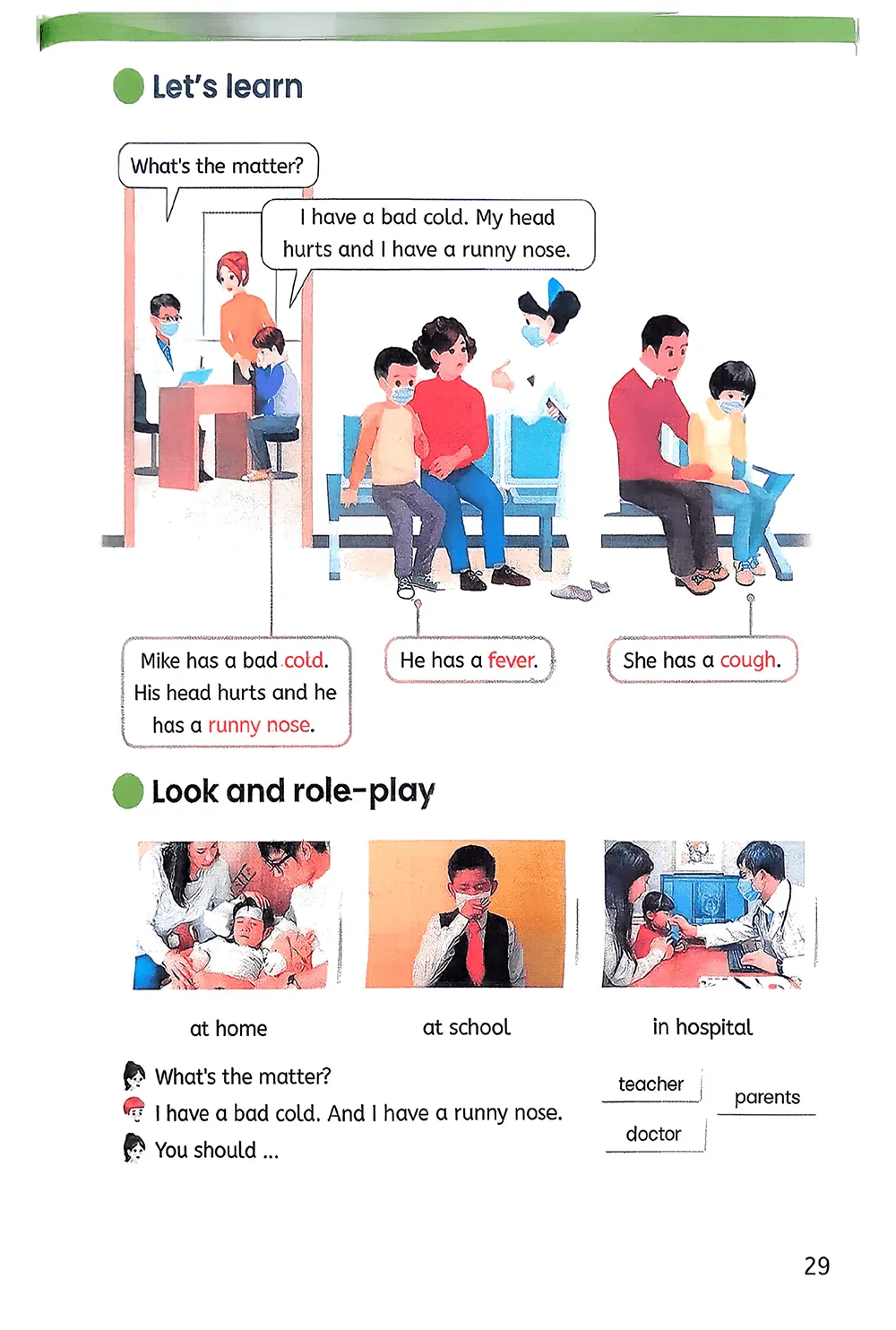
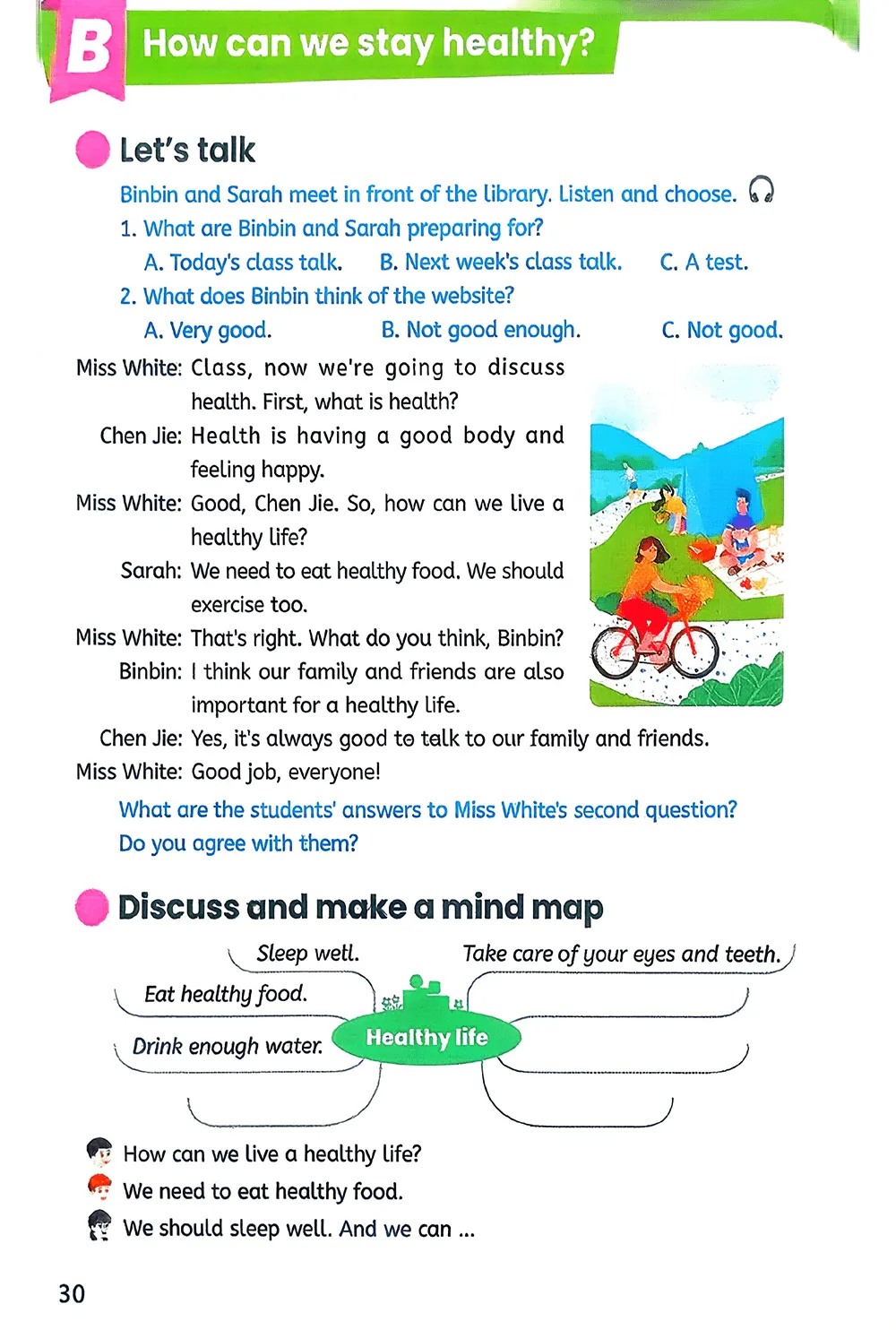
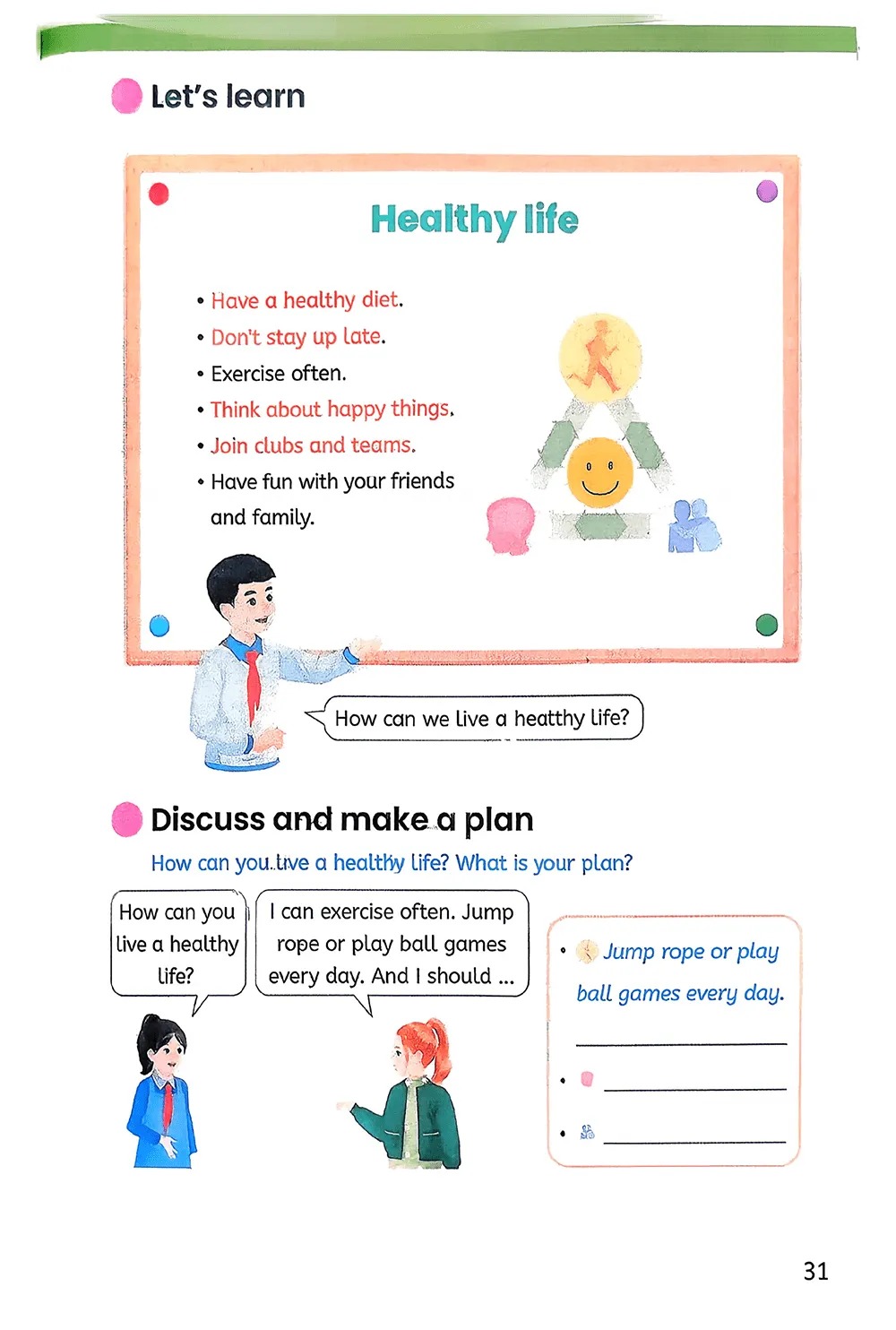
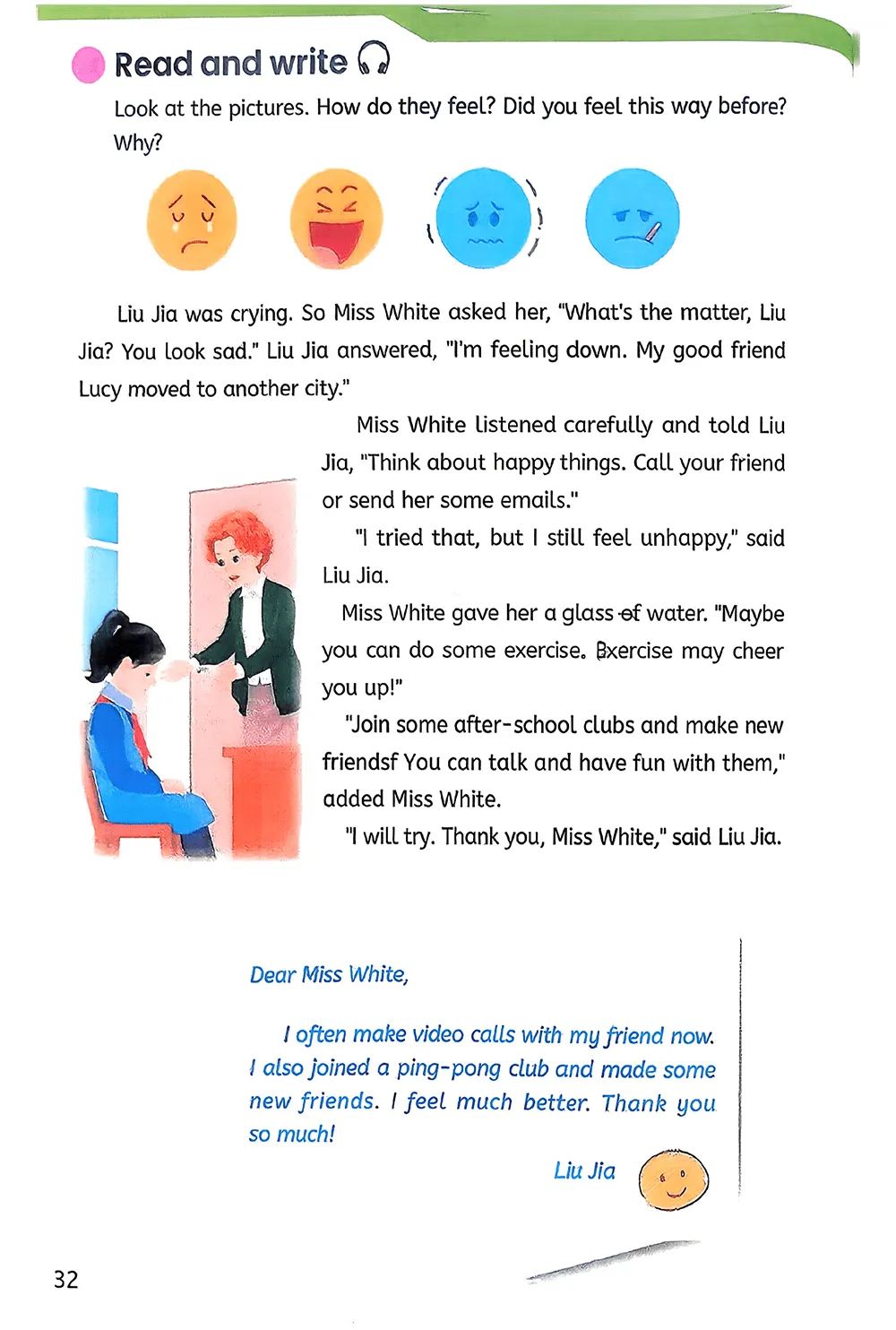
1. 询问和描述日常健康习惯
句型一:What do you usually do ...?
— What do you usually do after school?你放学后通常做什么?— I usually play sports with my friends.我通常和朋友们一起运动。
解析:
usually 是频度副词,表示“通常”,放在实义动词前面。
同类型频度副词还有:always(总是)、often(经常)、sometimes(有时)、never(从不)。
一般现在时中,主语是第三人称单数时动词要加 -s / -es。例:He often drinks milk in the morning.
句型二:Do you often ...?
— Do you often eat vegetables?你经常吃蔬菜吗?— Yes, I do. / No, I don’t.
解析:
这是一般现在时的一般疑问句,借 do 来提问。
回答时用 “Yes, 主语 + do/does.” 或 “No, 主语 + don’t/doesn’t.”
主语是第三人称单数时用 does:例:Does she often exercise? — Yes, she does.
2. 询问睡眠时长或数量
句型三:How many hours do you sleep ...?
— How many hours do you sleep every night?你每晚睡几个小时?— I sleep about nine hours.我大约睡九个小时。
解析:
How many + 可数名词复数 用来询问数量,后面接一般疑问句。
how many hours 询问“多少小时”。
回答时可以用具体数字:about + 数字 + hours 表示“大约……小时”。例:How many hours do you watch TV every day?你每天看几个小时电视?
3. 提出健康建议:should / shouldn’t
句型四:You should / shouldn’t + 动词原形
You should exercise every day.你应该每天锻炼。You shouldn’t eat too much junk food.你不应该吃太多垃圾食品。
解析:
should 是情态动词,意思是“应该”,后面必须接动词原形。
否定形式是 shouldn’t = should not,表示“不应该”。
should 没有人称和数的变化,不管是 I / you / he / she 都用 should。例:He should go to bed early.She shouldn’t stay up late.
4. 评价对健康的好坏:be good for / be bad for
句型五:... is / are good for ... / bad for ...
Eating fruit is good for your health.吃水果对你的健康有好处。Too much sugar is bad for you.吃太多糖对你有害。
解析:
be good for 意为“对……有好处”,be bad for 意为“对……有害”。
for 后面接名词或代词宾格,如 your health、you、our body。
注意区分:
health 是名词,意思是“健康”。
healthy 是形容词,意思是“健康的”。例:We should keep healthy.Health is very important.
5. 健康建议的祈使句
句型六:动词原形开头 / Don’t + 动词原形
Eat more fruit and vegetables.多吃水果和蔬菜。Don’t stay up late.不要熬夜。
解析:
肯定祈使句以动词原形开头,表示命令、建议或请求。
否定祈使句在句首加 Don’t。
祈使句通常省略主语 you。例:Brush your teeth before you go to bed.睡前刷牙。Don’t watch TV for too long.不要看太长时间电视。
6. 询问频率:How often ...?
句型七:How often do you ...?
— How often do you exercise?你多久锻炼一次?— Three times a week.一周三次。
解析:
How often 用来对频率提问,意思是“多久一次”。
回答可以用:
every day(每天)
once a week(一周一次)
twice a week(一周两次)
three times a week(一周三次)
注意:“一次”是 once,“两次”是 twice,三次及以上用 数字 + times。
7. 谈论多少:too much / too many / a lot of
句型八:too much + 不可数名词,too many + 可数名词复数
Don’t drink too much cola.不要喝太多可乐。Don’t eat too many candies.不要吃太多糖果。
解析:
too much 修饰不可数名词,如 water、cola、sugar、junk food。
too many 修饰可数名词复数,如 candies、hamburgers、chips。
a lot of 既可修饰可数名词复数,也可修饰不可数名词。例:I eat a lot of vegetables and fruit every day.
背单词神器推荐:
https://welearn.sharerr.cn
长按下面二维码,然后识别二维码
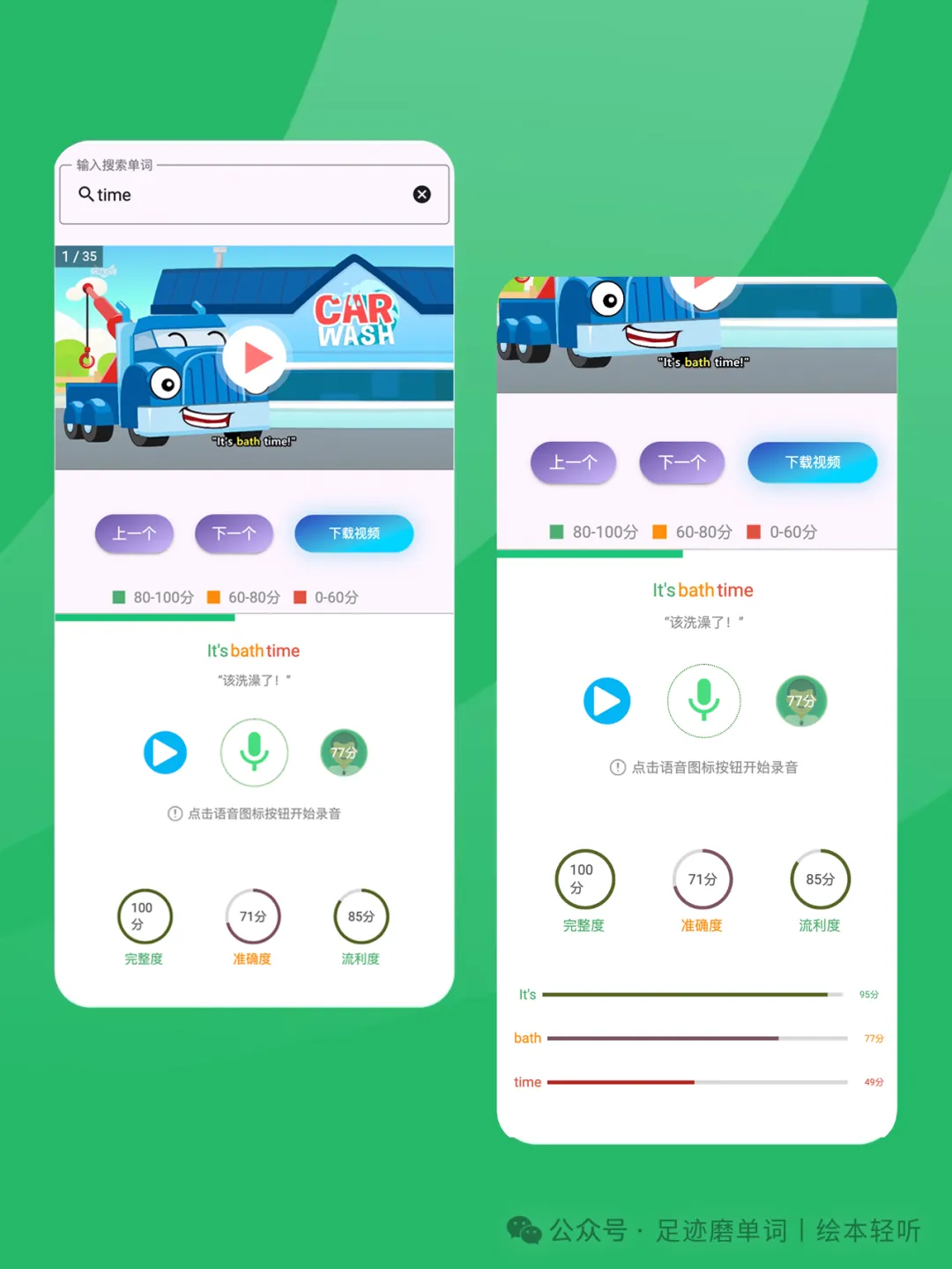
在线学习:搜索单词,学短句
https://welearn.sharerr.cn

课本在线跟读:
「 长按识别二维码学习更多精彩内容 」
或者
点击「阅读原文」学习更多内容!