B 站柴荣老师
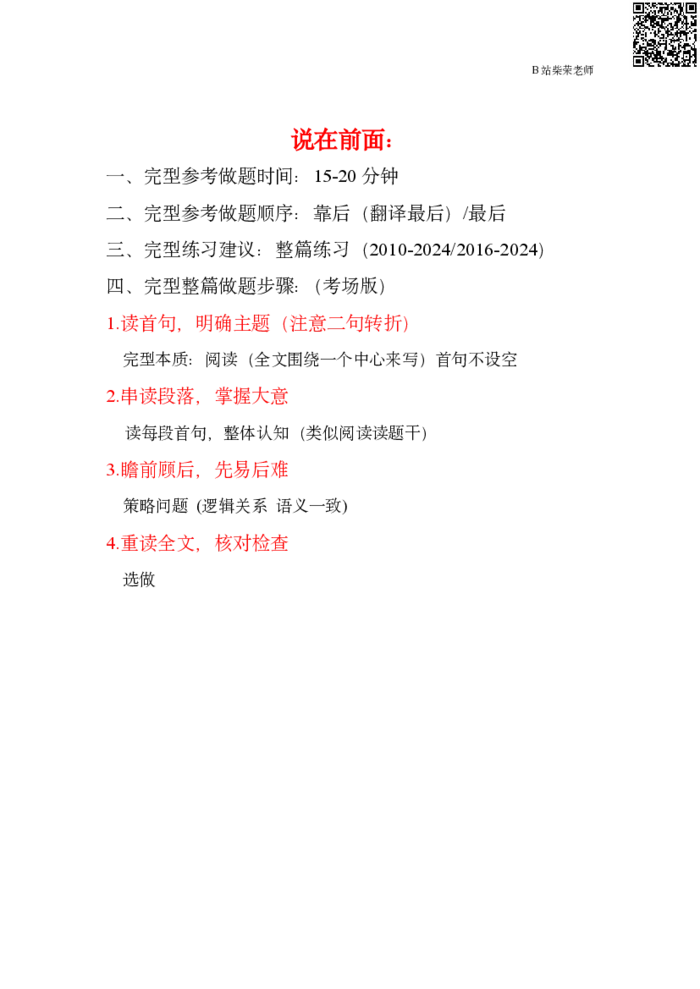
说在前面:
一、完型参考做题时间:15-20 分钟
二、完型参考做题顺序:靠后(翻译最后)/最后
三、完型练习建议:整篇练习(2010-2024/2016-2024)
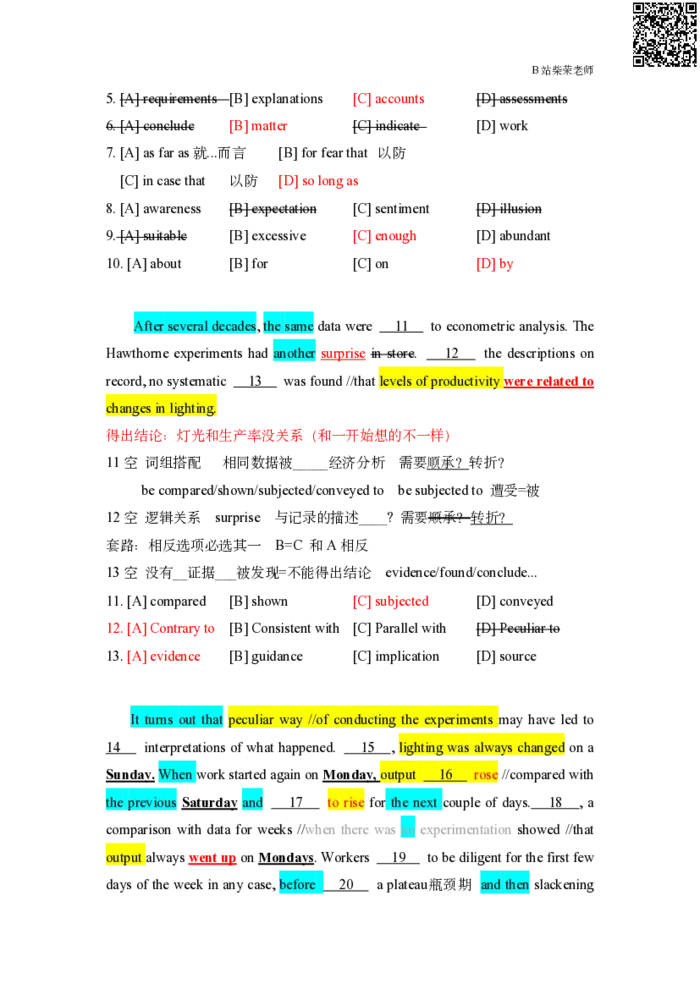
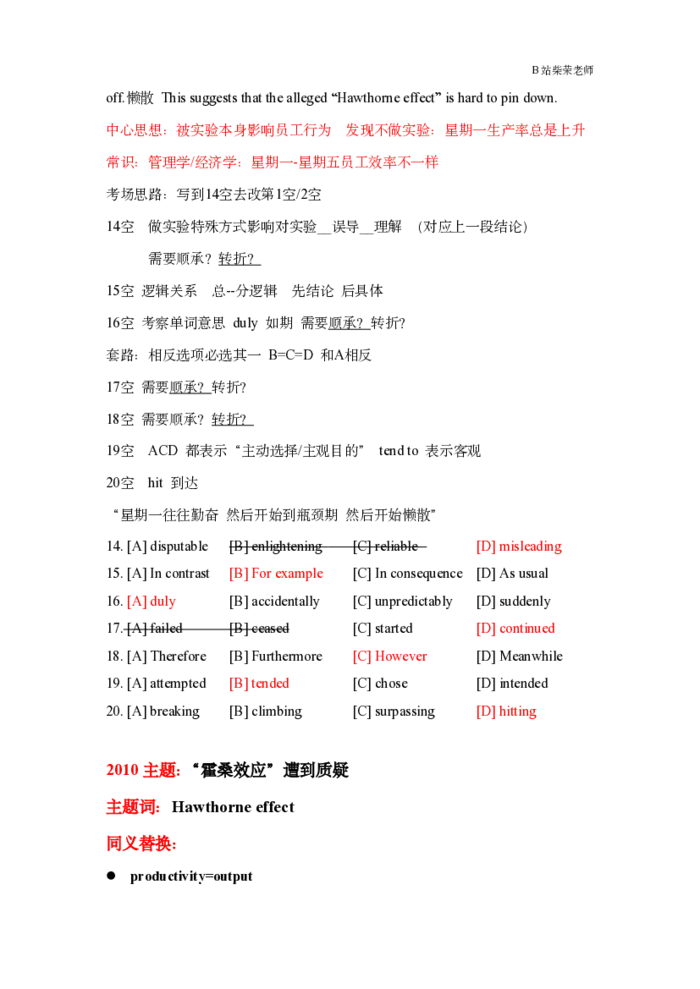
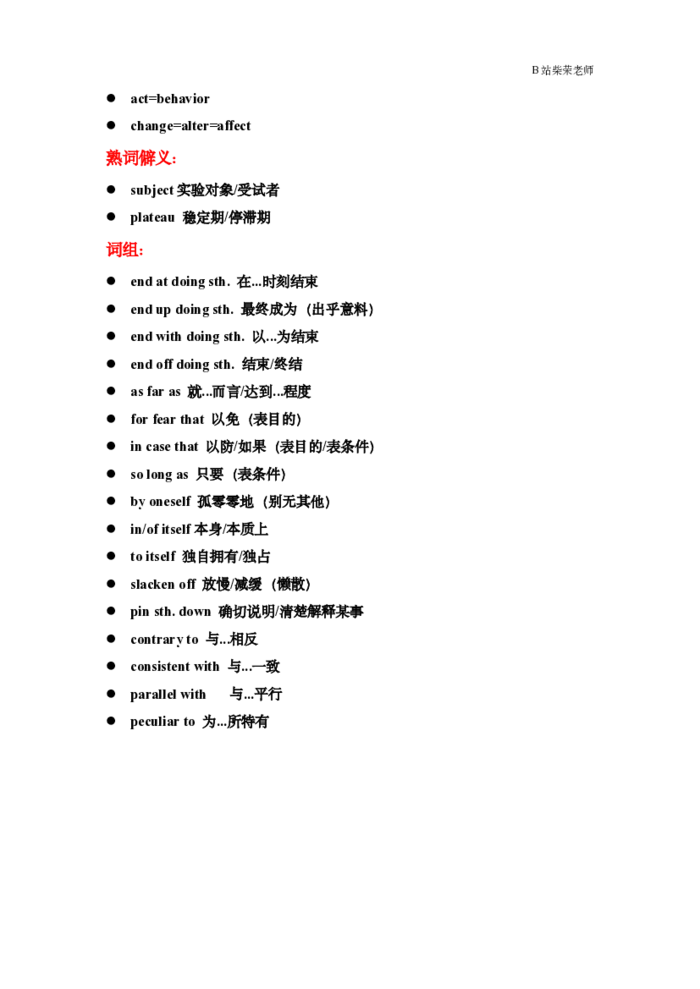
四、完型整篇做题步骤:(考场版)
1.读首句,明确主题(注意二句转折)
完型本质:阅读(全文围绕一个中心来写)首句不设空
2.串读段落,掌握大意
读每段首句,整体认知(类似阅读读题干)
3.瞻前顾后,先易后难
策略问题(逻辑关系语义一致)
4.重读全文,核对检查
选做
B 站柴荣老师
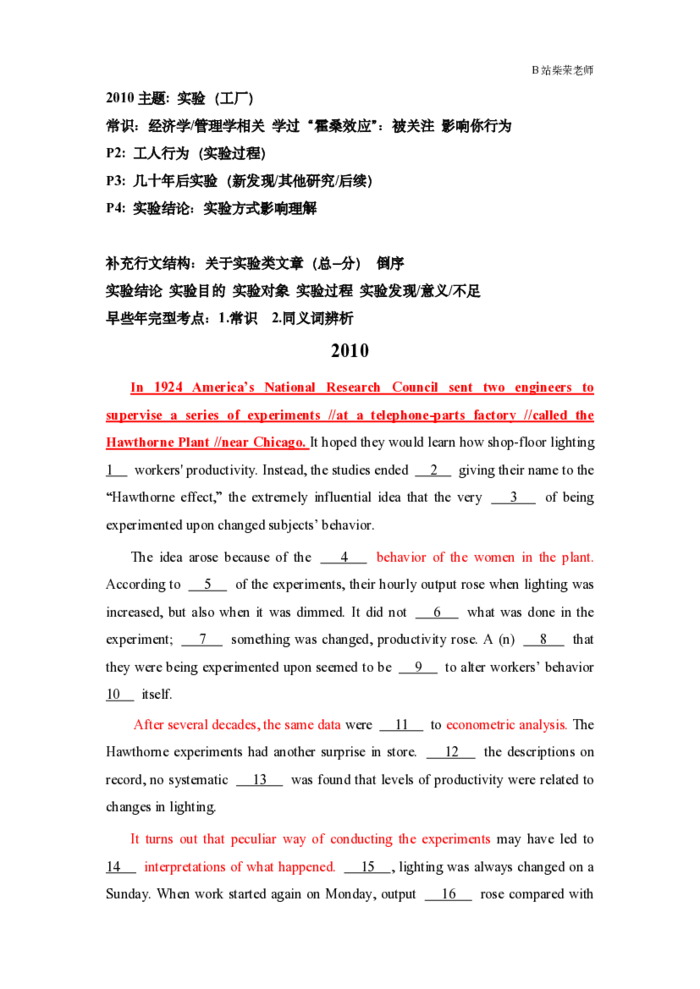
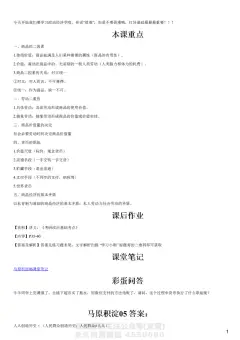
2010 主题: 实验(工厂)
常识:经济学/管理学相关学过“霍桑效应”:被关注影响你行为
P2: 工人行为(实验过程)
P3: 几十年后实验(新发现/其他研究/后续)
P4: 实验结论:实验方式影响理解
补充行文结构:关于实验类文章(总--分)倒序
实验结论实验目的实验对象实验过程实验发现/意义/不足
早些年完型考点:1.常识
2.同义词辨析
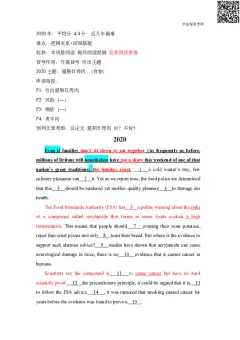
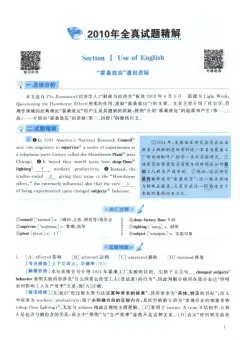
2010
In 1924 America’s National Research Council sent two engineers to
supervise a series of experiments //at a telephone-parts factory //called the
Hawthorne Plant //near Chicago. It hoped they would learn how shop-floor lighting
1
workers' productivity. Instead, the studies ended
2
giving their name to the
“Hawthorne effect,” the extremely influential idea that the very
3
of being
experimented upon changed subjects’ behavior.
The idea arose because of the
4
behavior of the women in the plant.
According to
5
of the experiments, their hourly output rose when lighting was
increased, but also when it was dimmed. It did not
6
what was done in the
experiment;
7
something was changed, productivity rose. A (n)
8
that
they were being experimented upon seemed to be
9
to alter workers’ behavior
10
itself.
After several decades, the same data were
11
to econometric analysis. The
Hawthorne experiments had another surprise in store.
12
the descriptions on
record, no systematic
13
was found that levels of productivity were related to
changes in lighting.
It turns out that peculiar way of conducting the experiments may have led to
14
interpretations of what happened.
15
, lighting was always changed on a
Sunday. When work started again on Monday, output
16
rose compared with
B 站柴荣老师
the previous Saturday and
17
to rise for the next couple of days.
18
, a
comparison with data for weeks when there was no experimentation showed that
output always went up on Mondays. Workers
19
to be diligent for the first few
days of the week in any case, before
20
a plateau and then slackening off.
This suggests that the alleged “Hawthorne effect” is hard to pin down.
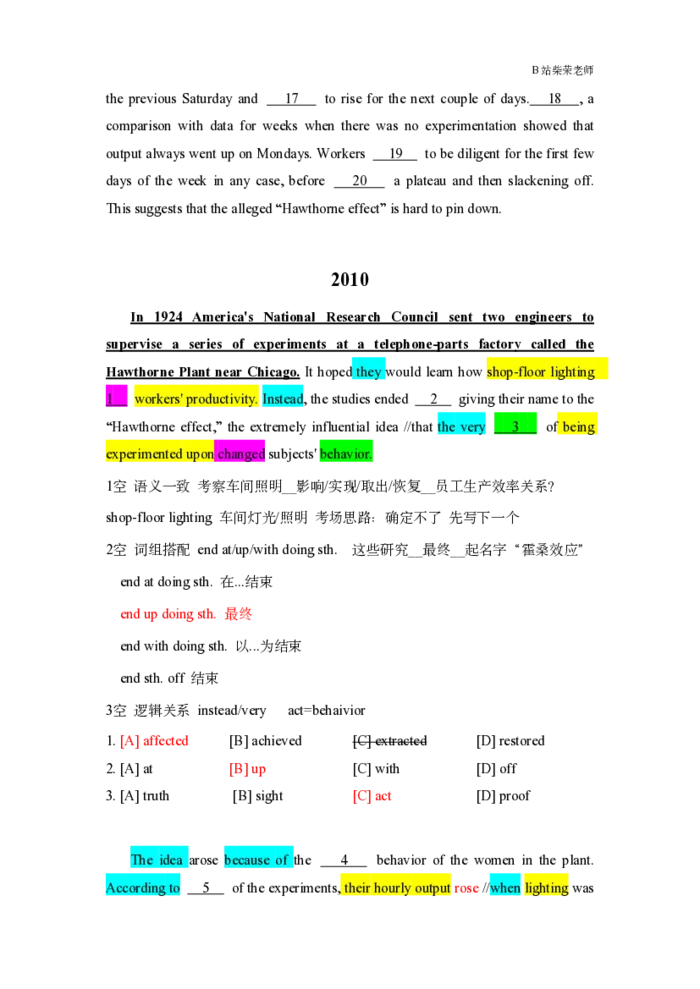
2010
In 1924 America's National Research Council sent two engineers to
supervise a series of experiments at a telephone-parts factory called the
Hawthorne Plant near Chicago. It hoped they would learn how shop-floor lighting
1
workers' productivity. Instead, the studies ended
2
giving their name to the
“Hawthorne effect,” the extremely influential idea //that the very
3
of being
experimented upon changed subjects' behavior.
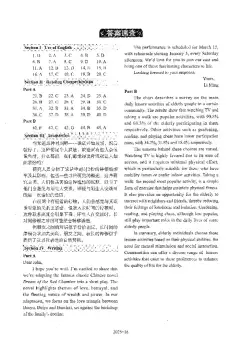
1空语义一致考察车间照明__影响/实现/取出/恢复__员工生产效率关系?
shop-floor lighting 车间灯光/照明考场思路:确定不了先写下一个
2空词组搭配end at/up/with doing sth.
这些研究__最终__起名字“霍桑效应”
end at doing sth. 在...结束
end up doing sth. 最终
end with doing sth. 以...为结束
end sth. off 结束
3空逻辑关系instead/very
act=behaivior
1. [A] affected
[B] achieved
[C] extracted
[D] restored
2. [A] at
[B] up
[C] with
[D] off
3. [A] truth
[B] sight
[C] act
[D] proof
The idea arose because of the
4
behavior of the women in the plant.
According to
5
of the experiments, their hourly output rose //when lighting was
B 站柴荣老师
increased, but also //when it was dimmed. It did not
6
what was done in the
experiment;
7
something was changed, productivity rose. A (n)
8
//that
they were being experimented upon seemed to be
9
to alter workers’ behavior
10
itself.
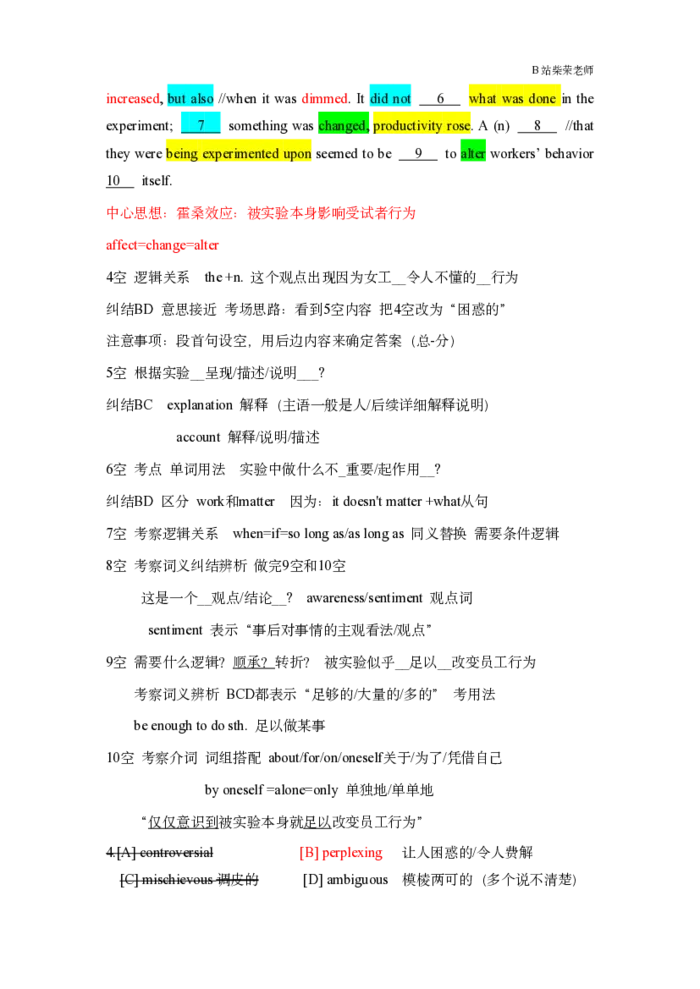
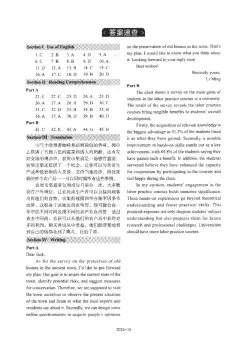
中心思想:霍桑效应:被实验本身影响受试者行为
affect=change=alter
4空逻辑关系
the +n. 这个观点出现因为女工__令人不懂的__行为
纠结BD 意思接近考场思路:看到5空内容把4空改为“困惑的”
注意事项:段首句设空,用后边内容来确定答案(总-分)
5空根据实验__呈现/描述/说明___?
纠结BC
explanation 解释(主语一般是人/后续详细解释说明)
account 解释/说明/描述
6空考点单词用法
实验中做什么不_重要/起作用__?
纠结BD 区分work和matter
因为:it doesn't matter +what从句
7空考察逻辑关系
when=if=so long as/as long as 同义替换需要条件逻辑
8空考察词义纠结辨析做完9空和10空
这是一个__观点/结论__?
awareness/sentiment 观点词
sentiment 表示“事后对事情的主观看法/观点”
9空需要什么逻辑?顺承?转折?被实验似乎__足以__改变员工行为
考察词义辨析BCD都表示“足够的/大量的/多的” 考用法
be enough to do sth. 足以做某事
10空考察介词词组搭配about/for/on/oneself关于/为了/凭借自己
by oneself =alone=only 单独地/单单地
“仅仅意识到被实验本身就足以改变员工行为”
4.[A] controversial
[B] perplexing
让人困惑的/令人费解
[C] mischievous 调皮的
[D] ambiguous
模棱两可的(多个说不清楚)
B 站柴荣老师
5. [A] requirements
[B] explanations
[C] accounts
[D] assessments
6. [A] conclude
[B] matter
[C] indicate
[D] work
7. [A] as far as 就...而言
[B] for fear that 以防
[C] in case that
以防
[D] so long as
8. [A] awareness
[B] expectation
[C] sentiment
[D] illusion
9. [A] suitable
[B] excessive
[C] enough
[D] abundant
10. [A] about
[B] for
[C] on
[D] by
After several decades, the same data were
11
to econometric analysis. The
Hawthorne experiments had another surprise in store.
12
the descriptions on
record, no systematic
13
was found //that levels of productivity were related to
changes in lighting.
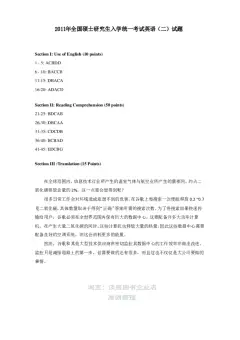
得出结论:灯光和生产率没关系(和一开始想的不一样)
11 空词组搭配
相同数据被_____经济分析
需要顺承?转折?
be compared/shown/subjected/conveyed to
be subjected to 遭受=被
12 空逻辑关系
surprise
与记录的描述____? 需要顺承?转折?
套路:相反选项必选其一
B=C 和A 相反
13 空没有__证据___被发现=不能得出结论
evidence/found/conclude...
11. [A] compared
[B] shown
[C] subjected
[D] conveyed
12. [A] Contrary to
[B] Consistent with
[C] Parallel with
[D] Peculiar to
13. [A] evidence
[B] guidance
[C] implication
[D] source
It turns out that peculiar way //of conducting the experiments may have led to
14
interpretations of what happened.
15
, lighting was always changed on a
Sunday. When work started again on Monday, output
16
rose //compared with
the previous Saturday and
17
to rise for the next couple of days.
18
, a
comparison with data for weeks //when there was no experimentation showed //that
output always went up on Mondays. Workers
19
to be diligent for the first few
days of the week in any case, before
20
a plateau瓶颈期and then slackening
B 站柴荣老师
off.懒散This suggests that the alleged “Hawthorne effect” is hard to pin down.
中心思想:被实验本身影响员工行为
发现不做实验:星期一生产率总是上升
常识:管理学/经济学:星期一-星期五员工效率不一样
考场思路:写到14空去改第1空/2空
14空
做实验特殊方式影响对实验__误导__理解(对应上一段结论)
需要顺承?转折?
15空逻辑关系
总--分逻辑
先结论后具体
16空考察单词意思duly 如期需要顺承?转折?
套路:相反选项必选其一B=C=D 和A相反
17空需要顺承?转折?
18空需要顺承?转折?
19空
ACD 都表示“主动选择/主观目的” tend to 表示客观
20空
hit 到达
“星期一往往勤奋然后开始到瓶颈期然后开始懒散”
14. [A] disputable
[B] enlightening
[C] reliable
[D] misleading
15. [A] In contrast
[B] For example
[C] In consequence
[D] As usual
16. [A] duly
[B] accidentally
[C] unpredictably
[D] suddenly
17. [A] failed
[B] ceased
[C] started
[D] continued
18. [A] Therefore
[B] Furthermore
[C] However
[D] Meanwhile
19. [A] attempted
[B] tended
[C] chose
[D] intended
20. [A] breaking
[B] climbing
[C] surpassing
[D] hitting
2010 主题:“霍桑效应”遭到质疑
主题词:Hawthorne effect
同义替换:
productivity=output
B 站柴荣老师
act=behavior
change=alter=affect
熟词僻义:
subject 实验对象/受试者
plateau 稳定期/停滞期
词组:
end at doing sth. 在...时刻结束
end up doing sth. 最终成为(出乎意料)
end with doing sth. 以...为结束
end off doing sth. 结束/终结
as far as 就...而言/达到...程度
for fear that 以免(表目的)
in case that 以防/如果(表目的/表条件)
so long as 只要(表条件)
by oneself 孤零零地(别无其他)
in/of itself 本身/本质上
to itself 独自拥有/独占
slacken off 放慢/减缓(懒散)
pin sth. down 确切说明/清楚解释某事
contrary to 与...相反
consistent with 与...一致
parallel with
与...平行
peculiar to 为...所特有
B 站柴荣老师
2011 主题:笑有利于身体健康?
串读:笑的作用好?不好?
笑-身体行为-情绪之间的关系?
2011
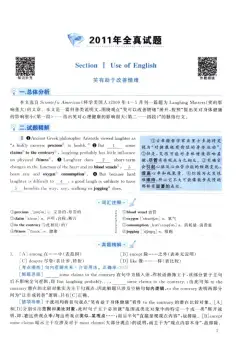
Ancient Greek philosopher Aristotle viewed laughter as “a bodily exercise
precious to health.” But
1
some claims to the contrary, laughing probably has
little influence on physical fitness. Laughter does
2
short-term changes in the
function of the heart and its blood vessels,
3
heart rate and oxygen consumption.
But because hard laughter is difficult to
4
, a good laugh is unlikely to have
5
benefits the way, say, walking or jogging does.
6
, instead of straining muscles to build them, as exercise does, laughter
apparently accomplishes the
7
. Studies dating back to the 1930s indicate that
laughter
8
muscles, decreasing muscle tone for up to 45 minutes after the laugh
dies down.
Such bodily reaction might conceivably help
9
the effects of psychological
stress. Anyway, the act of laughing probably does produce other types of
10
feedback that improve an individual's emotional state.
11
one classical theory of
emotion, our feelings are partially rooted
12
physical reactions. It was argued at
the end of the 19th century that humans do not cry
13
they are sad but that they
become sad when the tears begin to flow.
Although sadness also
14
tears, evidence suggests that emotions can flow
15
muscular responses. In an experiment published in 1988, social psychologist
Fritz Strack of the University of Würzburg in Germany asked volunteers to
16
a
pen either with their teeth—thereby creating an artificial smile—or with their lips,
which would produce a(n)
17
expression. Those forced to exercise their smiling
muscles
18
more enthusiastically to funny cartoons than did those whose
mouths were contracted in a frown,
19
that expressions may influence emotions
rather than just the other way around.
20
, the physical act of laughter could
B 站柴荣老师
improve mood.
2011
Ancient Greek philosopher Aristotle viewed laughter as “a bodily exercise
precious to health.” But
1
some claims to the contrary, laughing probably has
little influence on physical fitness. Laughter does
2
short-term changes //in the
function of the heart and its blood vessels,
3
heart rate and oxygen consumption.
But because hard laughter is difficult to
4
, a good laugh is unlikely to have
5
benefits the way, say, walking or jogging does.
中心:亚里士多德认为“笑有助于健康”开篇方式:名人名言引出主题
1空考察句内逻辑
但是(尽管有人持相反观点)即:笑对身体不好
2空语义一致
读后文发现写“笑的作用”
3空考察常识注意并列逻辑增加(心率和耗氧量)
4空因为笑难以__维持/持续__,所以笑不能有显著好处
5空笑不可能有__显著___的好处(和其他运动比)
其他运动(走路/慢跑)产生__显著/明显__的好处
觉得5空选项没有我想要的考察熟词僻义/翻译死板
measurable 可测量的/显著的/明显的
1. [A] among
[B] except
[C] despite
[D] like
2. [A] reflect
[B] demand
[C] indicate
[D] produce
3. [A] stabilizing
[B] boosting
[C] impairing
[D] determining
4. [A] transmit 传递
[B] sustain
维持
[C] evaluate
评估
[D] observe 观察
5. [A] measurable
[B] manageable
[C] affordable
[D] renewable
6
, instead of straining muscles to build them, as exercise does, laughter
B 站柴荣老师
apparently accomplishes the
7
. Studies dating back to the 1930s indicate //that
laughter
8
muscles, decreasing muscle tone for up to 45 minutes //after the
laugh dies down.
上一段:写“笑的作用”
本段:还在写“笑的作用”6空in fact
6空考察逻辑关系句间逻辑顺承?转折?
7空用句内逻辑
而不是让肌肉紧张,笑达到__相反的__作用
8空用逻辑关系
而不是让肌肉紧张=笑__放松___肌肉
猜测tone 什么意思?tone=紧张
5.[A] In turn 依次/轮流
[B] In fact 事实上/更确切地说(转折/递进)
[C] In addition另外(引出另一个分论点)[D] In brief 简而言之(总结)
7. [A] opposite
[B] impossible
[C] average
[D] expected
8. [A] hardens
[B] weakens
[C] tightens
[D] relaxes
Such bodily reaction=laughter might conceivably help
9
the effects of
psychological stress. Anyway, the act of laughing probably does produce other types
of
10
feedback that improve an individual's emotional state.
11
one
classical theory of emotion, our feelings are partially rooted
12
physical
reactions. It was argued //at the end of the 19th century //that humans do not cry
13
they are sad //but that they become sad //when the tears begin to flow.
中心:笑有利于健康
本段观点:笑可以改善情绪=笑影响情绪=身体影响情绪
=不是先悲伤再哭而是先哭再悲伤(13空)
9空用逻辑关系
笑可以帮助__减少__心理压力
套路:相反选项必选其一
10空笑是一个身体反应
笑产生其他的__身体___反馈=反应
11 空考察固定搭配根据一个理论
12 空考察固定搭配be rooted in 根植于/扎根到
9.[A] aggravate 加重
[B] generate 产生
B 站柴荣老师
[C] moderate 缓和
[D] enhance 提高
10. [A] physical
[B] mental
心理的
[C] subconscious
潜意识的=心理的
[D] internal 内部的
11. [A] Except for
[B] According to
[C] Due to
[D] As for
12. [A] with
[B] on
[C] in
[D] at
13. [A] unless
[B] until
[C] if
[D] because
Although sadness also
14
tears, evidence suggests //that emotions can flow
15
muscular responses. In an experiment published in 1988, social psychologist
Fritz Strack of the University of Würzburg in Germany asked volunteers to
16
a
pen either with their teeth—thereby creating an artificial smile—or with their lips,
which would produce a(n)
17
expression. Those forced to exercise their smiling
muscles
18
more enthusiastically to funny cartoons //than did those whose
mouths were contracted in a frown,
19
that expressions may influence emotions
rather than just the other way around.
20
, the physical act of laughter could
improve mood.
观点:笑=身体行为改善情绪
change/alter/influence/improve
14空本质考察先后/因果关系与15空相反(是让步内容)
尽管悲伤先于眼泪=尽管情绪先于身体
15空情绪源于身体反应=身体反应影响情绪(和上一段一致的结论)
A precede B
A先B后
A follow B
B先A后
16空考察搭配纠结BD 用牙齿和嘴唇_咬着/抓住_笔
注意并列逻辑
17空__不笑的_表情
18空考察词组搭配adapt to /cater to /turn to /react to
19空
逗号+doing 结果状语这暗示... 引出结论
20空需要顺承?转折?CD选一个
选C
14. [A] exhausts
[B] follows
[C] precedes
[D] suppresses
B 站柴荣老师
15. [A] into
[B] from
[C] towards
[D] beyond
16. [A] fetch
[B] bite
[C] pick
[D] hold
17. [A] disappointed [B] excited
[C] joyful
[D] indifferent
18. [A] adapted
[B] catered
[C] turned
[D] reacted
19. [A] suggesting
[B] requiring
[C] mentioning
[D] supposing
20. [A] Eventually
[B] Consequently
[C] Similarly 相似地/同样地
[D] Conversely 相反
2011 主题:笑有助于改善情绪
主题词:laughter/smile =身体行为
同义替换:
precious/boost/help/improve
health=fitness
physical=muscle
reaction=response=feedback
feeling=emotion=mood (sad)
熟词僻义:
tone 结实,强壮
state 状态
determine 查明
词组:
date back to 追溯到...年代
die down 逐渐平息
in turn 轮流
in fact 确切地说
in addition 另外
in brief 简言之
B 站柴荣老师
except for 除了(表补充)
according to 根据
due to 由于
as for 至于/关于
be rooted in 根源在于
adapt to 适应
cater to 迎合
turn to 求助于
react to 回应