文档文本内容
沪江网校魔法新概念
 1 / 5

新概念英语青少版二级 Unit 11 知识点整理

本次分享的内容是二级的 Unit 11。首先从单词开始。

 单词讲解


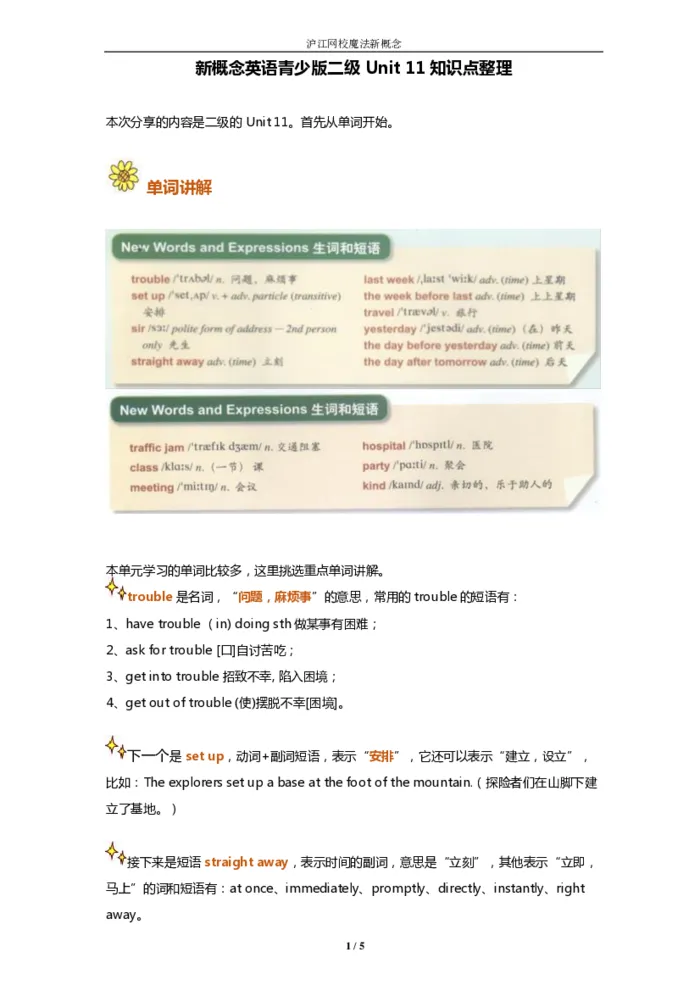
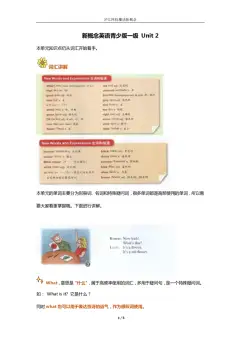
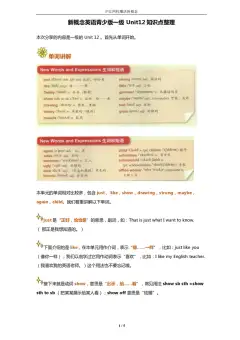
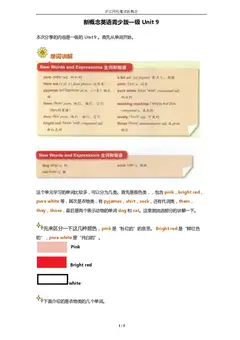
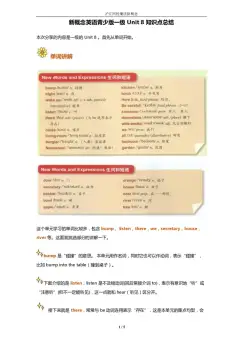
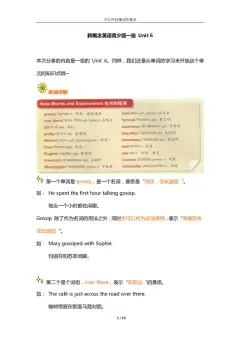
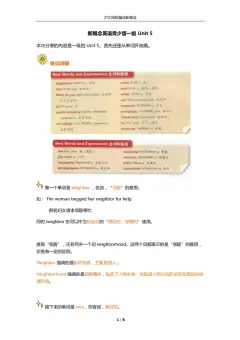
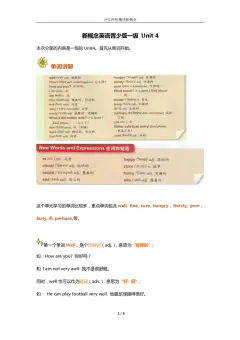
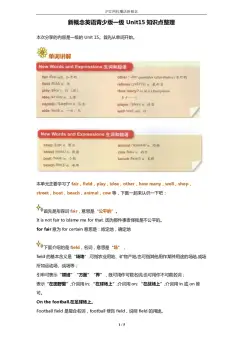
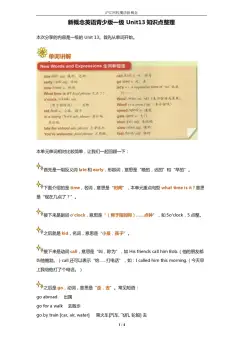
本单元学习的单词比较多,这里挑选重点单词讲解。
trouble 是名词,“问题,麻烦事”的意思,常用的trouble 的短语有:
1、have trouble (in) doing sth 做某事有困难;
2、ask for trouble [口]自讨苦吃;
3、get into trouble 招致不幸, 陷入困境;
4、get out of trouble (使)摆脱不幸[困境]。

下一个是 set up,动词+副词短语,表示“安排”,它还可以表示“建立,设立”,
比如:The explorers set up a base at the foot of the mountain.(探险者们在山脚下建
立了基地。)

接下来是短语straight away,表示时间的副词,意思是“立刻”,其他表示“立即,
马上”的词和短语有:at once、immediately、promptly、directly、instantly、right
away。
沪江网校魔法新概念
 2 / 5


 之后是几个动词,travel,意思是“旅行”,它还可以做动词,表示“旅行, 行走”例
如:Travel broadens the mind.(旅行可以使人胸襟开阔。)

之后是名词短语traffic jam,意思是“交通阻塞”。

下一个是我们常见的名词class,在本单元指“(一节)课”,那么我们还学过一个词
lesson,也可以指“课”,它们的区别是:
1、着重指教学内容的“课时”时,两者可以互换使用。
例如:
We have four classes(lessons)in the morning.上午我们有四节课。
2、class 还有“班级”、“课堂”之意,lesson 没有这样的意思;
     lesson 还有“课业”、“功课”、“学科”等意思,class 无此意。
     表示书中的“第几课”时只能用lesson。
例如:
How many classes are there in your school?你们学校有多少个班级?
Good morning,class!同学们,早上好!
There are fifty-six lessons in the book.这本书有五十六课。

表示时间的短语:
Last week 上星期
The week before last 上上星期
Yesterday 昨天
The day before yesterday 前天
The day after tomorrow 后天
Yesterday morning/afternoon/ evening/ night 昨天早上/下午/晚上/夜里
The night before last 前天夜里


语法讲解

一般过去时
沪江网校魔法新概念
 3 / 5


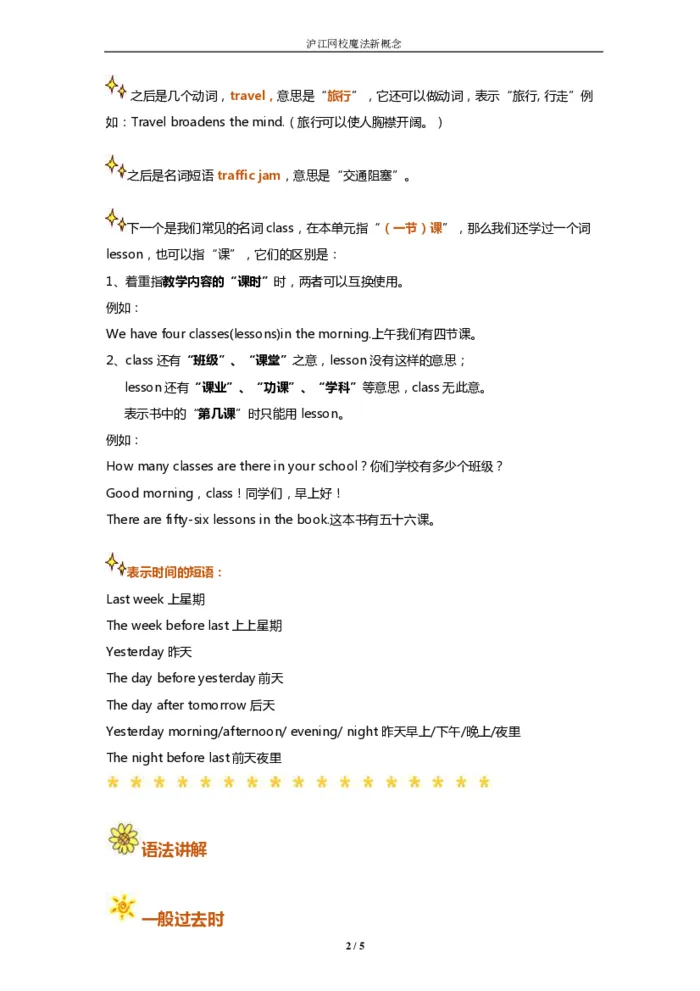
一般过去时的定义:一般过去时表示过去某一时候或某一段时间所发生了的事情或存在的状
态。


一般过去时的时间状语:yesterday, last week/month,the week before last ,
yesterday,the day before yesterday,the day after tomorrow 连用。

一般过去时的结构:主语+动词过去式+其他

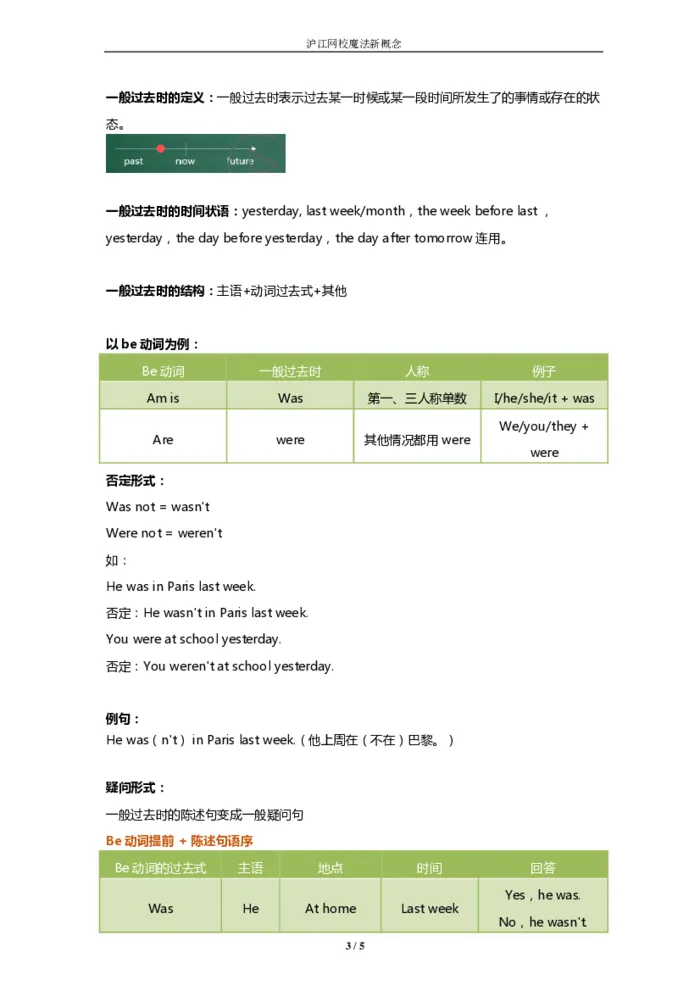
以be 动词为例:
Be 动词
一般过去时
人称
例子
Am is
Was
第一、三人称单数
I/he/she/it + was
Are
were
其他情况都用were
We/you/they +
were
否定形式:
Was not = wasn't
Were not = weren't
如:
He was in Paris last week.
否定:He wasn't in Paris last week.
You were at school yesterday.
否定:You weren't at school yesterday.

例句:
He was(n't) in Paris last week.(他上周在(不在)巴黎。)

疑问形式:
一般过去时的陈述句变成一般疑问句
Be 动词提前 + 陈述句语序
Be 动词的过去式
主语
地点
时间
回答
Was
He
At home
Last week
Yes,he was.
No,he wasn't.
沪江网校魔法新概念
 4 / 5

Were
You
At school
Yesterday
Yes, I was.
No, i wasn’t.

特殊疑问句:

疑问词
动词
主语
地点
时间
回答
When
Was
He
In Paris

Yesterday
Where
Were
You

Yesterday
(Iwas)in Paris


at 和in + 地点
in 强调“在…里”(空间范围内)
at 强调“点”,可翻译成“在…”“在…处”或者“在...旁”
At:at home, at school, at the shops, at work, at home
In:in the office, in class, in the country


发音现象——be 的弱读形式


动词be 的肯定形式出现在短语中间,通常会弱读为/ə/,需要通过大量练习才能达到口语的
提高哦,因此小朋友们一定要多加练习呀。


接下来对本单元的重点进行总结。本单元重点是一般过去时,重点范例有:
* Was he/she at school yesterday?
– Yes, he / she was./ No,he /she wasn’t.
* Were you at home yesterday morning?
– Yes, I was./ No, I wasn’t.
沪江网校魔法新概念
 5 / 5

* at home, at school, at the shops, at work
* in the office, in class, in the country


上面的知识点是本单元的重点,同学们一定要注意掌握。