文档文本内容
听力提升卷08 新能源汽车(全国通用)

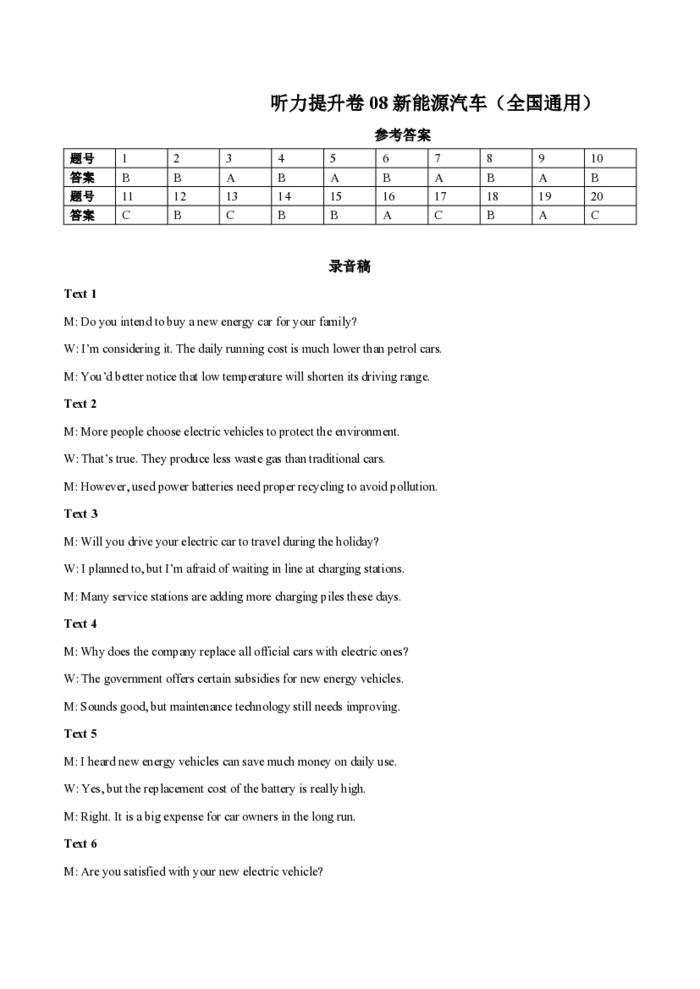
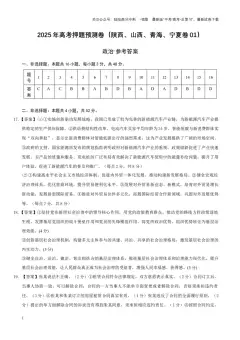
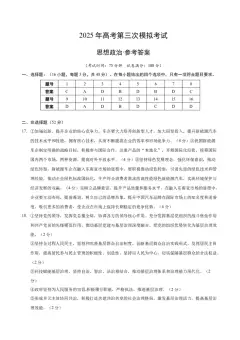
参考答案
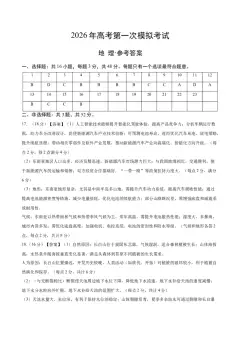
题号
1
2
3
4
5
6
7
8
9
10
答案
B
B
A
B
A
B
A
B
A
B
题号
11
12
13
14
15
16
17
18
19
20
答案
C
B
C
B
B
A
C
B
A
C
录音稿
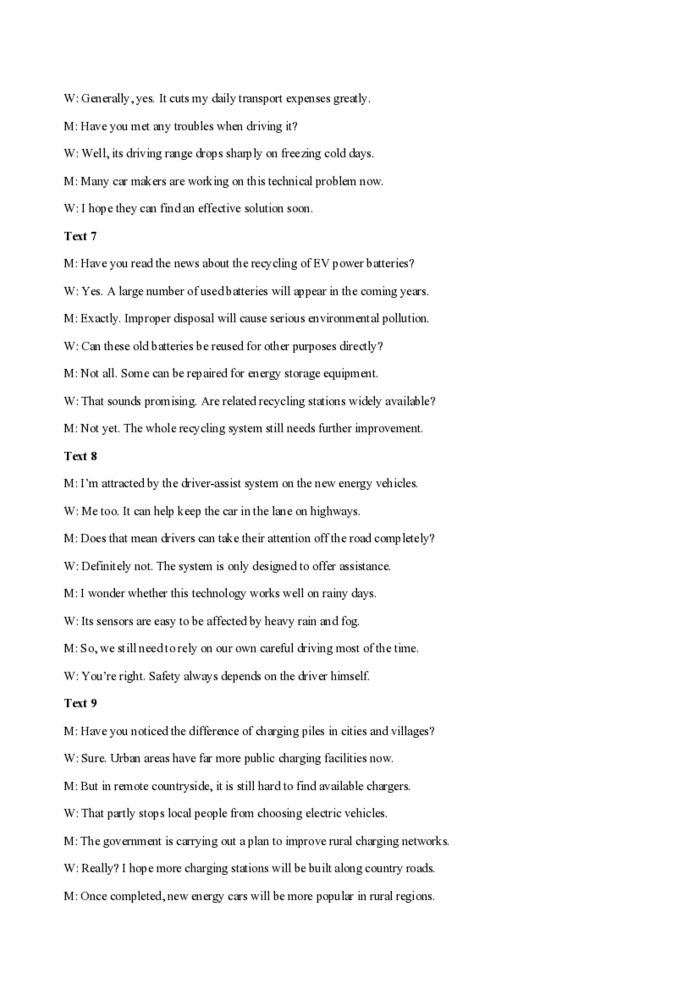
Text 1
M: Do you intend to buy a new energy car for your family?
W: I’m considering it. The daily running cost is much lower than petrol cars.
M: You’d better notice that low temperature will shorten its driving range.
Text 2
M: More people choose electric vehicles to protect the environment.
W: That’s true. They produce less waste gas than traditional cars.
M: However, used power batteries need proper recycling to avoid pollution.
Text 3
M: Will you drive your electric car to travel during the holiday?
W: I planned to, but I’m afraid of waiting in line at charging stations.
M: Many service stations are adding more charging piles these days.
Text 4
M: Why does the company replace all official cars with electric ones?
W: The government offers certain subsidies for new energy vehicles.
M: Sounds good, but maintenance technology still needs improving.
Text 5
M: I heard new energy vehicles can save much money on daily use.
W: Yes, but the replacement cost of the battery is really high.
M: Right. It is a big expense for car owners in the long run.
Text 6
M: Are you satisfied with your new electric vehicle?
W: Generally, yes. It cuts my daily transport expenses greatly.
M: Have you met any troubles when driving it?
W: Well, its driving range drops sharply on freezing cold days.
M: Many car makers are working on this technical problem now.
W: I hope they can find an effective solution soon.
Text 7
M: Have you read the news about the recycling of EV power batteries?
W: Yes. A large number of used batteries will appear in the coming years.
M: Exactly. Improper disposal will cause serious environmental pollution.
W: Can these old batteries be reused for other purposes directly?
M: Not all. Some can be repaired for energy storage equipment.
W: That sounds promising. Are related recycling stations widely available?
M: Not yet. The whole recycling system still needs further improvement.
Text 8
M: I’m attracted by the driver-assist system on the new energy vehicles.
W: Me too. It can help keep the car in the lane on highways.
M: Does that mean drivers can take their attention off the road completely?
W: Definitely not. The system is only designed to offer assistance.
M: I wonder whether this technology works well on rainy days.
W: Its sensors are easy to be affected by heavy rain and fog.
M: So, we still need to rely on our own careful driving most of the time.
W: You’re right. Safety always depends on the driver himself.
Text 9
M: Have you noticed the difference of charging piles in cities and villages?
W: Sure. Urban areas have far more public charging facilities now.
M: But in remote countryside, it is still hard to find available chargers.
W: That partly stops local people from choosing electric vehicles.
M: The government is carrying out a plan to improve rural charging networks.
W: Really? I hope more charging stations will be built along country roads.
M: Once completed, new energy cars will be more popular in rural regions.
W: I agree. Good charging conditions are essential for electric car owners.
Text 10
W: Recently, an industry report discussed the resale value of new energy vehicles. Many buyers worry that electric
cars lose value much faster than petrol cars after several years. One main reason lies in the rapid upgrade of battery
technology. New batteries with longer driving ranges come out every year, making older models less attractive on
the second-hand market. Besides, potential buyers are uncertain about the remaining battery life, which further lowers
their willingness to pay high prices. However, experts point out that the gap in depreciation is gradually narrowing.
With improved battery quality and standardized testing systems, more consumers will accept used electric vehicles.
It is also predicted that related policies will be released to regulate the second-hand new energy car market in the near
future.