ARTICLE · 1051035
AI赋能精算学习海报展示|AI-Supported Actuarial Learning Poster Showcas

9月9日,AI赋能精算案例学习项目成果展示活动在西交利物浦大学举行。活动由数学物理学院许昕博士带领的教学发展项目团队组织,西浦精算社协办。参与项目的精算专业本科生以海报形式集中展示案例研究成果,并与来自友邦人寿和韦莱韬悦的行业专家开展面对面交流与评审。
AI赋能精算案例学习项目聚焦AI快速发展背景下的教学创新,探索如何将AI更好地融入精算学习,帮助学生将课堂理论应用于真实案例分析。项目也引导学生认识AI工具的适用边界,在使用过程中保持独立判断,审慎评估AI生成内容,并培养批判性使用AI的能力。
On 9 September, the AI-Supported Actuarial Case Learning Project Showcase was held at Xi’an Jiaotong-Liverpool University. The event was organised by the teaching development project team led by Dr Xin Xu from the School of Mathematics and Physics, with support from the X Actuarial Society. Undergraduate students from the BSc Actuarial Science programme presented their case-study outcomes through posters and engaged in face-to-face discussions and evaluation with industry experts from AIA Life and WTW.
The AI-Supported Actuarial Case Learning Project explores how AI can be meaningfully integrated into actuarial education to help students apply classroom knowledge to real-world case analysis. It also encourages students to recognise the limitations of AI, maintain independent judgement, critically evaluate AI-generated outputs, and use AI tools in a responsible and informed way.

01
多元案例成果集中展示
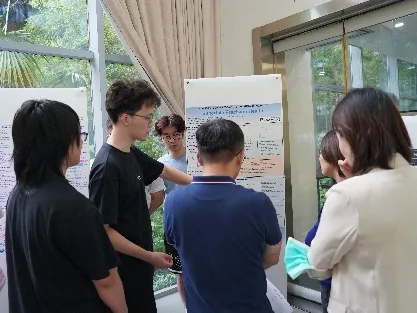
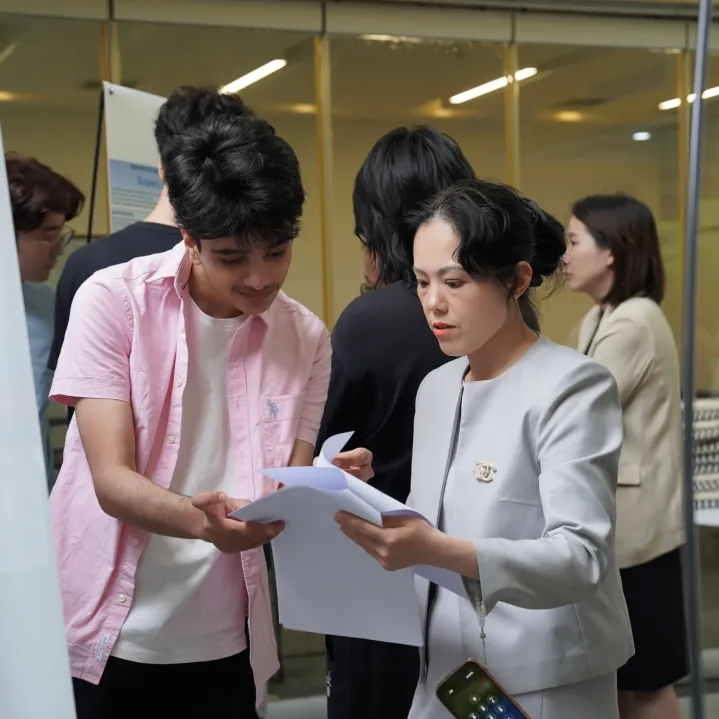
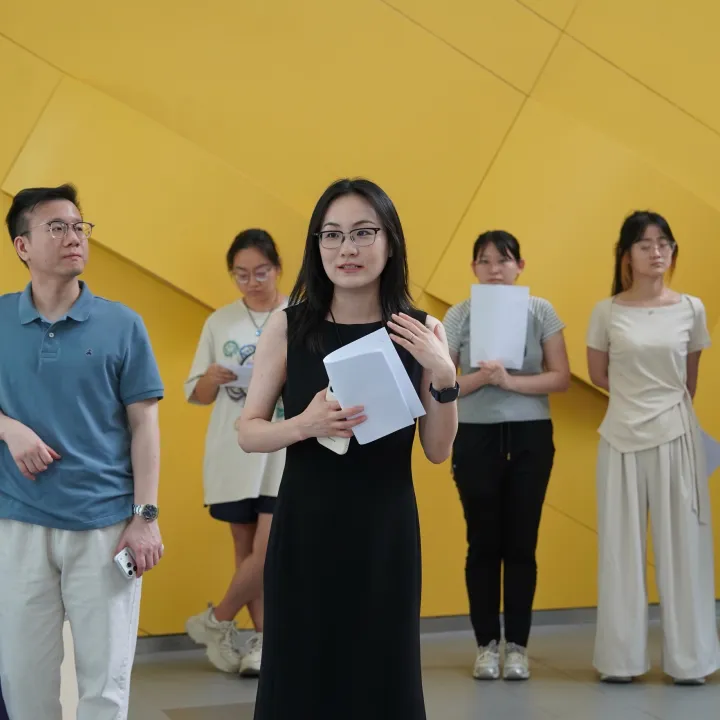
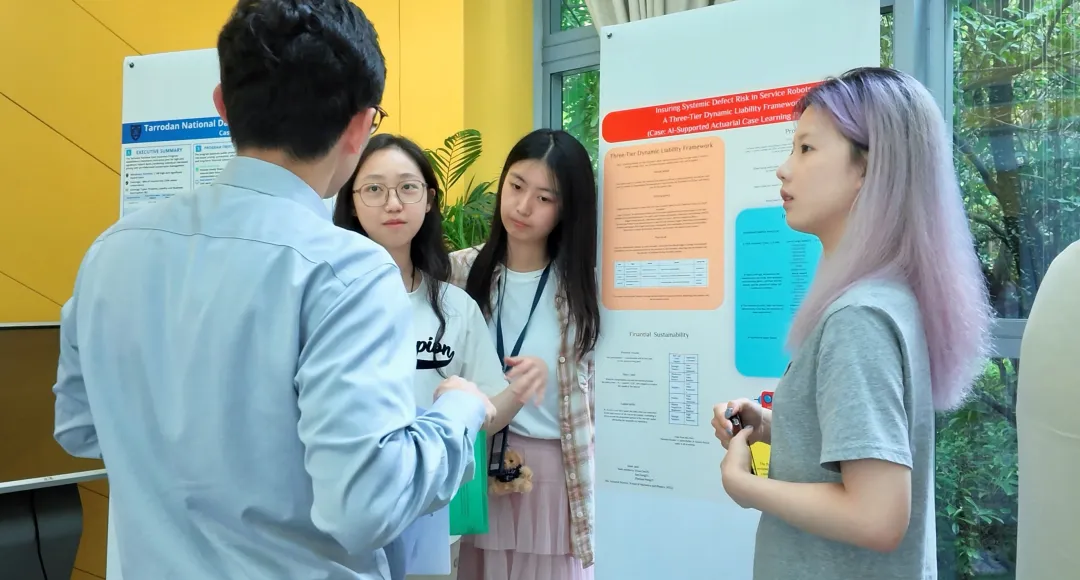
活动当天,各项目小组在学校数学楼一楼大厅集中展示成果海报,并围绕案例背景、问题界定、分析思路、关键假设和研究结论等内容向行业嘉宾介绍项目成果、回应现场提问。三个案例方向聚焦不同类型的保险与风险问题,展现了不同年级学生面对开放式精算问题时多样化的分析思路。通过海报展示和现场交流,学生进一步提炼项目核心问题与主要结论,并在解释分析过程和判断依据的同时,与其他案例组相互交流学习。
During the showcase, student teams presented their project posters in the MB ground-floor lobby and introduced their case backgrounds, problem definitions, analytical approaches, key assumptions and findings to visiting industry experts, while responding to questions on their work. The three case categories addressed different types of insurance and risk problems and reflected the varied approaches taken by students from different year groups when tackling open-ended actuarial questions. The poster presentations and discussions also encouraged students to distil the key issues and conclusions of their projects, explain the reasoning behind their analyses and judgements, and learn from other teams.
02
行业视角检验学生成果
本次成果展示邀请了来自友邦人寿和韦莱韬悦的多位行业专家参与现场交流与评审。
友邦人寿产品部资深总监、负责人陈恒先生是北美精算师(FSA),拥有20余年寿险行业经验,长期从事寿险产品、定价、精算评估及管理工作。友邦人寿资产负债管理与精算模型部总监张君瑜女士是北美精算师(FSA)和中国精算师(FCAA),在产品定价、准备金管理、利润管理、偿付能力管理及资产负债管理等领域拥有丰富的专业实践和管理经验。友邦人寿产品部副总监岳珏女士是北美精算师(FSA)和特许金融分析师(CFA),在精算咨询、产品定价、精算评估等领域积累了丰富的行业经验。
同时,韦莱韬悦中国区保险业咨询主管合伙人丁炜先生(FCAS)也参与了现场交流与项目评审,从咨询及行业实践的视角为学生提供反馈。
评审过程中,行业专家分别来到各组海报前,与学生围绕业务逻辑、关键假设、数据使用、模型选择、风险识别以及方案可实施性等问题展开讨论。现场交流使学生更加直观地体会到,真实行业问题往往不存在唯一的标准答案。除模型和计算本身外,假设是否合理、结论能否得到有效解释、方案是否具有现实可行性,以及能否清晰回应业务问题,同样是精算实践中的重要能力。
The showcase brought together industry ex-perts from AIA Life and WTW, who reviewed students’ work and provided feedback from professional and industry perspectives.
The experts engaged directly with each team, discussing areas including business logic, key assumptions, data use, model selection, risk identification and practical implementation.Their feedback highlighted an important feature of actuarial practice: real-world problems often have no single correct answer. Professional judgement therefore depends not only on models and calculations, but also on reason-able assumptions, clear interpretation, business relevance and practical feasibility.
Through these discussions, students were able to examine their work from an industry perspective and consider how analytical results need to be interpreted and communicated in a professional context.
03
从案例学习走向行业实践
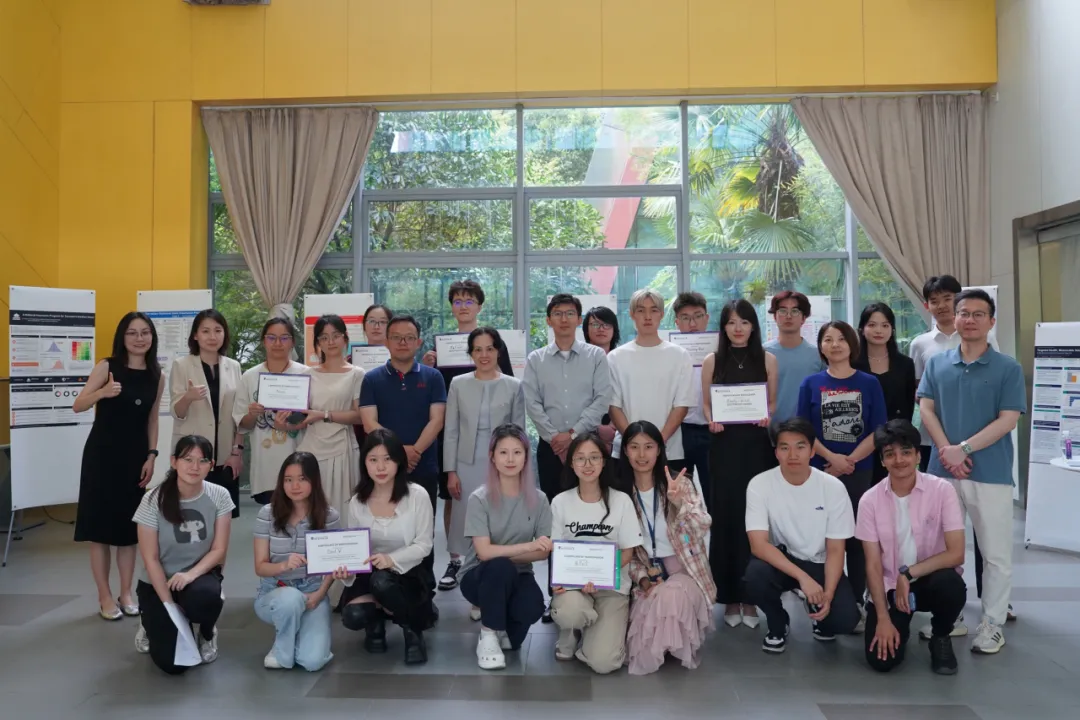
现场交流结束后,各案例方向的评选结果正式公布,行业专家为获奖团队颁发奖状和纪念品。成果展示也为学生提供了从行业视角重新审视项目分析的机会,使他们进一步思考所运用的精算理论、模型与假设能否有效解释实际问题,并形成清晰、合理的分析结论。
通过案例学习、AI辅助探索与行业交流的结合,项目尝试进一步连接精算课堂中的理论学习与实际业务问题。学生不仅需要运用所学知识完成分析,也需要结合具体情境形成专业判断、解释分析依据,并审慎评估AI提供的信息与建议。这一过程帮助学生进一步理解精算理论如何应用于实际问题,也加深了他们对专业判断、沟通表达和批判性思维在精算实践中作用的认识。
Following the discussions, the results for each case category were announced, and industry experts presented certificates and gifts to the award-winning teams. The showcase also gave students an opportunity to revisit their project work from an industry perspective and consider how actuarial theories, models and assumptions could be applied to explain real-world problems and support clear, well-reasoned conclusions.
By combining case-based learning, AI-supported exploration and industry engagement, the project seeks to strengthen the connection between actuarial theory taught in the classroom and practical business problems. Students are encouraged not only to apply actuarial knowledge in their analyses, but also to form professional judgements in context, explain the reasoning behind their work, and critically assess information and suggestions generated by AI. Through this process, they gain a deeper understanding of how actuarial theory is translated into practice, as well as the roles of professional judgement, communication and critical thinking in actuarial work.