ARTICLE · 1282536
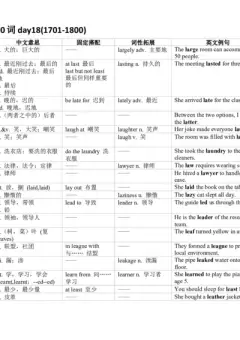
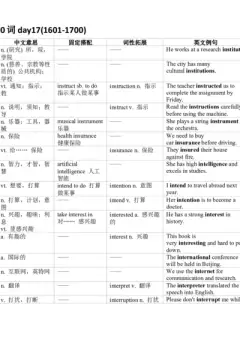
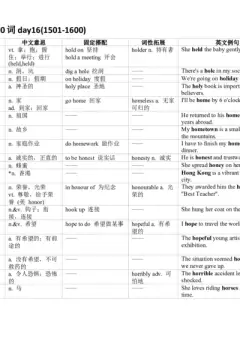
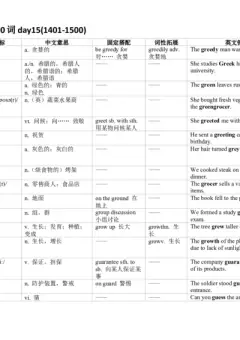
小学必背 600个英语核心动词(音频 + 例句),跟读夯实基础,考点轻松拿捏
小学核心动词50个:阅读高频场景动词词库
观察感官 / 交通出行 / 健康护理 / 社会交往 / 科学探索 五大主题,短句简单好跟读
陪娃学英语这么久,我发现动词积累真的很关键。零散背单词效率低,按主题归类记忆才记得牢。整理了这份小学 50 个核心动词,覆盖阅读高频场景,短句简单好跟读。平时晨读 5 分钟,慢慢积累,语感和做题能力都会悄悄提升。
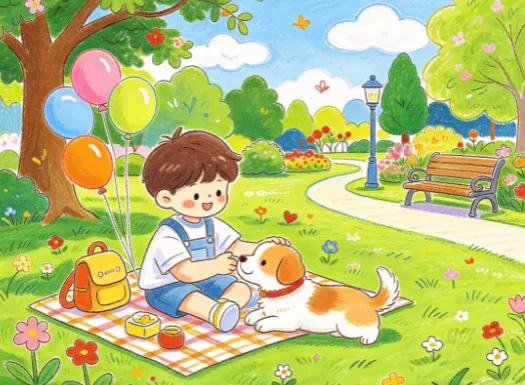
主题一 · 观察与感官活动
1-10主题一:观察与感官活动
1. look /lʊk/ v. 看;看起来The boy looked at the picture on the wall.男孩看着墙上的图片。
2. watch /wɒtʃ/ v. 观看;注视We watched the birds flying over the lake.我们观看鸟儿飞过湖面。
3. feel /fiːl/ v. 感觉;触摸The baby felt the soft blanket with his hands.宝宝用手摸了摸柔软的毯子。
4. smell /smel/ v. 闻起来;闻These flowers smell sweet in spring.这些花在春天闻起来很香。
5. taste /teɪst/ v. 品尝;尝起来The soup tastes delicious.这汤尝起来很美味。
6. touch /tʌtʃ/ v. 触摸;碰Don’t touch the hot pan.不要碰这个烫锅。
7. stare /steə(r)/ v. 盯着看The children stared at the colorful fireworks.孩子们盯着五颜六色的烟花看。
8. glance /ɡlɑːns/ v. 瞥一眼She glanced at the clock before leaving.离开前,她瞥了一眼时钟。
9. blink /blɪŋk/ v. 眨眼The bright light made him blink.强光让他眨了眨眼睛。
10. peek /piːk/ v. 偷看;探头看The little girl peeked through the window.小女孩透过窗户向里面偷看。
主题二 · 交通与出行方式
11-20主题二:交通与出行方式
11. ride /raɪd/ v. 骑;乘坐My brother rides his bike to school every day.我哥哥每天骑自行车上学。
12. sail /seɪl/ v. 航行;乘船旅行They sailed across the lake in a small boat.他们乘坐一艘小船驶过湖面。
13. row /rəʊ/ v. 划船Grandpa rowed the boat along the river.爷爷沿着河划船。
14. park /pɑːk/ v. 停放车辆Dad parked the car near the supermarket.爸爸把车停在超市附近。
15. board /bɔːd/ v. 登上(车、船、飞机)The passengers boarded the plane at noon.乘客们中午登上了飞机。
16. cross /krɒs/ v. 穿过;横过The children crossed the bridge safely.孩子们安全地走过了桥。
17. overtake /ˌəʊvəˈteɪk/ v. 超过;超车The blue car overtook the slow bus.蓝色汽车超过了行驶缓慢的公交车。
18. pedal /ˈpedl/ v. 踩踏板She pedaled her bicycle up the hill.她踩着自行车踏板骑上了小山。
19. tow /təʊ/ v. 拖;牵引The truck towed the broken car away.卡车把坏掉的汽车拖走了。
20. commute /kəˈmjuːt/ v. 通勤;上下班往返My father commutes to work by train.我爸爸乘火车上下班。
主题三 · 健康与身体护理
21-30主题三:健康与身体护理
21. ache /eɪk/ v. 疼痛My legs ache after the long walk.长时间步行后,我的腿很疼。
22. hurt /hɜːt/ v. 受伤;使疼痛Tom hurt his knee while playing football.汤姆踢足球时伤到了膝盖。
23. bleed /bliːd/ v. 流血His finger began to bleed after the cut.手指被划伤后开始流血。
24. heal /hiːl/ v. 愈合;康复The small wound healed after a few days.几天后,这处小伤口愈合了。
25. sweat /swet/ v. 出汗The boys sweated a lot after running.男孩们跑步后出了很多汗。
26. shiver /ˈʃɪvə(r)/ v. 发抖;颤抖The girl shivered in the cold wind.女孩在寒风中瑟瑟发抖。
27. cure /kjʊə(r)/ v. 治愈;治疗The medicine helped cure his illness.这种药帮助治好了他的病。
28. injure /ˈɪndʒə(r)/ v. 使受伤He injured his foot during the game.他在比赛中弄伤了脚。
29. vomit /ˈvɒmɪt/ v. 呕吐The sick child vomited after eating too much.生病的孩子吃得太多后呕吐了。
30. faint /feɪnt/ v. 晕倒The man fainted in the hot weather.那个男人在炎热的天气里晕倒了。
主题四 · 社会交往与公共生活
31-40主题四:社会交往与公共生活
31. offer /ˈɒfə(r)/ v. 主动提供;给予The girl offered her seat to an old woman.女孩主动把座位让给了一位老妇人。
32. invite /ɪnˈvaɪt/ v. 邀请Jack invited his classmates to his birthday party.杰克邀请同学们参加他的生日聚会。
33. introduce /ˌɪntrəˈdjuːs/ v. 介绍The teacher introduced the new student to the class.老师向全班介绍了这位新同学。
34. apologize /əˈpɒlədʒaɪz/ v. 道歉He apologized to his sister for breaking her toy.他因为弄坏妹妹的玩具而向她道歉。
35. complain /kəmˈpleɪn/ v. 抱怨;投诉Some people complained about the noisy street.一些人抱怨街道太吵了。
36. warn /wɔːn/ v. 警告;提醒The sign warns people not to swim here.这个标志提醒人们不要在这里游泳。
37. advise /ədˈvaɪz/ v. 建议My mother advised me to go to bed early.妈妈建议我早点睡觉。
38. persuade /pəˈsweɪd/ v. 劝说;说服Jane persuaded her brother to join the team.简说服弟弟加入了这个队伍。
39. interrupt /ˌɪntəˈrʌpt/ v. 打断Please don’t interrupt others when they are speaking.别人说话时,请不要打断他们。
40. volunteer /ˌvɒlənˈtɪə(r)/ v. 自愿做;主动帮忙The boy volunteered to help the old man.男孩主动提出帮助那位老人。
主题五 · 科学探索与生活发现
41-50主题五:科学探索与生活发现
41. test /test/ v. 测试;检验The students tested the water in the science class.学生们在科学课上检测了水。
42. collect /kəˈlekt/ v. 收集Lucy collects different kinds of leaves.露西收集各种各样的树叶。
43. sort /sɔːt/ v. 分类;整理We sorted the books by size and color.我们按照大小和颜色给书分类。
44. record /rɪˈkɔːd/ v. 记录The boy recorded the weather every day.男孩每天记录天气情况。
45. calculate /ˈkælkjuleɪt/ v. 计算We calculated the total number of books.我们计算了书的总数。
46. predict /prɪˈdɪkt/ v. 预测The girl predicted that it would rain tomorrow.女孩预测明天会下雨。
47. investigate /ɪnˈvestɪɡeɪt/ v. 调查;研究The children investigated how plants grow.孩子们研究了植物是如何生长的。
48. examine /ɪɡˈzæmɪn/ v. 检查;仔细观察The scientist examined the tiny insect.科学家仔细观察了这只小昆虫。
49. identify /aɪˈdentɪfaɪ/ v. 识别;辨认Can you identify the animal from its footprints?你能根据脚印辨认出这种动物吗?
50. discover /dɪˈskʌvə(r)/ v. 发现The children discovered a small cave behind the hill.孩子们在小山后面发现了一个小洞穴。