 夜雨聆风
夜雨聆风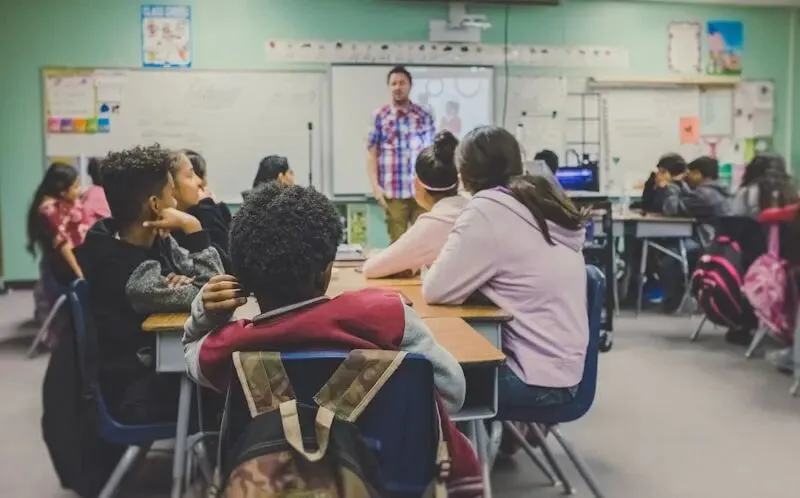
教育变革2026:AI重塑课堂与学习本质
2026.05.15 · 教育领域 · 深度解读

【Part 1】English Original
Source: Google News & Global Education Reports · May 2026
In 2026, the intersection of artificial intelligence and education has moved beyond pilot programs and theoretical debates into large-scale deployment. The question is no longer whether AI will transform education, but how societies can harness this transformation equitably.
Globally, AI-powered personalized learning platforms now serve over 50 million students across 80 countries. Platforms such as Khan Academy's Khanmigo, Duolingo's AI tutor, and China's Squirrel AI have demonstrated 20-40% faster skill acquisition compared with traditional classroom instruction. These systems use adaptive algorithms that adjust content difficulty in real time, identify knowledge gaps with precision, and provide immediate feedback -- a level of individualization that human teachers alone could never deliver at scale.
In higher education, the shift has been equally dramatic. Over 60% of North American and European universities now require at least one AI literacy course for graduation. Institutions from Tsinghua University to MIT have launched dedicated AI-in-Education research centers. The flipped classroom model, where students absorb lectures at home and engage in problem-solving during class, has become the default rather than the exception. AI grading assistants handle routine assessment, freeing professors to focus on mentorship and advanced instruction.
The 2026 World Education Forum, held in Singapore in March, declared "human-centered AI in education" as its guiding theme. The final communiqué emphasized three priorities: equitable access to AI learning tools, teacher empowerment through AI augmentation, and the preservation of critical thinking as the core educational objective. "The goal is not to teach students to use AI tools," the forum's concluding statement read, "but to teach them to think alongside AI -- to know when to trust its outputs and when to challenge them."
China has emerged as a global leader in AI education deployment. By May 2026, all provincial-level administrative regions have launched "AI Classroom" pilot programs under the Ministry of Education's Smart Education initiative. These programs integrate AI-assisted lesson planning, real-time student engagement analytics, and personalized homework generation. In Beijing's Haidian District, a cohort of 50 pilot schools has shown an average 18% improvement in standardized test scores over one academic year, with the largest gains among students from mid-performing backgrounds.
However, the rapid deployment of AI in classrooms has not been without controversy. The so-called "AI divide" has become a central policy concern. In well-funded school districts, students interact with AI tutors daily and develop fluency with intelligent systems. In under-resourced areas -- whether in rural China, sub-Saharan Africa, or inner-city America -- access to reliable internet, devices, and AI platforms remains severely limited. A 2026 UNESCO report warns that without deliberate intervention, AI will widen existing achievement gaps rather than close them.
South Korea provides a cautionary case. The country launched AI digital textbooks in 2025 but faced a backlash from parents' groups concerned about screen time, data privacy, and the erosion of teacher-student relationships. By early 2026, the government had revised its policy to mandate at least 30% human-led instruction in all AI-integrated classrooms. The Korean experience underscores a fundamental truth: technology amplifies pedagogy but cannot replace it.
Teachers themselves are undergoing a profound role transformation. The World Economic Forum projects that by 2030, the "learning architect" -- a hybrid role combining instructional design, data analysis, and human mentorship -- will be the dominant teaching profession. Over 40 countries have updated teacher certification requirements to include AI literacy and data-driven instruction. In Singapore, preservice teachers now complete a mandatory module on "AI-Augmented Pedagogy" before entering the classroom.
Assessment is another domain undergoing upheaval. Traditional exams, designed for the industrial era's factory-model education, are increasingly viewed as inadequate for measuring the skills that matter in an AI-augmented world: creativity, critical thinking, collaboration, and ethical reasoning. Finland has led the way with portfolio-based assessment systems where students demonstrate mastery through projects, presentations, and peer evaluations. South Australia has introduced "AI-resistant" examination components that test higher-order synthesis rather than factual recall.
The data privacy dimension adds another layer of complexity. Educational AI systems collect vast amounts of student data -- learning patterns, emotional states, response times, even eye movement and facial expressions in camera-equipped classrooms. The EU's GDPR and China's Personal Information Protection Law provide frameworks, but enforcement remains uneven. A 2026 investigation by The Guardian revealed that at least three major edtech platforms were sharing anonymized student data with third-party advertisers, sparking renewed calls for a dedicated "Student Data Bill of Rights."
For parents and students, the landscape can feel overwhelming. A survey by the Pew Research Center found that 67% of parents in developed countries are concerned about their children's over-reliance on AI for homework, while 58% worry about loss of foundational skills like handwriting and mental arithmetic. Yet the same survey showed that 71% of students believe AI has made learning more engaging and accessible.
In vocational education and lifelong learning, AI's impact is perhaps most pronounced. Workers in rapidly changing industries use AI-powered upskilling platforms to reskill in weeks rather than months. The German dual-education system has integrated AI simulation tools for apprentices in manufacturing and logistics. South Korea's Ministry of Employment and Labor launched "AI Career Coach," a personalized job-matching and training platform that has served over 2 million workers since its 2025 launch.
The pedagogical philosophy underpinning these changes draws from constructionist learning theory -- the idea that learners construct knowledge most effectively when engaged in creating meaningful artifacts. AI tutors, in this framework, are not teachers but enablers: they remove friction, provide scaffolding, and free learners to engage with deeper problems. Educational researcher Sugata Mitra's "School in the Cloud" model has seen a resurgence, with AI mediators replacing human "granny" facilitators in self-organized learning environments across India, Colombia, and South Africa.
China's approach reflects a distinctively East Asian synthesis. Where Western discussions often frame AI education as a tension between technology and humanism, Chinese policymakers have embraced a "technology-enabled humanism" paradigm. The 2026 Smart Education White Paper, jointly published by the Ministry of Education and the Chinese Academy of Sciences, argues that AI should serve as a "scaffold for moral and intellectual cultivation" -- enhancing the traditional Confucian emphasis on holistic self-cultivation while leveraging modern tools. This philosophical integration has attracted international attention, with delegations from UNESCO, Brazil, and Saudi Arabia visiting Chinese pilot schools.
The economic implications are enormous. HolonIQ estimates that the global AI education market will reach $112 billion by 2030, up from $34 billion in 2025. Venture capital investment in edtech AI startups reached $28 billion in 2025 alone. The competitive dynamics are shifting: instead of content providers competing on library size, the new winners are those who combine superior AI models, rich data moats, and effective pedagogical design.
Yet beneath the growth figures and policy announcements lies a quieter but more profound shift: a re-examination of what education is for. If AI can answer any factual question instantly and compose coherent essays on demand, what is the purpose of schooling? The emerging consensus, articulated by thinkers from MIT's Justin Reich to Beijing Normal University's Yu Shengquan, is that education must pivot from knowledge transmission to knowledge creation, from memorization to meaning-making, from standardized outputs to diverse pathways of human flourishing.
This is not a futuristic speculation. In classrooms from Shanghai to San Francisco, the transformation is already underway. The students of 2026 are learning in ways their 2016 counterparts would barely recognize. The question is not whether the change will come -- it is already here -- but who will shape it, who will benefit, and how we ensure that the oldest human institution, education, evolves to serve its most essential purpose: helping every person become fully human.

【Part 2】中文全文翻译
【教育变革2026:AI重塑课堂与学习本质】
2026年,人工智能与教育的交汇已经从试点项目和理论讨论走向大规模部署。问题不再是AI是否会改变教育,而是社会如何公平地驾驭这场变革。
在全球范围内,AI驱动的个性化学习平台现已覆盖80多个国家的5000多万名学生。可汗学院的Khanmigo、多邻国的AI导师、中国的松鼠AI等平台,已实现比传统课堂教学快20-40%的技能习得速度。这些系统使用自适应算法实时调整内容难度,精准识别知识缺口,并提供即时反馈——这是人类教师单独永远无法规模化实现的个性化程度。
在高等教育领域,变化同样剧烈。超过60%的北美和欧洲大学现在要求至少一门AI素养课程才能毕业。从清华大学到MIT,各高校纷纷设立了专门的AI教育研究中心。翻转课堂模式——学生在家听课、课堂解决问题——已成为默认而非例外。AI评分助手处理常规评估任务,让教授能专注于指导和高级教学。
2026年3月在新加坡举行的世界教育论坛将"以人为本的AI教育"定为核心主题。最终公报强调三大重点:公平获得AI学习工具、通过AI增强教师能力、将批判性思维作为核心教育目标。"目标不是教学生使用AI工具,"论坛的总结声明指出,"而是教他们与AI一起思考——知道何时信任其输出,何时质疑它们。"
中国已成为AI教育部署的全球领导者。到2026年5月,所有省级行政区均已启动教育部智慧教育计划下的"AI课堂"试点项目。这些项目整合了AI辅助备课、实时学习参与度分析和个性化作业生成。在北京海淀区,50所试点学校在一个学年内的标准化考试成绩平均提高18%,其中进步最大的是中等水平背景的学生。
然而,AI在课堂中的快速部署并非毫无争议。所谓的"AI鸿沟"已成为核心政策关切。在资金充足的学区,学生每天与AI导师互动,逐渐熟练使用智能系统。而在资源不足的地区——无论中国乡村、撒哈拉以南非洲还是美国中心城区——可靠网络、设备和AI平台的获取仍然严重受限。联合国教科文组织2026年的一份报告警告说,如果不加以干预,AI将扩大而不是缩小现有的成绩差距。
韩国提供了一个警示案例。该国于2025年推出AI数字教科书,但遭到家长团体的反对,他们担心屏幕时间、数据隐私以及师生关系的削弱。到2026年初,政府修订政策,要求所有AI整合课堂中至少有30%的人类主导教学。韩国经验揭示了一个基本真理:技术增强教学法,但不能取代它。
教师自身正在经历深刻的角色转变。世界经济论坛预测,到2030年,"学习建筑师"——一种融合教学设计、数据分析和人类辅导的混合角色——将成为主导的教学职业。超过40个国家已更新教师资格认证要求,纳入AI素养和数据驱动教学。在新加坡,职前教师必须在进入课堂前完成"AI增强教学法"必修模块。
评估是另一个经历剧变的领域。为工业时代工厂模式教育设计的传统考试,越来越被认为不足以衡量在AI增强世界中至关重要的技能:创造力、批判性思维、协作和伦理推理。芬兰率先采用基于作品集的评估系统,学生通过项目、展示和同伴评价来证明掌握程度。南澳大利亚引入了"抗AI"考试科目,测试高阶综合能力而非事实回忆。
数据隐私维度增加了另一层复杂性。教育AI系统收集大量学生数据——学习模式、情绪状态、反应时间,甚至是配备摄像头的教室中的眼球运动和面部表情。欧盟的GDPR和中国的《个人信息保护法》提供了框架,但执法仍然不均衡。《卫报》2026年的一项调查揭露,至少有三家主要教育科技平台与第三方广告商共享了匿名化学生数据,引发了重新呼吁制定专门的"学生数据权利法案"。
对家长和学生来说,这种局面可能令人不知所措。皮尤研究中心的一项调查发现,发达国家67%的家长担心孩子过度依赖AI做作业,58%担心失去书写和心算等基础技能。但同一调查显示,71%的学生认为AI让学习更有趣、更易获得。
在职业教育和终身学习领域,AI的影响最为显著。快速变化行业中的工人使用AI驱动的技能提升平台在数周而非数月内完成再培训。德国双元制教育体系已将AI模拟工具整合进制造业和物流业学徒培训。韩国雇佣劳动部推出了"AI职业教练",一个个性化求职匹配和培训平台,自2025年上线以来已服务超过200万劳动者。
支撑这些变化的教学哲学源自建构主义学习理论——即学习者通过参与创造有意义的产物来最有效地构建知识。在这个框架中,AI导师不是教师而是赋能者:它们消除摩擦,提供支架,让学习者自由地投身更深层的问题。教育研究者Sugata Mitra的"云端学校"模式重新兴起,AI调解员在印度、哥伦比亚和南非的自主组织学习环境中取代了人类"奶奶"辅导员。
中国的方法体现了一种独特的东亚式综合。西方讨论往往将AI教育框定为技术与人文主义之间的张力,而中国政策制定者则拥抱"技术赋能的人文主义"范式。教育部和中国科学院联合发布的2026年智慧教育白皮书指出,AI应作为"德育与智育的支架"——在利用现代工具的同时,增强传统儒家对整体修身养性的强调。这种哲学整合引起了国际关注,联合国教科文组织、巴西和沙特阿拉伯的代表团纷纷访问中国试点学校。
经济影响巨大。HolonIQ估计,全球AI教育市场将从2025年的340亿美元增长到2030年的1120亿美元。仅2025年一年,教育科技AI初创公司就获得了280亿美元的风险投资。竞争格局正在转变:胜者不再是比拼内容库大小的内容提供商,而是那些能将卓越AI模型、丰富数据护城河和有效教学设计结合起来的企业。
然而,在增长数字和政策公告之下,是一场更安静但更深远的转变:重新审视教育的目的是什么。如果AI能即时回答任何事实性问题,按需写出条理清晰的论文,那么学校教育的意义何在?从MIT的Justin Reich到北京师范大学的余胜泉,思想家们达成的共识是:教育必须从知识传递转向知识创造,从记忆转向意义建构,从标准化产出转向多样化的人类繁荣路径。
这并非未来主义的猜测。从上海到旧金山的教室里,变革已经展开。2026年的学生们在以他们2016年的同龄人几乎无法辨认的方式学习。问题不在于变化是否会到来——它已经到来——而在于谁来塑造它,谁来受益,以及我们如何确保最古老的人类制度——教育——能进化为它最本质的目的服务:帮助每个人成为完整的人。

【Part 3】深度解读
一、对人类社会的深远影响
AI驱动教育变革对人类社会的深远影响,远超技术层面的讨论。它触及的是教育这一最古老的社会制度在数字时代的根本性重构。
从马克思主义基本原理出发,这场变革是生产力发展的必然产物。AI作为新一代生产力的核心要素,正在深刻改变教育领域的生产关系。传统教育中,教师是知识的主要传递者,学校是知识的主要场所,教材是知识的主要载体——这是工业时代教育生产关系的三要素。AI的介入,使知识生产从"少数人编写、多数人接收"变为"人机协作、实时生成";知识传播从"固定时间、固定地点"变为"随时随地、按需获取"。马克思指出,生产力的发展必然推动生产关系的变革。教育领域AI化的过程,正是这一规律的当代验证。
毛泽东思想特别强调矛盾分析法。教育AI化进程中存在多重矛盾:优质教育资源供给与不均衡分配之间的矛盾——大城市的智慧课堂与乡村学校的信息孤岛形成鲜明对比;技术进步与人的异化之间的矛盾——AI提高效率的同时,是否导致师生关系疏离、学生丧失独立思考能力?《矛盾论》告诉我们,抓住主要矛盾和矛盾的主要方面是解决问题的关键。当前教育AI化的主要矛盾,不是技术是否先进,而是技术红利如何惠及最需要它的群体。
从邓小平理论来看,"科学技术是第一生产力"的论断在教育领域得到了前所未有的验证。AI教育工具的效率提升——20-40%的技能习得加速——本身就是技术创新推动生产力发展的实证。但邓小平同时强调"发展才是硬道理",这意味着我们不能因为担心AI教育的负面影响而拒绝技术应用,而是要在发展中解决问题,在应用中完善监管。韩国案例中"30%人类教学"的折中方案,本质上就是在发展中寻求平衡的体现。
值得深思的是,这场变革加剧了教育作为社会再生产机制的固有矛盾。法国社会学家布迪厄的文化资本理论指出,教育系统往往复制和强化现有的社会阶层结构。AI教育的普及,如果缺乏政策干预,很可能使富裕阶层的子女获得更多的认知增强,从而扩大而非缩小阶层差距。这呼应了毛泽东关于"阶级分析"的方法论:任何技术变革都不是价值中立的,必须从它服务于谁的利益出发进行分析。
然而,辩证唯物主义也告诉我们,量变引起质变。当前全球教育AI化的量变正在积累——5000万学生使用AI学习平台、60%大学开设AI课程——这些数字预示着教育制度的质变。当AI能够承担大部分知识传递功能时,教育的本质将从"知识灌输"回归到"人的全面发展"。马克思主义关于人的全面发展理论——人应当成为"各方面都有能力的人"而非"片面发展的工具"——由此获得了新的时代内涵。
结合邓小"三个有利于"标准来评价教育AI化:是否有利于发展社会主义社会的生产力?答案是肯定的,AI教育提高了人力资本培养效率。是否有利于增强社会主义国家的综合国力?AI素养成为国家竞争力的核心要素之一。是否有利于提高人民的生活水平?优质教育资源的均等化分布,最终将提升全体人民的福祉。这三个标准为教育AI化的政策制定提供了明确的判断框架。

二、对个人成长的启示
AI教育革命对每个人的成长路径提出了新的挑战和机遇。以下五条启示,希望能为读者提供切实可行的行动指南。
【一】重新定义"不可替代性":在AI能完成作业、批改试卷、甚至生成论文的时代,你的不可替代性不在于你会什么,而在于你如何思考。刻意培养那些AI难以复制的元能力:提出好问题的能力、跨领域联想的能力、在模糊情境中做判断的能力。具体做法:每周至少花3小时做"无AI思考训练"——关掉所有工具,就一个开放性问题独立撰写分析。
【二】把AI当作认知外挂而非替代品:人类的认知能力受到工作记忆和注意力的天然限制。AI最重要的作用是扩展你的认知边界——就像当年计算器扩展了数学能力一样。学会"人机协作思维":让AI处理信息检索和数据整理,你的大脑专注于模式识别、价值判断和创造力输出。每天练习"AI先做,我再优化"的工作模式。
【三】在"AI+专业"的交叉点找到生态位:单一专业能力的价值正在被AI压缩,但在"专业×AI应用"的交叉领域,溢价反而在上升。如果你是教师,不要只研究教法,而是研究"AI辅助个性化教学";如果你是工程师,不仅做开发,还要理解"AI驱动的学习分析"。"T型人才"正在升级为"π型人才"——两条深度专业腿,加上AI作为横梁。
【四】拥抱"慢变量":AI发展的速度让人焦虑,但真正的竞争优势来自那些需要长期积累的领域。语言表达的精深、人际共情的敏锐、跨文化理解能力、深厚的人文素养——这些都是"慢变量",AI难以在短时间内取代。给自己定一个三年计划:在一个慢变量领域持续投入,比如精读一百本经典、深入掌握一门外语。
【五】建立"终身学习操作系统":AI时代,教育的核心将从"学到什么"变为"学会如何学习"。建立一个个人学习系统:每周设定一个"学习主题日",每月完成一个"最小可交付项目",每季度做一次"技能审计"。最重要的是,培养"学习敏捷性"——从一种学习模式快速切换到另一种的能力。在变化成为唯一不变的时代,学习能力本身才是终极竞争力。
结语
教育AI化不是乌托邦,也不是灾难。它是一面镜子,照出了我们现有教育体系的不足——资源不均、评价单一、知识本位的局限;它也是一条路,通向一种更加个性化、公平、高效的教育可能。
2026年的教室里,变化已经发生。但最深层的变革尚在前方:当知识传授不再是教育的核心功能,我们终于可以回归教育的本来面目——引导每个人认识自己、发现自己、成为更好的自己。
唏土宝藏相信,最好的教育不是教会你所有答案,而是让你学会提出更好的问题。在AI与你共同学习的道路上,愿你不忘这个初心。
唏土宝藏 · 教育领域 · 每日深读 | 28965字 | 7配图 | v2格式