ARTICLE · 978199
小学英语常见四种时态(二)
小学英语常见四种时态(二)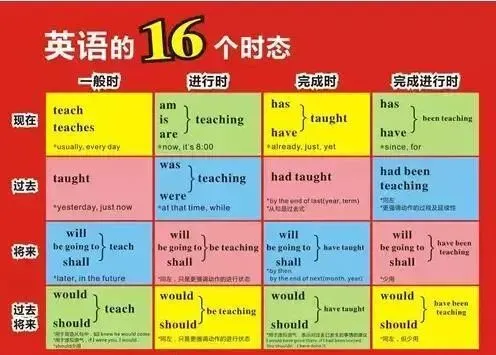
三、一般将来时 一般将来时表示将来即将发生的动作或存在的状态。 1. 用法 用 be going to / will,后面一律加动词原形。 2. 常用时间标志词 tomorrow、next day、next year、in the future、soon 3. 常见句型例句 - I'm going to have a picnic with my family. - I will come here soon. - I am going to have a new car next year. - I will be a doctor in the future. 4. 英语范文 Hi, I am Mary. My grandparents have a big farm in the countryside. There are many lovely animals on the farm. I like them very much. I am going to my grandparents' farm tomorrow. I will take a bus there. On the farm, I will feed the hens and milk the cows. I will also water the green plants. It is autumn now, and the fruits are ripe. I will pick the sweet fruits happily. The bananas are yellow and the grapes are purple. They taste very sweet and fresh. I believe I will have a wonderful time on the farm. 四、现在进行时 现在进行时表示此时此刻正在进行的动作或状态。 1. 用法结构 be动词 + 动词‑ing(现在分词) - I am + doing - You / We / They are + doing - He / She / It is + doing 2. 常用时间标志词 now、this time、look、listen 3. 常见句型例句 - I am watching TV in the living room now. - I am washing my clothes this time. - I am playing ping‑pong with my classmate now. - I am having a music class now. 4. 英语范文 This weekend, my family is very busy. Look! I am listening to soft music in my room now. My mother is cooking delicious food in the kitchen. My father is reading a newspaper in the living room. My little brother is playing games in his bedroom. Outside the window, a beautiful bird is singing happily in the tree. A dog is walking under the tree. Everyone is busy but happy. What a busy and warm weekend!