2026 春季 新人教八年级下册
Unit 6 Crossing Cultures
词汇运用
一、用方框中所给词的适当形式填空,每词限用一次
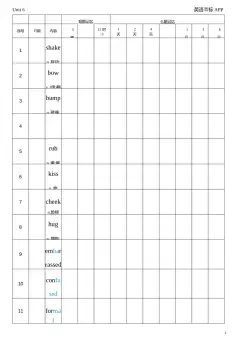
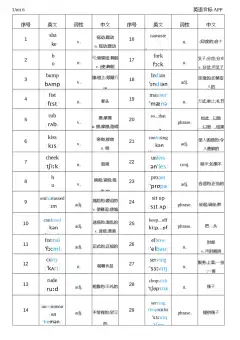
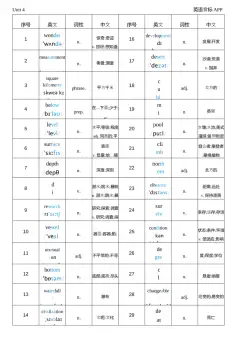
I
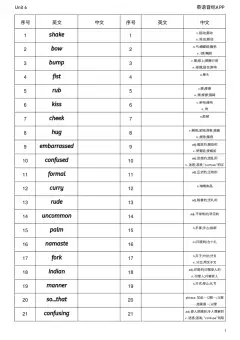
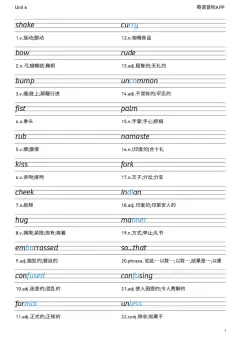
( shake, embarrass, manner, chopstick, formal, uncommon, confuse, congratulate,
tradition, palm)
1. Have you ________________________ hands with the international student? It’s a
basic greeting in many countries.
2. His face turned red with ________________________ when he made a mistake in the
speech contest.
3. It’s bad ________________________ to chew loudly or use your phone during a
meal.
4. We usually use ________________________ to eat rice and noodles in traditional
Chinese meals.
5. At ________________________ events like graduation ceremonies, students need to
wear school uniforms.
6. It’s ________________________ to see heavy snow in this coastal city, so people
get excited when it snows.
7. I felt ________________________ when the teacher explained the grammar rule in
three different ways.
8. We ________________________ our classmate on winning the first prize in the
science competition last week.
9. Eating zongzi on the Dragon Boat Festival is a ________________________ custom in
China.
10. She placed the tiny birthday card in the ________________________ of her hand
and gave it to her best friend.
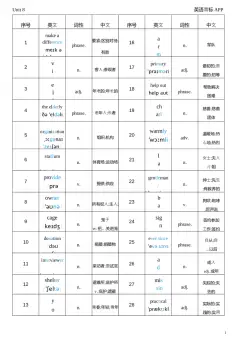
Ⅱ 用方框中所给短语的适当形式填空,每短语限用一次
(shake hands with, be embarrassed about, in common, congratulate sb. on, be used to,
keep...off, go a long way, in this manner)
1. When you meet elders in some cultures, you are expected to
________________________ them politely.
2. Many middle school students ________________________ their messy bedrooms and
hide them from guests.
3. Though they grew up in different cities, the two friends have a lot
________________________—they both love painting.
4. Don’t forget to ________________________ your brother ________________________
passing his math exam when you get home.
5. After living in the south for half a year, she ________________________ the hot and
rainy summer weather.
6. Please ________________________ your elbows ________________________ the tablewhile eating—it’s considered impolite in formal dinners.
7. A few sincere words of encouragement can ________________________ in helping
someone feel better when they’re sad.
8. By solving the group task ________________________, we finished it 20 minutes
earlier than the other teams.
二、根据括号内所给汉语意思或首字母写出单词的正确形式
A. 首字母填空
1. When greeting in India, people usually put their p________________________ together
and say “namaste” instead of shaking hands.
2. It’s i________________________ to use personal chopsticks to serve food for others
— serving chopsticks are required.
3. After winning the competition, all his classmates came to c________________________
him on his amazing result.
4. To follow table manners, we should keep our e________________________ off the
table and sit up straight.
5. She felt deeply e________________________ when her phone rang loudly during the
silent formal speech.
6. In France, it’s a common c________________________ to kiss on both cheeks when
meeting close friends.
7. Because of the language barrier, he looked c________________________ when the
foreign tourist talked to him.
8. Wearing casual j________________________ to a formal wedding is considered
impolite in most cultures.
9. There are various cultural t________________________ around the world, and we
need to respect them.
10. When you feel anxious, you can r________________________ your hands gently to
make yourself calm.
B. 汉语意思填空
1. In most Western countries, people ________________________(与……握手)when
they meet in formal situations.
2. The sudden change of the plan caused great ________________________(困惑)
among all the team members.
3. It’s ________________________(罕见的)to see heavy rain in this region in winter,
so everyone was surprised.
4. You need a ________________________(叉子)and a knife to eat steak in Western
restaurants.
5. She ________________________(为……感到尴尬)her wrong pronunciation when she
spoke in front of the class.
6. His ________________________(不恰当的)behavior at the dinner party made
everyone feel uncomfortable.
7. We need to wear neat clothes when attending a ________________________(正式
的)business meeting.
8. We should learn to accept the ________________________(文化的)differences
between different countries.9. Please ________________________(使……避开)the hot pot when you pass by the
dining table.
10. It’s a family ________________________(传统)to have a big dinner together on
New Year’s Eve.
三、请用合适的连词(when, while, as soon as, before, after, until, if, unless,
so…that)填空,完成短文(每空1词)。
Lily had dreamed of visiting the UK for years, 1________________ she saw a
documentary about British culture last year. She spent three weeks learning about British
customs 2________________ she boarded the plane, worried she might make
embarrassing mistakes.
3________________ she knocked on the host family’s door, her heart beat fast. Mrs.
Smith, the host mom, smiled and said “Welcome” 4________________ she opened
the door. The first challenge came at the first dinner: 5________________ Mrs. Smith
was putting dishes on the table, Lily wanted to help, but she knew she couldn’t
6________________ the host invited her to.
7________________ everyone sat down, Lily didn’t start eating 8________________
Mrs. Smith picked up her knife and fork. She held the knife in her right hand
9________________ she held the fork in her left; however, she was 10________________
nervous 11________________ she almost spilled her drink.
Later, she wanted to get a loaf of bread far from her. She wondered:
12________________ I reach for it directly, will the Smiths think I’m rude? Then she
recalled the rule: you should ask others to pass it 13________________ you don’t
want to be seen as impolite.
She also found that 14________________ the host offers you a second helping, you can
say “Just a little, thanks” — 15________________ you eat too much in one go, you
might look greedy. And she learned that she couldn’ t leave the table
16________________ everyone finished their meals; this is a basic manner in Britain.
By the end of the week, Lily felt comfortable with the customs. She said she was glad
she prepared well 17________________ she came — otherwise, she would have been
18________________ confused 19________________ she couldn’ t enjoy the warm
welcome from the Smiths.
四、介词填空
请在空格中填入正确的介词,使句子完整且语法正确(每空1词):
1. Many students feel nervous and get embarrassed __________ their poor performance
in front of the whole class, so they often avoid taking part in public activities.
2. Our head teacher took the lead to congratulate the school basketball team
__________ their wonderful victory in the city sports meeting last week.
3. Though Lucy grew up in a small town and her best friend Lily was raised in a
coastal city, they still have quite a lot __________ common when it comes to their taste
in books and music.
4. To follow proper table manners in formal occasions, you should keep your elbows
__________ the dining table while eating—this is a basic rule in many Western cultures.
5. After listening to the teacher’s two different explanations of the sentence structure,
most students felt even more confused __________ how to use it correctly in theircomposition.
五、用括号内所给单词的适当形式填空(每空一词)
1. The story he shared at the family gathering was so ________________________
(embarrass) that no one knew how to respond.
2. After the teacher explained the complex grammar twice, many students were still in
________________________ (confuse) about its usage.
3. When dining with guests in Western countries, it’s necessary to follow proper table
________________________ (manner).
4. Shouting at the elderly in public is ________________________ (proper) and shows no
respect for others.
5. All the classmates sent their ________________________ (congratulate) to Lisa when
she won the school painting competition.
6. In some ________________________ (tradition) villages, people still hold ancient
ceremonies to welcome the harvest season.
7. We had a discussion about ________________________ (culture) differences between
Eastern and Western countries in the geography class.
8. Each ________________________ (serve) of this local snack is small, so you can try
several kinds without feeling full.
9. It’s ________________________ (common) to find such a rare old book in ordinary
bookstores, so we were surprised to see it there.
10. The boy ________________________ (receive) a special birthday gift from his uncle,
which made him jump with joy.
六、用所给单词,适当形式填空
When Mike, an American student, joined his Korean friend’s family dinner, he felt 1.
____________________ (confuse) — he didn’t know any Korean table rules.
The family’s habit of sharing one dish with chopsticks was 2. ____________________
(surprise) to him, as Americans usually use separate plates.
Then, a(n) 3. ____________________ (embarrass) moment came: he accidentally knocked
over a cup of tea. Mike’s face turned red immediately.
He felt 4. ____________________ (disappoint) with himself for making such a silly
mistake.
But the family’s warm smiles and gentle comfort were 5. ____________________
(impress) — they didn’t mind the small accident at all.
Gradually, Mike became 6. ____________________ (relax) and started chatting with the
family.
The spicy kimchi on the table tasted 7. ____________________ (please) — it was hotter
than he expected but full of flavor.
He found the family’s stories about Korean festivals 8. ____________________ (amaze)
— the traditions were totally different from his own.
After three hours of eating and talking, the long dinner felt a bit 9.
____________________ (tire), but Mike didn’t want to leave.
He never felt 10. ____________________ (bore) during the night — every part of the
dinner was a new and interesting experience.
At our school’s International Culture Festival, Leo (from India) faced a lot of 1.____________________ (confuse) — he didn’t know the social rules of other countries.
When he met a French student, he tried to shake hands, but soon realized it was 2.
____________________ (proper) for their 3. ____________________ (tradition) greeting
(which is a kiss on the cheek).
Later, at the food booth, Leo learned that table 4. ____________________ (manner) vary
a lot: in Japan, a small 5. ____________________ (serve) of food is usually placed in
each person’s bowl.
It’s 6. ____________________ (common) to see people use forks in Thailand, as most
people eat with spoons and forks together.
When Leo gave a speech about Indian culture, he dressed 7. ____________________
(formal) in traditional clothes.
A(n) 8. ____________________ (embarrass) moment came when he accidentally called a
Korean student by the wrong name — he felt sorry immediately.
These 9. ____________________ (culture) differences made the festival more interesting.
At the end of the day, Leo 10. ____________________ (receive) a souvenir from a
Mexican student, and they promised to keep in touch.
句子巩固
七、根据汉语意思,完成句子
1. 但英式餐桌礼仪太令人困惑了,我有点担心。
But English __________ __________ are so __________ that I'm a little __________.
2. 带个小礼物,但除非主人要求,否则不要带食物。
Bring a __________ __________, but don't __________ __________ unless the
__________ asks you __________.
3. 还有,记得等主人开动后你再吃。
And __________ to __________ __________ the __________ to start __________ you
eat.
4. 如果你感到困惑,看看其他人怎么做。
If you __________ __________, __________ what everyone else __________.
5. 上个月我在一个派对上有了一些尴尬的经历后,他们帮我更多地了解了这里的习俗。
They __________ me to learn __________ about the __________ here after I
__________ some __________ experiences at __________ __________ last month.
6. 准时或晚几分钟是正常的,但早到可能会带来麻烦。
It's __________ to be __________ __________ or __________ __________ minutes late,
but __________ early can __________ problems.
7. 第三,你应该始终根据场合着装。
Third, you __________ __________ try to __________ __________ the __________.
8. 第四,除非你很了解对方,否则最好不要问私人问题。
Fourth, it's __________ __________ to ask __________ questions unless you __________
the __________ __________ well.
9. 最后但同样重要的是,尽量在任何可能的时候说法语。
__________ __________ not least, __________ __________ you __________ French
__________ you can.
10. 我会在他们家待两周,而且我有点紧张!I'll be __________ with __________ __________ for __________ __________ weeks, and
I'm a little __________.
八、中译英
1. 中文题:在正式的晚宴场合穿休闲T恤是不合适的。
翻 译 练 习 题 :
_______________________________________________________________________________
_________________
2. 中文题:当我不小心把法国朋友的名字念错时,那个场景真令人尴尬,我也感到特别窘
迫。
翻 译 练 习 题 :
_______________________________________________________________________________
_________________
3. 中文题:除非你很了解当地的传统习俗,否则不要随意触碰他人的宗教物品。
翻 译 练 习 题 :
_______________________________________________________________________________
_________________
4. 中文题:上次去日本同学家做客时,我记得要等主人先鞠躬问候后再回礼。
翻 译 练 习 题 :
_______________________________________________________________________________
_________________
5. 中文题:不同国家的餐桌礼仪差异如此之大,以至于很多游客初到国外时会陷入困惑。
翻 译 练 习 题 :
_______________________________________________________________________________
_________________
阅读提升
九、阅读理解
阅读理解一:
阅读材料
When you visit a Japanese friend’s home for the first time, there are many special
rules you need to follow—small mistakes might make others feel uncomfortable.
First, you must take off your shoes at the entrance. Japanese people believe shoes carry
dirt from outside, so wearing them indoors is seen as rude. You should put your shoes
in the shoe rack neatly, with the toes facing the door (it’s easier to put them on
when you leave).
Second, bowing is more than just a greeting. The degree of the bow shows different
levels of respect: a 15-degree bow is for saying “hello” or “thank you” to friends;
a 30-degree bow is used when you meet elders or apologize; a deep 45-degree bow is
only for serious situations like saying “I’m truly sorry”.
Third, gift-giving has strict taboos. You should never bring gifts in sets of four—because
the Japanese word for “four” sounds the same as the word for “death”. Also, gifts
should be wrapped nicely, but avoid white wrapping paper (it’s connected to funerals).
Common gifts include tea, cookies, or small plants.
At dinner, wait for the host to say “itadakimasu” (which means “I will receive thisfood”) before you start eating. Never stick your chopsticks upright in the rice—this
looks like the incense sticks used at funerals, which is a serious taboo. If you need to
put chopsticks down, place them on the chopstick rest, not on the table.
题目
1. Why do Japanese people ask guests to take off shoes indoors?
A. To keep the floor clean.
B. To make guests feel relaxed.
C. To show that shoes are not expensive.
D. To follow a new popular trend.
2. A 30-degree bow is proper when you ______.
A. greet a close friend
B. say sorry to an old man
C. thank a classmate
D. meet a stranger for the first time
3. The word “taboos” in Paragraph 3 probably means ______.
A. special gifts
B. polite behaviors
C. forbidden things
D. funny stories
4. What can we infer from the passage?
A. White is a lucky color in Japan.
B. “Itadakimasu” is said after eating.
C. Chopsticks can be put on the table freely.
D. Giving 4 cookies as a gift is impolite.
5. What’s the main idea of the passage?
A. How to bow politely in Japan.
B. Rules for visiting a Japanese home.
C. Taboos of gift-giving in Japan.
D. Differences between Japanese and Western dinners.
阅读理解二:
阅读材料
Many people think Día de los Muertos (the Day of the Dead) is a sad festival, but in
Mexico, it’s a joyful time to remember and honor deceased family members.
This festival is held on November 1st and 2nd. Families clean the graves of their loved
ones and decorate them with colorful flowers (like marigolds, which are believed to
guide the dead back home), photos, and favorite foods of the deceased. Some families
also build “ ofrendas” (altars) in their homes— these altars are filled with the
person’s favorite drinks, candies, and even toys (if the deceased was a child).
When you visit a Mexican family during Día de los Muertos, there are some rules to
follow. First, never say “I’m sorry for your loss”—the festival is about celebrating the
lives of the dead, not feeling sad. Second, you should accept the food the host offers
you. Refusing it is seen as impolite, even if you’re full. The most common food at this
time is “calaveras de azúcar” (sugar skulls), which are decorated with bright colors—
they represent the joy of the festival, not fear of death.Also, it’s good to talk about the deceased family members. Asking questions like
“What was your grandma’s favorite food?” shows that you respect their traditions.
Avoid talking about sad things; instead, share happy stories if you have any.
题目
1. What is the true meaning of Día de los Muertos in Mexico?
A. A time to feel sad about the dead.
B. A festival to celebrate the lives of deceased loved ones.
C. A day to clean graves and say goodbye to the dead.
D. A time to buy sugar skulls for children.
2. Marigolds are used in the festival because ______.
A. they are the cheapest flowers
B. they have bright colors
C. they are believed to lead the dead back home
D. they are the deceased’s favorite flowers
3. The word “deceased” in Paragraph 1 probably means ______.
A. dead
B. living
C. young
D. old
4. What can we learn from the passage?
A. Refusing the host’s food is polite.
B. Sugar skulls are a symbol of fear.
C. Talking about happy stories of the dead is welcome.
D. “I’m sorry for your loss” is a proper sentence to say.
5. What’s the writer’s attitude towards Día de los Muertos?
A. It’s a scary festival.
B. It’s a joyful and meaningful tradition.
C. It’s a waste of time and money.
D. It’s too complicated to understand.
十、完形填空
Last summer, I visited my Thai friend Maya in Bangkok. Before the trip, Maya told me
to 1 ______ a small gift—she said it’s a common way to show kindness to hosts. I
picked a box of Chinese tea, hoping her family would like it.
When I arrived at Maya’s house, she greeted me with a “wai” (a traditional Thai
greeting: pressing palms together). She taught me that the 2 ______ of the hands
shows respect: hands at chest level for friends, and higher for elders. I tried to make
the 3 ______ “wai” and Maya laughed, saying I did well.
Maya’s mother led me into the living room and asked me to 4 ______ my shoes at
the door. “Shoes bring dirt indoors,” she explained. I 5 ______ put my shoes next to
others, and she gave me soft slippers. Then she offered me a glass of coconut water—
cold and sweet, it was exactly what I needed on the hot day.
At lunch, the table was full of dishes: green curry, pad thai, and fresh mango. Maya
warned me not to 6 ______ food with my left hand. “We use the left hand for
unclean tasks,” she said quietly. I nodded and used my right hand to 7 ______ somecurry with rice. When Maya’s father asked if I wanted more, I said “yes” even
though I was almost full—I didn’t want to 8 ______ him by saying I’d had enough.
After lunch, Maya took me to a nearby temple. She told me to 9 ______ my shoulders
and knees—temple rules require visitors to dress modestly. I borrowed a scarf from her
to cover my knees. Inside the temple, we walked 10 ______—talking loudly is not
allowed. I watched locals leave small flowers at the statue, and Maya said it’s their
way to 11 ______ their wishes.
When I left in the evening, Maya’s family walked me to the door. I 12 ______
goodbye and made a “wai” again. Maya smiled and said, “Remember, 13 ______
small customs helps you get closer to people here.” Her words made me think:
learning about other cultures isn’ t just about 14 ______ rules— it’ s about
understanding how people show care.
This trip taught me that every culture has its own beauty. If we take time to notice
and follow these small customs, we can 15 ______ deeper connections with people
around the world.
1. A. prepare B. sell C. throw D. break
2. A. shape B. height C. color D. size
3. A. wrong B. silly C. proper D. funny
4. A. find B. wash C. repair D. remove
5. A. carefully B. carelessly C. quickly D. slowly
6. A. cook B. eat C. buy D. share
7. A. pour B. mix C. drink D. cut
8. A. interest B. surprise C. disappoint D. excite
9. A. cover B. show C. wash D. touch
10. A. happily B. quietly C. angrily D. proudly
11. A. express B. forget C. change D. hide
12. A. shouted B. cried C. whispered D. waved
13. A. following B. making C. breaking D. inventing
14. A. writing B. remembering C. creating D. changing
15. A. destroy B. avoid C. build D. lose答案与解析
一、
Ⅰ
1.shaken ; 2.embarrassment ; 3.manners ; 4.chopsticks ; 5.formal ; 6.uncommon ;
7.confused;8.congratulated;9.traditional;10.palm;
Ⅱ
1.shake hands with;2.are embarrassed about;3.in common;4.congratulate; on;5.has
been used to;6.keep; off;7.go a long way;8.in this manner;
二
A
1.palms;2.improper;3.congratulate;4.elbows;5.embarrassed;6.custom;7.confused;
8.jeans;9.traditions;10.rub;
B
1.shake hands with;2.confusion;3.uncommon;4.fork;5.was embarrassed about;
6.improper;7.formal;8.cultural;9.keep off;10.tradition
三、
1. after;2. before;3. when;4. as soon as;5. while;6. unless;7. after;8. until;9.
while;10. so;11. that;12. if;13. unless;14. if;15. if;16. until;17. before;18.
so;19. that
1. 空1:答案after
解析:引导时间状语从句,表“在……之后”。“Lily多年梦想去英国”是长期状态,“看
到英国文化纪录片”是后续发生的、强化梦想的动作,用after明确“看片→更向往”的时
间递进;若填before(“看片前梦想”),虽事实成立,但无法体现“纪录片加深向往”
的逻辑,故after为唯一合理选项。
2. 空2:答案before
解析:引导时间状语从句,表“在……之前”。“花三周学习英国习俗”发生在“登机前
往英国”之前,这一动作顺序恰好呼应后文“担心犯尴尬错误”——提前学习正是为了规避失误;若填after(“登机后学习”),则与“担心出错”的心理矛盾,语法虽对但语境
不成立,故填before。
3. 空3:答案when
解析:引导时间状语从句,表“当……时”。when的核心用法是搭配“短暂动作”(如
knocked“敲门”,是瞬间完成的动作),此处“敲门瞬间心跳加快”的即时反应,完全匹
配when的用法;若填 while,while需搭配“延续动作”(如 was knocking),但原句
“knocked”是一般过去时(表短暂动作),故when正确。
4. 空4:答案as soon as
解析:引导时间状语从句,表“一……就”。“开门”与“说‘Welcome’”是几乎无间
隔的即时动作,as soon as能精准体现“动作衔接的快速性”(如“门一打开就问候”),
比when(仅表“当……时”)更贴合日常交际中“即时回应”的礼仪场景,故填as soon
as。
5. 空5:答案while
解析:引导时间状语从句,表“当……时”。while的核心用法是搭配“延续动作”(如
was putting“摆盘子”,是过去进行时,表持续进行的动作),此处“Mrs. Smith摆盘子
的过程中,Lily想帮忙”,用while体现两个动作的同时性;若填when,虽语法可行,但
while更强调“延续动作期间的穿插事件”,与“was putting”的动作属性更匹配,故填
while。
6. 空6:答案unless
解析:引导条件状语从句,表“除非”(相当于“if not”)。语境逻辑是“Lily想帮忙,
但只有主人邀请才能帮”,即“如果主人不邀请,就不能帮忙”,用 unless恰好体现这一
“否定条件”;若填if(“如果主人邀请,就不能帮忙”),则逻辑完全相反,违背语境,
故填unless。
7. 空7:答案after
解析:引导时间状语从句,表“在……之后”。“所有人坐下”是“Lily不开始吃饭”的前
置动作,用after明确“先集体落座、再等待用餐信号”的餐桌流程,符合“集体活动需同
步节奏”的礼仪;若填before(“所有人坐下前不吃饭”),则动作顺序混乱(未落座时
本就不会吃饭),故填after。
8. 空8:答案until
解析:引导时间状语从句,构成“not...until”固定结构(表“直到……才”)。语境中
“Lily不开始吃饭”,直到“Mrs. Smith拿起刀叉”才动筷,完美匹配“not...until”的核心
用法(如“我直到爸爸回来才看电视”),这是八年级重点语法点;若填其他连词(如
before),则无法体现“等待主人信号”的逻辑,故填until。
9. 空9:答案while
解析:引导时间状语从句,表“同时”。“右手拿刀”与“左手拿叉”是用餐时同步进行
的动作,用while衔接两个“并行的延续动作”,精准体现“双手同时持餐具”的状态;
若填 when,需调整句式(如“when she held the fork in her left hand”),原句
“held...while held...”的平行结构更简洁,故填while。
10. 空10:答案so
解析:构成“so...that”固定结构(引导结果状语从句,表“如此……以至于”)。语法规
则中,so后接“形容词/副词”,此处so修饰形容词nervous(“紧张的”),目的是强调
“紧张的程度”,为后文“差点洒饮料”的结果做铺垫;若填such,such后需接“名词”
(如such nervousness),与原句“nervous”(形容词)不匹配,故填so。
11. 空11:答案that解析:构成“so...that”固定结构,that的作用是“引出so所强调程度带来的结果”。此处
“so nervous”(如此紧张)的结果是“almost spilled her drink”(差点洒了饮料),
that是该结构的固定组成部分,无其他替代词,完全符合八年级“so+形容词+that+结果从
句”的用法,故填that。
12. 空12:答案if
解析:引导条件状语从句,表“如果”。语境中Lily犹豫“直接拿远处的面包是否礼貌”,
用if提出假设场景(“如果我直接伸手拿面包”),符合疑问句中“对未知情况的假设与
担忧”(如“如果我忘带作业,老师会说我吗”);若填 unless(“除非我直接拿面
包”),则逻辑不通(“除非直接拿,否则会被认为无礼”与后文“请人递面包”的规则
矛盾),故填if。
13. 空13:答案unless
解析:引导条件状语从句,表“除非”。语境逻辑是“想不被视作无礼,就应该请别人递
面包”,即“除非你想被认为无礼,否则就请人递面包”,用 unless体现这一“否定条
件”;若填if(“如果不想被认为无礼,就请人递面包”),虽语义接近,但unless更能
凸显“礼仪规则的强制性”,且与第 6题unless的用法呼应,强化对“否定条件”的记忆,
故填unless。
14. 空14:答案if
解析:引导条件状语从句,表“如果”。语境中“主人给你第二份食物”是假设的场景,
用if引出该场景下的应对方式(“说‘Just a little, thanks’”),符合“针对假设场景给
建议”的逻辑(如“如果下雨,我们就带伞”);若填 unless(“除非主人给你第二份食
物”),则建议内容(“说‘一点就好’”)与场景脱节,故填if。
15. 空15:答案if
解析:引导条件状语从句,表“如果”。用if提出假设行为(“一次吃太多”),并引出
该行为的负面后果(“可能显得贪婪”),清晰体现“行为→后果”的条件关系,契合餐
桌礼仪中“避免过量、保持得体”的要求;若填unless(“除非一次吃太多”),则后果
(“显得贪婪”)与行为逻辑颠倒(“除非吃太多,否则会显得贪婪”不符合常理),故
填if。
16. 空16:答案until
解析:引导时间状语从句,构成“not...until”结构(表“直到……才”)。语境中“Lily不
能离席”的状态持续到“所有人都吃完”,用 until体现英国礼仪中“集体用餐需同步离
席”的规则,与第8题“not...until”的用法形成呼应,强化对该结构的记忆;若填before
(“所有人吃完前不能离席”),虽语义接近,但“not...until”是标准语法结构,更符合
考试要求,故填until。
17. 空17:答案before
解析:引导时间状语从句,表“在……之前”。“做好准备”发生在“Lily来英国”之前,
这一动作顺序与前文第2题“登机前学习习俗”形成呼应,贯穿“提前准备规避失误”的
主线;时态上,八年级阶段允许用一般过去时(prepared/came)表“过去的先后动作”,
无需复杂的过去完成时(had prepared),语法正确且符合学生认知水平,故填before。
18. 空18:答案so
解析:构成“so...that”固定结构,so后接形容词confused(“困惑的”),强调“若没提
前准备,困惑程度会很深”。此处“so confused”是对“没准备”后果的程度描述,为后
文“不能享受热情招待”的结果做铺垫;若填 such,such 后需接名词(如 such
confusion),与“confused”(形容词)不匹配,故填so。
19. 空19:答案that解析:构成“so...that”固定结构,that引出“so confused”(如此困惑)带来的结果——
“couldn’t enjoy the warm welcome”(不能享受史密斯一家的热情招待)。用“负面
结果”反衬“提前准备”的重要性,与第 10-11题“so...that”的用法形成对比(前者是
“紧张→失误”,后者是“困惑→影响体验”),巩固对该结构的理解,故填that。
四、
1. about;2. on;3. in;4. off;5. about
1. 答案:about
解析:本题对应短语“be embarrassed about sth(因某事感到尴尬)”,句子语境是“学
生因在全班面前的糟糕表现而感到尴尬”,因此填介词about。
2. 答案:on
解析:本题对应短语“congratulate sb. on (doing) sth(祝贺某人做了某事)”,句子语境
是“班主任带头祝贺篮球队取得胜利”,“祝贺某人的某件事”需用介词on连接,因此填
on。
3. 答案:in
解析:本题对应短语“have...in common(有共同之处)”,句子语境是“露西和莉莉在书
籍、音乐的喜好上有不少共同之处”,因此填介词in。
4. 答案:off
解析:本题对应短语“keep...off(使不碰到;使避开)”,句子语境是“餐桌礼仪要求吃
饭时让肘部不碰到餐桌”,因此填介词off。
5. 答案:about
解析:本题对应短语“be confused about sth(对某事感到困惑)”,句子语境是“学生
对如何正确使用句式感到更困惑”,因此填介词about。
五、
1. embarrassing 2. confusion 3. manners 4. improper 5. congratulations 6. traditional 7.
cultural 8. serving 9. uncommon 10. received
1. embarrassing:括号内embarrass是动词,so后需接形容词;此处修饰事物(story),故
用embarrassing(修饰事物表“令人尴尬的”,修饰人用embarrassed),符合八年级形容
词的用法规则。
2. confusion:括号内 confuse 是动词,介词 in 后需接名词;confuse 的名词形式为
confusion,“in confusion”是固定短语,表“处于困惑中”。
3. manners:manner表“礼仪”时需用复数形式manners,“table manners”是固定搭配
(餐桌礼仪),是八年级关于名词复数的特殊用法考点。
4. improper:括号内proper是“合适的”,根据语境“公共场合对老人大喊是不礼貌的”,
需用其反义词;通过前缀im-构成否定形容词improper(不合适的)。
5. congratulations:括号内 congratulate是动词,形容词性物主代词 their 后需接名词;
congratulate的名词形式为congratulation,且常用复数形式congratulations(表“祝贺”)。
6. traditional:括号内tradition是名词,需修饰名词villages,故转换为形容词traditional
(传统的),符合八年级词形转换(名词→形容词)的考点。
7. cultural:括号内culture是名词,需修饰名词differences,故转换为形容词cultural(文化
的),“cultural differences”表“文化差异”。
8. serving:括号内serve是动词,代词each后需接名词;serve的名词形式为serving,表
“(食物的)一份”,契合“每份小吃”的语境。
9. uncommon:括号内common是“常见的”,根据语境“普通书店里找到珍本是罕见
的”,需用其反义词;通过前缀un-构成否定形容词uncommon(罕见的)。10. received:括号内receive是动词,后文“made”是一般过去时,时态需一致,故用
receive的一般过去式received
六、
1. confused 2. surprising 3. embarrassing 4. disappointed 5. impressive 6. relaxed 7.
pleasing 8. amazing 9. tiring 10. bored
1. confused:括号内动词为confuse,此处修饰人(Mike),表“人感到困惑的”,需用-
ed形式形容词;符合八年级“-ed形容词形容人感受”的考点,贴合“Mike不懂韩国餐桌
礼仪”的语境。
2. surprising:括号内动词为surprise,此处修饰事物(共用餐具的习惯),表“事物令人
惊讶的”,需用-ing形式形容词;对应“事物性质用-ing形容词”的规则,契合“美国常用
分盘,韩国共餐”的文化差异语境。
3. embarrassing:括号内动词为embarrass,此处修饰事物(打翻茶杯的时刻),表“事物
令人尴尬的”,需用-ing形式形容词;覆盖题目要求的“尴尬”主题,符合“修饰场景/时
刻用-ing形容词”的用法。
4. disappointed:括号内动词为disappoint,此处修饰人(Mike),表“人因犯错感到失望
的”,需用-ed形式形容词;结合“Mike对自己犯错不满”的语境,匹配“人对事物的感
受用-ed形容词”的考点。
5. impressive:括号内动词为impress,此处修饰事物(家人的笑容与安慰),表“事物令
人印象深刻的”,需用-ing形式形容词;贴合“家人包容态度让人难忘”的语境,符合
“事物特征用-ing形容词”的规则。
6. relaxed:括号内动词为relax,此处修饰人(Mike),表“人逐渐感到放松的”,需用-
ed形式形容词;呼应“家人安慰后Mike状态转变”的情节,匹配“人自身状态用-ed形容
词”的用法。
7. pleasing:括号内动词为please,此处修饰事物(泡菜的味道),表“事物令人愉悦的”,
需用-ing形式形容词;结合“Mike觉得泡菜好吃”的语境,符合“感官体验(味道)用-ing
形容词”的考点。
8. amazing:括号内动词为amaze,此处修饰事物(韩国节日故事),表“事物令人惊奇
的”,需用-ing形式形容词;契合“故事内容与美国传统不同,让人觉得新奇”的语境,
对应“事物内容用-ing形容词”的规则。
9. tiring:括号内动词为tire,此处修饰事物(漫长的晚餐),表“事物令人疲倦的”,需
用-ing形式形容词;结合“晚餐持续3小时”的情节,符合“事物耗时/费力用-ing形容
词”的考点。
10. bored:括号内动词为bore,此处修饰人(Mike),表“人没有感到无聊的”,需用-
ed形式形容词;呼应“晚餐每部分都新鲜有趣”的结尾,匹配“人主观感受用-ed形容
词”的用法。
1. confusion 2. improper 3. traditional 4. manners 5. serving 6. uncommon 7. formally 8.
embarrassing 9. cultural 10. received
1. confusion:括号内confuse是动词,“a lot of”后需接名词;confuse的名词形式为
confusion(表“困惑”),契合“Leo不了解他国社交规则”的语境,考动词转名词的词
类转换。
2. improper:括号内proper是“合适的”,结合语境“握手不符合法国传统问候方式”,
需用否定前缀“im-”构成improper(表“不合适的”),考形容词的否定前缀用法。
3. traditional:括号内 tradition 是名词,需修饰名词“greeting”,故转换为形容词
traditional(表“传统的”),考名词转形容词的词类转换。4. manners:manner表“礼仪”时为固定复数用法(table manners是教材核心短语“餐桌
礼仪”),考名词复数的特殊搭配。
5. serving:括号内 serve 是动词,“a small”后需接名词;serve 的名词形式 serve 表
“(食物的)一份”,契合“日本餐食分份”的语境,考动词转名词的拓展用法。
6. uncommon:括号内common是“常见的”,结合文化常识“泰国多使用勺叉组合,单
独用叉子不常见”,需用否定前缀“un-”构成uncommon(表“罕见的”),考形容词的
否定前缀与文化语境结合。
7. formally:括号内formal是形容词,需修饰动词“dressed”(着装),故转换为副词
formally(表“正式地”),考形容词转副词修饰动词的用法。
8. embarrassing:括号内embarrass是动词,需修饰事物“moment”(时刻),故用-ing
形式形容词embarrassing(表“令人尴尬的”),考-ed/-ing形容词的区分(-ed修饰人,-
ing修饰事物)。
9. cultural:括号内culture是名词,需修饰名词“differences”(差异),故转换为形容词
cultural(表“文化的”),考名词转形容词的高频考点。
10. received:括号内receive是动词,文章整体描述过去发生的文化节事件,时态为一般过
去时,故用receive的过去式received,考时态一致性(全文过去时)。
七、
1. table, manners, confusing, worried
2. small, gift, bring, food, host, to
3. remember, wait, for, host, before
4. get, confused, watch, does
5. helped, more, customs, had, embarrassing, a, party
6. normal, on, time, a, few, arriving, cause
7. should, always, dress, for, occasion
8. best, not, personal, know, person, quite
9. Last, but, make, sure, use, whenever
10. staying, their, family, two, nervous
八、
1. 翻译答案:It's improper to wear casual T-shirts on formal dinner occasions.
2. 翻译答案:When I pronounced my French friend's name wrong by accident, the
scene was really embarrassing, and I felt quite embarrassed.
3. 翻译答案:Don't touch others' religious items casually unless you know the local
cultural traditions well.
4. 翻译答案:Last time I visited my Japanese classmate's home, I remembered to wait
for the host to greet me with a bow before I returned the greeting.
5. 翻译答案:The differences in table manners between different countries are so large
that many travelers will fall into confusion when they first arrive abroad.
九、
阅读理解一:1. A2. B3. C4. D5. B
阅读理解二:1. B2. C3. A4. C5. B
阅读理解一:
1. 答案:A
解析:根据材料第二段“Japanese people believe shoes carry dirt from outside, so
wearing them indoors is seen as rude”可知,日本人让客人脱鞋是因为鞋子会带外部的灰尘,目的是保持室内地板干净。B(让客人放松)、C(显示鞋子不贵)、D(追随新潮
流)均未在材料中提及,故排除。
2. 答案:B
解析:材料第三段明确提到“a 30-degree bow is used when you meet elders or
apologize”,即30度鞠躬用于拜见长辈或道歉。A(问候密友)和C(感谢同学)对应15
度鞠躬;D(初次见陌生人)未在材料中提及鞠躬角度,故排除。
3. 答案:C
解析:根据第三段后文内容(“never bring gifts in sets of four”“avoid white wrapping
paper”)可知,“taboos”指“禁忌、被禁止的事情”。A(特别礼物)、B(礼貌行为)、
D(有趣故事)均与语境不符,故排除。
4. 答案:D
解析:材料第三段提到“you should never bring gifts in sets of four”,即不能送4件一
组的礼物,由此可推断“送4块饼干作为礼物是不礼貌的”,符合D选项。A(白色在日本
是幸运色)错误,因为白色包装纸与葬礼相关;B(“itadakimasu”饭后说)错误,材料指
出这句话是饭前说;C(筷子可随意放桌上)错误,材料要求筷子需放在筷架上,故排除。
5. 答案:B
解析:材料开头即点明主题“when you visit a Japanese friend’s home for the first
time, there are many special rules you need to follow”,后文围绕“脱鞋”“鞠躬”
“送礼”“用餐”等拜访规则展开。A(如何礼貌鞠躬)、C(日本送礼禁忌)、D(日西
晚餐差异)均为文章局部内容,并非主旨,故排除。
阅读理解二:
1. 答案:B
解析:材料第一段明确提到“it’s a joyful time to remember and honor deceased family
members”,即亡灵节是纪念、缅怀逝去亲人的欢乐节日,核心是“庆祝逝去亲人的生
命”。A(为逝者悲伤)错误,材料指出节日并非悲伤;C(清理坟墓并告别)和D(给孩
子买糖骷髅)均为节日的局部活动,非核心意义,故排除。
2. 答案:C
解析:根据材料第二段“marigolds, which are believed to guide the dead back home”
可知,金盏花被认为能引导逝者回家,这是其在节日中的用途。A(最便宜的花)、B(颜
色鲜艳)、D(逝者喜欢的花)均未在材料中提及,故排除。
3. 答案:A
解析:结合上下文“remember and honor deceased family members”“celebrating the
lives of the dead”可知,“deceased”意为“逝去的、已故的”。B(活着的)、C(年轻
的)、D(年老的)均与语境矛盾,故排除。
4. 答案:C
解析:材料最后一段提到“Avoid talking about sad things; instead, share happy stories if
you have any”,即可以分享与逝者相关的开心故事,这是受欢迎的行为,符合C选项。A
(拒绝主人的食物礼貌)错误,材料要求必须接受;B(糖骷髅象征恐惧)错误,材料指出
其象征节日的欢乐;D(说“我为你的损失感到遗憾”)错误,材料明确禁止这句话,故
排除。
5. 答案:B
解析:作者在文中多次用“joyful”“celebrating”“respect their traditions”等积极词汇
描述亡灵节,强调其“纪念亲人、传递敬意”的意义,可见作者认为这是“欢乐且有意义
的传统”。A(可怕的节日)、C(浪费时间和金钱)、D(复杂难懂)均与作者态度不符,故排除。
十、
1. A 2. B 3. C 4. D 5. A 6. B 7. B 8. C 9. A 10. B 11. A 12. D 13. A 14. B 15. C
1. A(prepare):根据后文“it’s a common way to show kindness to hosts”可知,去
朋友家做客需要“准备”礼物,符合语境;B(sell,卖)、C(throw,扔)、D(break,
打破)均与“送礼物表善意”的逻辑矛盾,排除。
2. B(height):后文明确提到“hands at chest level for friends, and higher for
elders”(朋友间手放胸口高度,对长辈更高),强调的是手的“高度”;A(shape,形
状)、C(color,颜色)、D(size,尺寸)均未在文中提及,排除。
3. C(proper):结合前文Maya教“我”传统问候礼“wai”,以及后文“Maya laughed,
saying I did well”可知,“我”尝试做“合适的、正确的”wai;A(wrong,错误的)、B
(silly,傻的)、D(funny,有趣的)均与“做得好”的评价矛盾,排除。
4. D(remove):根据后文“Shoes bring dirt indoors”(鞋子会把外面的灰尘带进来)可
知,泰国习俗要求进门“脱掉”鞋子;A(find,找到)、B(wash,洗)、C(repair,
修)均不符合“避免灰尘”的逻辑,排除。
5. A(carefully):“我”已知晓脱鞋的习俗,因此会“仔细地”把鞋子放好,体现对主人
习俗的尊重;B(carelessly,粗心地)与尊重的态度矛盾,C(quickly,快速地)、D
(slowly,慢慢地)未体现语境中“认真对待”的含义,排除。
6. B(eat):后文提到“We use the left hand for unclean tasks”(左手用于不干净的
事),因此Maya提醒“我”不要用左手“吃饭”;A(cook,做饭)、C(buy,买)、D
(share,分享)均未涉及“用餐时的手”这一核心场景,排除。
7. B(mix):结合“some curry with rice”(一些咖喱和米饭)可知,此处指用右手把咖
喱和米饭“混合”后吃;A(pour,倒)、C(drink,喝)、D(cut,切)均不符合“咖喱
配米饭”的食用方式,排除。
8. C(disappoint):前文提到主人劝“我”多吃,“我”虽快饱了但仍接受,因为不想
“让主人失望”(暗示主人没准备够食物);A(interest,使感兴趣)、B(surprise,使惊
讶)、D(excite,使兴奋)均与“拒绝会让主人尴尬”的逻辑不符,排除。
9. A(cover):后文“temple rules require visitors to dress modestly”(寺庙要求访客着
装得体)可知,需要“盖住”肩膀和膝盖;B(show,展示)、C(wash,洗)、D
(touch,触摸)均不符合“得体着装”的要求,排除。
10. B(quietly):根据后文“talking loudly is not allowed”(禁止大声说话)可知,在寺
庙里要“安静地”走;A(happily,开心地)、C(angrily,生气地)、D(proudly,骄傲
地)均与“保持安静”的规则矛盾,排除。
11. A(express):结合“leave small flowers at the statue”(在雕像前放小花)可知,
这是当地人“表达”愿望的方式;B(forget,忘记)、C(change,改变)、D(hide,隐
藏)均与“放花表意”的行为逻辑不符,排除。
12. D(waved):“说再见”的常见动作是“挥手”,符合日常交际场景;A(shouted,
大喊)、B(cried,哭)、C(whispered,小声说)均不符合“告别”的正常氛围,排除。
13. A(following):根据后文“helps you get closer to people here”(帮助你和这里的
人更亲近)可知,此处指“遵守”小习俗;B(making,制定)、C(breaking,打破)、D
(inventing,发明)均与“亲近他人”的积极结果矛盾,排除。
14. B(remembering):结合语境,学习文化不只是“记住”规则,更重要的是理解背后
的善意;A(writing,写)、C(creating,创造)、D(changing,改变)均不符合“学习已
有文化”的逻辑,排除。15. C(build):与“deeper connections”(更深的联系)搭配,“建立联系”是固定逻
辑;A(destroy,破坏)、B(avoid,避免)、D(lose,失去)均与“理解文化促进关
系”的主旨矛盾,排除。