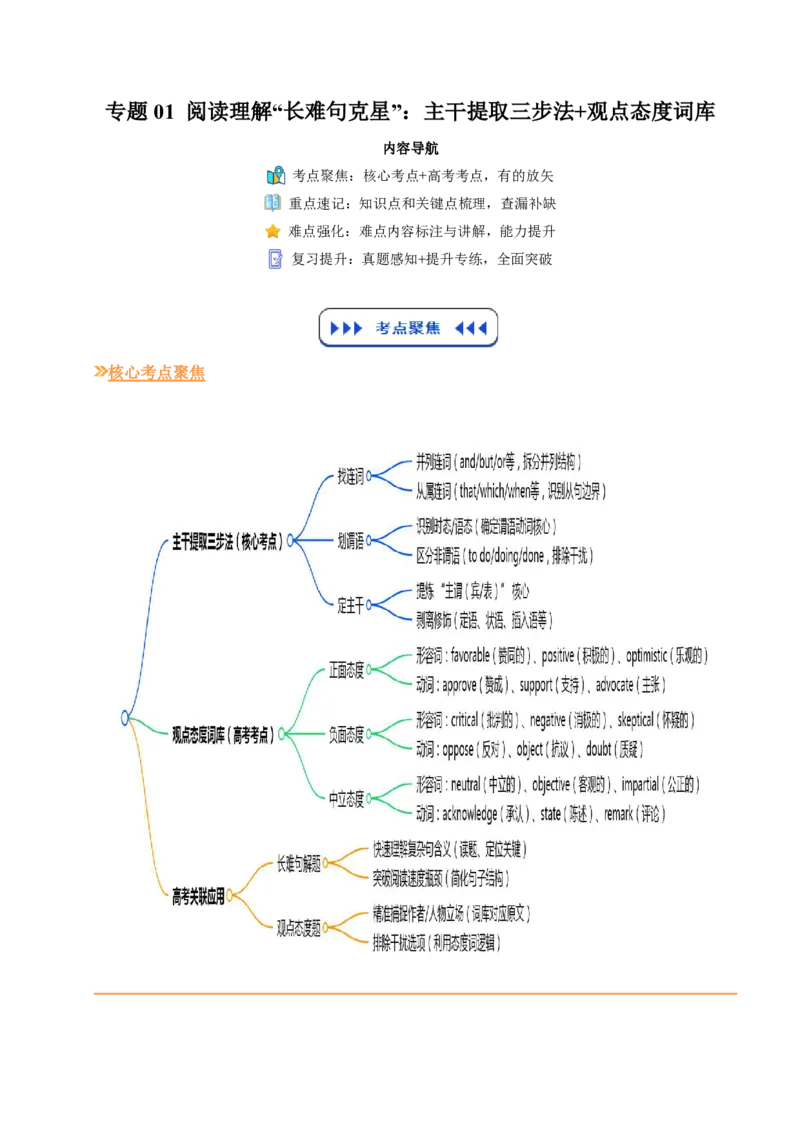
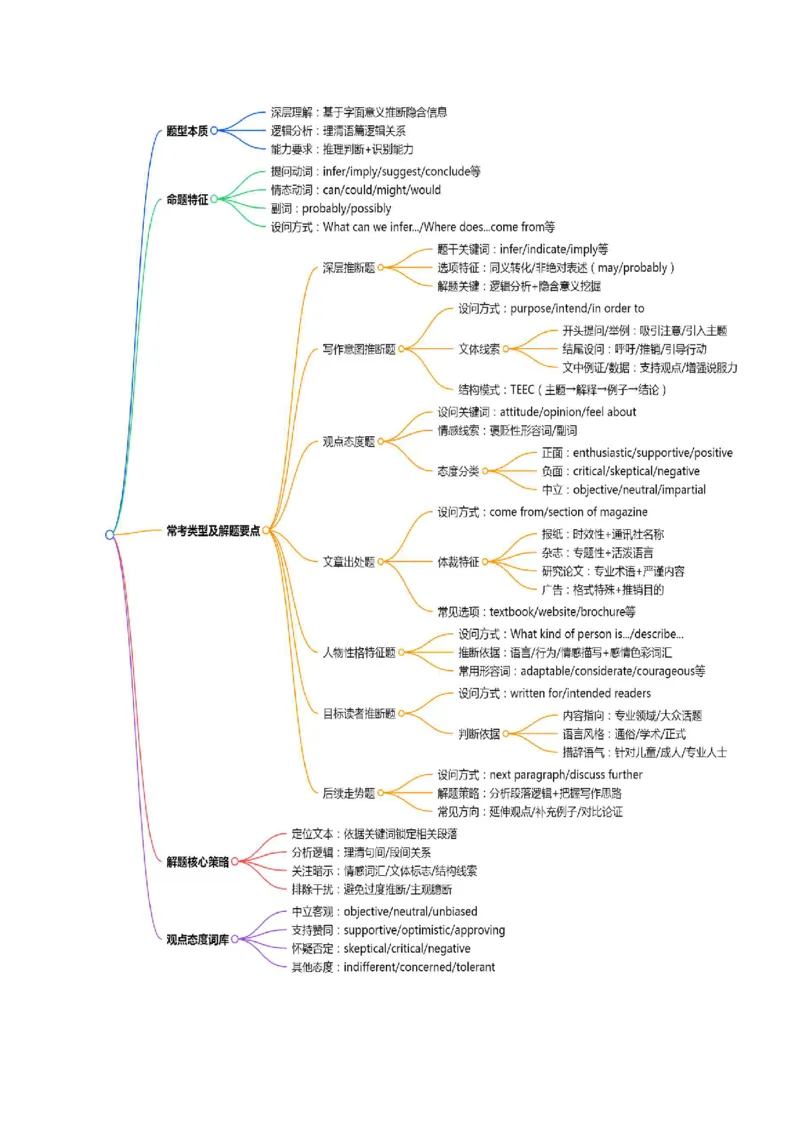
(cid:22)(cid:21) 01 (cid:23)(cid:24)(cid:15)(cid:25)“(cid:26)(cid:27)(cid:28)(cid:29)(cid:30)”(cid:10)(cid:31)(cid:32)(cid:33)(cid:34)(cid:35)(cid:36)(cid:37)+(cid:38)(cid:39)(cid:40)(cid:41)(cid:42)(cid:43)
(cid:44)(cid:45)(cid:46)(cid:47)
(cid:48)(cid:39)(cid:49)(cid:50)(cid:10)(cid:51)(cid:52)(cid:48)(cid:39)+(cid:53)(cid:48)(cid:48)(cid:39)(cid:54)(cid:55)(cid:56)(cid:57)(cid:58)
(cid:59)(cid:39)(cid:60)(cid:61)(cid:10)(cid:62)(cid:63)(cid:39)(cid:64)(cid:3)(cid:65)(cid:39)(cid:66)(cid:15)(cid:54)(cid:67)(cid:68)(cid:69)(cid:70)
(cid:27)(cid:39)(cid:71)(cid:16)(cid:10)(cid:27)(cid:39)(cid:44)(cid:45)(cid:72)(cid:4)(cid:73)(cid:74)(cid:25)(cid:54)(cid:75)(cid:76)(cid:33)(cid:77)
(cid:78)(cid:79)(cid:33)(cid:77)(cid:10)(cid:80)(cid:21)(cid:81)(cid:62)+(cid:33)(cid:77)(cid:22)(cid:82)(cid:54)(cid:83)(cid:84)(cid:85)(cid:86)
(cid:51)(cid:52)(cid:48)(cid:39)(cid:49)(cid:50)(cid:53)(cid:48)(cid:48)(cid:39)(cid:49)(cid:50)
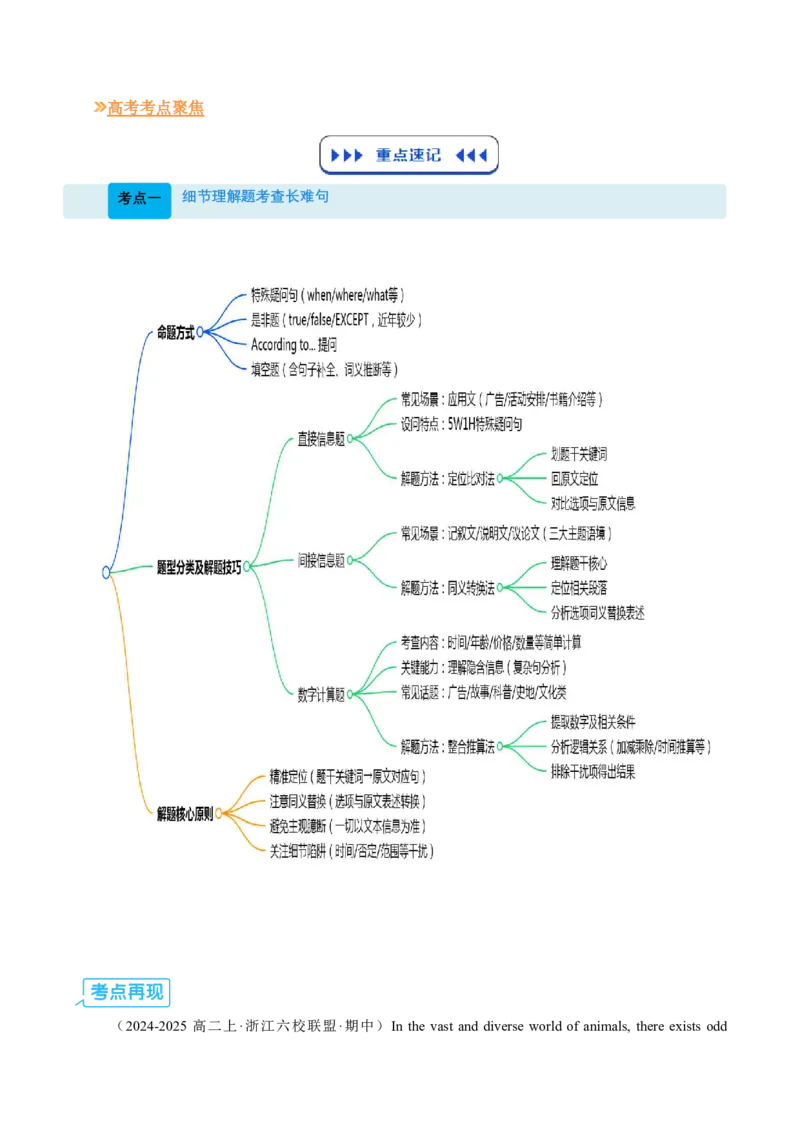
考点一 细节理解题考查长难句
(cid:87)2024-2025 (cid:53)(cid:88)(cid:89)·(cid:90)(cid:91)(cid:92)(cid:93)(cid:94)(cid:95)·(cid:96)(cid:97)(cid:98)In the vast and diverse world of animals, there exists oddgestures that often leave us humans puzzled and amazed. These gestures, which may seem strange or unusual to us,
are actually fascinating glimpses into the unique behaviors and communication styles of our pets.
Animals want our attention, and sometimes they’re quite obvious about asking for it. Odd gesture are often
our pets’ way of telling us to stop what we’re doing and play with them. It’s why Fido constantly follows his tail
and why Kitty keeps rolling around. An extremely bored pet may choose “bad” behaviors to cause a reaction!
Sure, your dog loves you, but that’s not why he’s licking ((cid:99)) your face. A little dog learns to lick his
mother’s mouth to obtain a little food, so Spot isn’t kissing you in our sense of the word; he just wants a snack.
Cat owners also misinterpret their pets’ kisses. While a cat might lick you to show love, sometimes she’ll do
it to comfort herself. One way to tell if her licking is stress-related is whether it goes on for a long period of time.
At some point you’ve probably told these words to someone who made you angry. Dogs think similarly,
avoiding eye contact with anyone who injures their feelings. Another sign of anger: yawning ((cid:100)(cid:101)(cid:102)). A yawning
dog may not be tired but anxious, not bored but stressed. Similarly, lip-licking — when there isn’t food around to
bring about it — is another sign of threat.
You might think your dog is running around the backyard, having the time of his life while you’re away. But
the reality is that he’s most likely just sitting in one spot for hours, waiting for you to return with anxiety. Dogs
actually prefer to be inside, ideally with their owners.
1(cid:103)If a dog intends to eat food, which action will it take?
A(cid:103)It stretches its legs, yawning.
B(cid:103)It makes an eye contact with its owner.
C(cid:103)It licks its owner’s face with a soft tongue.
D(cid:103)It runs around the backyard, following its tail.
2(cid:103)What do we learn about the gesture if a cat constantly kisses itself?
A(cid:103)It feels amused. B(cid:103)It feels stressed.
C(cid:103)It feels angry. D(cid:103)It feels tired.
3(cid:103)When the dog sits for a long time without moving(cid:54)it reveals ________.
A(cid:103)the dog is eagerly awaiting your return B(cid:103)the dog displays a sign of tiredness
C(cid:103)the dog is extremely bored to play with you D(cid:103)the dog displays a sign of embarrassment
➢ (cid:104)(cid:105)(cid:39)(cid:106)(cid:10)(cid:107)(cid:108)(cid:15)(cid:25)(cid:21)(cid:73)(cid:26)(cid:27)(cid:28)
1.1(cid:103)(cid:107)(cid:108)(cid:15)(cid:25)(cid:21)(cid:109)(cid:110)(cid:111)(cid:112)(cid:35)(cid:113)(cid:97)“Sure, your dog loves you, but that’s not why he’s licking your face. A little
dog learns to lick his mother’s mouth to obtain a little food, so Spot isn’t kissing you in our sense of the word;
he just wants a snack.((cid:114)(cid:115)(cid:54)(cid:116)(cid:56)(cid:117)(cid:118)(cid:116)(cid:54)(cid:119)(cid:120)(cid:99)(cid:116)(cid:56)(cid:121)(cid:122)(cid:123)(cid:124)(cid:125)(cid:126)(cid:127)(cid:128)(cid:109)(cid:129)(cid:117)(cid:130)(cid:131)(cid:99)(cid:132)(cid:133)(cid:56)(cid:134)(cid:135)(cid:136)(cid:137)(cid:138)
(cid:39)(cid:139)(cid:14)(cid:54)(cid:140)(cid:141)Spot((cid:117)(cid:142))(cid:122)(cid:123)(cid:124)(cid:143)(cid:144)(cid:145)(cid:146)(cid:147)(cid:56)(cid:148)(cid:149)(cid:133)(cid:150)(cid:116)(cid:151)(cid:120)(cid:152)(cid:124)(cid:153)(cid:154)(cid:155)(cid:139))”(cid:156)(cid:62)(cid:54)(cid:157)(cid:158)(cid:117)(cid:153)(cid:159)(cid:160)(cid:161)(cid:54)
(cid:120)(cid:162)(cid:163)(cid:164)(cid:165)(cid:56)(cid:166)(cid:167)(cid:99)(cid:31)(cid:168)(cid:56)(cid:121)(cid:109)(cid:169)(cid:20)C(cid:109)
2(cid:103)(cid:107)(cid:108)(cid:15)(cid:25)(cid:21)(cid:109)(cid:110)(cid:111)(cid:112)(cid:170)(cid:113)(cid:97)“Cat owners also misinterpret their pets’ kisses. While a cat might lick you to
show love, sometimes she’ll do it to comfort herself. One way to tell if her licking is stress-related is whether itgoes on for a long period of time.((cid:171)(cid:31)(cid:168)(cid:172)(cid:173)(cid:25)(cid:174)(cid:175)(cid:147)(cid:176)(cid:14)(cid:56)(cid:133)(cid:150)(cid:109)(cid:177)(cid:115)(cid:171)(cid:156)(cid:75)(cid:162)(cid:99)(cid:116)(cid:135)(cid:178)(cid:179)(cid:118)(cid:180)(cid:54)(cid:119)(cid:55)
(cid:181)(cid:182)(cid:120)(cid:125)(cid:183)(cid:184)(cid:124)(cid:185)(cid:174)(cid:186)(cid:187)(cid:188)(cid:189)(cid:190)(cid:191)(cid:135)(cid:109)(cid:138)(cid:126)(cid:192)(cid:193)(cid:194)(cid:56)(cid:99)(cid:195)(cid:124)(cid:196)(cid:73)(cid:197)(cid:76)(cid:55)(cid:3)(cid:56)(cid:198)(cid:37)(cid:124)(cid:199)(cid:125)(cid:200)(cid:201)(cid:185)(cid:124)(cid:196)(cid:162)(cid:202)
(cid:203)(cid:204)(cid:26)(cid:181)(cid:205))”(cid:156)(cid:62)(cid:54)(cid:157)(cid:158)(cid:171)(cid:26)(cid:181)(cid:205)(cid:206)(cid:99)(cid:187)(cid:188)(cid:54)(cid:156)(cid:75)(cid:124)(cid:128)(cid:185)(cid:120)(cid:81)(cid:207)(cid:197)(cid:76)(cid:109)(cid:169)(cid:20)B(cid:109)
3(cid:103)(cid:107)(cid:108)(cid:15)(cid:25)(cid:21)(cid:109)(cid:110)(cid:111)(cid:208)(cid:209)(cid:138)(cid:113)(cid:97)“But the reality is that he’s most likely just sitting in one spot for hours,
waiting for you to return with anxiety.((cid:119)(cid:210)(cid:211)(cid:124)(cid:54)(cid:120)(cid:204)(cid:156)(cid:75)(cid:152)(cid:124)(cid:143)(cid:138)(cid:126)(cid:206)(cid:198)(cid:212)(cid:89)(cid:213)(cid:126)(cid:129)(cid:181)(cid:54)(cid:50)(cid:214)(cid:206)(cid:215)(cid:216)(cid:116)
(cid:217)(cid:135))”(cid:156)(cid:62)(cid:54)(cid:114)(cid:117)(cid:26)(cid:181)(cid:205)(cid:212)(cid:218)(cid:123)(cid:219)(cid:181)(cid:54)(cid:120)(cid:211)(cid:220)(cid:89)(cid:124)(cid:143)(cid:221)(cid:222)(cid:206)(cid:215)(cid:216)(cid:116)(cid:217)(cid:135)(cid:109)(cid:169)(cid:20)A(cid:109)(cid:109)
➢ (cid:223)(cid:224)1.C 2. B 3.A
(cid:225)(cid:26)(cid:27)(cid:28)(cid:226)(cid:227)(cid:228)But the reality is that he’s most likely just sitting in one spot for hours, waiting for you to return
with anxiety.
(cid:28)(cid:229)(cid:226)(cid:227)(cid:10)(cid:31)(cid:32)(cid:230)(cid:231)(cid:10)But the reality is that...(cid:87)(cid:119)(cid:210)(cid:211)(cid:124)……(cid:98)
1. (cid:31)(cid:232)
the reality(cid:87)“(cid:210)(cid:211)”(cid:54)(cid:142)(cid:42)(cid:233)(cid:232)(cid:98)
2. (cid:234)(cid:232)
is(cid:87)(cid:235)(cid:219)(cid:42)(cid:54)(cid:236)(cid:237)(cid:31)(cid:232)(cid:64)(cid:178)(cid:232)(cid:98)
3. (cid:178)(cid:232)(cid:87)(cid:238)(cid:28)(cid:98)
(cid:239)(cid:46)(cid:42)(cid:10)that(cid:87)(cid:240)(cid:211)(cid:149)(cid:98)
(cid:238)(cid:28)(cid:51)(cid:52)(cid:10)he’s sitting(cid:87)“(cid:175)(cid:241)(cid:212)(cid:218)”(cid:54)(cid:210)(cid:143)(cid:242)(cid:201)(cid:181)(cid:98)
(cid:243)(cid:244)(cid:42)(cid:10)
most likely(cid:87)(cid:245)(cid:42)(cid:54)“(cid:204)(cid:156)(cid:75)”(cid:98)
just(cid:87)(cid:245)(cid:42)(cid:54)“(cid:152)(cid:124)”(cid:98)
in one spot(cid:87)(cid:206)(cid:39)(cid:246)(cid:232)(cid:54)“(cid:143)(cid:138)(cid:126)(cid:206)(cid:198)”(cid:98)
for hours(cid:87)(cid:181)(cid:205)(cid:246)(cid:232)(cid:54)“(cid:13)(cid:129)(cid:181)”(cid:98)
(cid:247)(cid:248)(cid:219)(cid:249)(cid:10)waiting for you to return with anxiety(cid:87)“(cid:50)(cid:214)(cid:206)(cid:215)(cid:116)(cid:217)(cid:135)”(cid:54)(cid:210)(cid:143)(cid:226)(cid:42)(cid:233)(cid:232)(cid:54)(cid:250)(cid:251)(cid:212)(cid:218)(cid:181)(cid:56)(cid:246)(cid:40)(cid:98)
(cid:252)(cid:253)(cid:10)(cid:119)(cid:210)(cid:211)(cid:124)(cid:54)(cid:120)(cid:204)(cid:156)(cid:75)(cid:152)(cid:124)(cid:143)(cid:138)(cid:126)(cid:206)(cid:198)(cid:212)(cid:89)(cid:213)(cid:126)(cid:129)(cid:181)(cid:54)(cid:50)(cid:214)(cid:206)(cid:215)(cid:216)(cid:116)(cid:217)(cid:135)(cid:109)
考点二 推理判断题与观点态度(cid:87)2024-2025(cid:53)(cid:88)(cid:89)·(cid:254)(cid:160)(cid:255)(cid:226)(cid:142)(cid:93)·(cid:96)(cid:97)(cid:98)In recent years, a new trend called begpacking has appeared in
the travel world. This term is a combination of begging and backpacking. Begpackers are typically some tourists
who travel to other countries, and ask for money from locals to help support their trips. They can be seen sitting in
streets with signs written in the local language, asking for money to fund their travels. Some begpackers play music
or sell handmade items to get money. Others just ask for money without giving anything back in return.
While begpacking might appear to be an innocent way for travelers to fund their trips, it’s against the law to
earn money as a tourist in many countries. Even so, this doesn’t seem to stop begpackers from trying. And as a
result, it’s caused a lot of controversial ((cid:55)(cid:256)(cid:257)(cid:56)) discussion.
“If you cannot afford to travel, don’t do it, let alone ask locals to pay for it,” Robert Rashid wrote in a
Medium article. Rashid, a journalist who lives in Seoul, has been called the “begpacker buster”, and is known for
speaking out against tourists who beg on the streets. He even reports them to the police. Rashid said he believes
begpacking is “emotional bribery ((cid:258)(cid:259))”, and takes advantage of the generosity of locals, some of whom might be
poor themselves.
Filipino lawyer Raphael Pangalangan said begpacking is an example of “nationality privilege”— having
advantages because of the country of your nationality. “If people from poorer countries were to try begpacking,”
Pangalangan said, “they would be quickly deported ((cid:260)(cid:261)(cid:262)(cid:263)).”
But Will Hatton from the travel website The Broke Backpacker says begpacking doesn’t have to be a
negative thing. He told CNN he doesn’t support begging, but he believes people who play music or sell items to
fund their travels are being brave and exploring alternative lifestyles.
1(cid:103)What does the author intend to do in paragraph 1?
A(cid:103)Show the author’s point of view.
B(cid:103)Make necessary comparison for the readers.
C(cid:103)Offer basic evidences to the topic.
D(cid:103)Introduce a new phenomenon for discussion.
2(cid:103)What is Robert Rashid’s attitude towards begpacking?
A(cid:103)Objective. B(cid:103)Disapproving. C(cid:103)Admirable. D(cid:103)Curious.
3(cid:103)What can we learn about begpacking according to the text?
A(cid:103)It’s illegal to practice begpacking globally.
B(cid:103)It’s acceptable to collect money from generous locals.
C(cid:103)Poor begpackers are more likely to get help.
D(cid:103)Using proper ways to fund is a reasonable choice.
➢ (cid:104)(cid:105)(cid:39)(cid:106)(cid:10)(cid:264)(cid:21)(cid:31)(cid:154)(cid:48)(cid:67)(cid:265)(cid:15)(cid:192)(cid:193)(cid:21)(cid:73)(cid:38)(cid:39)(cid:40)(cid:41)
1.(cid:265)(cid:15)(cid:192)(cid:193)(cid:21)(cid:109)(cid:112)(cid:138)(cid:113)(cid:33)(cid:207)(cid:266)(cid:267)(cid:135)(cid:54)(cid:268)(cid:269)(cid:270)(cid:262)(cid:210)(cid:174)(cid:138)(cid:200)(cid:271)(cid:56)(cid:272)(cid:273)(cid:54)(cid:274)(cid:184)(cid:275)(cid:276)(cid:277)(cid:278)(cid:109)(cid:279)(cid:280)(cid:156)(cid:265)(cid:62)(cid:54)(cid:249)(cid:281)(cid:143)(cid:112)(cid:138)(cid:113)(cid:100)(cid:282)(cid:239)(cid:283)(cid:138)(cid:126)(cid:271)(cid:210)(cid:284)(cid:242)(cid:201)(cid:278)(cid:285)(cid:109)(cid:169)(cid:20)D(cid:286)(cid:109)
2(cid:103)(cid:265)(cid:15)(cid:192)(cid:193)(cid:21)(cid:109)(cid:110)(cid:111)(cid:112)(cid:35)(cid:113)(cid:97)““If you cannot afford to travel, don’t do it, let alone ask locals to pay for
it,” Robert Rashid wrote in a Medium article. (“(cid:157)(cid:158)(cid:116)(cid:287)(cid:288)(cid:123)(cid:289)(cid:268)(cid:201)(cid:290)(cid:163)(cid:54)(cid:291)(cid:292)(cid:123)(cid:154)(cid:293)(cid:54)(cid:294)(cid:123)(cid:163)(cid:250)(cid:186)(cid:114)
(cid:206)(cid:168)(cid:295)(cid:296)(cid:174)(cid:54)”(cid:297)(cid:298)(cid:299)·(cid:300)(cid:301)(cid:302)(cid:143)Medium(cid:303)(cid:304)(cid:56)(cid:138)(cid:305)(cid:17)(cid:306)(cid:97)(cid:307)(cid:308)(cid:109))”(cid:156)(cid:265)(cid:62)(cid:54)(cid:297)(cid:298)(cid:299)·(cid:300)(cid:301)(cid:302)(cid:309)(cid:275)(cid:276)
(cid:201)(cid:277)(cid:56)(cid:40)(cid:41)(cid:124)(cid:123)(cid:310)(cid:311)(cid:56)(cid:109)(cid:169)(cid:20)B(cid:286)(cid:109)
3(cid:103)(cid:107)(cid:108)(cid:15)(cid:25)(cid:21)(cid:109)(cid:110)(cid:111)(cid:208)(cid:209)(cid:138)(cid:113)(cid:97)“He told CNN he doesn’t support begging, but he believes people who
play music or sell items to fund their travels are being brave and exploring alternative lifestyles. ((cid:175)(cid:312)(cid:313)
CNN(cid:54)(cid:175)(cid:123)(cid:314)(cid:202)(cid:277)(cid:278)(cid:54)(cid:119)(cid:175)(cid:315)(cid:6)(cid:291)(cid:316)(cid:130)(cid:131)(cid:317)(cid:57)(cid:318)(cid:319)(cid:320)(cid:262)(cid:321)(cid:14)(cid:322)(cid:135)(cid:185)(cid:268)(cid:201)(cid:323)(cid:324)(cid:325)(cid:326)(cid:56)(cid:168)(cid:124)(cid:327)(cid:328)(cid:56)(cid:54)(cid:175)
(cid:147)(cid:143)(cid:329)(cid:330)(cid:331)(cid:138)(cid:200)(cid:332)(cid:333)(cid:198)(cid:334)(cid:109))”(cid:156)(cid:62)(cid:54)(cid:146)(cid:147)(cid:156)(cid:141)(cid:174)(cid:25)(cid:207)(cid:335)(cid:163)(cid:336)(cid:114)(cid:56)(cid:198)(cid:334)(cid:135)(cid:323)(cid:324)(cid:325)(cid:326)(cid:124)(cid:138)(cid:126)(cid:337)(cid:15)(cid:56)(cid:20)(cid:338)(cid:109)
(cid:169)(cid:20)D(cid:286)(cid:109)
➢ (cid:223)(cid:224)1.D 2. B 3.D
➢ (cid:225)(cid:26)(cid:27)(cid:28)(cid:226)(cid:227)(cid:228)He told CNN he doesn’t support begging, but he believes people who play music or sell
items to fund their travels are being brave and exploring alternative lifestyles.
(cid:138)(cid:339)(cid:340)(cid:341)(cid:230)(cid:231)
(cid:28)(cid:229)(cid:342)(cid:343)(cid:10)(cid:122)(cid:344)(cid:78)(cid:337)(cid:28)(cid:87)(cid:279) but (cid:236)(cid:237)(cid:345)(cid:126)(cid:226)(cid:28)(cid:98)
(cid:51)(cid:52)(cid:346)(cid:347)(cid:10)(cid:226)(cid:28) 1 + but + (cid:226)(cid:28) 2
(cid:88)(cid:339)(cid:226)(cid:28) 1(cid:10)He told CNN he doesn’t support begging
(cid:31)(cid:232)(cid:10)He(cid:87)(cid:348)(cid:42)(cid:54)“(cid:175)”(cid:98)
(cid:234)(cid:232)(cid:10)told(cid:87)(cid:349)(cid:14)(cid:219)(cid:42)(cid:54)“(cid:312)(cid:313)”(cid:98)
(cid:205)(cid:237)(cid:350)(cid:232)(cid:10)CNN(cid:87)(cid:351)(cid:231)(cid:142)(cid:352)(cid:54)“(cid:353)(cid:354)(cid:55)(cid:355)(cid:356)(cid:357)(cid:271)(cid:358)(cid:303)”(cid:98)
(cid:359)(cid:237)(cid:350)(cid:232)(cid:87)(cid:238)(cid:28)(cid:98)(cid:10)he doesn’t support begging
(cid:239)(cid:46)(cid:42)(cid:10)that(cid:87)(cid:360)(cid:361)(cid:54)(cid:362)(cid:232)(cid:97)(cid:363)(cid:364)(cid:98)
(cid:238)(cid:28)(cid:31)(cid:232)(cid:10)he
(cid:238)(cid:28)(cid:234)(cid:232)(cid:10)doesn’t support(cid:87)(cid:196)(cid:148)(cid:334)(cid:54)“(cid:123)(cid:314)(cid:202)”(cid:98)
(cid:238)(cid:28)(cid:350)(cid:232)(cid:10)begging(cid:87)(cid:219)(cid:142)(cid:42)(cid:54)“(cid:277)(cid:278)”(cid:98)
(cid:35)(cid:339)(cid:226)(cid:28) 2(cid:10)but he believes people...are being brave...
(cid:365)(cid:366)(cid:236)(cid:42)(cid:10)but(cid:87)(cid:236)(cid:237)(cid:345)(cid:126)(cid:226)(cid:28)(cid:54)(cid:178)(cid:365)(cid:366)(cid:98)
(cid:31)(cid:232)(cid:10)he(cid:87)(cid:348)(cid:42)(cid:54)(cid:73)(cid:367)(cid:28)(cid:31)(cid:232)(cid:138)(cid:368)(cid:98)
(cid:234)(cid:232)(cid:10)believes(cid:87)(cid:349)(cid:14)(cid:219)(cid:42)(cid:54)“(cid:369)(cid:185)”(cid:98)
(cid:350)(cid:232)(cid:87)(cid:238)(cid:28)(cid:98)(cid:10)people who...are being brave and exploring...
(cid:239)(cid:46)(cid:42)(cid:10)that(cid:87)(cid:360)(cid:361)(cid:98)
(cid:238)(cid:28)(cid:31)(cid:232)(cid:10)people
(cid:148)(cid:232)(cid:238)(cid:28)(cid:87)(cid:243)(cid:244) people(cid:98)(cid:10)who play music or sell items to fund their travels
(cid:239)(cid:46)(cid:42)(cid:10)who(cid:87)(cid:370)(cid:348) people(cid:54)(cid:249)(cid:31)(cid:232)(cid:98)(cid:122)(cid:344)(cid:234)(cid:232)(cid:10)play music /sell items
(cid:371)(cid:56)(cid:246)(cid:232)(cid:10)to fund their travels(cid:87)(cid:123)(cid:148)(cid:334)(cid:54)“(cid:185)(cid:268)(cid:201)(cid:323)(cid:325)”(cid:98)
(cid:238)(cid:28)(cid:234)(cid:232)(cid:87)(cid:31)(cid:238)(cid:28)(cid:98)(cid:10)are being brave and exploring alternative lifestyles
(cid:122)(cid:344)(cid:230)(cid:231)(cid:10)
are being brave(cid:87)(cid:210)(cid:143)(cid:242)(cid:201)(cid:181)(cid:178)(cid:246)(cid:40)(cid:54)“(cid:178)(cid:210)(cid:137)(cid:327)(cid:328)”(cid:98)
and exploring alternative lifestyles(cid:87)(cid:73)(cid:367)(cid:286)(cid:122)(cid:344)(cid:54)“(cid:329)(cid:330)(cid:331)(cid:342)(cid:332)(cid:333)(cid:198)(cid:334)”(cid:98)
(cid:252)(cid:253)(cid:10)(cid:175)(cid:312)(cid:313)CNN(cid:54)(cid:175)(cid:123)(cid:314)(cid:202)(cid:277)(cid:278)(cid:54)(cid:119)(cid:175)(cid:315)(cid:6)(cid:291)(cid:316)(cid:130)(cid:131)(cid:317)(cid:57)(cid:318)(cid:319)(cid:320)(cid:262)(cid:321)(cid:14)(cid:322)(cid:135)(cid:185)(cid:268)(cid:201)(cid:323)(cid:324)(cid:325)(cid:326)(cid:56)(cid:168)
(cid:124)(cid:327)(cid:328)(cid:56)(cid:54)(cid:175)(cid:147)(cid:143)(cid:329)(cid:330)(cid:331)(cid:138)(cid:200)(cid:332)(cid:333)(cid:198)(cid:334)(cid:109)
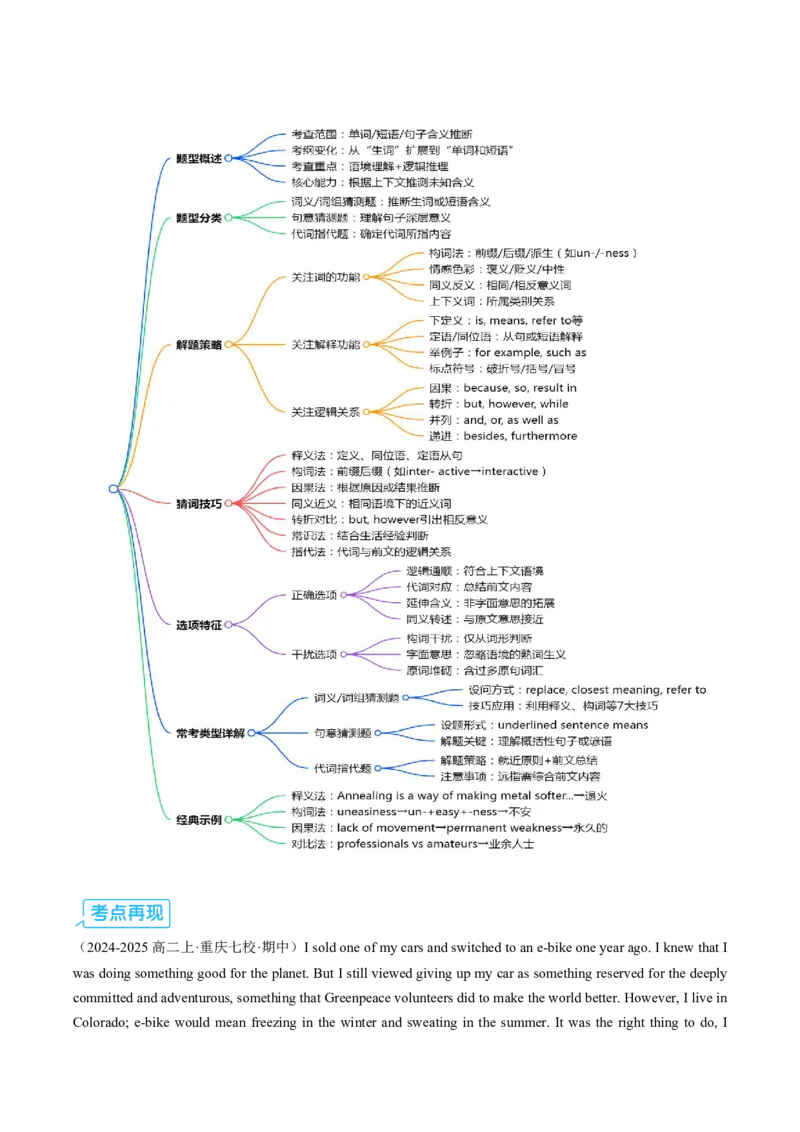
考点三 词义猜测题(cid:87)2024-2025(cid:53)(cid:88)(cid:89)·(cid:59)(cid:372)(cid:373)(cid:93)·(cid:96)(cid:97)(cid:98)I sold one of my cars and switched to an e-bike one year ago. I knew that I
was doing something good for the planet. But I still viewed giving up my car as something reserved for the deeply
committed and adventurous, something that Greenpeace volunteers did to make the world better. However, I live in
Colorado; e-bike would mean freezing in the winter and sweating in the summer. It was the right thing to do, Ithought, but it was not going to be fun.
I was very wrong. Before selling my car, I worried most about riding in the cold winter months. But I
quickly learned that, as the saying goes, there is no bad weather, only bad clothes. I wear gloves, warm socks and a
ski jacket when I ride, and I am almost never too cold.
Though I, like many would-be cyclists, was worried about arriving at the office sweaty in hotter months, the
e-bike solved my problem. Even when there was 35 degrees Celsius outside, I didn’t sweat, thanks to my bike’s
pedal-assist mode ((cid:374)(cid:375)(cid:376)(cid:377)(cid:378)(cid:334)). If I am honest, sometimes I didn’t even pedal; I just switched to pedal-assist
mode, sat back and enjoyed my ride.
But biking to work wasn’t just not unpleasant — it was entirely enjoyable. One day, shortly after selling our
car, I hopped on ((cid:379)(cid:89)) my bike after a stressful day at work and rode home down a street edged with changing fall
leaves. I felt more connected to the physical environment around me than I had when I’d traveled the same route
surrounded by metal and glass. I have to say, this sensation made me happier and healthier.
Of course, e-bikes aren’t going to replace every car on every trip. In a country where uncontrolled stretching
of suburbs and malls and unprotected bike paths are the norm, it’s unrealistic to expect e-bikes to replace cars in the
way that the Model T ((cid:380)(cid:299)(cid:7)(cid:381)(cid:112)(cid:138)(cid:382)(cid:383)(cid:384)(cid:378)(cid:332)(cid:385)(cid:56)(cid:386)(cid:387)) replaced horses. But as an individual, making short
trips on an e-bike would save money, cut carbon footprints, and improve health and well-being.
4(cid:103)What did the author originally think of letting go of his car?
A(cid:103)A healthy move. B(cid:103)A difficult choice.
C(cid:103)A call of duty. D(cid:103)A crowd-driven decision.
5(cid:103)How did the author feel about the actual experience of riding to work?
A(cid:103)Confused. B(cid:103)Embarrassed. C(cid:103)Anxious. D(cid:103)Amazed.
6(cid:103)What does the underlined part “this sensation” in paragraph 4 refer to?
A(cid:103)Interest in exploring new routes. B(cid:103)Desire to head home faster.
C(cid:103)Relief from work pressure. D(cid:103)Love for exposure to nature.
➢ (cid:104)(cid:105)(cid:39)(cid:106)(cid:10)(cid:264)(cid:21)(cid:31)(cid:154)(cid:48)(cid:67)(cid:42)(cid:149)(cid:388)(cid:389)(cid:21)(cid:109)
4(cid:103)(cid:265)(cid:15)(cid:192)(cid:193)(cid:21)(cid:109)(cid:110)(cid:111)(cid:112)(cid:138)(cid:113)(cid:97)“I sold one of my cars and switched to an e-bike one year ago. I knew that
I was doing something good for the planet. But I still viewed giving up my car as something reserved for
the deeply committed and adventurous, something that Greenpeace volunteers did to make the world
better. However, I live in Colorado; e-bike would mean freezing in the winter and sweating in the summer.
It was the right thing to do, I thought, but it was not going to be fun. ((cid:138)(cid:267)(cid:367)(cid:54)(cid:146)(cid:390)(cid:391)(cid:174)(cid:138)(cid:392)(cid:386)(cid:387)(cid:54)(cid:393)(cid:89)
(cid:174)(cid:138)(cid:392)(cid:356)(cid:219)(cid:187)(cid:201)(cid:387)(cid:109)(cid:146)(cid:62)(cid:308)(cid:146)(cid:143)(cid:185)(cid:206)(cid:394)(cid:184)(cid:316)(cid:395)(cid:396)(cid:109)(cid:119)(cid:146)(cid:397)(cid:115)(cid:369)(cid:185)(cid:54)(cid:57)(cid:398)(cid:146)(cid:56)(cid:386)(cid:387)(cid:124)(cid:291)(cid:316)(cid:399)(cid:400)(cid:401)(cid:402)(cid:64)
(cid:403)(cid:404)(cid:401)(cid:402)(cid:56)(cid:168)(cid:56)(cid:396)(cid:405)(cid:54)(cid:124)(cid:406)(cid:407)(cid:64)(cid:189)(cid:408)(cid:409)(cid:56)(cid:410)(cid:411)(cid:281)(cid:185)(cid:174)(cid:186)(cid:412)(cid:270)(cid:413)(cid:137)(cid:294)(cid:353)(cid:395)(cid:414)(cid:184)(cid:56)(cid:396)(cid:405)(cid:109)(cid:115)(cid:414)(cid:54)(cid:146)(cid:415)(cid:143)
(cid:18)(cid:297)(cid:300)(cid:416)(cid:417)(cid:151)(cid:418)(cid:356)(cid:219)(cid:187)(cid:201)(cid:387)(cid:180)(cid:419)(cid:218)(cid:420)(cid:421)(cid:422)(cid:423)(cid:54)(cid:424)(cid:421)(cid:383)(cid:425)(cid:426)(cid:427)(cid:109)(cid:146)(cid:153)(cid:54)(cid:125)(cid:183)(cid:184)(cid:124)(cid:309)(cid:56)(cid:54)(cid:119)(cid:125)(cid:123)(cid:162)(cid:204)(cid:55)
(cid:428))”(cid:156)(cid:62)(cid:54)(cid:18)(cid:297)(cid:300)(cid:416)(cid:417)(cid:56)(cid:429)(cid:182)(cid:123)(cid:336)(cid:337)(cid:418)(cid:356)(cid:219)(cid:187)(cid:201)(cid:387)(cid:54)(cid:162)(cid:186)(cid:168)(cid:430)(cid:431)(cid:109)(cid:279)(cid:280)(cid:156)(cid:62)(cid:54)(cid:249)(cid:281)(cid:127)(cid:432)(cid:369)(cid:185)(cid:57)(cid:398)(cid:175)
(cid:56)(cid:386)(cid:387)(cid:124)(cid:138)(cid:126)(cid:433)(cid:27)(cid:56)(cid:20)(cid:338)(cid:109)(cid:169)(cid:20)B(cid:286)(cid:109)5(cid:103)(cid:265)(cid:15)(cid:192)(cid:193)(cid:21)(cid:109)(cid:110)(cid:111)(cid:112)(cid:88)(cid:113)(cid:97)“I wear gloves, warm socks and a ski jacket when I ride, and I am almost
never too cold. ((cid:146)(cid:418)(cid:387)(cid:181)(cid:434)(cid:435)(cid:436)(cid:54)(cid:437)(cid:438)(cid:64)(cid:56)(cid:439)(cid:229)(cid:64)(cid:440)(cid:441)(cid:442)(cid:54)(cid:140)(cid:141)(cid:146)(cid:213)(cid:443)(cid:238)(cid:123)(cid:444)(cid:137)(cid:445)(cid:446))”(cid:339)(cid:112)(cid:35)(cid:113)(cid:97)
“Though I, like many would-be cyclists, was worried about arriving at the office sweaty in hotter months,
the e-bike solved my problem. ((cid:177)(cid:115)(cid:146)(cid:64)(cid:447)(cid:416)(cid:153)(cid:418)(cid:187)(cid:201)(cid:387)(cid:56)(cid:168)(cid:138)(cid:183)(cid:54)(cid:288)(cid:52)(cid:143)(cid:448)(cid:449)(cid:56)(cid:450)(cid:451)(cid:89)(cid:452)(cid:181)(cid:425)(cid:453)(cid:454)
(cid:275)(cid:54)(cid:119)(cid:356)(cid:219)(cid:187)(cid:201)(cid:387)(cid:25)(cid:455)(cid:174)(cid:146)(cid:56)(cid:456)(cid:21))”(cid:64)(cid:112)(cid:170)(cid:113)(cid:97)“But biking to work wasn’t just not unpleasant — it was
entirely enjoyable. ((cid:119)(cid:124)(cid:418)(cid:187)(cid:201)(cid:387)(cid:89)(cid:452)(cid:123)(cid:457)(cid:458)(cid:55)(cid:123)(cid:459)(cid:460)(cid:54)(cid:414)(cid:461)(cid:462)(cid:83)(cid:124)(cid:138)(cid:200)(cid:463)(cid:430))”(cid:156)(cid:62)(cid:54)(cid:249)(cid:281)(cid:127)(cid:432)(cid:288)(cid:52)
(cid:56)(cid:430)(cid:423)(cid:339)(cid:453)(cid:425)(cid:56)(cid:456)(cid:21)(cid:213)(cid:443)(cid:123)(cid:464)(cid:143)(cid:54)(cid:315)(cid:465)(cid:54)(cid:418)(cid:187)(cid:201)(cid:387)(cid:466)(cid:467)(cid:135)(cid:174)(cid:463)(cid:430)(cid:109)(cid:279)(cid:280)(cid:156)(cid:62)(cid:54)(cid:249)(cid:281)(cid:309)(cid:418)(cid:387)(cid:89)(cid:452)(cid:56)(cid:211)
(cid:220)(cid:468)(cid:469)(cid:81)(cid:207)(cid:470)(cid:471)(cid:109)(cid:169)(cid:20)D(cid:286)(cid:109)
6(cid:103)(cid:42)(cid:28)(cid:388)(cid:389)(cid:21)(cid:109)(cid:110)(cid:111)(cid:472)(cid:355)(cid:255)(cid:226)(cid:56)(cid:89)(cid:17)“I felt more connected to the physical environment around me than I
had when I’d traveled the same route surrounded by metal and glass. ((cid:146)(cid:81)(cid:444)(cid:187)(cid:188)(cid:73)(cid:473)(cid:474)(cid:56)(cid:187)(cid:115)(cid:475)(cid:263)(cid:294)
(cid:476)(cid:477)(cid:206)(cid:94)(cid:235)(cid:143)(cid:138)(cid:289)(cid:54)(cid:414)(cid:123)(cid:124)(cid:478)(cid:143)(cid:479)(cid:326)(cid:480)(cid:64)(cid:481)(cid:482)(cid:276)(cid:474)(cid:56)(cid:483)(cid:138)(cid:484)(cid:105)(cid:355)(cid:89))”(cid:156)(cid:265)(cid:62)(cid:54)“(cid:125)(cid:200)(cid:81)(cid:444)”(cid:370)(cid:56)(cid:124)(cid:367)
(cid:84)(cid:485)(cid:486)(cid:56)(cid:309)(cid:237)(cid:487)(cid:187)(cid:115)(cid:56)(cid:488)(cid:118)(cid:109)(cid:169)(cid:20)D(cid:286)(cid:109)
➢ (cid:223)(cid:224) 4(cid:103)B 5(cid:103)D 6(cid:103)D
考点四 主旨大意题(cid:87)2024-2025(cid:53)(cid:88)(cid:89)·(cid:254)(cid:160)(cid:489)(cid:490)(cid:35)(cid:93)(cid:94)(cid:48)·(cid:96)(cid:97)(cid:98)The cliche ((cid:491)(cid:42)(cid:492)(cid:493)) of a knitter is a white-haired lady.
But in the 1940s, young male Royal Air Force pilots used needles as they waited for their next mission. Wartime
pilots crashed a lot and“lap crafts” like knitting, helped rebuild flexibility in wounded limbs while also helping to
settle wounded minds. They were the foundation of early occupational therapy ((cid:494)(cid:495)).
Today, millions of people around the world employ these same techniques. “They are closely associated
with our mental health,” says Janine Smith, the owner of a store that sells supplies for knitting and crocheting ((cid:163)
(cid:496)(cid:497)(cid:498)(cid:499)). “I know that if I haven’t knitted for a few days, I really miss it. It’s like meditation.”
Physiotherapist Betsan Corkhill and occupational therapist Jill Riley were part of a team from CardiffUniversity that, ten years ago, surveyed more than 3,500 knitters and found that the more frequently people knitted,
the calmer and happier they felt.
In reality, it is a “Flow”, which is a concept first named by psychologist Mihaly Csikszentmihalyi as he
wrote in his book, “The best moments in our lives are not the passive, receptive, relaxing times. The best moments
usually occur if a person’s body or mind is stretched to its limits in a voluntary effort to accomplish something
difficult and worthwhile.”
Shauna Richardson knows just how true this is. The artist spent 18 months in a state of flow when she
crocheted three seven-metre-long lions for the 2012 Cultural Olympiad. To complete the task, which required
nearly 38 miles of wool, she says she had to “zone everything out and sustain a state of mind driven by rhythm and
process.”
But smaller projects will also get you there. Even a simple knitting or crochet pattern requires attentiveness
to ensure that each stitch is made correctly. And if there’s not enough challenge in the straightforward, you can
make additions, from colour changes to textured stitches to highly complicated patterns.
The Cardiff research team found that even though most of the people surveyed were employed,
three-quarters of those who knitted three or more times a week felt significantly more able to organise their
thoughts and forget their problems.
1(cid:103)What is the best title of the text?
A(cid:103)Active Hands, Calm Minds. B(cid:103)Unique Therapy, Effective Healing.
C(cid:103)Special Techniques, Organized Thoughts. D(cid:103)Simple Knitting, Strong Body.
➢ (cid:104)(cid:105)(cid:39)(cid:106)(cid:10)(cid:264)(cid:21)(cid:31)(cid:154)(cid:48)(cid:67)(cid:31)(cid:500)(cid:383)(cid:180)(cid:21)
1(cid:103)(cid:31)(cid:500)(cid:383)(cid:180)(cid:21)(cid:109)(cid:130)(cid:24)(cid:83)(cid:17)(cid:54)(cid:59)(cid:39)(cid:230)(cid:337)(cid:17)(cid:306)(cid:112)(cid:35)(cid:113)“Physiotherapist Betsan Corkhill and occupational therapist
Jill Riley were part of a team from Cardiff University that, ten years ago, surveyed more than 3,500 knitters and
found that the more frequently people knitted, the calmer and happier they felt.((cid:14)(cid:15)(cid:494)(cid:495)(cid:501)(cid:502)(cid:299)(cid:503)·(cid:18)(cid:29)(cid:301)(cid:504)
(cid:64)(cid:505)(cid:506)(cid:494)(cid:495)(cid:501)(cid:507)(cid:504)·(cid:508)(cid:509)(cid:124)(cid:510)(cid:511)(cid:512)(cid:383)(cid:11)(cid:138)(cid:126)(cid:513)(cid:514)(cid:56)(cid:311)(cid:515)(cid:109)(cid:516)(cid:267)(cid:367)(cid:54)(cid:517)(cid:513)(cid:514)(cid:309) 3500 (cid:416)(cid:142)(cid:498)(cid:409)(cid:281)(cid:242)(cid:201)(cid:174)(cid:493)(cid:67)(cid:54)
(cid:518)(cid:210)(cid:168)(cid:147)(cid:498)(cid:409)(cid:56)(cid:519)(cid:520)(cid:521)(cid:53)(cid:54)(cid:81)(cid:444)(cid:292)(cid:521)(cid:189)(cid:190)(cid:64)(cid:460)(cid:319)(cid:109))”(cid:156)(cid:62)(cid:54)(cid:17)(cid:306)(cid:31)(cid:154)(cid:522)(cid:523)(cid:174)(cid:498)(cid:409)(cid:333)(cid:219)(cid:309)(cid:168)(cid:147)(cid:52)(cid:15)(cid:524)(cid:525)(cid:56)
(cid:526)(cid:527)(cid:528)(cid:529)(cid:54)(cid:276)(cid:530)(cid:186)(cid:168)(cid:52)(cid:405)(cid:189)(cid:190)(cid:339)(cid:242)(cid:283)“(cid:52)(cid:453)”(cid:246)(cid:40)(cid:109)(cid:169)A(cid:20)(cid:286)“Active Hands, Calm Minds((cid:531)(cid:532)(cid:56)(cid:533)(cid:435)(cid:54)(cid:189)
(cid:190)(cid:56)(cid:52)(cid:531))”(cid:534)(cid:535)(cid:536)(cid:530)(cid:174)(cid:17)(cid:306)(cid:31)(cid:500)(cid:54)(cid:124)(cid:208)(cid:537)(cid:72)(cid:21)(cid:109)(cid:169)(cid:20)A(cid:286)(cid:109)(cid:109)
➢ (cid:223)(cid:224) 1(cid:103)APassage 01
(cid:87)2024-2025·(cid:254)(cid:160)(cid:538)(cid:93)(cid:94)(cid:95)·(cid:53)(cid:88)(cid:89)(cid:539)(cid:11)(cid:540)(cid:541)(cid:542)(cid:389)(cid:98)“Who’s a good reader? It’s you, isn’t it?” This is a
typical example of “parentese ((cid:543)(cid:132)(cid:232))”. Recent research suggests that parents speaking parentese to their babies
can give the babies’ language development a serious boost. In the study, researchers found that teaching parents
how to speak proper parentese enhanced their ability to communicate with their babies — and even improved the
children’s long-term language skills.
Parentese is distinct from conventional baby talk, which mostly relies on silly sounds and made-up words. In
the 1960s, scientists studying speech patterns across different languages noticed a unique style that adults used
addressing young children. This language was characterized by simple words and grammar, high pitch ((cid:318)(cid:493)) and a
much slower speed. The baby-directed speech was first named “motherese” before it was called “parentese”.
Later research showed parentese is grammatically correct, with real words and phrases, which helped babies
differentiate between words and process what was being said. “We’ve known for some time that use of parentese is
associated with improved language outcomes, but we didn’t know why,” says Patricia K. Kuhl, the new research’s
senior author. But Kuhl thinks the new research suggests why parentese helps babies learn language skills.
“We now think parentese works because it’s a social attraction for the baby brain,” she says. “Its high pitch
and slower speed are socially engaging and invite the baby to respond.”
All 71 families in the new study had their children equipped with a special coat with an audio recorder built
in. During four separate weekends when the babies were 6,10,14 and 18months old, the researchers recorded all of
the interactions between family members and the babies. The 48 families who were randomly selected for a course
in parentese learned about ways to include more parentese in conversation.
And even though all of the participating families used some form of parentese at the start of the study, the
babies of parents who received coaching showed the most improvements in their conversation skills. Beyond that,
those babies had a 100-word vocabulary compared with the control group, who only knew 60 words at 18 months.
8(cid:103)Which aspect of the new study does paragraph 1 focus on?
A(cid:103)Its aim. B(cid:103)Its result. C(cid:103)Its procedure. D(cid:103)Its participants.
9(cid:103)What did scientists find about parentese in the 1960s?
A(cid:103)It was easy to follow. B(cid:103)It was unique to mothers.
C(cid:103)It was full of made-up words. D(cid:103)It was similar to traditional baby talk.
10(cid:103)What does Kuhl say about parentese?
A(cid:103)It inspires babies to speak more. B(cid:103)It has short-term effects on babies.
C(cid:103)It teaches babies more social skills. D(cid:103)It helps babies differentiate words and phrases.
11(cid:103)What does the underlined word “coaching” in the last paragraph mean?
A(cid:103)Casual advice or guidance. B(cid:103)Formal training or instruction.
C(cid:103)Observation without intervention. D(cid:103)Emotional support without practical help.Passage 02
(cid:87)2024-2025·(cid:544)(cid:545)(cid:516)(cid:93)(cid:94)(cid:48)·(cid:53)(cid:88)(cid:89) 1 (cid:450)(cid:94)(cid:48)(cid:98)It is a common view that “Necessity is the mother of
invention”. That is, inventions supposedly arise when a society has an unfulfilled need. Quite a few inventions do
fit in this category. For example, in 1794 Eli Whitney invented cotton gins ((cid:546)(cid:547)(cid:351)) to replace laborious hand
cleaning of cotton grown in the U. S. South.
Such familiar examples fool us into assuming that other major inventions were also responses to perceived
needs. In fact, most inventions were developed by people driven by curiosity or by a love of tinkering ((cid:548)(cid:549)). Once
a device had been invented, the inventor then had to find an application for it. Only after it had been in use for a
considerable time did consumers come to feel that they “needed” it. Thus, invention is often the mother of
necessity, rather than vice versa.
A good example is the history of the motor vehicle which was not invented in response to any demand.
When Nikolaus Otto built his first gas engine in 1866, it was weak, heavy, and seven feet tall. Thirty years later, he
built the first truck. But it was a time when horse wagons and steam-powered railroads dominated transportation.
Public contentment with these two means remained high until World War I when the armies concluded that they
really did need trucks, which eventually made those vehicles a substitute for horse-drawn wagons in industrialized
countries.
Inventors often have to insist on their tinkering for a long time in the absence of public demand, because
early models perform too poorly to be useful. For instance, the first cameras, typewriters, and television sets were
as awful as Otto’s seven-foot-tall gas engine. That makes it difficult for an inventor to foresee whether his or her
awful prototype might eventually find a use and thus invest more time and expense to develop it. Even inventions
that meet the need for which they were initially designed may later prove more valuable at meeting unforeseen
needs. While James Watt designed his steam engine to pump water from mines, it soon was supplying power to
cotton mills, then (with much greater profit) driving trains and boats.
28(cid:103)Why is Eli Whitney mentioned by the writer in the first paragraph?
A(cid:103)To introduce the topic. B(cid:103)To deny a statement.
C(cid:103)To clarify a doubt. D(cid:103)To illustrate a view.
29(cid:103)What led to the wide use of motor vehicles according to the text?
A(cid:103)The improvement of engine performance. B(cid:103)The end of World War I.
C(cid:103)The need of the military during war time. D(cid:103)The decline of horse-drawn wagons.
30(cid:103)What does the underlined word “That” refer to in the last paragraph?
A(cid:103)Absence of public demand. B(cid:103)Bad performance of early models.
C(cid:103)A lack of time and expense. D(cid:103)Awful looks of previous inventions.
31(cid:103)Which of the following is the best title for the text?
A(cid:103)Social Need: the Inner Drive for Invention
B(cid:103)Great Invention: the Force of Society’s Progress
C(cid:103)Beyond Necessity: the Curious Pursuit of InventionD(cid:103)General Application: the Final Purpose of Invention
Passage 03
(cid:87)2024-2025·(cid:550)(cid:551)(cid:552)(cid:553)(cid:142)(cid:93)·(cid:53)(cid:88)(cid:89) 9 (cid:450)(cid:94)(cid:48)(cid:98)Waves of innovation often create giants. Artificial
intelligence (AI) may well be the next big technological shift, transforming the way of businesses. Firms selling the
software and hardware that support AI will gain a lot of profit. But none is better positioned than Nvidia, an
American firm that makes specialist AI chips. Its market value briefly passed $1,000 billion this week. Will Nvidia
always be a tech-giant in this field?
The hype ((cid:554)(cid:249)) around AI makes the question hard to answer. Excitement about Nvidia began to mount in
November, after the release of ChatGPT, an AI-powered chatbot. Since then many kinds of firms have launched AI
products.
Nvidia is in an enviable ((cid:555)(cid:168)(cid:556)(cid:557)(cid:56)) position. Its core business is designing high-performance chips. At
first it sold these to video-game lovers. The chips were also highly efficient at training AI models, and a new,
booming market emerged.
Nvidia also had the forethought to invest in two areas that helped strengthen its dominance ((cid:314)(cid:558)(cid:206)(cid:559)). One
is advanced networking. Because training AI models requires vast amounts of processing power, many chips —
sometimes thousands — are used at the same time. These chips exchange data along a high-performance,
AI-tailored network.
Nvidia’s other strength is its software. CUDA, its AI platform, is popular with programmers and runs only
on the company’s chips. For instance, by giving free access to its chips and software to some AI researchers, the
firm focused on encouraging developers to use its software long before its competitors set out to woo them.
Despite all these advantages, however, Nvidia’s lasting dominance is not assured. New companies and big
chipmakers want a share of Nvidia’s network and chip businesses. The biggest challenge, though, may come from
Nvidia’s own customers. The cloud-computing arms of both Amazon and Alphabet are designing their own
AI-tailored chips. Both have the potential to become fearsome competitors.
12(cid:103)Which of the following makes Nvidia enviable according to the passage?
A(cid:103)The hype around artificial intelligence. B(cid:103)The release of ChatGPT.
C(cid:103)The availability of its chips. D(cid:103)The high performance of its chips.
13(cid:103)What does the underlined word “woo” in paragraph 5 probably mean?
A(cid:103)Hunt for. B(cid:103)Attend to. C(cid:103)Approve of. D(cid:103)Guard against.
14(cid:103)What can we infer from the last paragraph?
A(cid:103)Nvidia will lose its dominance definitely. B(cid:103)Nvidia should further improve its chips.
C(cid:103)Alphabet has weakened Nvidia’s market.D(cid:103)Amazon will defeat Nvidia soon.
15(cid:103)What does the author think of Nvidia’s dominance in the future?
A(cid:103)Unchallengeable. B(cid:103)Uncertain. C(cid:103)Predictable. D(cid:103)Assured.(cid:80)(cid:21)(cid:81)(cid:62)
Passage 01
C
(cid:225)2025(cid:83)(cid:354)1(cid:560)(cid:228)While safety improvements might have been made to our streets in recent years, transport
studies also show declines in pedestrian ((cid:201)(cid:168)) mobility, especially among young children. Many parents say
there’s too much traffic on the roads for their children to walk safely to school, so they pack them into the car
instead.
Dutch authors Thalia Verkade and Marco te Brömmelstroet are bothered by facts like these. In their new book
Movement: How to Take Back Our Streets and Transform Our Lives, they call for a rethink of our streets and the
role they play in our lives.
Life on city streets started to change decades ago. Whole neighbourhoods were destroyed to make way for
new road networks and kids had to play elsewhere. Some communities fought back. Most famously, a Canadian
journalist who had moved her family to Manhattan in the early 1950s led a campaign to stop the destruction of her
local park. Describing her alarm at its proposed replacement with an expressway, Jane Jacobs called on her mayor
((cid:561)(cid:26)) to champion “New York as a decent place to live, and not just rush through.” Similar campaigns occurred in
Australia in the late 1960s and 1970s as well.
Although these campaigns were widespread, the reality is that the majority of the western cities were
completely redesigned around the needs of the motor car. The number of cars on roads has been increasing rapidly.
In Australia we now have over twenty million cars for just over twenty-six million people, among the highest rate
of car ownership in the world.
We invest a lot in roads that help us rush through, but we fail to account for the true costs. Do we really
recognise what it costs us as a society when children can’t move safely around our communities? The authors of
Movement have it right: it’s time to think differently about that street outside your front door.
28. What phenomenon does the author point out in paragraph 1?
A. Cars often get stuck on the road. B. Traffic accidents occur frequently.
C. People walk less and drive more. D. Pedestrians fail to follow the rules.
29. What were the Canadian journalist and other campaigners trying to do?
A. Keep their cities livable. B. Promote cultural diversity.
C. Help the needy families. D. Make expressways accessible.
30. What can be inferred about the campaigns in Australia in the late 1960s and 1970s?
A. They boosted the sales of cars. B. They turned out largely ineffective.
C. They won government support. D. They advocated building new parks.
31. What can be a suitable title for the text?
A. Why the Rush? B. What’s Next?C. Where to Stay? D. Who to Blame?
Passage 02
(cid:225)2025 (cid:83)(cid:354) 1 (cid:560)(cid:228)Microplastics have become a common source of pollution across the Earth — they have
settled in the deep sea and on the Himalayas, stuck inside volcanic rocks, filled the stomachs of seabirds and even
fallen in fresh Antarctic snow. They are even appearing inside humans.
Now, new research suggests that a simple, cheap measure may significantly reduce the level of microplastics
in water from your tap ((cid:562)(cid:563)(cid:167)): boiling and filtering ((cid:131)(cid:564)) it. In a study published Wednesday in Environmental
Science & Technology Letters, researchers from China found that boiling tap water for just five minutes — then
filtering it after it cools — could remove at least 80 percent of its microplastics.
Crucially, this process relies on the water containing enough calcium carbonate ((cid:565)(cid:566)(cid:567)) to trap the plastics.
In the study, boiling hard water containing 300 milligrams of calcium carbonate led to an almost 90 percent drop in
plastics. But in samples with less than 60 milligrams of calcium carbonate, boiling reduced the level of plastics by
just 25 percent. Additionally, the research didn’t include all types of plastics. The team focused only on three
common types — polystyrene, polyethylene and polypropylene — and they didn’t study other chemicals
previously found in water such as vinyl chloride.
Still, the findings show a potential path forward for reducing microplastic exposure — a task that’s becoming
increasingly difficult. Even bottled water, scientists found earlier this year, contains 10 to 1,000 times more
microplastics than originally thought.
Scientists are still trying to determine how harmful microplastics are — but what they do know has raised
concerns. The new study suggests boiling tap water could be a tool to limit intake. “The way they demonstrated
how microplastics were trapped through the boiling process was nice,” Caroline Gauchotte-Lindsay, an
environmental engineer of the University of Glasgow in Scotland who was not involved in the research, tells New
Scientist. “We should be looking into upgrading drinking water treatment plants so they remove microplastics.”
32. How does the author present the issue in the first paragraph?
A. By quoting an expert. B. By defining a concept.
C. By giving examples. D. By providing statistics.
33. What determines the effectiveness of trapping microplastics in water?
A. The hardness of water. B. The length of cooling time.
C. The frequency of filtering. D. The type of plastic in water.
34. What does the author try to illustrate by mentioning bottled water in paragraph 4?
A. The importance of plastic recycling. B. The severity of the microplastic problem.
C. The danger in overusing pure water. D. The difficulty in treating polluted water.
35. What is Gauchotte-Lindsay’s suggestion about?
A. Choice of new research methods. B. Possible direction for further study.
C. Need to involve more researchers. D. Potential application of the findings.
Passage 03
(cid:225)2025(cid:271)(cid:568)(cid:72)ⅠⅠ(cid:560)(cid:228)When Sonja Detrinidad opened her online shop selling houseplants, she didn’t have highhopes for it. But the opposite happened: She was flooded, shipping out 1,200 orders in June of 2020 alone. In the
past year, Detrinidad sent out more than 70,000 plants. Her success is just one example of increased time at home
leading to an explosion in the houseplant industry.
“Plants are in fashion right now,” says Dr. Melinda Knuth, a researcher from the University of Florida.
“People who live in plant-rich environments report a higher life satisfaction rating, ” she says. “Adding more nature
to our environment can change our mood and how we think.” Plants can improve our state of mind in a few ways
but the biggest is by decreasing our level of cortisol, the stress hormone ((cid:569)(cid:570)) in our body.
“Students who are around plants perform better academically than students who are in a classroom without
plants,” says Knuth. “This productivity also translates into the workplace for adults. Our study showed that there
was a 30% decrease in sick leave for people who were in plant-rich workplaces.”
If you’re among the groups of people who are enjoying the mental and physical health benefits of surrounding
yourself with plants, don’t beat yourself up if one (or a few!) doesn’t make it. “Doctors practice medicine and
lawyers practice law and you should allow yourself the practice it takes to sustain a plant. Tending to plants is an
exercise in patience and learning. Be invested in taking care of it, but if it dies, go get another one,” Detrinidad
says.
8. How was Detrinidad’s business when it started?
A. It faced tough competition. B. It suffered a great loss.
C. It got lots of financial support. D. It went surprisingly well.
9. What is one of Knuth’s findings about plants?
A. They appeal more to students. B. They purify the environment.
C. They raise the cortisol level. D. They enhance productivity.
10 What does Detrinidad try to explain by mentioning doctors and lawyers?
.
A. The necessity of social skills. B. The meaning of sustainability.
C. The importance of repeated efforts. D. The value of professional opinions.
11. What can be a suitable title for the text?
A. Time to Replace Houseplants B. Plants Boost Your Mood
C. Tips on Choosing Houseplants D. Plants Brighten Your Home
Passage 04
(cid:225)2025(cid:271)(cid:568)(cid:72)ⅠⅠ(cid:560)(cid:228)Does your soul die a little every time you throw away unused food? Mine does. Maybe
that feeling comes from growing up in South Africa, where the phrase “there are children starving in Africa” was
more of an uncomfortable reminder of fact than a prayer at dinner time.
Food waste is a growing concern in the restaurant, supermarket, and supply chain industries. From
technological solutions to educational campaigns, food producers and sellers are looking for ways to use more of
what we’re already growing. But last month, one popular New York City restaurant tried a different way: It
changed its menu to exclusively ((cid:22)(cid:571)) offer food that would otherwise be thrown away.
For two weeks in March, Greenwich Village’s Blue Hill restaurant was renamed wastED, and served items
like fried skate cartilage, a juice pulp burger, and a dumpster diver’s vegetable salad. Each dish was tailor-made to
raise awareness regarding food waste.A study by the Food Waste Alliance determined that the average restaurant generates 33 pounds of food waste
for every $1,000 in revenue ((cid:572)(cid:283)), and of that waste only 15.7% is donated or recycled. Up to 84.3% is simply
thrown out. Restaurants like Silo in the UK have experimented with zero-waste systems, but wastED took the
concept to its logical conclusion.
It should be noted that none of the items on wastED’s menu was technically made from garbage. Instead, all
the ingredients ((cid:558)(cid:573)) used were examples of meat cuts and produce that most restaurants would never consider
serving. Things like kale ribs, fish collars, rejected sweet potatoes, and cucumber butts were all re-appropriated
and, with the help of a number of good chefs, turned into excellent cuisine.
Though wastED received enthusiastic reviews, it was designed from the start as a short-lived experiment; Blue
Hill has since returned to its regular menu. Nevertheless, it serves as a reminder that there are many ways to
address problems of sustainability, and that you can make an amazing meal out of almost anything.
12. What can be inferred about the author’s early life?
A. He witnessed food shortage. B. He enjoyed the local cuisine.
C. He donated food to Africans. D. He helped to cook at home.
13. Why did Blue Hill carry out the experiment?
A. To customize dishes for guests. B. To make the public aware of food waste.
C. To test a food processing method. D. To improve the UK’s zero-waste systems.
14. What is paragraph 5 mainly about?
A. Why the ingredients were used. B. Which dishes were best liked.
C. What the dishes were made of. D. Where the ingredients were bought.
15. What can we learn about wastED?
A. It has ended as planned. B. It is creating new jobs.
C. It has regained popularity. D. It is criticized by top chefs.
Passage 05
(cid:225)2024(cid:83)(cid:354)(cid:574)(cid:560)(cid:228)Animals can express their needs using a lot of ways. For instance, almost all animals have
distinct vocals ((cid:575)(cid:318)) that they rely on to either ask for help, scare away any dangerous animals or look for
shelter. But cats are special creatures who possess amazing vocalization skills. They are able to have entire
conversations with humans using meows and you're able to interpret it. If a pet cat is hungry, it will keep meowing
to attract attention and find food. However, when a cat is looking for affection, they tend to produce stretched and
soft meows. Meowing starts as soon as a baby cat is brought to life and uses it to get the mother's attention and be
fed.
Cats have many heightened senses, but their sense of smell is quite impressive. They use their noses to assess
their environment and look out for any signs of danger. They will sniff out specific areas before they choose a place
to relax. However, another way the cats are able to distinguish between situations is by looking for familiar smells.
Your cat will likely smell your face and store the smell in its memory and use it to recognize you in the future.
That's why most pet cats are able to tell immediately if their owners were around any other cats, which they don't
usually like.
Dogs are known for their impressive fetching habit, but cats take this behavior up a notch. Many cats will findrandom objects outside and bring them to their owners. This is a very old habit that's been present in all kinds of
predators ((cid:139)(cid:576)(cid:219)(cid:14)). Cats bring gifts for their owners to show they love you. These adorable little hunters are just
doing something that it's been in their nature since the beginning of time. So just go along with it!
4. What can be learned about cats' meowing from the first paragraph?
A. It's a survival skill. B. It's taught by mother cats.
C. It's hard to interpret. D. It's getting louder with age.
5. How does a pet cat assess different situations?
A. By listening for sounds. B. By touching familiar objects.
C. By checking on smells. D. By communicating with other cats.
6. Which best explains the phrase "take. . . up notch" in paragraph 3?
A. Perform appropriately. B. Move faster. C. Act strangely. D. Do better.
7. What is a suitable title for the text?
A. Tips on Finding a Smart Cat B. Understanding Your Cat's Behavior
C. Have Fun with Your Cat D. How to Keep Your Cat Healthy
Passage 06
(cid:225)2024(cid:271)(cid:568)(cid:72)Ⅰ(cid:560)(cid:228)In the race to document the species on Earth before they go extinct, researchers and citizen
scientists have collected billions of records. Today, most records of biodiversity are often in the form of photos,
videos, and other digital records. Though they are useful for detecting shifts in the number and variety of species in
an area, a new Stanford study has found that this type of record is not perfect.
“With the rise of technology it is easy for people to make observations of different species with the aid of a
mobile application,” said Barnabas Daru, who is lead author of the study and assistant professor of biology in the
Stanford School of Humanities and Sciences. “These observations now outnumber the primary data that comes
from physical specimens ((cid:72)(cid:432)), and since we are increasingly using observational data to investigate how species
are responding to global change, I wanted to know: Are they usable?”
Using a global dataset of 1.9 billion records of plants, insects, birds, and animals, Daru and his team tested
how well these data represent actual global biodiversity patterns.
“We were particularly interested in exploring the aspects of sampling that tend to bias ((cid:335)(cid:55)(cid:577)(cid:578)) data, like
the greater likelihood of a citizen scientist to take a picture of a flowering plant instead of the grass right next to it,”
said Daru.
Their study revealed that the large number of observation-only records did not lead to better global coverage.
Moreover, these data are biased and favor certain regions, time periods, and species. This makes sense because the
people who get observational biodiversity data on mobile devices are often citizen scientists recording their
encounters with species in areas nearby. These data are also biased toward certain species with attractive or
eye-catching features.
What can we do with the imperfect datasets of biodiversity?
“Quite a lot,” Daru explained. “Biodiversity apps can use our study results to inform users of oversampled
areas and lead them to places — and even species — that are not well-sampled. To improve the quality of
observational data, biodiversity apps can also encourage users to have an expert confirm the identification of theiruploaded image.”
32. What do we know about the records of species collected now?
A. They are becoming outdated. B. They are mostly in electronic form.
C. They are limited in number. D. They are used for public exhibition.
33. What does Daru’s study focus on?
A. Threatened species. B. Physical specimens.
C. Observational data. D. Mobile applications.
34. What has led to the biases according to the study?
A. Mistakes in data analysis. B. Poor quality of uploaded pictures.
C. Improper way of sampling. D. Unreliable data collection devices.
35. What is Daru’s suggestion for biodiversity apps?
A. Review data from certain areas. B. Hire experts to check the records.
C. Confirm the identity of the users. D. Give guidance to citizen scientists.
(cid:33)(cid:77)(cid:22)(cid:82)
Passage 01
(cid:87)2024-2025·(cid:579)(cid:551)(cid:580)(cid:417)·(cid:53)(cid:88)(cid:89)1(cid:450)(cid:96)(cid:581)(cid:98)Glaciers ((cid:582)(cid:583)) are enormous masses of ice created by snow that
has become packed over many years. Hidden inside some of them are dramatic and beautiful caves called glacier
caves ((cid:584)), which are made entirely of ice.
How do they form? Ice caves, usually lying within or beneath glaciers, are formed by the meltwater of the
glacier that flows through the ice during periods of rainfall or during the warmer months when the glacier ice is
melting ((cid:585)(cid:16)). Where the melted water flows through cracks ((cid:586)(cid:587)) in the ice, the cracks get bigger and bigger
over time. Eventually, a glacier cave is formed.
Glacier caves are valuable to glaciologists, scientists who study glaciers. Usually, glaciologists can study the
surface of a glacier, but these caves let them see the underside and inside. Studying a glacier from the inside helps
scientists learn about the way a glacier moves and slides.
As the climate changes, glaciers are melting quickly, leading to rising sea levels. Glacier caves are changing
quickly too. From one visit to the next, people might find that some rooms in a cave have disappeared while others
have formed. Ice may have thickened or thinned as more air enters through places where the ice has melted
through. Because of this, the volume has to be re-mapped every few weeks. “It’s very different from a rock cave,
which never changes,” said Cartaya, a 46-year-old Forest Service worker and EMT in Bend, Oregon. “Once you
survey a rock cave, it’s done. With these, every week it’s changing.”
Glaciologists and other scientists measure these changes. The information can help them figure out what is
happening with our sea levels and our planet. In recent years, data collected from the cave system has unlocked an
important clue in tracking glacial loss. They hope to provide critical new information for understanding the impact
of glacial loss on water resources and global sea level rise.
12(cid:103)What does paragraph 2 mainly talk about?
A(cid:103)The effects of glacier caves. B(cid:103)The changes of glacier caves.C(cid:103)The formation of glacier caves. D(cid:103)The definition of glacier caves.
13(cid:103)Why does the author mention Cartaya’s words in paragraph 4?
A(cid:103)To prove a point. B(cid:103)To introduce a topic.
C(cid:103)To draw a conclusion. D(cid:103)To attract readers’ interest.
14(cid:103)What can we learn from the text?
A(cid:103)Glacier caves change slowly.
B(cid:103)Glacier caves are made partly of ice.
C(cid:103)Meltwater flows through the ice cracks in colder weather.
D(cid:103)Glacier caves help figure out how glaciers move and slide.
15(cid:103)What do scientists think of the current research?
A(cid:103)Satisfying. B(cid:103)Disappointing. C(cid:103)Shocking. D(cid:103)Confusing.
Passage 02
(cid:87)2024-2025·(cid:91)(cid:588)(cid:589)(cid:417)(cid:254)(cid:590)(cid:591)(cid:91)(cid:588)(cid:360)(cid:589)(cid:417)(cid:97)(cid:11)·(cid:53)(cid:138)(cid:191)(cid:11)(cid:96)5(cid:450)(cid:48)(cid:98)We know that smartphone addiction is
real, and that it can affect lives in negative ways. While some people have tried going cold turkey ((cid:460)(cid:60)(cid:592)(cid:391)(cid:593)(cid:79)
(cid:594))or even punishing themselves for using their mobile phones, an app is made available in the UK that rewards
people for staying away from their devices.
The app, called Hold, was created by Norwegians Maths Mathisen, Florian Winder, and Vinoth Vinaya
while they are studying at Copenhagen's Business school to help break fellow students' attachments to their devices.
The three college students found that positive reinforcement ((cid:71)(cid:16))was the best way of beating smartphone
addiction. Hold allows students to collect points for staying off their devices between the hours of 7 am and 11 pm;
they get 10 points for every 20 minutes.
Through partnerships with universities and businesses, points can be used for discounts on everything from
cinema tickets to Amazon goods to cafe food and drink. A half price cinema ticket, for example, costs 60 points, or
2 hours away from a phone. And a £ 5 ( $6. 88 ) Amazon voucher ((cid:348)(cid:326)(cid:595))needs 1 ,000 points, or 33 hours off
your smartphone.
Students can also use their points to buy school books and stationery ((cid:17)(cid:596)),which are then donated to
schools partnered with children's charity Unicef.
Over 120,000 people use the app in Scandinavia, including 40 percent of higher education students in
Norway, where Hold first came onto market in February 2016. It's now available to students from over 170
universities in the UK.
A 2017 University of Texas study claimed that merely placing a smartphone in someone's line of sight
slowed down their productivity, response time, and reduced their grades. An earlier study from the London School
of Economics found students who didn't use smartphones on school grounds saw their test scores increase 6. 4
percent.
8(cid:103)The app Hold was created mainly to .A(cid:103)promote online sales of goods. B(cid:103)earn discounts on goods or services .
C(cid:103)find new uses of mobile phone. D(cid:103)help students put down their smartphones.
9(cid:103)How long should a student stay off the mobile phone to get 300 points?
A(cid:103)6 hours. B(cid:103)10 hours. C(cid:103)15 hours. D(cid:103)30 hours.
10(cid:103)What is the main purpose of the text ?
A(cid:103)To tell the story of Hold creation B(cid:103)To present people's opinions of Hold
C(cid:103)To give a brief introduction of Hold D(cid:103)To attract potential customers to Hold
11(cid:103)Where is the text most likely to appear ?
A(cid:103)A newspaper advertisement B(cid:103)A computer textbook
C(cid:103)A science magazine D(cid:103)An official document
Passage 03
(cid:87)2024-2025·(cid:597)(cid:598)(cid:373)(cid:93)(cid:599)(cid:249)(cid:341)·(cid:53)(cid:88)(cid:191)(cid:11)(cid:96) 3 (cid:450)(cid:94)(cid:48)(cid:98)A new study published in the journal Science
Advances finds that AI enhances creativity by boosting the novelty of story ideas as well as the “usefulness” of
stories — their ability to engage the target audience and potential for publication. It finds that AI “professionalizes”
stories, making them more enjoyable, more likely to have plot twists, better written and less boring.
In a study, 300 participants were tasked with writing a short, eight-sentence “micro story” for a target
audience of young adults. They were divided into three groups: one group was allowed no Ad help, a second group
could use ChatGPT to provide a single three-sentence starting idea, and writers in the third group could choose
from up to five AI-generated ideas for their inspiration.
They then asked 600 people to judge how good the stories were, assessing them for novelty and
“usefulness”. They found that writers with the most access to AI experienced the greatest gains to their creativity,
their stories scoring 8.1% higher for novelty and 9% higher for novelty compared with stories written without AI.
Writers who used up to five AI-generated ideas also scored higher for emotional characteristics, producing stories
that were better written, more enjoyable, less boring and funnier.
The researchers evaluated the writers’ creativity using a Divergent Association Task (DAT) and found that
more creative writers — those with the highest DAT scores — benefited least from generative AI ideas.
Less creative writers conversely saw a greater increase in creativity: access to five AI ideas improved
novelty by 10.7% and usefulness by 11.5% compared with those who used no AI ideas. Their stories were judged
to be up. to 26.6% better written, up to 22.6% more enjoyable and up to 15.2% less boring.
Anil Doshi, Assistant Professor at the UCL School said, “While these results point to an increase in
individual creativity, there is risk of losing collective novelty. If the publishing industry were to use more
generative AI-inspired stories, our findings suggest that the stories would become less unique and more similar to
each other. That is not encouraged in writing.”
32(cid:103)What were some participants assigned to do in the study?
A(cid:103)Help targeted young writers. B(cid:103)Improve some less creative works.
C(cid:103)Create a mini story for young men. D(cid:103)Use AI to judge the quality of stories.33(cid:103)Who benefited most from the AI-assisted writing in the study?
A(cid:103)Those using AI most. B(cid:103)Those of most creativity.
C(cid:103)Those with the help of ChatGPT. D(cid:103)Those writing the most.
34(cid:103)What might be Anil Doshi’s attitude toward the AI-assisted writing?
A(cid:103)Optimistic. B(cid:103)Objective. C(cid:103)Doubtful. D(cid:103)Critical.
35(cid:103)What can be the best title for the passage?
A(cid:103)AI Is Being Used to Create Novel Stories Nowadays
B(cid:103)AI Is Catching on But Threatening the Future of Writers
C(cid:103)AI Can Boost Creativity in Writing But Has Its Disadvantages
D(cid:103)AI Helps Improve Writing Skills But Is Limited to Young Writers
Passage 04
(cid:87)2024-2025·(cid:600)(cid:161)(cid:161)(cid:544)(cid:271)(cid:601)(cid:591)·(cid:53)(cid:88)(cid:89)(cid:96)(cid:97)(cid:98)When it comes to poverty relief efforts in the developing
world, small is the new big. Consider Juncao, a group of wild grasses that have become one of China’s most
significant contributions to the world’s sustainable development, with multiple uses being shared by people in 105
countries to help tackle food issues and desertification ((cid:602)(cid:603)(cid:16)).
Juncao, which literally means “the herbal plant for growing edible mushrooms”, has worked miracles for
Chinese scientists who are cultivating it as a substrate ((cid:604)(cid:605)(cid:606)) for growing edible and medicinal mushrooms or as
food for livestock, as well as using it as green barrier to stop sand hills from advancing.
China introduced the grass and its cultivation technology to Papua New Guinea more than 20 years ago to
help local farmers raise livestock and grow edible mushrooms. “We hope we will help double the agricultural
production capacity and farmers’ incomes in Papua New Guinea. We offer training at home and abroad, send our
experts to teach local farmers, and we do serve them heart and soul as our brothers,” said Lin Zhanxi, a 79-year-old
professor in Fujian Agriculture and Forestry University and the chief scientist for grass development.
It’s been 35 years since Lin selected the grass species to replace wood as a substrate for growing mushrooms
in East China’s Fujian Province, and this has saved a vast coverage of natural forest there. Through the years, Lin
has developed 45 varieties of Juncao, which can be used to cultivate 55 mushroom species.
Despite his age, Lin has often traveled afar to help people in developing countries learn about the benefits of
this agricultural technology. “The first time I went to Papua New Guinea in 1997, I realized how people there were
struggling with extreme poverty,” Lin said. At that time, a tribe chief knelt down before Lin to thank him for
bringing the technique to save them from starvation. To his astonishment, the tribe people celebrated the whole
night. Members of the team were so touched that they decided to stay and help the people shake off poverty. In a
land without electricity or modern devices, the team members worked there for eight years to teach locals how to
cultivate and use the grass.
8(cid:103)What is the main idea of Paragraph 2?
A(cid:103)When Juncao is discovered. B(cid:103)What Juncao looks like.C(cid:103)What Juncao is applied to. D(cid:103)How Juncao evolves.
9(cid:103)Why Juncao is introduced to Papua New Guinea?
A(cid:103)To relief its poverty. B(cid:103)To develop new varieties.
C(cid:103)To tackle the issue of drought. D(cid:103)To promote corn-growing technology.
10(cid:103)How did people in Fujian grow mushrooms before Lin brought Juncao there?
A(cid:103)By adding more fertilizer. B(cid:103)By using the wood as a substrate.
C(cid:103)By covering mushrooms with leaves. D(cid:103)By taking chopped-up wild grass as a substrate.
11(cid:103)Which of the following words can best describe Lin Zhanxi?
A(cid:103)Honest and strict. B(cid:103)Generous and humorous.
C(cid:103)Confident and independent. D(cid:103)Devoted and helpful.
Passage 05
(cid:87)2024-2025·(cid:170)(cid:583)(cid:607)(cid:608)·(cid:53)(cid:88)(cid:89)(cid:96)(cid:581)(cid:98)Wake up early enough and, depending on where you live, you’ll
likely hear a flock of birds singing. It is a natural behavior, but why?
According to the Woodland Trust, this early singing is known as the dawn chorus, and it can start as early as
4 a. m. and last for several hours. Birds do it to attract mates and warn other birds to avoid their turf ((cid:206)(cid:609)). One
theory as to why they choose the early hours to transmit these important messages is that the low visibility makes it
hard to do other bird activities, like seeking food. Keeping their activity level low, they choose to sing instead.
Another theory argues that birds use the morning vocals to project an image of strength. By singing with
passion, they’re letting other birds know they survived the night - no guarantee in nature - and would make for an
excellent mate.
Like a good recording studio, the early morning hours also allow birds to deliver a clear tune thanks to the
cooler, drier air. Because birds have distinctive sounds, it helps them be more easily identified by birds within
listening distance.
There used to be a widespread theory that birds sang so much in the mornings because the sounds could
travel greater distances due to stable air current, but it was disproved in a study by researchers at the University of
Western Ontario in 2003. They played recordings of sparrows at dawn and midday. Then they found the songs
didn’t travel farther, but they were more consistent.
Because birds only have so much energy to belt one out, singing when they stand the best chance of being
heard makes sense. For a bird, an early morning session is like having the perfect environment for their
performance.
12(cid:103)What does the underlined word “transmit” in paragraph 2 probably mean?
A(cid:103)Communicate. B(cid:103)Change. C(cid:103)Repeat. D(cid:103)Illustrate.
13(cid:103)Why do birds sing early in the morning?
A(cid:103)To seek food. B(cid:103)To enjoy the cool air.
C(cid:103)To avoid predators. D(cid:103)To signal their survival.14(cid:103)What did the 2003 study prove?
A(cid:103)Midday songs attract more mates. B(cid:103)Morning songs are more consistent.
C(cid:103)Birds sing more clearly in cooler air. D(cid:103)Air currents help songs travel farther.
15(cid:103)What is the main idea of the text?
A(cid:103)Why birds sing at dawn. B(cid:103)When birds begin to sing.
C(cid:103)How birds attract their mates. D(cid:103)What birds convey in singing.
Passage 06
(cid:87)2024-2025·(cid:59)(cid:372)(cid:610)(cid:611)(cid:97)(cid:11)(cid:93)(cid:539)(cid:612)(cid:324)(cid:513)·(cid:53)(cid:138)(cid:89)(cid:96)(cid:581)(cid:98)The term sponge ((cid:613)(cid:607)) city might bring to mind a creative
image of a city made of sponges, but actual definition of sponge cities isn’t as literal as it seems.
Sponge city is a term that originated in China to describe urban spaces that are re-designed with areas for
greenery. They absorb storm-water the way a sponge takes up excess water! These areas deals wit flooding
naturally by replacing impermeable roads with permeable ((cid:614)(cid:562)(cid:56)) green spaces. These “sponges” cool cities,
cleanse air pollution and remove dirt from storm-water before they enter our drinking water sources. Several tools
and technologies can be adopted in a sponge city. Employing sustainable methods like covering walls and roofs
with plants is one method. Another technique uses layers of permeable soil covered by greenery that traps rainwater
and run-off.
These and other concepts are used throughout the world under different names like green infrastructure ((cid:606)
(cid:615)), low-impact development, and sensitive urban design. The approach, regardless of the name, focuses on
controlling flooding and water pollution. Many cities around the world are suffering from flood events. In recent
years, 60% of China’s large-sized cities have flooded—killing hundreds and displacing more than a million people.
Flooding has increased because of the overuse of concrete surfaces, called “gray infrastructure”. Landscape
architects realized the need to make cities more “spongy” by working with their local climate and natural features
to design appropriate solutions.
In Philadelphia, a project called “Green City, Clean Waters” was developed after the EPA (Environmental
Protection Agency) enforced the federal Clean Water Act there in 2011. To date, the city has “greened” at least
2,200 acres of land and used a mix of solutions like rain gardens, restoring wetlands, and green infrastructure in
their plan.
However, implementing sponge plans is often difficult because policymakers often need to be convinced to
enact them. Despite this, cities around the world are thriving after the use of the Sponge City approach.
8(cid:103)What is the primary goal of the sponge city design?
A(cid:103)To preserve biodiversity. B(cid:103)To fight against flooding.
C(cid:103)To gather more rainwater. D(cid:103)To improve living standard.
9(cid:103)What can be learned about a sponge city?
A(cid:103)It is made of eco-friendly sponge materials.
B(cid:103)It is a new kind of city only existing in China.C(cid:103)It manages rainwater by increasing permeable spaces.
D(cid:103)It requires the complete removal of traditional buildings.
10(cid:103)Why does the author mention Philadelphia?
A(cid:103)To introduce the origin of the sponge city concept.
B(cid:103)To emphasize the importance of the Clean Water Act.
C(cid:103)To give an example of an effective sponge city project.
D(cid:103)To explain the difficulties in carrying out sponge plans.
11(cid:103)Which might be the best title for the text?
A(cid:103)Development of the Term “Sponge City”. B(cid:103)Sustainable Urban Planning Strategies.
C(cid:103)Shortcomings of Gray Urban Infrastructure. D(cid:103)Benefit and Success of Sponge City Plans.