ARTICLE · 1340981
六级听力讲座/讲话题型总跟不上节奏?2026年6月真题拆解:抓准分层信号就拿分
六级听力讲座/讲话题型总跟不上节奏?2026年6月真题拆解:抓准分层信号就拿分其实讲座类听力有非常清晰的行文逻辑:开篇引入主题、中间分层论述、穿插专家观点、结尾总结评价,几乎每一层结构对应一道题。今天我们用2026年6月六级第一套真题的Section C做实战带练,吃透六级听力最难的板块。建议大家先独立完成题目,再对照原文与解析复盘,吸收效果会更好。
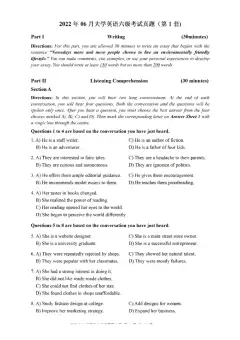
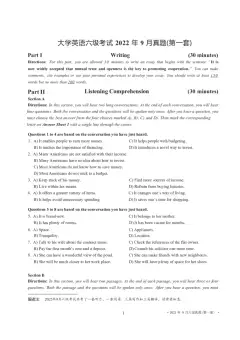
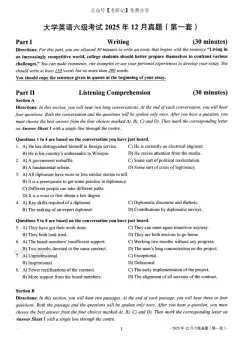
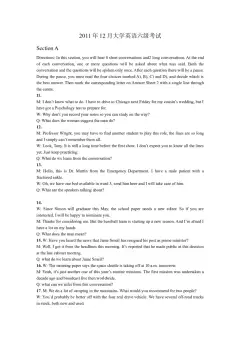
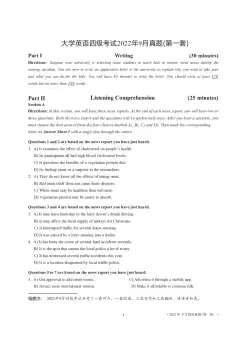
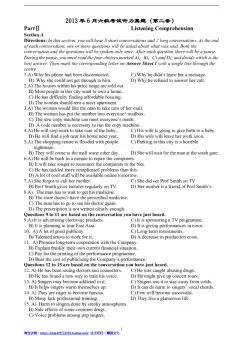
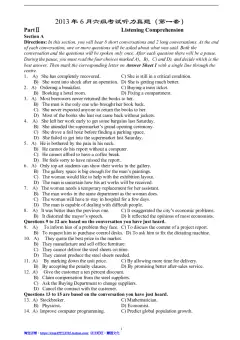
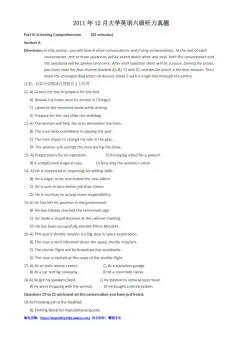
Directions: In this section, you will hear three recordings of lectures or talks followed by three or four questions. The recordings will be played only once. After you hear a question, you must choose the best answer from the four choices marked A), B), C) and D). Then mark the corresponding letter on Answer Sheet 1 with a single line through the centre. Questions 16 to 18 are based on the recording you have just heard. 16. A) It has long been criticized as unclear. B) It has long been ignored by the public. C) It has caused much panic among women. D) It has resulted in different understandings. 17. A) It warned consumers not to eat fish from the Gulf of Mexico. B) It called on expectant mothers to pay attention to food safety. C) It issued an update to the advice on seafood consumption. D) It listed more than sixty species of fish as “choices to avoid”. 18. A) The impact of the FDA’s analysis. B) Multiple factors including mercury. C) Critics’ conclusions. D) The prices of seafood. Questions 19 to 21 are based on the recording you have just heard. 19. A) They will suffer a breakdown soon. B) They will be losing both joy and life. C) They will be putting themselves and family at risk. D) They will make things worse for people around them. 20. A) Spend 14 days for vacation every year. B) Aim for three separate vacations yearly. C) Space out their vacations evenly instead of taking one long vacation. D) Use all their days off for a long summer break to achieve full-on calm. 21. A) Expecting to have more vacations in a year will boost one’s work efficiency. B) Anticipating more vacations would reduce one’s feelings of despair at work. C) Taking more than three vacations yearly would prolong one’s excitement. D) Planning multiple breaks throughout the year will add to one’s happiness. Questions 22 to 25 are based on the recording you have just heard. 22. A) Surveying when drivers are caught in the heat of arguments. B) Designing devices to prevent drivers from being distracted. C) Testing models for monitoring drivers easily getting tired. D) Developing sensor-based systems for autonomous vehicles. 23. A) Make sure the autonomous vehicle operates in the simplest manner. B) Ensure the transition from the driver to the vehicle is safely made. C) Alleviate the driver’s pressure as much as possible. D) Record the driver’s state as accurately as possible. 24. A) Driver fatigue. B) Dreadful traffic. C) Drunk driving. D) Driving time. 25. A) There has been a strong debate on the feasibility of Level 3 cars. B) There have been few remarkable advances in auto technology. C) There has been a rise in attention-grabbing accidents recently. D) There have been few feasible ways to shift public sentiment.
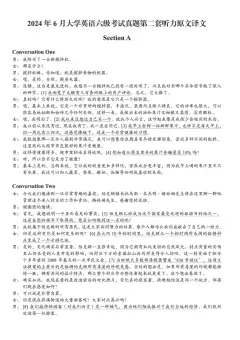
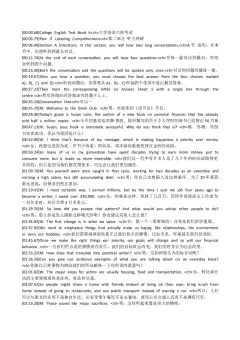
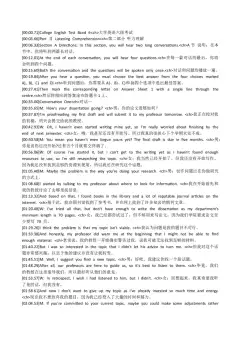
For many pregnant women, understanding what seafood is safe and healthy and what should be avoided because of mercury concerns comes with a lot of worrying. [16] In part, that’s because the federal government’s advice on the matter first issued in 2004 has long been criticized as vague. [17-1] That guidance has included advice on how much seafood to eat and which species pregnant and breast-feeding women should avoid over concerns about mercury contamination. But critics say the government advisory has done more harm than good, scaring many pregnant and breast-feeding women away from eating seafood altogether. The problem is real. According to a spokesman for the Food and Drug Administration or FDA for short, the agency analyzed fish consumption data from more than 1,000 pregnant women in the U.S. and found that 21% of them ate no fish whatsoever in the previous month. And those who did eat fish consumed far less than recommended by the dietary guidelines. Some 50% ate less than 2 ounces a week and 75% ate less than 4 ounces. [17-2] This week, the FDA issued an update to the advice, listing more than 60 species in a chart that ranks fish as a best choice, good choice and choices to avoid. The goal is to make it easier for mothers-to-be to feel confident about the type of seafood they include in their diets. The new advice recommends consumers choose a variety of fish and it comes with an easy-to-understand illustration of what an appropriate portion size should be: 4 ounces for an adult and 2 ounces for children aged 4 to 7. And while expectant mothers have long been warned to stay away from shark and four other particular types of fish from the Gulf of Mexico, now there are three new species on the list of what to avoid. But not everyone is thrilled with the new advice. Critics say the new advice doesn’t always agree with the agency’s own scientific findings. [18] While mercury is a great concern when people are talking about pregnant women and seafood, it’s not the only factor contributing to anxiety. The FDA maintains that its final consumption recommendations were based on thorough scientific analysis. Agency spokesman Cassell says the FDA believes the recommendations will increase confidence, not uncertainty. But critics disagree. They think the FDA’s advice is not based on the evidence in its own detailed report, and so it confuses everyone. I know you’re busy with work, but you also need to take some time off to recharge those batteries. So, should you plan one big vacation for the year? Or should you take multiple short vacations throughout? Quantity can sometimes beat quality. First and foremost, regardless of how you use your vacation days, you need to be using them, and soon. The longer you put off your time off, the worse you’re making things for yourself. One 9-year-long study published in Psychosomatic Medicine suggests not taking at least one vacation a year may increase your risk of mortality due to heart disease. [19] So, not only are you killing your joy, you’re possibly killing yourself. Give yourself a break, folks. When you should take those breaks, however, depends on a few factors: how many days you have available to use, what activities bring you joy, whether you have a family or not, and other variables come into play. Because of that, there’s no perfect formula that works for everyone, but there are still a few things everyone can try to shoot for. We know that in terms of maximizing relaxation, you should aim for vacations that last somewhere between 7 and 11 days long. That gives you enough time to let go of your stress at work, completely loosen up and achieve full-on calm. [20] That above-mentioned study also recommends you space out your vacations evenly instead of using up all of your days at once. 8 days might sound like a lot for someone who only gets 10 days of vacation a year. But if you frame them with weekends, you can manage two evenly spaced 8-day vacations a year. If you have 14 days of paid leave, that’s almost three separate 8-day vacations you can use to split your year into thirds. As tempting as it might be to use all your days to take one long summer break, your overall goal should be to achieve the perfect balance between length plus joy and frequency. [21] Vacation frequency is important because planning multiple breaks throughout the year means you always have something to look forward to. Planning things and the anticipation that comes with it tends to make us happier. If you only take one long vacation every year, the excitement builds much more slowly and seems so far off that it can actually lead to feelings of despair. Autonomous cars that can take over from drivers if they are tired or caught in the heat of an argument are being developed in Sweden. [22] Researchers working as part of the European Union’s €77 billion research program are developing sensor-based systems that monitor whether a driver is distracted, anxious or tired. If a driver is not in a fit state to be on the road, the car automatically takes control of the wheel to prevent accidents. Dr. Anna Anund from the Swedish National Road and Transport Research Institute, who is leading the project, said a driver’s state can be measured using a number of sensors, including heart rate monitors and eye sensors, which track where a driver’s gaze is. [23] She said the aim was to really make sure that the transition from the driver to the vehicle is done in a safe way, so we can take into consideration the driver’s state, and so we do not give control to a driver who is under pressure of fatigue, stress, anxiety, and so on. According to data from the European Commission, Sweden has the safest roads in the EU, with the UK a close second. However, the number of road accidents in both has largely leveled out since 2010. [24] Driver fatigue is thought to be responsible for as many as a fifth of road crashes across the EU. Although there are certain times of the day when more accidents happen—at 6 am, for example, drivers are said to be 20 times more likely to have an accident than at 10 am. While most experts agree driverless technology will help bring down accident numbers in the long term, some have questioned whether it is safe. The researchers have said the technology they are developing is seeking to bridge the gap between Level 3 on the autonomy scale in which drivers have to be ready to take control of the car at any point, and Level 4 in which driving is automated. Daniel Ruiz, the chief executive of the UK’s Connected and Autonomous Vehicle Program Meridian, said there is a strong debate going on about how it is possible to make a Level 3 car completely safe. Despite advances in technology, we still have some way to go in shifting public sentiment. [25] With an increase in attention-grabbing accidents recently, drivers now view self-driving cars as less safe than they used to.
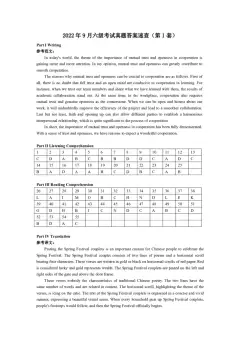
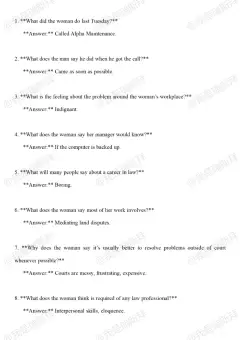
16. 问题:What does the speaker say about the federal government's advice on seafood safety? 答案:A 定位:开篇观点句 解析:讲话开篇就点明,联邦政府2004年首次发布的海鲜食用建议,长期以来都被批评表述模糊。A项中criticized as unclear是原文criticized as vague的同义替换。干扰项排除:B项“长期被公众忽视”未提及;C项夸大程度,原文是带来担忧,并非“极大恐慌”;D项“导致不同理解”无中生有。 17. 问题:What did the Food and Drug Administration do this week? 答案:C 定位:FDA最新举措句 解析:本周美国食品药品监督管理局发布了更新版的海鲜食用建议,将60多种鱼类划分成不同等级。C项issued an update to the advice on seafood consumption是对原文的准确概括。干扰项排除:A项是旧有规定,并非本周新举措;B项“呼吁关注食品安全”范围过大,不是本次动作;D项曲解文意,60多种鱼被分成三个等级,并非全部列为“应避免”。 18. 问题:According to the speaker, what are people concerned about regarding pregnant women and seafood? 答案:B 定位:批评观点与原因句 解析:谈到孕妇与海鲜时,汞是人们关注的重点,但它并非引发焦虑的唯一因素,也就是说人们担忧的是包括汞在内的多重因素。B项是对原文的合理概括。干扰项排除:A项“FDA分析的影响”不是人们担忧的对象;C项“批评者的结论”与题干无关;D项“海鲜价格”完全未提及。 19. 问题:What does the speaker say about people not taking any vacation? 答案:B 定位:研究结论句 解析:讲话者提到,不休假不仅会扼杀生活的乐趣,还可能损害健康、危及生命。B项losing both joy and life是对原文killing your joy和killing yourself的同义转述。干扰项排除:A项“很快崩溃”无中生有;C项“危及家人”未提及;D项“让周围人处境更糟”偷换概念,原文是让自己的情况变糟。 20. 问题:What does the 9-year study recommend people do when planning vacations? 答案:C 定位:研究建议句 解析:这项为期9年的研究建议,人们应均匀分配假期,而不是一次性把假期休完。C项space out their vacations evenly instead of taking one long vacation与原文完全对应。干扰项排除:A项14天是举例中的带薪假天数,不是研究建议;B项“每年三次”是特定天数下的推算结果,并非通用建议;D项与研究建议相反。 21. 问题:Why is vacation frequency important according to the speaker? 答案:D 定位:结尾原因解释句 解析:休假频率之所以重要,是因为一年中规划多次休息,意味着总有值得期待的事,而期待感会提升幸福感。D项planning multiple breaks throughout the year will add to one’s happiness是对原文的同义转述。干扰项排除:A项“提高工作效率”未提及;B项“减少绝望感”是单次长假的弊端,不是频率重要的核心原因;C项“延长兴奋感”曲解文意,多次休假是总有期待,而非延长单次的兴奋。 22. 问题:What are researchers doing in Sweden? 答案:D 定位:开篇研究介绍句 解析:瑞典的研究人员正在开发基于传感器的系统,用于监测驾驶员的状态,应用于自动驾驶车辆。D项developing sensor-based systems for autonomous vehicles是原文原词复现。干扰项排除:A项“调查争吵中的驾驶员”是系统识别的场景之一,不是研究核心;B项“防止分心”偷换概念,系统是监测而非主动防止;C项“测试疲劳监测模型”缩小了范围。 23. 问题:What do the researchers' project aim to do according to Dr. Anna Anund? 答案:B 定位:项目目标句 解析:这位博士明确说明,项目的目标是确保驾驶员到车辆的控制权过渡能够安全完成。B项Ensure the transition from the driver to the vehicle is safely made与原文完全对应。干扰项排除:A项“最简单方式运行”未提及;C项“减轻驾驶员压力”不是最终目标;D项“记录状态”是手段,不是项目的最终目的。 24. 问题:What is thought to be responsible for a fifth of road accidents across the European Union? 答案:A 定位:事故原因数据句 解析:据统计,驾驶员疲劳被认为是欧盟范围内五分之一交通事故的诱因。A项Driver fatigue为原文原词复现。干扰项排除:B项“糟糕的交通状况”未提及;C项“酒驾”完全没提到;D项“驾驶时间”混淆概念,原文提到的是事故高发时段,并非驾驶时间本身导致事故。 25. 问题:Why do drivers now view self-driving cars as less safe than they used to? 答案:C 定位:结尾观点句 解析:近期引发广泛关注的事故数量增多,导致驾驶员认为自动驾驶汽车不如以前安全。C项There has been a rise in attention-grabbing accidents recently是对原文的同义转述。干扰项排除:A项“三级车可行性的争论”是背景,不是公众看法改变的直接原因;B项与原文相悖,技术是有进步的;D项偷换逻辑,改变公众态度的方法很少,不是公众觉得不安全的原因。
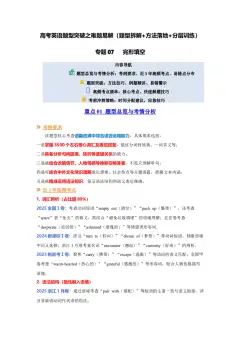
作为六级独有的题型,讲座听力和四级篇章听力有本质区别,不能照搬四级的“视听一致”思路。这里总结5条针对讲座的专属方法: 1. 开篇必抓主题句,对应第一道主旨题 讲座开篇一定会用Today we will talk about... / The topic of... 这类句式点明主题,第一题的答案几乎都在开篇前3句。和四级篇章相比,六级讲座的引入更长,干扰信息更多,要主动筛选主题句。 2. 分层信号词 = 题号提示器 出现first, second, another point, according to the study, however这类分层、转折、研究信号时,基本就对应下一道题。六级讲座一题对应一个论述层次,跟上分层节奏就不会漏听考点。 3. 机构、专家观点是高频考点 讲座里频繁出现的研究机构、专家学者的发言,几乎每题都会对应。听到人名、机构名立刻集中注意力,后面的观点句就是答案句,这是六级比四级更突出的命题特点。 4. 同义替换占比更高,原词常是陷阱 四级篇章很多题靠原词就能选对,但六级讲座里,完整原词堆砌的选项往往是干扰项。正确答案大多是同义改写,要优先匹配句意,不要只匹配单个单词。 5. 尾句总结对应最后一题 和篇章类似,讲座的最后一题基本落在结尾的结论、评价、展望句。如果前面的题已经做完,立刻把注意力转向结尾,不要停留在上一题的内容上。
同学们好。 前面我们陆续拆解了六级听力的长对话和篇章题型,而Section C的讲座/讲话,是六级听力独有的题型——四级听力没有这一板块,也是很多同学的丢分重灾区:篇幅长、信息密度大、专业话题多,听着听着就走神,等回过神已经错过好几个考点。
📝 真题原题
Section C
🎧 听力原文
Recording One(海鲜食用建议)
Recording Two(休假与幸福感)
Recording Three(自动驾驶与驾驶员监测)
🔍 逐题答案详解
Recording One
Recording Two
Recording Three
💡 六级讲座听力专属解题技巧
📚 本篇核心高频词汇
食品安全与健康类
mercury n. 汞;水银 seafood n. 海鲜;海产 pregnant adj. 怀孕的 contamination n. 污染;污染物 advisory n. 公告;建议 dietary guidelines 膳食指南 portion n. 一份;份量 thorough adj. 全面的;彻底的
休假与心理类
recharge v. 休整;恢复精力 mortality n. 死亡率;死亡数 maximize v. 使最大化 relaxation n. 放松;休闲 evenly adv. 均匀地;均衡地 formula n. 方案;公式 anticipation n. 期待;预期 despair n. 绝望
自动驾驶与交通类
autonomous adj. 自主的;自动驾驶的 sensor n. 传感器 distracted adj. 分心的 transition n. 过渡;转变 fatigue n. 疲劳;疲惫 level out 趋于平稳;停滞 sentiment n. 观点;情绪 attention-grabbing adj. 吸引眼球的