ARTICLE · 1431032
8上Units1—4课程标准考点词汇复习提纲
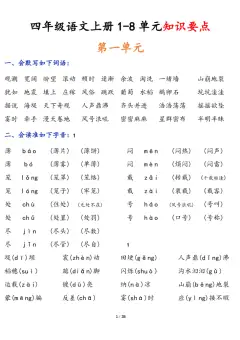
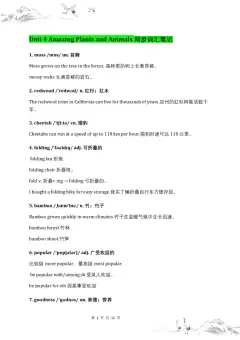
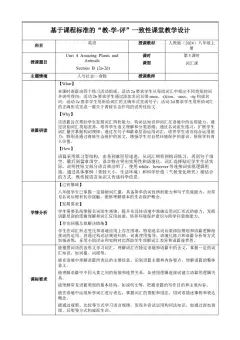
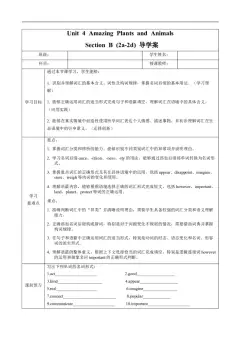
8上Units1—4课程标准考点词汇复习提纲这份提纲依据人教版(2024)新教材八年级上册 Units 1–4 整理,按“核心词汇—高频短语—重点句型—语法考点”分层,重点标出了易错点与高频丢分项,方便直接用于背诵和考前自查。 --- Unit 1 Happy Holiday(快乐假期) 本单元围绕“假期经历”展开,语法核心是复合不定代词与一般过去时。 核心词汇 重点名词与形容词包括 ancient, camp, landscape, scenery, vacation, fantastic, comfortable, bored, strange, ready。其中 bored 修饰人(感到厌倦的),boring 修饰事物(令人无聊的),考试常辨析。breath(名词)与 breathe(动词)也容易混淆,需分开记忆。 高频短语 go on vacation / holiday(去度假);take one’s breath away(令人惊叹);nothing but(只有;只是);ready to do sth.(愿意/马上要做某事);thousands of(成千上万的);remind sb. of sth.(使某人想起……);feel bored with(对……感到厌倦)。 重点句型 询问假期情况用 How was your holiday? — It was fantastic.;询问去向用 Where did sb. go on vacation?;不定代词句型 Did you go anywhere interesting? 是高频考点,注意 anything/something 在疑问句与肯定句中的切换。 语法考点(易错) 复合不定代词被形容词修饰时,形容词必须后置:something interesting(✓),不能写成 interesting something(✗)。复合不定代词作主语时,谓语动词用单数。一般过去时中,不规则动词过去式是丢分重灾区(如 go→went, take→took, forget→forgot),需要单独过关。 --- Unit 2 Home Sweet Home(温馨家园) 本单元围绕“家务与礼貌请求”展开,语法核心是 Can / Could 表示请求与许可。 核心词汇 重点动词:pack(打包)、sort(分类)、invite(邀请)、add(添加)、borrow(借入)。borrow 与 lend 常考辨析:borrow 是“借入”(borrow sth. from sb.),lend 是“借出”(lend sth. to sb.)。yet 用于否定句和疑问句,常与现在完成时搭配。 高频短语 pack up(收拾;打包);hang out(闲逛);hang up(挂起;挂断电话);sweep the floor(扫地);take out rubbish(倒垃圾);clean up(打扫干净);give sb. a lift(开车顺便送某人);be careful with(当心……);share sth. with sb.(与某人分享某物)。 重点句型 礼貌请求:Could you please + 动词原形? — Sure. / Sorry, I have to...;请求许可:Can / Could I + 动词原形? — Yes, you can. / Sorry, you can’t. 注意:Could you...? 的肯定回答用 can,不用 could,这是高频易错点。 语法考点(易错) have to 强调客观被迫,有现在时(have/has to)和过去时(had to);must 强调主观意愿,无时态变化。否定含义不同:don’t have to = 不必,mustn’t = 禁止,选择题常设陷阱。 --- Unit 3 Same or Different?(相同还是不同) 本单元围绕“人物比较”展开,语法核心是形容词与副词的比较级。 核心词汇 重点形容词:outgoing(外向的)、hard-working(勤勉的)、serious(严肃的)、shy(害羞的)、alike(相似的)、straightforward(直率的)。注意 hard-working 的比较级是 more hard-working,不是 hard-workinger。 高频短语 be different from(与……不同);be similar to(与……相似);the same as(与……一样);have sth. in common(有共同之处);as...as...(和……一样);compare...with...(把……和……比较);care about(关心;在意);by accident(偶然);thanks to(归功于;由于)。 重点句型 比较级核心句型:He is taller than me. / She runs as fast as her sister. 注意 as...as 中间必须用原级,不能用比较级(as taller as ✗)。 语法考点(易错) 比较级用于两者之间的比较,than 是标志词。规则变化:单音节加 -er,多音节加 more;不能同时叠加 -er 和 more(more taller ✗)。不规则变化必须单独记:good/well→better,bad/badly→worse,many/much→more,little→less。 --- Unit 4 Amazing Plants and Animals(神奇动植物) 本单元围绕“自然之最”展开,语法核心是形容词最高级。 核心词汇 amazing(令人惊叹的)是核心形容词,注意与 amazed(感到惊叹的)区分。bamboo(竹子)、superlative(最高级)、connection(联系)也需掌握。disappointed 表示“失望的”,修饰人。 高频短语 care about(关心;担心);by accident(偶然;意外地);in fact(确切地说;事实上);have...in common(有共同特征);be up to(由……决定);make up(编造);talk about(谈论);one of the + 最高级 + 复数名词(最……之一)。 重点句型 最高级核心句型:This is the tallest animal in the world. / It is the most amazing plant. 范围表达常用 in the world / of all。“one of the + 最高级 + 名词复数” 是高频结构,如 Bamboo is one of the fastest-growing plants.。 语法考点(易错) 最高级用于三者及以上的比较。最高级前一般必须加定冠词 the(the tallest, the most amazing),但最高级前有物主代词时省略 the(my best friend)。注意 -est 与 most 不能叠加(most tallest ✗)。 --- 四单元语法速览:Unit 1 复合不定代词 + 一般过去时 → Unit 2 Can/Could 请求与许可 → Unit 3 比较级 → Unit 4 最高级,构成“不定代词→情态动词→比较→最高”的递进链,建议按此顺序逐项过关。 基于课后单词表,这份提纲把每个单元的核心词拆解为音标·词性·词义 → 词形转换 → 固定搭配 → 易错辨析/考点提示,短语和句型围绕单词展开,方便你直接对照课本单词表逐词过关。 --- Unit 1 Happy Holiday 核心单词精讲 vacation /vəˈkeɪʃn/ n. 假期;度假。on vacation 是高频短语,注意介词用 on。 ancient /ˈeɪnʃənt/ adj. 古代的;古老的。常修饰建筑、文明,如 ancient buildings。 landscape /ˈlændskeɪp/ n. 风景;景色。与 scenery 近义,但 landscape 更侧重“地貌景观”。 camp /kæmp/ n. 度假营;营地 v. 露营。go camping 去露营;summer camp 夏令营。 breath /breθ/ n. 呼吸;气息。动词是 breathe /briːð/。短语 take one’s breath away(令人惊叹)是固定搭配。 bored /bɔːd/ adj. 厌倦的;烦闷的。修饰人,主语通常是人。boring 修饰事物,“令人无聊的”。选择题常考 sb. feels bored vs sth. is boring。 forget /fəˈɡet/ v. 忘记。过去式 forgot,过去分词 forgotten。forget to do(忘记要做)vs forget doing(忘记做过)是经典辨析。 remind /rɪˈmaɪnd/ v. 提醒;使想起。remind sb. of sth.(使某人想起某事);remind sb. to do sth.(提醒某人做某事)。 wonderful /ˈwʌndəfl/ adj. 极好的;精彩的。与 fantastic, amazing 近义,口语中可互换。 重点短语(紧扣单词) go on vacation / holiday 去度假;thousands of 成千上万的(thousand 前有具体数字时不加 -s,如 two thousand);nothing but 只有;只是(nothing 是复合不定代词);feel like doing 想要做某事(like 在此是介词)。 语法:复合不定代词 由 some-/any-/no-/every- 与 -body, -one, -thing 构成。作主语时谓语用单数。形容词修饰时必须后置:something interesting(✓),interesting something(✗)。否定句中用 anything 或 nothing,如 I did nothing special.。 Unit 2 Home Sweet Home 核心单词精讲 pack /pæk/ v. 打包;收拾。pack up 打包。派生词 unpack(打开行李取出)。 sort /sɔːt/ v. 把……分类;整理 n. 种类。sort out 分类整理;a sort of 一种。 invite /ɪnˈvaɪt/ v. 邀请。名词 invitation。invite sb. to do sth. / invite sb. to a place。 borrow /ˈbɒrəʊ/ v. 借入。borrow sth. from sb. 向某人借某物。lend 是“借出”:lend sth. to sb.。borrow ≠ lend,方向相反,选择题高频设陷。 arrival /əˈraɪvl/ n. 到达。动词 arrive。arrive in + 大地点;arrive at + 小地点。注意 arrive 是不及物动词,不能直接跟宾语(reach 才是及物动词)。 treasure /ˈtreʒə(r)/ n. 宝物;财富 v. 珍视。treasure hunt 寻宝游戏;treasure sth. 珍视某物。 lift /lɪft/ v. 举起;抬起 n. 搭便车;电梯。give sb. a lift 开车顺便送某人(lift 在这里是名词)。 until /ənˈtɪl/ prep. 直到……为止。not... until... 是核心句型:“直到……才……”。until 后接时间点,不接时间段。 rubbish /ˈrʌbɪʃ/ n. 垃圾。不可数名词。take out the rubbish 倒垃圾。 share /ʃeə(r)/ v. 分享。share sth. with sb. 与某人分享某物。 重点短语(紧扣单词) clean up 打扫干净(up 表示“完全地”);hang up 挂起;挂断电话(hang 的过去式 hung 表示“悬挂”,hanged 表示“绞死”,辨析偶尔涉及);be careful with 当心……;give sb. a lift 顺便送某人。 语法:Can / Could 请求与许可 Could you please + 动词原形? 表示礼貌请求。肯定回答用 can,不用 could(—Could you...? —Yes, I can. ✓ / Yes, I could. ✗)。Can/Could I + 动词原形? 请求许可。have to(客观)vs must(主观);don’t have to = 不必,mustn’t = 禁止,含义截然不同。 Unit 3 Same or Different? 核心单词精讲 compare /kəmˈpeə(r)/ v. 比较;对比。名词 comparison。compare A with B(把 A 和 B 放在一起比较差异);compare A to B(把 A 比作 B)。中考常考 compare with 与 compare to 的区分。 difference /ˈdɪfrəns/ n. 差异;不同。形容词 different,副词 differently。the difference between A and B;make a difference(有影响;起作用)是高频短语。 alike /əˈlaɪk/ adj. 相像的 adv. 相似地。alike 通常作表语,不能放在名词前作定语(不能说 an alike pair)。look alike 看起来像。 shy /ʃaɪ/ adj. 害羞的。比较级 shyer 或 shier。名词 shyness。 hard-working /ˌhɑːdˈwɜːkɪŋ/ adj. 勤奋的。比较级是 more hard-working,不是 hard-workinger。hard work(名词短语,艰苦的工作)与 hard-working(形容词)注意区分。 outgoing /ˈaʊtɡəʊɪŋ/ adj. 外向的。多音节词,比较级用 more outgoing。 serious /ˈsɪəriəs/ adj. 严肃的;严重的。副词 seriously。be serious about 对……认真。 perform /pəˈfɔːm/ v. 表演;执行。名词 performance。put on a performance 上演一场演出。 congratulation /kənˌɡrætʃuˈleɪʃn/ n. 祝贺。表示“恭喜”时常用复数:Congratulations! congratulate sb. on sth. 是动词搭配。 辨析:besides vs except。besides 表示“除……之外(还)”,是包含关系(Besides English, I also like math.);except 表示“除……之外”,是排除关系(Everyone went except Tom.)。 重点短语(紧扣单词) be different from 与……不同;be similar to 与……相似;have sth. in common 有共同之处(common 是名词);as... as... 和……一样(中间用原级);compare... with... 把……和……比较。 语法:比较级 两者比较用 比较级 + than。不能同时用 -er 和 more(more taller ✗)。不规则变化必须单独记:good/well → better,bad/badly → worse,many/much → more,little → less。as... as 中间用原级,not as/so... as 表示“不如……”。 Unit 4 Amazing Plants and Animals 核心单词精讲 amazing /əˈmeɪzɪŋ/ adj. 令人惊叹的。修饰事物。amazed 修饰人,“感到惊叹的”。be amazed at/by 对……感到惊叹。名词 amazement。 popular /ˈpɒpjələ(r)/ adj. 广受欢迎的;流行的。be popular with 受……欢迎(with 后接人);be popular for 因……而受欢迎。名词 popularity。 goodness /ˈɡʊdnəs/ n. 美德;营养。不可数名词。源形容词 good。 shoot /ʃuːt/ n. 幼苗;嫩芽 v. 射击;冲。过去式/过去分词 shot。bamboo shoot 竹笋;shoot up 迅速生长。 appear /əˈpɪə(r)/ v. 出现;显得。不及物动词,无被动语态。反义词 disappear。appear to do sth. 似乎做某事;It appears that... 句型。 land /lænd/ n. 陆地;土地 v. 降落;着陆。on land 在陆地上(land 作“陆地”时不可数,不加冠词);land on 降落在……上。 connect /kəˈnekt/ v. 连接;与……有联系。名词 connection。be connected with 与……有联系;connect A to B 把 A 连接到 B。 protect /prəˈtekt/ v. 保护。名词 protection。protect... from/against... 保护……免受……。 communicate /kəˈmjuːnɪkeɪt/ v. 交流;沟通。名词 communication。communicate with sb. 与某人交流。 imagine /ɪˈmædʒɪn/ v. 想象。imagine doing sth.(不能用 imagine to do)。名词 imagination。 辨析:because of vs because。because of 是介词短语,后接名词/代词/动名词;because 是连词,后接句子。选择题高频。 重点短语(紧扣单词) care about 关心;在意;in fact 事实上(= actually);be home to 是……的家乡/栖息地;play a part in 在……中发挥作用;one of the + 最高级 + 名词复数(最……之一),如 one of the most amazing animals。in order to 为了(后接动词原形)。 语法:最高级 三者及以上比较用最高级。最高级前一般必须加 the。但最高级前有物主代词时省略 the:my best friend(✓),my the best friend(✗)。-est 与 most 不能叠加(most tallest ✗)。one of the + 最高级 + 复数名词是固定结构,名词必须用复数。 四单元单词表过关优先级:Unit 1 重点抓 bored/boring, breath/breathe, forget 的不规则过去式,复合不定代词后置定语;Unit 2 重点抓 borrow/lend, arrive in/at, not... until, Could you...? 的答语;Unit 3 重点抓 compare with/to, besides/except, 比较级不叠加, as... as 用原级;Unit 4 重点抓 amazing/amazed, because of/because, imagine doing, 最高级 the 的省略规则。