 夜雨聆风
夜雨聆风
<< 左滑阅读英文版
Swipe left to read the English version

当AI能一键完成复杂计算、生成解题步骤,我们该如何教孩子学数学?
在德闳,我们始终相信:AI时代,数学的核心价值早已超越“计算工具”本身。好的数学教育,是筑牢思维的基石,点燃探索的热情,让孩子用数学的眼光观察世界,用数学的思维解决真实问题,用数学的语言表达思考——这正是德闳数学课程的核心追求。
我们坚持「尊重传统,更超越传统」的教育理念,在夯实国家课标基础的同时,用创新的教学模式、跨学科的融合设计、PBL项目式学习,让数学从课本里的公式,变成孩子认识世界、创造价值的强大武器。
01
筑牢根基,更激活思维:让数学学习高效且有深度
夯实基础,是数学学习的永恒基石。德闳小学部严格遵循国家义务教育数学课程标准,使用国标教材完成核心知识点的系统教学,确保孩子扎实掌握数与代数、图形与几何、统计与概率等核心内容,筑牢数学学习的底层逻辑。
但我们绝不满足于“填鸭式”的知识灌输,更拒绝让孩子陷入“机械刷题”的误区。在传统教学的基础上,德闳数学课堂进行了深度创新:
✅ 用探究式学习替代被动接受
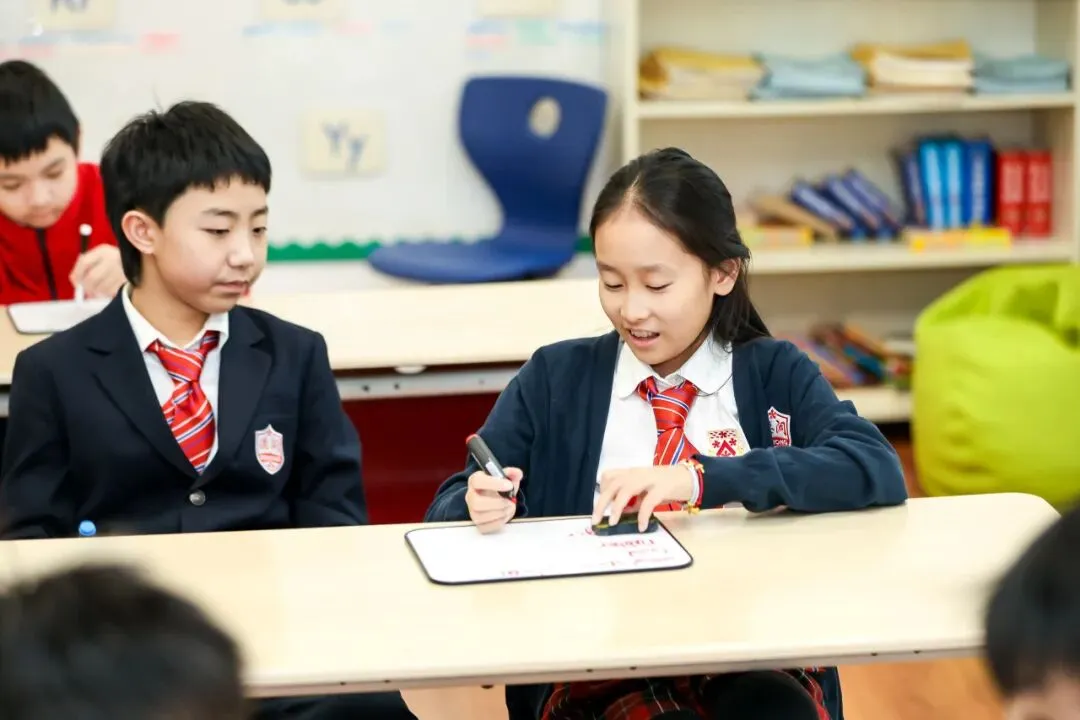
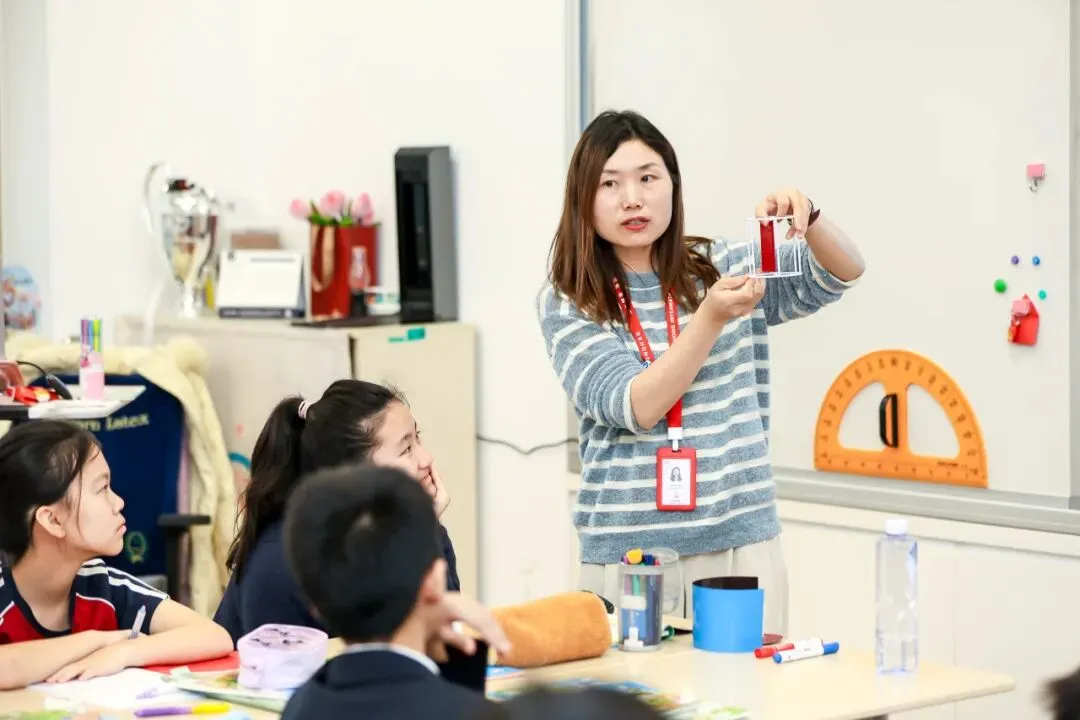
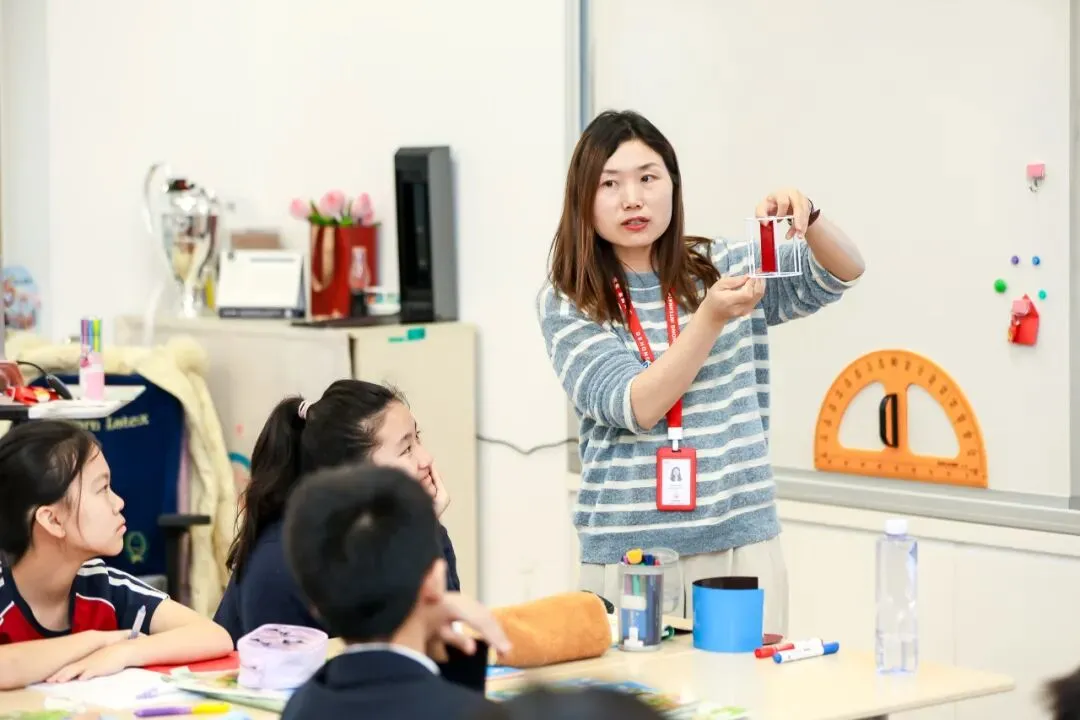
老师是学生求知道路上的引导者。比如学习“百分数”,不是直接讲解公式,而是让孩子通过校园数据统计、生活场景调研,自主发现百分数的意义与应用,在探究中理解知识本质。
✅ 用批判性思维超越结论表面
我们鼓励孩子“跳出标准答案”,追问“为什么”“还有没有其他方法”“这个结论的前提是什么”,培养Critical Thinking(批判性思维),让孩子不仅会做题,更会思考,真正成为学习的主人。
✅ 用分层教学适配每个孩子的节奏
针对不同学习能力的学生,设计分层任务与个性化辅导,让每个孩子都能在自己的节奏里稳步提升,既不“吃不饱”,也不“跟不上”,让数学学习高效且有温度。
02
联结真实世界:用PBL项目式学习,让数学解决真问题
AI时代,最珍贵的不是“会做题”,而是“会解决问题”。德闳数学课程的核心,是让孩子用数学知识体察真实世界,用PBL(项目式学习)践行服务式学习,在解决真实问题中成长为有温度、有能力的全球公民。
✅ 数学原创绘本 PBL:把数学写成故事,用爱心点亮远方
德闳小学部打造的数学原创绘本 PBL 项目,是一场跨学科、全流程、有温度的数学实践,让孩子从 “学数学” 变成 “创造数学、传递数学”:
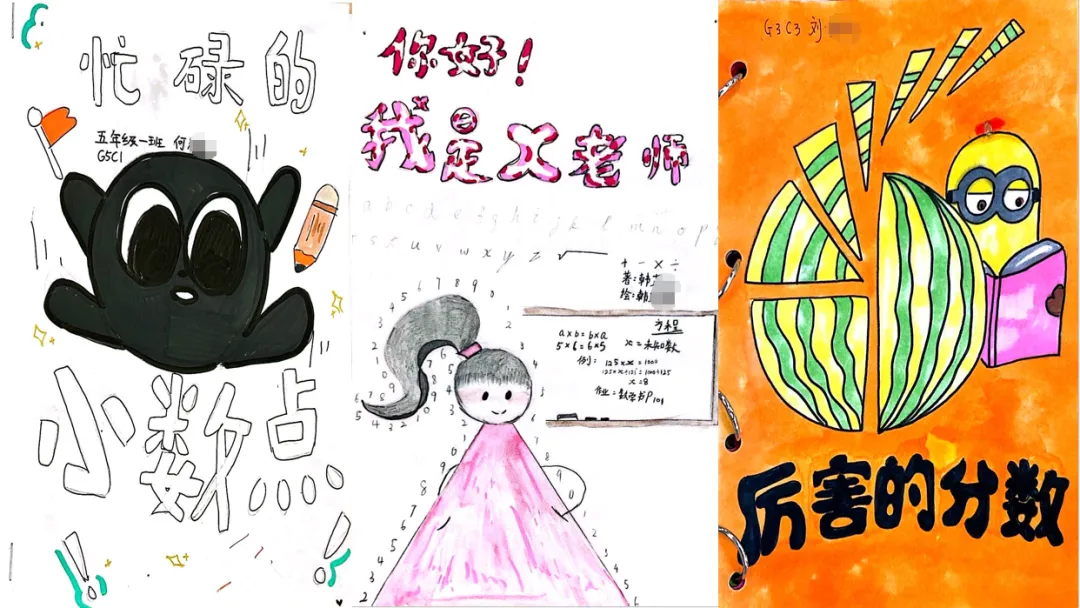
从阅读到创作,打通数学与语言艺术:项目以数学绘本阅读为起点,孩子们在趣味故事中理解数学概念;随后学习绘本创作逻辑与艺术设计方法,将抽象的数学知识(如分数、几何、统计)融入原创故事,完成专属数学绘本的创作,同步锻炼写作、演讲、艺术设计等多元能力。
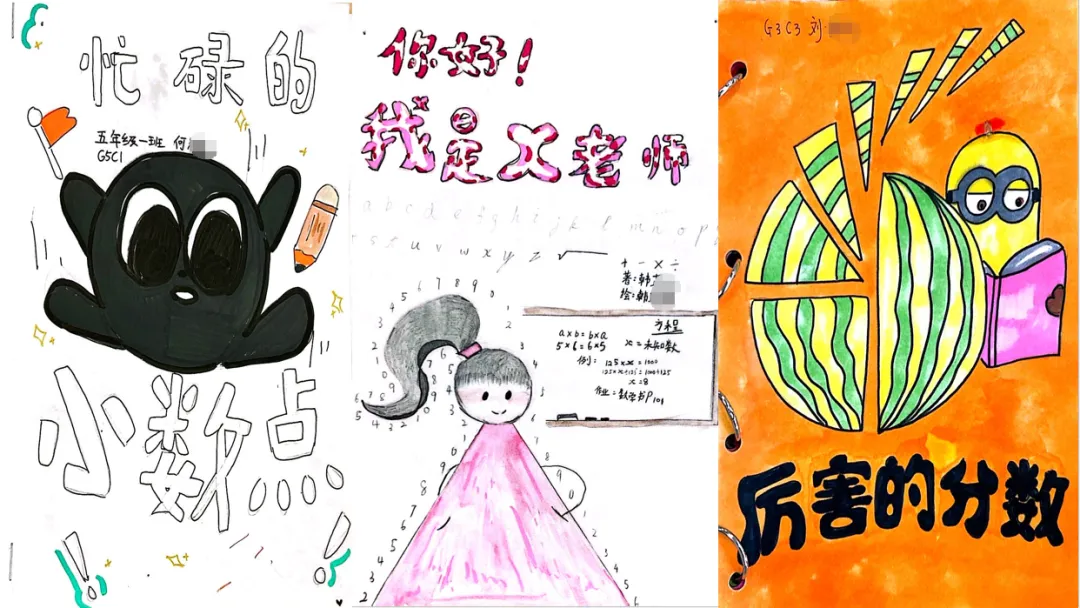
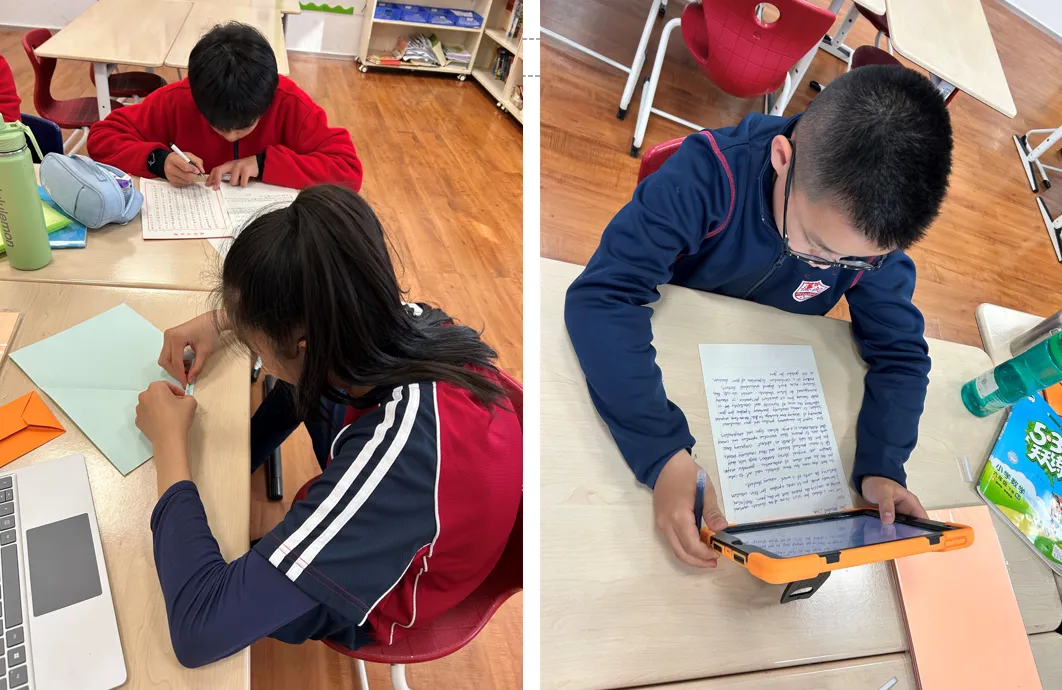
从作品到合集,完成真实项目全流程:优秀作品集结成册的过程,更是一场真实的社会实践:孩子们自主征集绘本集名称、设计封面、沟通序言撰写,对接印刷商家核算排版与成本,全程用数学思维做预算、控成本、做规划,锻炼合作沟通、组织策划的综合能力。
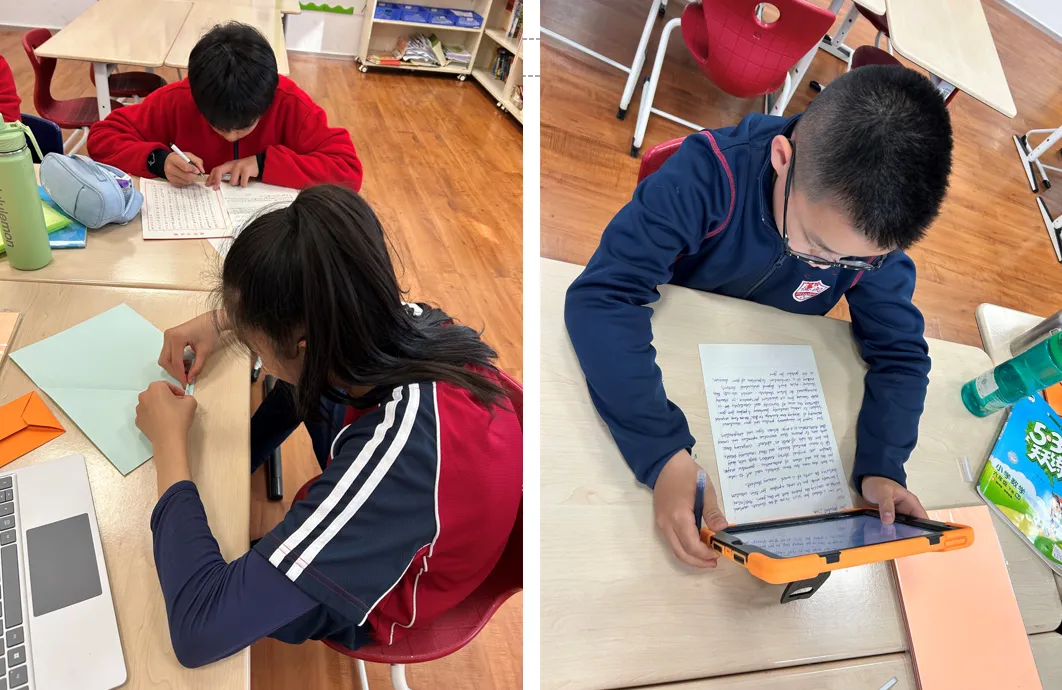
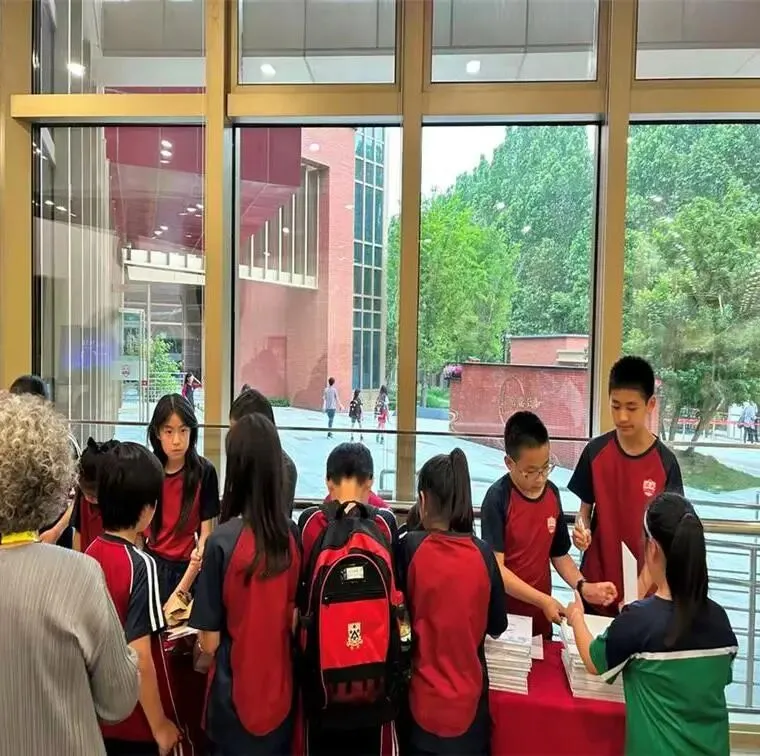
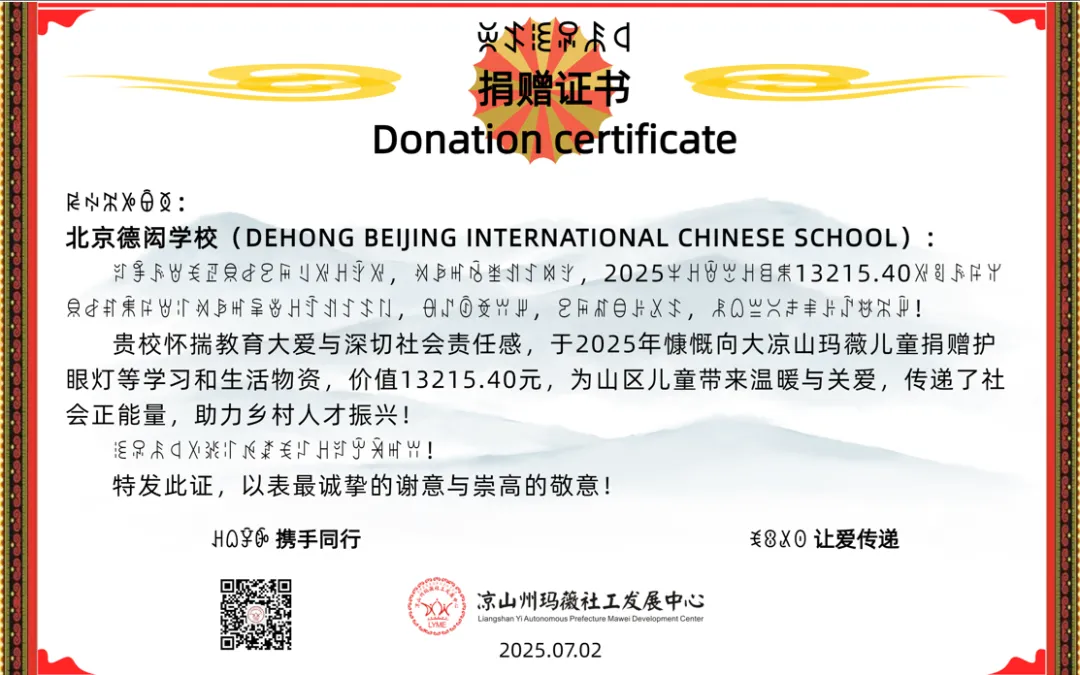
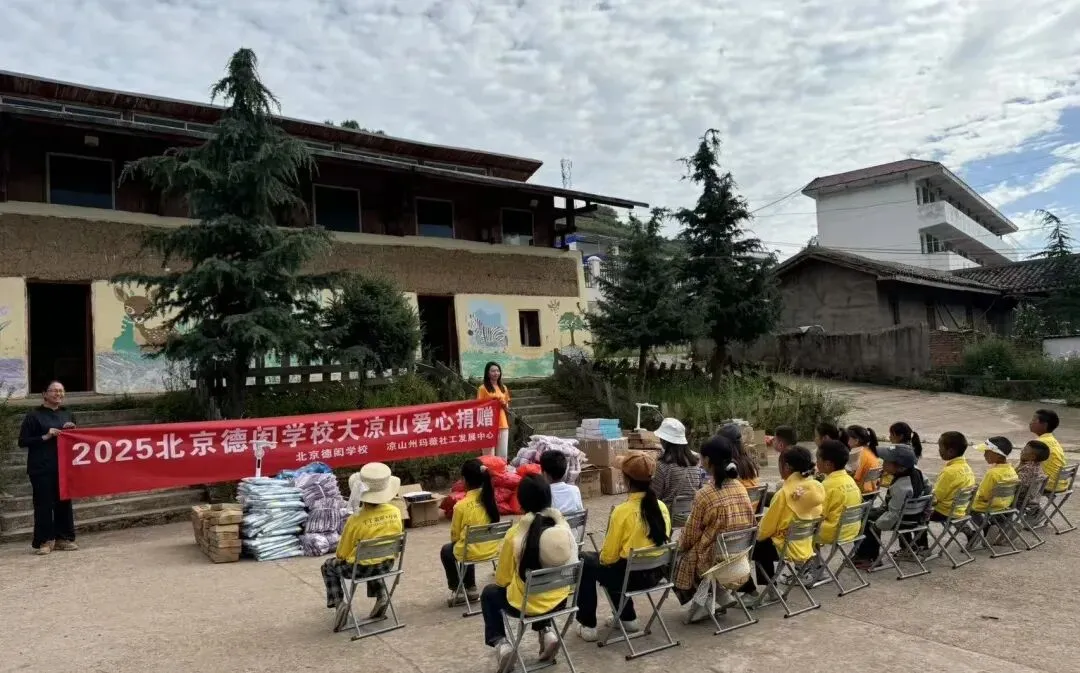
从校园到公益,让数学产生真实影响力:去年校庆日,孩子们举办了《孩子们的数学奇想》绘本集爱心义卖,将全部收益 13215.40 元捐赠给大凉山玛薇儿童,为山区孩子采购护眼灯、文具、书籍等学习物资。孩子们还制作了专属项目视频,记录创作与公益的全过程,让数学的温度跨越山海,真正实现 “小书籍,大希望”。
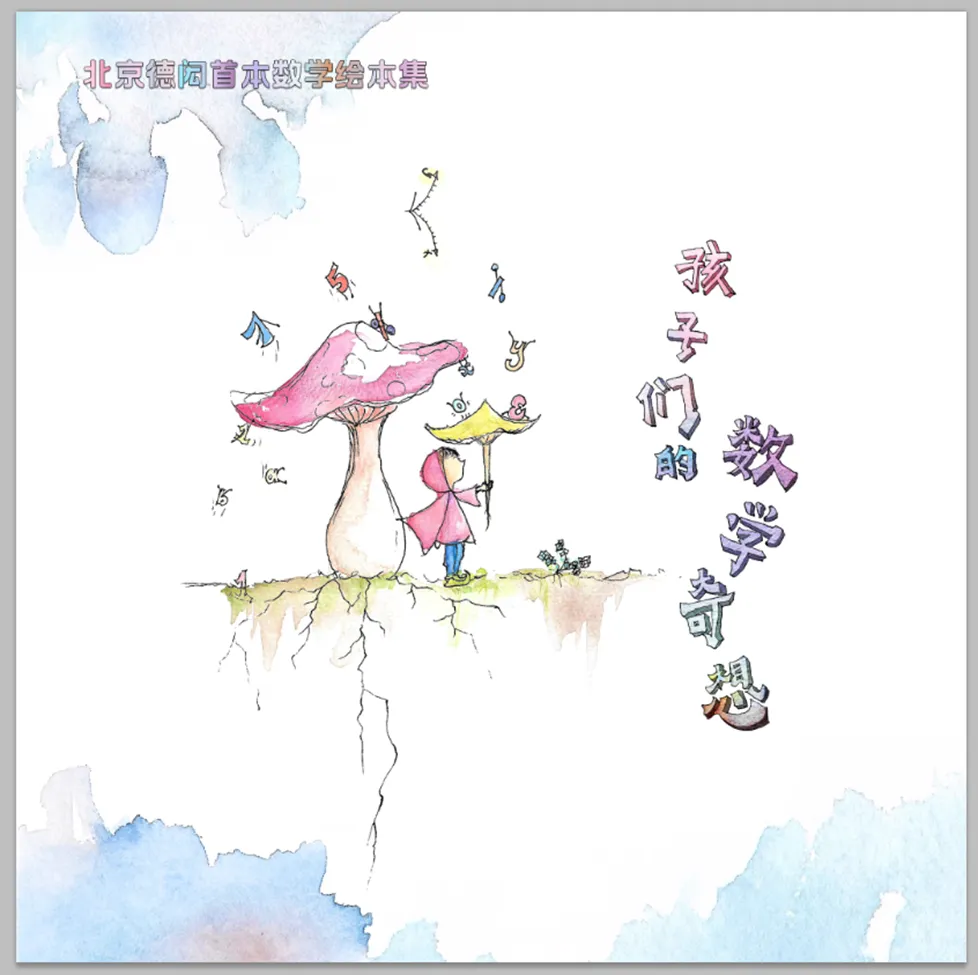
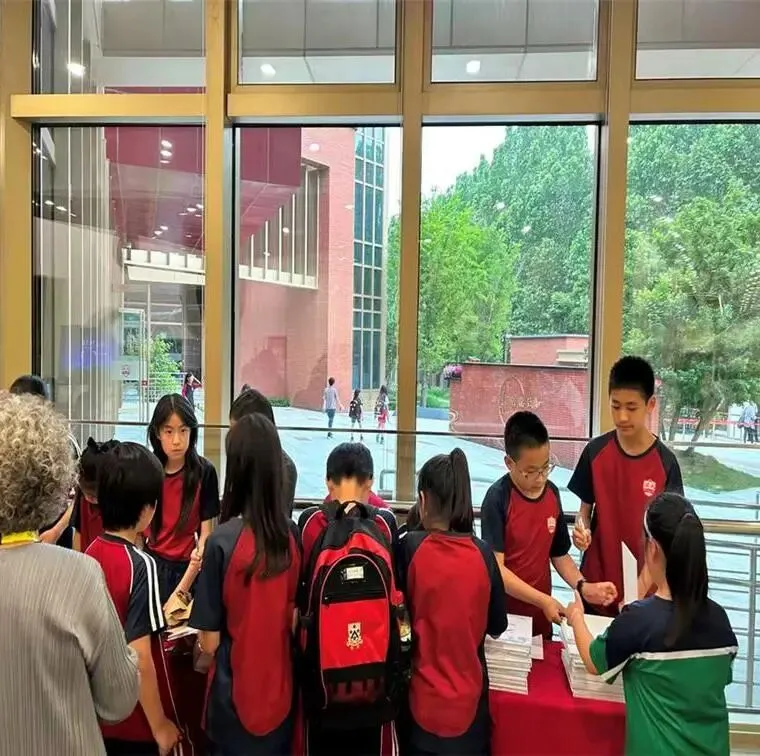
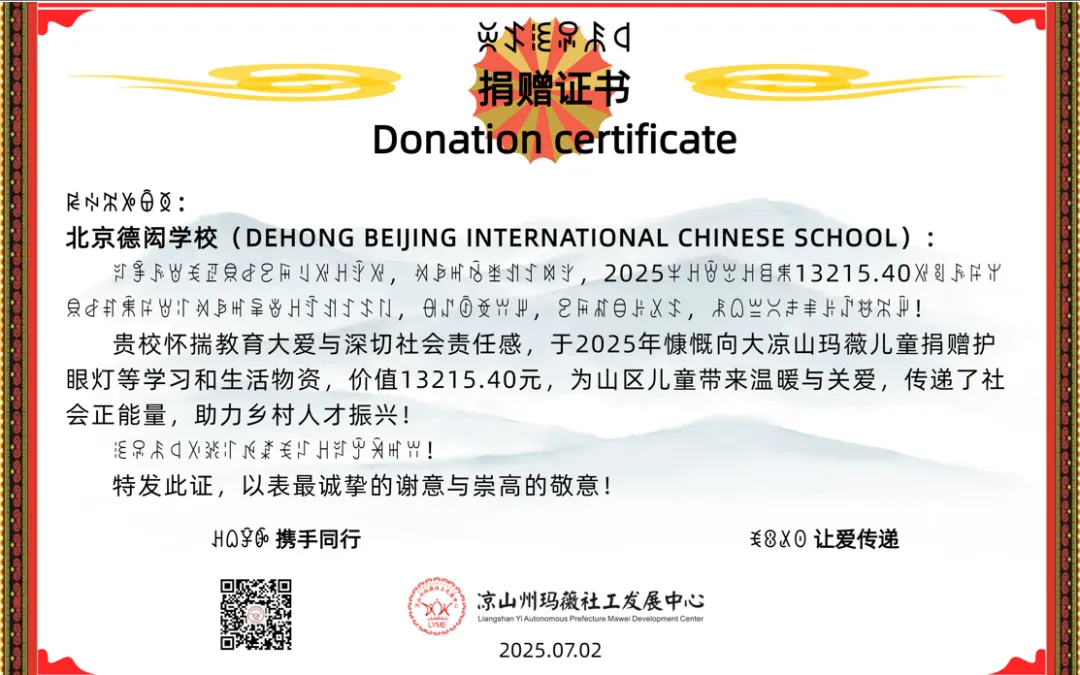
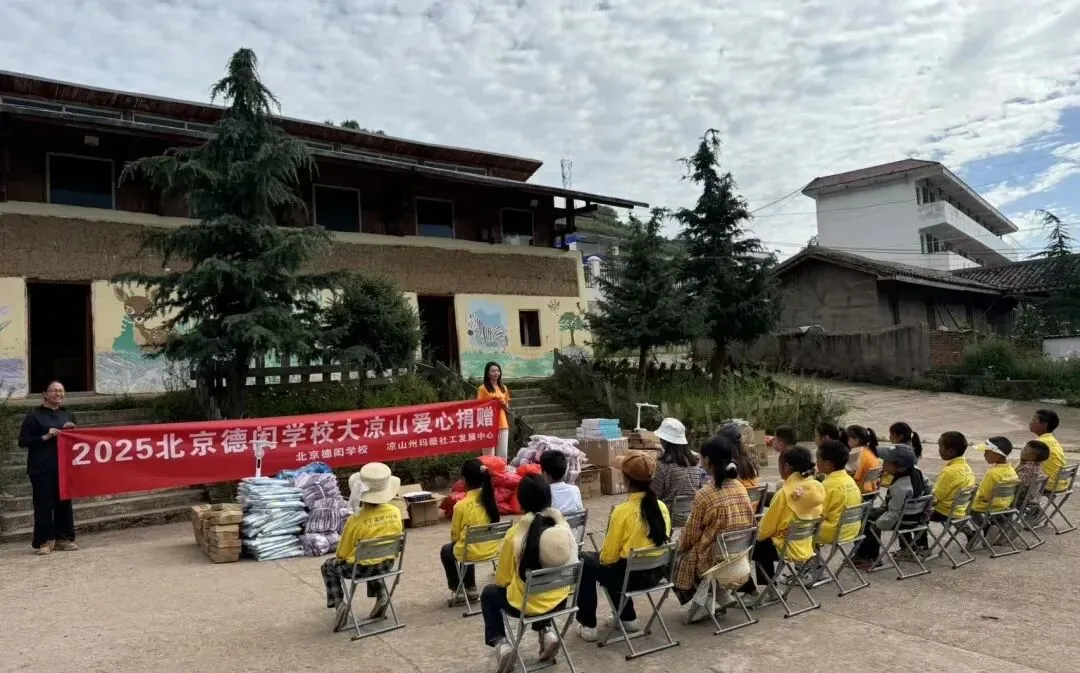
今年,全新数学原创绘本项目「孩子们的数学奇想Ⅱ」也正在稳步推进中,我们诚挚邀请大家5.16校庆日莅临现场,一同见证孩子们笔下的数学奇思妙想,共赴这场充满智慧与温暖的公益之约,用行动献爱心、支持公益,让数学之美与善意一同传递。
从跨越山海的公益善意,回到我们朝夕相伴的德闳社区,孩子们同样用数学为身边的人创造温暖与价值。
✅ 以 “零饥饿” 为锚:用数学践行可持续发展初心
以联合国 “零饥饿” 可持续发展目标为学习主题,让数学成为校园环保的实用工具:
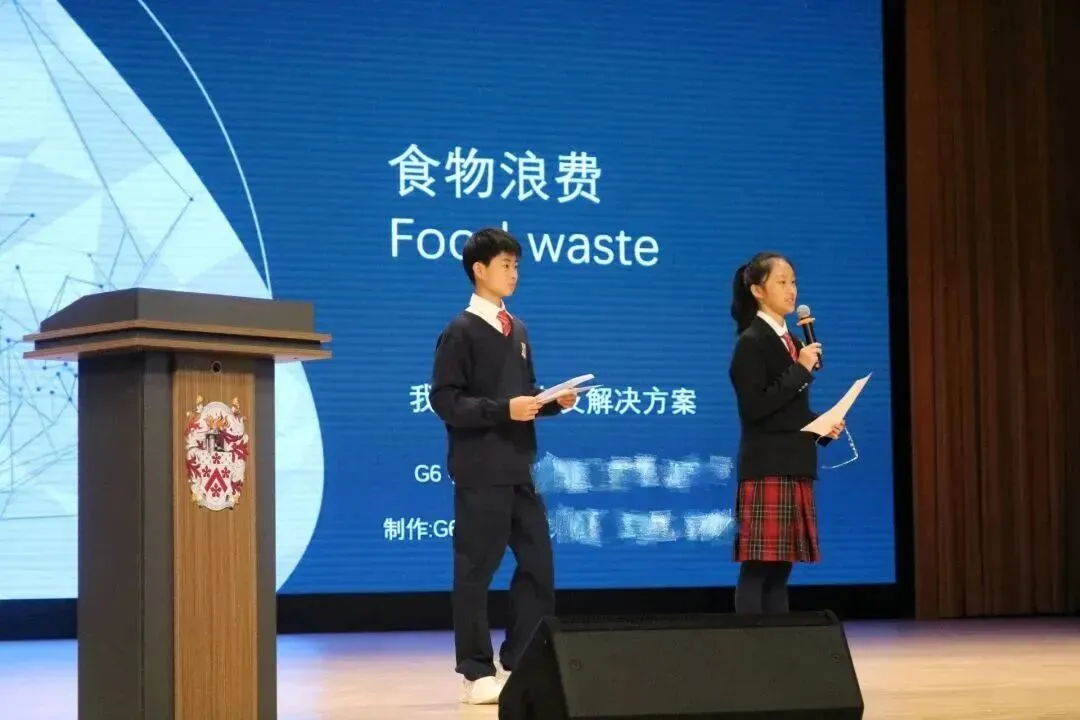
孩子们化身 “食物管家”,用统计与数据分析食物浪费情况,形成清晰的校园浪费报告;
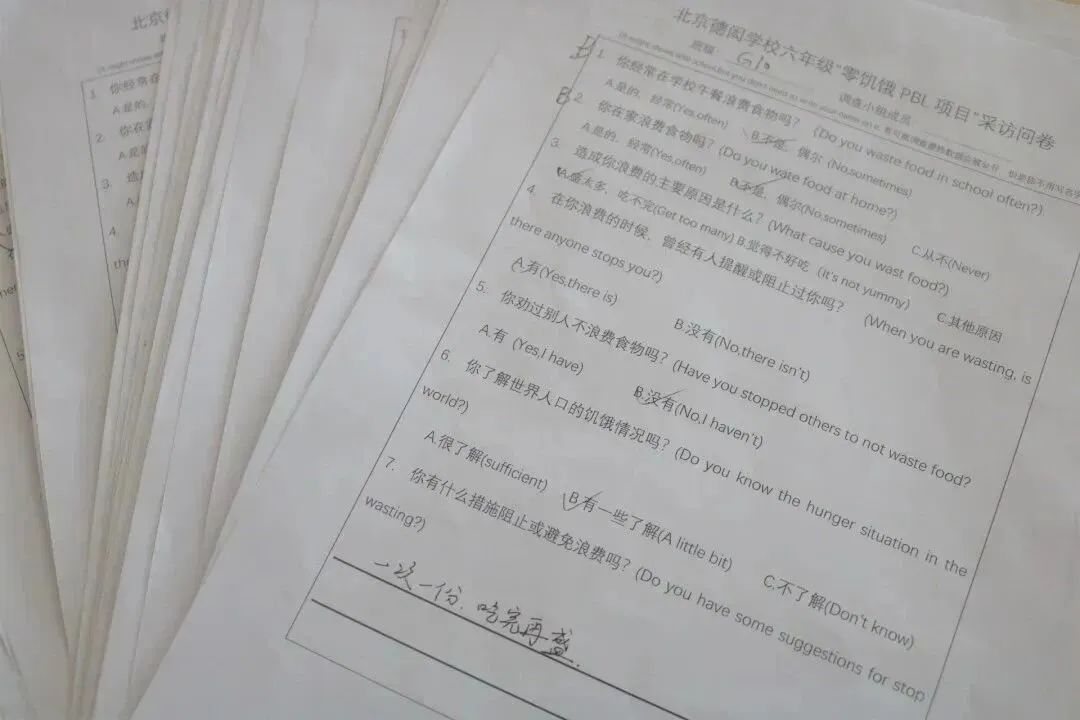
结合测算结果优化餐食配比、减少食材浪费,用数学方案推动校园低碳生活;
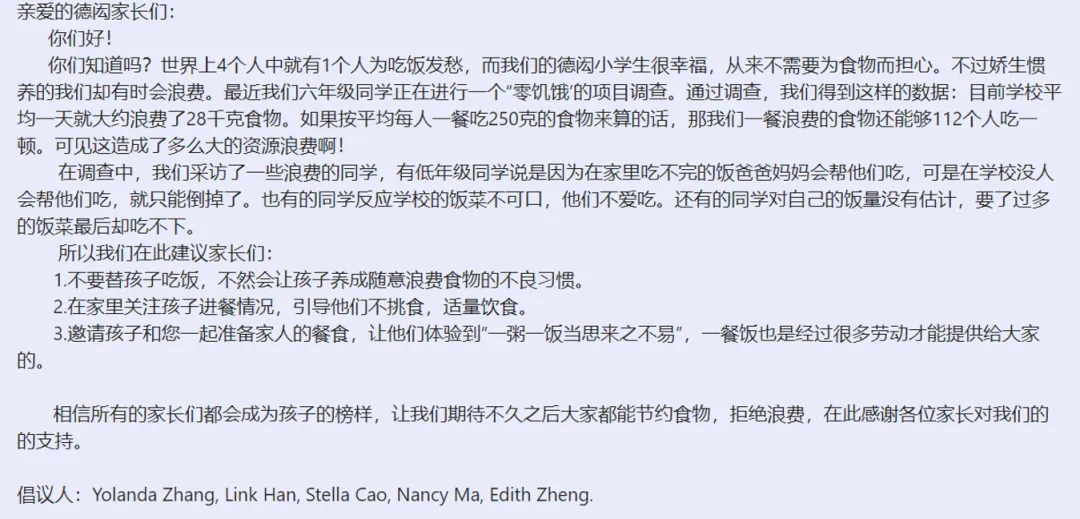
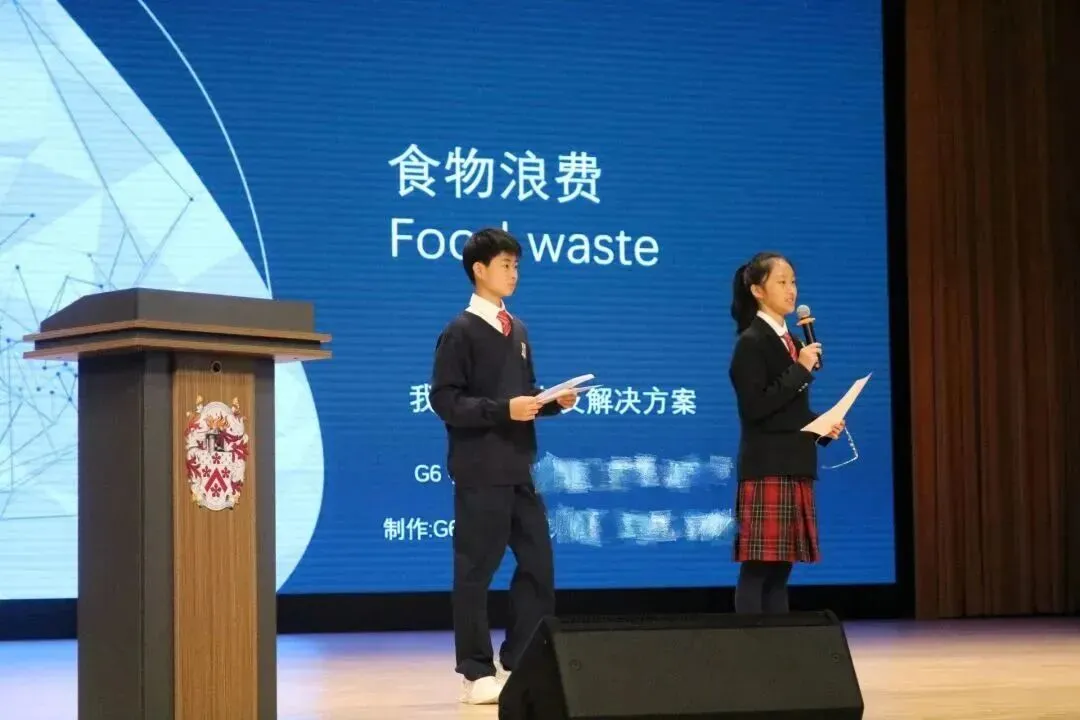
通过演讲与海报宣传,将数学思考转化为行动倡议,让可持续理念真正落地校园。
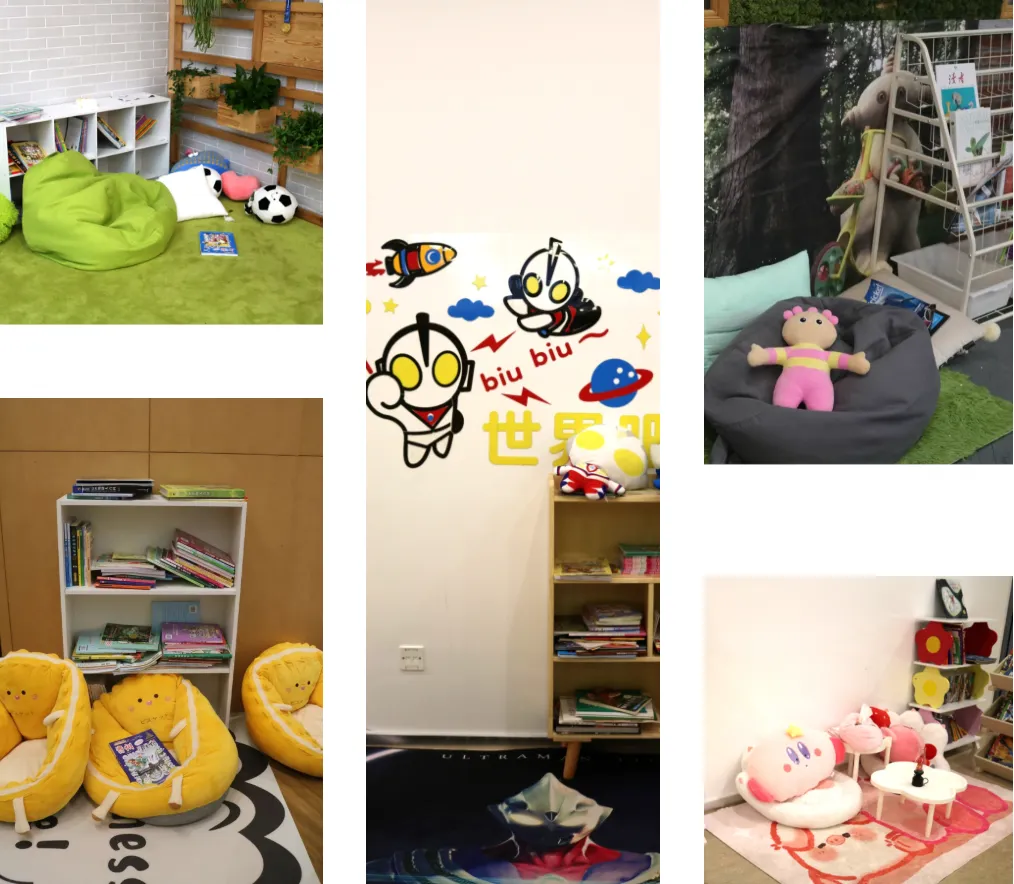
✅ 打造 “迷你图书馆”:用数学点亮校园阅读空间
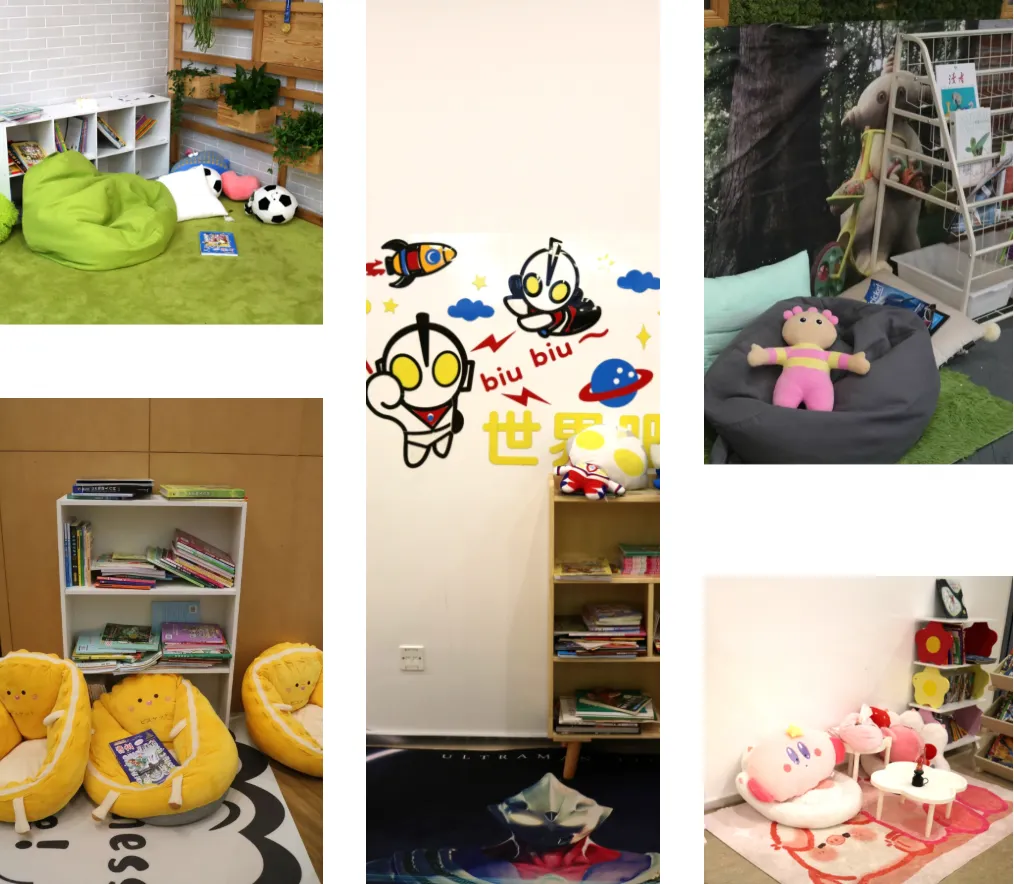
一群已毕业的六年级学生运用服务式学习理念与数学思维,在校园各处打造了温馨的迷你图书馆:
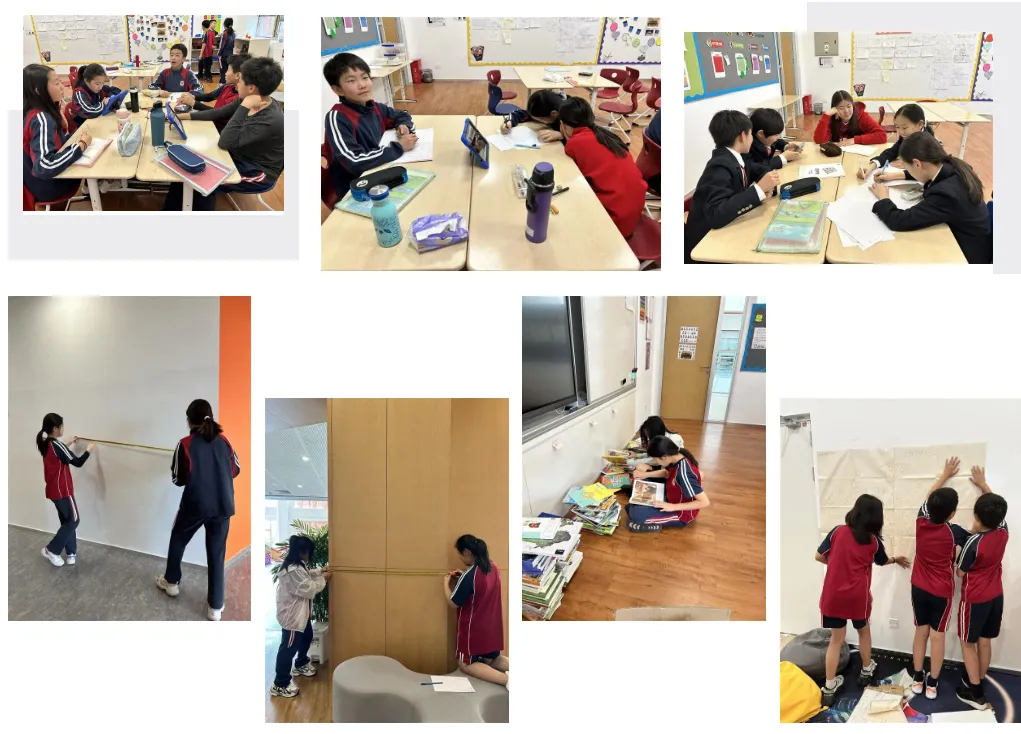
通过问卷调研、空间测量,用数据与几何知识规划阅读角布局;
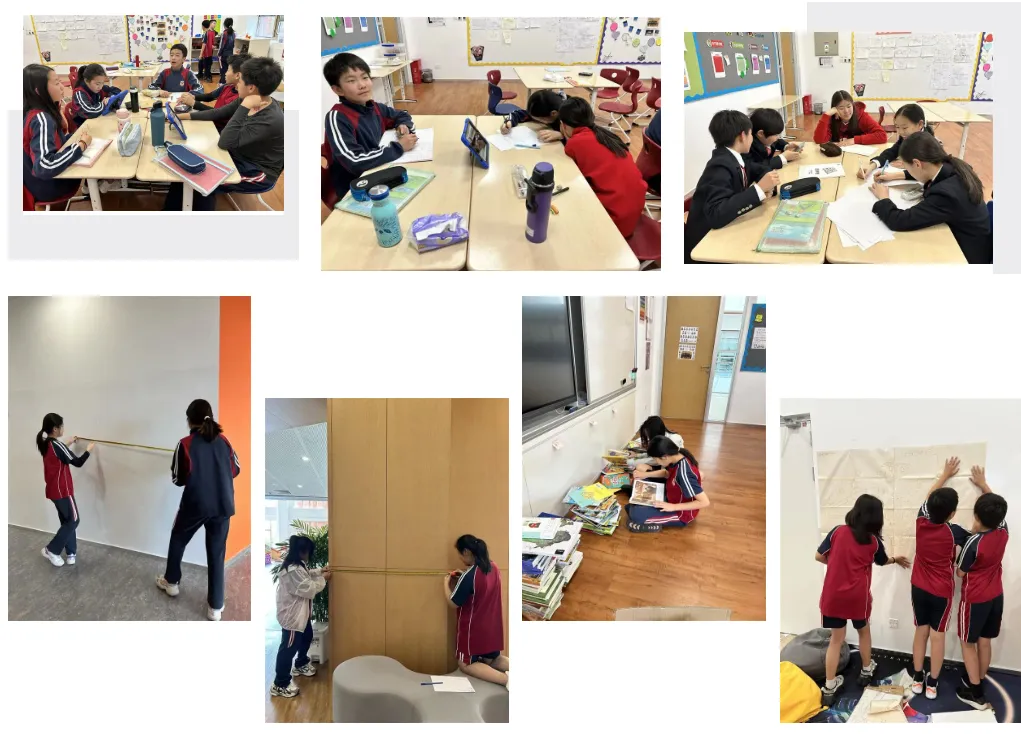
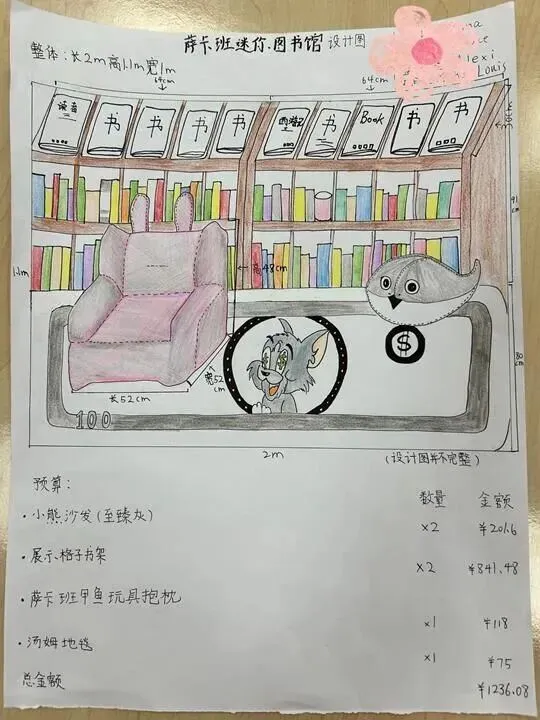
精细核算预算、对比成本,用班级活动收益完成全部建设,实现零额外成本;
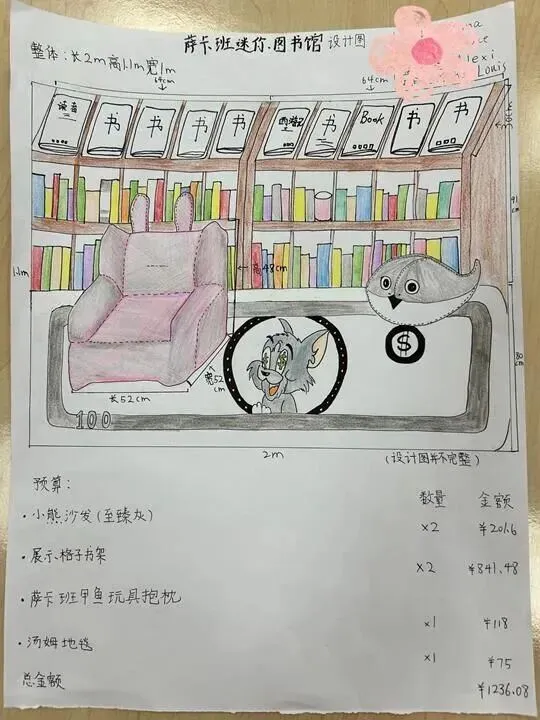
最终在校园落地 9 个阅读空间,用数学与爱心为低年级同学留下一份珍贵礼物。
每一个PBL项目,都是对Critical Thinking(批判性思维)、Communication(沟通能力)、Collaboration(合作能力)、Creativity(创造力)的全方位锻炼。
当孩子用自己的数学知识,真正改善了校园、帮助了远方的同龄人,这种发自内心的成就感、价值感,是任何一张满分试卷都无法替代的。这正是德闳数学教育的终极目标:让数学成为孩子认识世界、改变世界的力量。
03
打破边界,让数学“活”起来:用文化与创意点燃学习热情
传统数学教育常因过度强调工具性,让孩子觉得“枯燥、难、没用”,渐渐失去兴趣。在德闳,我们用「数学+」的跨学科融合,为数学注入文化与创意的灵魂,让数学变得好看、好玩、好学,彻底点燃孩子的学习内驱力。
✅ 数学+艺术:让数学成为看得见的美
数学不是冰冷的数字,而是藏在色彩、线条、设计里的美学。我们将数学与艺术深度融合:
- 用几何图形设计校园海报,在创作中理解对称、比例、构图;
- 用色彩搭配与数据统计,完成主题艺术作品,让孩子发现“数学是美的语言”;
- 用数学原理创作立体装置、让抽象的概念变成可触摸、可创造的作品,彻底告别“数学难”的刻板印象。
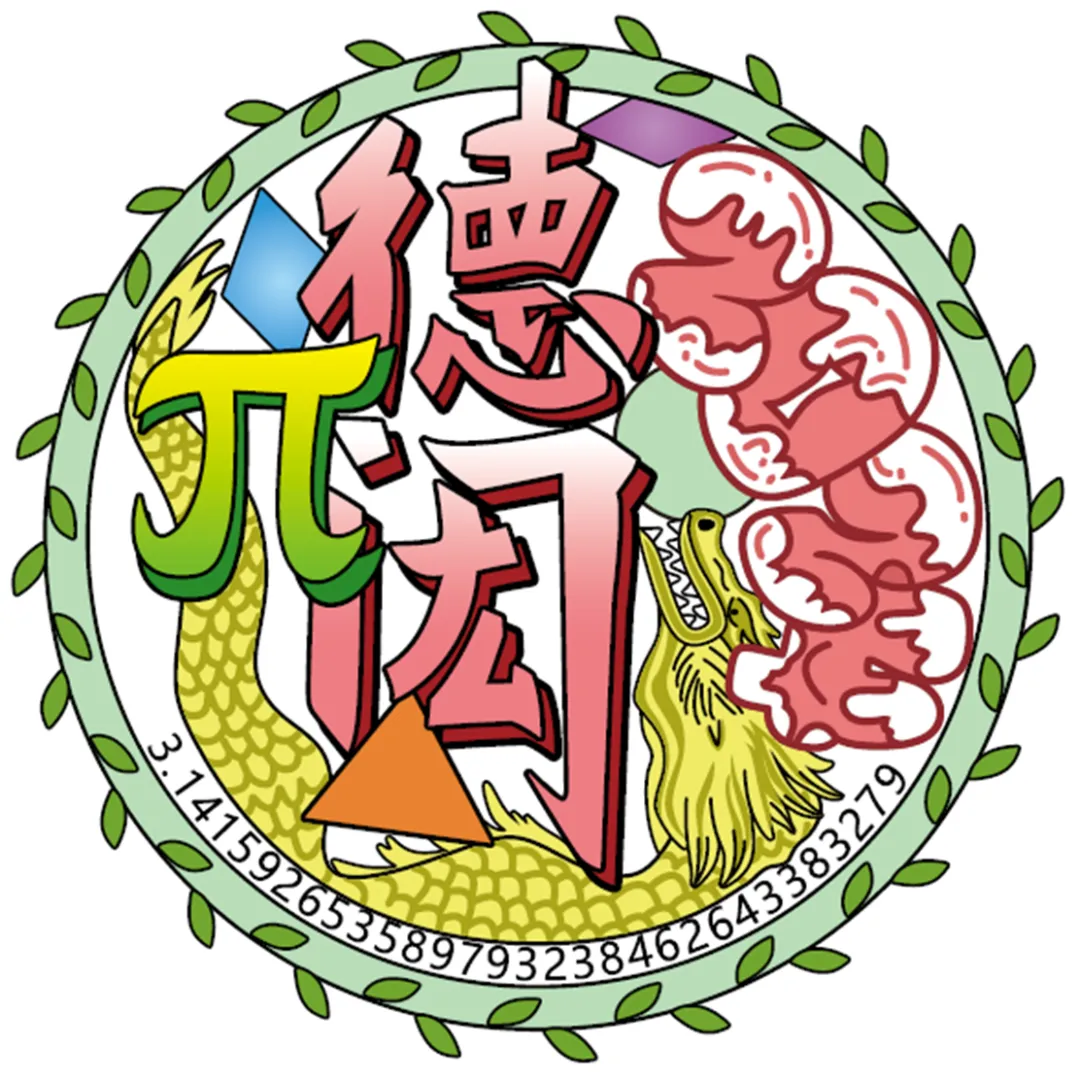
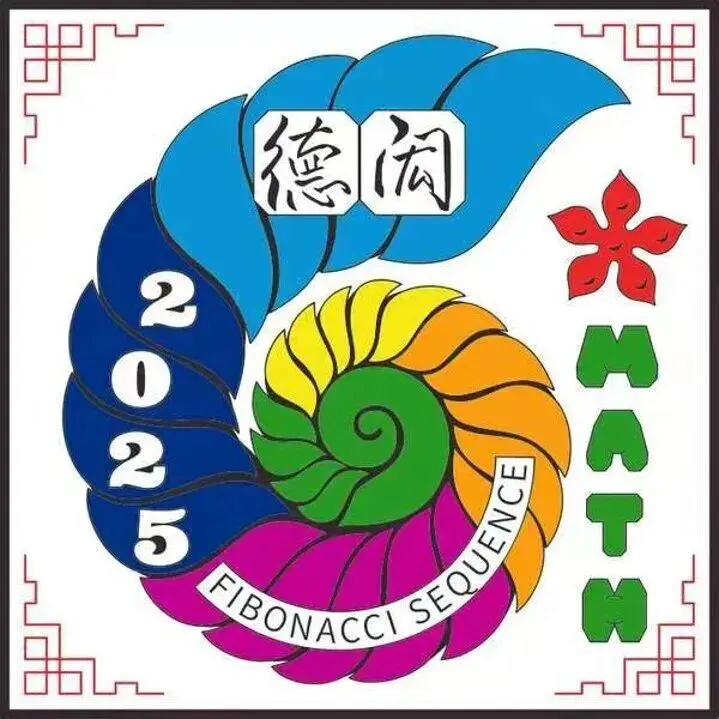
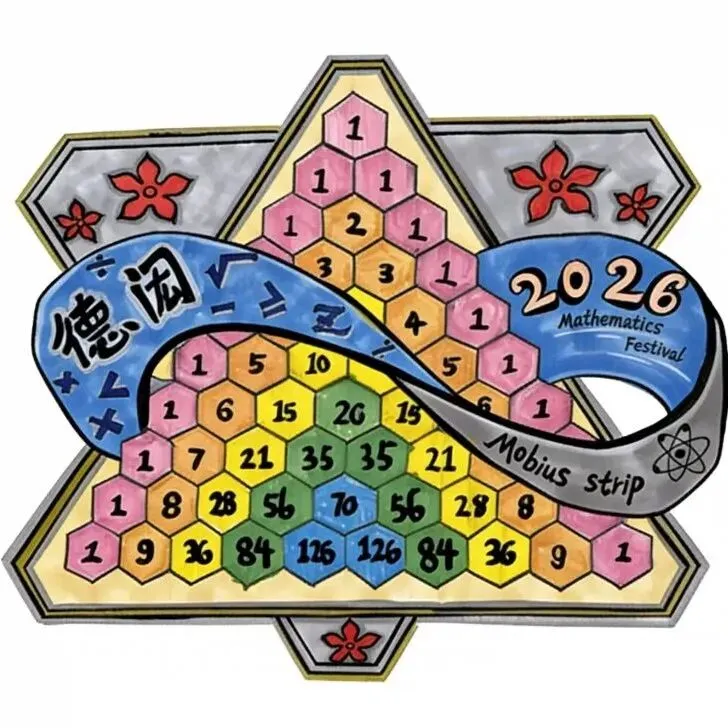
(2024-2026北京德闳数学节LOGO设计大赛“最佳设计奖”获奖作品)
✅ 数学+戏剧:让数学成为会说话的故事
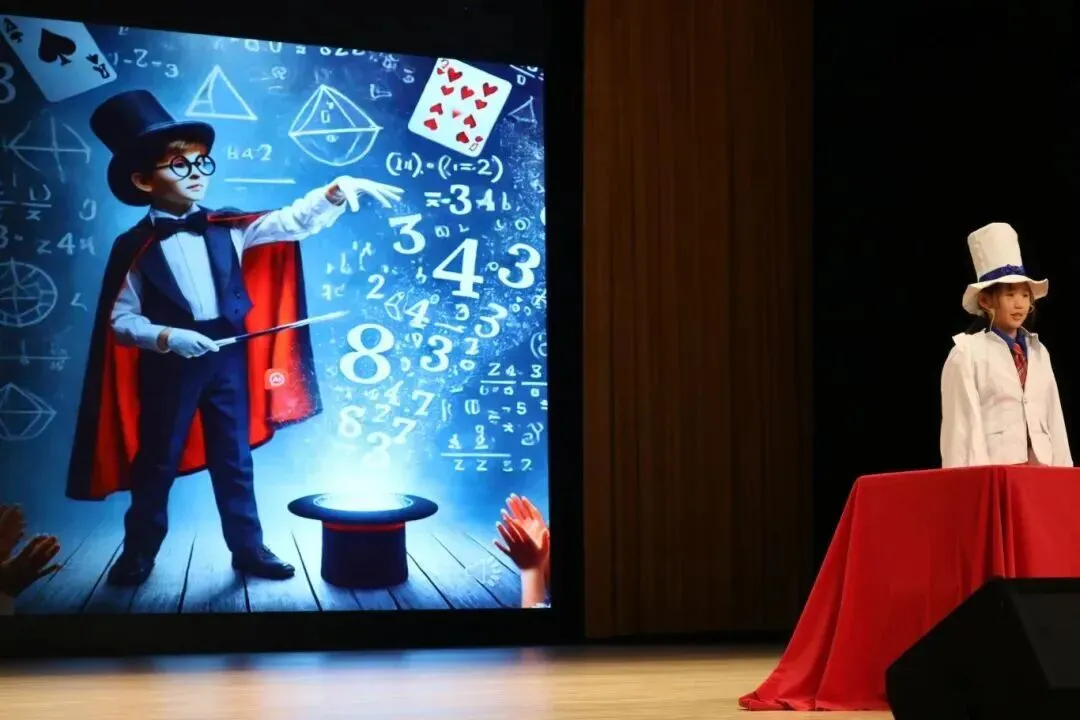
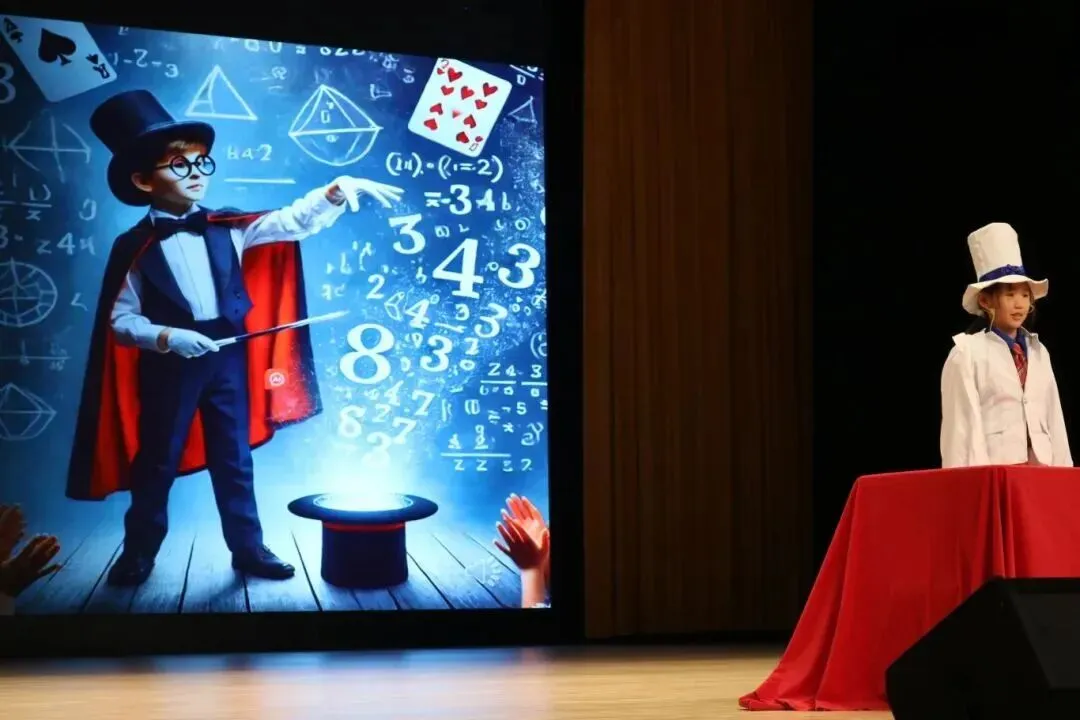
我们把数学名人和知识搬进戏剧舞台,让孩子在角色扮演、剧情演绎中理解数学:
- 用原创话剧生动演绎祖冲之推算圆周率七位小数的故事,传递对数学的执着与热爱;
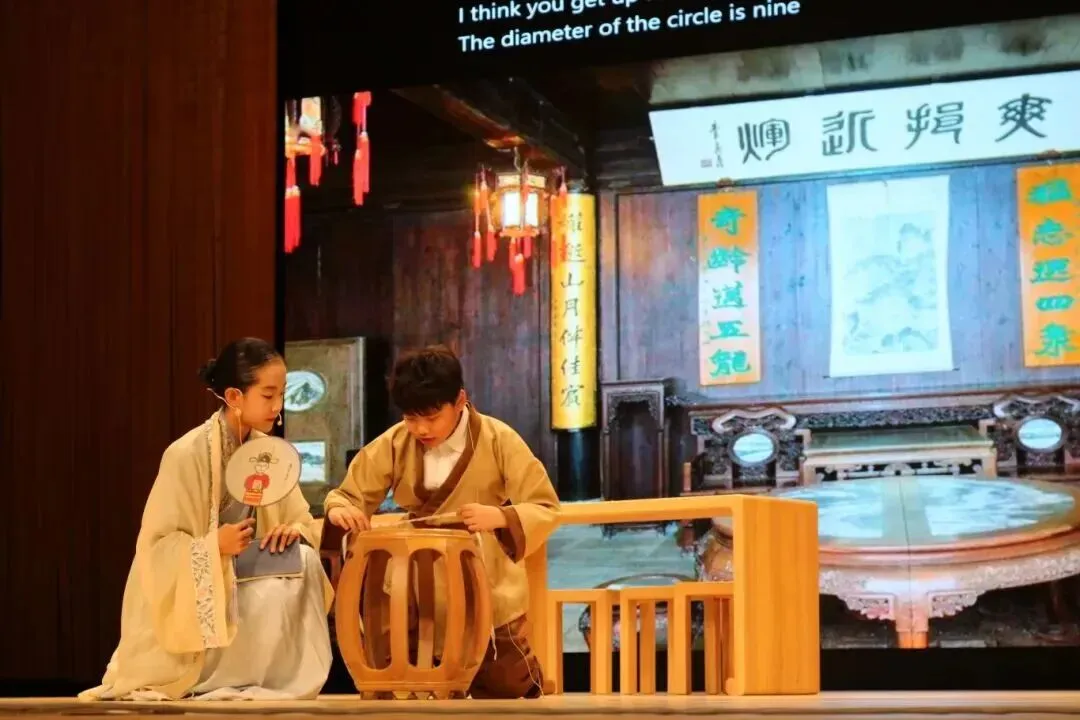
- 在剧本创作中融入数学逻辑,在舞台表演中锻炼表达,让孩子在沉浸式体验中爱上数学。
✅ 数学+体育/游戏:让数学成为玩出来的智慧
数学藏在校园的每一个角落,更藏在孩子的游戏与运动里:
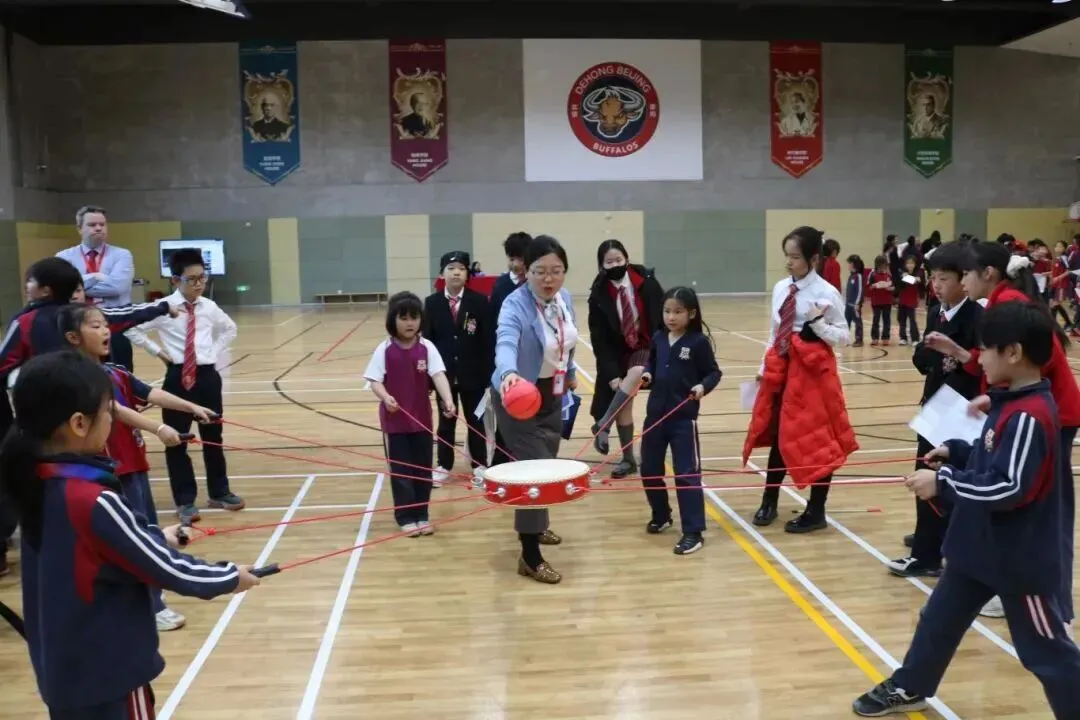
- 用团队游戏学习“概率”“统计”,在合作中理解数学规律;
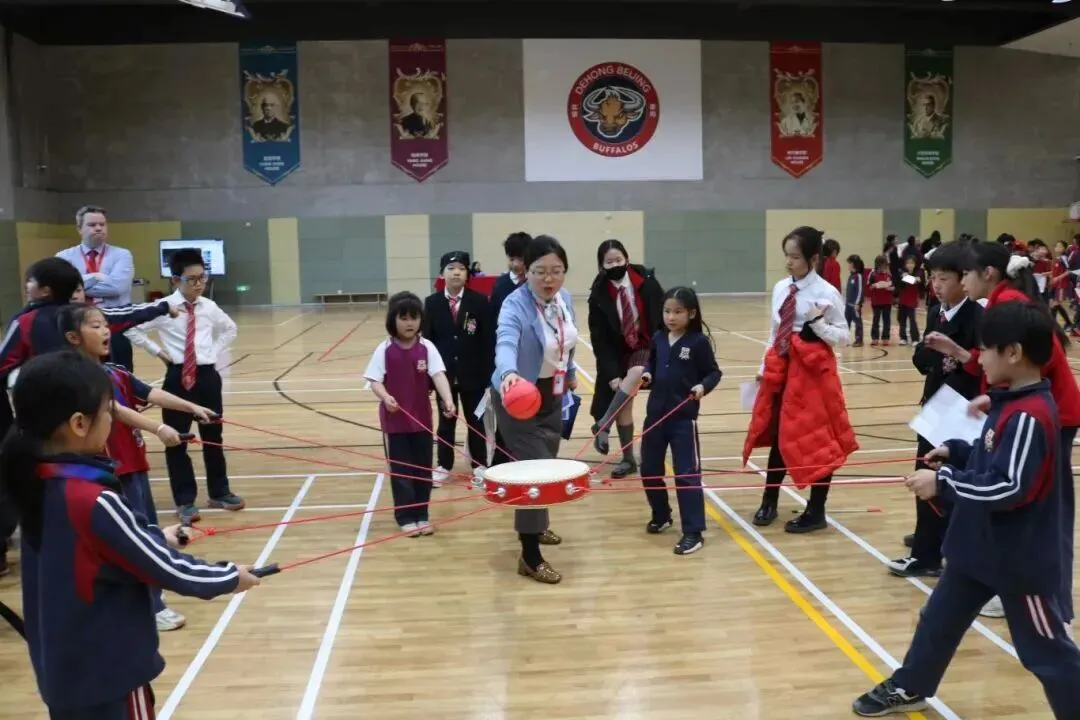
- 用体育赛事数据(如跑步成绩、投壶命中率)学习数据分析,让孩子在运动中感受数学的实用价值;
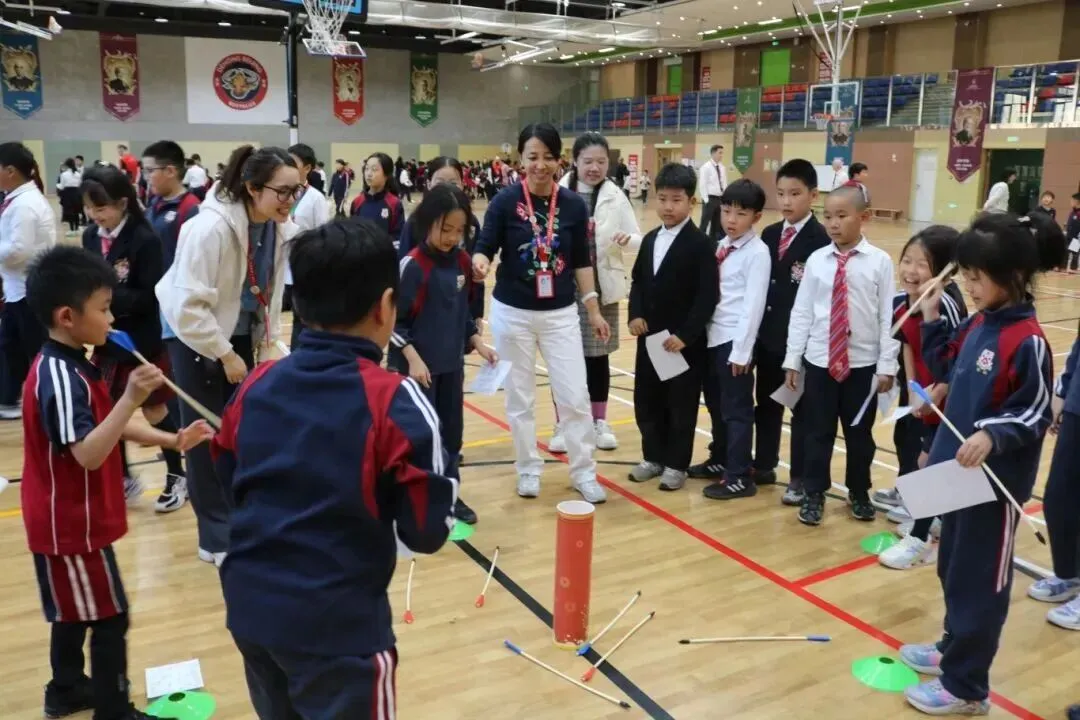
- 设计数学闯关、趣味竞赛,让孩子在玩乐中巩固知识,真正实现“在玩中学,在学中玩”。
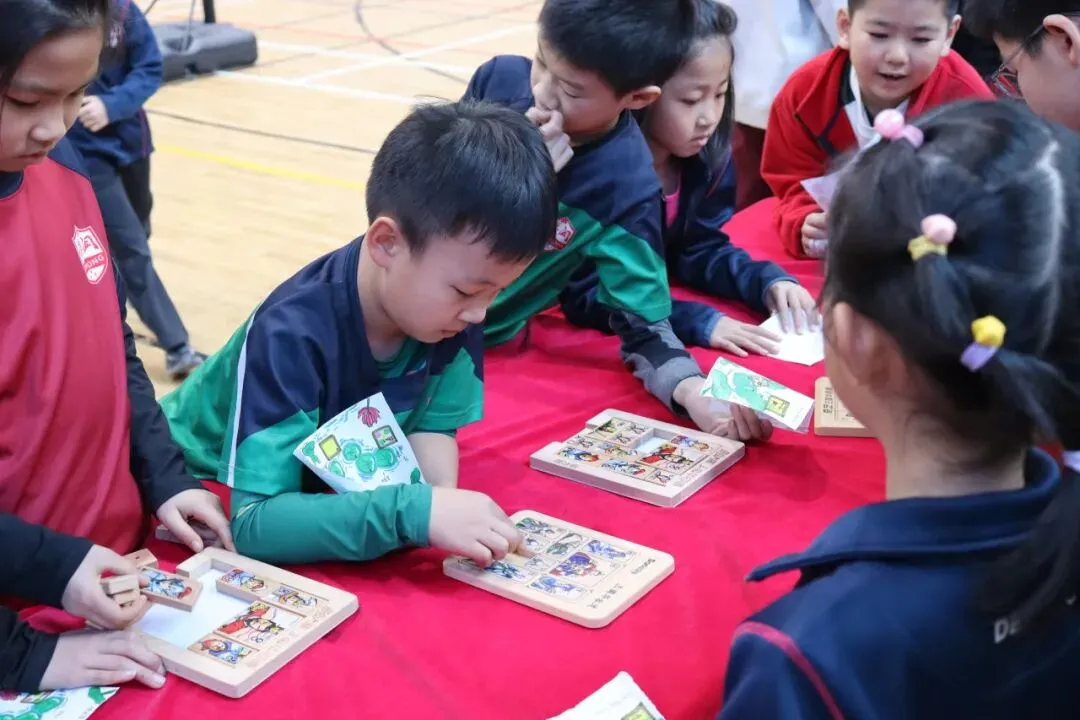
在德闳,数学不再是孤立的学科,而是与艺术、戏剧、体育、生活深度联结的“文化载体”,每个孩子都能找到属于自己的数学兴趣点,从“要我学”变成“我要学”。

🔹 写在最后:AI时代,数学是孩子的底层竞争力
在AI飞速发展的今天,计算、解题早已不是数学的核心竞争力。真正的数学教育,是培养孩子的逻辑思维、创新能力、问题解决能力,让孩子在AI时代拥有不可替代的核心素养。
在北京德闳,我们始终坚持:
- 以国标为基,筑牢知识根基;
- 以真实为核,培养未来能力;
- 以创新为翼,塑造学习热忱。
我们相信,每一个孩子都能爱上数学,每一个孩子都能在数学中找到自己的光芒,用数学思维拥抱AI时代,创造属于自己的未来。
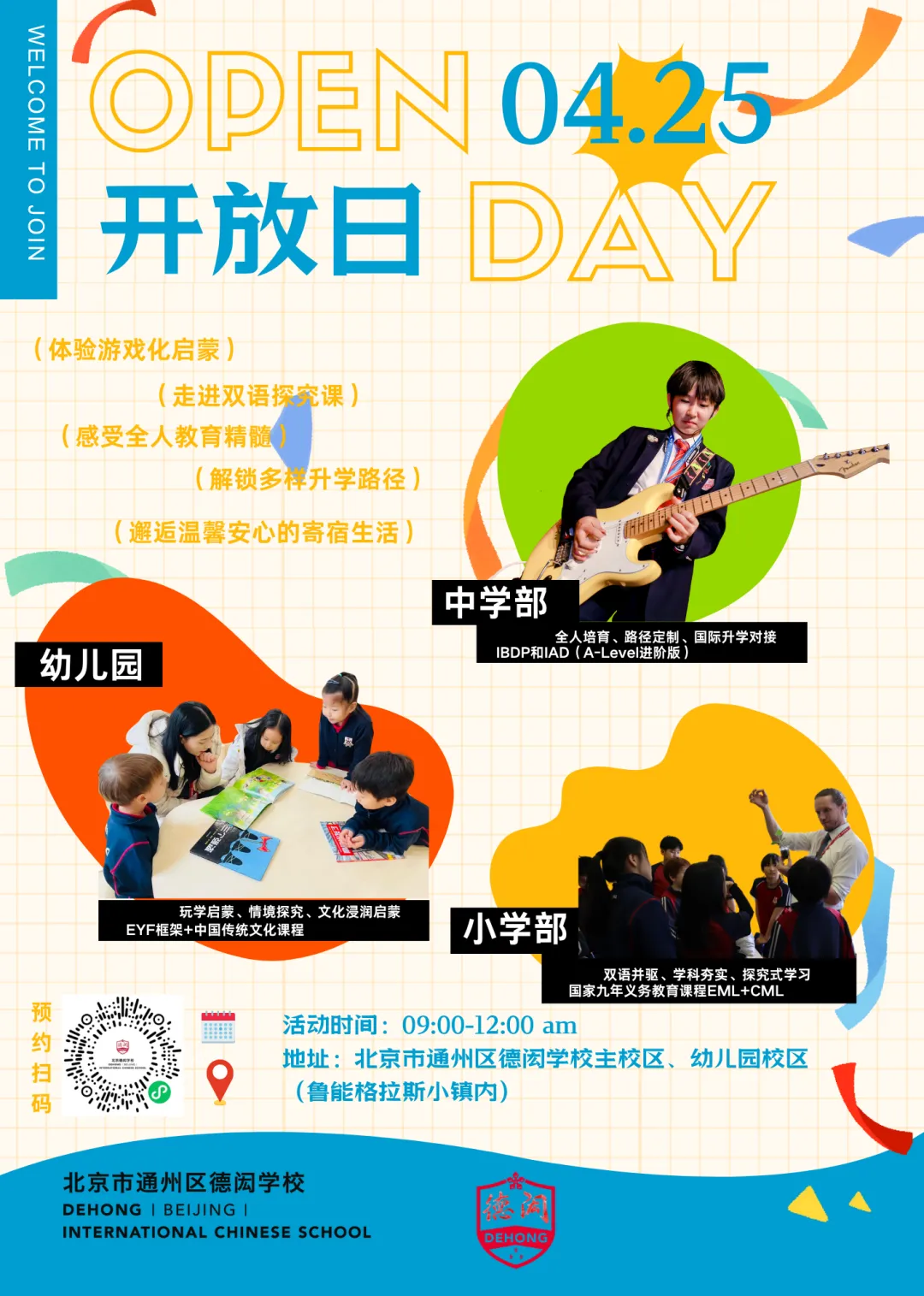
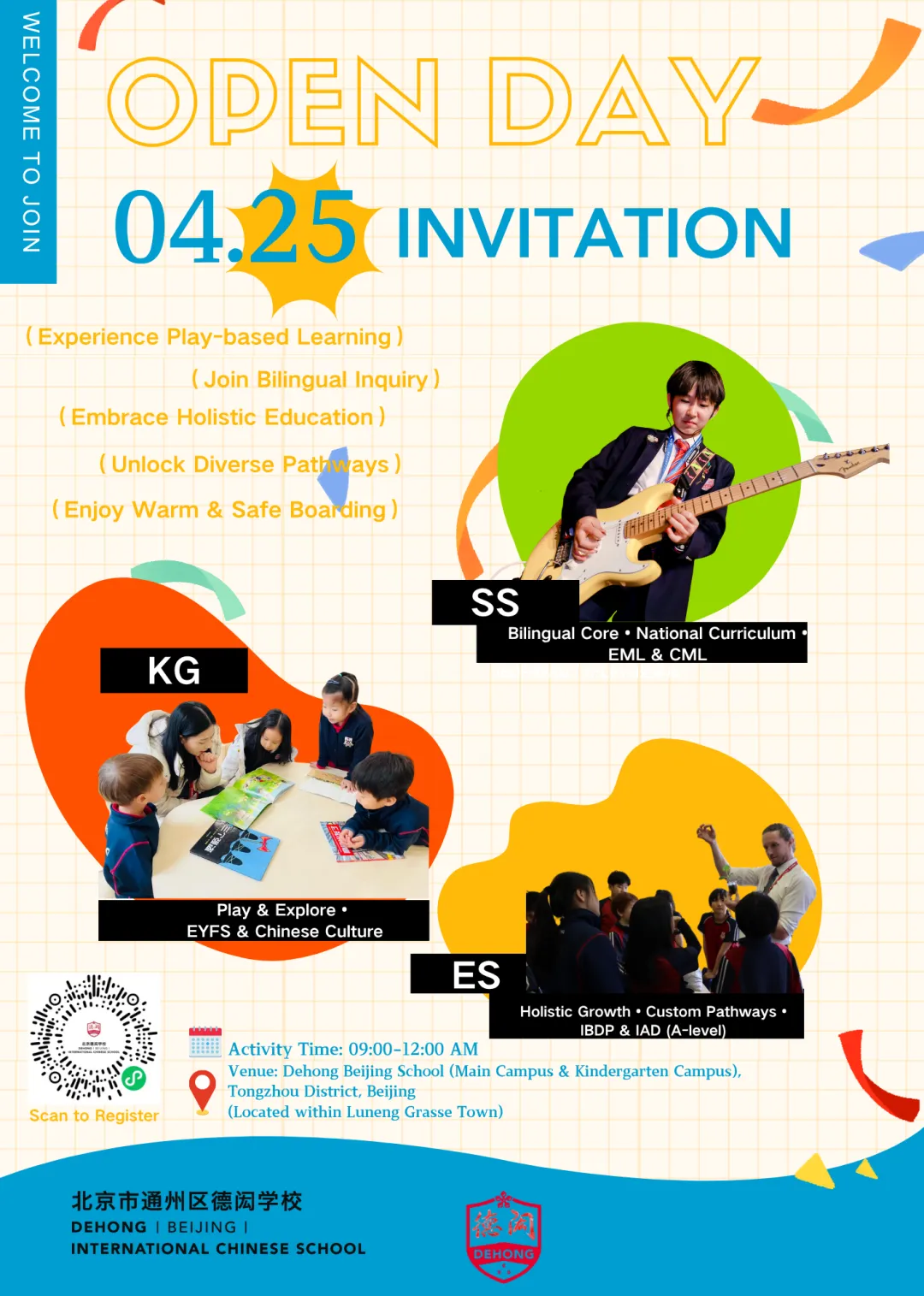
来开放日,和我们见面吧!
4月25日,走进北京德闳,亲身感受我们独特的课程体系。参与校区:北京德闳学校幼儿园校区 / 主校区预约方式:扫描下方二维码,锁定探校名额!
文稿&编辑排版:Phoebe Mao
校对审核:Lora Tu
欢迎探校!


点击“阅读原文”了解更多

<< 右滑阅读中文版
Swipe right to read the Chinese version

In an age where AI can instantly solve complex calculations and generate step-by-step solutions, how should we teach children mathematics?
At Dehong, we firmly believe: In the AI era, the core value of mathematics goes far beyond being a mere computational tool. True mathematics education builds a solid foundation of thinking, ignites the passion for exploration, and equips students to observe the world through a mathematical lens, solve real-world problems with mathematical reasoning, and express ideas in the language of math. This is at the heart of Dehong’s mathematics curriculum.
Guided by the philosophy Honouring Tradition, Transcending Tradition, we ground our teaching in the national curriculum while innovating instructional methods, integrating interdisciplinary learning, and implementing project-based learning (PBL). We transform abstract formulas from textbooks into a powerful tool for students to understand and create value in the world.
01
Building a Strong Foundation & Stimulating Thinking: Efficient, In-Depth Mathematics Learning
A solid foundation is essential in mathematics. Dehong Primary School strictly follows the national compulsory mathematics curriculum, using standard textbooks to systematically teach core content including number and algebra, geometry, statistics and probability, ensuring students master fundamental mathematical knowledge.
Yet we reject rote memorization and mechanical drilling. Building on traditional teaching, Dehong’s math classrooms are deeply innovative:
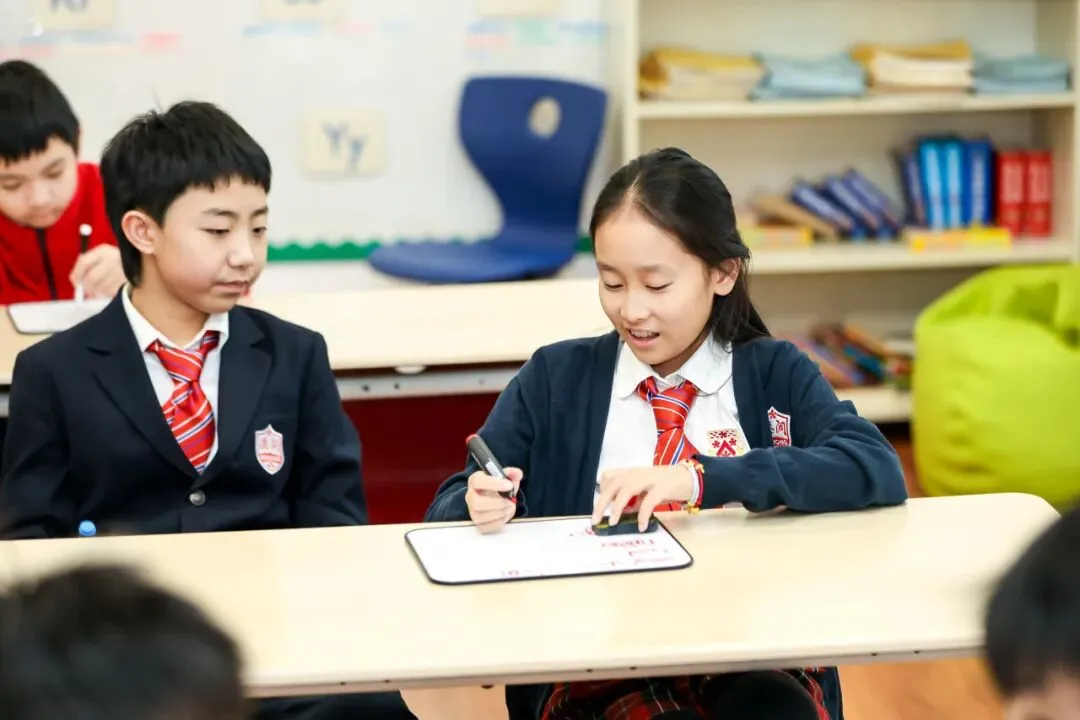
✅ Inquiry-based learning replaces passive reception:
Teachers act as guides, not lecturers. When learning percentages, for example, students do not simply memorise formulas — they investigate campus data and real-life scenarios to discover the meaning and application of percentages for themselves.
✅ Critical thinking goes beyond surface-level answers:
We encourage students to “look past standard answers”, to ask why, explore alternative methods, and question assumptions. This cultivates critical thinking, so students not only solve problems but truly understand them.
✅ Differentiated teaching meets individual needs:
Customised tasks and personalised support ensure every student progresses at their own pace — neither unchallenged nor overwhelmed — making math learning efficient and supportive.
02
Connecting to the Real World: PBL That Lets Math Solve Genuine Problems
In the AI era, the most valuable skill is not solving textbook problems, but solving real ones.At the core of Dehong’s math curriculum is helping students apply math to understand the world, practise service learning through PBL, and grow into compassionate, capable global citizens by addressing real issues.
✅ Original Math Picture Book PBL: Turning Math into Stories, Lighting Up Distant Lives with Kindness
Dehong Primary’s original math picture book PBL is an interdisciplinary, holistic, heartfelt learning experience that shifts students from “learning math” to “creating and sharing math”.
From reading to creation: bridging math, language and art: Starting with engaging math storybooks, students grasp concepts through narratives. They then learn design and storytelling to weave abstract ideas — fractions, geometry, statistics — into original stories, developing writing, public speaking and artistic skills.
From individual work to published collections: authentic project practice: Students lead the entire publication process: naming the collection, designing covers, writing forewords, negotiating with printers, calculating budgets and controlling costs. This builds collaboration, organisation and real-world planning skills.
From campus to charity: math with real social impact: On Founder’s Day last year, students held a charity sale for their published collection Children’s Mathematical Imagination, donating all proceeds —13,215.40 RMB — to support the Mawei Children in Daliangshan, providing desk lamps, stationery and books. They also created a documentary video of the project, carrying warmth across mountains and embodying “small books, big hope”.
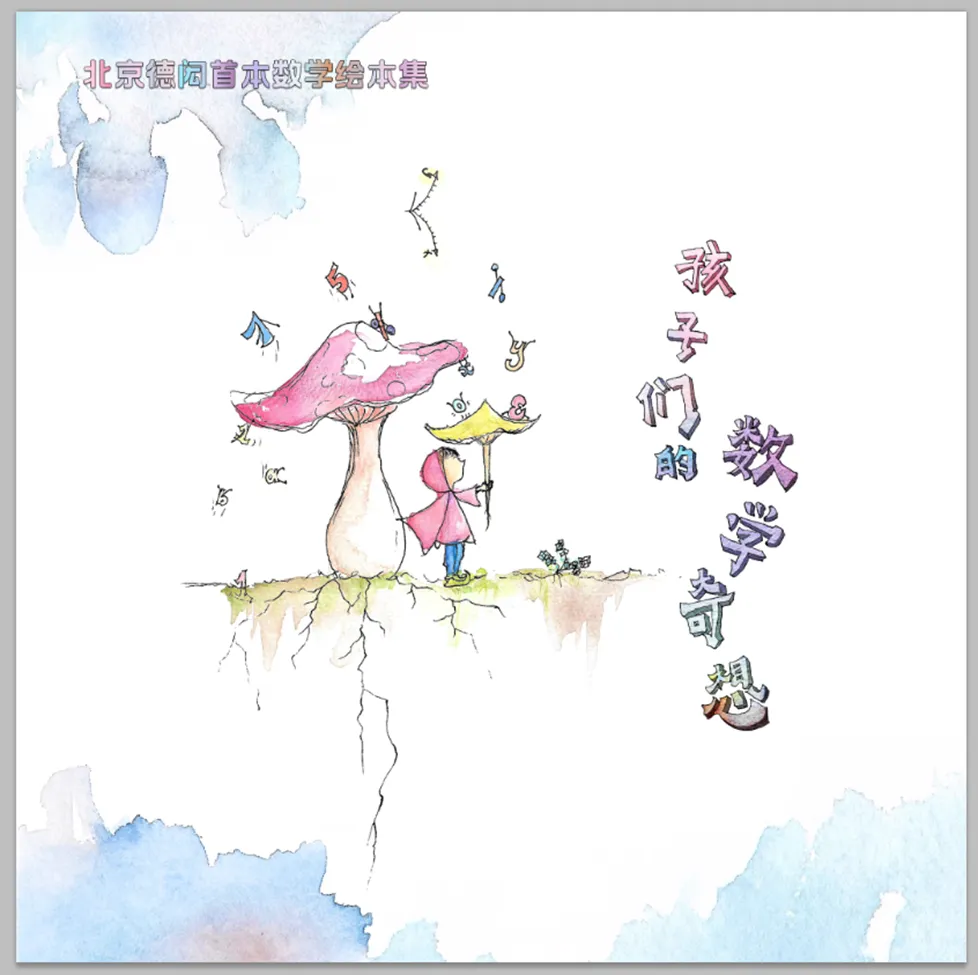
This year, our brand-new original math picture book project [Children’s Mathematical Imagination II] is well underway. We warmly invite you to join us on Founder’s Day on May 16th to witness the wonderful mathematical imagination of our students, support this meaningful public welfare initiative, and spread the beauty of math alongside kindness.
From acts of kindness reaching across mountains, we return to the Dehong community, where students also use mathematics to create warmth and value for those around them.
✅ Anchored in “Zero Hunger”: Math for Sustainable Development
Inspired by the UN Sustainable Development Goal of Zero Hunger, students use math as a practical tool for environmental action on campus:
They act as “food stewards”, collecting and analysing data on food waste to produce clear campus reports.
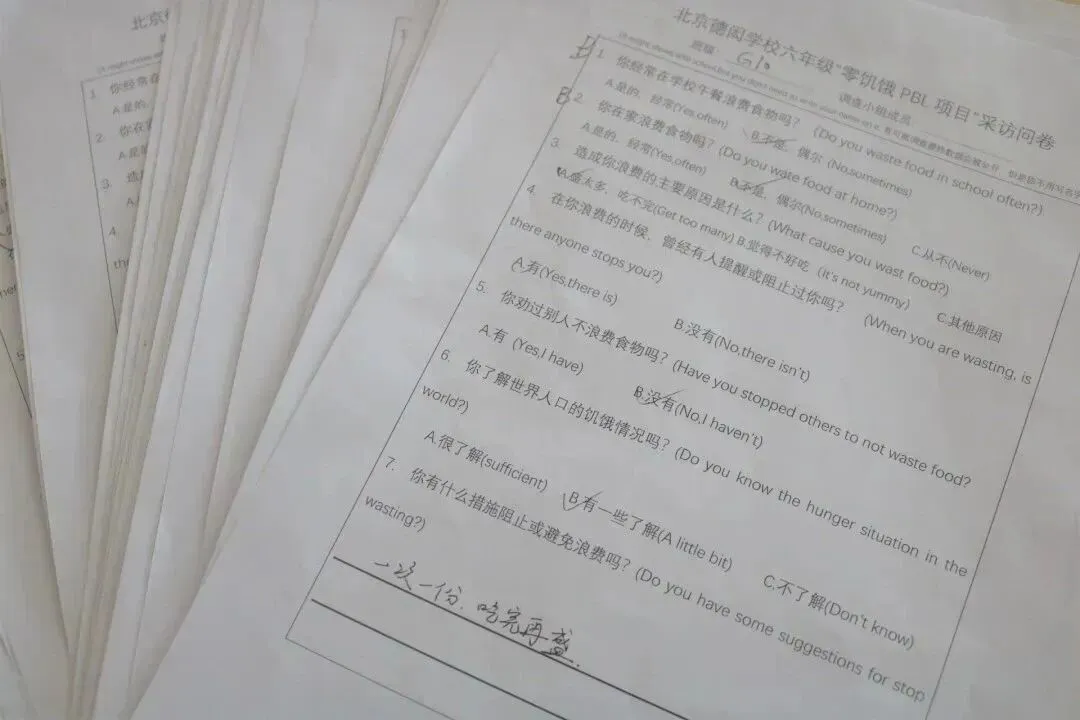
Using calculations, they optimise meal proportions and reduce food waste, turning data into low-carbon campus solutions.
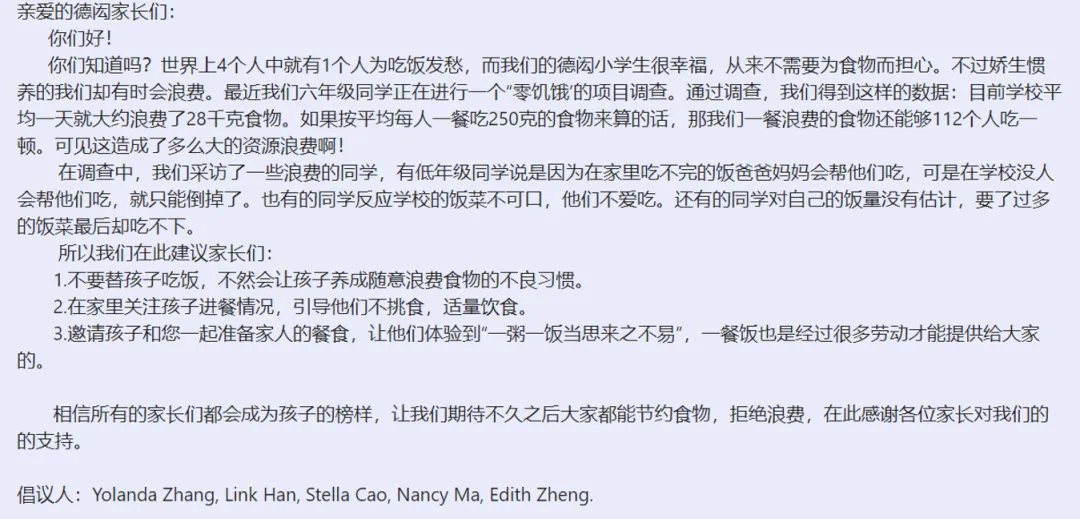
Through presentations and posters, they share insights and turn mathematical thinking into action, embedding sustainability into school life.
✅ Building Mini Libraries: Math That Illuminates Campus Reading Spaces
A group of graduated Grade 6 students used service learning and mathematical thinking to create warm mini-libraries across campus:
They conducted surveys, measured spaces, and used data and geometry to design ideal reading corners.
They carefully budgeted and compared costs, completing the project using only funds from class performances, with no extra expense.
In the end, they established 9 accessible reading spaces, leaving a precious gift for younger students through math and care.
Each PBL project comprehensively develops students’ Critical Thinking, Communication, Collaboration and Creativity (4Cs).
When students use math to improve their campus and help others, the sense of achievement and purpose is far more meaningful than any perfect test score.
This is the ultimate goal of Dehong’s math education:to empower students to understand and change the world through mathematics.
03
Breaking Boundaries, Bringing Math to Life: Nurturing a Passion for Learning Through Culture & Creativity
Traditional math education often overemphasises technical application, making it feel dry, difficult and irrelevant, which dampens students’ interest.
At Dehong, we use a “Math +” interdisciplinary approach to infuse culture and creativity into math, making it visually engaging, fun and accessible, and truly motivating students from within.
✅ Math + Art: The Visible Beauty of Mathematics
Math is not just cold numbers — it is beauty in colour, line and design.
Students design campus posters using geometric shapes, exploring symmetry, proportion and composition.
They create artworks using colour schemes and statistical patterns, discovering math as a language of beauty.
They build 3D installations using mathematical principles, turning abstract ideas into tangible creations.
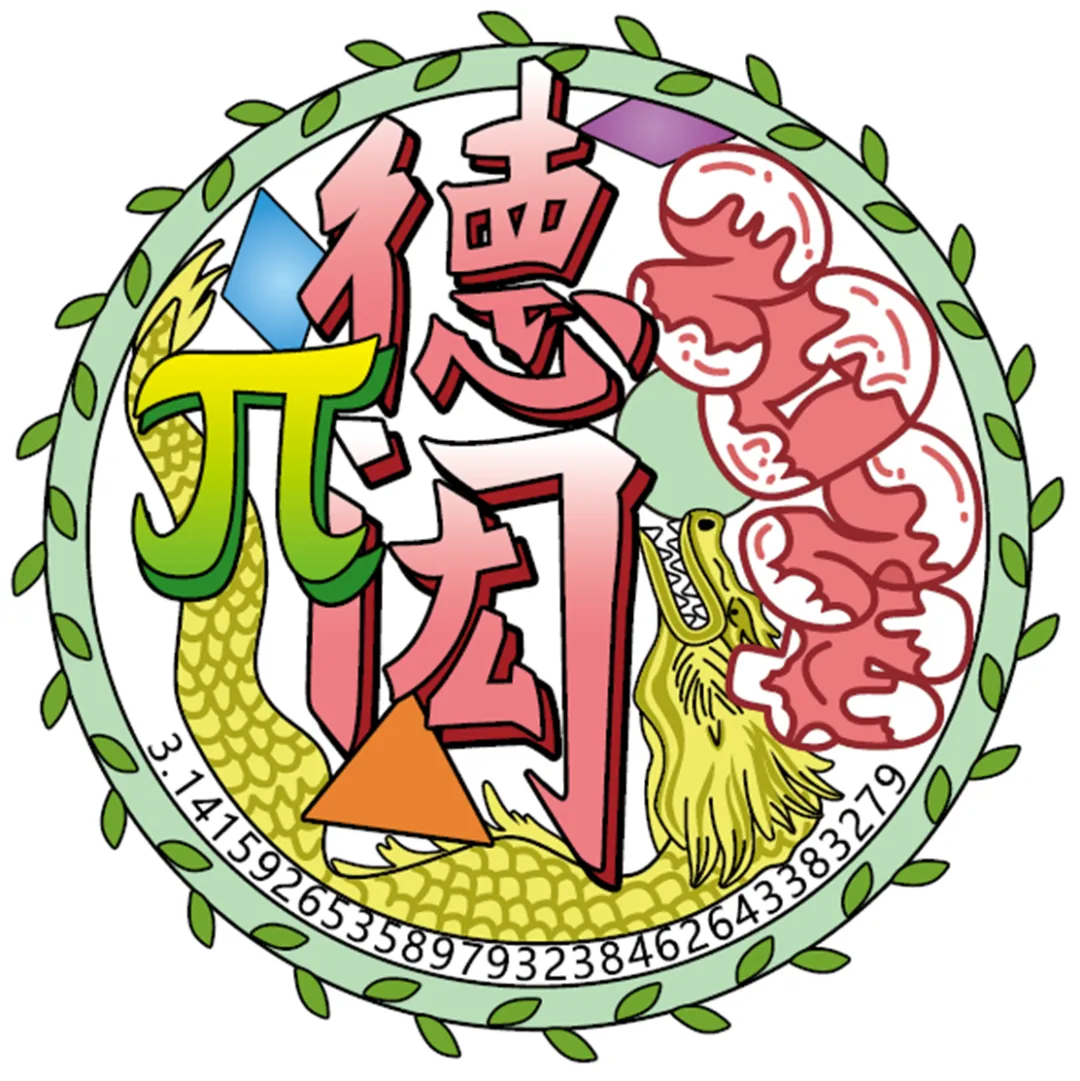
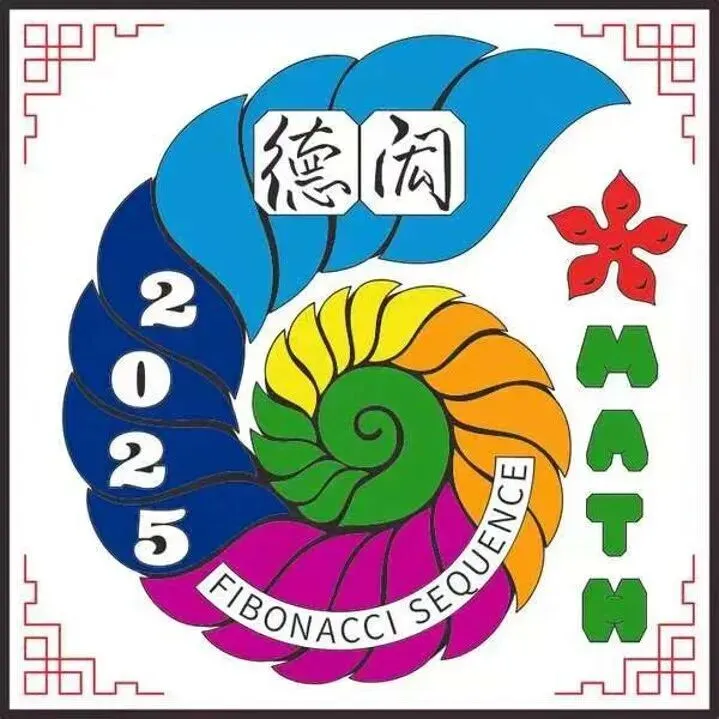
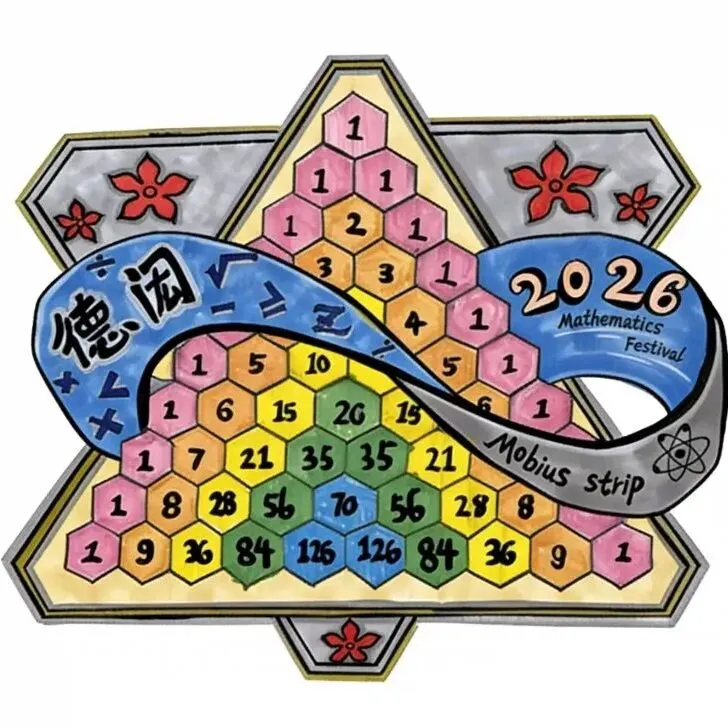
(Winner of the Best Design Award in the Dehong Beijing Math Festival Logo Design Competition 2024–2026)
✅ Math + Drama: Math That Speaks in Stories
We bring math to the stage, letting students learn through role-play and performance:
Vividly interpret the story of Zu Chongzhi calculating pi to seven decimal places through an original drama, conveying the perseverance and love for mathematics.
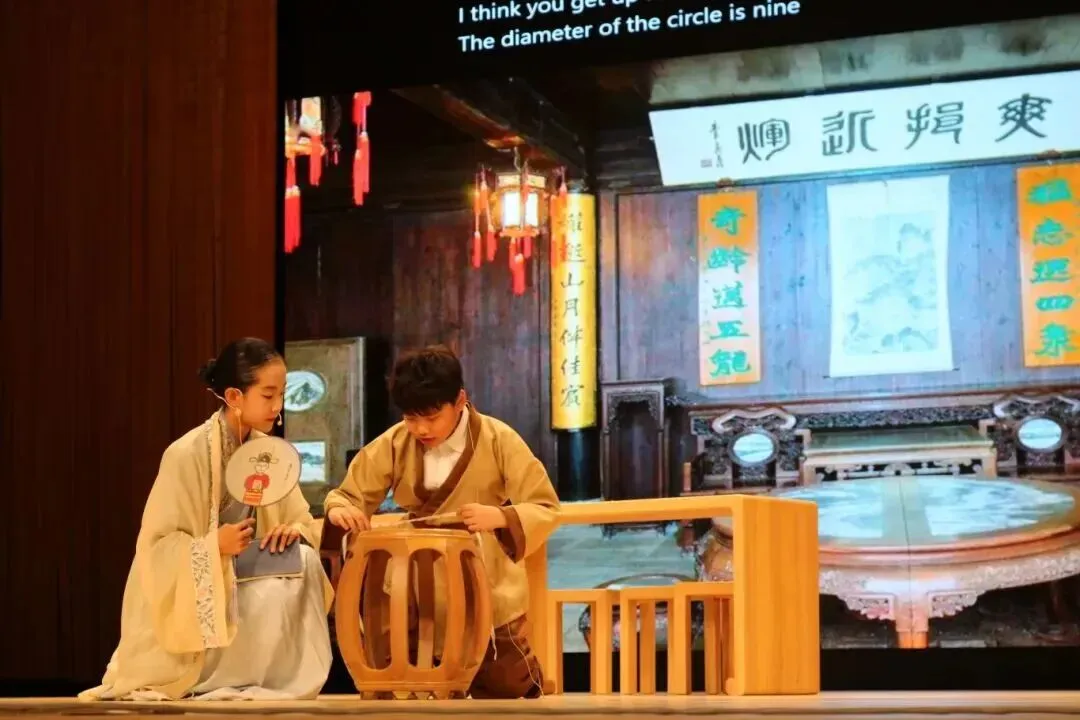
Students integrate logical thinking into scriptwriting and build confidence through performance, falling in love with math in immersive experiences.
✅ Math + PE & Games: Smart Math Through Play
Math exists everywhere on campus, especially in games and sports:
Team games teach probability and statistics, helping students understand rules through cooperation.
Sports data — race times, Pitch-pot Hit Rate — becomes real-world material for data analysis.
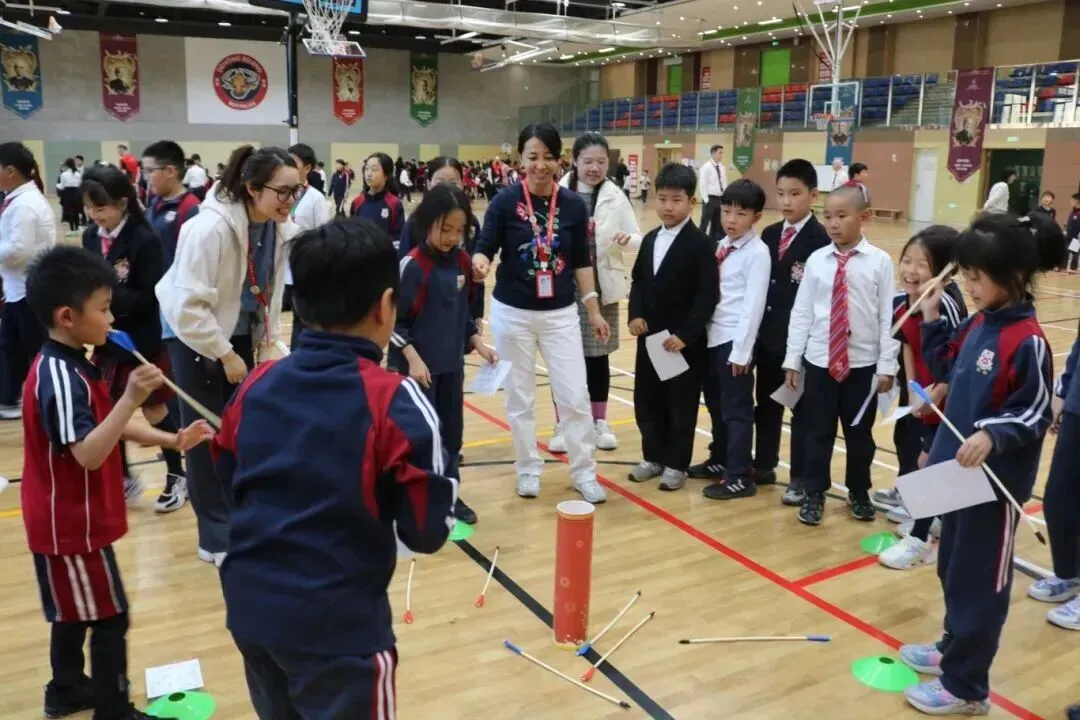
Math challenges and competitions make learning enjoyable, letting students truly learn through play.
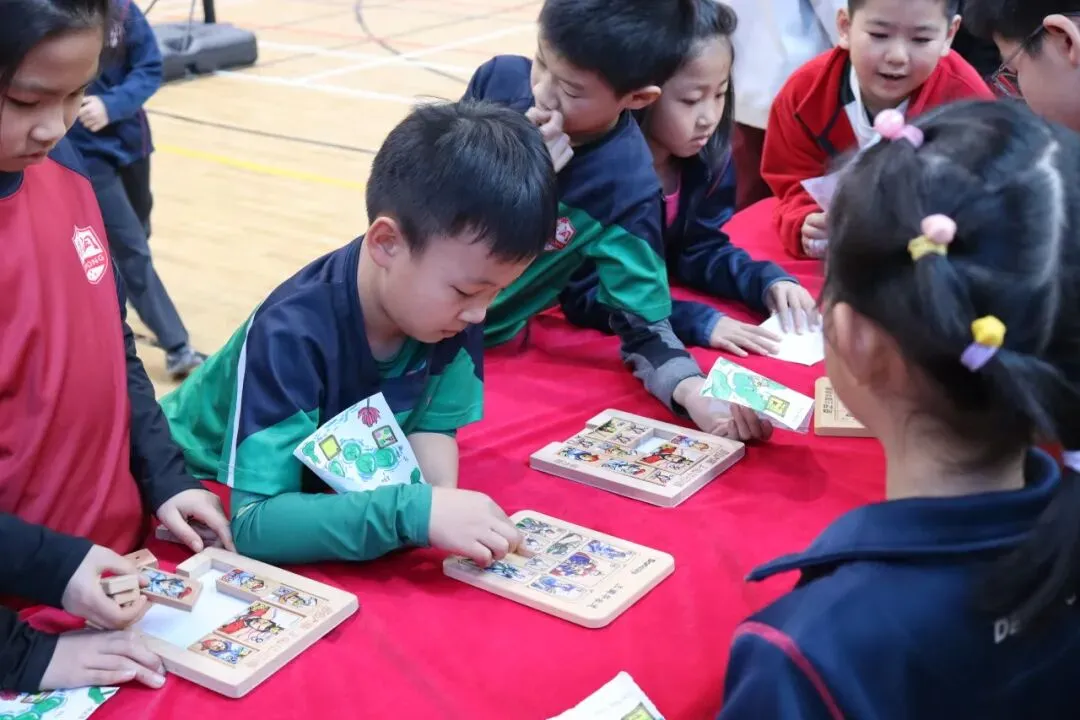
At Dehong, math is no longer an isolated subject but a cultural medium deeply connected to art, drama, sports and daily life. Every student can find their own interest in math, shifting from “being told to learn” to “wanting to learn”.

In Conclusion: Mathematics as a Foundational Competence in the AI Era
In today’s rapidly developing AI landscape, calculation and problem-solving are no longer the core strengths of mathematics.True math education cultivates logical thinking, innovation and problem-solving abilities — the irreplaceable qualities students need to thrive in the AI age.
At Dehong Beijing, we are committed to:
Building a strong knowledge foundation rooted in the national curriculum
Cultivating future-ready competencies centred on real-world application
Fostering enduring enthusiasm for learning through creative innovation
We believe every child can fall in love with mathematics, find their brilliance in numbers, and embrace the AI era with mathematical thinking to shape their own future.
Join us at the Open Day!
Come to Dehong Beijing this Saturday and experience how we shape the future together.
Open Day Date: Saturday, 25 April. Campuses: Dehong Beijing Kindergarten Campus & Main CampusRegistration: Scan the QR code below to secure your place!
Edited & Formatted by:Phoebe Mao
Proofread by:Lora Tu
Welcome to Visit Us!


Click "Read the original text" to learn more