 夜雨聆风
夜雨聆风

AI Music: An Emerging Crisis
生成式 AI 音乐的挑战



Introduction
2026
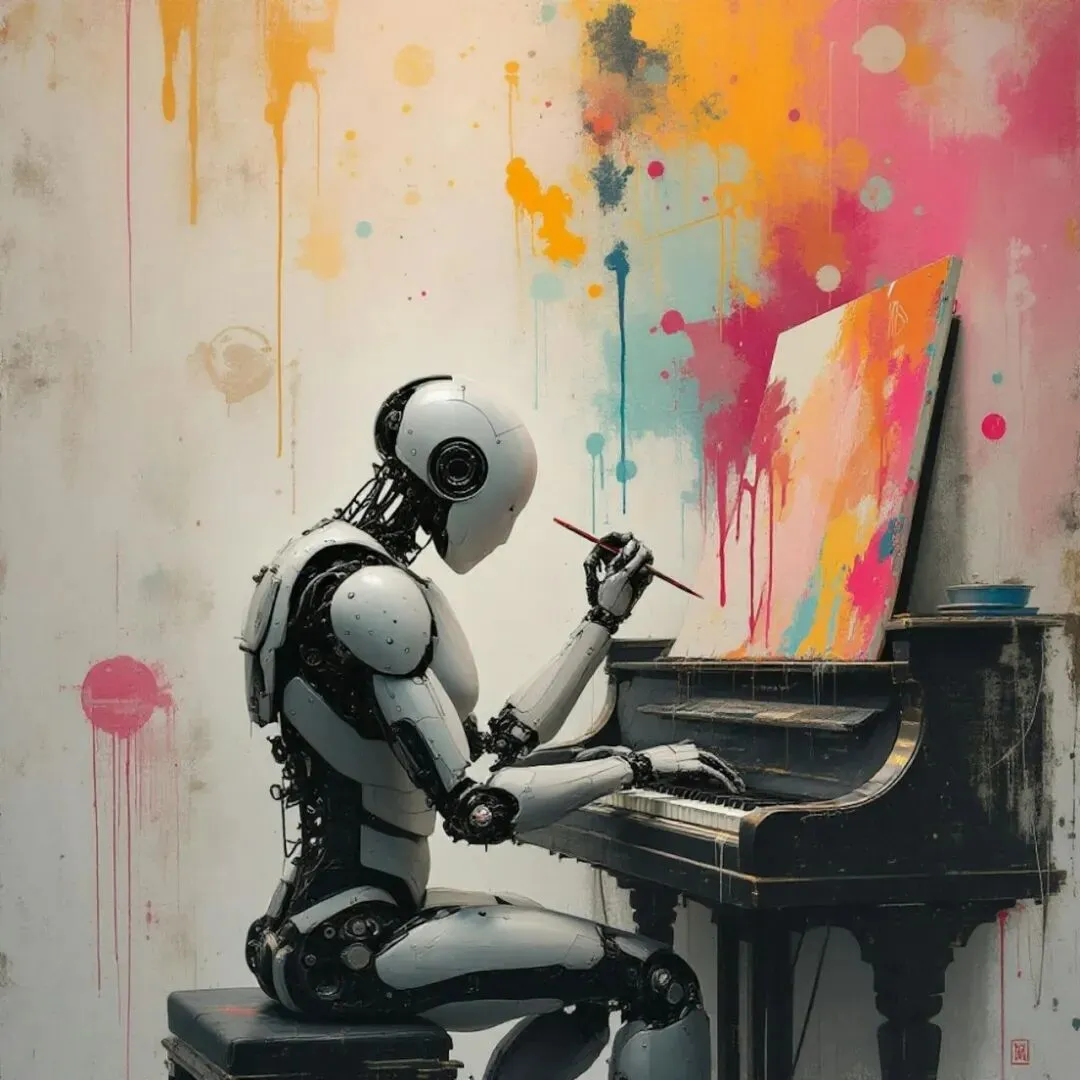
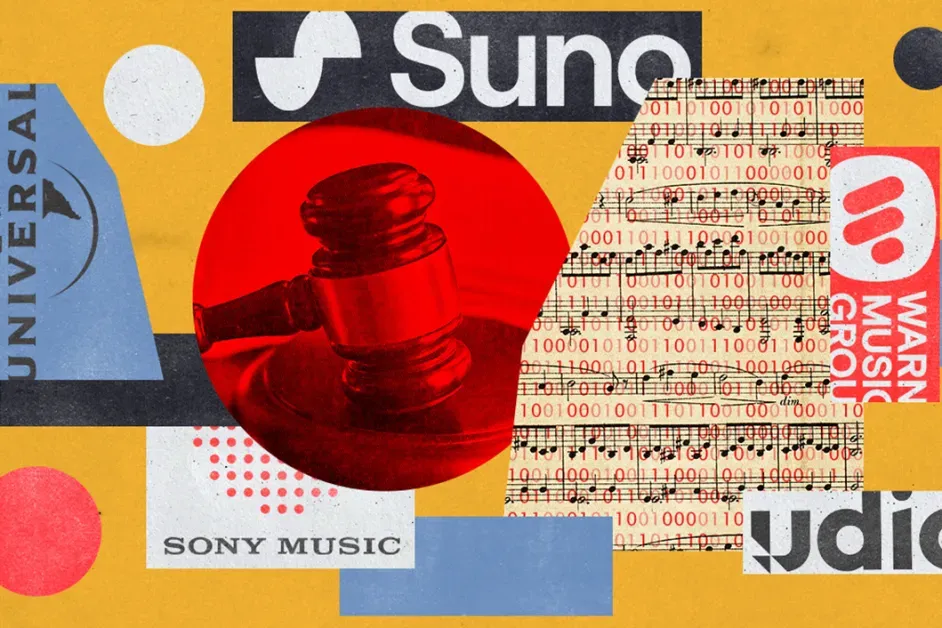
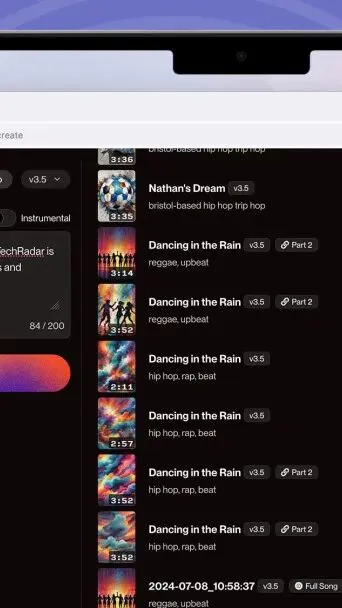
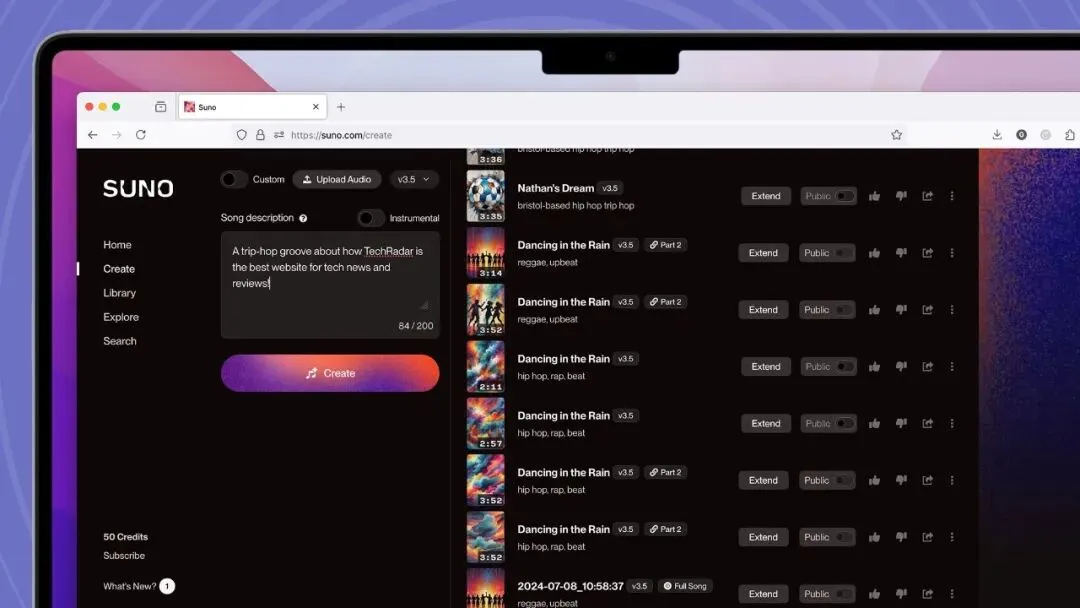
The global music industry encountered an important crossroads in early 2024, owing to the accelerated emergence and proliferation of generative AI platforms, namely Suno and Udio, and the existential crisis this caused for human creators (RIAA).
2024 年初,随着 Suno、Udio 等生成式 AI 平台的快速兴起和普及,全球音乐行业走到了一个重要的十字路口。对于人类创作者来说,这更像是一场生存危机(美国唱片工业协会,RIAA)。


Human Music? AI Music?

01
Backlash from Artists
Many artists contend that the platforms employ "large-scale scraping" of copyrighted music to develop the capacity to generate high-quality music in mere seconds, while emulating the distinct styles and vocal patterns of well-known artists without their permission or remuneration (Artist Rights Alliance).
这些平台通过对受版权保护的音乐进行“大规模抓取”,获得了在几秒钟内生成高质量音乐的能力,并能在未经许可、未支付报酬的情况下模仿知名艺术家的独特风格和声音(艺术家权利联盟)。
R
I
A
A
02
Lawsuits and Damages
Major music companies have initiated lawsuits against the companies, asserting damages amounting to billions of dollars, as the AI companies are "committing industrial-scale infringement" and diminishing the essence of the craftsmanship behind music (RIAA v. Suno Inc.).
各大音乐公司已对这些 AI 公司提起诉讼,索赔金额高达数十亿美元,理由是它们正在“进行工业规模的侵权”,严重削弱了音乐创作背后的工艺本质(RIAA 诉 Suno 公司案)。

Public Backlash
03
"A Hollow Simulacrum"
This is because, according to musicians, the "technologies being developed are not creating new art, they are recombining existing human expression into a hollow simulacrum" and threatening the very existence and sustenance of songwriters and musicians (Livingston).
正如许多音乐人所说,这是因为“当前开发的技术并不是在创造新的艺术,而是把现有的人类表达拼凑成一个空洞的幻影”,最终威胁到词曲作者和音乐家的生存与生计(Livingston)。


AI Threats to Music

This technological leap is considered an "assault on human creativity," and the main perpetrators are the tech conglomerates, which are only interested in commodifying art as a data-driven utility.
这种技术飞跃被视为“对人类创造力的攻击”,而背后的主要推手是科技巨头——他们只关心如何把艺术商品化,变成一种数据驱动的工具。
01
Diluted Loyalty Bases

The extent of the problem can be seen in the numbers, with platforms seeing 100,000 new tracks uploaded daily, and AI-generated music increasingly contributing to a diluted loyalty base and making it difficult for human artists to make a living from music streaming (Ingham).
问题的严重性从数据中可见一斑:各大平台每天上传的新曲目多达 10 万首,生成式 AI 音乐正在不断稀释版税池,让人类艺术家越来越难靠音乐流媒体维持生计(Ingham)。

02
Fighting Back
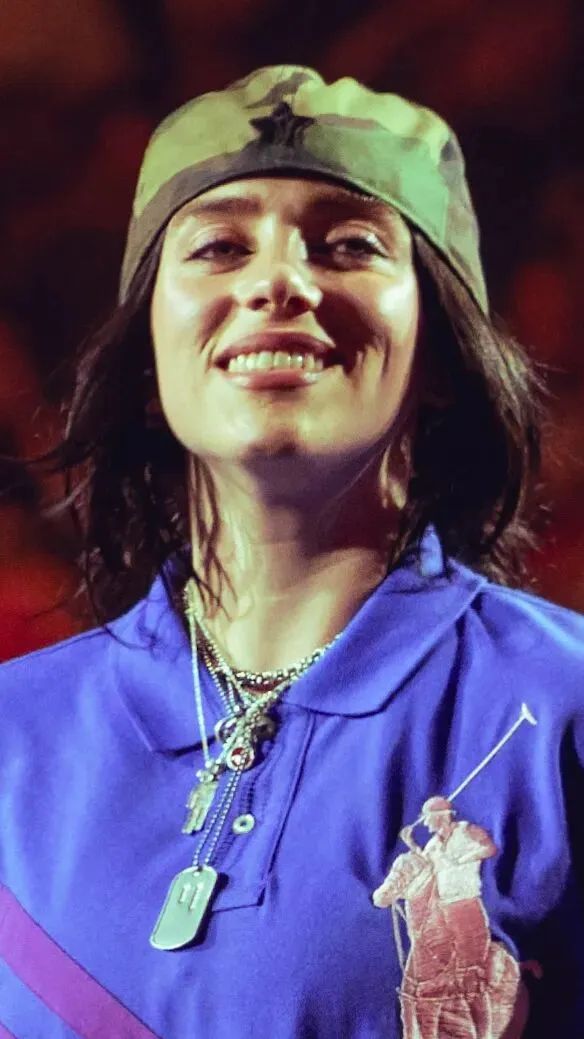
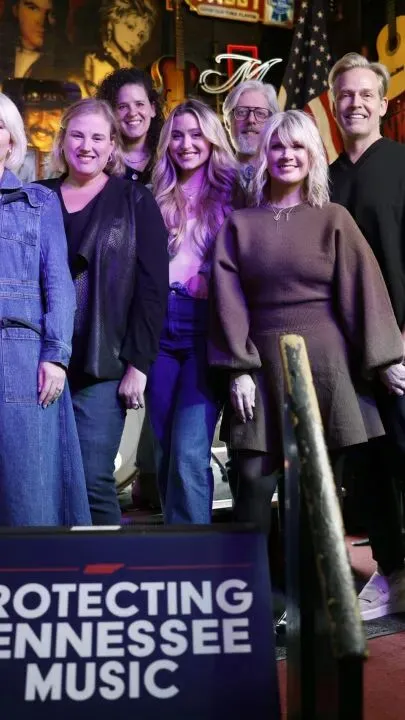
A collective of over 200 prominent artists, including Billie Eilish and Robert Smith, signed an open letter calling on AI companies to "stop the predatory use of AI to steal professional artists’ voices and likenesses" (Artist Rights Alliance).
包括 Billie Eilish、Robert Smith 在内的 200 多位知名艺术家联合签署了一封公开信,呼吁 AI 公司“停止利用 AI 进行掠夺,窃取专业艺术家的声音和肖像”(艺术家权利联盟)。
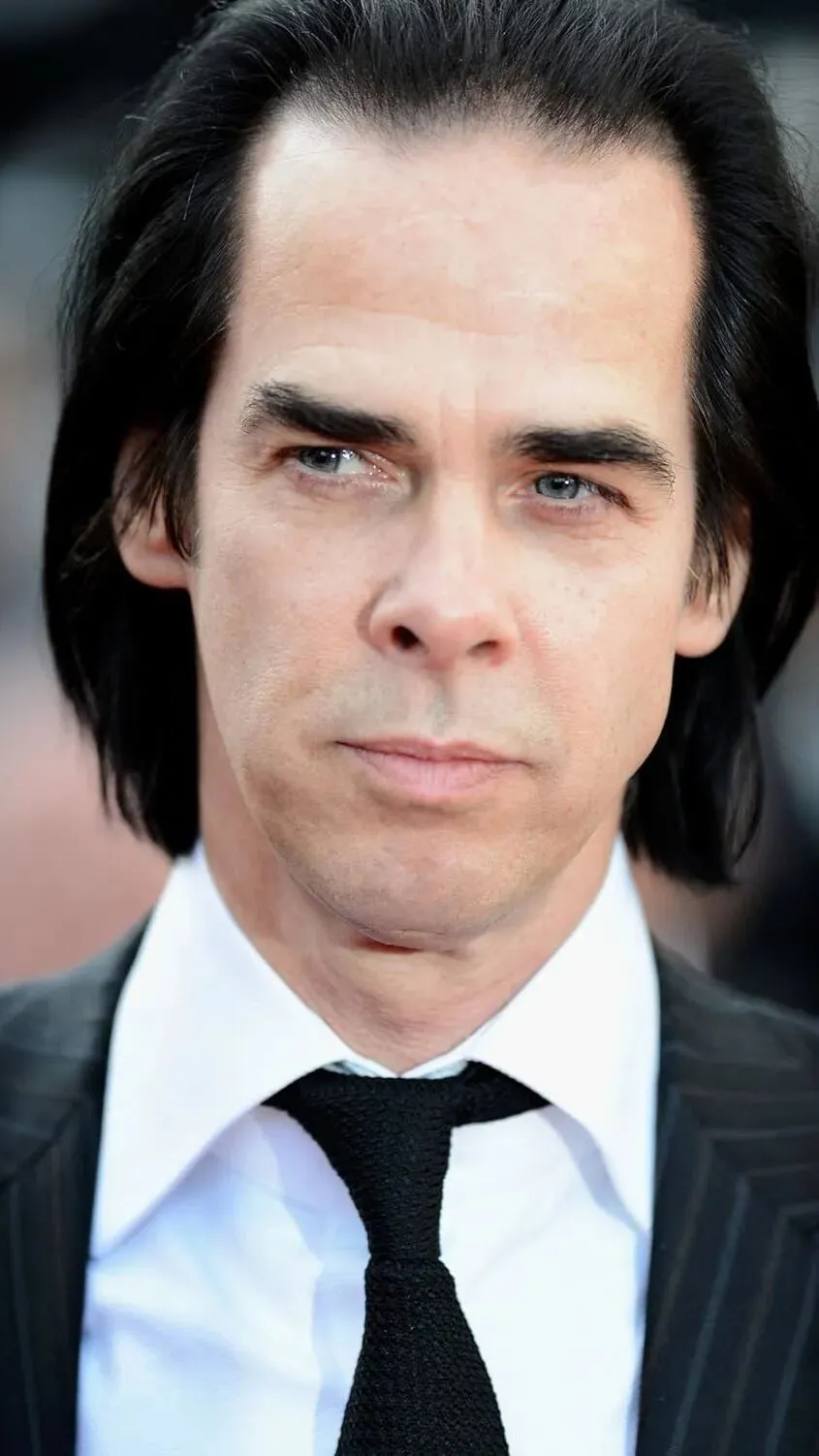
Singer Nick Cave termed AI-generated music "a grotesque mockery of what it is to be human" and said, "You can’t fake human experience, and AI has no human experience" (Cave).
歌手 Nick Cave 则把 AI 生成的音乐形容为“对人类本质的荒谬模仿”,并指出:“你无法伪造人类体验,而 AI 根本没有这种体验”(Cave)。
The ELVIS Act
03
Creating a Firewall

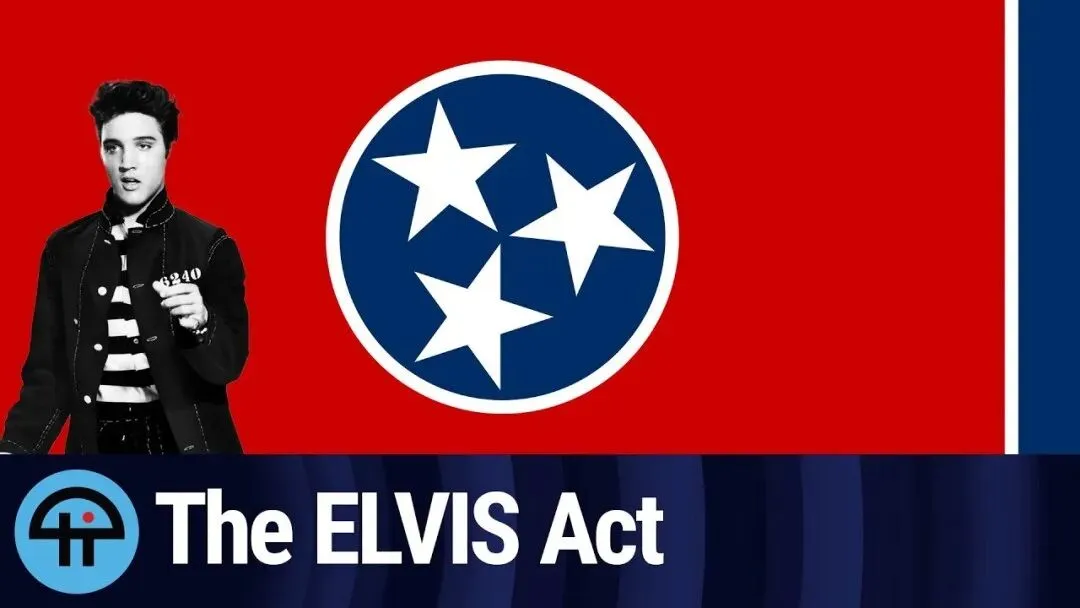
From a legal perspective, the introduction of the ELVIS Act in Tennessee represents a significant move to protect performers' "voice and likeness" from unauthorized AI replication (State of Tennessee). This legislation aims to establish a digital personality right, ensuring that an artist's unique identity cannot be used as training data without explicit contractual consent. Experts believe this could serve as a blueprint for federal laws in the U.S. and Europe, creating a "firewall" between technological innovation and intellectual property theft.
在法律层面,田纳西州出台的《ELVIS 法案》是保护表演者“声音和肖像”免受未经授权的 AI 复制的重要一步(田纳西州政府)。该法案旨在确立一种数字人格权,确保艺术家的独特身份在没有明确合同授权的情况下,不能用作训练数据。有专家认为,这可能为美国联邦法律和欧洲法律提供蓝图,在技术创新与知识产权盗窃之间筑起一道“防火墙”。


Art = Artist?

In the end, the music industry is fighting to establish human-centric protections rather than letting algorithms define the future of music. In asserting the legality of "art requires an artist," the industry is taking a definitive stand to ensure that the "soul" of music is maintained as a human endeavor in an increasingly automated world.
最终,音乐行业正在努力建立以人为本的保护机制,而不是让算法来定义音乐的未来。通过在法律上强调“艺术需要艺术家”,这个行业正在坚定地表明:在一个日益自动化的世界里,音乐的“灵魂”依然属于人类。
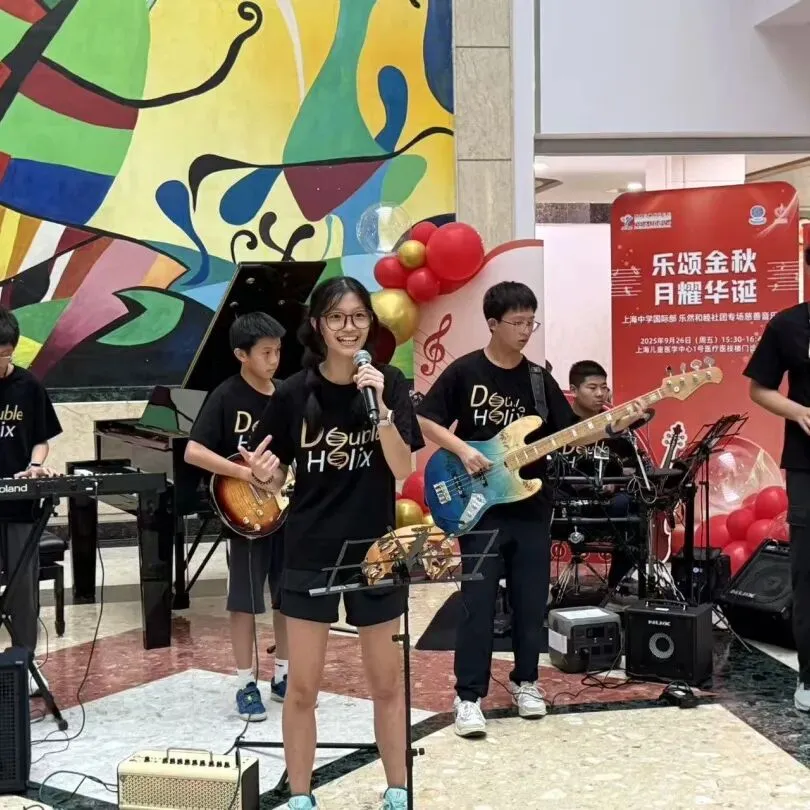
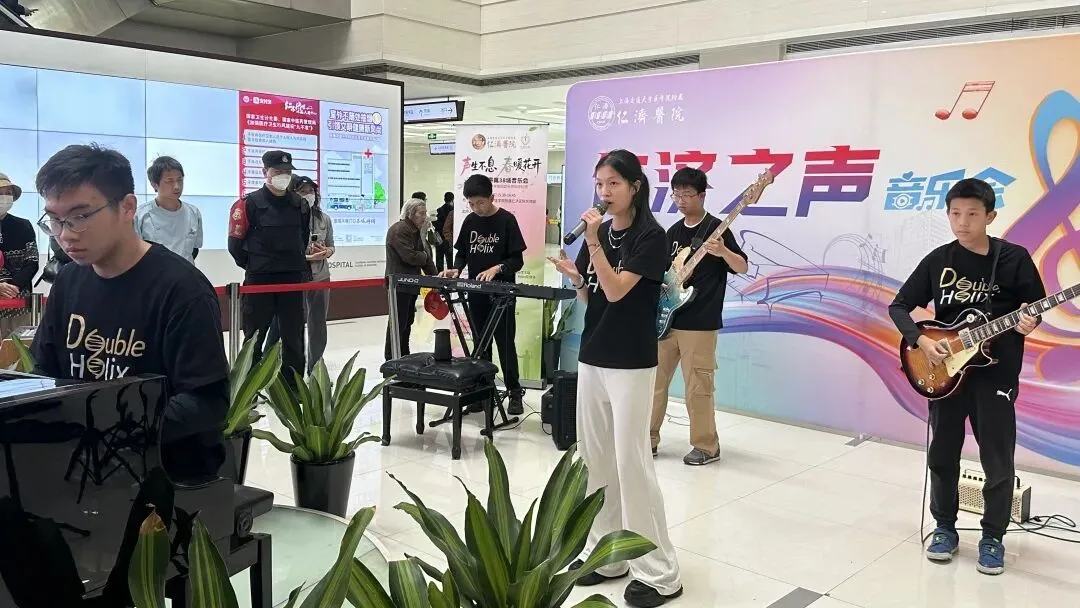
Even if AI is more efficient and prolific than any human artist, the humanity aspect cannot be taken out of the musical tradition. Amid all the algorithmic clamor comes Double Helix, a group of student musicians that showcases the fact that true art cannot be synthesized but has to come from the soul of people.
我们依然相信人类的音乐带来真实而温暖的感动和情感联结,请关注我们乐队的微信视频号Double-Helix。

The End
Drafting | Leo Kong
Translating | Cathy Jin
Formatting | Leo Kong