 夜雨聆风
夜雨聆风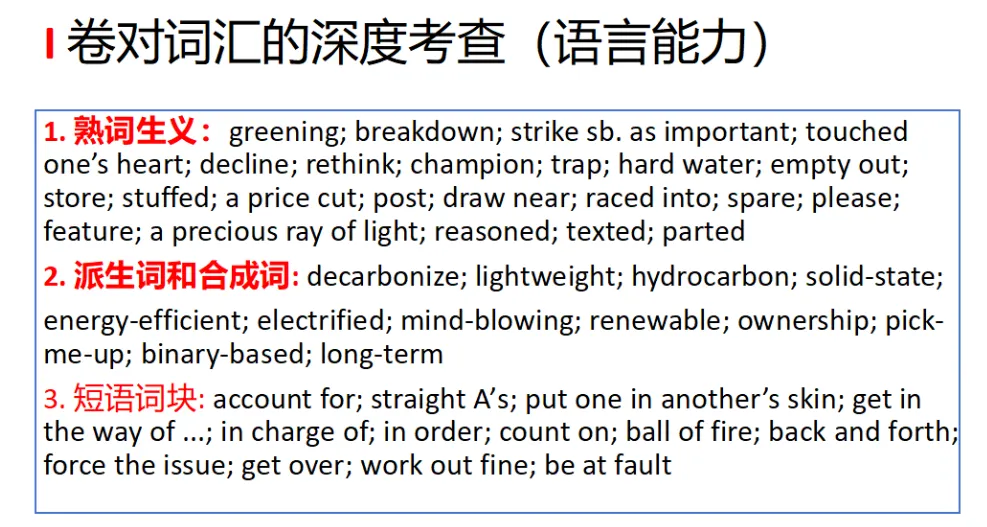
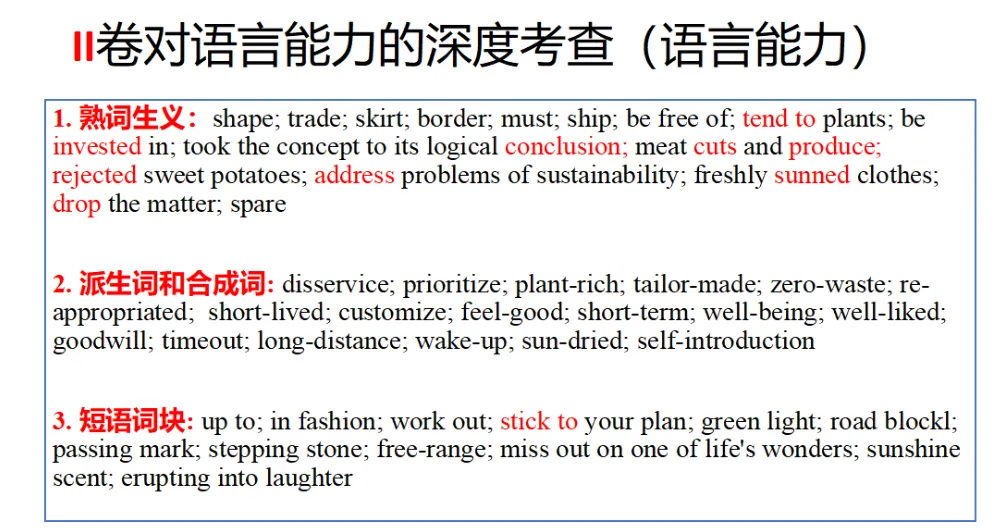
A篇:华盛顿特区最佳中餐厅
1. fine
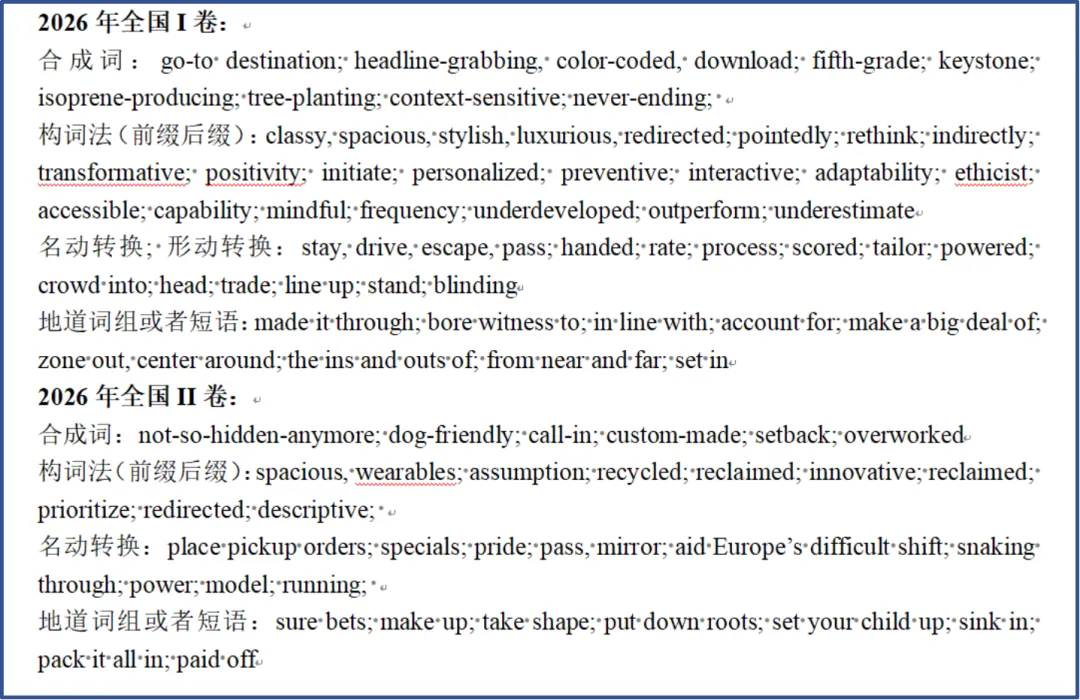
原句:This not-so-hidden-anymore fine restaurant for Sichuan cuisine...
常见义:好的,罚款(形容词/名词)。
语境义:高档的,精致的(形容词)。
讲解:学生常把 fine 简单理解为“好”,但在餐饮语境中 fine dining / fine restaurant 专指“高级/精美餐厅”。
新例句:They celebrated their anniversary at a fine French restaurant.
2. sure bet
原句:Dandan noodles and mapo tofu are sure bets.
常见义:打赌。
语境义:万无一失的选择,必点招牌。
讲解:bet 指“赌注”,sure bet 意思是“绝对有把握的事物”。在餐厅语境中,指那些口感极佳、绝不会“踩雷”的菜品。
新例句:If you love spicy food, the hot pot is a sure bet.
3. specials
原句:It also serves a variety of chef’s specials, beef with rice cakes, and more.
常见义:特别的(形容词)。
语境义:特色菜,今日特价菜(名词)。
讲解:形容词直接用作可数名词,在餐饮和零售行业极常见,特指餐厅的“主厨推荐”或“特价菜”。
新例句:Let's ask the waiter about today's lunch specials.
4. place (orders)
原句:Customers can also place pickup orders online for lunch or dinner...
常见义:地方,位置(名词)。
语境义:发出,下(订单)(动词)。
讲解:名词转化为动词。在商业购物语境中,place an order 属于高频固定搭配,意指“下订单”。
新例句:She placed an order for a new laptop yesterday.
5. in the mix
原句:...with creative wine tastings in the mix.
常见义:在混合物中。
语境义:包含在内,作为一部分。
讲解:地道短语,表示某事物被包括在所提供的选项、活动或整体体验之中。
新例句:The festival offers music, food, and plenty of fun activities in the mix.
6. nod
原句:...natural wine list that earned her a Michelin nod.
常见义:点头(名词/动词)。
语境义:认可,赞赏,提名(名词)。
讲解:本意是点头赞许,在此处引申为在专业评价体系(如米其林指南)中“获得权威认可”或“提名”。
新例句:The director received a nod from the critics for his brilliant work.
B篇:百岁老人与名家设计的住宅
7. pride
原句:But that’s not the thing he prides himself on.
常见义:骄傲,自豪(名词)。
语境义:为……感到自豪(动词)。
讲解:名词作动词,构成 pride oneself on... 搭配,意思是“以……为傲”。
新例句:Our school prides itself on its excellent academic record.
sound
原句:But what they liked, they couldn’t afford on his sound engineer’s salary...
常见义:声音;合理的,健全的。
语境义:音频,音响。
讲解:学生极易将 sound 误译为“合理的工程师”,这里 sound engineer 是一项具体职业,即“音响/录音工程师”。
新例句:He works as a sound engineer in a film studio.put down roots
原句:Back in 1951, Reisley was just 26, newly married and ready to put down roots.
常见义:放下树根。
语境义:扎根,安家落户。
讲解:运用了植物的暗喻,把人长期在一个地方稳定生活比作植物“向下扎根”。
新例句:After years of traveling, they decided to put down roots in a quiet town.
10. make up
原句:It’s one of 47 that make up the peaceful mid-20th-century modern village of Usonia.
常见义:化妆;编造;弥补。
语境义:组成,构成。
讲解:指多个独立的部分组合在一起,构成了一个完整的整体。
新例句:These three small departments make up the core of the company.
11. signature
原句:The house has signature Wright features.
常见义:签名(名词)。
语境义:标志性的,专属的,鲜明特征的(形容词)。
讲解:名词作形容词。就像签名代表一个人的独特身份一样,这里指具有建筑师莱特“强烈个人标志性风格”。
新例句:The chef prepared her signature dish for the distinguished guests.
12. custom-made
原句:It is made with local materials, has a flat roof, wood paneling, concrete floors and custom-made furniture.
常见义:习惯制作的(易字面误解)。
语境义:定制的,量身定做的(形容词)。
讲解:由 custom(定制)和 made(制作)组合而成的复合形容词,指专门为某人或特定需求“量身定做”。
新例句:He bought a pair of custom-made shoes for his wedding.
13. attached
原句:He is very attached to Wright buildings. (第27题选项A)
常见义:附加的,连接的(形容词)。
语境义:依恋的,充满感情的(形容词)。
讲解:常见搭配 be attached to sb./sth. 表面上是“附着于”,引申为情感上的“深深依恋、舍不得”。
新例句:She is very attached to her old childhood toys and won't throw them away.
C篇:海平面的概念与历史
14. reading
原句:...we began discussing the readings offered by our altimeters.
常见义:阅读(名词)。
语境义:读数,测量数据(名词)。
讲解:指仪表、仪器(如测高仪、温度计等)上显示的测量数字,是科技类说明文常考词义。
新例句:The thermometer gave a reading of 38°C.
15. wearables
原句:Simple readings are now readily available on our phones and wearables.
常见义:适合穿戴的(形容词)。
语境义:可穿戴智能设备(名词)。
讲解:由形容词 wearable(可穿戴的)加 -s 变为复数名词,特指智能手表、运动手环等“可穿戴智能电子设备”。
新例句:Smartwatches and fitness trackers are popular wearables today.
16. place
原句:...the issue of sea-level rise and the need to place it historically have only become more urgent...
常见义:地方(名词)。
语境义:放置,将……置于(某种背景/语境中考虑)(动词)。
讲解:隐蔽的熟词生义。这里 place it historically 意为“将海平面上升这一问题放在历史长河中去审视”。
新例句:To understand the painting, you must place it in its cultural context.
17. pass
原句:Resting on a pass near the Pradidali hut, we began discussing...
常见义:通过,传递(动词)。
语境义:山口,关隘(名词)。
讲解:在地理和户外徒步的语境中,pass 特指山脉中两座山峰之间可以通过的狭窄“通道”。
新例句:The hikers struggled to cross the mountain pass in the heavy snow.
18. take shape
原句:Appropriately, the book took shape during a summer spent between sea and mountains.
常见义:形成形状。
语境义:初具规模,成型,具体化。
讲解:指一个原本抽象的想法或作品开始发展并有了清晰的框架。
新例句:His business plan began to take shape after months of research.
19. mirror
原句:These stages mirror the development of human conceptions of the sea.
常见义:镜子(名词)。
语境义:反映,体现(动词)。
讲解:名词转化为动词,极其生动地表示像镜子一样准确映照出事物的发展变化。
新例句:The decline in sales mirrors the overall economic downturn.
20. mean
原句:In this book I examine three crucial stages in the history of mean sea level.
常见义:意味着,打算(动词);刻薄的(形容词)。
语境义:平均的(形容词)。
讲解:在数学、科学和地理等学术语境中,mean 经常作为形容词表示“平均的”。mean sea level 即“平均海平面”。
新例句:The mean temperature for July in this city is 25°C.
D篇:巴塞罗那地铁的绿色能源项目
21. pour out
原句:...the doors slide open and passengers pour out to go about their daily business.
常见义:倒出(水等液体)。
语境义:大量涌出。
讲解:形象地将乘客比作液体,车门一开,人群像水一样“涌出”地铁车厢。
新例句:When the bell rang, students poured out of the classrooms.
22. package
原句:Barcelona has put together a package of clean energy technologies...
常见义:包裹(名词)。
语境义:一揽子(计划、政策、技术),综合方案(名词)。
讲解:指“打包在一起提供的一整套事物”,此处指“一套综合的清洁能源技术方案”。
新例句:The government offered an attractive package of benefits to foreign investors.
23. shift
原句:...aid Europe’s difficult shift to the privately owned electric vehicle market.
常见义:移动,轮班(名词/动词)。
语境义:转变,过渡(名词)。
讲解:在此处指产业结构、市场重心或生活方式的宏观“转变”。
新例句:We need a rapid shift away from fossil fuels.
24. power
原句:...the energy from the underground trains’ brakes is used to power the trains...
常见义:力量,权力(名词)。
语境义:为……提供动力,供电(动词)。
讲解:名词作动词,在能源科技类文章中极高频,指提供运转所需的电力或能量。
新例句:This remote village is powered by solar energy.
25. snake
原句:...while the remainder is sent snaking through cables to the surface...
常见义:蛇(名词)。
语境义:蜿蜒行进,曲折延伸(动词)。
讲解:名词动用,描绘出地下收集的电能顺着电缆像蛇一样弯弯曲曲传输的动态过程。
新例句:The narrow road snakes its way up the steep mountain.
第二节(七选五):如何从小培养孩子的责任感
26. drill
原句:In fact, building work ethic in kids doesn’t require military-style drills.
常见义:电钻;钻孔。
语境义:反复的训练,操练。
讲解:military-style drills 这里指像军队一样枯燥、严格、机械的“操练”或“规矩”。
新例句:The teacher gave the students a pronunciation drill.
27. running
原句:Involve your child in the daily running of the house...
常见义:跑步(名词/动名词)。
语境义:日常运转,打理(名词)。
讲解:由动词 run(经营/打理)衍生而来,指维持家庭日常起居运作的各项琐事。
新例句:She is responsible for the day-to-day running of the hotel.
28. model
原句:Model the work ethic you want to see.
常见义:模型,模特(名词)。
语境义:做榜样,亲自示范(动词)。
讲解:作动词指“作为行为标准向他人展示”。教育语境中常指家长给孩子“树立榜样”。
新例句:Parents need to model respectful communication at home.
29. strike
原句:Few things strike fear into a child’s heart like the prospect of failing.
常见义:击打,罢工(动词/名词)。
语境义:使(心里)突然产生,引发(动词)。
讲解:strike fear into 指把恐惧重重地“击打”入内心,即“使人深感恐惧”。
新例句:The sudden roar of the lion struck terror into the tourists.
30. mess up
原句:When kids mess up, don’t jump in with a rescue mission.
常见义:弄脏。
语境义:犯错,搞砸。
讲解:非常地道的口语表达,指把事情做糟了,或者犯了错误。
新例句:I really messed up the job interview because I was too nervous.
31. sink in
原句:Progress can be slow, and you’ll wonder if it’s all sinking in.
常见义:下沉,沉没。
语境义:被完全理解,被彻底吸收,深入人心。
讲解:比喻教导或道理像水渗入地下一样,渐渐被孩子的大脑接收并真正理解。
新例句:The teacher explained the formula twice before it finally sank in.
32. set (someone) up
原句:Those habits you’re building now are setting your child up for a lifetime of resilience and satisfaction.
常见义:建立,安装。
语境义:为某人未来的(成功)打下基础,使做好准备。
讲解:set sb up for sth 表示培养习惯或给予条件,以确保他们在未来能获得好的结果。
新例句:Winning this scholarship will set him up for a bright academic future.
第三部分 第一节(完形填空):成为作家的心路历程
33. take (what it takes)
原句:...I didn’t think I quite had what it took.
常见义:拿走,花费(动词)。
语境义:需要(具备的素质、勇气、条件)。
讲解:what it takes 是固定表达,意为“取得成功所必须具备的条件/能力/特质”。
新例句:She is smart, hardworking, and definitely has what it takes to be a great leader.
34. lecture
原句:Who was I to lecture them on bravery and risk when I had never taken myself... seriously?
常见义:讲座,授课(名词/动词)。
语境义:说教,训诫(动词)。
讲解:这里并非指正儿八经地上课,而是带有贬义的“说教”,作者反思自己没有资格对学生“纸上谈兵”大谈勇气。
新例句:Please don't lecture me on how I should spend my own money.
35. pack it all in
原句:There were times when I found myself wondering if I should pack it all in...
常见义:把东西全都打包放进去。
语境义:放弃,洗手不干(地道口语)。
讲解:字面意思是“打包走人”,实际指面对困难时,想要放弃正在从事的事业或学习。
新例句:The pressure was so intense that she almost packed it all in.
第三部分 第二节(语法填空):第一次打太极
36. morning person
原句:Although not a morning person, I begin my lesson with Angela... at 7am.
常见义:早上的人。
语境义:习惯早起的人(地道表达)。
讲解:常用于口语中,与之相对的是 night owl(夜猫子)。
新例句:Don't talk to me before I have my coffee; I'm not a morning person.
第四部分 第二节(读后续写):“夜猫子”改变作息
37. at ease
原句:...feeling completely at ease doing my homework in bed...
常见义:容易。
语境义:轻松自在,无拘无束。
讲解:指身体和心理上没有任何压力,非常舒服的状态。
新例句:The doctor's kind words made the patient feel at ease.
38. dream up
原句:I would even dream up through the imagined work...
常见义:做梦。
语境义:凭空想出,虚构出。
讲解:指通过想象,在脑海里构思出一些不切实际或充满创意的东西。
新例句:I wonder who dreamed up this crazy plan.
39. sharp
原句:Hardly had I turned my head when I felt a sharp pain in my chest.
常见义:锋利的,尖锐的(形容词)。
语境义:(疼痛等感受)剧烈的,强烈的,刺骨的(形容词)。
讲解:本意是“锋利的(如刀子等利器)”,在这里属于跨语境搭配,用来形容身体感受,指像被利器刺中一样“一阵阵的剧痛”。
新例句:He suddenly felt a sharp pain in his stomach and had to sit down.
40. pay off
原句:Slowly but surely, my efforts to adjust to the new routine paid off.
常见义:付清(欠款)。
语境义:取得成功,得到回报,见效。
讲解:指前期的辛苦付出、努力或做出的改变最终产生了积极的、好的结果,没有白费。
新例句:His early mornings and late nights at the library finally paid off when he passed the exam.