 夜雨聆风
夜雨聆风Why the market for histories of depressions is red hot
经济萧条史为何突然炙手可热
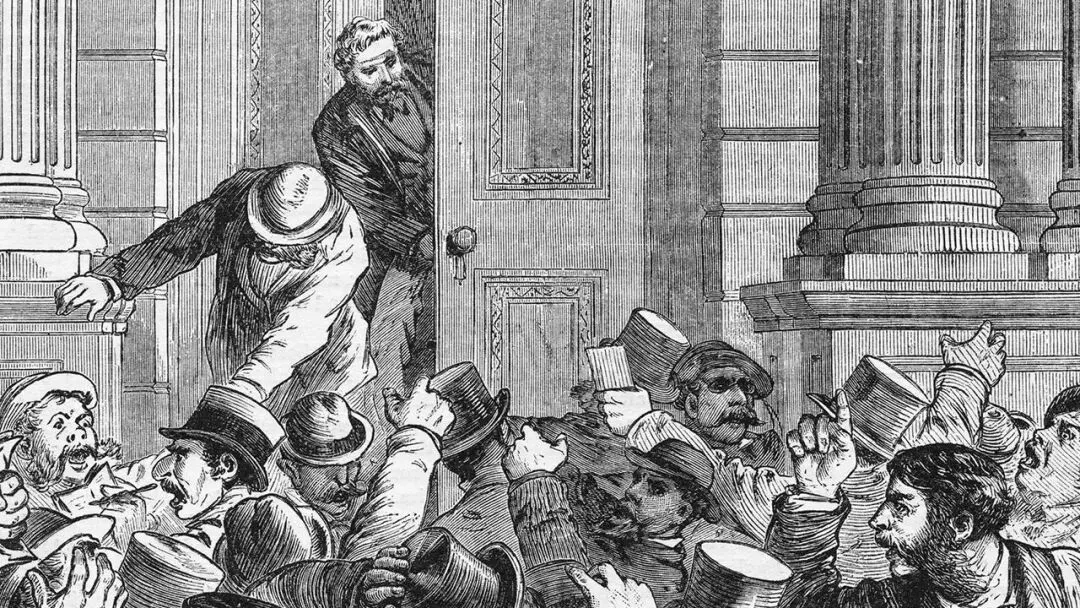
“1873”, a new book, offers some lessons for the AI craze
《1873》一书为当下的AI狂热提供了历史参照
Liaquat Ahamed, an American author, has excellent timing. His first book, “Lords of Finance”, charted how blunderingcentral bankers plunged the world into a depression after the Wall Street crash of 1929. It was published in 2009, when crises were on policymakers’ minds and lips.
美国作家利亚卡特·阿哈迈德(Liaquat Ahamed)总是“恰逢其时”。他的第一本书《金融家之王》(Lords of Finance)讲述了1929年华尔街崩盘后,一群失策的央行行长如何将世界推入大萧条。这本书出版于2009年——彼时危机正占据政策制定者的全部思考与讨论。
chart记录 / 梳理 / 描述
blundering失误频频的 / 笨拙犯错的
central banker中央银行家 / 央行官员
His new book also catches the moment. Rocketing share prices have made some investors feel torn between giddy enthusiasm about AI and fear that the boom will turn to bust. Perhaps in part because of this, Andrew Ross Sorkin’s “1929”, an account of the Wall Street crash that was published last year, spent more than six months on the New York Times bestseller list. In “1873” Mr Ahamed tells the story of how the global railway boom of the 19th century ran out of steam, setting off what was then called “the great Depression”.
他的新书同样踩在时代情绪的节点上。股价飙升让不少投资者在AI带来的狂热兴奋与泡沫破裂的恐惧之间摇摆不定。或许正因如此,安德鲁·罗斯·索尔金(Andrew Ross Sorkin)的《1929》——一本关于华尔街崩盘的著作——去年出版后,在《纽约时报》畅销榜上停留了六个多月。在《1873》中,阿哈迈德讲述了19世纪全球铁路繁荣如何逐渐失速,并引发当时被称为“第一次大萧条”的危机。
run out of steam失去动力 / 衰竭 / 走不动了
The AI boom is often compared to the craze for railways; this book shows just how much the comparison flatters today’s tech bros (though the author does not mention them). In the two decades to 1870, the output of the four dominant economies (Britain, America, France and Germany) almost doubled, and global trade volumes expanded five-fold. “Powering this surge”, writes Mr Ahamed, “was a jump in capital investment…led by railroad construction.” In 1869 the first transcontinental railway across America collapsed the time taken to travel from New York to San Francisco from six months to six days.
AI热潮常被拿来与当年的铁路狂热相提并论;而这本书则清楚显示,这种类比其实在某种程度上“抬高”了当今科技创业者的形象(尽管作者并未直接点名)。在1870年前的二十年里,四个主要经济体(英国、美国、法国和德国)的产出几乎翻倍,全球贸易量增长了五倍。“推动这一增长的核心动力,”阿哈迈德写道,“是资本投资的大幅跃升……其中以铁路建设为主导。”1869年,美国首条横贯大陆铁路通车,将纽约到旧金山的旅行时间从六个月压缩到六天。
How did it all go wrong? As in so many booms, investors’ justified optimism about a revolutionary new technology eventually became divorced from reality. Central Europe’s bull market was turbocharged byreparations from France to Germany after the Franco-Prussian war, “akin to shooting a jolt of cocaine directly into the bloodstream”. Share prices of the biggest firms listed in Berlin doubled over the two years to 1872. In Vienna, share prices quadrupled over the three years to 1873. Fraud ran rampant on both sides of the Atlantic.
这一切是如何失控的?和许多繁荣周期一样,对革命性技术的合理乐观最终与现实脱节。中欧的牛市被法普战争后法国向德国支付的巨额赔款进一步推高,“就像直接往血管里注入了一剂可卡因”。柏林最大上市公司的股价在1872年前两年翻倍;维也纳股市在1873年前三年更是上涨四倍。诈骗在大西洋两岸泛滥成灾。
be divorced from reality脱离现实
by turbocharged by被……强力推动
reparation赔款 / 战后赔偿金
run rampant肆意横行 / 泛滥
In 1873 a clutch of senior Austrian railway officials was arrested for fraud, and demand for stocks faltered at last, even as plenty of new ones were issued. And so within months, a huge crash began. Bank stocks in Vienna fell by 45% in a single day. American railway companies, also riddled with fraud, defaulted en masse. Global lending dried up and output with it.
1873年,一批奥地利铁路高管因欺诈被捕,市场需求终于开始松动,尽管新股仍在持续发行。于是,仅仅数月之内,一场全面崩盘爆发:维也纳银行股在一天之内暴跌45%。美国铁路公司同样因广泛造假而集体违约。全球信贷迅速冻结,产出随之塌陷。
a clutch of一批 / 一组(数量不多但集中出现)
falter失去信心 / 减弱 / 动摇 / 停滞
default违约 / 无法偿债
Across the world the crash triggered “a massive deflation in prices that would reverberate for the next quarter-century”. In America industrial production fell by 6% and the prices of wholesale goods by 35%. This was great news for owners of government bonds, since these became much more valuable as the purchasing power of money rose. But for others, the relentless rise in the real value of debt was a disaster. “The losers…came from every stratum of society and could be found in every country on every continent,” writes Mr Ahamed.
这场危机在全球引发了“一场持续近四分之一个世纪的剧烈通缩”。在美国,工业产出下降6%,批发商品价格暴跌35%。政府债券持有者反而受益,因为货币购买力上升使债券更值钱;但对其他人来说,债务的实际负担不断加重,成为灾难。“失败者遍布社会各个阶层,分布在世界上每一个国家、每一块大陆,”阿哈迈德写道。
In 2026, with the AI craze gaining a distinctly manic edge, a lot of this sounds familiar and frightening. In fact, Mr Ahamed’s skilful and deeply researched narrative should help doomsters cheer up a bit. For the crash did not have to produce decades of upheaval. The lesson from 1873—and indeed from “1873”—is that many things need to go wrong at once for a massive, sustained shock. As in the 1930s, this one metastasised owing to blunders by flawed policymakers.
到了2026年,在AI热潮逐渐显露出躁动甚至狂热迹象之际,这一切听上去既熟悉又令人不安。不过,阿哈迈德这部细致扎实的叙述,或许反而能让“末日论者”稍微松一口气:因为历史表明,大规模崩溃并不必然导致长期动荡。1873年的教训——也正是《1873》的核心观点——是:要发生一场持续性的巨大冲击,往往需要多重条件同时出错。而类似1930年代那样的长期恶化,往往源于政策制定者的失误叠加放大。
gain a distinctly manic edge变得明显狂热,指市场不仅仅是乐观,而是进入了一种盲目狂热的状态,这里的edge是指某种倾向/性质/特征
doomster灾难论者 / 末日论者
metastasis(危机)恶化扩散 / 像癌症一样扩散
Mr Ahamed mostly blames the “totally unnecessary reordering of the global currency system” that followed railway mania. In the space of just two years America and much of continental Europe (notably France and Germany) abandoned silver as a monetary metal, shifting to a pure gold standard. The decisions to do so choked off the supply of money just when it should have been expanded to fight the slump, transforming a financial crash into a quarter-century of deflation.
阿哈迈德主要将责任归咎于铁路泡沫破裂后“完全不必要的全球货币体系重组”。短短两年内,美国及欧洲大陆大部分国家(尤其是法国和德国)放弃白银货币,转向纯金本位。这一决策恰恰发生在经济本应扩大货币供给以应对衰退之时,结果反而收紧了流动性,把一场金融危机拖成了持续四分之一个世纪的通缩。
choke off the supply of掐断...供应 / 切断...来源
It is unthinkable that central bankers today—primed to fear deflation above all and to bail out economies at the first sign of trouble—would make similar missteps. And had their 19th-century counterparts acted differently, the crisis of 1873 might have been remembered as a minor setback: just another stock-market panic among many. The bail-outs of the 21st century raise plenty of their own problems. But should AI mania evaporate any time soon, do not fear another depression.
很难想象当今央行——高度警惕通缩风险,并在经济稍有风吹草动时就倾向于出手救市——会犯下类似错误。即便19世纪的政策制定者当初采取不同路径,1873年的危机也可能只会被记作一次小规模冲击:众多股市恐慌之一。21世纪的救助机制本身也并非没有代价。但如果AI狂热终有一天退潮,也不必担心它会再度演变成一场大萧条。
be primed to预先准备好 / 处于随时会……的状态,已经被调教好会做某事
bail out economies救助经济 / 对经济进行财政援助