 夜雨聆风
夜雨聆风OpenAI 现在正在分崩离析。
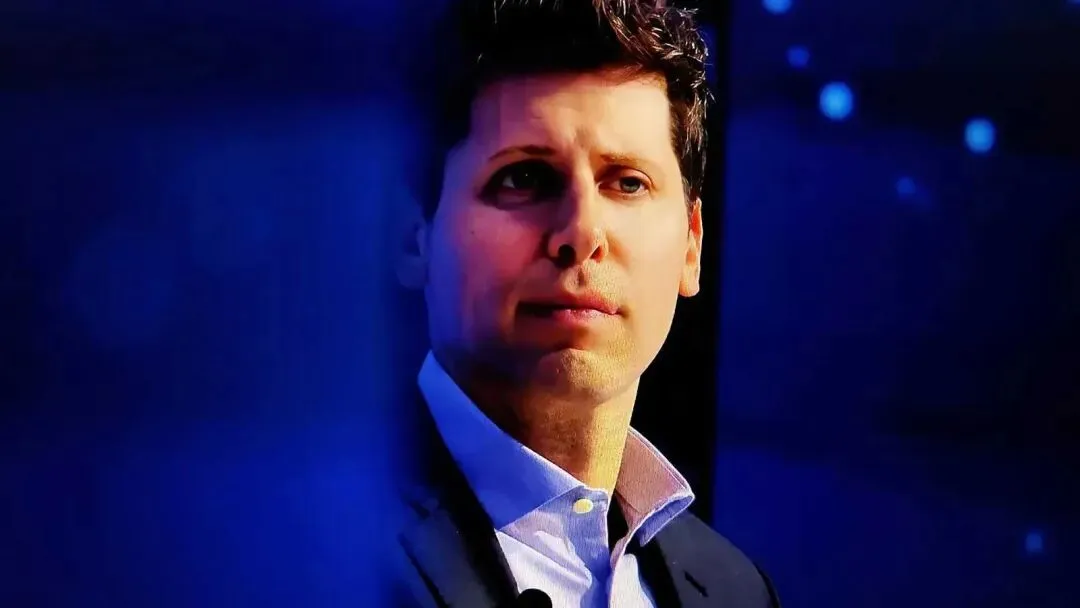
最近,该公司最重要的 9 位领导者相继离职,而奥特曼(Altman)正准备向公众发售股票。
其中两位甚至是在 OpenAI 向自家员工发放 70 亿美元现金的 72 小时内就离开了。
8 月 10 日(周一),OpenAI 完成了一项交易,允许现任和前任员工出售约 70 亿美元 的股份。该交易对公司的估值为 8520 亿美元,与 3 月份融资轮次的估值完全一致。
8 月 11 日(周二),布拉德·莱特卡普(Brad Lightcap)宣布离开,他已在 OpenAI 工作 8 年。其中 4 年他担任首席财务官,随后从 2022 年起至今年 4 月,他作为首席运营官负责公司运营。在 OpenAI 成立之前,他曾与萨姆·奥特曼在 Y Combinator 共事。
8 月 13 日(周四),首席营收官丹尼斯·德雷瑟(Denise Dresser)宣布离职。她于去年 12 月从 Salesforce 被挖来,此前曾是 Slack 的 CEO。今年 4 月,她接手了莱特卡普的大部分职责。她只待了 8 个月。
现金窗口周一打开,到周四,负责商业侧的两名高管都已离开。
但真正有意思的是:那张 70 亿美元的支票究竟是谁开的?
以往 OpenAI 每次允许员工套现时,都是由外部投资者购买股份。去年 10 月,Thrive Capital、软银等机构以接近 5000 亿美元的估值投入了 66 亿美元;2024 年还有过一轮 15 亿美元的同类型交易。
但这一次,OpenAI 自己回购了这些股份,用的是自己的钱。
也就是说,没有任何外部投资者为这个 8520 亿美元的估值投入一分钱。公司自己报了一个价,然后自己付了钱。
这是一家每月营收约 20 亿美元,但每赚 1 美元就要亏损约 1.22 美元 的企业。
而它刚刚花了 70 亿美元 现金,以一个未经任何第三方检验的价格,买回了自己的股票。
以下是自 4 月以来离职的完整人员名单:
· 比尔·皮布尔斯(Bill Peebles),负责 Sora 视频应用
· 凯文·韦尔(Kevin Weil),OpenAI 科学部副总裁
· 斯里尼瓦斯·纳拉亚南(Srinivas Narayanan),B2B 应用技术负责人
· 凯特·劳奇(Kate Rouch),首席营销官
· 乔什·阿奇亚姆(Josh Achiam),首席未来学家,任职近 9 年
· 约翰内斯·海德克(Johannes Heidecke),安全系统负责人
· 克洛伊·巴卡拉尔(Chloe Bakalar),OpenAI 唯一专职伦理岗位的员工
· 布拉德·莱特卡普(Brad Lightcap)
· 丹尼斯·德雷瑟(Denise Dresser)
巴卡拉尔于 7 月离职,OpenAI 从未对外公布,至今也无人接替她的职位。
同月,菲吉·西莫(Fidji Simo)也卸任,此前公司三分之二的业务向她汇报。
格雷格·布罗克曼(Greg Brockman)接手了她的大部分工作。他还于本周介绍了德雷瑟的继任者——一位来自 Wiz 的高管,名叫达利·拉吉奇(Dali Rajic)。
OpenAI 于 6 月 8 日 秘密提交了 IPO 文件。但包含经审计财务数据的完整招股说明书至今仍未披露。
所以,整个操作顺序值得细品:
6 月提交文件 → 8 月以自定价格回购内部股份 → 同周眼睁睁看着商业团队核心人物离开 → 然后才向公众公开账本。
散户投资者将在这些人都已做出离职决定之后,才第一次看到那份文件中的财务数字。
萨姆·奥特曼在 6 月告诉员工,他预计在 一年内 上市。但后来的报道指向 2027 年,而如此规模的要约回购,通常发生在上市尚不临近时。
以下是我对接下来走势的判断:
那份招股书会拿出一条足够亮眼的营收数字来撑起故事,而高管更迭则会被埋在风险因素栏里,几乎没人会去读。
本月给 OpenAI 标价 8520 亿美元的人,正是那些从中套现的人;而下一批买家,将不会再享有这种待遇。
OpenAI is falling apart right now.
9 of their most important leaders have left the company recently, and Altman is about to ask the public to buy the stock.
2 of them even walked out within 72 hours of OpenAI handing its own staff $7 billion in cash...
On Monday, August 10, OpenAI completed a deal letting current and former employees sell roughly $7 billion worth of their shares. The price valued the company at $852 billion, the exact same number as its March funding round.
On Tuesday, August 11, Brad Lightcap announced he was leaving after 8 years. He spent 4 of them as chief financial officer, then ran the company as chief operating officer from 2022 until April. He worked alongside Sam Altman at Y Combinator before OpenAI existed.
On Thursday, August 13, chief revenue officer Denise Dresser announced she was leaving. She was hired in December from Salesforce, where she had been the CEO of Slack. In April she took over most of Lightcap's responsibilities. She lasted 8 months.
The cash window opened Monday. By Thursday both executives who ran the business side were gone.
But what's interesting is who actually wrote the $7 billion cheque:
Every previous time OpenAI let its employees cash out, an outside investor bought the shares. In October, Thrive Capital, SoftBank and others put up $6.6 billion at a valuation near $500 billion. There was a $1.5 billion version of the same deal in 2024.
This time OpenAI bought the shares back itself, using its OWN money.
So no outside investor put a single dollar behind that $852 billion price. The company named its own number and then paid it.
This is a business generating around $2 billion a month while losing roughly $1.22 for every single dollar it earns.
And it just spent $7 billion of that cash buying its own stock at a number no third party ever tested.
Here is the full list of the people who left since April:
- Bill Peebles, who ran the Sora video app
- Kevin Weil, vice president of OpenAI for Science
- Srinivas Narayanan, technology chief of B2B applications
- Kate Rouch, chief marketing officer
- Josh Achiam, chief futurist, after nearly nine years
- Johannes Heidecke, head of Safety Systems
- Chloe Bakalar, the only person at OpenAI whose entire job was ethics
- Brad Lightcap
- Denise Dresser
Bakalar left in July. OpenAI never announced it, and NOBODY has replaced her.
Fidji Simo stepped down the same month, and two thirds of the organization had been reporting to her.
Greg Brockman absorbed most of her job. He also introduced Dresser's replacement this week, a Wiz executive named Dali Rajic.
OpenAI filed its IPO paperwork confidentially on June 8. The full prospectus, the one with audited financials in it, still has not appeared.
So the order of operations is worth sitting with...
File the paperwork in June. Buy your insiders out in August at a price you set yourself. Watch the people who built the commercial side leave that same week. Then show the public the books.
Retail investors will see those numbers for the first time in a document written after every one of these people had already made their decision.
Sam Altman told staff in June that he expects to go public within the next year. Reporting since then has pointed at 2027 instead, and a tender offer of this size is usually what a company does when the listing is not close.
Here is what I think happens next:
That prospectus lands with a revenue line big enough to carry the story, and the executive turnover gets buried in the risk factors where almost nobody reads. The people who priced OpenAI at $852 billion this month were the same people who took the money out of it; and the next set of buyers will not get that arrangement.