 夜雨聆风
夜雨聆风





China’s App-Only Parcel Pickup Sparks User Revolt

The Expat Edit
China’s New “Light Up” Parcel Pickup Is Going Viral for All the Wrong Reasons
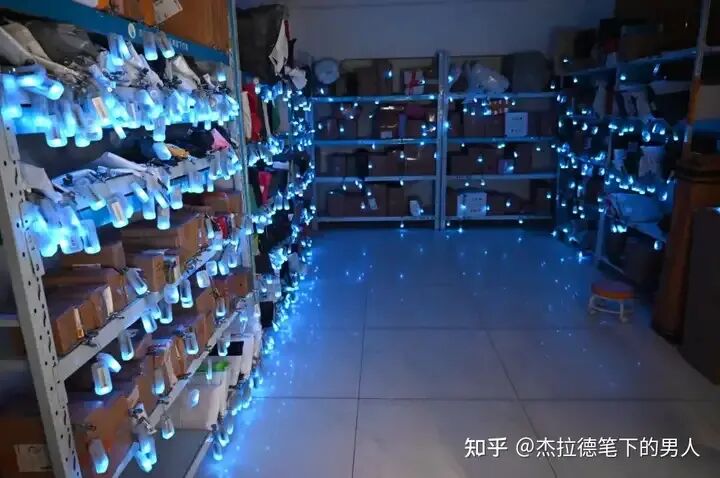
How the “light strip” system works
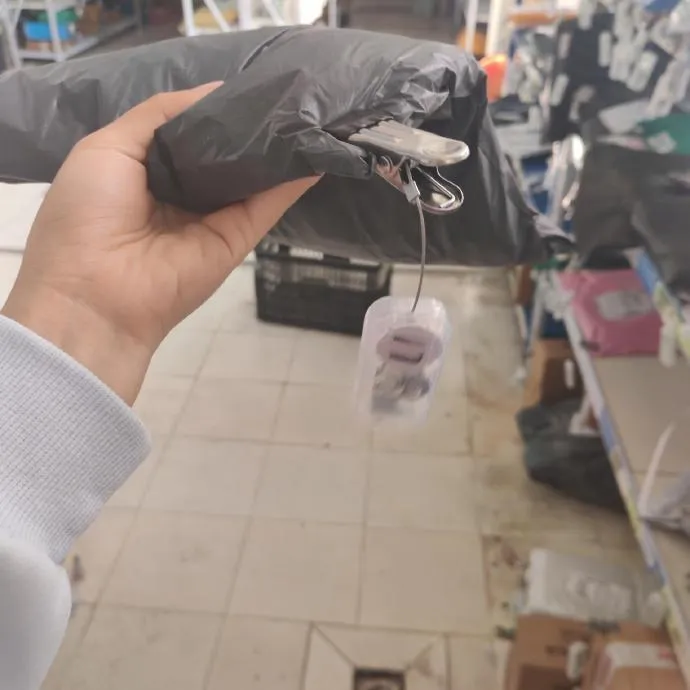
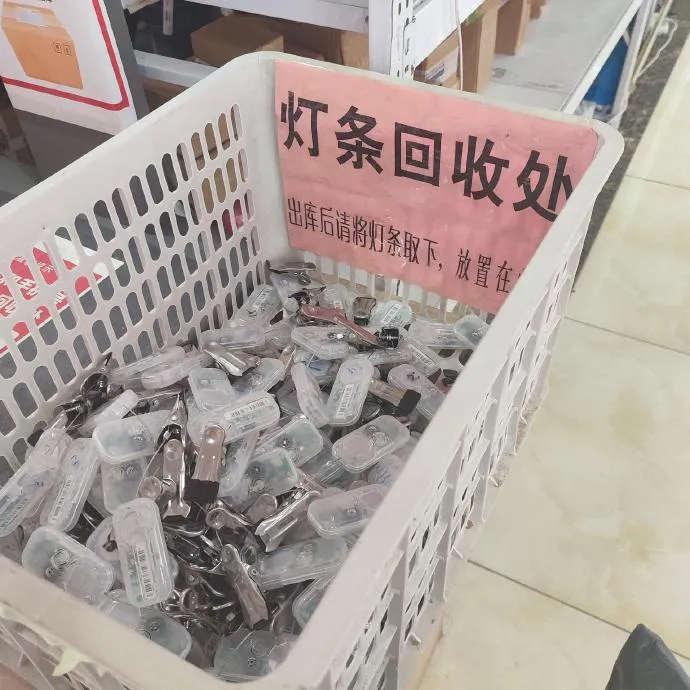
The model reportedly began gaining serious traction around the 2024 Double 11 shopping rush, when Cainiao parcel stations rolled it out across many cities to handle rising volumes. Instead of carefully sorting each parcel into a coded shelf position for customers to read, staff clip a small LED device with a buzzer onto the package during storage. When the customer arrives, they scan through the required app, and their parcel lights up in a specific color while making a beeping sound.
In theory, it sounds futuristic. In practice, many users say it turns parcel pickup into a scavenger hunt in a dim room full of blinking plastic clips, overlapping sounds, and crowded shelves.
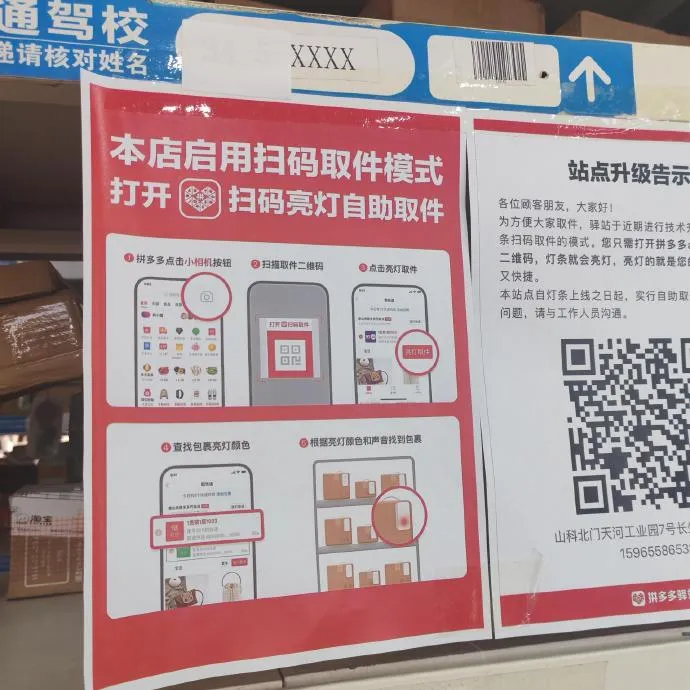
Why users are so angry
The complaints on Zhihu are remarkably consistent. People are not objecting to technology itself. They are objecting to a worse experience being sold as an upgrade. Under the old method, customers could receive a pickup code, glance at a shelf label, grab the parcel, and leave. Under the new method, they may need to unlock a phone, open or install a specific app, scan a code, wait for a light to flash, and then visually search the room before the signal times out.
Some users describe the stations as looking like an 80s disco. Others complain that blue and green lights are hard to distinguish in dark corners, that smaller parcels get hidden behind bigger boxes, and that the constant beeping becomes chaotic during after-work rush hour. Several posters also pointed out the obvious accessibility issue. If younger users already find the process annoying, older residents may find it far worse.
The strongest resentment is not really about LEDs. It is about compulsion. People feel that a basic service has been turned into a forced app interaction.
“What users hear is efficiency. What many users feel is that the work has simply been pushed onto them.”
Why platforms and stations like it anyway
This is where the Zhihu discussion gets especially sharp. One highly upvoted answer argues that the system is terrible for user experience but attractive for businesses because it shifts labor costs and creates a new source of platform value. Instead of station workers spending time labeling, sorting, and helping each customer find the right package, the customer now does more of the searching themselves.
For the parcel station, that can mean less careful organization and lower labor intensity. A clip goes on the parcel, it gets scanned into storage, and it can be placed with much less emphasis on neat shelf coding. For the platform, there is an even bigger upside. A once-simple pickup process now becomes an app entry point. That means downloads, user activity, identity matching, behavior tracking, and possibly advertising exposure when the code is scanned.
In other words, the parcel station becomes more than a logistics handoff point. It becomes a controlled traffic channel. From a platform point of view, that is valuable. From a consumer point of view, that can feel deeply manipulative.
The legal and consumer rights angle
Several commenters also raised a more fundamental point. Delivery to a parcel station is often treated in practice as the default, but many users note that doorstep delivery was originally the standard and that station drop-off should require consent. Some users say they now refuse to download the app and instead complain directly through postal regulators when a courier will not complete delivery as addressed.
Others argue that even if stations use the light-up method, consumers should still be offered alternatives such as pickup codes, phone number verification, or staff assistance. Requiring one proprietary app path for everyone looks, to many people, like a classic platform power play rather than a neutral service improvement.
This is exactly why the backlash feels bigger than a minor product complaint. The system touches a nerve because it sits at the intersection of convenience, digital coercion, and everyday consumer rights.
Not every station is terrible
To be fair, not every user hates it. A minority of Zhihu posters said the system can work well when the station is properly organized. If parcels are divided clearly by area, colors correspond to separate rooms or shelves, and lines of sight are open, the light-up system may actually help people locate their packages faster than hunting through tightly packed coded shelves.
But that caveat almost proves the broader point. The technology is not inherently the problem. The problem is the way it is being deployed. If a system only works nicely in well-managed spaces with good layout and user-friendly fallback options, then forcing it everywhere is a recipe for anger.
What this trend really says about China’s platform economy
The “light up your parcel” trend is a very China 2026 story. It takes a real operational problem, package overload at neighborhood pickup points, and solves it in a way that also happens to strengthen the app ecosystem, deepen platform control, and harvest more user engagement. It is efficient on paper, monetizable in practice, and often miserable at street level.
That is why the public reaction has been so intense. People can sense when a company is optimizing for itself while calling it innovation. The anger on Zhihu is not nostalgia for old pickup codes. It is frustration with a broader logic of modern platform life in China: one more app, one more scan, one more forced detour through someone else’s ecosystem just to do something that used to be simple.
If this model continues spreading, the stations that win people over will probably be the ones that remember a basic rule: digital upgrades should reduce friction for customers, not just reduce labor for platforms.