AI Artist Database Sparks Controversy: Technology Cannot Replace Life
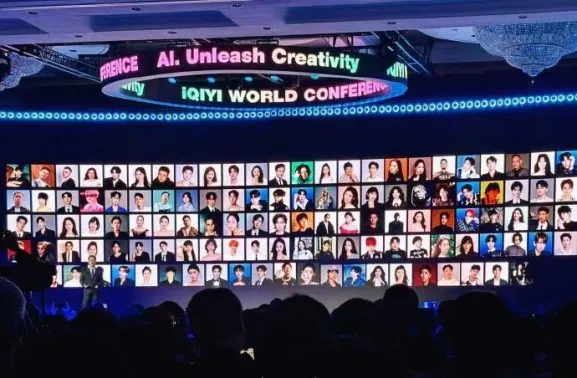
Recently, a video platform announced the establishment of an “AI Artist Database.” The plan aims to generate reusable “digital avatars” for AI-driven film and television production. Although the platform claimed that joining only represents a “willingness to negotiate,” numerous artists, including Zhang Ruoyun, Yu Hewei, and Wang Churan, swiftly issued denials clarifying that they had not signed any related authorizations.The film and television industry has entered an era of competition for existing market share. Shortening production cycles and reducing costs have become key strategies for producers. However, the performing arts are not an assembly-line industry. The value of top-tier actors lies in their irreplaceability: their unique appearance, temperament, acting skills, and audience appeal. Once digital avatars are infinitely replicated, actors risk being downgraded from “creators of value” to mere “one-time data suppliers.”Source: 21st Century Business HeraldThe essence of the AI Artist Database is the substitution of aesthetic logic with industrial logic. Will audiences actually pay for this? When actors become products of an assembly line, works from the “handcrafted era”—which require months of immersion into a character—may instead see their value skyrocket precisely because of their scarcity.The beauty of art lies first and foremost in authenticity. Li Xuejian’s sincere gaze in Jiao Yulu and Leslie Cheung’s still-yet-mad intensity in Farewell My Concubine stem from genuine experience and character-driven creation. That incalculable “surplus of performance” is the very soul of art. AI cannot simulate emotions it has never experienced. It may be able to manufacture “images that look like acting,” but it cannot create “performances with life.”While legal regulations remain imperfect, producers must handle the relationship between technology and humanity with caution. Pursuing profits while disregarding human rights and copyright creates significant legal risks, particularly regarding “blanket authorizations.” Accountability for AI-generated content remains ambiguous. The labor value of performers is being alienated into a reproducible factor of production, yet they remain real individuals with full civil capacity.Public resistance is not hostility towards technology, but an inquiry into the essence of art. Technology can replicate images, but it cannot generate life. As netizens have aptly put it: AI can mimic tears, but it cannot shed sorrow.Moving forward, platforms and capital must act with reverence. We need to improve laws and regulations to clearly define the boundaries of rights and responsibilities for AI-generated content, while respecting the digital persona and labor value of artists. In this era of technological sprinting, we must let art return to authenticity and spirituality. The vitality of the film and television industry is forever rooted in the genuine expression poured out by creators with their heart and soul.Source/21st Century Business HeraldCopyright by the original author, please contact for deletion if there is any infringement.
Editor/Zang Hongxing
Proofreader/Zhang Chunliang
Executive producer/Zhao Xiangyang
Review/Information Office of Yantai Municipal People’s Government
 夜雨聆风
夜雨聆风