 夜雨聆风
夜雨聆风


《Word Power Made Easy》读书笔记session 41
期文章回顾:
《Word Power Made Easy》读书笔记session 40
《Word Power Made Easy》读书笔记session 39
《Word Power Made Easy》读书笔记session 36
《Word Power Made Easy》读书笔记session 35
《Word Power Made Easy》读书笔记session 34
《Word Power Made Easy》读书笔记session 33
《Word Power Made Easy》读书笔记session 32
《Word Power Made Easy》读书笔记session 31
《Word Power Made Easy》读书笔记some interesting derivations
《Word Power Made Easy》读书笔记- Section 30
《Word Power Made Easy》读书笔记- Section29
《Word Power Made Easy》读书笔记- Section28
《Word Power Made Easy》读书笔记- Section27
《Word Power Made Easy》读书笔记- Section26
《Word Power Made Easy》读书笔记- Section25
《Word Power Made Easy》读书笔记- Section24
《Word Power Made Easy》读书笔记- Section23
《Word Power Made Easy》读书笔记- Section22
《Word Power Made Easy》读书笔记- Section21
《Word Power Made Easy》读书笔记- Section20
《Word Power Made Easy》读书笔记- Section19
《Word Power Made Easy》读书笔记- Section17
《Word Power Made Easy》读书笔记- Section16
《Word Power Made Easy》读书笔记- Section15
《Word Power Made Easy》读书笔记- Section14
《Word Power Made Easy》读书笔记- Section13
《Word Power Made Easy》读书笔记- Section12
《Word Power Made Easy》读书笔记- Section11
《Word Power Made Easy》读书笔记- Section 9,10
《Word Power Made Easy》读书笔记-Section 8
《Word Power Made Easy》读书笔记-Section 7
《Word Power Made Easy》读书笔记第4章-Section 6
《Word Power Made Easy》读书笔记第4章-Section 5
《Word Power Made Easy》读书笔记第4章-Section 5
《Word Power Made Easy》读书笔记第4章-Section 4
《Word Power Made Easy》读书笔记第三章-Section 3
《Word Power Made Easy》读书笔记第三章-Section 2
《Word Power Made Easy》读书笔记第三章-Section 1
《Word Power Made Easy》读书笔记第一章(上)
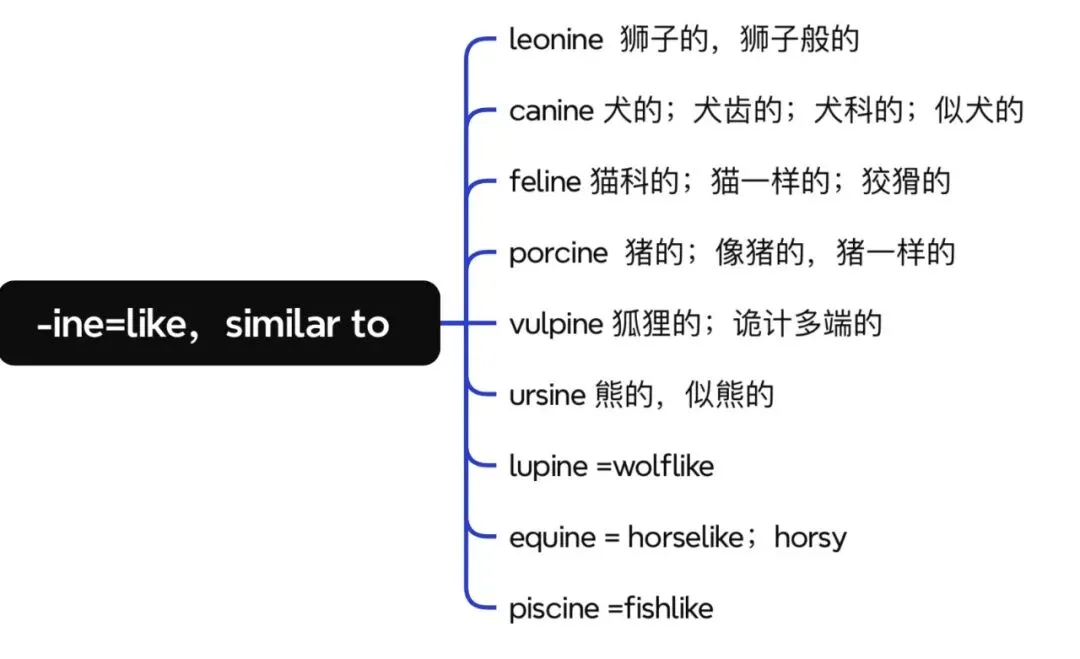
bovine /ˈboʊvaɪn/ 牛的;似牛的
-
引申义(形容人): 迟钝的、呆滞的、反应慢的、面无表情的
-
语气: 偏书面,常带“呆笨、木讷”的暗示
-
例句:
-
a bovine expression on his face(他脸上一种呆滞的表情)
-
He stared at me with a bovine indifference.
stolid /ˈstɑːlɪd/ 感情不外露的;冷静到近乎麻木的;木然的
-
强调: 不是“冷静有理”,而是“很难被触动”
-
例句:
-
She remained stolid despite the bad news.
-
a stolid temperament(木然的性格)
unexcitable /ˌʌnɪkˈsaɪtəbəl/ 不易激动的;情绪平稳的;很难被惹动
-
语气: 相对中性,可褒可贬看语境
-
例句:
-
He’s an unexcitable driver, even in heavy traffic.
-
an unexcitable disposition(不易激动的性情)
phlegmatic /fleɡˈmætɪk/ 冷静的、淡漠的、不易激动的(尤指天生如此)
-
语体: 较正式/书面
-
强调: 一种“天生的镇定”,有时接近“冷淡”
-
例句:
-
His phlegmatic response calmed everyone else down.
-
a phlegmatic nature(淡定冷静的天性)
a bovine person 一个呆钝的人;反应慢、表情木然、不太机灵的人
-
用法: 书面或描写性语言,日常口语不礼貌
-
近义描述: a dull / stolid / phlegmatic person(但 bovine更“呆”更“钝”)
-
例句:
-
He’s not stupid, just a bovine person who takes everything slowly.
canine teeth: 犬齿(上下颌各一对,常用于撕咬)中文常说: 犬牙 / 尖牙 The skull still had sharp canine teeth.;One of his canine teeth was chipped.
-
最“呆/钝”: bovine(牛一般的呆滞)
-
最“木然不动”: stolid
-
最“情绪平稳”: unexcitable(中性)
-
最“天生淡定”: phlegmatic(偏正式)

nostalgia /nɑːˈstældʒ 怀旧,恋旧;对过去的人、事、时光的温柔思念
语气: 常带“美好但回不去”的情绪色彩
例句:He looked back with a sense of nostalgia.
The song filled her with nostalgia for college days.
neuralgia /njʊˈrældʒə/(神经痛) 神经部位反复发作的锐痛(医学术语)
例句:She was treated for facial neuralgia.
cardialgia /kɑːrˈdældʒə/ 心痛;胃灼热(常指胃-食管部位疼痛,不是“心碎”那种比喻)来源:cardio-(心/胃上部)+ -algia(痛)
例句:The patient complained of cardialgia after eating.
external stimulus /ɪkˈstɜːrnl ˈstɪmjələs/ 外部刺激(来自外界的感官或环境输入)
常见语境: 心理学、神经科学、行为学
例句:The brain responds to every external stimulus.
Pain is often triggered by an external stimulus.
5. crowd your mind with scenes from an earlier day 脑海中挤满往日的画面;不由自主地想起过去的情景
例句:Sitting by the fire, she crowded her mind with scenes from an earlier day.
in retrospect /ɪn ˈretrəspekt/ 回想起来,事后看来
常用搭配: in retrospect, it seems…
例句:In retrospect, I should have left earlier.
The decision was risky, but in retrospect, it paid off.
store up the pleasant experiences 把愉快的经历储存起来(在记忆里积攒美好)
例句:Traveling teaches you to store up the pleasant experiences.
get buried in the unconscious 被埋入潜意识中(逐渐不被意识触及)
语境: 心理学/精神分析常见表达
例句:Old fears can get buried in the unconscious and resurface later.
relive these pleasant occurrences 重温这些愉快的事(在记忆里重新经历一遍)
relive: 重新体验(尤指回忆中)
例句:At night, she would relive these pleasant occurrences in her mind.
feel the emotional pain 感受到情绪上的痛苦(心理痛苦,而非肉体疼痛)
例句:Even years later, he could feel the emotional pain of that loss.
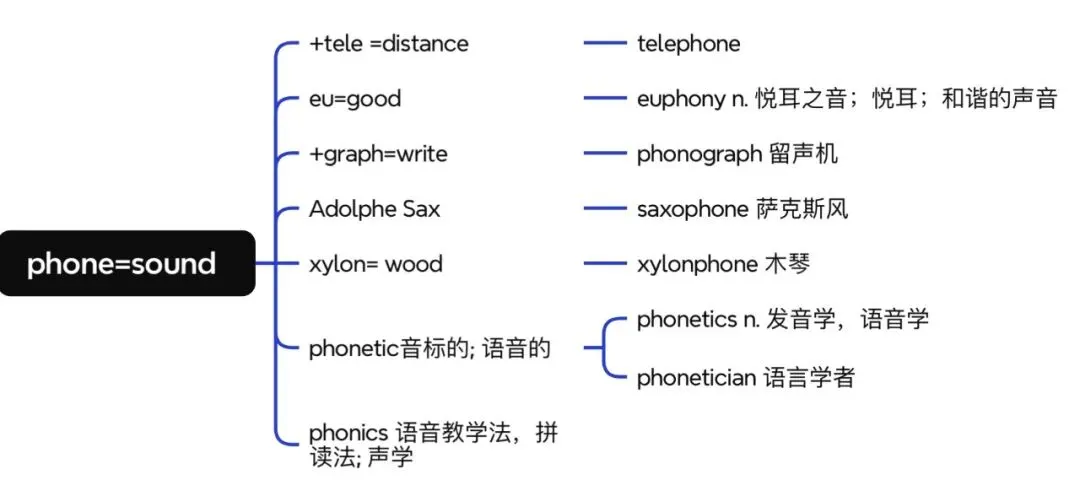
harsh-sounding – 刺耳的(声音粗糙、不悦耳)
unmusical – 不悦耳的,不具音乐性的
grating – 刺耳的,摩擦般的(像金属刮擦声)
ear-offending – 刺耳的,伤耳朵的(较文学化)
in man-made surroundings – 在人造环境中(如工厂、城市)
thunder through their tunnels – 在隧道中轰鸣而过(常形容列车或机器)
eye-offending – 刺眼的,难看的(视觉上的不适)
cacopsis – 声音不和谐(医学/生物学旧术语,指声音异常)
cacoptic – 视觉不和谐的(对应 cacopsis 的视觉版本)
the traffic bedlam of rush hours – 高峰时段交通的嘈杂混乱
a blast furnace – 高炉(常关联工业噪音、高温、轰鸣)
cacophonous – 嘈杂的,杂音的(正式用词,形容刺耳混合声)
动物食性相关
-
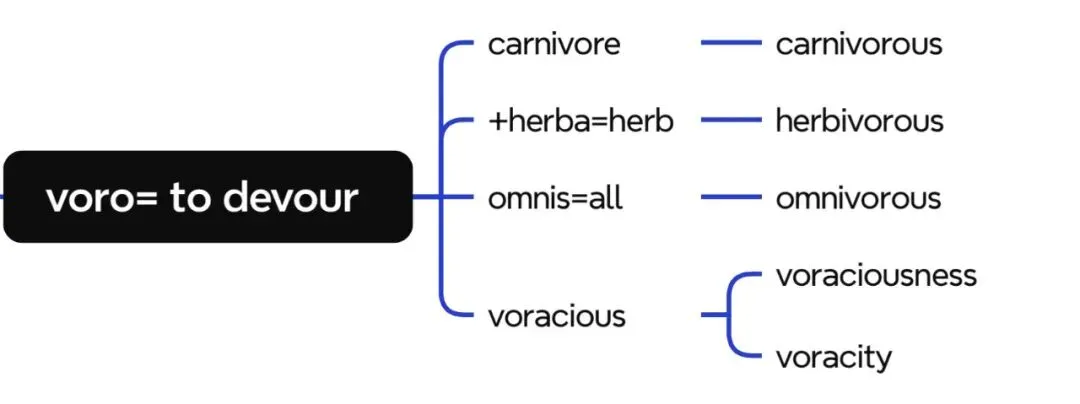
carnivorous(adj.)肉食性的
-
carnivore(n.)肉食动物
-
herbivorous(adj.)草食性的
-
omnivorous(adj.)杂食性的
-
subsist on(phrase)靠…维持生存/食物
不加选择的 / 广泛的
-
indiscriminate(adj.)不加区分的, indiscriminate eating(什么都吃)
动物例子
-
bobcat(n.)短尾猫(一种中小型野生猫科动物,通常肉食性)
“贪吃/渴求”相关(常引申为求知欲强)
-
voracious(adj.)贪婪的,渴求的(形容吃或吸收信息)
-
voracious eater 吃起东西来很猛的人
-
voracious reader 如饥似渴的读者
-
voraciousness(n.)= voracity(n.)贪吃;渴求
-
gluttonous(adj.)暴食的,贪吃的(偏贬义)
-
a voracious eater 可替换为 a gluttonous eater(语气更强)
一、权力与无能:potent / potentate / impotent / potential
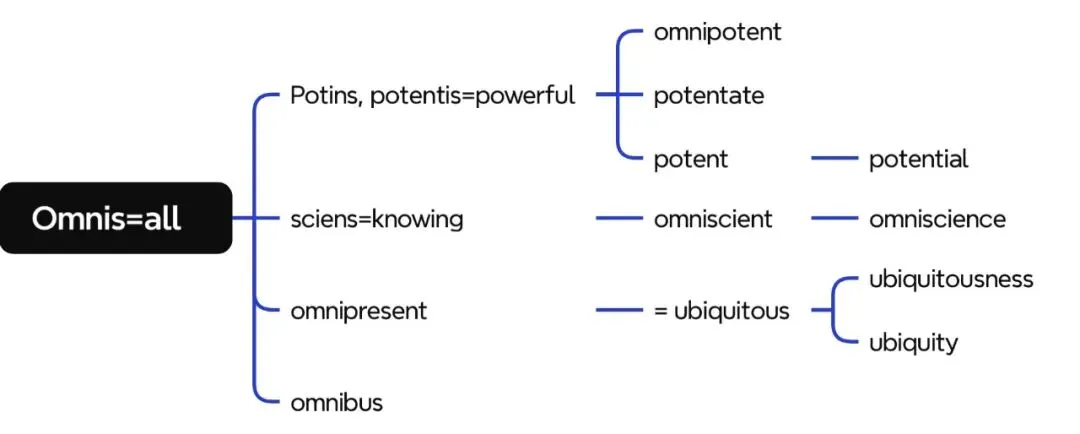
1. Omnipotent: Having unlimited power; able to do anything.全能的;无所不能的 omni-(所有)+ potent(力量)→ 拥有“所有力量”。
2. Potentate: A person who has great power or authority, especially a ruler or monarch. 有权势的人;(尤指)君主、统治者 potent(强有力的)+ 表人的后缀 -ate→ “强权之人”。
3. Impotent : Lacking power, strength, or effectiveness; unable to act effectively 无能为力的;无效的;(男性)阳痿的 im-(无)+ potent(力量)→ “没有力量的”。
4. Potent : Having great power, influence, or effect.强有力的;效力强的
词根 pot= power(力量),本组核心词。
5. Potential: (adj.) Capable of becoming real or developing into something in the future; (n.) Possibility for development or success.(adj.) 潜在的;(n.) 潜力、潜能 potent(力量)+ -ial(形容词/名词后缀)→ “尚未释放出来的力量”。
二、奉承与狼狈:sycophantic / soaking wet
6. Sycophantic courtiers: Servants or advisors at a royal court who flatter and obey too much in order to gain favor.阿谀奉承的朝臣
sycophantic:拍马屁的、谄媚的
courtiers:朝臣、宫廷随从
sycophant原义“告密者”→ 引申为“靠讨好上位的人”。
7. Get soaking wet: To become completely saturated with water.
被(雨、水等)彻底淋湿 soaking(浸泡般的)+ wet(湿)→ 强调“湿透”。
三、“全知 / 全在 / 无处不在”:omniscient / omnipresent / ubiquitous
8. Omniscient: Knowing everything; having complete knowledge.全知的;无所不知的omni-(所有)+ scient(知道)→ 知道一切。
9. Omniscience : The state or quality of knowing everything.全知;无所不知 omni-+ science(知识)→ “全部知识的状态”。
10. Omnipresent : Present everywhere at the same time. 无所不在的;遍在的 omni-+ present(在场)→ 到处都在。
11. Ubiquitous: Seeming to be everywhere; very common and hard to escape. 无所不在的;普遍存在的ubi(where)+ -quitous→ “到处在那儿”。
12. Ubiquity: The fact of appearing everywhere; being widespread. 无所不在;普遍存在 名词形式,对应 ubiquitous
13. Ubiquitousness:The quality or state of being ubiquitous. 普遍性;无所不在的性质ubiquitous+ -ness(名词后缀)。
四、动作与综合:refuel / omnibus / miscellaneous
14. Refuel departing planes: To supply aircraft that are about to leave with fuel again. 给即将起飞的飞机加油
refuel:重新加油
departing planes:离港/起飞的飞机
15. Omnibus: (n.) A long vehicle for many passengers (bus); (adj.) Covering many things at once. (n.) 公共汽车;(adj.) 综合的、多项的
omni-(所有)+ bus(走)→ “把所有人都带走的东西”。
16. An omnibus legislative bill: A single bill that includes many different topics or provisions.一项包含多项内容的综合性立法法案
用 omnibus的“综合、打包”含义修饰 bill。
17. All the miscellaneous provisions and appropriations: Various unrelated rules and money allocations gathered together.各种杂项条款与拨款
miscellaneous:混杂的、各种各样的
provisions:(法律)条款、规定
appropriations:(政府)拨款、经费分配
6. More flesh
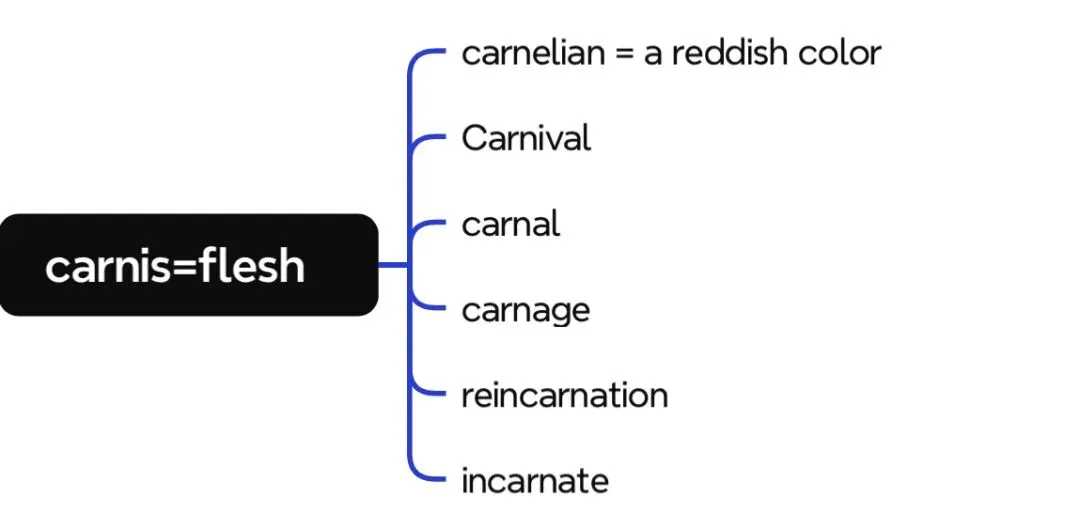
carnelian /kɑːˈniːliən/ 红玉髓(一种红棕色宝石)
carnival /ˈkɑːnɪvl/ 狂欢节;嘉年华
Carne vale /ˌkɑːneɪ ˈvɑːleɪ/ (拉丁语)肉,再见(狂欢节的词源,意为“告别肉食”)
Take a last fling /teɪk ə lɑːst flɪŋ/ 最后的放纵;最后一搏
exuberant /ɪɡˈzjuːbərənt/ 生气勃勃的;兴高采烈的
riotous /ˈraɪətəs/ 狂欢的;骚乱的
carnal /ˈkɑːnl/ 肉体的;感官的
carnal pleasures /ˈkɑːnl ˈpleʒəz/ 肉体享乐
carnal appetites /ˈkɑːnl ˈæpɪtaɪts/ 肉欲;本能欲望
lecherous /ˈletʃərəs/ 好色的;淫荡的
lascivious /ləˈsɪviəs/ 好色的;淫乱的
lubricious /luːˈbrɪʃəs/ 光滑的;淫荡的
carnality /kɑːˈnæləti/ 肉欲;淫荡
carnage /ˈkɑːnɪdʒ/ 大屠杀;残杀
reincarnation /ˌriːɪnkɑːˈneɪʃn/ 转世;化身
reincarnate /ˌriːɪnˈkɑːneɪt/ 使转世;赋予新形体
incarnate /ɪnˈkɑːneɪt/ 化身的;成为化身
the devil incarnate /ðə ˈdevl ɪnˈkɑːneɪt/ 恶魔的化身
Personification of evil /pəˌsɒnɪfɪˈkeɪʃn əv ˈiːvl/ 罪恶的化身
embody /ɪmˈbɒdi/ 体现;使具体化
7. dark secrets
clandestine /klænˈdestɪn/ 秘密的;私下的(尤指非法或见不得人的)
concealment /kənˈsiːlmənt/ 隐藏;隐瞒;藏匿处
surreptitious /ˌsʌrəpˈtɪʃəs/ 偷偷摸摸的;鬼鬼祟祟的(强调不被察觉)
surreptitiousness /ˌsʌrəpˈtɪʃəsnəs/ 偷偷摸摸;隐秘性
stealthy /ˈstelθi/ 隐秘的;悄悄的(侧重行动无声)
sneaky /ˈsniːki/ 鬼鬼祟祟的;卑鄙的(口语化,含贬义)
furtive /ˈfɜːtɪv/ 偷偷摸摸的;躲闪的(因心虚而匆忙隐蔽)
fear of detection /fɪər əv dɪˈtekʃn/ 害怕被发现(的恐惧)
clandestine plans /klænˈdestɪn plænz/ 秘密计划
surreptitious movements or actions 偷偷摸摸的动作或行为
国际译员施晓菁亲授:3 步跳出中文惯性,彻底和中式英语说再见
别瞎学了!90% 英语学习者栽在 “内耗” 上,这样学才高效
尚雯婕外语学习法:每天2小时,10个月把外语“刻”进本能,方法简单到可怕
年薪200万英语逆袭者秘招:学英语,选对材料比瞎努力重要100倍;分基础整理,小白也能直接抄作业
100天逆袭:一部动画重复 100 遍,他靠 “笨方法” 把英语练成了年薪200万
花最少的钱爆改自己:不用医美、不买奢侈品,一口流利的外语就足够了